
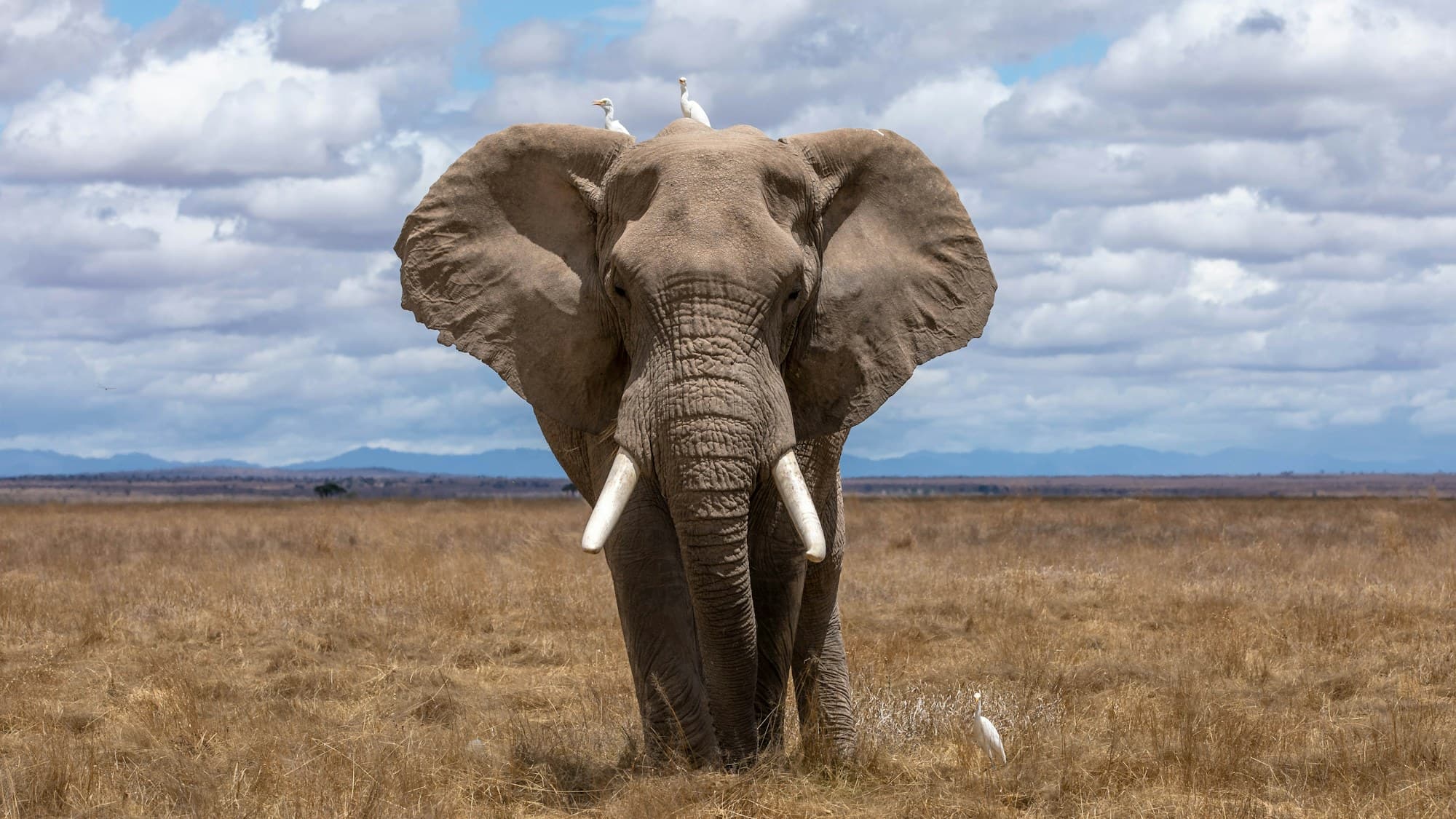
On foot
Walking Safaris in Zimbabwe
Walk the bush with some of Africa’s most rigorously trained guides, from Mana Pools’ floodplain to the rhino country of Matobo.
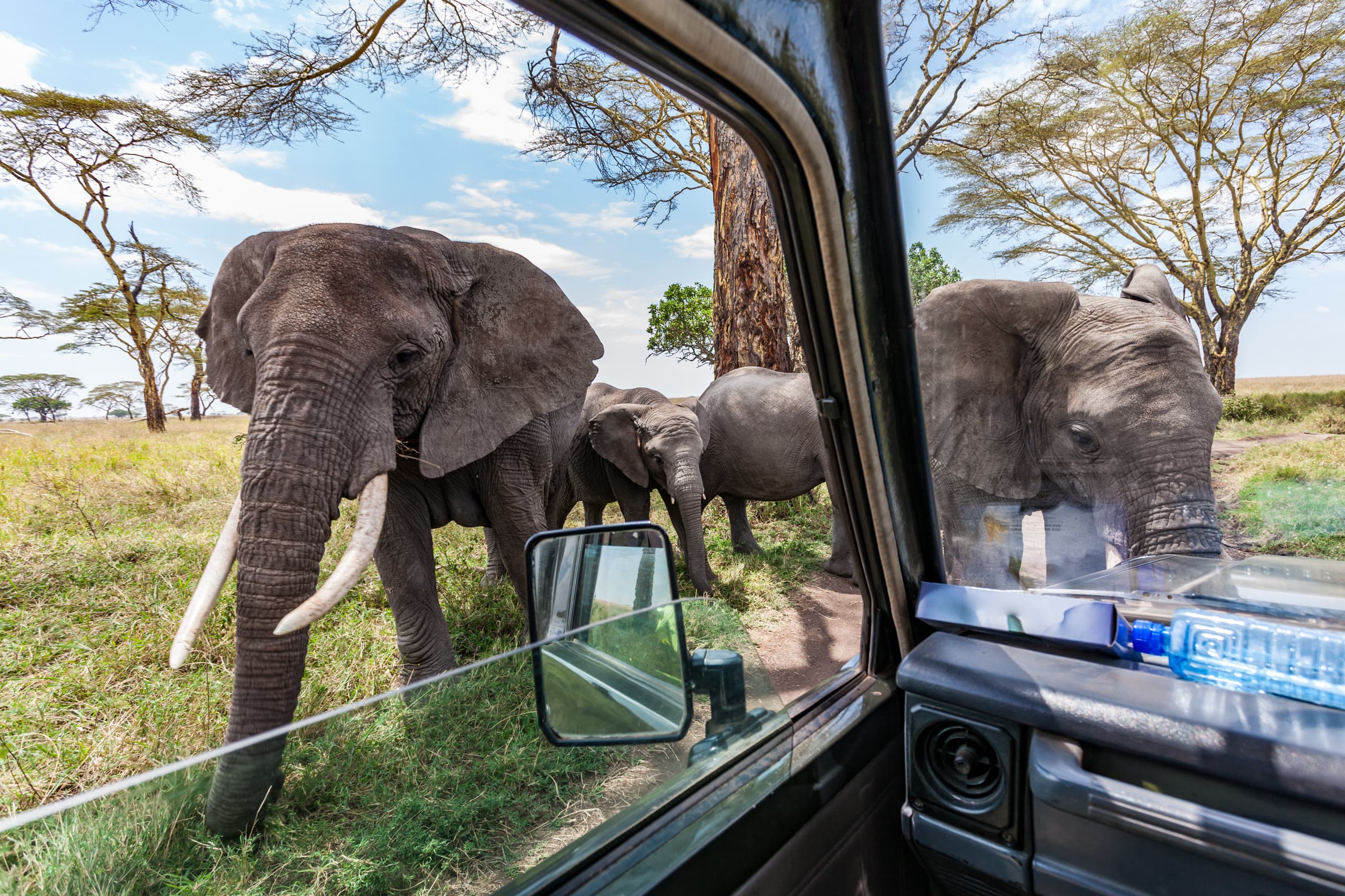
Zimbabwe Travel Guide
A calm, practical look at the travel advisory, cities and roads, walking and canoeing with professional guides, malaria and the health cover a remote safari needs.
Is Zimbabwe safe to visit? For a well-planned safari, the answer for most travelers is yes. Victoria Falls is a long-established tourism town, and the camps in Hwange, Mana Pools and the other parks are remote, well run and used to international guests. Most visitors move between the falls, their camps and the airstrips without incident, and the everyday frustrations tend to be about cash and change rather than security.
It helps to separate two kinds of risk. Country risk, meaning crime in the cities, demonstrations and dealings with officials, is what government advisories describe. Safari risk, meaning wildlife, heat, remoteness and road travel, is what actually shapes your days in the bush, and it is managed mainly by good guiding and planning.
At the time of writing (September 2026), the US State Department’s advisory for Zimbabwe is Level 2, “Exercise Increased Caution”, citing crime and official harassment of US citizens and warning that demonstrations can turn violent. Published trackers date that level to October 2023. Check the current advisory on travel.state.gov before you book and again shortly before you fly.
Country Risk
Petty theft and bag snatching occur, particularly in busy central areas and after dark. Use arranged transfers, keep phones and cameras out of sight in traffic, and don’t walk around at night. Most safari itineraries pass through for a night at most.
Political gatherings can change quickly and are best avoided entirely. Tension tends to rise around elections and major political events, so check the news and your government’s advice close to departure.
Police checkpoints are common on main roads. Carry your passport, or a copy if your guide advises, stay courteous, and let your driver handle the conversation. If anything seems irregular, stay calm and call your local contact.
Generally relaxed and easy to walk by day around the hotels and the rainforest entrance. Persistent curio sellers and street money changers are the main nuisance: decline politely and keep walking.
Don’t photograph police, soldiers, government buildings, airports or border posts, and ask before photographing people. When in doubt, ask your guide first.
Livestock, wildlife, potholes and unlit vehicles make night driving hazardous outside towns. We plan road transfers to finish in daylight, and the longer legs in the northwest are usually flown.
Safari Risk
Zimbabwe’s strongest safety feature is its guiding standard. Anyone leading you on foot or in a canoe holds a licence that takes years to earn: written exams, an apprenticeship of at least two years under a licensed professional, a firearms proficiency test, an interview and a seven-day practical exam held once a year. Walking guides carry a rifle, canoe guides add a canoeing qualification, and the best of them rarely need either skill in earnest because they read animals early and keep a respectful distance. The walking safaris guide explains the licence path in full.
The rules that keep you safe are simple. Most camps are unfenced, so after dark you are escorted between your tent and the main area. On a walk you stay in single file behind the guide, keep quiet and never run. On the water, hippos and crocodiles are the real hazards, which is why nobody swims in the Zambezi or Lake Kariba, and why canoe guides plan every stretch of river around where the pods are resting.
Age limits exist for good reasons. The Mana Pools canoe trail takes travelers from 14, and walking minimums vary from camp to camp, so tell us the ages in your party early and we will match camps and activities to them.
Health
| Topic | What to know |
|---|---|
| Malaria | Present in all areas of Zimbabwe according to the CDC, with resistance to chloroquine. Prescription options include atovaquone-proguanil, doxycycline, mefloquine and tafenoquine; a travel-health clinician will help you choose. |
| Yellow fever | The CDC does not recommend the vaccine for Zimbabwe. A certificate is required only for travelers aged nine months or older arriving from a country with yellow fever risk, including after an airport transit of more than 12 hours there. |
| Routine vaccines | Be up to date, including measles, mumps and rubella (MMR). |
| Hepatitis A and B, typhoid | The CDC recommends hepatitis A for most travelers aged one and over, and hepatitis B; typhoid depends on where you eat and stay. |
| Rabies | Rabid dogs are common in Zimbabwe, and the CDC has flagged counterfeit rabies vaccine circulating there. If a clinician advises pre-exposure shots, have them at home before you travel. |
| Cholera | Recommended only in certain situations; ask your clinic whether it applies to you. |
| Medical care | Camps keep first-aid kits and radio or satellite contact, but serious illness or injury in a remote park means air evacuation to a major hospital, sometimes outside Zimbabwe. |
A summary of CDC guidance at the time of writing (September 2026), not medical advice. See a travel-health clinic or your doctor well before you travel.
Practical Health
Your flight routing can matter for the yellow fever rule. Most US travelers connect through Johannesburg, Addis Ababa or Nairobi, and Ethiopia and Kenya are both countries with yellow fever risk. A short same-day connection is generally fine, but an overnight stopover, a transit longer than 12 hours or a safari in Kenya first can bring the certificate requirement into play, so tell your clinic your full route.
October heat in the Zambezi Valley and at Lake Kariba is a health issue as much as a comfort one. Drink more than you think you need, keep midday for shade, wear a wide-brimmed hat and tell your guide early if you feel unwell. Camps supply safe drinking water, and it is worth using it for brushing your teeth too.
Before and During Your Trip
Experiences
On foot
Walk the bush with some of Africa’s most rigorously trained guides, from Mana Pools’ floodplain to the rhino country of Matobo.
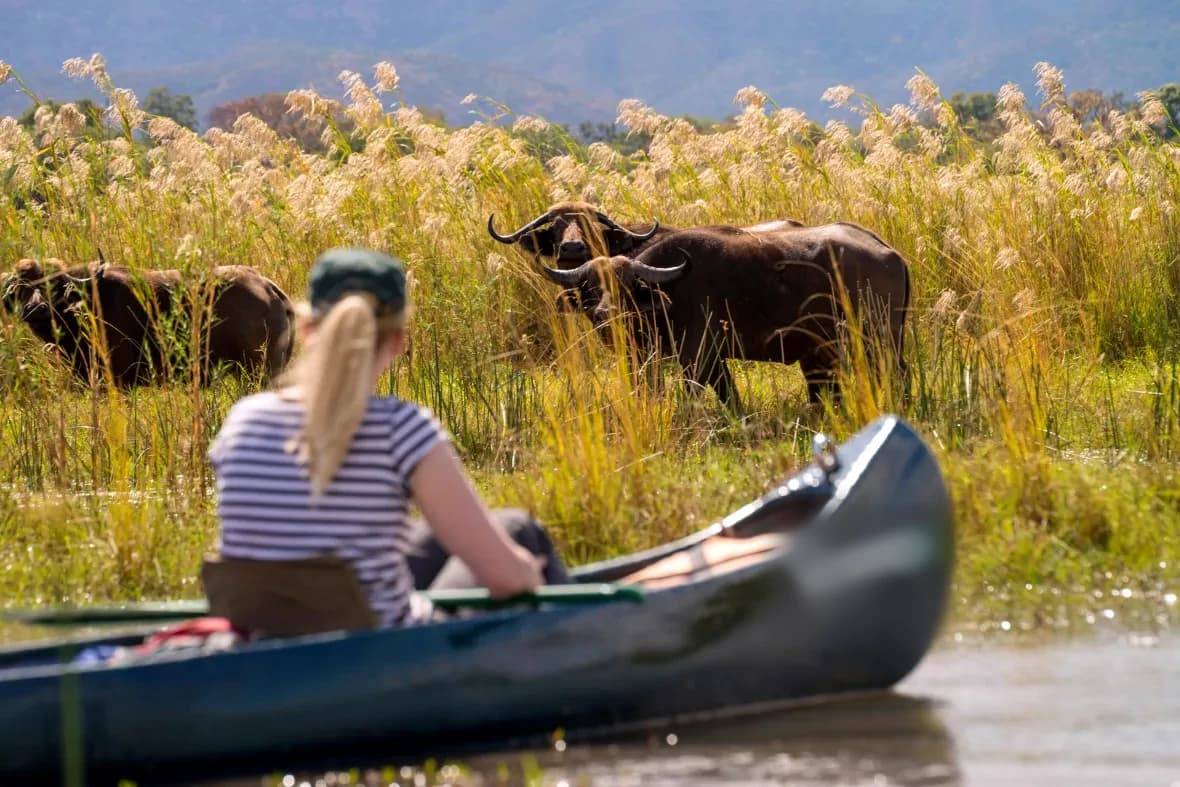
On the water
Paddle about 50 km of the Zambezi over three nights, walking ashore by day and sleeping in simple fly-camps beside the river.
Where to go
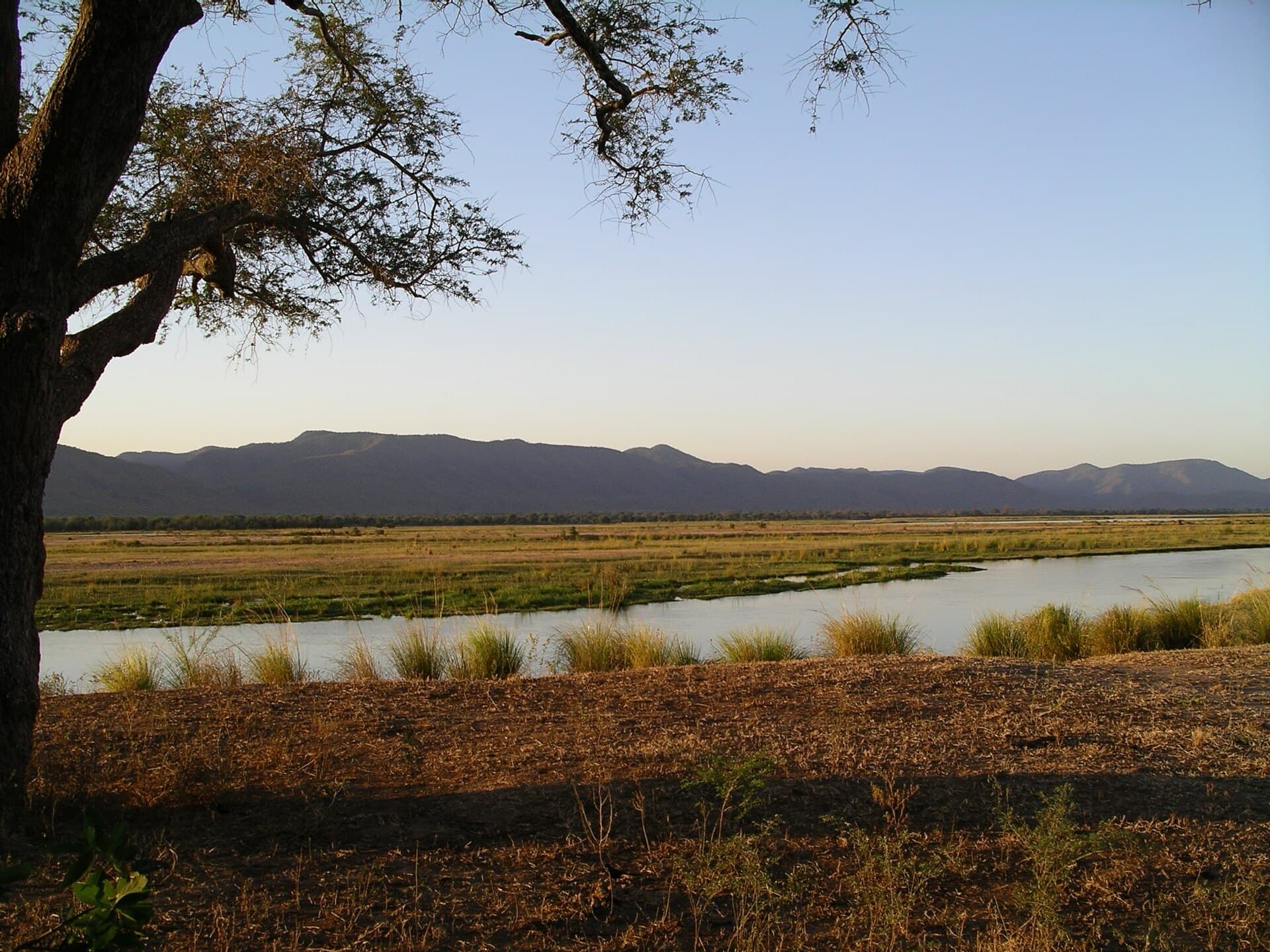
Zimbabwe’s walking heartland on the Zambezi: floodplain woodland, elephants among the albidas and camps that open only in the dry season.
ExploreRemote southeastern wilderness of red cliffs, sand rivers and elephants, for travelers who want Zimbabwe at its most untouched.
Explore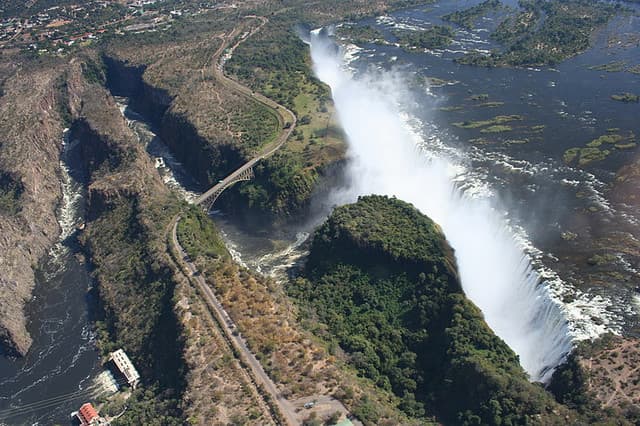
The falls from the bank that faces most of the curtain, with a rainforest walk, river cruises and gorge adventures on the doorstep.
ExploreGood to know
Victoria Falls is one of southern Africa’s most established tourist towns, and most visitors find it relaxed. Take normal precautions: keep valuables out of sight, ignore street money changers and use arranged or hotel-booked transport after dark.
At the time of writing (September 2026), it is Level 2, “Exercise Increased Caution”, the second of four levels, reflecting crime, official harassment of US citizens and the risk of demonstrations. Advisories change, so check travel.state.gov when you book and again before you fly.
The CDC lists malaria risk in all areas of Zimbabwe, so most travelers take prescription antimalarials. Which one depends on your health, age and other medication, so see a travel-health clinic well before departure. Long sleeves at dusk and a good repellent add a second layer of protection.
Not if you fly in from the United States or Europe, or connect briefly through Johannesburg. A certificate is required only when arriving from a country with yellow fever risk, including after a transit of more than 12 hours there, which can apply to long connections through some African hubs.
They carry real risk, which is exactly why Zimbabwe trains its walking and canoe guides so thoroughly. The risk is lowest when guests follow the briefing: single file, no running and immediate response to the guide’s instructions. Age limits apply, including 14 for the Mana Pools canoe trail.
Tell us when you can travel, who is coming and whether you picture the falls, a canoe on the Zambezi or rhino tracks in the Matobo Hills. We’ll design a private Zimbabwe journey around it, and nothing is booked until you approve it.
Plan My Zimbabwe Safari