Culture

Visiting OvaHimba Communities Respectfully

The value of a visit lies in the conversation rather than the photograph, and in who decides how it happens.

SeasonYear-round, though families move with grazing and water, so who is at a homestead changes through the year. May–September is the most comfortable time for Kaokoland’s heat.
DurationUsually two to three hours with a host family, including introductions and the drive; a Living Museum program can be shorter
WhereKaokoland, around Opuwo and the Kunene River · Community-run Living Museums · Settlements near Kamanjab, Outjo, Uis and Spitzkoppe
Best forTravelers interested in pastoralist life in the north-west · Families with older children who can sit, listen and ask questions · Photographers willing to lead with conversation · Fly-in guests staying in Kaokoland

A Himba village visit is one of the first things travelers ask about in north-western Namibia, and it deserves a careful answer. The OvaHimba are semi-nomadic pastoralists, around 50,000 people across the Kunene Region and southern Angola, whose lives are organized around cattle, goats, grazing and water. Many families keep a base homestead and move their herds to seasonal pastures as the rains dictate, and women traditionally cover their skin and hair with otjize, a paste of butterfat and red ochre. Like any community, OvaHimba life is also changing, with many young people moving between homesteads, schools and towns such as Opuwo. What you meet is a living culture, not a picture of the past.

Visits can be respectful and genuinely rewarding when the community sets the terms: who hosts, what is shared, what is paid and whether photographs are welcome. They can also go the other way, when a stop is arranged around visitors’ cameras rather than a family’s agreement. This page sets out how we tell the difference and what we will and won’t arrange. It is the only cultural visit we recommend in Namibia, and it fits most naturally into a stay in Kaokoland, as on our 8-day Damaraland and Kaokoland safari.

Visiting OvaHimba Communities Respectfully

How It Works

  1. We arrange the visit in advance through a conservancy, community partnership or lodge agreement that the host families have chosen to take part in, never as a drop-in.

  2. A guide from the community who speaks Otjiherero introduces you, explains etiquette on the way and interprets throughout, so the visit becomes a conversation rather than a viewing.

  3. What happens next is the family’s choice: time around the homestead, milking or herding, the preparation of otjize, or simply questions asked in both directions.

  4. Before any photograph, your guide asks the person concerned. A no is accepted without discussion, and children are not photographed without a parent’s agreement.

  5. The agreed fee goes to the community or the family directly, and if you buy jewelry or crafts, you buy from the maker at the maker’s price.

Visiting OvaHimba Communities Respectfully

Where You Can Do It

Kaokoland, around Opuwo and the Kunene River
The OvaHimba heartland. Visits are arranged through conservancies or long-standing community partnerships, with a guide from the area who speaks Otjiherero.
Community-run Living Museums
The Living Culture Foundation Namibia, a non-profit, helps communities run Living Museums, including an Ovahimba Living Museum. They are openly presented re-enactments of traditional life with set programs and prices, designed to earn income for the community.
Settlements near Kamanjab, Outjo, Uis and Spitzkoppe
Travelers heading for Etosha or Damaraland often pass settlements advertising Himba visits, far south of the heartland. From the roadside it is hard to know who arranged a stop or who is paid, so we don’t build unplanned visits into your route.

Good to know

  • Your guide will point out the okuruwo, the sacred ancestral fire, and explain where visitors should not walk; follow their lead on where to sit and when, if ever, to enter a hut.
  • Don’t bring sweets or hand out gifts to children. If you want to contribute more, ask your guide what the community has prioritized, or buy crafts directly.
  • We keep visits to your own party. A small group can sit and talk, whereas a large one turns a home into a spectacle.
  • A short visit is an introduction, not immersion. Go curious, expect to learn a little, and leave judgments about clothing, dwellings or technology at the vehicle.
  • We won’t arrange drop-in stops, visits built around children, or payments made in exchange for posed photographs.

Safaris

Safaris Featuring This Experience

Granite domes of Spitzkoppe rising from the Damaraland plains
8 daysRemote

Desert Rhino & the Kunene

Windhoek · Damaraland · Kaokoland

Seasoned safari travelers who value wilderness, conservation and silence over a long species list

Best months
April–September, before the heat builds
Comfort levels
Premium · Luxury · Ultra-Luxury
Individually quoted
Good to know

Frequently asked questions

Is it ethical to visit a Himba village?

It can be, when the community decides whether and how visits happen, a local guide interprets, the fee reaches the families and photographs are taken only with consent. Unplanned roadside stops rarely meet those tests, which is why we arrange visits only through community agreements.

Can I photograph OvaHimba people?

Only with permission, asked through your guide at the time. Many people are happy to be photographed once you have talked and they have agreed; some are not, and that answer stands. Children are never photographed without a parent’s consent.

Should I bring gifts for the family?

Not sweets, and not handouts to children, which quickly change how children greet every passing vehicle. The fee paid to the community is the core contribution, and buying jewelry directly from its maker is a welcome addition.

What is a Living Museum?

It is a community-run program, supported by the non-profit Living Culture Foundation Namibia, in which people demonstrate traditional skills and daily life as an openly staged re-enactment. It doesn’t pretend to be an everyday home, and the fees are designed to earn income for the community that runs it.

Experiences

Related experiences

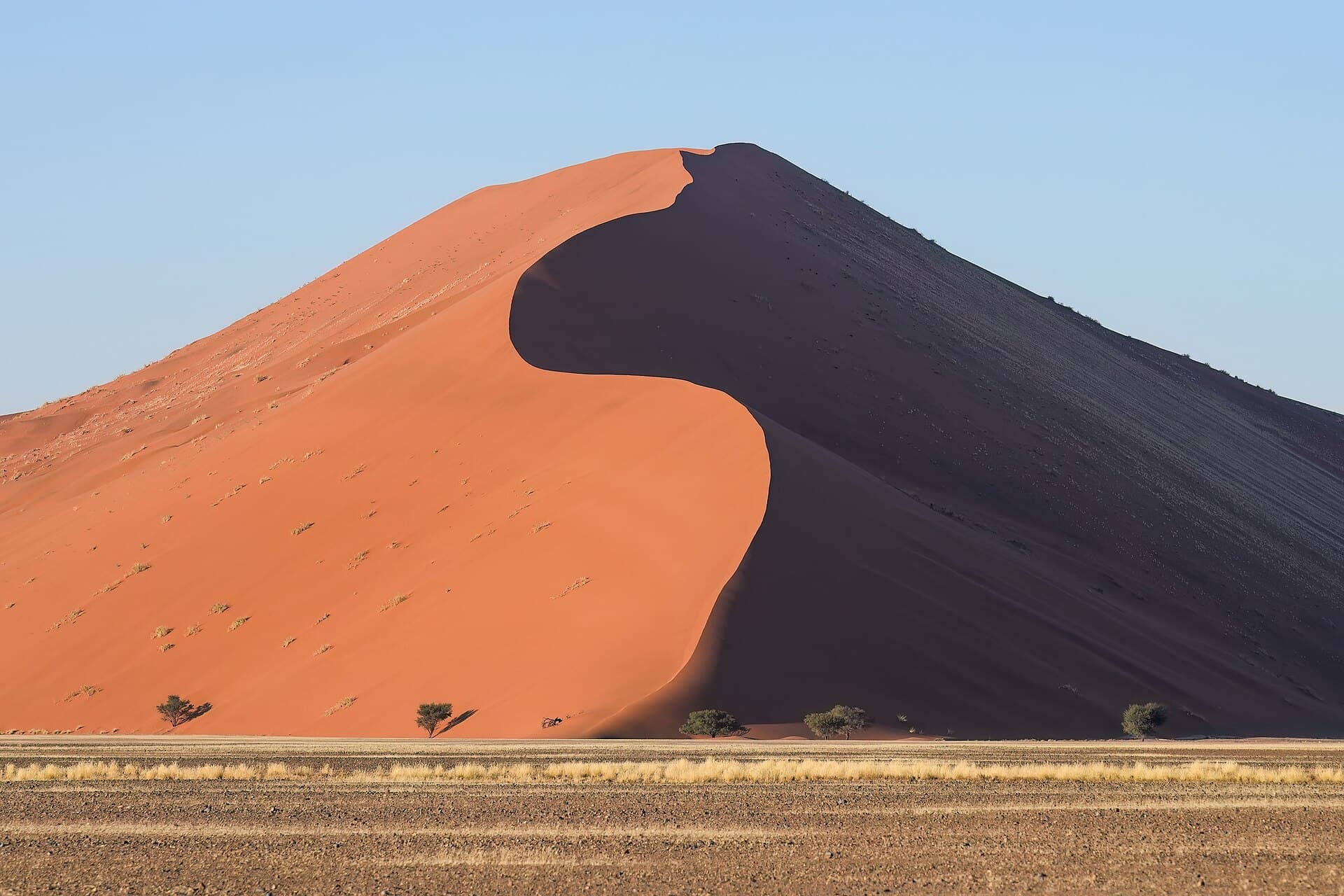
Red curve of Dune 45 at sunrise in Sossusvlei, Namibia

In the air

Hot-Air Balloon Flight over the Namib

Lift off near Sesriem at first light and drift above the dune fringe and gravel plains of the Namib, then land for breakfast in the desert.

Granite domes of Spitzkoppe rising from the Damaraland plains

On foot

Desert Rhino Tracking on Foot

Follow community trackers across Damaraland’s rocky hills in search of free-roaming black rhino, then walk the final stretch in silence.

Ocean & reef

Sandwich Harbour & Walvis Bay Marine Cruise

Cruise Walvis Bay for dolphins, pelicans and seals in the morning, then drive the shoreline at low tide to where towering dunes drop into the Atlantic.

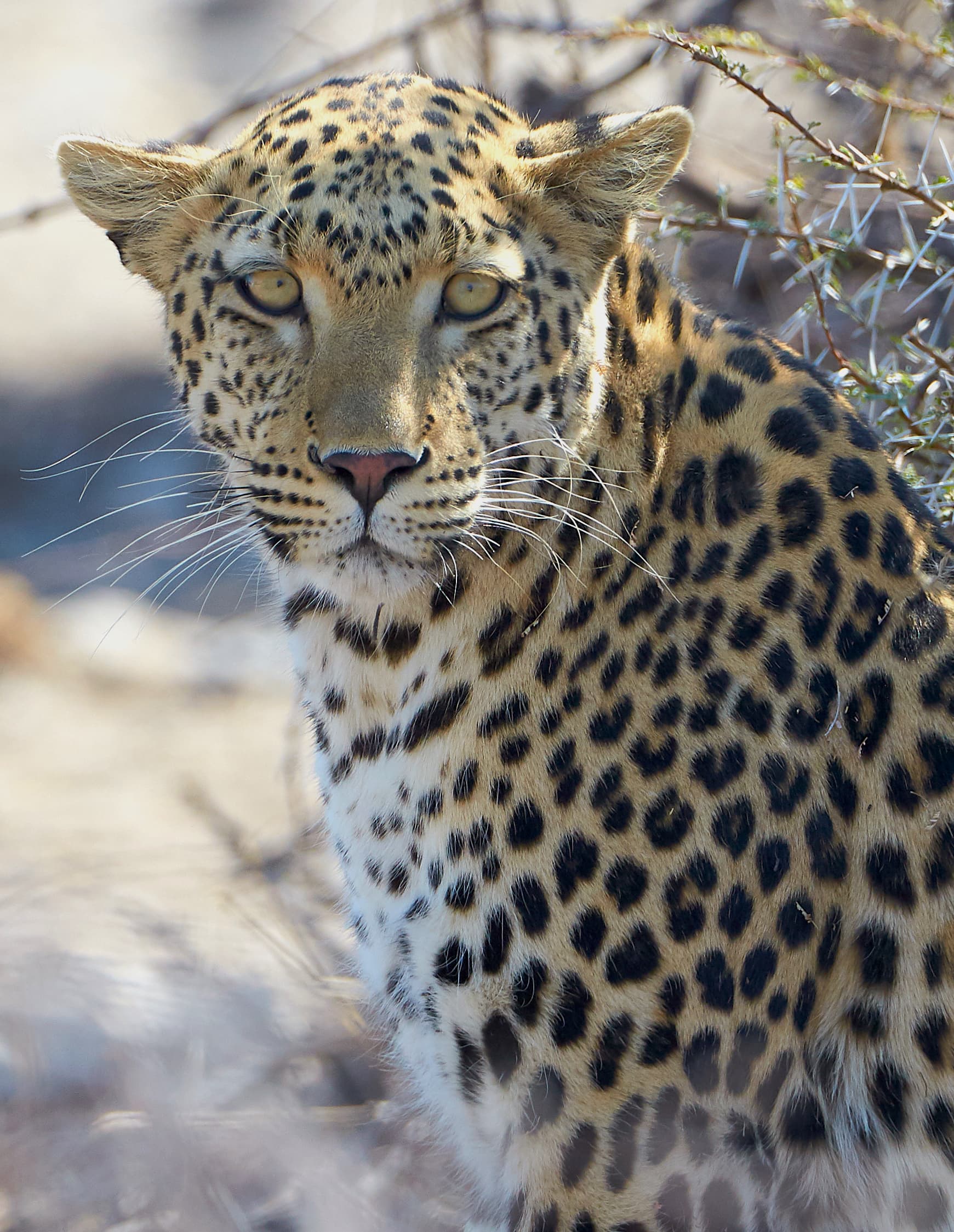
Close leopard portrait in golden light

Tell Us How You Picture Namibia

Share your dates, who is traveling and whether you imagine dunes at dawn, rhino tracks in Damaraland or a waterhole at night. We’ll shape a private route around those ideas and talk you through every choice before anything is confirmed.

Plan My Namibia Safari