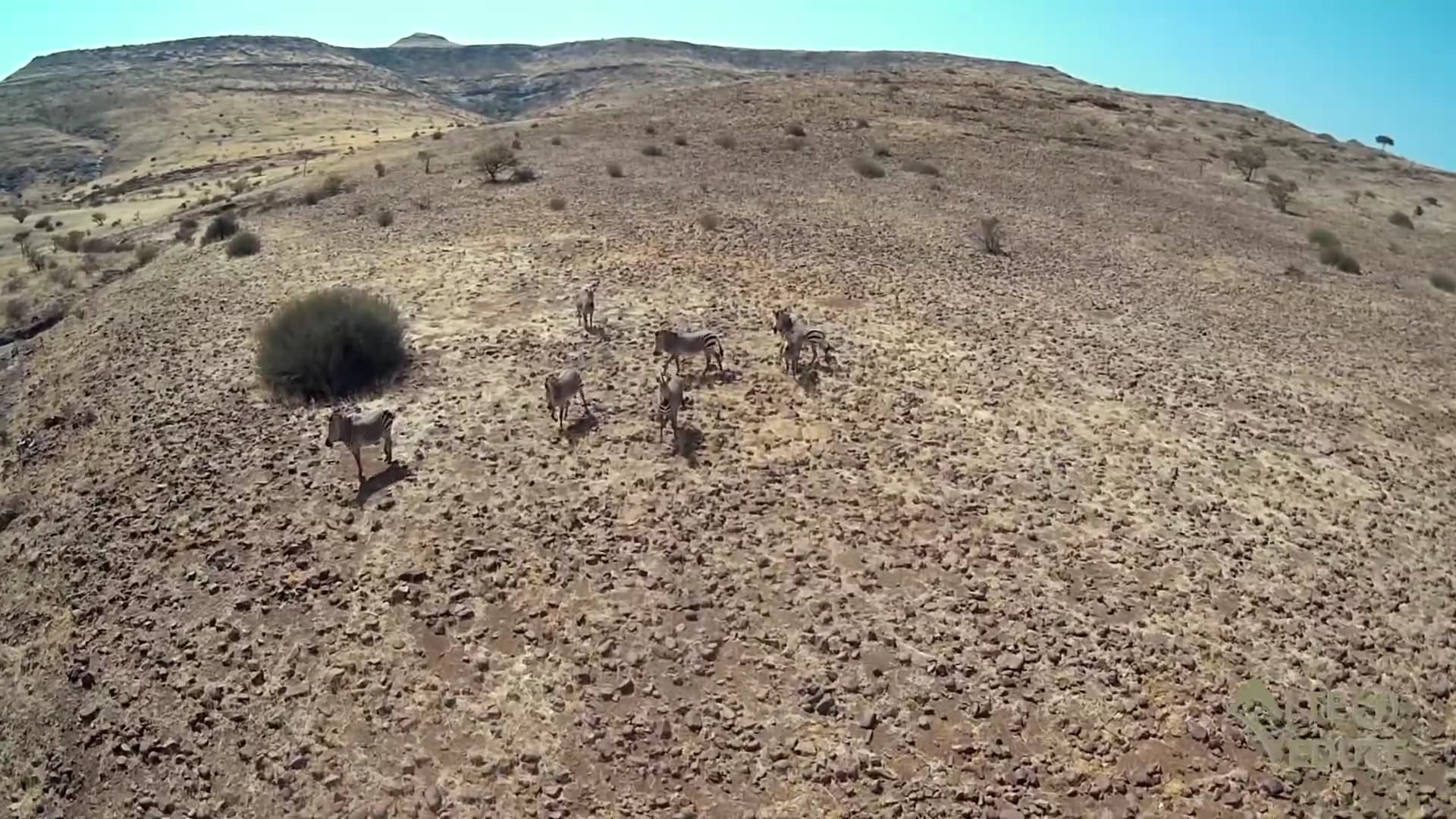
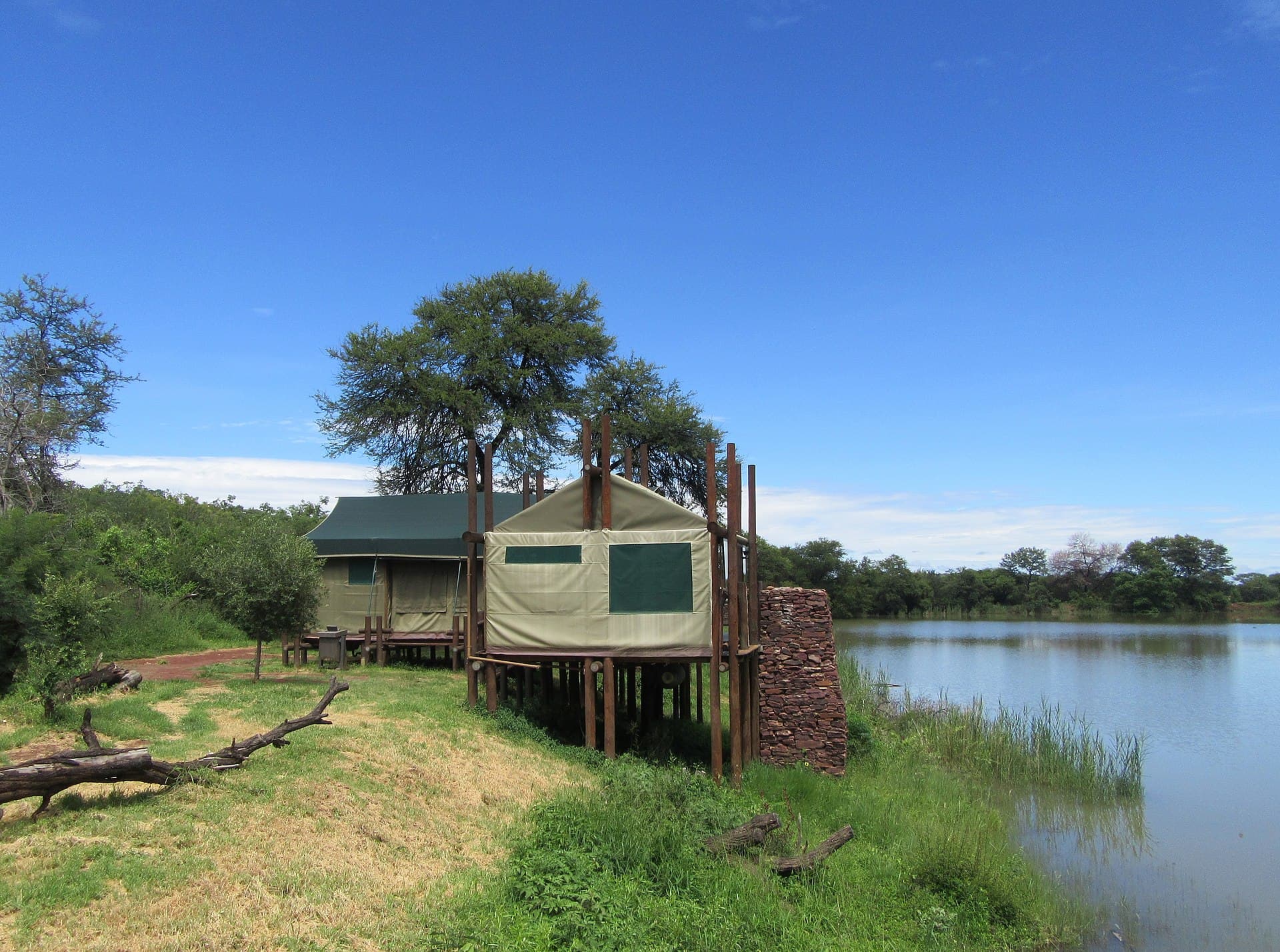
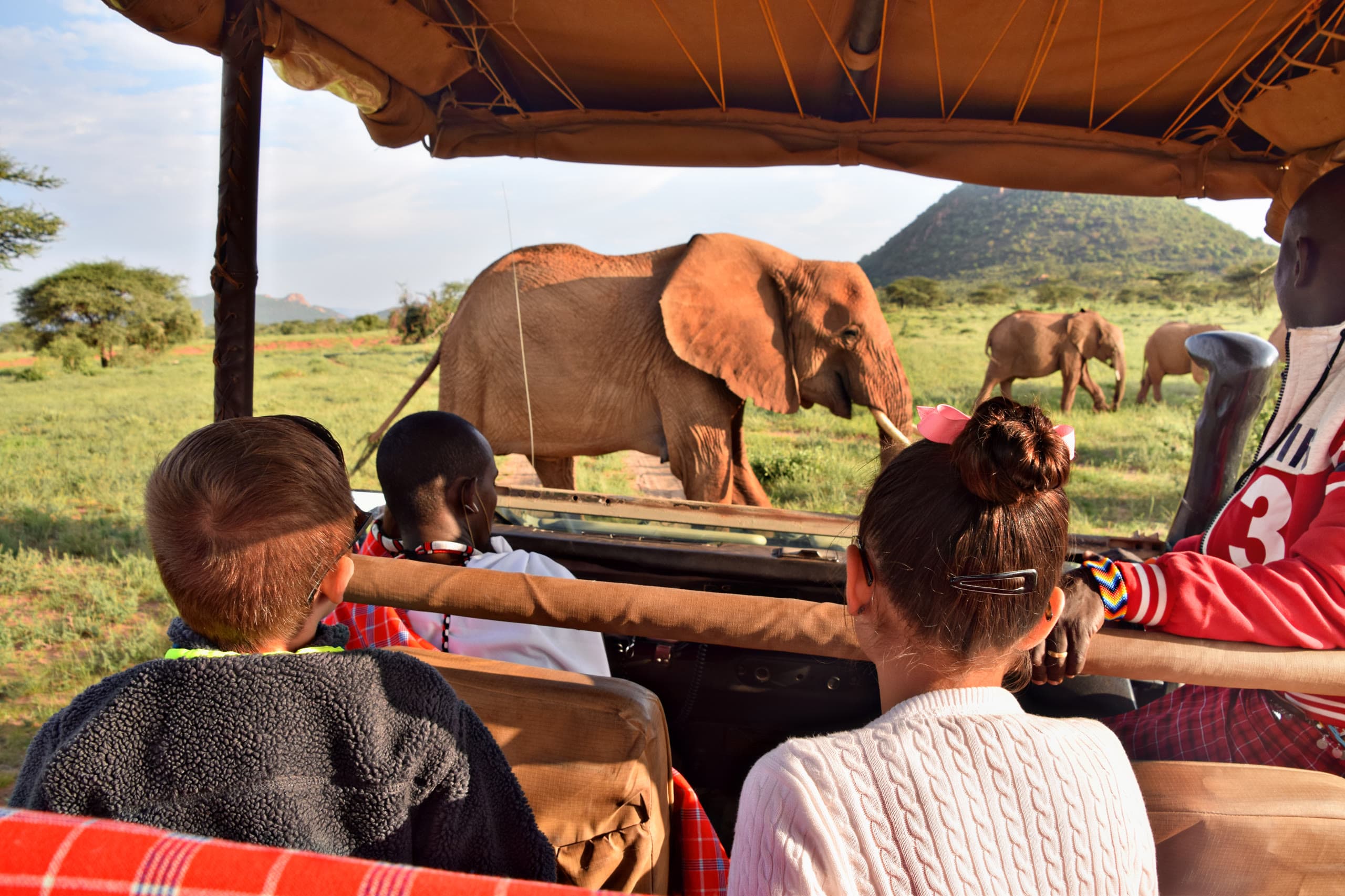
A Kaokoland safari is the least conventional journey Namibia offers. This route has no dunes to climb and no Etosha waterholes; instead you spend three nights in Damaraland, where black rhino and elephants roam open communal land without fences, and three on the Kunene River in Kaokoland, the country’s far north-western corner on the border with Angola. Light aircraft do the hard work, turning what would be long, jarring days on remote tracks into flights of an hour or two.
It suits people who care how conservation works, not only what they see. Rhino tracking here is part of a monitoring effort carried out with trackers from local communities; elephant drives follow dry river courses these herds have used for generations; and time with OvaHimba families happens only through a community that sets its own terms. Wildlife in this arid country is thinly spread and never assured, which is exactly why each encounter carries such weight.
Why this route works
Damaraland comes first because rhino tracking and elephant drives need a settled rhythm, and three nights leave room for a second attempt if the first morning comes up empty. A light aircraft then flies you north to the Kunene in about an hour and a half; by road the same move is a long, rough day, and more to reach the western valleys, through country where help is far away. Three nights on the river give you one day for the community visit and the water, one for the valleys, and slack for the heat and slower rhythm of the far north. The flight back to Windhoek takes around three hours with a refuelling stop, so book an evening flight home.