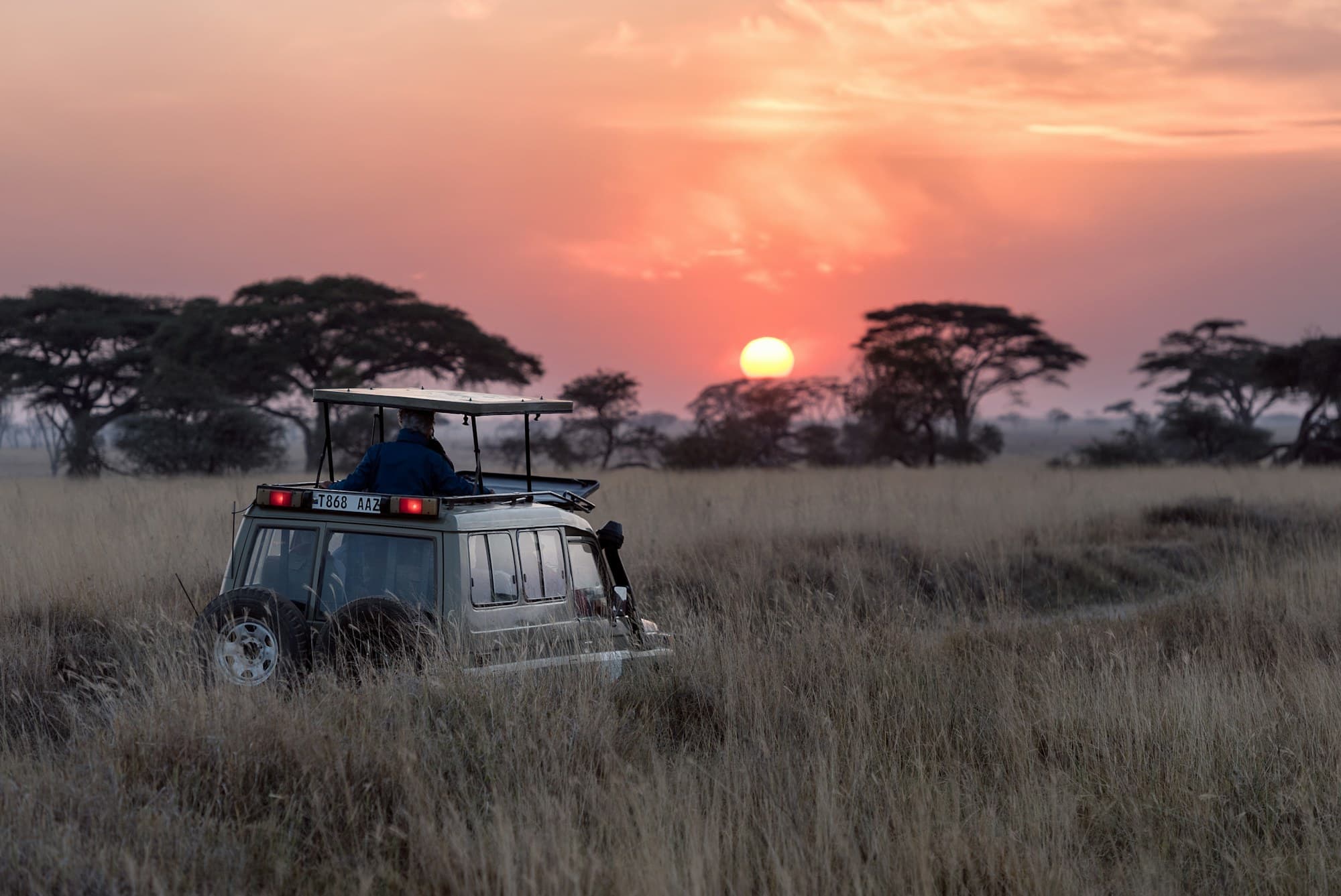
Open safari vehicle with guests on the savanna beneath a dramatic sunset

When to Go

Best Time to Visit South Africa for Safari (and the Cape)

The bush is at its best in the dry winter and the Cape in its dry summer. Here is how the two calendars fit together, month by month, and when both line up.

The best time to visit South Africa depends on which South Africa you mean. The north-east, home to Kruger, the Sabi Sand and the Greater Kruger reserves, gets its rain in summer and is at its best for game viewing in the dry winter, roughly May to October. The Cape works the other way round: Cape Town, the Winelands and the Whale Coast are cool and damp from May to August and at their sunniest from November to March.

Most first trips combine the two, so the useful question is not “when is South Africa best?” but “which half of the trip matters more, and which months keep the other half pleasant?” The answer is often a shoulder month. April, September, October and early November tend to give you strong game viewing in the bush and settled weather at the Cape, without the crush of the long summer holidays.

The Eastern Cape and the Garden Route, which have no single dry season, fill the gaps, and the whale season, from about June to early December, gives the coast a reason to shine in the Cape’s quieter months. The grid and the month-by-month table below bring it all together.

At a Glance

South Africa’s Year, Region by Region

Each row rates a region or experience from limited to excellent in a typical year. The rainfall row describes Kruger and the summer-rainfall north-east; the Cape’s wet months are its mirror image. Read it as a guide to likelihood: an early or late rainy season can shift the pattern by a few weeks.

ExperienceJanFebMarAprMayJunJulAugSepOctNovDec
Kruger & Sabi Sand game viewingFairFairGoodGoodExcellentExcellentExcellentExcellentExcellentExcellentGoodGood
Madikwe & malaria-free northGoodGoodGoodGoodExcellentExcellentExcellentExcellentExcellentGoodGoodGood
Eastern Cape reservesGoodGoodExcellentExcellentGoodGoodGoodGoodExcellentExcellentExcellentGood
Zululand (KwaZulu-Natal)FairFairGoodGoodExcellentExcellentExcellentExcellentExcellentGoodGoodFair
Cape Town & Winelands weatherExcellentExcellentExcellentGoodFairFairFairFairGoodGoodExcellentExcellent
Whale Coast whalesLimited or closedLimited or closedLimited or closedLimited or closedLimited or closedFairGoodExcellentExcellentExcellentGoodFair
Garden RouteExcellentExcellentExcellentGoodGoodFairFairGoodGoodGoodExcellentExcellent
RainfallRainy seasonRainy seasonShowersShowersMostly dryMostly dryMostly dryMostly dryMostly dryShowersShowersRainy season
Travel seasonPeak seasonHigh seasonHigh seasonShoulderGreen seasonShoulderHigh seasonHigh seasonHigh seasonHigh seasonShoulderPeak season
ExcellentGoodFairLimited or closedShowersRainy seasonPeak seasonHigh seasonShoulderGreen season

General guidance; conditions vary from year to year. The 'rain' row describes Kruger and the summer-rainfall north-east; the Cape (Cape Town, Winelands, Whale Coast) gets most of its rain from May to August, and the Garden Route has rain year-round. Private reserves deliver good sightings in every month; the dry winter (May–October) simply makes animals easier to find. Demand peaks over South African school holidays (mid-December to mid-January, plus Easter and late June–July) and during the July–October dry season.

Two Climates

Why the Bush and the Cape Peak in Opposite Seasons

South Africa spans two rainfall systems. Across the Lowveld and the north, which takes in Kruger, Madikwe and Zululand, rain arrives with summer thunderstorms from about October or November and tapers off by April. Wet-season days often climb into the 30s °C (the high 80s and 90s °F), the bush turns thick and green, and many antelope drop their young around the start of the rains.

Winter in the bush, from May to September, is dry, clear and cool. Mornings on an open vehicle can be genuinely cold: Madikwe’s winter nights fall to around 3 °C (the high 30s °F) while afternoons reach the low 20s °C. With the grass short and the waterholes shrinking, animals are easier to find and gather predictably at water, which is why these months rate highest for game viewing.

The Western Cape has a Mediterranean climate instead. Summers from November to March are dry, bright and often windy, and winter brings most of the year’s rain between May and August. Between the two sit the Eastern Cape, whose malaria-free reserves have workable weather in every month, and the Garden Route, where rain can fall at any time of year and temperatures rarely drop below 10 °C or climb above 28 °C.

Month by Month

South Africa Month by Month

A typical year for the three parts of the country most trips combine. The ratings in the grid above sit behind these notes.

MonthKruger, Sabi Sand & MadikweCape Town & the WinelandsWhale Coast, Garden Route & Eastern Cape
JanuaryHot and wet; lush bush, newborn antelope and migrant birds, but thicker coverHigh summer: long, dry, sunny days in the busiest holiday weeksGarden Route beaches at their warmest; no whales; Eastern Cape reserves hot by midday
FebruaryStill humid, with afternoon storms; quieter lodges and green-season rates at manyHot and dry, with the grape harvest getting under waySettled coastal weather and one of the Garden Route’s best months
MarchRains easing; the bush is still dense and the afternoons warmHarvest continues; warm days as the crowds thinMild and pleasant, and a strong month in the Eastern Cape reserves
AprilDrying out, with cooler nights; Easter brings a short peakAutumn: calm, clear days are common, with the first cool eveningsComfortable for touring the coast; the Eastern Cape at its most pleasant
MayThe dry season begins: excellent viewing, mild days and the fewest visitorsEarly winter: the first rain fronts, quieter streets and softer hotel demandCooler, with the whales not yet arrived; reserves quiet and clear
JuneDry and clear, cold at dawn; animals concentrate at waterWinter rain and wind between bright spells; allow a spare day for Table MountainThe first southern right whales reach Walker Bay; the Garden Route turns cool
JulyPrime dry-season viewing; school holidays lift demandThe wettest and coolest stretch on average: fireside dining and wineWhale numbers building, with crisp days between fronts
AugustExcellent viewing in sparse, dusty bush; nights still coldWinter easing late in the month; the city is quietWhales in good numbers; spring flowers may start on the West Coast
SeptemberExcellent viewing as the heat returns; waterholes busySpring: changeable days, green hills and fewer visitorsWhale season nears its peak; Hermanus holds its whale festival at the month’s end
OctoberHot and dry before the rains, often the most intense sightings of the yearSettled, warming weather and a lovely month for the WinelandsWhales often at their peak; the Eastern Cape mild
NovemberFirst storms and the birthing season; the bush greens quicklyEarly summer, sunny and dry, before the holiday rushMothers and calves linger early in the month; the Garden Route warms up
DecemberHot and green; South African holidaymakers fill many lodgesPeak season from mid-December, so book well aheadThe last whales leave early in the month; beaches busy with families

General guidance for a typical year. Rainfall varies, and the whale and flower seasons shift from year to year.

Nature’s Calendar

Whales, Turtles and Spring Flowers

Southern right whales come to the Cape’s sheltered bays to calve and mate. In Walker Bay off Hermanus they can be seen from the cliffs from as early as June, numbers build through the winter, and most have left by early December, with September and October usually the strongest months. Farther east, Plettenberg Bay sees southern rights from about July to December and Bryde’s whales all year. Our whale-watching guide covers the best vantage points and licensed boat trips.

On KwaZulu-Natal’s Elephant Coast, loggerhead and leatherback turtles haul out to nest on the beaches of the iSimangaliso Wetland Park during the summer, roughly November to March, and licensed guides lead night walks to watch them. It pairs naturally with a Zululand safari; the KwaZulu-Natal page covers the region in detail.

In late winter and early spring, usually August and September, the semi-desert of Namaqualand and parts of the West Coast can burst into wildflower bloom after good rains. It is a long way from the safari areas and the timing changes every year, so treat it as a bonus if your dates happen to line up rather than a reason to plan around it.

Demand & Rates

School Holidays, Peak Weeks and Green-Season Rates

South Africans travel widely in their own country, and their school holidays shape availability as much as the weather does. The busiest stretch runs from mid-December to mid-January, when Cape Town, the Garden Route and family-friendly lodges fill early. Easter and the late June–July winter break bring shorter peaks. The exact dates change each year, so we check the calendar for your travel year before suggesting a route.

In the bush, many private reserves price by season, with the dry months and the holidays at the top. The summer rainy season often brings lower lodge rates, fewer vehicles and a landscape full of young animals and migrant birds. Viewing stays good in a private reserve, where guides can follow animals off-road; it simply takes a little more work in thick bush.

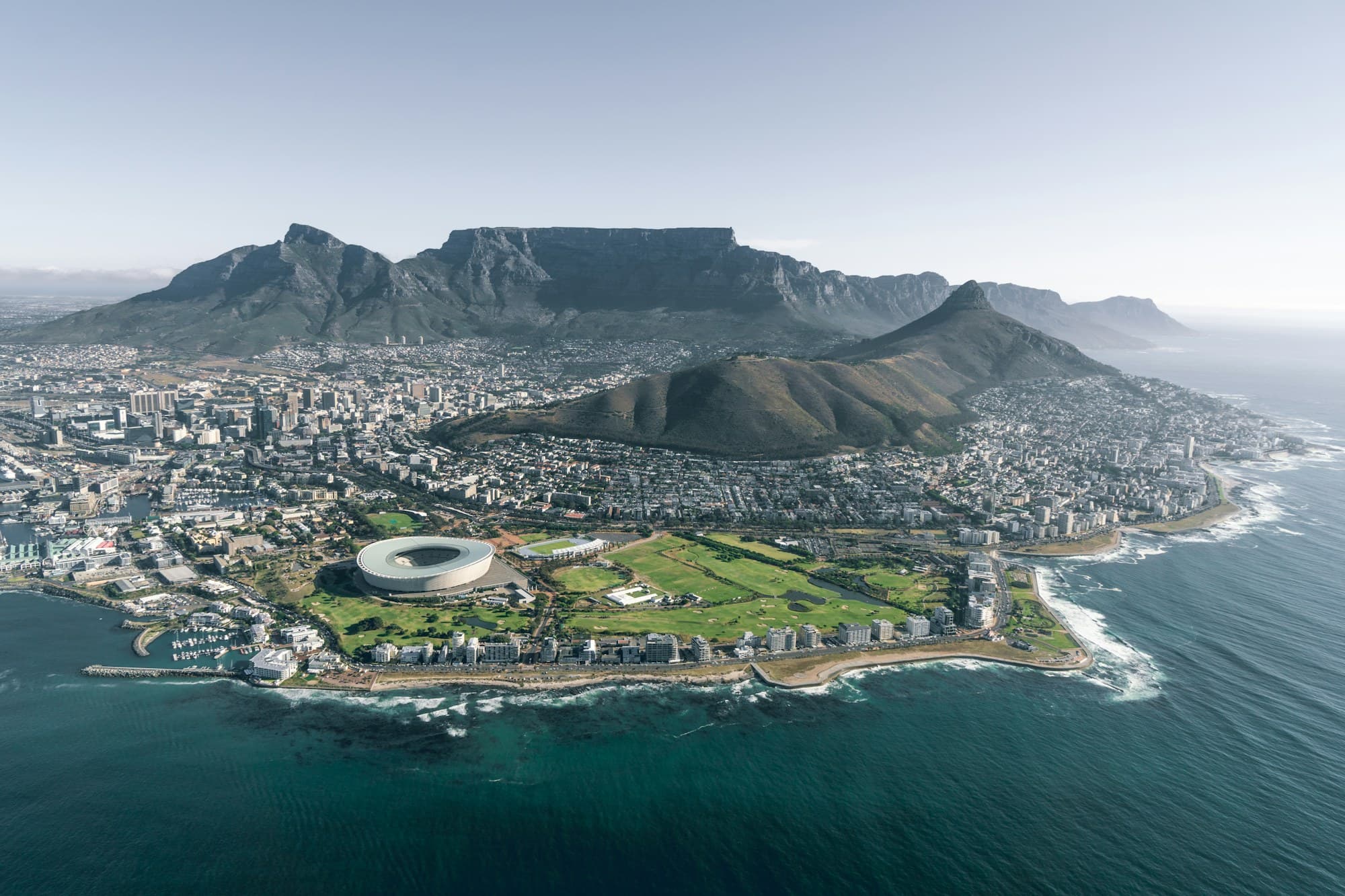
At the Cape the pattern flips: hotel demand peaks in summer and eases from May to August. A winter city stay can be a pleasure, with fewer crowds, open tables at the best restaurants and whales along the coast, provided you leave a spare day for the weather on Table Mountain, whose cableway closes in high winds.

Safaris

Recommended safaris

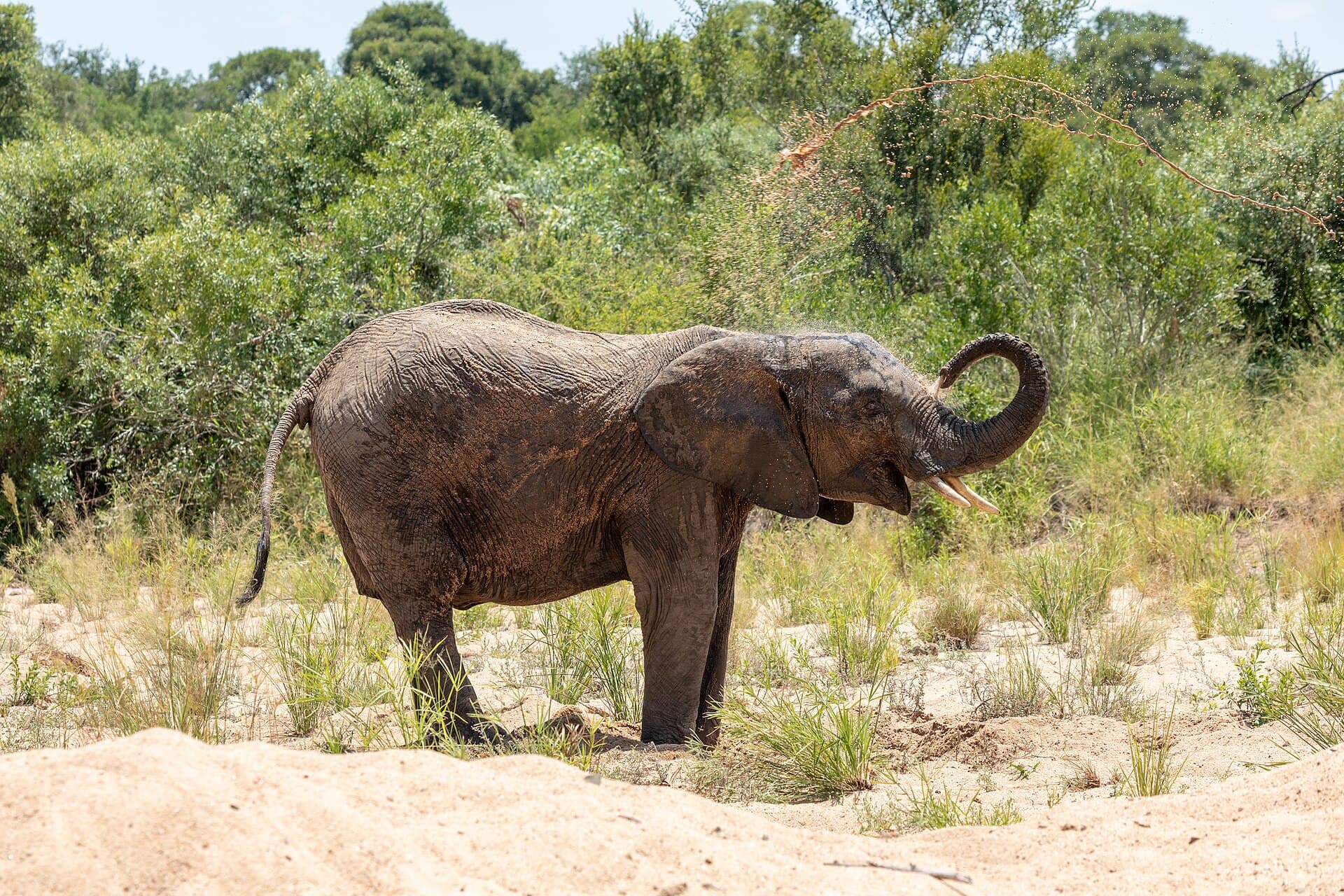
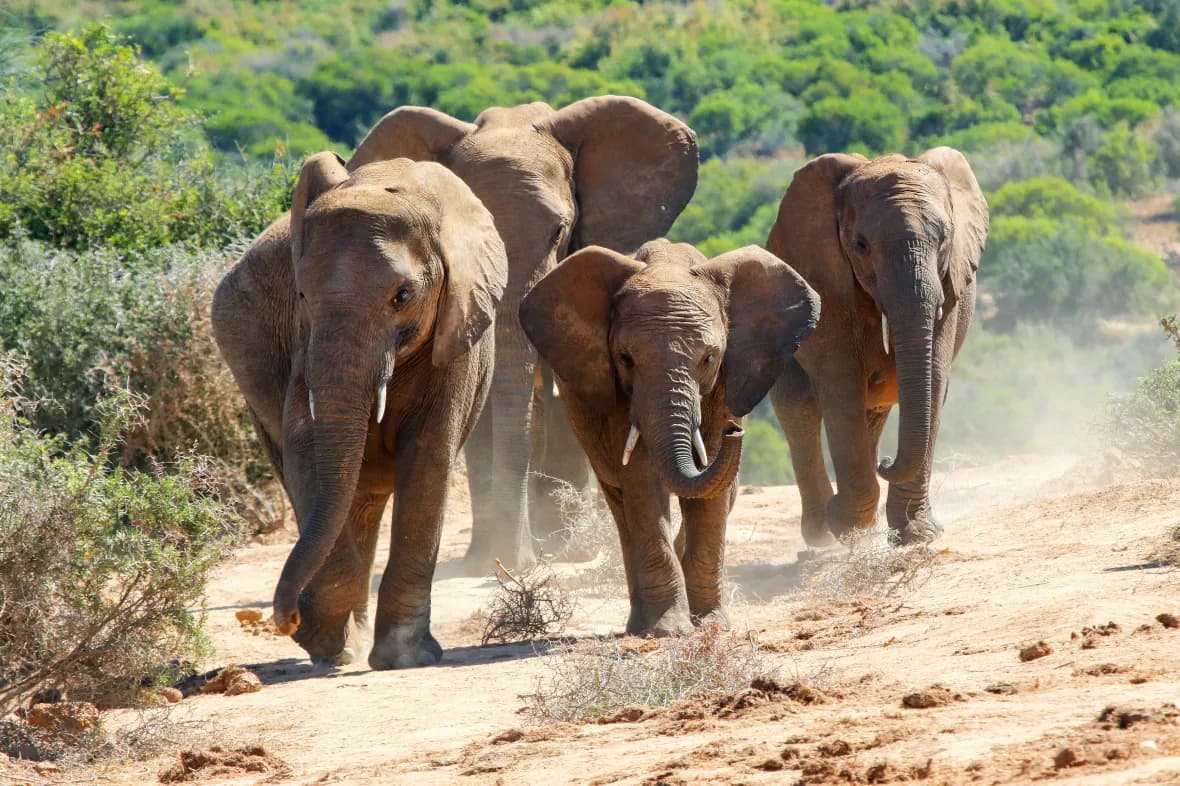
Elephant feeding in a dry riverbed in Greater Kruger
10 daysFirst safari

South Africa Classic

Panorama Route · Kruger National Park · Skukuza Airport · Cape Town

First-time visitors and families who want wildlife, scenery and a great city, at comfort, premium or luxury level

Best months
March–November
Comfort levels
Comfort · Premium · Luxury
Individually quoted
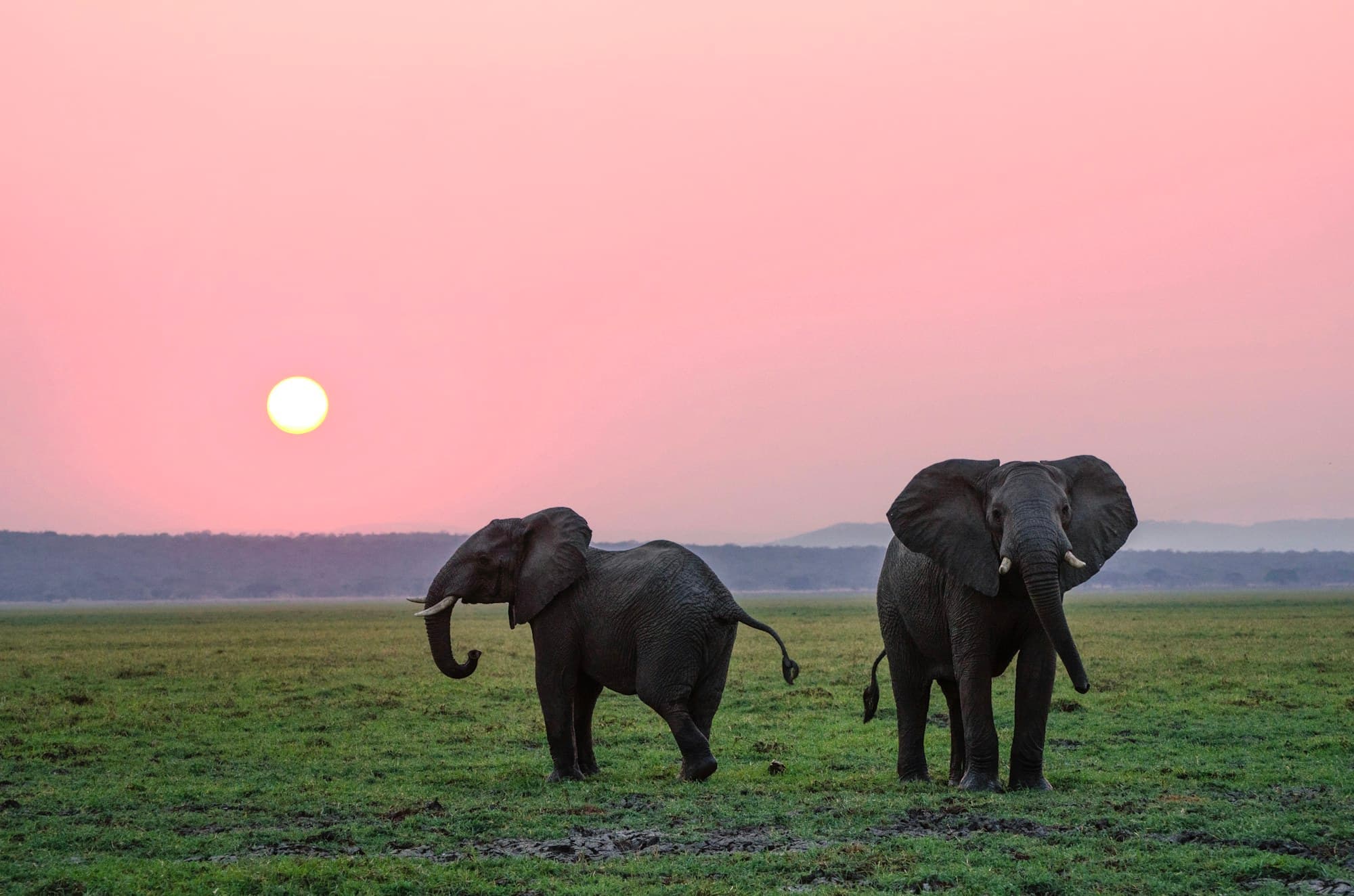
Two elephants together beneath a soft pink dusk sky
11 daysCouples

Winelands, Whales & Kruger

Cape Town · Franschhoek · Hermanus · Skukuza Airport · Kruger National Park

Honeymooners and anniversary couples traveling between June and November

Best months
June–November (whale season and the dry bush)
Comfort levels
Premium · Luxury
Individually quoted
Green fynbos hills meeting the ocean along the Garden Route
13 daysCoastal road trip

Cape to Garden Route

Cape Town · Hermanus · Knysna · Plettenberg Bay · Eastern Cape private reserves · Gqeberha Airport (PLZ)

Families and first-timers who want Cape Town, the coast and a Big Five safari without malaria or rushed transfers

Best months
February–April and September–November
Comfort levels
Comfort · Premium · Luxury
Individually quoted
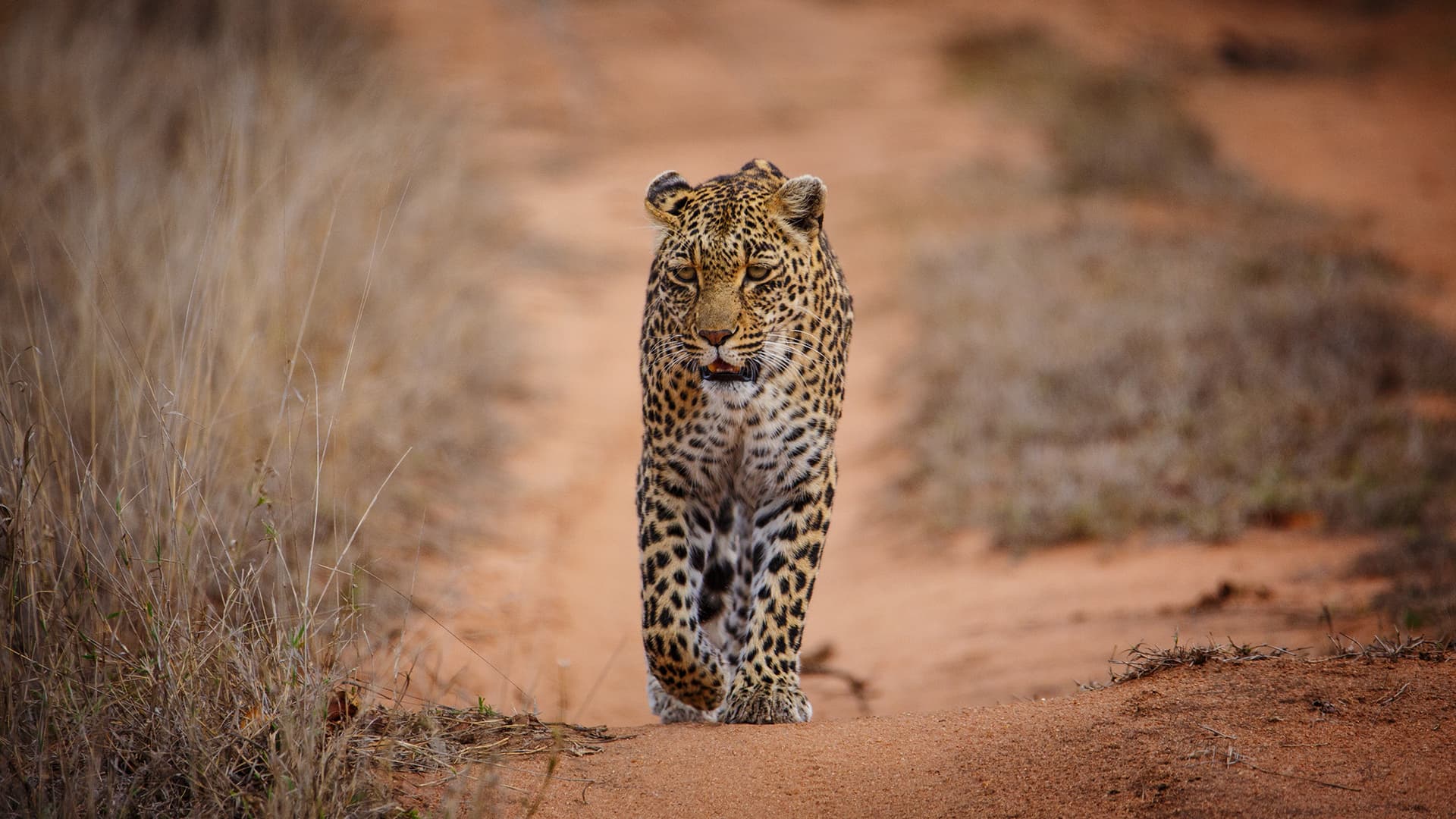
Leopard walking straight toward the camera in a private reserve
8 daysPure safari

Kruger Private Reserves

Sabi Sand · Timbavati · Hoedspruit Airport

Photographers, returning safari travelers and couples who want a week of pure safari, with time both in the vehicle and on foot

Best months
April–November
Comfort levels
Premium · Luxury · Ultra-Luxury
Individually quoted

Experiences

Related experiences

Ocean & reef

Whale Watching in South Africa

Watch southern right whales court and calve within sight of the Cape’s cliffs, from a clifftop path or a licensed boat, roughly June to early December.

Good to know

Frequently asked questions

What is the best month for a safari in South Africa?

For Kruger, the Sabi Sand and the northern private reserves, the dry months from May to October give the easiest game viewing, and September and October are often the most rewarding as water grows scarce. The Eastern Cape’s malaria-free reserves work well all year. In a good private reserve there is no poor month, only different conditions.

Is winter a bad time to visit South Africa?

Not for a safari: June to August is prime dry-season viewing, with cold mornings and clear days. Cape Town is cooler and wetter then, but quieter, and whales arrive along the coast from June. A winter trip simply puts more of its nights in the bush.

Which months work for both a safari and Cape Town?

April, September, October and early November are the safest bets. The bush is dry or drying and game viewing is strong, while the Cape is past its wettest weather and not yet in its December rush. March also works well if the Cape matters more to you than the bush.

Is the green season worth considering in Kruger?

Yes, if you are comfortable with heat and afternoon storms. From about November to March the bush is lush, young animals and migrant birds are everywhere, and many lodges offer lower seasonal rates. Denser vegetation means sightings take more patience, which suits a private reserve with off-road tracking.

How cold does it get on safari in South Africa?

Colder than most visitors expect. In the dry winter, Madikwe’s nights average around 3 °C and an open vehicle at dawn feels colder still, though afternoons warm into the 20s °C. Lodges usually supply blankets for drives, but bring a warm jacket, a hat and gloves.

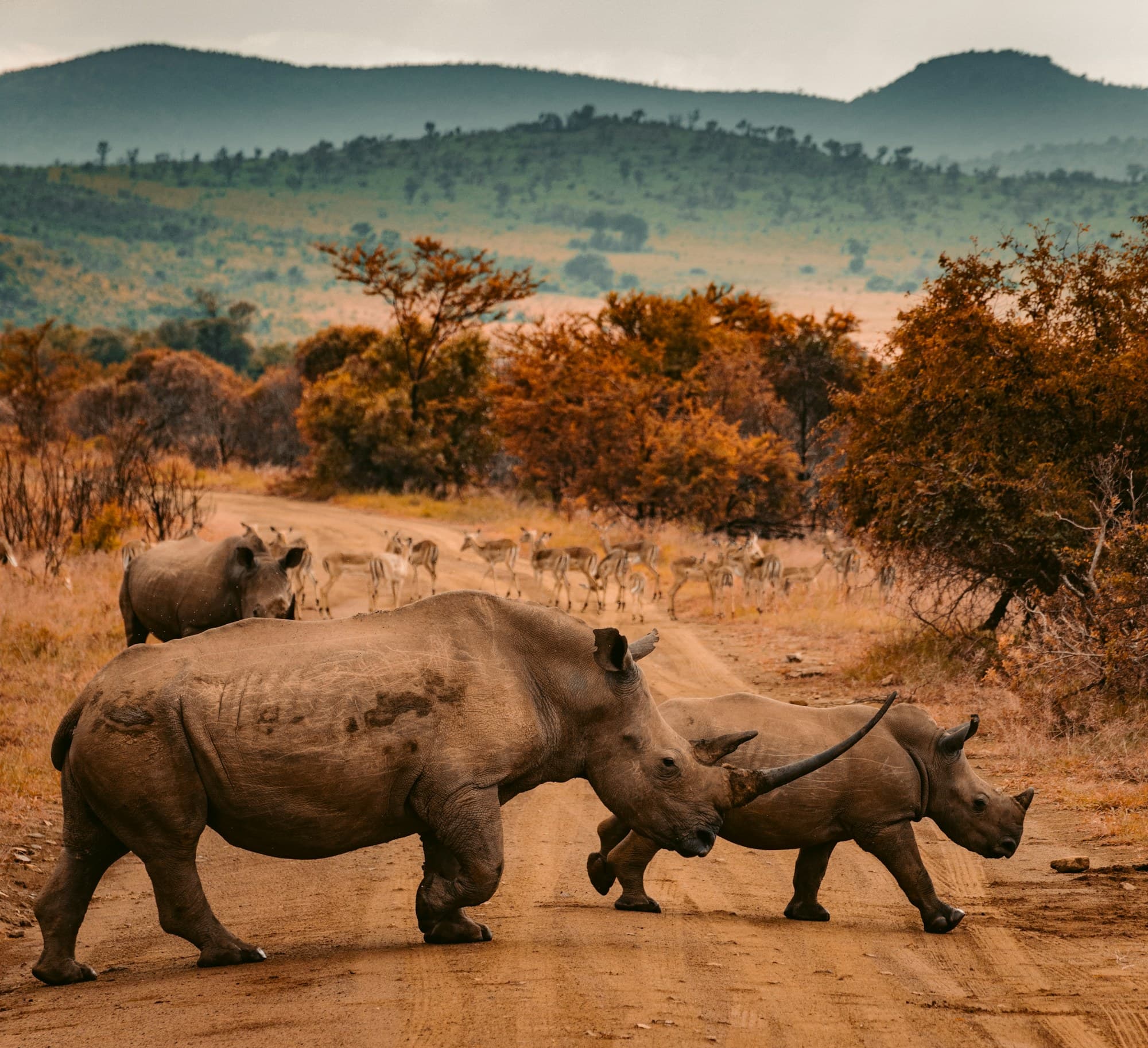
Two white rhinos grazing side by side in a private reserve

Tell Us When You Can Travel

Share your dates, who is coming and whether malaria-free matters, and a safari specialist will design a private South Africa route around you. Nothing is booked until you approve it.

Plan My South Africa Safari