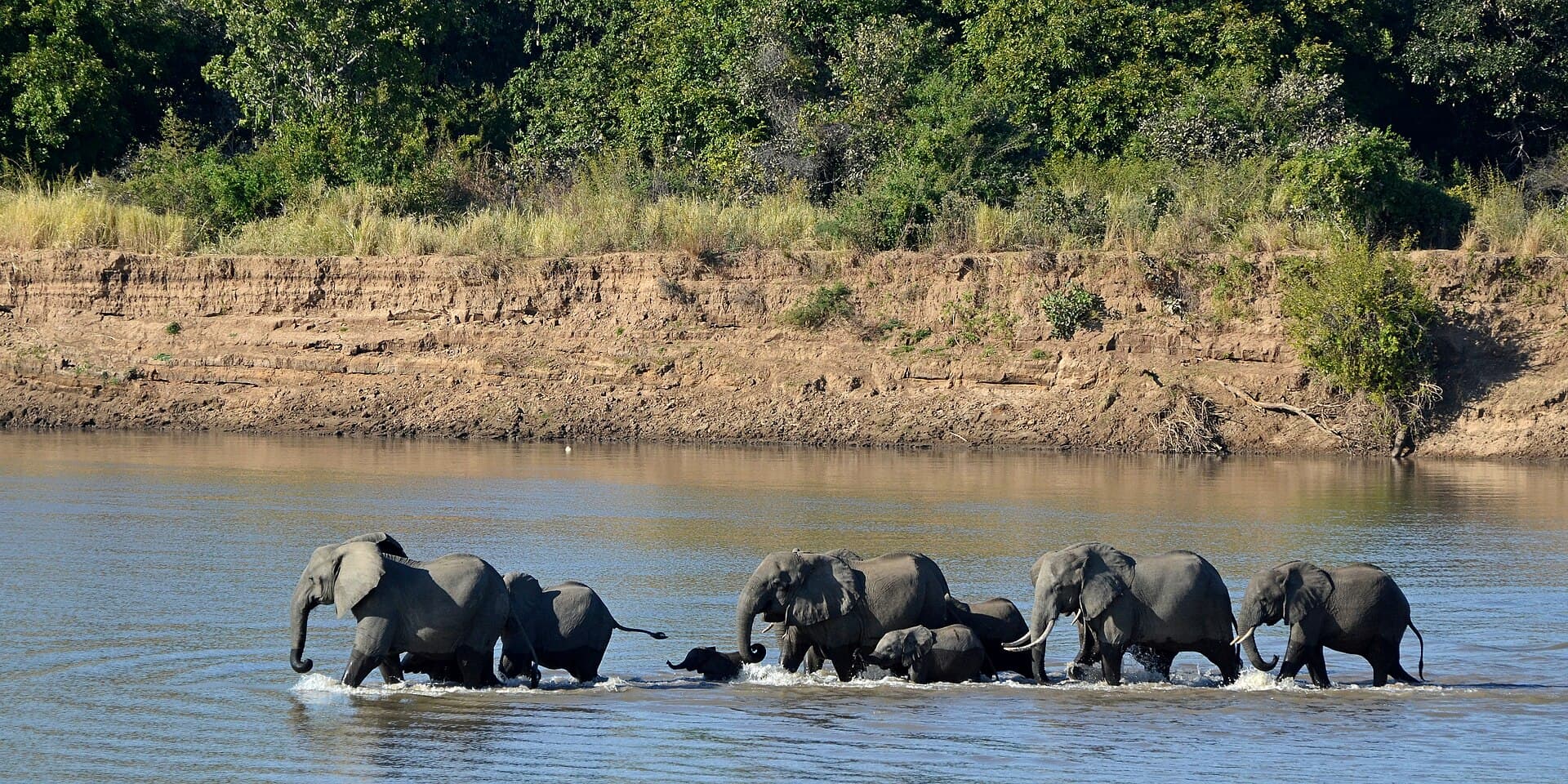
Elephant family crossing the Luangwa River

Zambia on Foot

Walking Safaris in Zambia: The Complete Guide

Zambia is where the walking safari began. How a guided walk works, where to do it, how safe it is and whether it is right for you.

A Zambia walking safari is the reason many experienced travelers come to this country. You leave the vehicle behind and follow a guide and an armed scout into the bush at walking pace, reading the land as you go. The big animals are still there, but the experience is built from smaller things: a fresh line of lion tracks in the sand, the alarm whistle of a puku, the smell of a buffalo herd before you see it.

Walking is not a stroll, and it does not replace game drives; most walking trips combine the two. It is a different way of paying attention. This guide explains where the tradition comes from, where to walk, what actually happens on a walk, and how to decide whether it suits you, your fitness and your family.

History

Why Zambia Is Called the Birthplace of the Walking Safari

In 1950 a game ranger named Norman Carr persuaded Senior Chief Nsefu to set aside part of his land along the Luangwa River for wildlife, and built what is widely described as the first game-viewing camp open to the public in what was then Northern Rhodesia. During the 1950s he began taking guests out on foot, an unusual idea at a time when most visitors to the bush came to hunt or to watch from a vehicle.

The idea took root. The Luangwa Valley became the training ground for generations of walking guides, and Zambia still treats walking as a specialist skill. Walks are led by guides qualified to take guests on foot, every walk in a national park goes out with an armed scout from the Department of National Parks and Wildlife (DNPW), and walking without them is prohibited.

Where to Walk

Zambia’s Walking Country on the Map

South and North Luangwa, in the east, are the heart of Zambian walking. The Lower Zambezi, Kafue and Liuwa Plain offer shorter walks within a wider safari, and Mosi-oa-Tunya, beside Livingstone, adds guided rhino walks.

Map: ZambiaZambiaSouth LuangwaNorth LuangwaLower ZambeziKafue National ParkLivingstoneLiuwa PlainKasanka

Approximate locations — not for navigation.

The Walking Parks

Where to Walk in Zambia

South Luangwa

The classic choice. River camps near Mfuwe offer morning walks, and the seasonal bush camps of the Nsefu sector, the Luwi area and the southern parts of the park were built for walking, including circuits you can walk from camp to camp. Most walking here happens between June and October.

Explore

North Luangwa

The purist’s park: a few simple camps on the Mwaleshi River, very few roads and days spent largely on foot along game trails. Camps open from about mid-June to the end of October and are reached by light aircraft from Mfuwe.

Explore

Lower Zambezi

Walks here tend to be shorter and sit alongside canoeing and boat trips. Rules and options differ between camps inside the national park and those in the neighboring game management area, so we match the camp to how much you want to walk.

Explore

Kafue

Some camps along the Kafue River offer shorter walks, usually as one activity among drives and boat trips in Zambia’s largest park. It suits travelers who want a morning on foot rather than a walking-led trip.

Explore

Liuwa Plain & Mosi-oa-Tunya

On Liuwa’s open plains, time on foot and by canoe comes into its own when floods cover large areas from about December to April. Near Livingstone, guided walks with DNPW scouts to find Zambia’s only white rhinos make a gentle introduction for newcomers.

Explore

Formats

Three Ways to Walk

Walking in Zambia comes in three broad formats. The right one depends on how much of your safari you want to spend on foot.

Morning walks from a camp or lodge

The gentlest start. You walk for a few hours after an early breakfast, return for brunch, and head out on a game drive or night drive later. Most South Luangwa river camps and many Lower Zambezi camps work this way.

Camp-to-camp walking

You walk from one bush camp to the next over several days while your luggage travels round by vehicle, and some trails add a night in a simple fly-camp under a mosquito net. It is the most immersive way to know the Luangwa.

Walking-led remote camps

In North Luangwa, walking is the main event rather than an option. Days revolve around long morning walks, a rest through the heat and short drives or sundowners later. Expect simplicity, silence and very few other people.

On the Ground

What a Walking Safari Is Actually Like

A typical morning walk in the Luangwa, from wake-up call to brunch.

  1. An early start

    You are woken before first light with tea or coffee and a light breakfast by the fire. Walks leave early to make the most of the coolest hours, often around sunrise.

  2. The briefing

    Before you set off, your guide explains the rules: walk in single file, keep voices to a whisper, never run and watch for hand signals. The scout walks at the front with a rifle, your guide close behind, and you follow.

  3. The walk itself

    The pace is slow, with frequent stops. Your guide reads tracks and dung, explains termite mounds and medicinal plants, and approaches animals from downwind, at a distance that keeps them relaxed. Large animals are watched, never chased.

  4. A pause in the shade

    Mid-walk, you stop for a drink and a snack, often with a view over a lagoon or the river. It is a good moment for questions and photographs.

  5. Back before the heat

    Most walks last three to four hours and cover a modest distance. You are back in camp for brunch as the temperature climbs, with a siesta to follow.

Safety

How Safe Is a Walking Safari in Zambia?

It is a fair question, and it deserves a straight answer. Walking among wild animals carries an inherent risk that no guide can remove entirely. Wild animals are unpredictable, as the UK government’s travel advice states plainly, and serious incidents on walks, while rare, do happen. What reduces the risk is a system Zambia has refined over some seventy years.

That system starts with people. Your walking guide has trained specifically to lead guests on foot, and the armed scout is there as a last resort, not a feature: the aim of every walk is to read animal behavior early enough that the rifle is never raised. Guides keep groups small, choose routes with good visibility, give elephants and buffalo a wide berth and turn back rather than push a situation.

It also depends on you. Listen to the briefing, stay in line, stay quiet and do exactly as your guide asks, especially if an animal reacts. Tell us honestly about your fitness and any medical conditions, and carry travel insurance that includes medical evacuation. Wider health and safety advice is in Is Zambia safe for a safari?

Before You Book

Ages, Fitness and What to Wear

QuestionWhat to expect
Minimum ageCommonly 12 for walks in national parks, and some camps set 16. Ages are set by park rules and by each camp, so we confirm them for every stop.
Group sizeSmall. Many camps take no more than about six guests on a walk, with some variation between camps and parks.
FitnessModerate. You walk slowly over mostly flat ground for three to four hours, but heat, soft sand and dry riverbeds make it tiring. If you can walk briskly for an hour or two at home, you should manage comfortably.
HeatSeptember and October walks start earlier and finish sooner. Carry water, wear a hat and sun protection, and say so if you need to rest.
ClothingNeutral greens, browns and khaki; avoid white and bright colors. Long sleeves and trousers help with sun, thorns and tsetse flies, which are drawn to dark and bright colors, especially blue.
FootwearBroken-in, closed walking shoes or light boots with good grip. Sandals and brand-new boots are a poor choice.
CamerasOne body and one versatile lens is plenty. You stop when your guide says, and there is no vehicle to rest a long lens on.

Minimum ages and group sizes vary by camp and park; we confirm them when we plan your journey.

Seasons

When to Go on a Walking Safari

Zambia’s walking season follows the dry months. The Luangwa’s bush camps typically open around June and close at the end of October, North Luangwa runs from about mid-June to October, and a few camps stretch into late May or early November. July is the coolest and most comfortable month on foot; August and September combine good visibility with rising heat; October is hot, and walks are cut short to beat the midday sun.

In the rains, walking largely stops. The grass grows head-high and hides animals at close range, tracks flood, and the remote camps built for walking are packed away. The month-by-month guide to Zambia shows how the walking window fits into the rest of the year.

Safaris

Recommended safaris

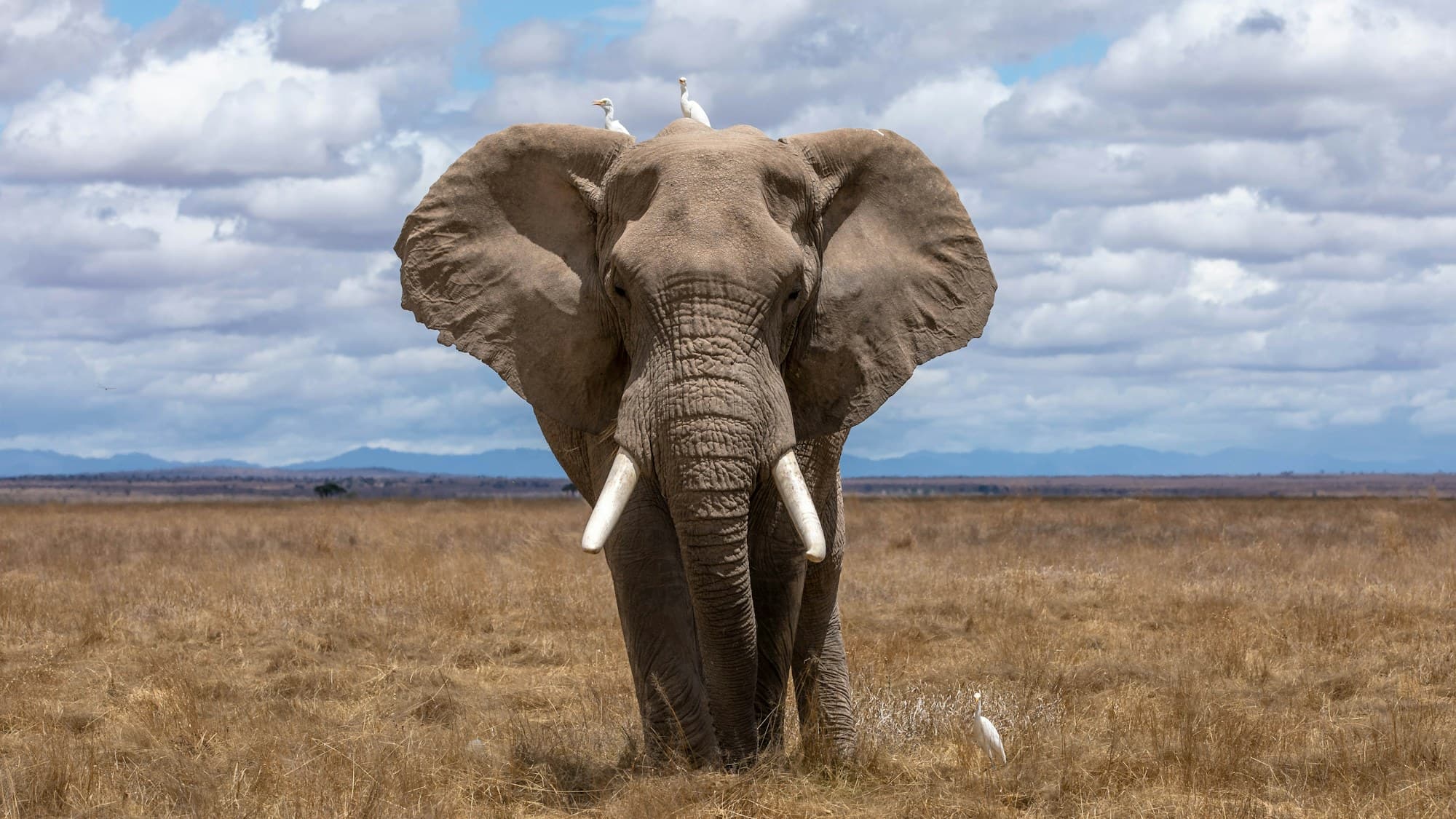
Elephant with white egrets standing front-on in open grassland under a wide sky
11 daysFor walkers

Luangwa Walking Safari

Lusaka · Mfuwe Airport · South Luangwa · North Luangwa

Fit, curious travelers who want to experience the bush on foot and are happy with simple camps

Best months
July – October (late June possible)
Comfort levels
Premium · Luxury
Individually quoted
Elephant family crossing the Luangwa River
10 daysMost complete

Zambia Classic

Lusaka · Mfuwe Airport · South Luangwa · Lower Zambezi · Livingstone · Victoria Falls (Mosi-oa-Tunya)

First-time visitors to Zambia who want walking, water and the falls in one well-paced trip

Best months
June – October, the dry season
Comfort levels
Comfort · Premium · Luxury · Ultra-Luxury
Individually quoted

Experiences

Related experiences

After dark

Night drives in South Luangwa

Head out after sundowners with a spotter and spotlight to look for leopard, genet and hyena in the park that made night drives famous.

Good to know

Frequently asked questions

How old do you need to be for a walking safari in Zambia?

Most camps and national parks set a minimum age of 12 for walks, and some camps set 16. Rules vary by camp and park, so we confirm them for every stop when planning a family trip. Younger children can still enjoy game drives, boat trips and activities around camp.

Do walking safari guides in Zambia carry guns?

In Zambia’s national parks, the armed member of the group is normally a DNPW scout, who walks at the front, rather than your guide. The rifle is a last resort. Good guiding means reading animals early and keeping a respectful distance so that it is never needed.

How fit do I need to be for a walking safari?

An everyday level of fitness is enough for most walks. The pace is slow and the ground mostly flat, but three to four hours in heat and soft sand is tiring. Tell us about any knee, back or heart concerns so we can choose shorter walks or camps that mix walking with drives.

Can I go on a walking safari with no experience?

Yes. Nobody needs experience, only a willingness to follow the briefing. First-time walkers usually start with morning walks from a river camp in South Luangwa before moving to a bush camp, while North Luangwa suits those who already know they love walking.

Is a walking safari better than a game drive?

Neither is better; they show you different things. Drives cover more ground and bring you close to big cats, including after dark, while walks reveal tracks, birds, insects and plants and make every large-animal encounter feel earned. Most Zambian itineraries combine both.

Hippos in a lagoon beside a bush camp in Kafue

Tell Us When You Can Travel

Share your dates, who is coming and whether you want to walk, paddle or simply watch. A safari specialist will design a private Zambia journey around the seasons, with nothing booked until you approve it.

Plan My Zambia Safari