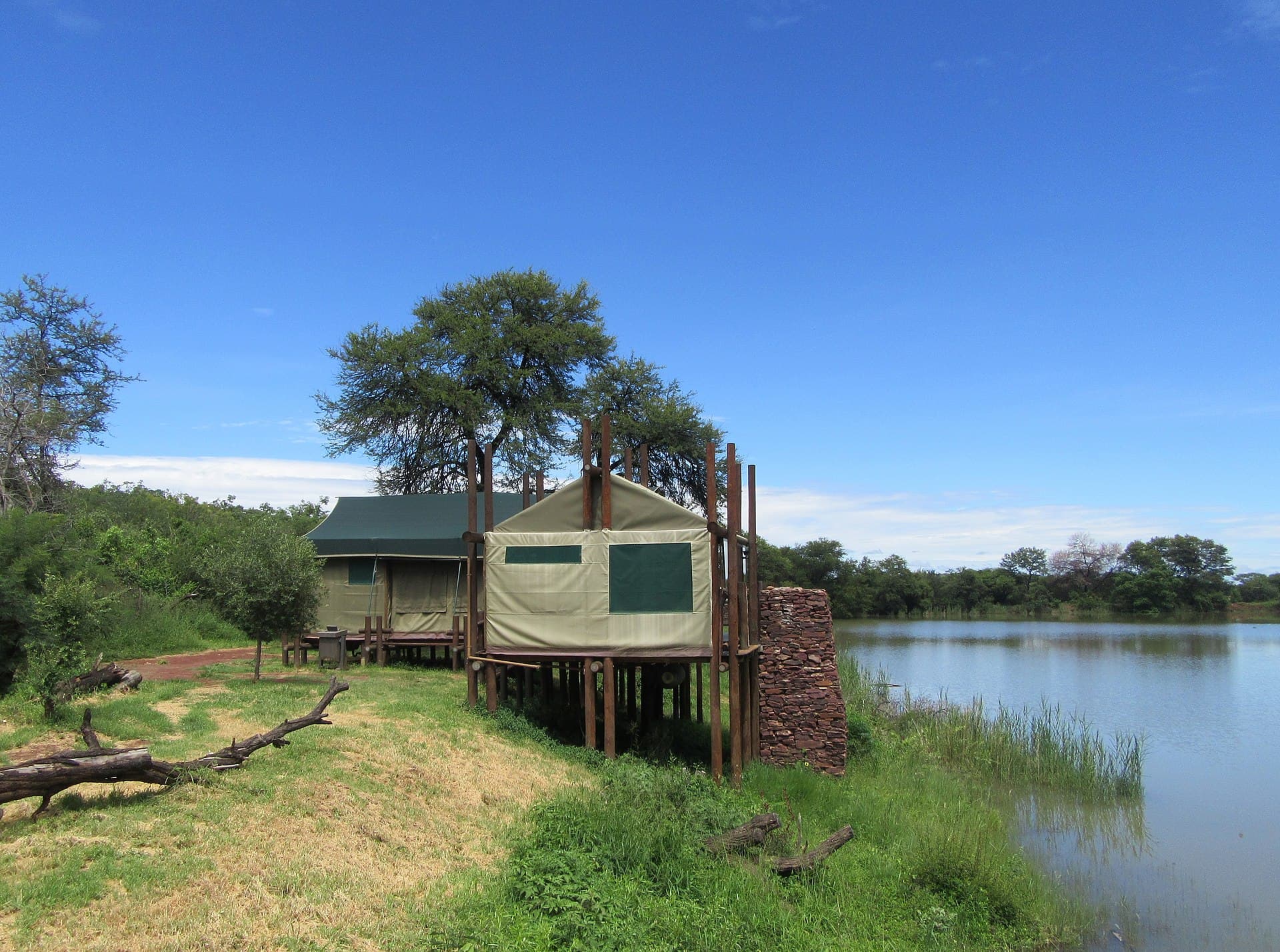
A canvas safari tent set among trees at a private tented camp

Planning & Cost

How Much Does a Zambia Safari Cost?

Why Zambia’s small, seasonal camps are priced the way they are, what the park fees actually are, and where your investment makes the biggest difference.

A Zambia safari cost is built mostly from three things: nights at small, fully inclusive camps, the flights that link them, and park fees charged per person per day. Nearly everything else is detail. What makes Zambia distinctive is why those camp nights cost what they do, and the answer has more to do with geography and seasons than with thread counts.

This guide sets out that structure, the official park fees as last published, how the comfort levels differ and the choices that give you more for the same spend. It does not publish package prices for our journeys, because a single number would mislead: we quote every trip individually, for your dates and your party.

Price Drivers

Why Zambian Camps Cost What They Do

Six factors explain most of the difference between one Zambia quote and another, and between Zambia and busier safari circuits.

Short seasons

Many of the best camps open for only five to seven months a year, roughly June to October in the Luangwa bush and April to mid-November in the Lower Zambezi. A full year of fixed costs, from staff to maintenance, is recovered over that window, and the rates reflect it.

Fly-in supply lines

Remote camps receive food, fuel and guests by light aircraft or along long dry-season tracks, and some bush camps are rebuilt from reed and thatch after every rainy season. Remoteness is the product, and it carries a cost.

Very small camps

A typical Zambian bush camp has somewhere between four and eight rooms. That intimacy is why people come, but it spreads the cost of a guide team, a kitchen and vehicles across very few guests.

Guides and armed scouts

Every walk in a national park goes out with a qualified walking guide and an armed scout from the Department of National Parks and Wildlife, and groups are kept small. High staffing ratios are built into the model.

Park fees by the day

Fees are charged per person per day, and many camps already fold them into the nightly rate. Camps outside the national parks, in game management areas, may charge community or conservation levies instead.

Flights between parks

Scheduled domestic flights link Lusaka with Mfuwe and Livingstone; other airstrips need seat-rate light aircraft or a private charter. Charters cost more but save hours, and light-aircraft legs usually come with a 20 kg soft-bag allowance.

Park Fees

Zambia’s Park Fees, per Person per Day

Park fees are set by the Department of National Parks and Wildlife (DNPW). These are the international-visitor rates from DNPW’s 2025 schedule as published by Zambia Tourism, the most recent table we could confirm at the time of writing (September 2026).

Park or activityDNPW categoryInternational visitor rate
South LuangwaCategory AUS$25
Lower ZambeziCategory AUS$25
North LuangwaCategory AUS$20
Mosi-oa-Tunya (Livingstone)Category AUS$10
KafueCategory BUS$20
KasankaCategory BUS$10
Boating inside a parkActivity feeUS$20
Canoeing or raftingActivity feeUS$20
AnglingActivity feeUS$30

A park “day” runs from 06:00 to 18:00. Children aged 5–13 pay half and under-5s enter free. Fees are subject to change, and many camps include them in their rates, so check how your quote treats them.

Comfort Levels

Comfort Levels and What Moves the Price

Rather than quote figures that go out of date, here is how the four comfort levels we plan with differ in Zambia, and what pushes each one up or down. Your quote turns this into real numbers for your dates.

Comfort levelWhat it usually looks like in ZambiaWhat moves the price
ComfortA well-run lodge near Mfuwe or in a game management area, with drives, walks from the lodge and often a poolThe most accessible level; several of these lodges stay open all year, and green-season rates are typically the lowest
PremiumA classic river camp or seasonal walking bush camp inside a park, with small groups and strong guidingShort operating seasons, remote supply and high staffing on walks; August to October is the most expensive stretch
LuxuryLarger suites, private decks or plunge pools, prime riverfront positions and more inclusive ratesLocation and exclusivity; the best-placed camps have few rooms and fill first for peak dates
UltraExclusive-use safari houses with their own guide and vehicle, or plunge-pool river suitesYou reserve the whole house or suite, so party size matters most; a family or group of friends spreads the cost

Camp rates in Zambia are usually per person per night and fully inclusive of meals and activities, often with park fees. Every journey we plan is quoted individually, and these descriptions are not our rates.

Walking Safaris

What Does a Walking Safari in Zambia Cost?

Walking safaris are often assumed to be the simple, pared-back option, but in Zambia they usually sit at or above the price of a drive-based camp. The reason is staffing and logistics. Each walk needs a qualified walking guide and an armed DNPW scout, groups are small, and the camps that do it best are remote seasonal bush camps with a handful of rooms and a short operating year.

Camp-to-camp walking adds more: while you walk between camps, your luggage is driven round by vehicle, and some trails use simple fly-camps set up ahead of you. North Luangwa’s walking camps are reached by light-aircraft charter. None of this is padding; it is what walking safely in wild country takes. The walking safari guide explains how it all works, and the 11-day Luangwa walking journey shows a full itinerary.

Smart Choices

How to Get More From Your Spend in Zambia

Levers that lower the total or raise the value without cutting what makes Zambia worth the journey.

Travel in the shoulder months

May, June and early November can bring lower rates than August to October, with good conditions wherever camps are open. In the emerald season, the few camps that stay open offer their lowest rates of the year.

Mix a lodge with a bush camp

Spend some Luangwa nights at a lodge near Mfuwe and one leg at a seasonal bush camp. The 10-day classic journey follows exactly this logic at its comfort level.

Stay longer in fewer places

Three or four nights per camp cut the number of flights and transfers, and give your guide the time to find what you came for.

Fly open-jaw

Arrive in Lusaka and leave from Livingstone, or the reverse, so no leg is ever retraced. It saves a flight and often a night.

Use scheduled flights where timings work

Scheduled services to Mfuwe and Livingstone cost far less than a private charter. Keep charters for legs with no scheduled option, such as North Luangwa.

Share the vehicle

A private guide and vehicle cost much the same for two travelers as for four. Traveling with family or friends spreads that cost; solo travelers should ask about single supplements early.

Inclusions

What a Zambian Camp Rate Usually Covers

Inclusions vary from camp to camp, and your quote itemizes them, but a fully inclusive rate typically covers:

  • Accommodation and all meals
  • Game drives, walks and night drives, as each camp offers them
  • Boat trips or canoeing at river camps, with any activity fees
  • Park fees at many camps, shown clearly where they are separate
  • Local drinks and laundry at many camps
  • Transfers between the airstrip and camp

Extras

What Usually Costs Extra

  • International flights to Lusaka or Livingstone
  • Domestic and light-aircraft flights, unless your quote lists them
  • Travel insurance with medical evacuation cover
  • Premium wines, spirits and champagne
  • Gratuities for guides, scouts and camp teams; our safari FAQs cover tipping customs
  • The KAZA UNIVISA, US$50 at the time of writing, if you cross into Zimbabwe; Zambia itself is visa-free for US tourists
  • Departure tax, which is normally already built into international air tickets

Next Steps

From a Rough Estimate to an Itemized Quote

The fastest way to a real figure is to share your travel month, party size, preferred comfort level and the two or three experiences that matter most. We then design a route and itemize it, often alongside a second version at a different level so you can weigh the trade-offs. You can request a quote at any stage, and our overview of luxury African safari costs puts Zambia in a continental context.

Safaris

Recommended safaris

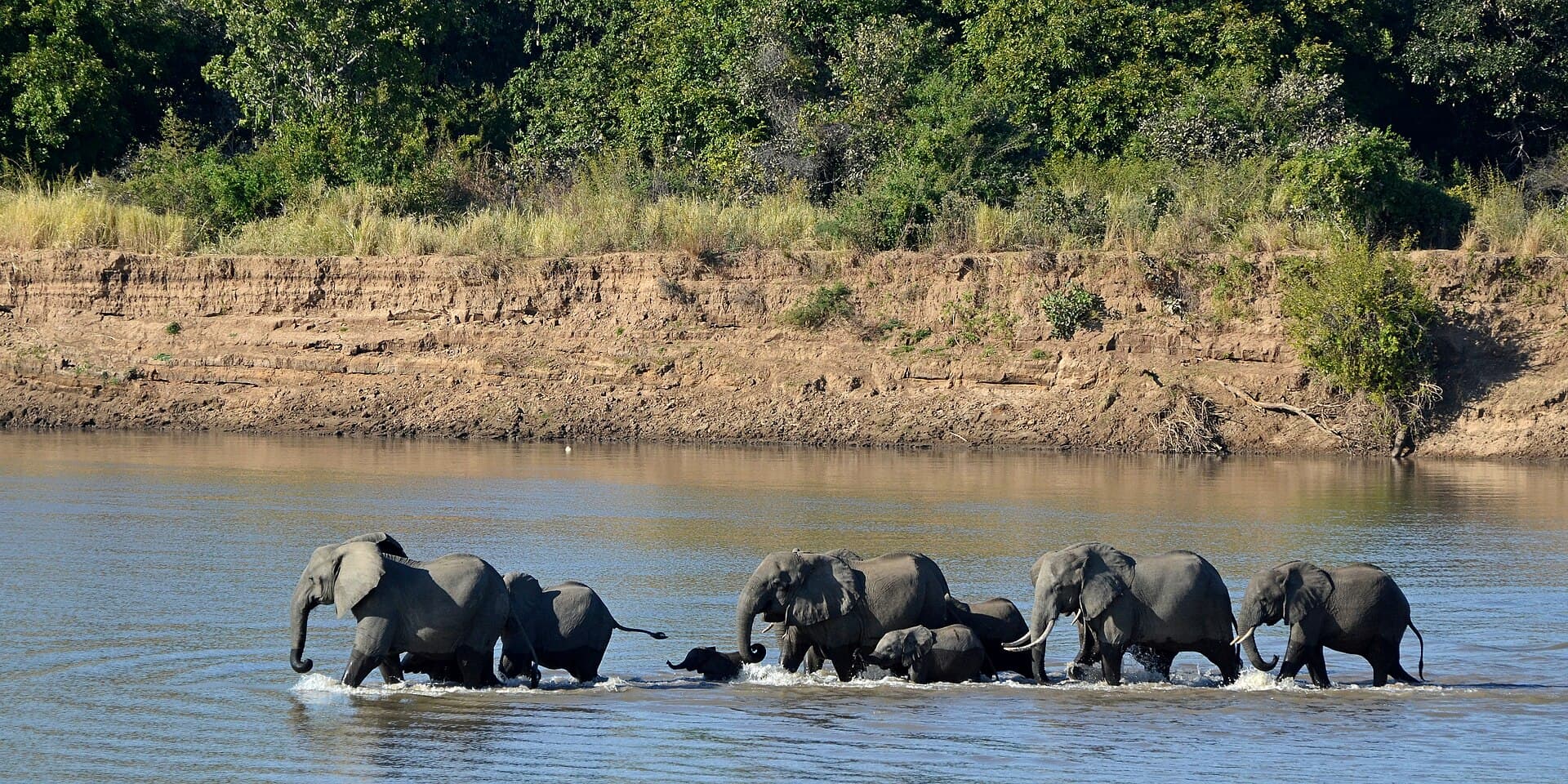
Elephant family crossing the Luangwa River
10 daysMost complete

Zambia Classic

Lusaka · Mfuwe Airport · South Luangwa · Lower Zambezi · Livingstone · Victoria Falls (Mosi-oa-Tunya)

First-time visitors to Zambia who want walking, water and the falls in one well-paced trip

Best months
June – October, the dry season
Comfort levels
Comfort · Premium · Luxury · Ultra-Luxury
Individually quoted
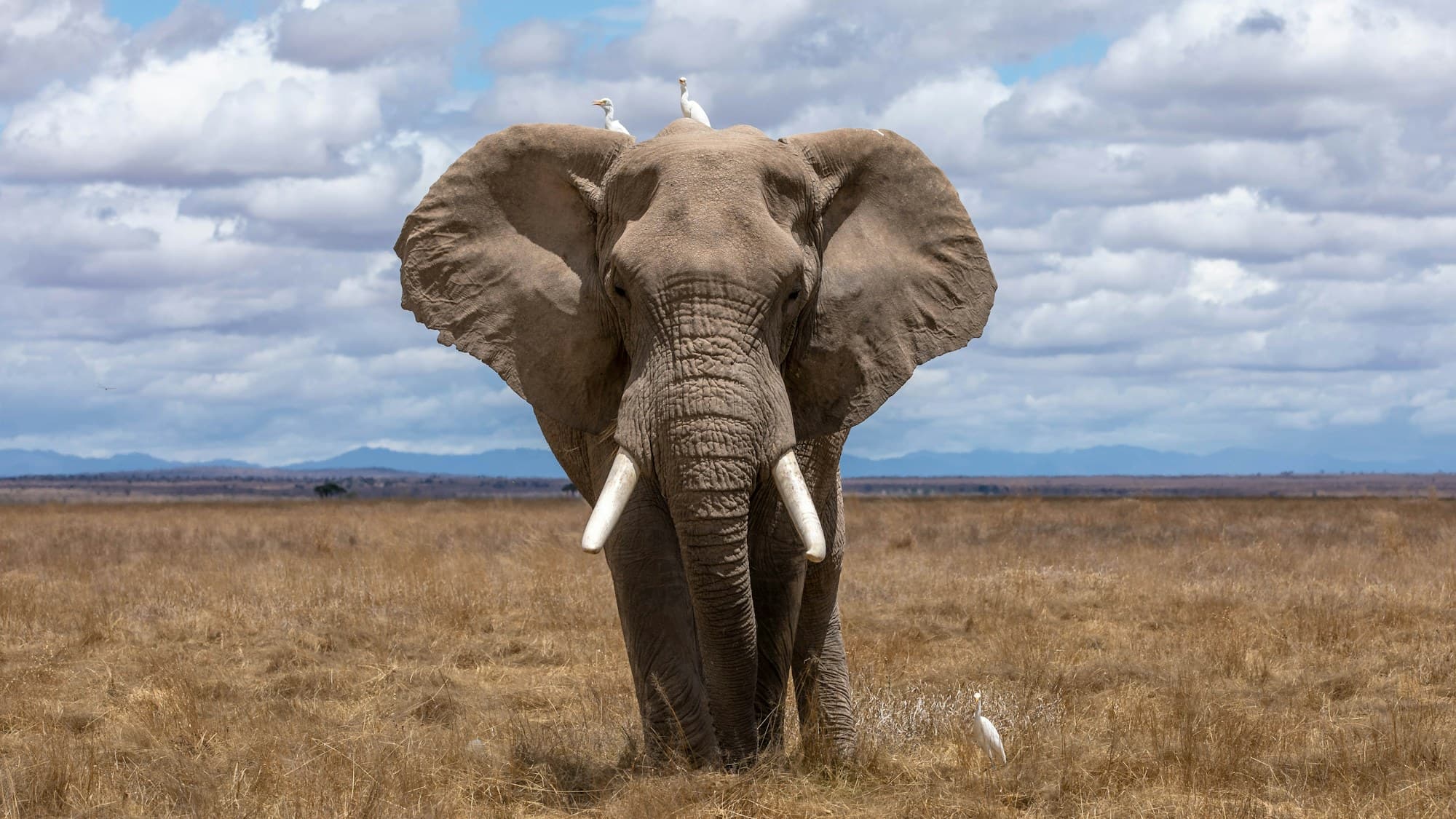
Elephant with white egrets standing front-on in open grassland under a wide sky
11 daysFor walkers

Luangwa Walking Safari

Lusaka · Mfuwe Airport · South Luangwa · North Luangwa

Fit, curious travelers who want to experience the bush on foot and are happy with simple camps

Best months
July – October (late June possible)
Comfort levels
Premium · Luxury
Individually quoted
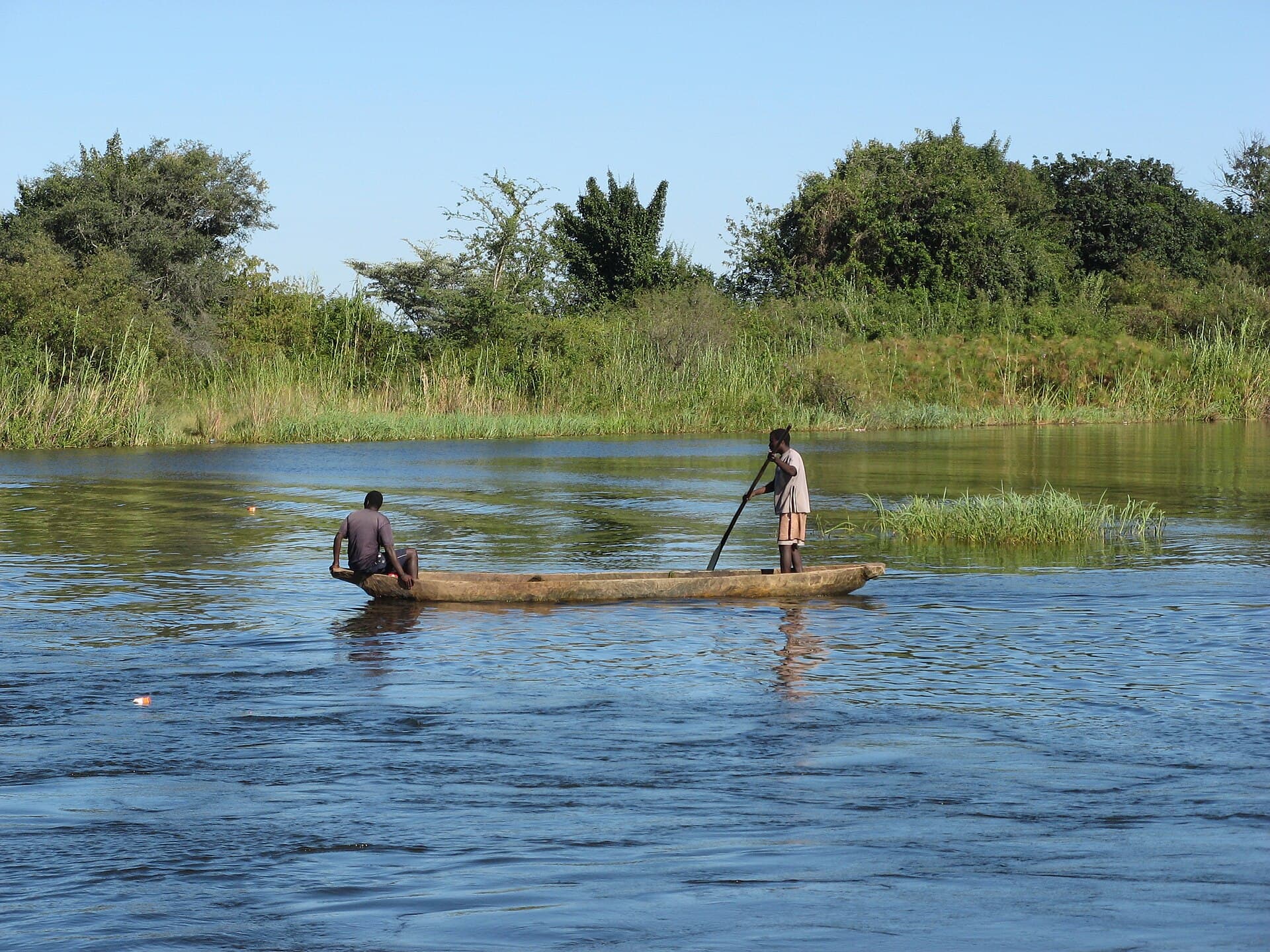
Dugout canoe gliding along the Lower Zambezi
8 daysCouples

Zambezi Honeymoon

Lusaka · Lower Zambezi · Livingstone · Victoria Falls (Mosi-oa-Tunya)

Honeymooners and anniversary couples who want a gently paced safari with water and privacy

Best months
May – October
Comfort levels
Premium · Luxury · Ultra-Luxury
Individually quoted
Good to know

Frequently asked questions

Is Zambia an expensive safari destination?

Its best camps are small, remote and seasonal, so per-night rates tend to be higher than on busier circuits with large lodges. In return you get very few other vehicles, walking with an armed scout and camps of a handful of rooms. Mixing a lodge near Mfuwe with one bush-camp leg is the most effective way to manage the total.

Are park fees included in Zambian camp rates?

Often, but not always. Many camps build DNPW park fees into their nightly rate, others list them separately, and camps in game management areas may charge levies instead. A clear quote shows which applies at each stop.

Do rates drop in Zambia’s emerald season?

At the camps that stay open, yes: rates in the rainy months are usually the lowest of the year. The trade-off is choice, because most remote camps close, walking largely stops and some roads flood. Shoulder weeks in May, June and early November offer a middle path.

How much should I allow for flights inside Zambia?

It depends on the route more than the distance. Scheduled flights to Mfuwe and Livingstone are the most economical, seat-rate light aircraft to the Lower Zambezi cost more, and a private charter to North Luangwa or Busanga is usually the largest single transport cost. We price each leg separately in your quote.

Do children pay less on a Zambia safari?

Park fees for children aged 5 to 13 are half the adult rate, and under-5s enter free, according to DNPW’s published fee table. Camp child policies vary, and many remote camps set minimum ages, so family costs depend heavily on where you stay.

Hippos in a lagoon beside a bush camp in Kafue

Tell Us When You Can Travel

Share your dates, who is coming and whether you want to walk, paddle or simply watch. A safari specialist will design a private Zambia journey around the seasons, with nothing booked until you approve it.

Plan My Zambia Safari