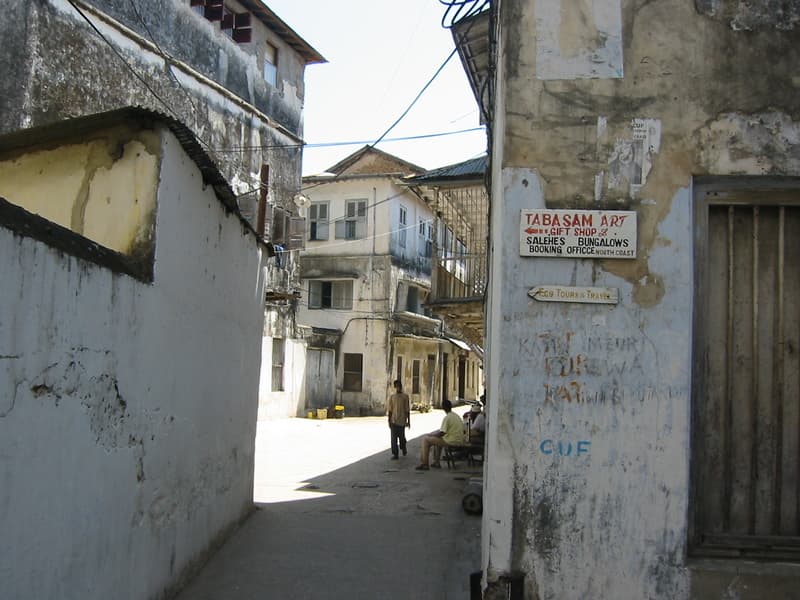
Weathered alleyway in historic Stone Town, Zanzibar

Zanzibar travel guide

Is Zanzibar Safe? Safety, Dress Code & Local Customs

A calm, current look at the official advice, the everyday risks that really matter and the customs that keep an island trip relaxed.

Is Zanzibar safe? For visitors on a well-planned trip — private transfers, reputable hotels, guided outings — it is a relaxed and welcoming island, and the risks that most often affect travelers are everyday ones: petty theft, traffic and the sea. It is not risk-free, however, and the official US advice for Tanzania, which covers Zanzibar, was raised in late 2025. Both deserve a straight explanation.

Customs matter as much as crime. Zanzibar is conservative and almost entirely Muslim, and some of its rules — on clothing, public affection and behavior during Ramadan — are enforced by law rather than left to good manners. Knowing them in advance is the simplest way to keep your trip easy.

Official advice

What the US and UK Governments Say (September 2026)

At the time of writing, the US State Department rates Tanzania, including Zanzibar, at Level 3, “Reconsider Travel”, citing unrest, crime, terrorism and the targeting of gay and lesbian individuals, and noting that some areas carry increased risk. The level was raised from Level 2 on 31 October 2025, in the days after the general election.

The UK Foreign, Commonwealth & Development Office advises against all but essential travel only to the area within 20 km of the Mozambique border, at the far southern edge of the mainland and a long way from Zanzibar. It reports that protests around the 29 October 2025 election led to deaths in many areas of mainland Tanzania, that previous elections in Zanzibar have turned violent, and that incidents have occurred in Stone Town, at hotels and on popular beaches. It also notes that security officials may check phones for election-related content.

In practice: read both advisories in full before you book and again before you fly, enroll in the State Department’s Smart Traveler Enrollment Program, and check your insurance terms. On the island, stay away from demonstrations and political gatherings, keep political comment off social media while you are there, and follow your hotel’s advice. We monitor the advisories and adjust plans when the situation calls for it. For safari-side safety on the mainland, see the Tanzania safari safety guide.

Everyday risks

The Risks That Actually Affect Visitors

RiskWhereWhat helps
Bag snatching and petty theftStone Town after dark, busy beaches and the ferry portValuables in the hotel safe, a cross-body bag, and a guide or taxi at night
Persistent touts (papasi)Stone Town streets, the port and popular beachesA firm, friendly “no, thank you”; book excursions through your hotel or specialist, not on the sand
Unlicensed boat tripsBeaches in Nungwi, Kendwa and along the east coastLicensed operators with life jackets for everyone, shade and a sound engine — never an overloaded boat
Road trafficIsland roads, especially after darkPrivate transfers with an experienced driver rather than motorbike taxis (boda bodas) or crowded minibuses (dala dalas)
FerriesDar es Salaam–Zanzibar and inter-island routesFly where you can; if you sail, choose an established operator and watch the weather
UnrestPolitical gatherings, particularly around electionsKeep well away from demonstrations and follow local news and your hotel’s guidance

At sea

Sea Safety: Tides, Urchins and Currents

On Zanzibar the ocean causes more minor accidents than anything on land. A few habits prevent most of them:

  • Know the tide before you walk out. On the east coast the rising water refills the lagoon quickly and can cut off sandbanks and reef flats, so ask your hotel for the day’s times and turn back early.
  • Wear reef shoes. Sea urchins are common in shallow, reef-fringed water, and the well-camouflaged stonefish, though rare, is venomous; shuffle your feet in the shallows.
  • Respect the reef edge. Currents run strongly through the channels in the reef, especially on a falling tide, so swim inside the lagoon unless a guide is with you.
  • Choose boats that carry life jackets for everyone, and skip trips when the wind is up — common on the east coast from June to September.
  • Don’t assume a lifeguard is on duty. Swim where your hotel advises and keep children within arm’s reach.
  • Treat the sun as a hazard in its own right, especially on boat days: high-factor sunscreen, a hat and plenty of water.

Dress code

What to Wear in Zanzibar

At the time of writing (September 2026), the UK government reports that Zanzibari authorities can fine visitors US$700 or more for clothing they consider inappropriate in public, and guides or tour operators at least US$1,000. The rules are easy to follow once you know where they apply; for packing, see the Tanzania packing guide.

SettingWhat worksAvoid
Stone Town, villages and marketsLoose, light clothing that covers shoulders and knees, for men and women; a scarf or shawl is usefulSwimwear, short shorts, crop tops and bare chests
The beach and hotel groundsSwimwear is normal on the sand and around poolsGoing topless or nude
Walking from the beach into a villageA sarong, shirt or kaftan pulled on before you leave the sandWandering village streets in swimwear
Evenings in townSmart-casual: long trousers, or a long skirt or dressBeach cover-ups on their own
During RamadanDress a notch more conservatively than usual in townBeachwear anywhere beyond the resort

Ramadan

Visiting During Ramadan

Ramadan, the Muslim month of fasting, moves about 11 days earlier each year; in 2027 it is expected to run from roughly early February to early March, depending on the sighting of the moon. It is a fine time to visit if you travel with a little extra care: the island is quieter by day and wonderfully sociable after sunset, when families gather to break the fast.

In daylight hours, avoid eating, drinking or smoking in public outside hotels and restaurants, and expect some local cafés to stay closed until evening. Hotels, resorts and beach restaurants serve guests as usual, and alcohol remains available in licensed hotels. The month ends with Eid al-Fitr, a festive public holiday, when some services pause for a day or two.

Local customs

Alcohol, Affection, Photography and LGBTQ+ Travelers

  • Alcohol is served in hotels, resorts and licensed bars and restaurants. Drinking in the street or on a public beach beyond your hotel is frowned upon, and being visibly drunk in town gives real offense.
  • Keep affection private. The UK government warns that public displays of affection could lead to arrest or imprisonment, and gestures that pass unnoticed at home can cause offense here.
  • Same-sex sexual activity is illegal in Zanzibar, as on the mainland, and the US advisory specifically cites the targeting of gay and lesbian individuals. LGBTQ+ travelers should weigh this carefully; those who go usually choose private villas and discretion in public, and we plan such trips with care and in confidence.
  • Ask before photographing people — especially women, seaweed farmers and anyone at prayer — and accept a no with good grace.
  • Drones need official permission in Zanzibar; check the current rules before packing one.

Money

Money, Tipping and Common Scams

US dollars and Tanzanian shillings are both widely used. Bring clean, undamaged dollar bills printed in 2009 or later, as older notes are often refused, and carry small denominations for tips. Cards work in most hotels and larger restaurants, ATMs cluster in Stone Town, and shillings are handier in markets and villages.

Tipping follows the Tanzanian pattern explained in our safari tipping guide. Scams are mostly low-level: self-appointed “guides” at the ferry port, unofficial taxis at night, and boat or spice tours sold on the beach that turn out to be something other than promised. Booking through your hotel or specialist sidesteps nearly all of them.

Safaris

Recommended safaris

Weathered alleyway in historic Stone Town, Zanzibar
7 daysIsland essentials

Stone Town & Beach

Stone Town · Spice farms (Kizimbani & Kidichi) · Kendwa · Nungwi

First-time visitors, families and anyone who wants history and easy swimming in a single week

Best months
June–October and December–February
Comfort levels
Comfort · Premium · Luxury · Ultra-Luxury
Individually quoted

Good to know

Frequently asked questions

Is Stone Town safe at night?

The main streets and the Forodhani waterfront are busy and generally fine in the early evening, but the lanes empty quickly and bag snatching does happen. After dark, walk with a guide or take a taxi arranged by your hotel, and carry only what you need.

What should women wear in Zanzibar?

In Stone Town, villages and markets, cover shoulders and knees with loose, light clothing, and carry a scarf. Swimwear is fine on the beach and at hotel pools, but cover up before walking off the sand. Authorities can fine visitors for clothing they consider inappropriate.

Can tourists eat and drink during Ramadan in Zanzibar?

Yes — in your hotel, at resorts and in restaurants that serve visitors, which carry on as usual. What to avoid is eating, drinking or smoking in public during daylight, particularly in town. Evenings are lively, and many visitors find the atmosphere a highlight of the trip.

Is Zanzibar safe for LGBTQ+ travelers?

Same-sex relations are illegal in Zanzibar, and the US State Department’s advisory for Tanzania cites the targeting of gay and lesbian individuals. Some LGBTQ+ travelers still visit, keeping a low profile in public and choosing private accommodation. Read the latest official advice before deciding.

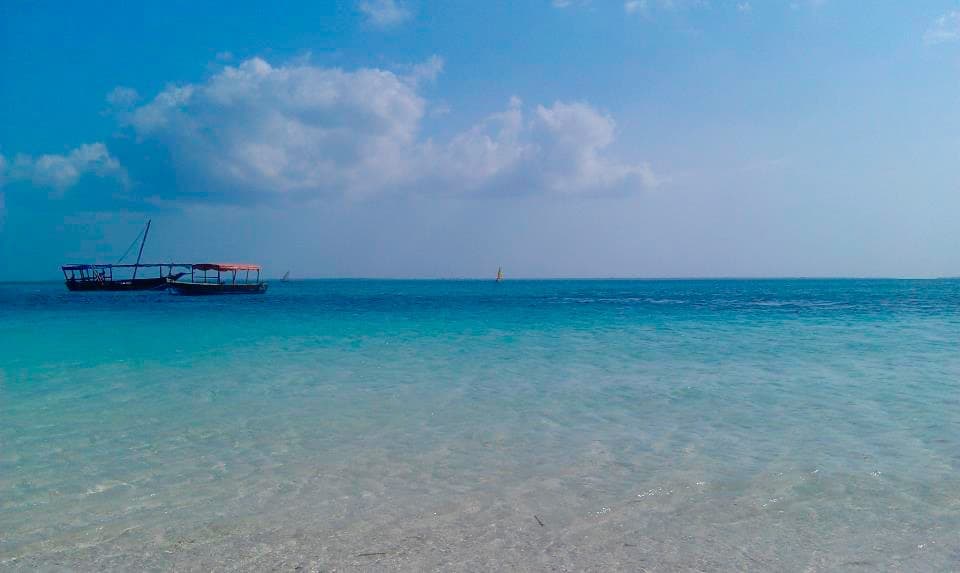
Turquoise water off Nungwi beach with a boat offshore

Tell Us When You’d Like to Be on the Island

Share your dates, who is traveling and what you want from Zanzibar — beaches, reefs, Stone Town or a safari first. We’ll suggest the right coast and design a private trip around you, with nothing booked until you approve it.

Plan My Zanzibar Trip