
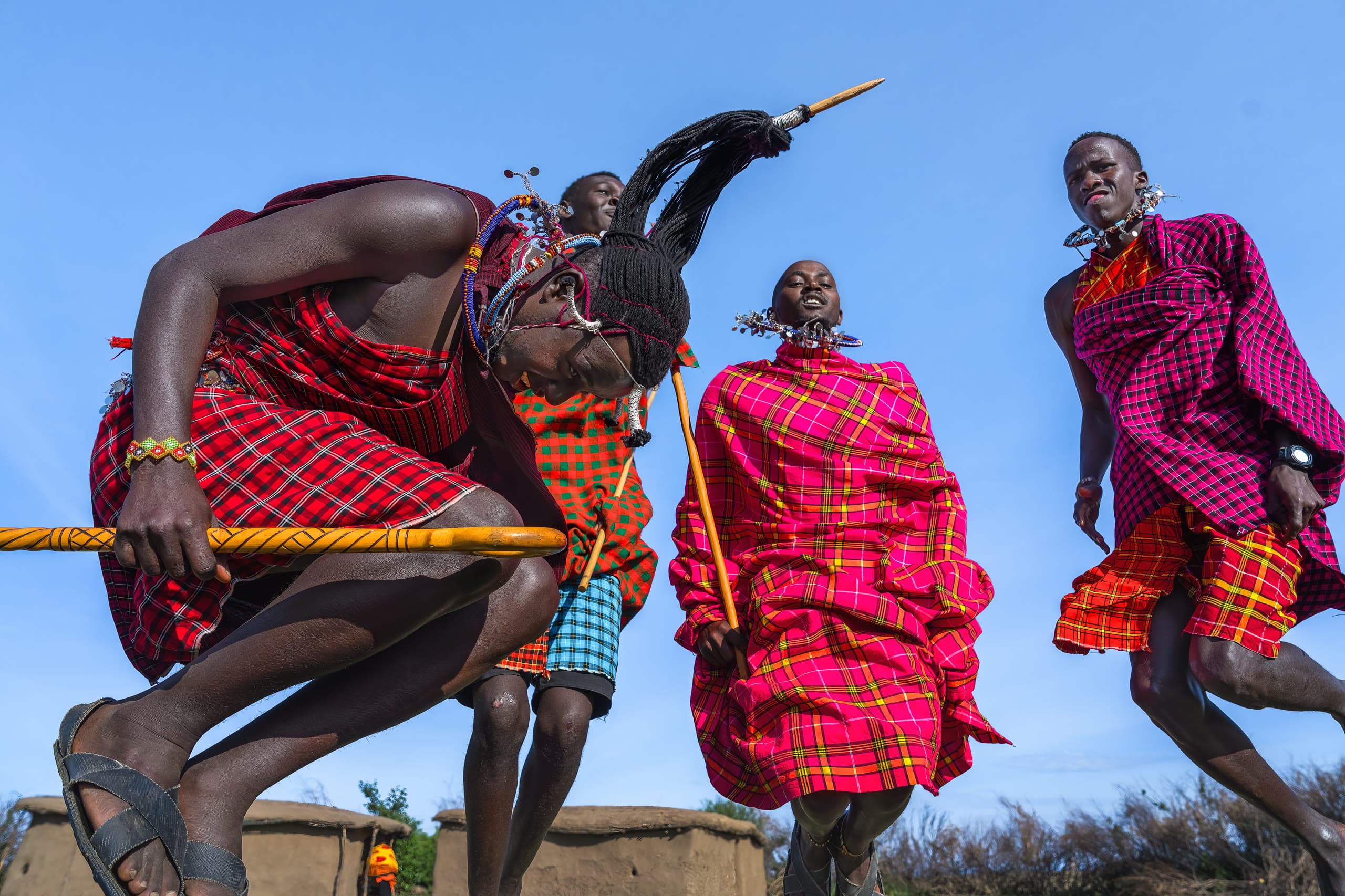
Culture
Maasai Cultural Experience
Spend unhurried time with a Maasai community on a visit they lead — homesteads, herding life and honest conversation rather than a staged show.
Tanzania Travel Guide
Tipping is customary, warmly appreciated and always your choice. Here’s typical industry guidance, so you can plan calmly and give with confidence.
Tipping is a customary part of safari travel in Tanzania. It isn’t compulsory and it’s never a condition of good service, but it’s genuinely appreciated. For many guides, trackers, cooks and housekeepers, it forms a meaningful part of their income.
The figures below are typical industry guidance at the time of writing, not rules and not our charges. Gratuities are usually left out of safari pricing across the industry, which is why it helps to plan for them. Treat the numbers as a starting point, then adjust for the length of your stay, the size of your group and how you felt about the service.
The most important relationship is with your private guide, who will likely spend every day of your safari with you. Guidance is usually quoted per guest, but if a family of five shares one vehicle and one guide, a strict per-head multiple can feel high. Many families settle on a per-vehicle daily figure instead, and add more for exceptional service.
Amounts are in US dollars and reflect typical industry guidance at the time of writing.
| Who | Typical guidance | How it’s usually given |
|---|---|---|
| Private driver-guide | Roughly US$20–$40 per guest per day; more for exceptional service or a guide looking after a whole family (think per vehicle) | In an envelope, handed to your guide at the end of the safari |
| Camp and lodge staff | Roughly US$10–$20 per guest per day | In the communal tip box on departure, shared among all staff |
| Camp-based guides and trackers | Where the camp runs your game drives, many travelers follow similar guidance to a private guide for the days they guide you | Directly, in an envelope, before you leave the camp |
| Walking-safari rangers | A modest amount per walk | Directly, at the end of the walk |
| Airport and transfer drivers | A few dollars per person, a little more for long drives | Directly, at drop-off |
| Porters | A dollar or two per bag | Directly, when bags are delivered |
| Balloon pilot and crew | Optional; many travelers give a modest amount | Often an envelope or box at the post-flight breakfast |
| Zanzibar hotel staff and local guides | Smaller amounts, such as a few dollars per guest per day for hotel staff | A communal box at checkout; local guides directly |
Tipping is discretionary. Your pre-departure notes include current guidance for your itinerary.
Visits to a Maasai boma (homestead) work differently from lodge tipping. There is usually a visit fee that goes to the community, arranged in advance or paid at the village. Beadwork and crafts are sold by the families who make them, and buying something is the most direct way to support them. A small extra tip for the person who shows you around is optional. Our Maasai cultural experience page explains how these visits work.
If service falls short, you’re under no obligation to tip in full. It’s far better, though, to mention a problem while you’re still there, to the camp manager or to us through the local contact number you’ll have during your trip, so it can be put right while it still matters.
Judge your guide on effort, knowledge and care rather than luck. No one controls whether a leopard appears, and a guide who works hard on a quiet day has earned your thanks.
Your pre-departure notes include current tipping guidance for your specific itinerary, based on the number of guide days, the camps you’ll stay in and any balloon flights or walks. They also suggest how much cash to bring and in which denominations. Because we plan with vetted local partners, we keep that guidance up to date as expectations change.
If you’d like to recognize someone beyond a cash tip, such as a guide who made your children’s first safari, we’re glad to pass on a written note to the partner they work with. Specific written feedback helps a guide’s career, too. You’ll find more practical preparation in our first safari guide.
Experiences
Culture
Spend unhurried time with a Maasai community on a visit they lead — homesteads, herding life and honest conversation rather than a staged show.
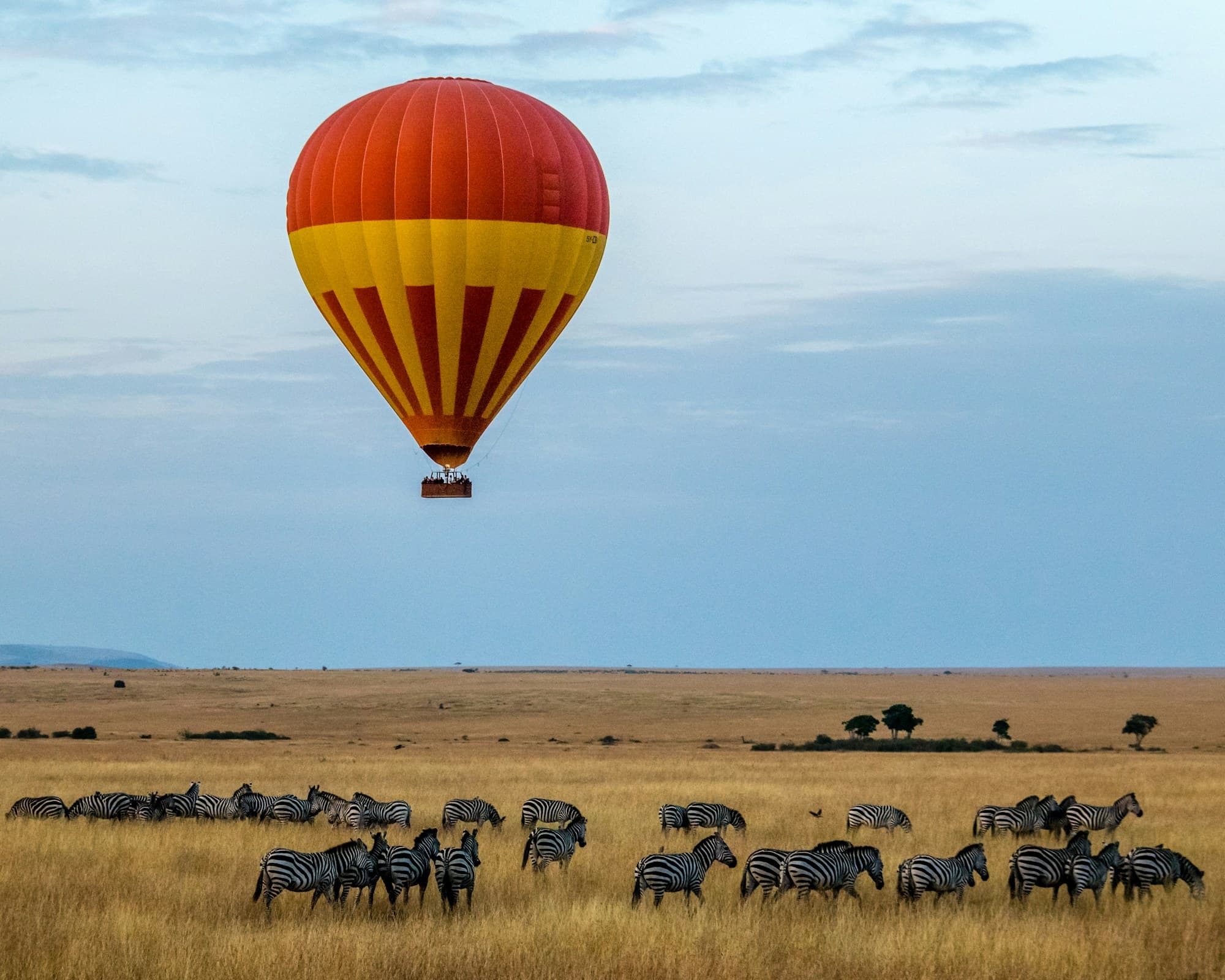
In the air
Drift over the Serengeti at first light as the plains wake beneath you, then land for a champagne breakfast in the bush.
Good to know
Typical industry guidance at the time of writing is roughly US$20–$40 per guest per day for a private driver-guide, given at the end of the safari. For families sharing one guide, many travelers think in terms of a per-vehicle daily amount. Adjust up or down to reflect the service you received.
Either is welcome. US dollars are common on safari, but bring small, clean notes printed from about 2009 onward, as older or damaged bills are often refused. Shillings work well for smaller tips in towns and on Zanzibar.
Across the industry, gratuities are usually left out of safari pricing so that they stay at your discretion. Your proposal makes clear what is and isn’t included, and your pre-departure notes suggest how much cash to set aside.
Tip camp staff at the end of your stay at each camp, using the communal box. Your private guide is usually tipped at the end of the safari, often at the airstrip or airport. Porters and transfer drivers are tipped as you go.
The visit itself usually carries a fee that goes to the community, arranged in advance or paid on arrival. Buying beadwork directly from the families is the most meaningful support. A small tip for the person who guides you around is appreciated but optional.
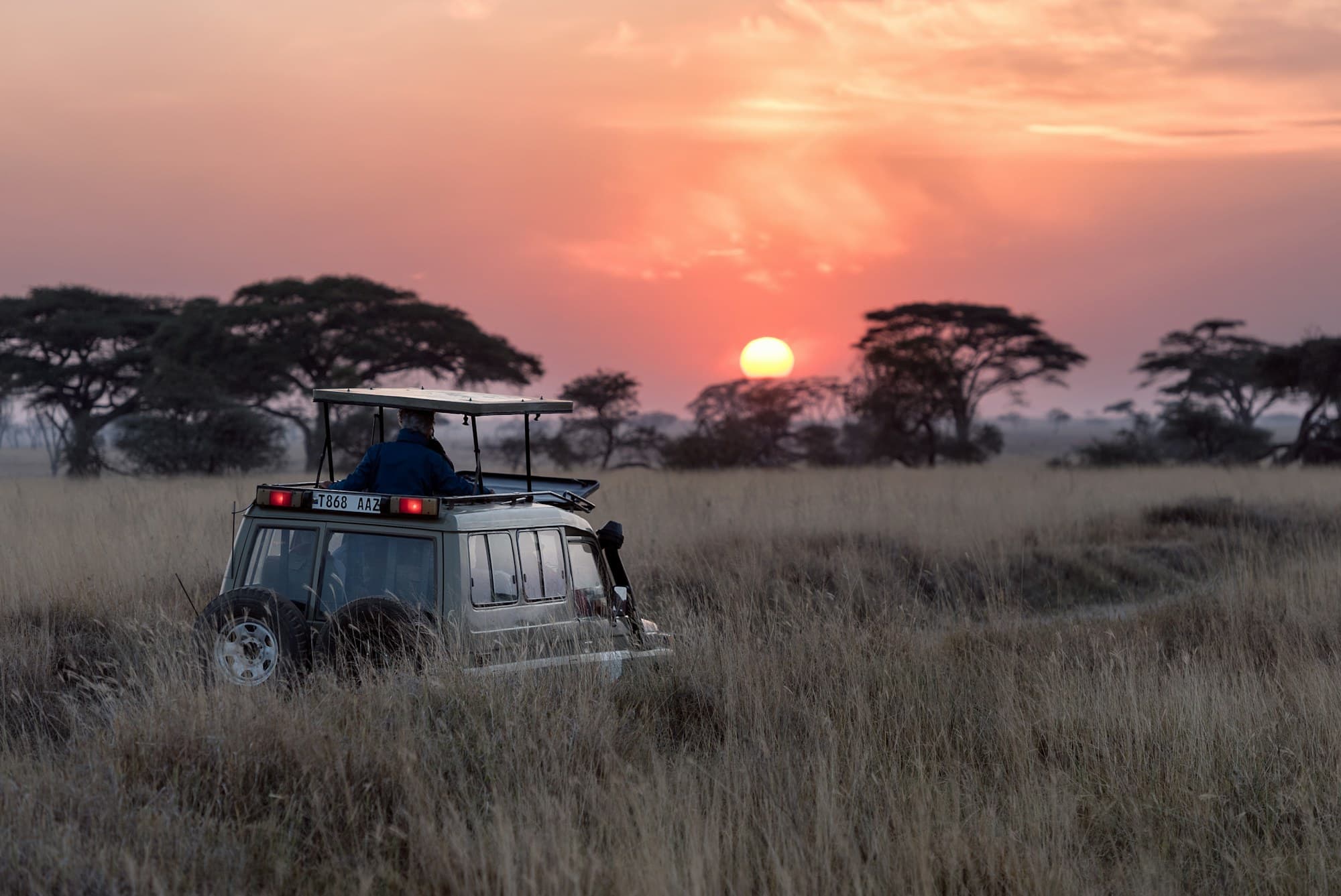
Share when you want to travel, who is coming and what you hope to see. A safari specialist will design a private Tanzania journey around you — no obligation, and nothing booked until you approve it.
Start Designing My Safari