Tanzania Travel Guide

Tanzania Safari Packing List & What to Wear

Pack light, pack neutral, pack for four seasons in a day — and leave the plastic bags at home.

Packing for Tanzania is less about owning the right gear than about leaving the wrong things at home. Most safaris here include at least one light-aircraft flight with a strict weight limit, days that swing from a chilly crater rim to hot, dusty plains, and camps where laundry is often part of the stay. A small, well-chosen wardrobe works far better than a large one.

This list is written for Tanzania specifically — the northern circuit, the southern parks and a Zanzibar extension. For the universal basics, see our general safari packing list.

The Principles

A soft bag, not a suitcase

Light aircraft typically allow about 15 kg (33 lb) per person, including hand luggage, in soft-sided bags without wheels or rigid frames so they can be squeezed into the hold. Even on a driving safari, a duffel is easier to stow. See how fly-in safaris work.

Layers over bulk

A 6 a.m. drive with the roof open can feel wintry; by noon you may be in short sleeves. Think thin base layer, shirt, fleece and a light insulated or windproof jacket you peel off as the sun climbs.

Neutral tones

Khaki, olive, tan, stone and soft green hide dust and keep you inconspicuous on walks. Skip white (it turns beige by lunch), bright colors, and dark blue or black, which attract tsetse flies in woodland areas such as Tarangire, parts of the Serengeti, Ruaha and Nyerere.

Less than you think

Plan on roughly five days of clothing for a trip of any length. Many camps offer laundry, clothes dry fast in the sun, and nobody dresses up — smart-casual at most for dinner.

Clothing

Quantities assume a trip of about 8–12 days with laundry along the way.

  • 3–4 lightweight long-sleeved shirts in neutral colors — sun and mosquito protection in one
  • 2–3 T-shirts or short-sleeved shirts
  • 2 pairs of lightweight trousers (zip-offs are practical) and 1 pair of shorts
  • A warm fleece plus a packable down or synthetic jacket for dawn drives and the crater rim
  • A light rain shell — essential from November to May, useful as a windbreaker year-round
  • A wide-brimmed hat with a chin strap (open roofs are windy) and a beanie for cold mornings
  • A buff or light scarf against dust and sun
  • Comfortable closed walking shoes in muted colors, plus sandals for camp
  • Swimwear — many lodges have pools, and Zanzibar is a beach island
  • Warm sleepwear for cool highland nights and one smart-casual outfit for evenings
  • No camouflage prints: military-style clothing is commonly advised against for civilians in Tanzania and several neighboring countries
  • For Stone Town on Zanzibar: loose clothing that covers shoulders and knees, and a light scarf or sarong

Gear & gadgets

  • Binoculars — one pair per person, not one per couple; 8x42 or 10x42 suits safari well
  • A camera with a zoom reaching roughly 300–400 mm (a 100–400 mm lens or equivalent is ideal); phones excel at landscapes but struggle with distant wildlife
  • Spare batteries and memory cards — at least one spare battery for every device
  • A bean bag or soft support for resting a long lens on the window frame or roof hatch
  • A power bank and cables: many safari vehicles have USB or inverter charging, but solar-powered camps may charge only at set times or in the main area
  • A plug adapter for British-style three-pin sockets (Type G), which most lodges use
  • A small headlamp or flashlight — camp paths are dimly lit, and generators may switch off overnight
  • A lens cloth and blower brush for dust
  • Earplugs, if you are a light sleeper — hippos and hyenas are not quiet neighbors
  • Leave the drone at home: flying one in national parks generally requires special permits that are rarely practical for travelers

Health & toiletries

  • Prescription medicines in original packaging in your carry-on, with a copy of the prescriptions and a few days’ spare supply
  • Antimalarials if prescribed — see a travel-health clinic well before departure, and read our vaccines and yellow fever guide
  • Insect repellent with DEET or picaridin, plus long sleeves at dusk
  • High-SPF sunscreen, SPF lip balm and good sunglasses — the equatorial sun is strong even when the air feels cool
  • Motion-sickness tablets if you are prone: tracks are bumpy, and light aircraft can be lively in the midday heat
  • Oral rehydration sachets, hand sanitizer, antihistamines and a basic first-aid kit
  • Glasses as a backup if you wear contact lenses — dust can make lenses uncomfortable
  • Toiletries in reusable fabric or silicone pouches rather than plastic bags
  • A small bottle of travel wash: many camps launder clothes, often as part of the stay, but some do not wash underwear for cultural reasons

Documents & money

  • A passport valid for at least six months beyond your travel dates, with blank pages
  • Your Tanzania visa or eVisa approval, printed as well as saved on your phone — see our Tanzania visa guide
  • A yellow fever certificate if your route requires one, for example when arriving from certain countries
  • Travel insurance details, including medical evacuation cover
  • Printed copies of your passport, insurance and flight details, kept apart from the originals
  • US dollars in newer, undamaged notes, including small bills for tips; older or torn notes are often refused. Our tipping guide explains how much to bring
  • A credit card for lodge extras — acceptance in remote camps varies, and some add a surcharge

What to Wear, Month by Month

Altitude matters as much as the calendar. The plains are warm year-round; the Ngorongoro highlands and crater rim, at around 2,300 m, are always cooler.

WhenDaysNights & early morningsPack
June–October (dry season)Sunny, dry and dusty; warm on the plainsCool to cold — the crater rim can feel close to freezing, especially June–AugustWarm fleece, insulated jacket, beanie and gloves; a buff for dust
November–December (short rains)Warm and greening, with passing afternoon showersMild on the plains, cool in the highlandsLight rain shell, quick-dry layers, insect repellent
January–February (warm, drier spell)Typically the hottest, sunniest weeks of the yearMild; still cool on the crater rimBreathable long sleeves, sun hat, one warm layer
March–May (long rains)Warm and humid, with heavier and longer rainMild and dampWaterproof shell, quick-dry trousers, shoes that cope with mud

Typical patterns only — the rains shift from year to year, and conditions vary between parks.

Safaris

Recommended safaris

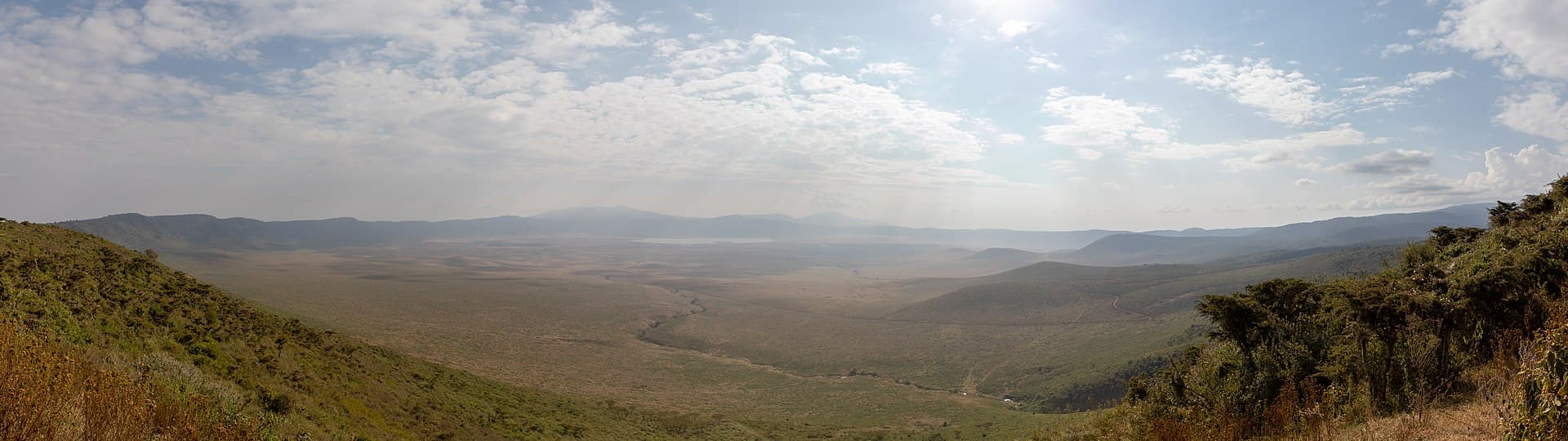
View across the Ngorongoro Crater floor from the forested rim
9 daysComplete introduction

Tanzania Northern Circuit

Arusha · Tarangire · Ngorongoro Crater · Olduvai Gorge · Central Serengeti

First-time travelers who want the complete northern circuit, with room to breathe

Best months
June – March, routed to the season
Comfort levels
Comfort · Premium · Luxury · Ultra-Luxury
Individually quoted
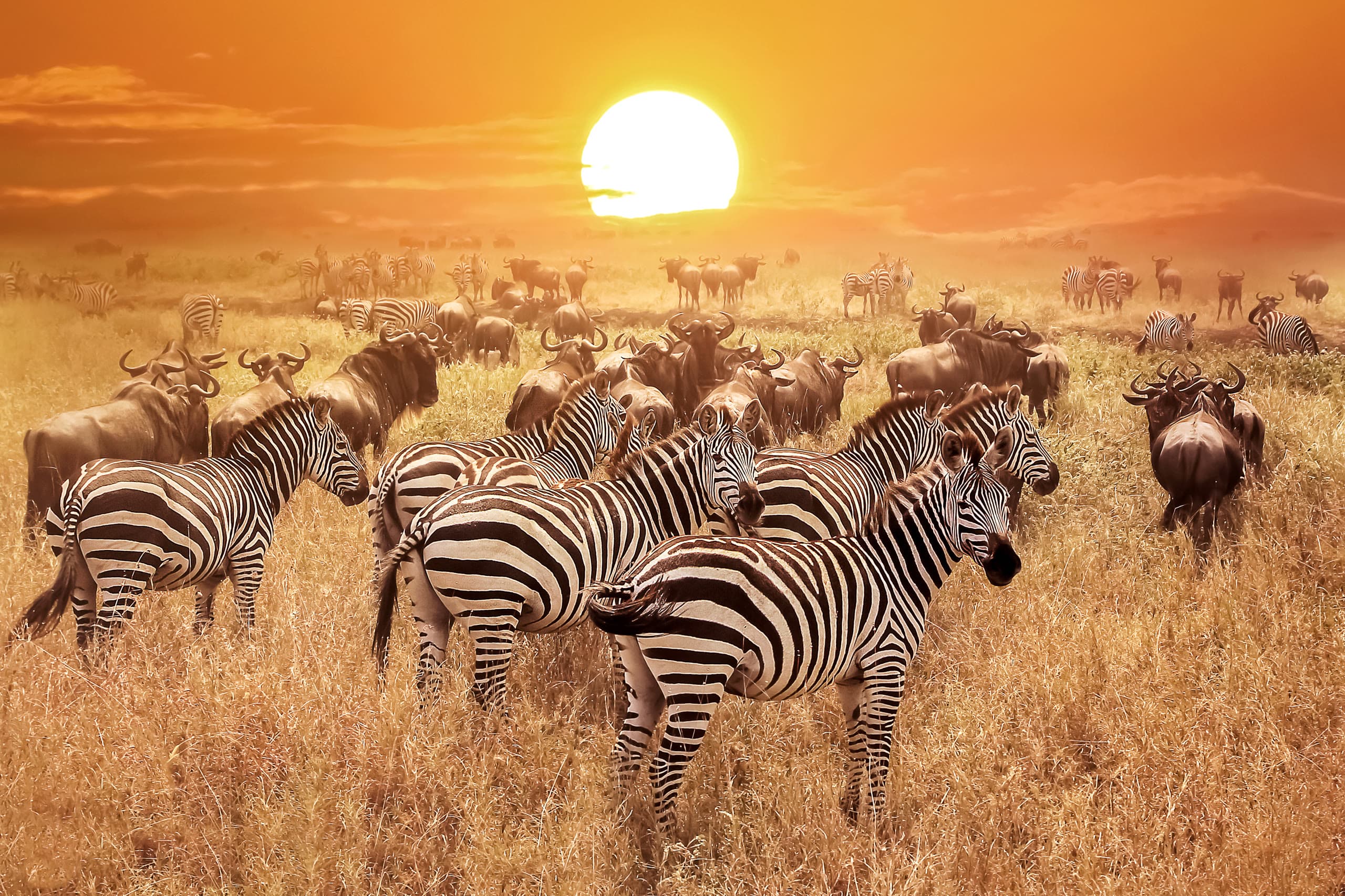
Zebra and wildebeest herds grazing at golden sunset during the Great Migration
9 daysMigration

Great Migration Safari

Arusha · Ngorongoro Crater · Central Serengeti · Northern Serengeti

Travelers who want the migration at the center of the trip, whatever month they can travel

Best months
Year-round — routed to the herds
Comfort levels
Premium · Luxury · Ultra-Luxury
Individually quoted
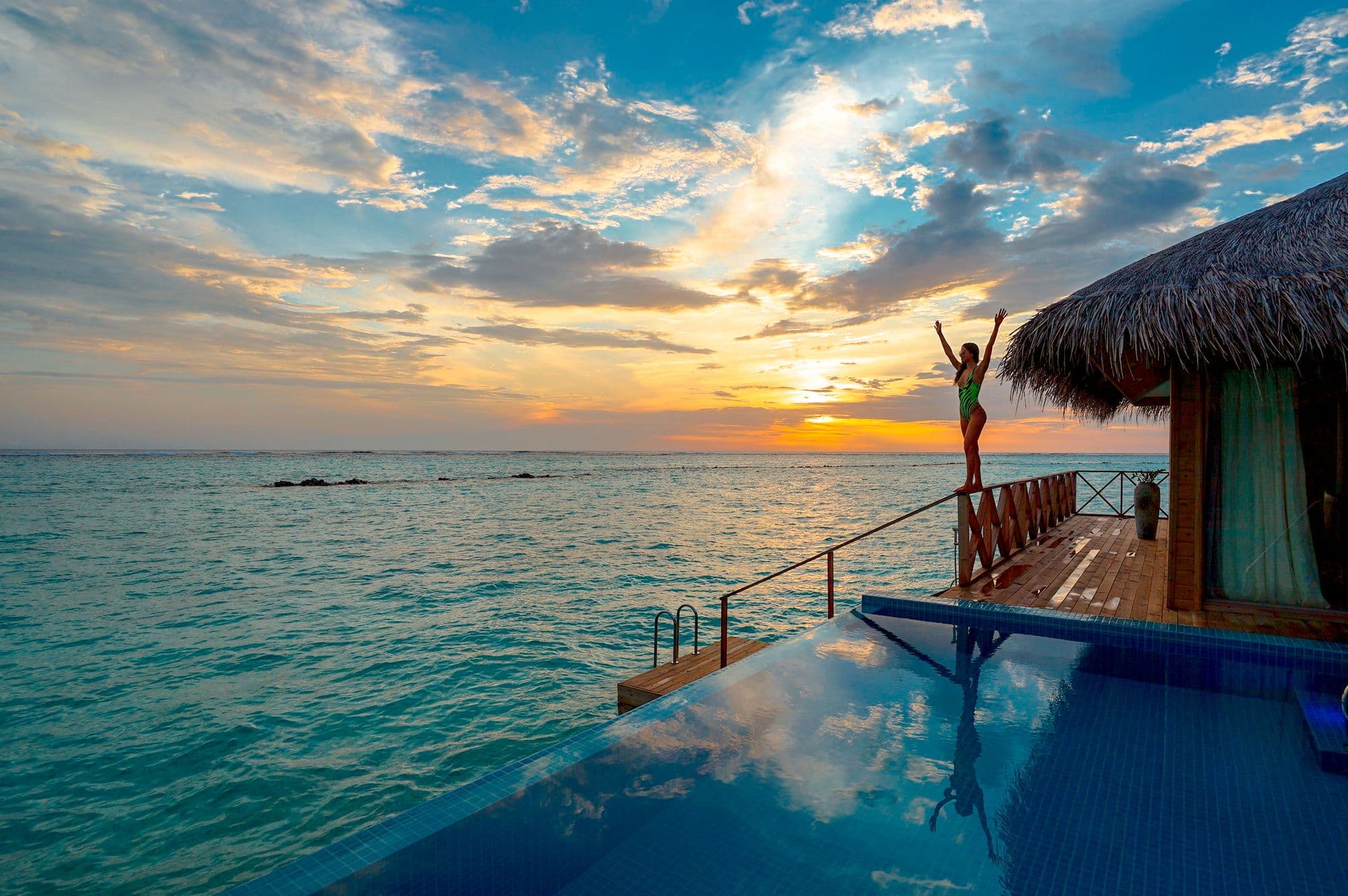
Traveler greeting the sunset from an infinity pool over the Indian Ocean
11 daysSafari + beach

Serengeti + Zanzibar

Arusha · Tarangire · Ngorongoro Crater · Central Serengeti · Zanzibar

Couples, honeymooners and first-timers who want a complete safari followed by real beach time

Best months
June – October and December – February
Comfort levels
Comfort · Premium · Luxury · Ultra-Luxury
Individually quoted
Experiences

Related experiences

Getting around

Fly-In Safari

Hop between parks by light aircraft, trading long drives for more time on the ground and a bird’s-eye view of the country in between.

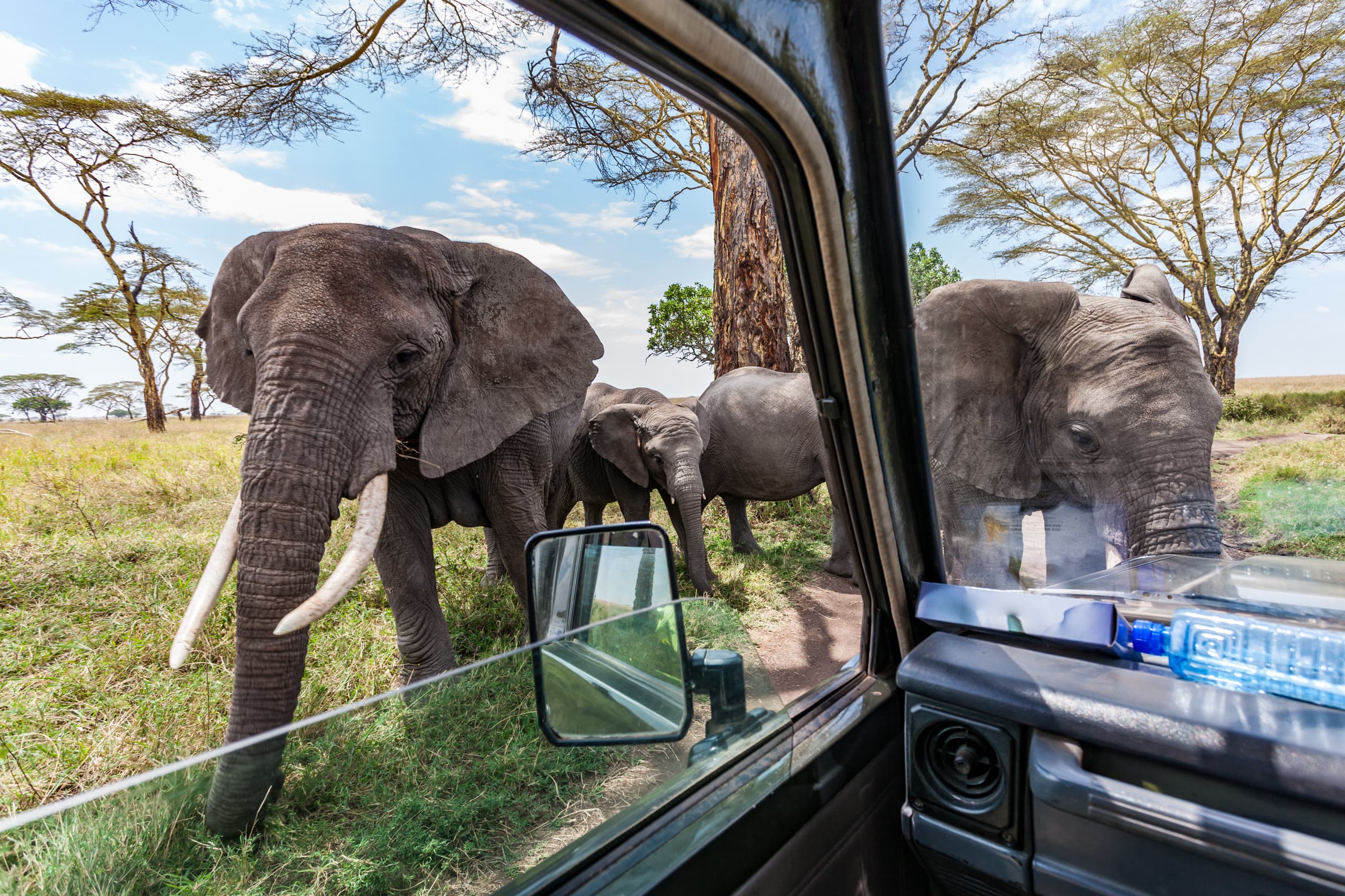
Elephants seen up close from inside a private safari vehicle

Photography

Private Photography Vehicle

A private vehicle set up for cameras — fewer guests, a window each, bean bags and a guide who thinks in light and angles.

Good to know

Frequently asked questions

What is the luggage limit on safari flights in Tanzania?

Scheduled light-aircraft services typically allow about 15 kg (33 lb) per person, including hand luggage and camera gear, in a soft-sided bag. Limits vary slightly by route and aircraft, and extra weight can sometimes be accommodated by reserving an additional seat. If you are carrying more for the rest of your travels, bags can often be stored in Arusha until you return.

Can I wear jeans on safari?

You can, particularly on cool mornings and evenings, but jeans are heavy to pack, hot at midday and slow to dry after laundry. Lightweight cotton-blend or technical trousers do the same job better. One pair for travel days is plenty.

Do I need special safari clothing?

No. Anything comfortable in neutral tones works; technical fabrics are simply lighter and faster-drying. What matters most is the color palette, sun protection and a warm layer for early mornings, so there is no need to buy a full safari wardrobe.

What should I wear on Zanzibar?

On the beach and around your hotel pool, normal resort wear is fine. In Stone Town and in villages, which are predominantly Muslim, cover shoulders and knees with a loose shirt and long skirt or trousers, and save swimwear for the beach. During Ramadan, a little extra discretion is appreciated.

Will I be able to charge my camera and phone?

Usually, yes. Most lodges have sockets in the rooms, while many solar-powered tented camps charge devices in the main area or at set times. Bring a power bank, spare batteries and a Type G adapter, and leave hair dryers at home.

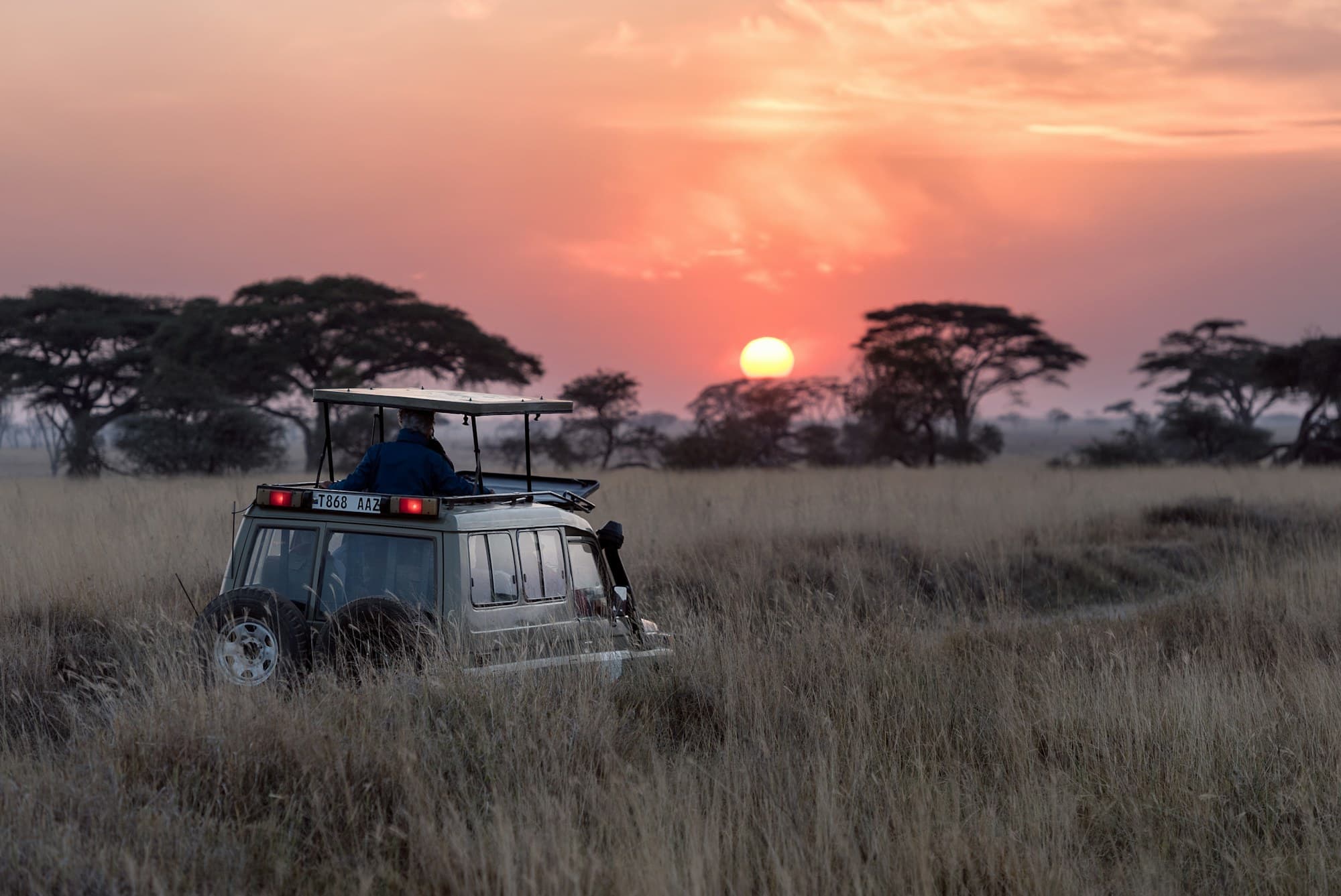
Open safari vehicle with guests on the savanna beneath a dramatic sunset

Tell Us Your Dates

Share when you want to travel, who is coming and what you hope to see. A safari specialist will design a private Tanzania journey around you — no obligation, and nothing booked until you approve it.

Start Designing My Safari