
Tanzania Travel Guide
Is a Tanzania Safari Safe?
A calm, honest look at wildlife, roads, towns and Zanzibar, and the simple habits that keep a well-planned safari relaxed.
The honest answer
For most travelers, a well-planned Tanzania safari is a very safe trip. Reputable camps and lodges in the national parks and conservation areas are well run, used to international guests, and set where ordinary crime is rare. The realistic risks are more mundane: rough roads, the sun, petty theft in busy towns, and ignoring the rules around wild animals.
Safety on safari comes down to a good guide, good planning and a few sensible habits. We match you with experienced guides, plan routes that avoid driving after dark where possible, and arrange your transfers in advance.
No destination is risk-free, and conditions change, so read this alongside your government’s current travel advice, linked at the end of this guide.
Safety on Safari
Your guide’s word is final
Your guide reads animal behavior all day, every day. If they ask you to sit down, keep still or lower your voice, do it straight away; the reason usually becomes clear a moment later.
Stay in the vehicle
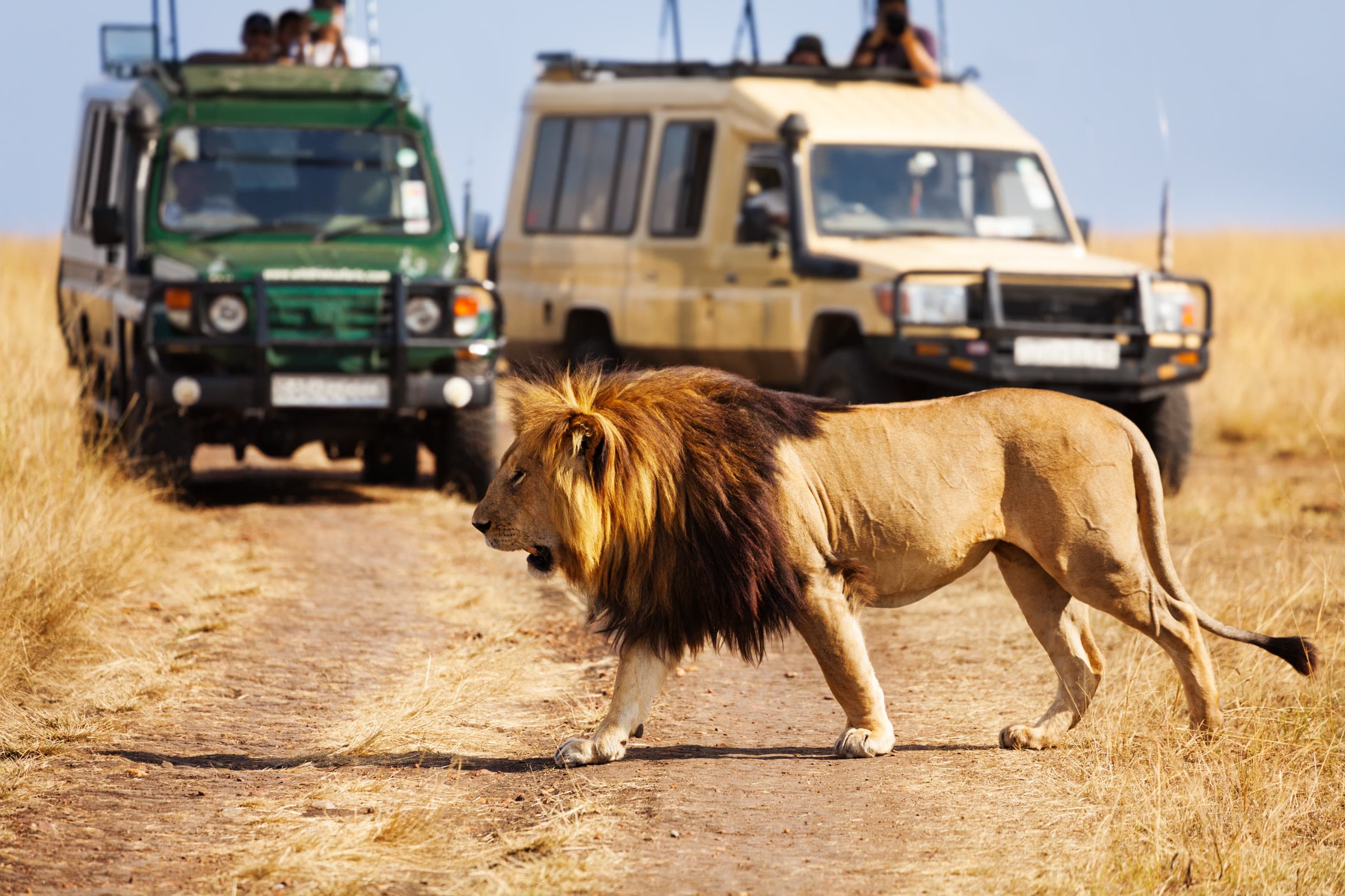
Wildlife generally sees a safari vehicle as one large, unthreatening shape. Keep arms and heads inside when animals are close, and step out only where your guide says it’s safe.
Unfenced camps after dark
Most safari camps are unfenced, and animals pass through at night. After dark, staff escort you between your tent and the main area, so never walk alone. Many camps give you a whistle, horn or radio to call for help.
In your tent
Keep tent flaps zipped and don’t store food inside, as baboons and vervet monkeys are quick and bold. Use the torch provided at night.
On foot
Walking safaris are led by trained guides, usually with an armed ranger. Walk in single file, stay quiet and follow the briefing exactly. See walking safaris for where they’re offered.
On the road
Roads between parks range from smooth tarmac to rough, corrugated tracks. Professional drivers know them well. Wear a seatbelt where fitted, and expect routine police checkpoints, which your driver handles.
Your health
For most travelers, malaria prevention, sun and evacuation cover matter more than wildlife. Our vaccines and health guide covers what to discuss with a clinic.
In Towns & on Zanzibar
Arusha and Dar es Salaam
Normal city precautions apply. Petty theft and bag snatching happen, particularly in crowded areas. Keep valuables out of sight, don’t walk alone at night, and use your arranged transfers or taxis booked by your hotel.
Stone Town
Stone Town’s lanes are atmospheric and generally friendly, but easy to get lost in after dark, so go with a local guide or take a taxi at night. Cover shoulders and knees away from the beach, and eat and drink discreetly in public during Ramadan.
Beaches and tides
On the east coast, around Paje and Jambiani, the tide retreats a long way and swimming times shift daily. Sea urchins live on the reef flats, so wear reef shoes, and swim where your hotel advises.
Boats and excursions
Book boat trips and snorkeling through your hotel or through us rather than beach vendors, and check that life jackets are on board. Unlicensed operators can cut corners on safety.
Scams to know
Unofficial visa websites add extra fees, and airport touts may offer transfers or safaris. Go only with the driver holding your name board, as named in your pre-departure notes. Change money at banks or official bureaus, never on the street.
Photos and drones
Ask before photographing people, and don’t photograph police, military sites, government buildings or airports. Drones require permits and may be held at the airport, so check before you pack one.
Solo, women and LGBTQ+ travelers
Solo travelers are well looked after on a private safari: you have your own guide and vehicle, and camps are used to guests traveling alone. Women traveling solo or together generally find safari areas comfortable. In towns and on Zanzibar, modest dress helps, and a firm, friendly “no, thank you” is usually enough with persistent vendors.
LGBTQ+ travelers should know the legal position plainly. Same-sex sexual relations are criminalized in Tanzania, including Zanzibar, with severe penalties under the law, and public attitudes are generally conservative. Discretion is advised, and public displays of affection are best avoided (for all couples, in fact).
In practice, a private safari is usually low-key, with little public interaction beyond your guide and camp staff. Read the LGBTQ+ sections of the US State Department and UK FCDO advice before deciding. If you travel, we’ll plan with discretion, such as confirming room arrangements with camps quietly in advance.
Smart habits
- Keep your passport in the room safe and carry a copy or a photo of it.
- Carry only the cash you need for the day, and keep phones, cameras and bags out of sight in crowds and town traffic.
- Use arranged transfers or hotel-booked taxis, especially at night.
- Avoid political gatherings and demonstrations, which can change quickly.
- Share your itinerary with someone at home, and save your local contact number in your phone before you land.
- US citizens can enroll in the State Department’s Smart Traveler Enrollment Program (STEP); UK travelers can sign up for FCDO email alerts.
- Listen to every briefing, at camps, before walks and before balloon flights, and ask questions.
Travel advisories — how to read them
Government travel advisories are written for a whole country and every kind of traveler, so read beyond the headline. The US State Department uses four levels, from “exercise normal precautions” to “do not travel”, while the UK FCDO flags specific areas it advises against visiting.
Advice for Tanzania has typically covered crime in cities, the risk of terrorism, and specific regions, at times including parts of the far south near the Mozambique border, well away from the safari circuits. Check whether any area named is actually on your route.
Two practical points. Advice can change quickly around elections or unrest, so check again shortly before you fly. And for UK travelers in particular, traveling against FCDO advice can invalidate travel insurance, so read your policy wording. If an advisory changes before or during your trip, we’ll talk you through the options.
Good to know
Frequently asked questions
Is it safe to go on safari in Tanzania?
For most travelers, yes. Reputable camps are well run and used to international guests, and the main risks (roads, sun, petty theft in towns and wildlife rules) are manageable with a good guide and sensible habits. Always read your government’s current travel advice before you go.
Is Zanzibar safe for tourists?
Zanzibar is generally welcoming to visitors. Take normal precautions in Stone Town, use a guide or taxi at night, dress respectfully away from the beach and book boat trips through reputable providers. On the east coast, check the tide times and wear reef shoes.
Is Tanzania safe for solo female travelers?
Many women travel to Tanzania solo, and a private safari with your own guide and vehicle is a comfortable way to do it. In towns and on Zanzibar, modest dress and arranged transfers help. Read your government’s advice for women travelers too.
Is Tanzania safe for LGBTQ+ travelers?
Same-sex relations are criminalized in Tanzania, and discretion is strongly advised, including avoiding public displays of affection. A private safari is usually low-key, but the legal position is real. Read the LGBTQ+ sections of the US State Department and UK FCDO advice, and talk to us about planning with discretion.
Are unfenced safari camps dangerous?
Unfenced camps are a normal part of safari, and they’re managed carefully. Stay in your tent at night unless escorted, keep food out of it and follow staff instructions. Hearing a lion or hyena in the dark is part of the experience, not a cause for alarm.
Tell Us Your Dates
Share when you want to travel, who is coming and what you hope to see. A safari specialist will design a private Tanzania journey around you — no obligation, and nothing booked until you approve it.
Start Designing My Safari