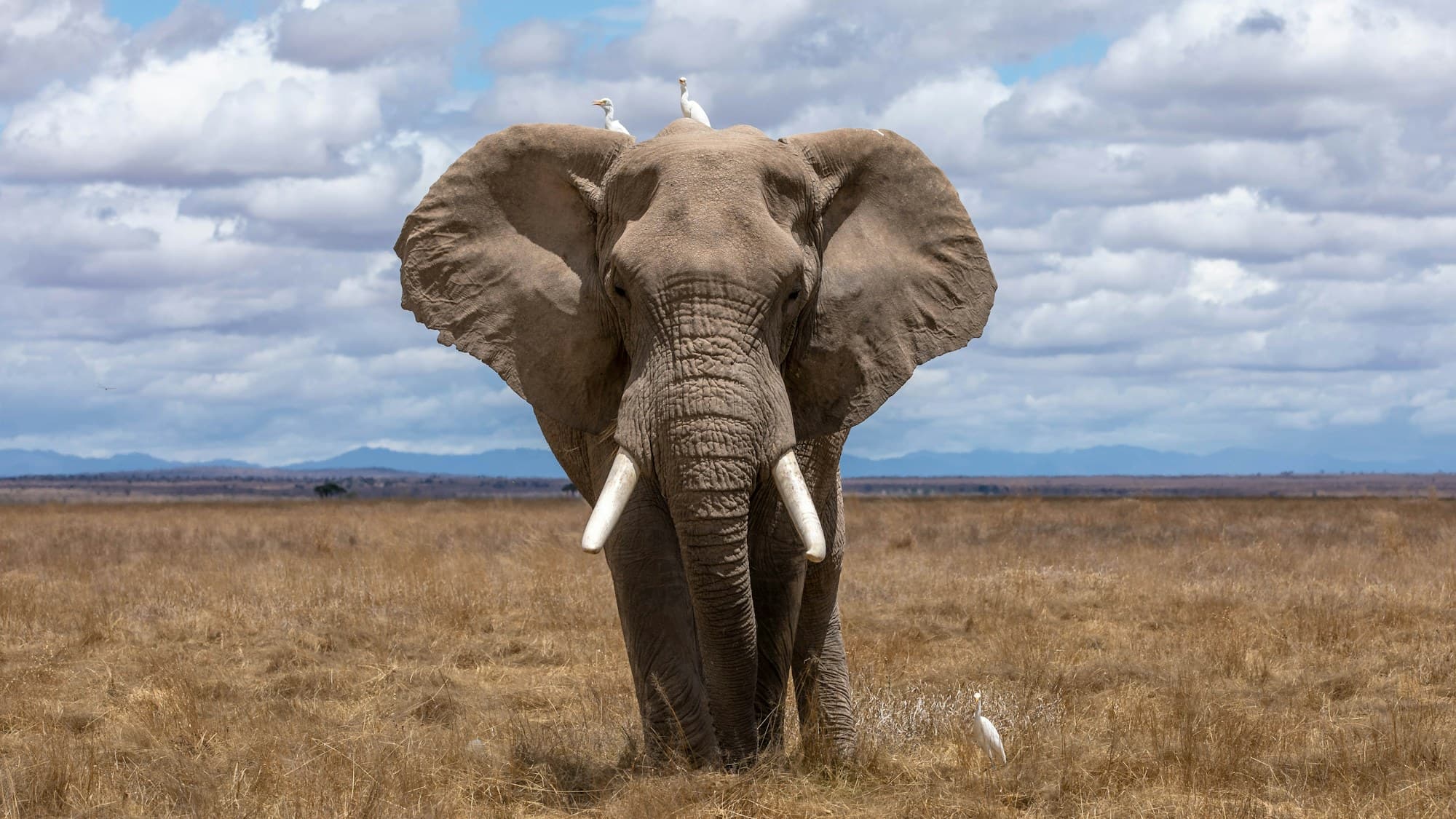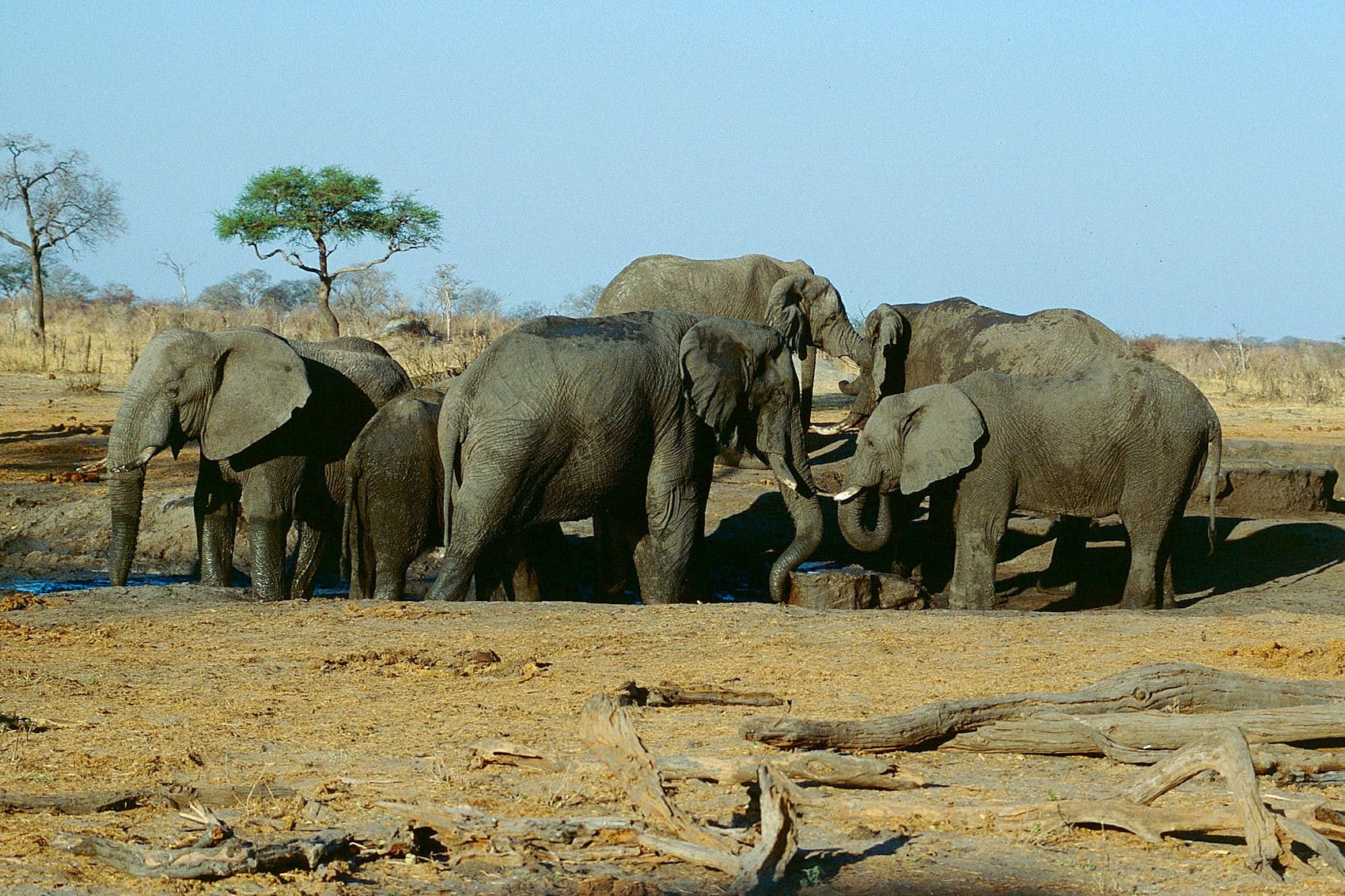
Elephants shoulder to shoulder at a Hwange waterhole

Where to Go

Zimbabwe’s National Parks: Where to Go on Safari

Six very different parks across two circuits. Compare them side by side, then choose by what you want to do rather than by size.

The national parks in Zimbabwe are best chosen by what you want to do rather than by size. Hwange is the country’s giant, at about 14,650 km², and the place for big elephant herds at pumped waterholes. Mana Pools is a fraction of that size but the place to walk among wildlife on a Zambezi floodplain. Matobo is smaller still, and the one park on our routes where tracking rhino on foot is routine.

This page compares them side by side, shows how they link into two circuits and points you to each park’s own guide for the detail. If you are deciding between the two headline parks, the Hwange and Mana Pools comparison below is the place to start.

Two Circuits

Zimbabwe’s Safari Parks on One Map

Most journeys follow one of two routes. The northwest circuit links Victoria Falls, Hwange, Lake Kariba and Mana Pools, mostly by light aircraft. The southern circuit links the Matobo Hills, Great Zimbabwe and Gonarezhou, mostly by road. The two join most easily through Bulawayo, about 306 km by road from Hwange’s Main Camp.

Map: ZimbabweZimbabweVictoria FallsHwange National ParkMana PoolsMatobo HillsLake KaribaGonarezhou

Approximate locations — not for navigation.

At a Glance

Zimbabwe’s Safari Parks Compared

ParkSizeSignature experienceBest monthsAccessNights
Victoria Falls & Zambezi NP≈23 km² (falls park); ≈560 km² with Zambezi NPThe rainforest walk facing the falls, river cruises, game drives upstreamYear-round; June–August balances flow and viewVictoria Falls Airport, about 20 km from town2–3
Hwange≈14,650 km²Elephant herds at pumped pans, painted dogs, walks in private concessionsJuly–OctoberAbout 2.5–3 hours by road from the falls, or light aircraft3–4
Lake Kariba & MatusadonaLake ≈5,580 km²; Matusadona ≈1,470 km²Boat-based game viewing, houseboats, drowned-forest sunsetsAugust–October on the shorelineLight aircraft to Kariba or lakeshore strips2–3
Mana Pools≈2,196 km²Walking on the floodplain, canoeing the Zambezi, Chitake SpringsJune–October; most camps closed in the rainsLight aircraft from Harare, Kariba, Hwange or Victoria Falls3–5
Matobo≈424 km² inside the wider UNESCO-listed Matobo HillsRhino tracking on foot, ancient rock art, granite kopjesYear-round; May–September most comfortableAbout 30 km by road from Bulawayo2–3
Gonarezhou≈5,053 km²The Chilojo Cliffs, big elephant herds and near-total solitudeMay–October; closed 10 January–1 MarchBy road via Chiredzi, or charter to Buffalo Range3–4

Sizes are widely published approximations from ZimParks, UNESCO, African Parks and the Gonarezhou Conservation Trust.

Where to Go

Choose by Experience

Start with what you most want from the trip, then let the park follow.

Walking among big game: Mana Pools

Open floodplain under apple-ring acacias, where walking with a professional guide is the main event rather than an add-on. Canoeing and a remote dry-season spring deepen it further.

Explore

Elephants at the waterholes: Hwange

Zimbabwe’s largest park and its largest elephant population, drawn in the dry season to pans kept full by solar-powered boreholes. The easiest big-game park for a first safari.

Explore

Rhino on foot and rock art: Matobo

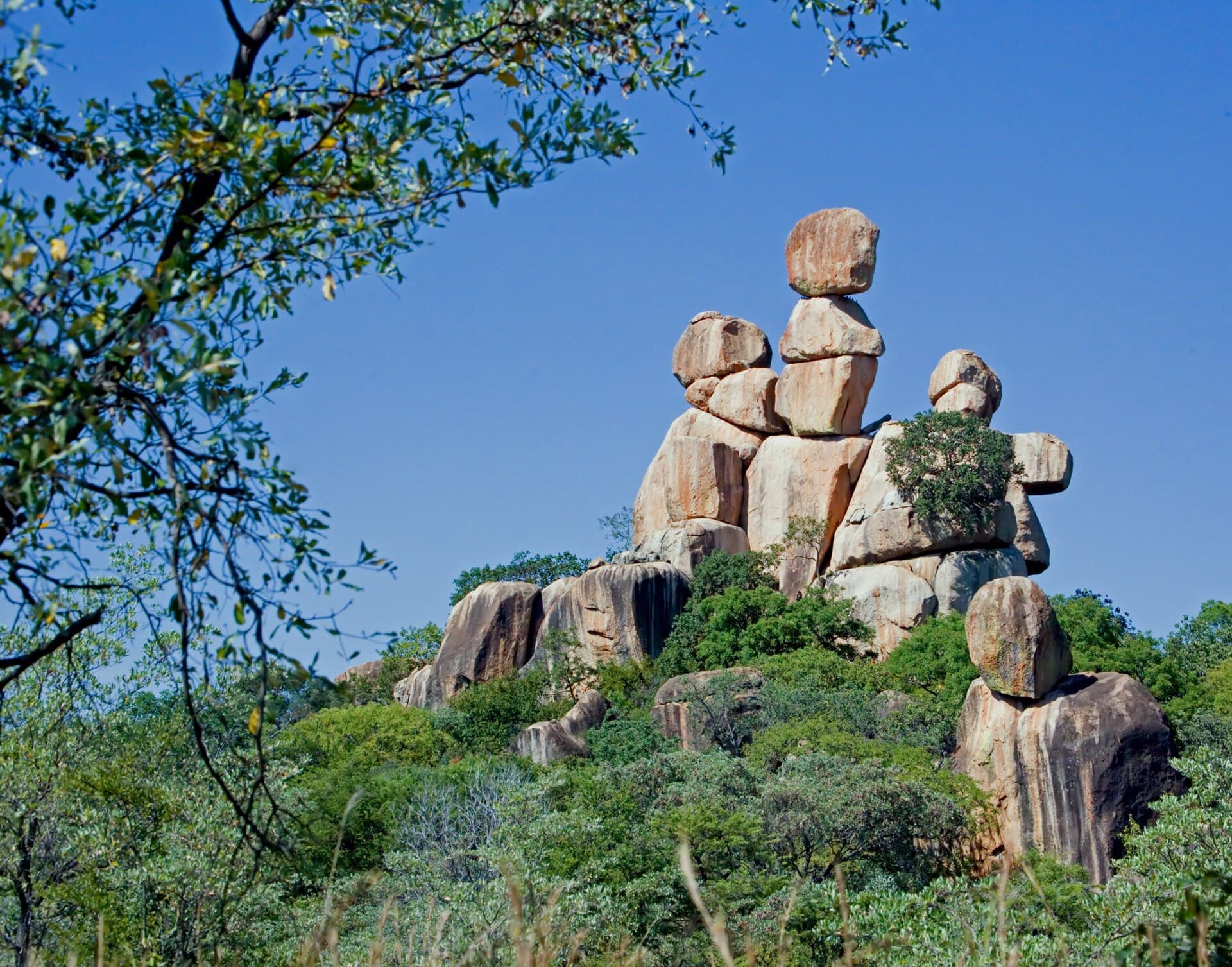
Granite hills near Bulawayo where you track rhino on foot with an armed ZimParks scout, then visit painted shelters thousands of years old.

Explore

Water and a slower pace: Lake Kariba

A vast lake with houseboats, drowned forests and the recovering Matusadona National Park on its southern shore. The natural pause between Hwange and Mana Pools.

Explore

Solitude and red cliffs: Gonarezhou

The remote southeast, with sandstone cliffs above the Runde River, large elephant herds and very few other vehicles. Best for returning travelers.

Explore

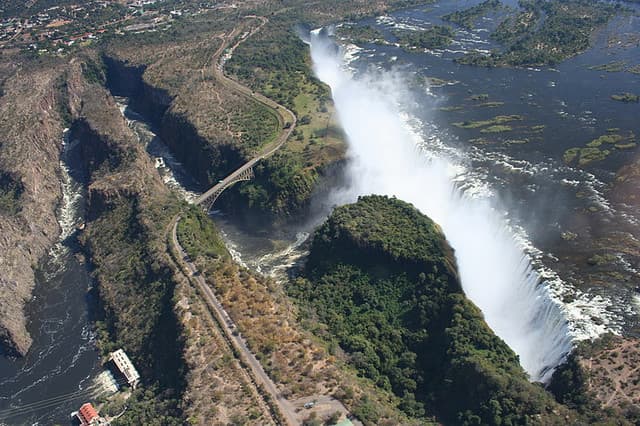
The falls and the upper river: Victoria Falls

The start or finish of most Zimbabwe trips, with the rainforest walk, sunset cruises and game drives in Zambezi National Park just upstream.

Explore

Head to Head

Hwange vs Mana Pools

The most common either-or in Zimbabwe. Both are superb; they are simply different safaris, and with eight nights or more you can have both.

HwangeMana Pools
LandscapeKalahari-sand teak woodland, open vleis and pumped pansZambezi floodplain under albida and mahogany, backed by the escarpment
How you exploreMostly by vehicle at the waterholes, with walks in private concessionsMostly on foot, with canoe paddles and drives
Wildlife strengthsBig elephant herds, buffalo, lion, sable and roan, painted dogsElephant, buffalo, lion, wild dog and hippo at close range; no rhino
SeasonOpen all year; best July–OctoberMost camps open about April or May to November; best June–October
Getting thereRoad from Victoria Falls or a short flightLight aircraft in practice
HeatHot by OctoberVery hot from October, often in camps without air-conditioning
Ages and fitnessFamily-friendly lodges and exclusive-use houses; gentle paceWalking minimums vary by camp; canoe trail from age 14
Best forFirst safaris, photographers, familiesReturning travelers, walkers, photographers who like to be on foot

Our View

Which One Is Right for You

If it is your first safari and you can choose only one, Hwange is the surer bet: vehicle-based viewing at the pans is reliable, it connects easily to Victoria Falls by road, and the lodges suit a wider range of ages. If you have been on safari before and want to feel the landscape under your feet, Mana Pools is the one people talk about for years afterwards.

With eight nights or more, the answer is usually both, with Lake Kariba as the natural stop between them. The 12-day grand safari links all three by air, with four nights in Mana Pools.

Beyond the Main Six

Other Parks and Reserves Worth Knowing

Zambezi National Park

Joined to Victoria Falls National Park upstream of the falls, with about 40 km of river frontage. Game drives and riverside lodges here add wildlife to a falls stay; four of the Big Five occur, but not rhino.

Explore

Chizarira National Park

At about 1,910 km², Zimbabwe’s fourth-largest park sits on the Zambezi escarpment south of Lake Kariba, with deep gorges, roan antelope and the rare Taita falcon. Access is long and camps are few, so it suits experienced walkers who value solitude over convenience.

Malilangwe

A private wildlife reserve bordering Gonarezhou, best known for one ultra-luxury lodge and private-reserve game drives. The most comfortable way to see Zimbabwe’s southeast.

Explore

Nyanga and the Eastern Highlands

Mountains, waterfalls and cool air along the Mozambique border. Lovely for walking and a change of scene, but not a Big Five safari area, so we treat it as an add-on rather than a wildlife destination.

Conservation

Who Manages Zimbabwe’s Parks

ZimParks, the Zimbabwe Parks and Wildlife Management Authority, manages the national park estate and sets the conservation fees you pay. In two parks it works with long-term partners. African Parks has co-managed Matusadona on Lake Kariba under a 20-year agreement since November 2019, and in 2026 brought in 20 painted dogs in February and black rhino in June. Gonarezhou has been run since 1 March 2017 by the Gonarezhou Conservation Trust, a partnership between ZimParks and the Frankfurt Zoological Society.

Elsewhere, non-profits fill specific gaps. Friends of Hwange keeps solar-powered borehole pumps running so pans hold water through the dry season, increasingly with batteries so pumps can run at night. Painted Dog Conservation, based at Dete on Hwange’s edge, works to protect Zimbabwe’s roughly 700 painted dogs, and its centre is an easy visit from Hwange. When we plan your route, we look for camps and guides that work alongside these organisations; our responsible travel page explains how we think about it.

Putting Parks Together

Routes by Trip Length

How the parks usually combine, from a short falls-and-Hwange trip to the full northwest sweep.

  1. 5–6 nights · Victoria Falls and Hwange

    Two nights at the falls and three or four in Hwange, linked by road or a short flight. The classic introduction, and the easiest to fit around time in Botswana or South Africa.

  2. 8–9 nights · Add Mana Pools or Matobo

    From Hwange, fly on to Mana Pools for walking, or drive via Bulawayo to the Matobo Hills for rhino tracking and rock art. Either gives a short trip real depth.

  3. 9 nights · Mana Pools on foot and by canoe

    For returning travelers, a whole journey inside one park: Chitake Springs, the floodplain and the three-night canoe trail. See the Mana Pools walking and canoe safari.

  4. 9 nights · The southern circuit

    Matobo, Great Zimbabwe and Gonarezhou by road, for rhino, history and solitude, ending with a light-aircraft hop from Buffalo Range. See the southern route through Matobo and Gonarezhou.

  5. 11 nights · The full northwest

    Victoria Falls, Hwange, Lake Kariba and four nights in Mana Pools, all linked by air, with a Harare departure. Browse every route on the Zimbabwe itineraries page.

Safaris

Recommended safaris

Elephants shoulder to shoulder at a Hwange waterhole
12 daysComplete Zimbabwe

Grand Zimbabwe

Victoria Falls · Hwange National Park · Matusadona · Mana Pools · Harare

Returning or ambitious safari travelers who want Zimbabwe’s full range — falls, big herds, open water and walking — in one private trip

Best months
May–October
Comfort levels
Premium · Luxury · Ultra-Luxury
Individually quoted
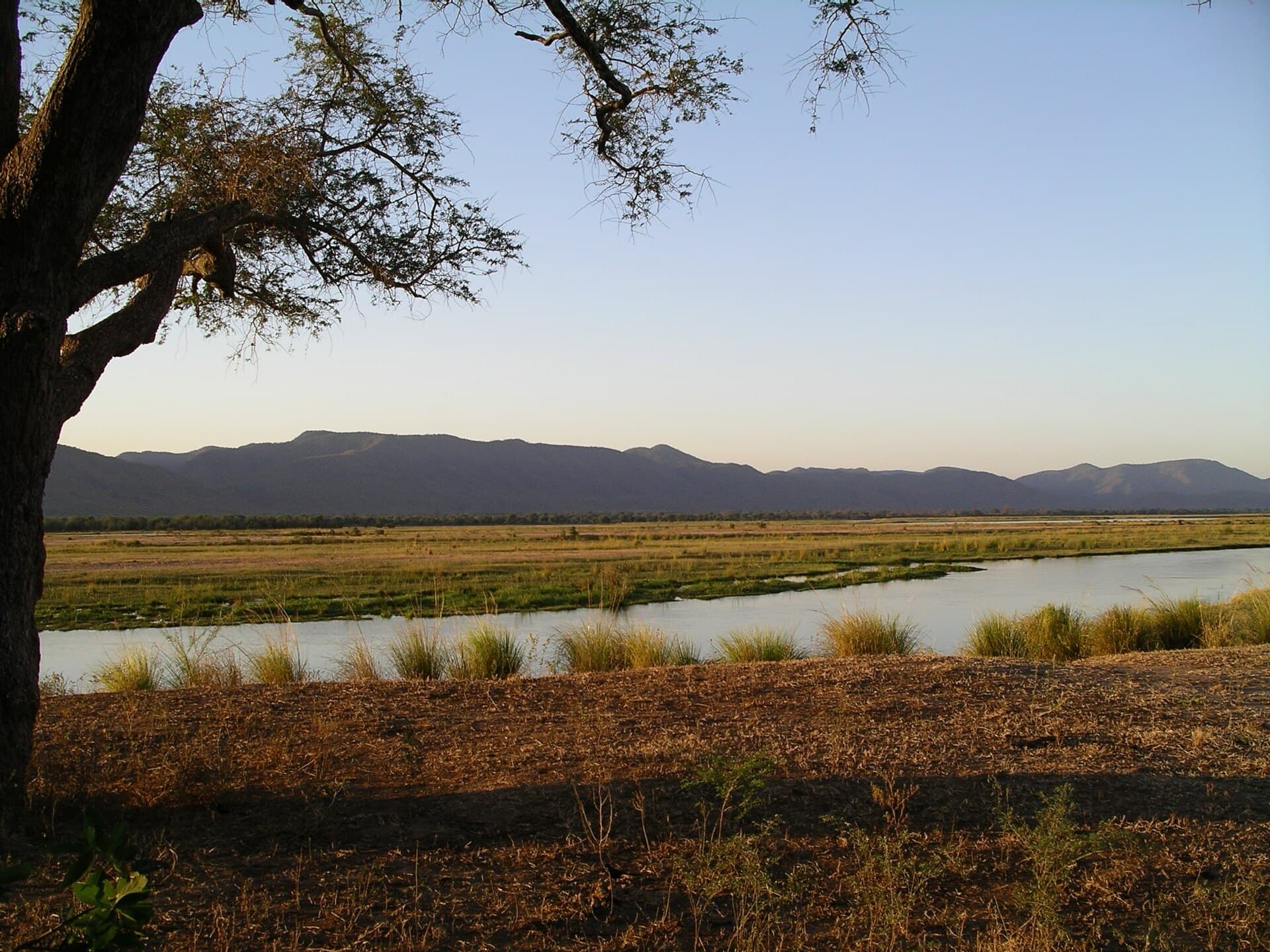
Floodplain and mountains of Mana Pools at dusk
9 daysWalk & paddle

Mana Pools on Foot & by Canoe

Harare · Chitake Springs · Mana Pools · Chikwenya

Fit, returning safari travelers aged 14 and over who would rather walk and paddle than sit in a vehicle

Best months
June–October
Comfort levels
Premium · Luxury
Individually quoted
Balancing granite boulders of the Matobo Hills
9 daysSouthern Zimbabwe

Rhinos, Ruins & Red Cliffs

Bulawayo · Matobo Hills · Great Zimbabwe · Gonarezhou · Buffalo Range Airport

Returning safari travelers and culture-minded couples who want history, rhino on foot and a genuinely remote park

Best months
April–October
Comfort levels
Premium · Luxury · Ultra-Luxury
Individually quoted
Experiences

Related experiences

Elephant with white egrets standing front-on in open grassland under a wide sky

On foot

Walking Safaris in Zimbabwe

Walk the bush with some of Africa’s most rigorously trained guides, from Mana Pools’ floodplain to the rhino country of Matobo.

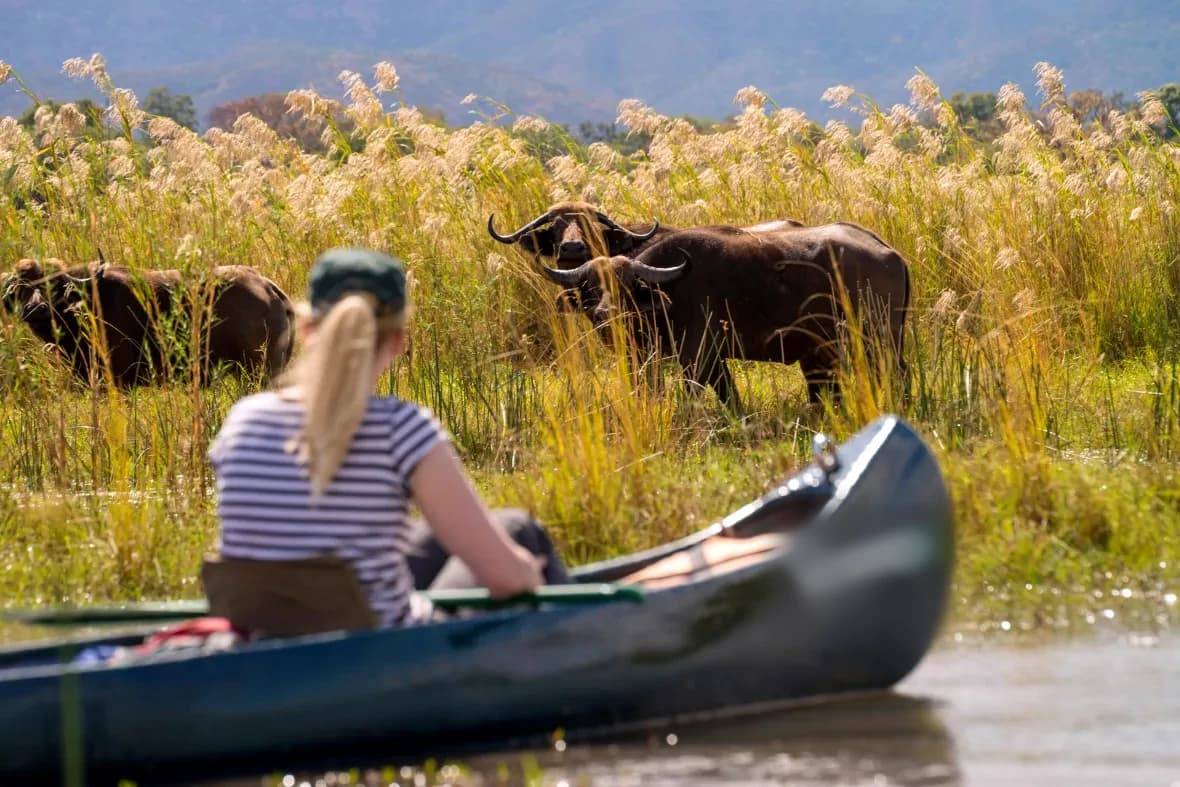
A guest in a canoe watches Cape buffalo among tall riverside reeds, with an escarpment beyond

On the water

Mana Pools Canoe Safari

Paddle about 50 km of the Zambezi over three nights, walking ashore by day and sleeping in simple fly-camps beside the river.

Culture

Great Zimbabwe

Walk through the stone city that gave Zimbabwe its name, built by Shona ancestors between the 11th and 15th centuries.

Good to know

Frequently asked questions

Which is the best national park in Zimbabwe?

There isn’t one best park, because each does something different. Hwange is the most reliable for big-game viewing by vehicle and suits a first safari, while Mana Pools is the favourite of experienced travelers for walking and canoeing. Matobo is the place for rhino on foot, and Gonarezhou for solitude.

Can you see the Big Five in Zimbabwe?

Yes, though rarely all in one park. Lion, leopard, elephant and buffalo occur across the main parks, while rhino are concentrated in protected areas such as Matobo’s Intensive Protection Zone. Mana Pools lost its black rhino in the 1990s, and rhino are not something to count on in Hwange.

How many parks can I fit into one Zimbabwe trip?

Two or three is the comfortable maximum for a week to ten days. Allow three or four nights in Hwange or Mana Pools and two or three at Victoria Falls, Lake Kariba or Matobo. Adding a fourth park usually means more time on flights and roads than in the bush.

Is Chizarira National Park worth visiting?

For experienced walkers with time, it can be: the escarpment scenery is dramatic and you are likely to have much of it to yourself. Access is long, accommodation is limited and wildlife is thinner than in Hwange or Mana Pools, so it is not a first or second safari park.

Which Zimbabwe park is best for a family safari?

Hwange and Lake Kariba are usually the easiest with children, because game viewing is mostly by vehicle or boat, family-friendly lodges and private houseboats exist, and distances are manageable. Mana Pools walking and the canoe trail have age limits, and Matobo’s rhino walks cover rough ground.

Floodplain and mountains of Mana Pools at dusk

Start With Your Dates

Tell us when you can travel, who is coming and whether you picture the falls, a canoe on the Zambezi or rhino tracks in the Matobo Hills. We’ll design a private Zimbabwe journey around it, and nothing is booked until you approve it.

Plan My Zimbabwe Safari