
Kenya Travel Guide
Is Kenya Safe for a Safari? An Honest Guide
What current government advice actually says, how its lines fall against Kenya’s safari regions, and the everyday precautions that matter more than headlines.
The short answer
Is Kenya safe for a safari? For travelers on a well-planned private itinerary, Kenya’s main safari regions (the Mara, Amboseli, Tsavo, Laikipia, Samburu and the Diani and Watamu coast) sit outside the areas that current US advice tells visitors to avoid, although parts of Laikipia and Isiolo saw Kenyan security operations in 2026, explained below. That isn’t the same as risk-free. Kenya has genuine security concerns in its north-east, along the Somali border and on the far northern coast, and Nairobi has the crime of any large city.
The risks most likely to affect you are more ordinary: road accidents, petty theft in towns and ignoring wildlife rules. This guide sets out what the advisories said when we last checked them, on 23 September 2026, where their lines fall relative to safari country, and how we plan around them. Advice changes, so treat the date as part of the answer and check the official sources before you travel.
What the US advisory says
When we last checked, on 23 September 2026, the US State Department rated Kenya Level 2, “Exercise Increased Caution”, on its four-level scale. The advisory was last renewed on 28 July 2026 and cites crime, terrorism, civil unrest, health, kidnapping and other risks. The level describes the country as a whole, not any particular safari camp.
Within that overall level, the advisory names specific Level 4 “Do Not Travel” areas, listed below as published. Always read the live advisory before you go, because boundaries are sometimes redrawn.
US Do Not Travel Areas (September 2026)
The US advisory renewed on 28 July 2026 lists these areas:
- Nairobi: the Eastleigh and Kibera neighborhoods.
- Garissa, Wajir, Mandera and Lamu counties.
- Tana River County, except Tsavo National Park.
- Kilifi County north of highway C103, and coastal areas north of Malindi.
- West Pokot and western Turkana.
- Areas of Marsabit and Turkana counties within about 50 km (30 miles) of the Ethiopian border.
How Safari Regions Sit Against the Lines
Our reading of the US lines against the places Kenya safaris usually go, at the time of writing.
| Area | Position under US advice | What it means for planning |
|---|---|---|
| Masai Mara reserve & conservancies | Outside the Do Not Travel areas | Planned as normal; the realistic risks are roads and wildlife |
| Amboseli & the Chyulu Hills | Outside | Planned as normal, flying in or driving in daylight |
| Tsavo East & Tsavo West | Tsavo National Park is specifically excepted from the Tana River listing | We keep to the main visitor areas; remote northern Tsavo East is little visited |
| Laikipia & Lewa | Outside the US list; parts of Laikipia North were under a Kenyan security notice in 2026 | Routed with partners’ local knowledge; see the note below |
| Samburu, Buffalo Springs & Shaba | Outside the US list; parts of Isiolo were in the same 2026 notice | Status confirmed with partners before each trip |
| Nairobi | Only Eastleigh and Kibera are listed | Transfers and visitor areas such as Karen, Langata and the national park avoid both |
| Diani & Watamu | Outside the listed coastal areas | Planned as normal, with private transfers |
| Lamu | All of Lamu County is listed | Not part of the journeys we plan at the time of writing |
| Turkana & the far north | Western Turkana, West Pokot and the Ethiopian border belt are listed | Helicopter routes are planned to stay well clear |
Our reading, not official guidance. Boundaries follow the advisory’s wording, which can change without notice.
Where UK and Canadian advice differs
The UK Foreign, Commonwealth & Development Office (FCDO), in advice updated on 4 September 2026, draws some lines differently. Among other areas, it advises against all travel to Lamu County except Lamu Island and Manda Island, and against all but essential travel to parts of Tana River County north of the Tana River up to Saka, and to within 15 km of the coast between the Tana and Galana rivers.
Canada’s advice, updated on 21 September 2026, also exempts Lamu and Manda islands from its Lamu County warning, asks travelers to avoid Turkana and Marsabit within 110 km of the South Sudan and Ethiopian borders, and advises against non-essential travel to Kibera. The upshot is that Lamu Old Town sits outside the UK and Canadian warnings but inside the US listing, which is why US travelers find such mixed information online. The Kenya coast page explains what that means for beach planning.
UK travelers should also know that traveling against FCDO advice can invalidate travel insurance, so check the policy wording if a route passes near any listed area.
The Everyday Risks That Matter More
Roads
Road accidents are statistically the bigger risk for visitors. The US advisory highlights two-lane highways such as Nairobi–Nakuru and Nairobi–Mombasa, where overtaking is dangerous, and notes tourists injured in safari-vehicle crashes. We fly long legs, avoid driving after dark and ask you to wear a seatbelt every time.
Nairobi
Petty crime and phone snatching happen, especially downtown and after dark. Use pre-arranged transfers, keep phones out of sight in traffic, and let your hotel call taxis. Visitors have no reason to enter the two listed neighborhoods, and transfers route around them.
Protests
Demonstrations have taken place in Nairobi and other towns and can turn violent quickly. Keep away from gatherings, take your hotel’s or guide’s advice on the day, and leave some flexibility in city plans around major political dates.
Wildlife
Stay in the vehicle unless your guide says otherwise, never walk alone in an unfenced camp after dark, and keep food out of tents. Walks and rides follow the ranger’s briefing to the letter.
Scams
Look-alike eTA websites, unofficial airport “drivers” and street money-changers are the usual traps. Apply for the eTA only on the government portal, and meet only the driver whose sign shows your name.
Health
Malaria, sun and evacuation cover matter more to most travelers than crime. Our Kenya health guide covers what to discuss with a clinic.
Before You Go
- Read the current US, UK or Canadian advice for Kenya a week or two before departure, not only when you book.
- US citizens can enroll in the State Department’s Smart Traveler Enrollment Program (STEP) for alerts; UK travelers can sign up for FCDO email updates.
- Buy travel insurance with medical evacuation cover as soon as you book, and read any exclusions tied to government advice.
- Save your local contact numbers in your phone and share your itinerary with someone at home.
- Carry a copy of your passport and leave the original in the hotel safe in towns.
- Leave valuables you won’t need at home; on safari, a small day bag is enough.
How we plan around advisories
We don’t route journeys into areas under a US Do Not Travel listing, and we recheck every itinerary against current US, UK and Canadian advice before departure. Our vetted partners on the ground share what they are seeing locally, which often comes earlier than a published update.
If advice changes before you travel, we talk you through the options, from rerouting a leg to moving dates. If something changes while you are in Kenya, you have a local contact number for the length of your trip. The aim is not to make Kenya sound risk-free, but to keep you in the parts of it that suit a relaxed, well-run safari.
Where to go
Places in this guide
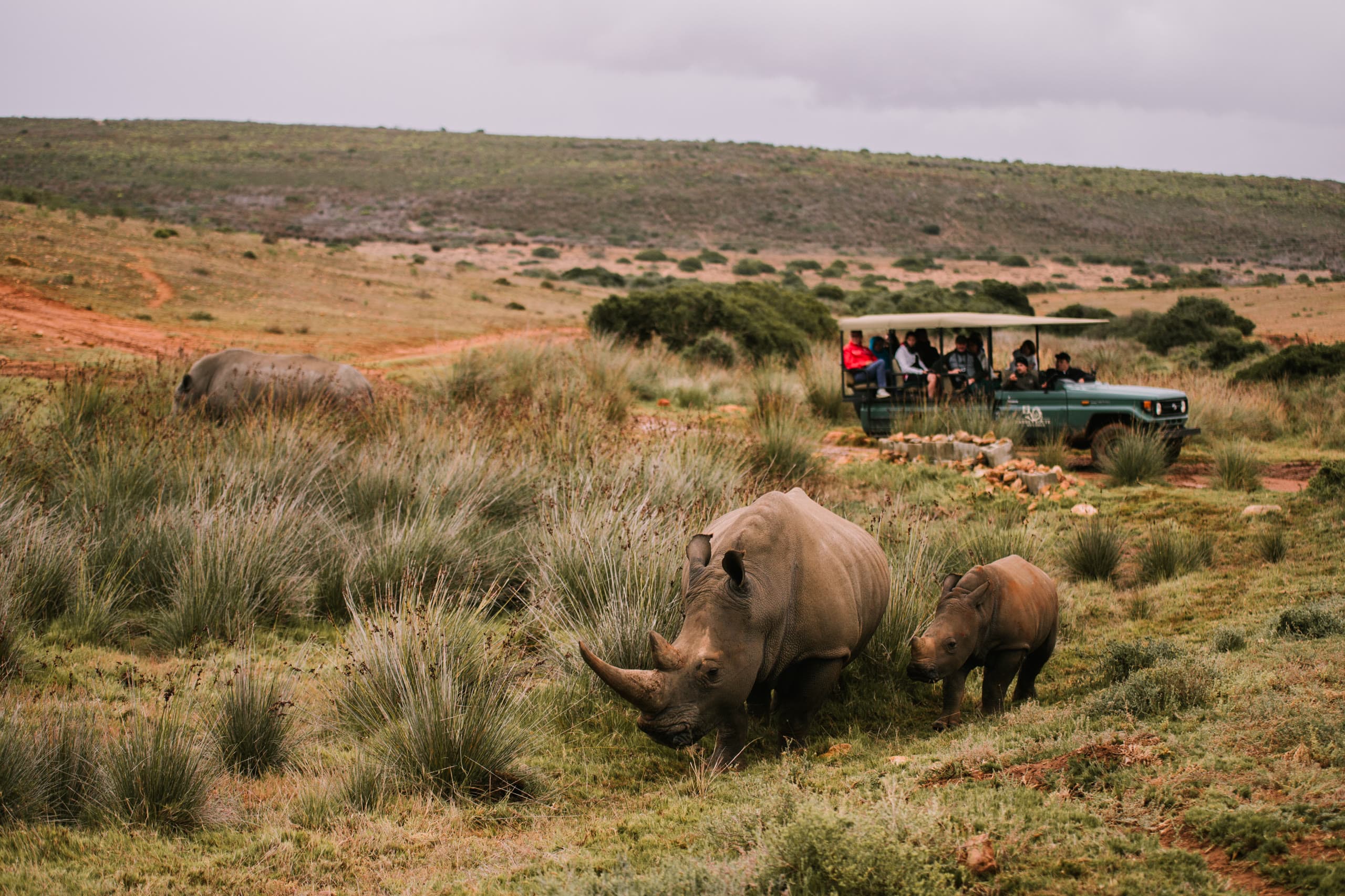
Laikipia, Ol Pejeta & Lewa
Kenya’s private-conservancy highlands: black and white rhino, Grevy’s zebra, and walking, riding and camel treks beneath Mount Kenya.
Explore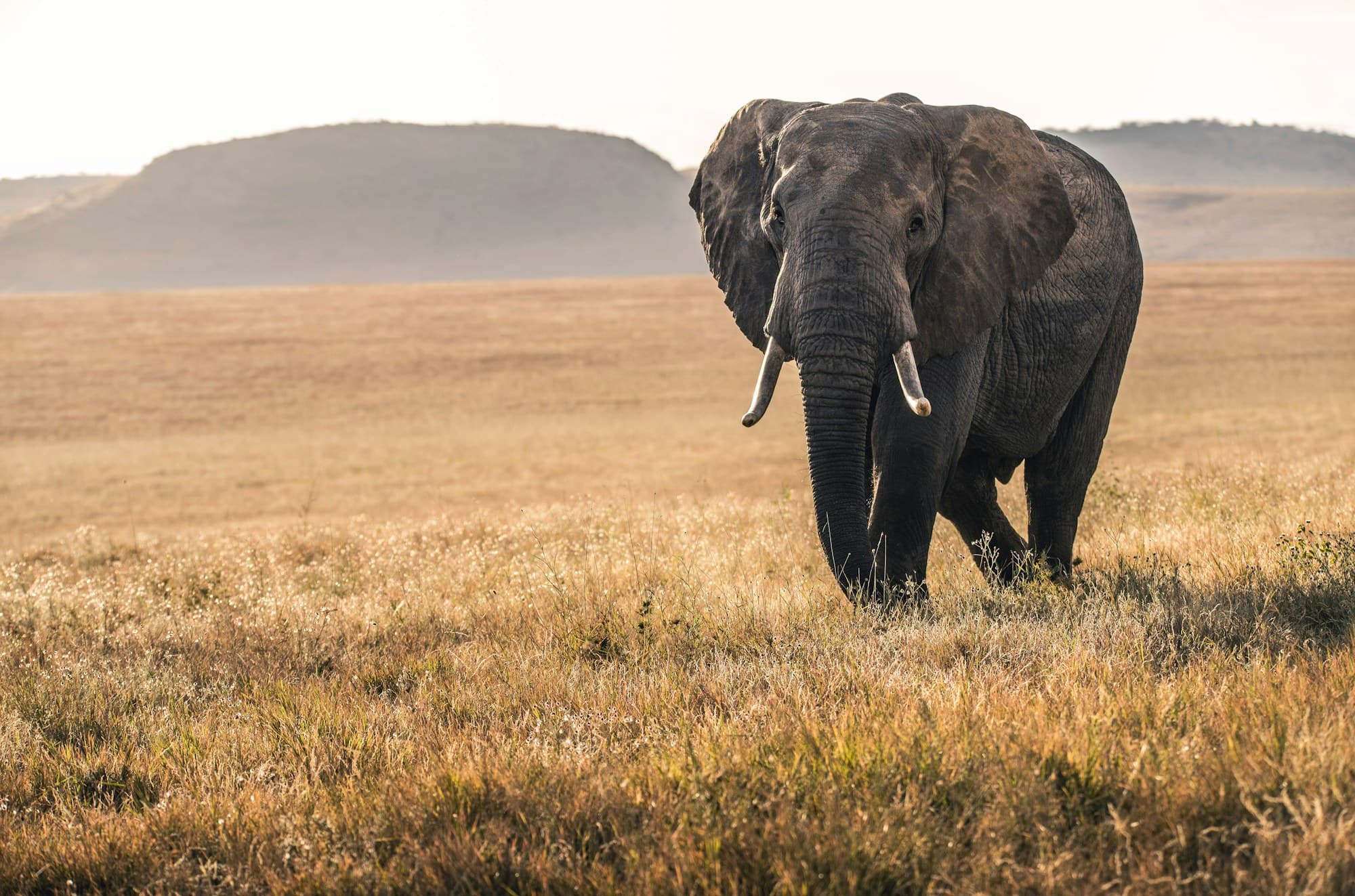
Samburu, Buffalo Springs & Shaba
Northern Kenya’s arid reserves: the Samburu Special Five, river elephants, leopards and warrior-guided walks on community land.
ExploreNairobi
A national park on the capital’s doorstep, plus the Sheldrick elephant nursery, the Giraffe Centre and leafy Karen.
Explore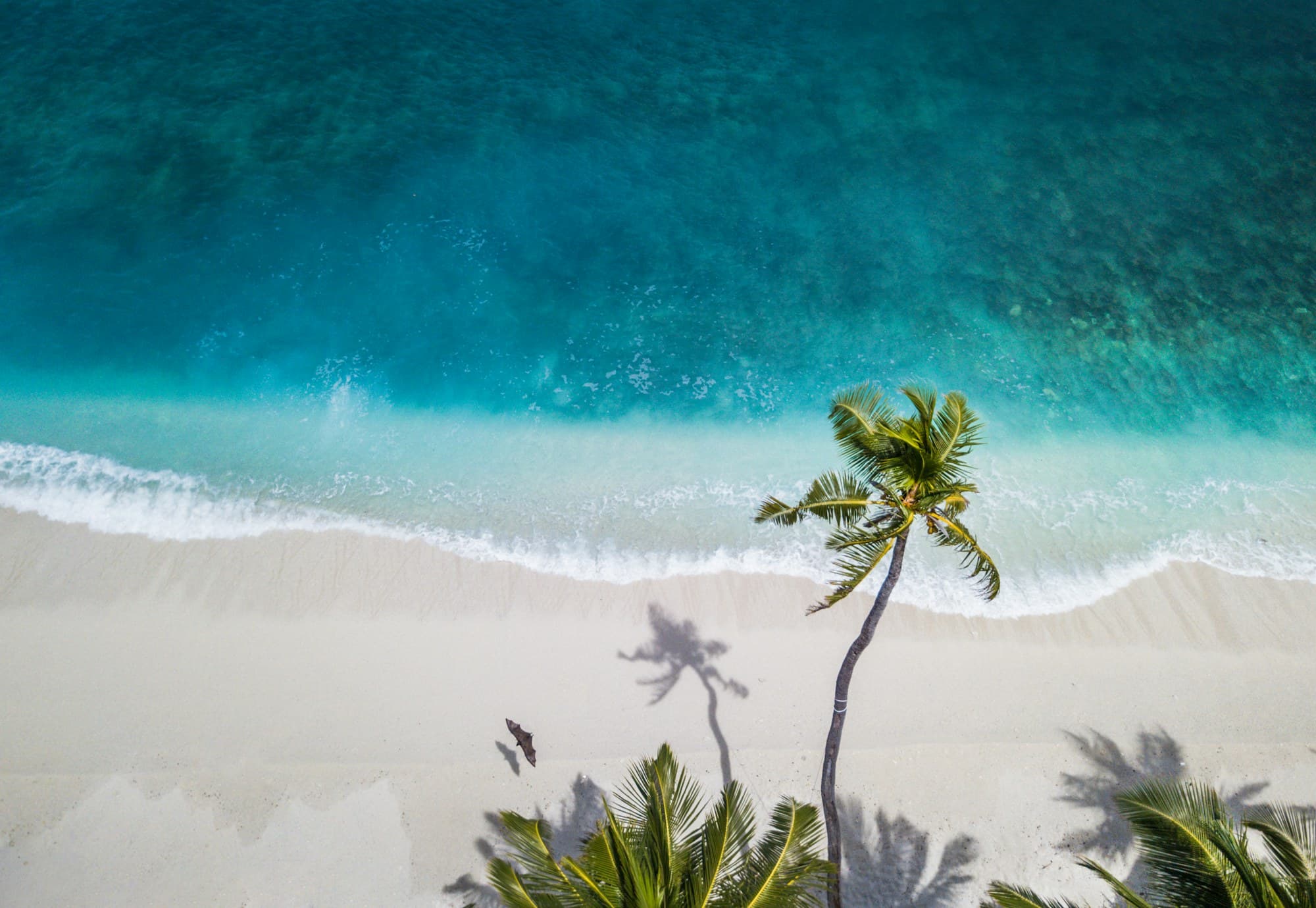
The Kenya Coast: Diani, Watamu & Lamu
Diani’s long white beach and Watamu’s marine park: the simplest way to end a Kenya safari on the Indian Ocean.
ExploreGood to know
Frequently asked questions
Is Kenya safe for American tourists right now?
At our last check (23 September 2026), the US rated Kenya Level 2, “Exercise Increased Caution”, with specific Level 4 Do Not Travel areas, including Lamu County, that don’t include the main safari regions. A private itinerary that flies the long legs and avoids the listed areas keeps the most serious risks out of your trip. Read the current advisory before you go.
Which parts of Kenya are on the US Do Not Travel list?
As of our last check on 23 September 2026: Eastleigh and Kibera in Nairobi; Garissa, Wajir, Mandera and Lamu counties; Tana River County except Tsavo National Park; Kilifi County north of highway C103 and the coast north of Malindi; West Pokot and western Turkana; and parts of Marsabit and Turkana near the Ethiopian border.
Why do the US and UK disagree about Lamu?
Each government assesses risk independently. The US lists all of Lamu County as Do Not Travel, while UK and Canadian advice excludes Lamu Island and Manda Island, where the old town and the airport are. US travelers should follow US advice, and insurers may take their cue from these listings.
Is it safe to drive between parks in Kenya?
With a professional driver-guide, a well-maintained vehicle and daylight hours, road transfers are routine, but roads are still where visitors face the most risk. We fly the longest legs, keep drives to daylight and avoid the busiest highways where we can.
What happens if the advisory changes after I book?
We review your route against the new advice and talk you through the options, which may mean rerouting a leg or changing dates. Your booking terms and your travel insurance decide what can be refunded, one reason to buy insurance as soon as you book.
Start With Your Dates
Tell us when you can travel, who is coming and what you most want from Kenya. A safari specialist will design a private route around you, and nothing is booked until you approve it.
Plan My Kenya Safari