Tanzania park guide

Lake Natron Safaris

A raw, rust-red soda lake beneath an active volcano, where lesser flamingos gather, Maasai herders cross the flats and the Rift Valley heat shimmers off the shore.

SettingSoda lake in the Gregory Rift, near the Kenyan border
Best timeJune–October for the most comfortable conditions; flamingo numbers vary
Recommended stay2 nights; 3 if climbing Ol Doinyo Lengai
Getting thereAbout 4–5 hours by road from Arusha; charter flights possible
Known forLesser flamingos, Ol Doinyo Lengai, Engare Sero waterfall and footprints
Best forAdventurous travelers, photographers and landscape lovers

Lake Natron

Why Visit

Lake Natron is not a game-viewing destination in the usual sense, and that is its appeal. It is a shallow soda lake in the Gregory Rift, close to the Kenyan border, ringed by escarpments and overlooked by Ol Doinyo Lengai — the Maasai “Mountain of God” and an active volcano. The water is intensely alkaline, the shoreline crusted with salt, and the colors — rust, pink, white and gray — feel closer to another planet than to the Serengeti.

The lake is widely regarded as East Africa’s most important breeding site for lesser flamingos. The breeding colonies lie on remote flats that visitors cannot reach, but feeding flocks often gather in the shallows near the southern shore — in their thousands in a good year, far fewer in others, depending on water levels. Around the lake you can wade up a gorge to the Engare Sero waterfall, see human footprints preserved in ancient volcanic mud and spend time with the Maasai communities who graze this land.

Most travelers stay two nights, either as a detour from Arusha or on a rugged overland route to or from the northern Serengeti via Loliondo. It is hot, dusty and simple — accommodation is mostly tented — but the evening light on the escarpment, the silence and the sense of the Rift Valley still at work make Natron a striking counterpoint to the parks.

Best for

  • Adventurous travelers after something different
  • Photographers drawn to raw landscapes
  • Birders, especially for flamingos
  • Linking Arusha and the Serengeti overland
  • Guided walks and Maasai cultural encounters

Lake Natron

Wildlife & Highlights

  • Lesser flamingos — numbers vary with water levels and food supply
  • Greater flamingos in smaller numbers
  • Chestnut-banded plovers and other soda-lake specialists
  • Avocets, stilts and waders around the freshwater inflows
  • Birds of prey hunting along the Rift escarpment
  • Sparse plains game — zebra, Grant’s gazelle and, occasionally, gerenuk or fringe-eared oryx
  • Ol Doinyo Lengai, the active volcano of about 2,960 m above the lake
  • Engare Sero waterfall, reached by wading up a narrow river gorge
  • Ancient human footprints preserved in volcanic mud at Engare Sero

Season

Best Time to Visit

  1. January
  2. February
  3. March
  4. April
  5. May
  6. June
  7. July
  8. August
  9. September
  10. October
  11. November
  12. December
June–OctoberDry, clear and — by Natron’s standards — cooler, especially June–August. Roads are in their best condition, and flamingo breeding often gets under way toward the later months when water levels suit.
November–FebruaryHot, with short, patchy rains. Still a rewarding time if you plan around the midday heat; flamingo activity may continue, and the land greens briefly after rain.
March–MayThe long rains can make the approach roads slippery or impassable and the waterfall gorge unsafe to wade. Some camps may close, and we plan Natron in this season only with care.

Lake Natron

Areas to Know

Lake shore & flamingo flats

The southern shore is where most visitors meet the lake. With a local guide you walk out across crusted mud and freshwater seeps toward the waterline, where feeding flamingos, plovers and other waders gather — how many depends on the season and the water. Go early or late, when the light is soft, the heat bearable and the escarpment and Ol Doinyo Lengai reflect in the shallows. Stay on your guide’s route; the crust can hide soft mud and highly alkaline water.

Best for: Flamingos, birding and golden-hour photography

Ol Doinyo Lengai

Rising to about 2,960 m south of the lake, Ol Doinyo Lengai is an active volcano known for its unusual natrocarbonatite lava, which erupts dark and weathers to white. For most travelers it is a view rather than a climb: its near-perfect cone dominates every sunset. The ascent is a steep, night-start hike on loose ash, timed to reach the rim around dawn, and it suits only very fit, experienced hikers; access may be restricted during periods of volcanic activity.

Best for: Sunset views; very fit, experienced hikers only

Engare Sero

Engare Sero is the small settlement near the southern shore and the base for most stays. From here a guided walk leads up a narrow river gorge — partly wading, sometimes waist-deep depending on water levels — to a waterfall and plunge pool. Nearby, hundreds of ancient human footprints lie preserved in hardened volcanic mud; estimates of their age vary. Local Maasai guides lead both walks, and cultural visits can be arranged in the surrounding bomas.

Best for: Walkers, older children, culture and history

Lake Natron

Getting There

Natron lies at the end of a long, rough road north of Mto wa Mbu, the village outside Lake Manyara, through Maasai country and down into the Rift — about 4–5 hours from Arusha, with the final stretch on gravel and sand. The lake also links to the northern Serengeti via Loliondo, a remote route that turns Natron into a stepping stone rather than a detour. Charter flights can use the Lake Natron airstrip. Local community and district fees apply instead of national park fees; we confirm current charges and factor them into your plan.

Drive or fly?

Most travelers drive, and the road is part of the experience: the land empties, Maasai herders and the odd giraffe appear along the track, and the Rift escarpment opens up ahead. It is dusty and bumpy, though, so a charter flight is worth considering if time is short. One rewarding pattern is to drive in from Arusha and continue by road through Loliondo into the Serengeti, or the reverse, flying out at the end of the safari.

Airstrips

  • Lake Natron airstrip (charter flights)

Typical drive times

Arusha
about 4–5 hours by road
Mto wa Mbu
about 2.5–3 hours by road
Serengeti (via Loliondo)
roughly 5–7 hours on remote roads, depending on your starting point

Stays

Where to Stay

Accommodation at Natron is simple by design: a small number of tented camps and eco-camps around Engare Sero, with views of the lake or Ol Doinyo Lengai, shaded common areas and, at some, a pool. Expect warm nights, solar power and relaxed, low-key service rather than lodge polish. We match you with the camp that best balances comfort, location and the walks you want to do.

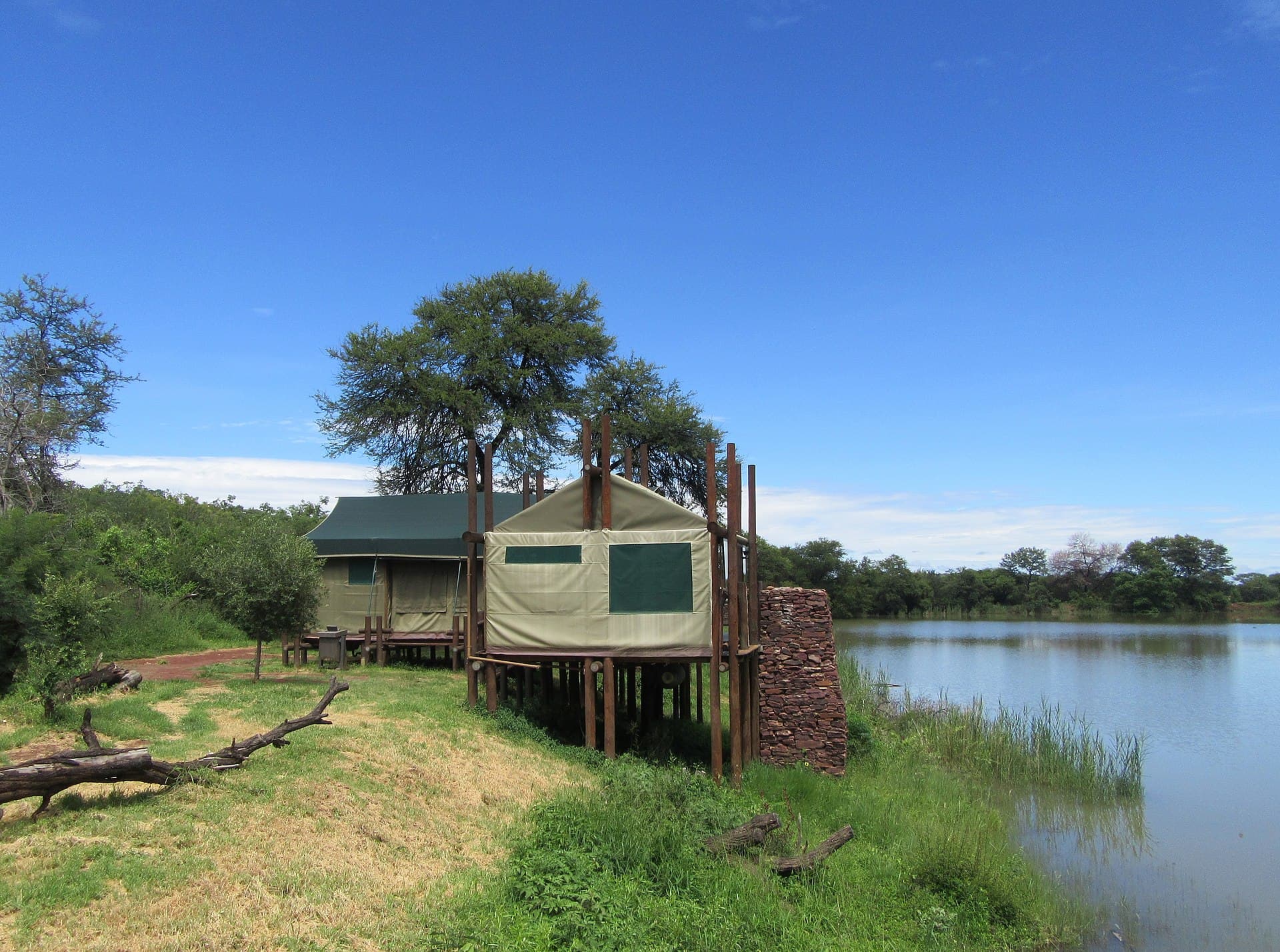
A canvas safari tent set among trees at a private tented campComfort

Lake Natron · Rift Valley floor

Soda-Lake Eco Camp

Tented camp

Simple, eco-minded tents sit on the hot floor of the Rift Valley near Lake Natron, under the volcanic cone of Ol Doinyo Lengai. The draw is the landscape: guided walks up a river gorge to waterfalls, flamingos on the soda flats at certain times of year and enormous night skies.

  • Simple en-suite tents, often solar-powered
  • Guided walks to waterfalls in a river gorge
  • Lakeshore walks to see flamingos, when they are present
  • Ol Doinyo Lengai night climbs for very fit hikers, conditions permitting

Ideal for: Adventurous travelers and photographers who value a raw, remote landscape over polish
Experiences

Experiences

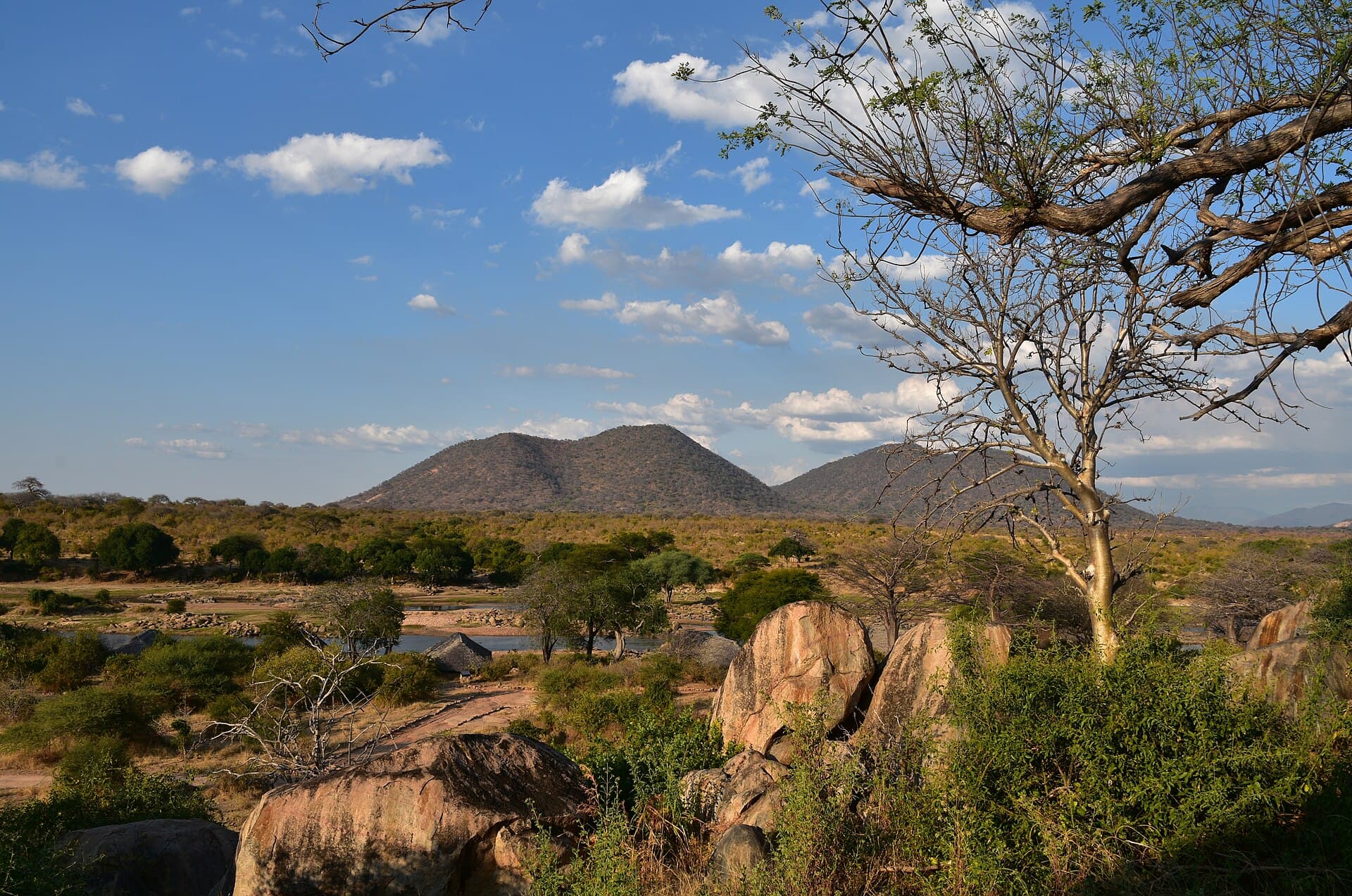
Wild kopje-studded savanna of Ruaha National Park

On foot

Walking Safaris

Leave the vehicle behind and read the bush up close with an armed ranger — tracks, birdcalls and the thrill of being on foot in big-game country.

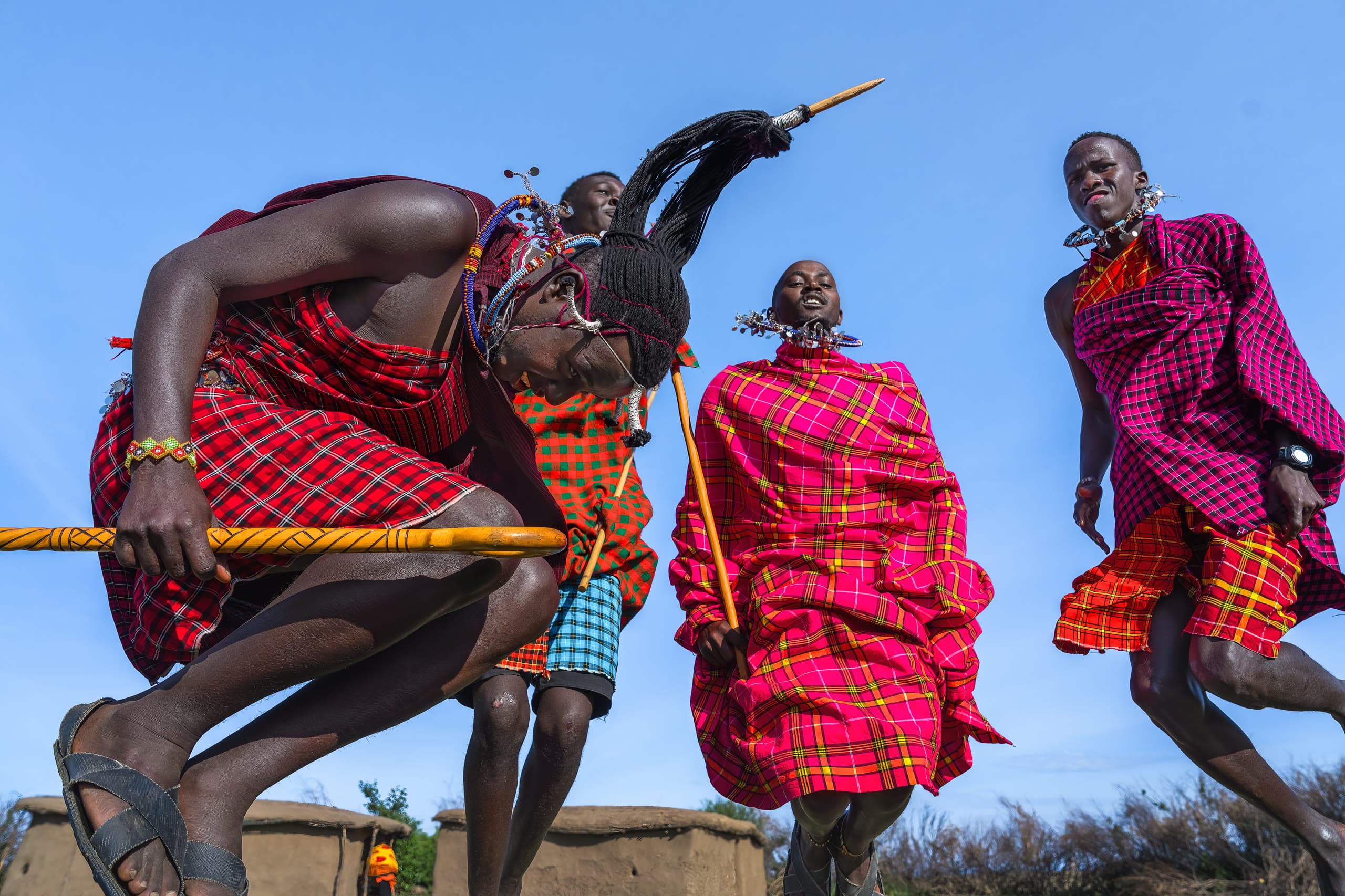
Maasai warriors performing a traditional jumping dance during a cultural visit

Culture

Maasai Cultural Experience

Spend unhurried time with a Maasai community on a visit they lead — homesteads, herding life and honest conversation rather than a staged show.

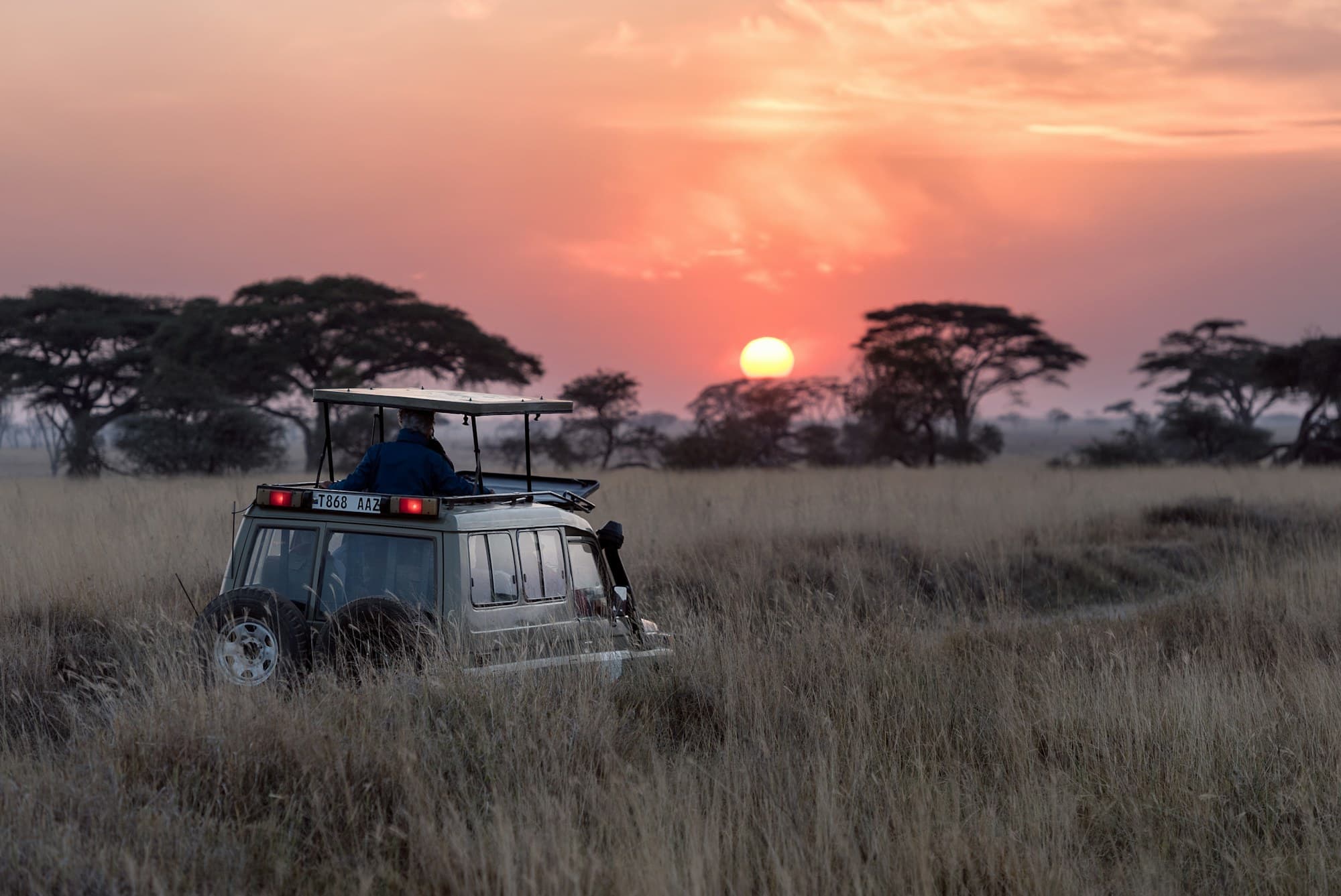
Open safari vehicle with guests on the savanna beneath a dramatic sunset

Bush dining

Sundowners

End the day parked on a kopje or riverbank with a cold drink in hand as the sun drops quickly over the bush.

Good to know

Frequently asked questions

Will there be flamingos at Lake Natron when I visit?

Often, but not always in large numbers. Lesser flamingos come and go with water levels and food supply, and the breeding colonies are on remote flats that visitors do not reach. Your guide will know where flocks are feeding at the time, usually near the southern shore.

Can I climb Ol Doinyo Lengai?

Fit, experienced hikers can, but it is a genuinely hard climb: steep, loose ash, usually started around midnight to avoid the heat, and a punishing descent. It is an active volcano, so access depends on current conditions and must be with a qualified local guide. We only suggest it to travelers with serious hill-walking experience who can spare a recovery day.

How hot is Lake Natron?

Very. Midday temperatures often climb toward 40°C (104°F), and the flats reflect the heat. Plan walks for early morning and late afternoon, rest through the middle of the day, and drink more water than you think you need.

Is Lake Natron worth the detour?

If you want landscape and a sense of adventure, yes — it adds a completely different chapter to a northern safari. If your priority is big game, those nights are better spent in the Serengeti, Tarangire or the Ngorongoro highlands. Two nights is the right length for most travelers.

Is Lake Natron suitable for children?

Older children who enjoy walking and cope well with heat usually love the waterfall gorge and the footprints. The long, rough drive and simple camps make it less suited to young children. It works best for families who have already had a few days of classic game viewing.

Are there park fees at Lake Natron?

Lake Natron is not a national park, so national park fees do not apply. Visitors instead pay local community and district fees, plus charges for guided activities such as the waterfall walk. These change, so we confirm current amounts when we plan your trip and include them in your quote.

Open safari vehicle with guests on the savanna beneath a dramatic sunset

Tell Us Your Dates

Share when you want to travel, who is coming and what you hope to see. A safari specialist will design a private Tanzania journey around you — no obligation, and nothing booked until you approve it.

Plan a Lake Natron safari