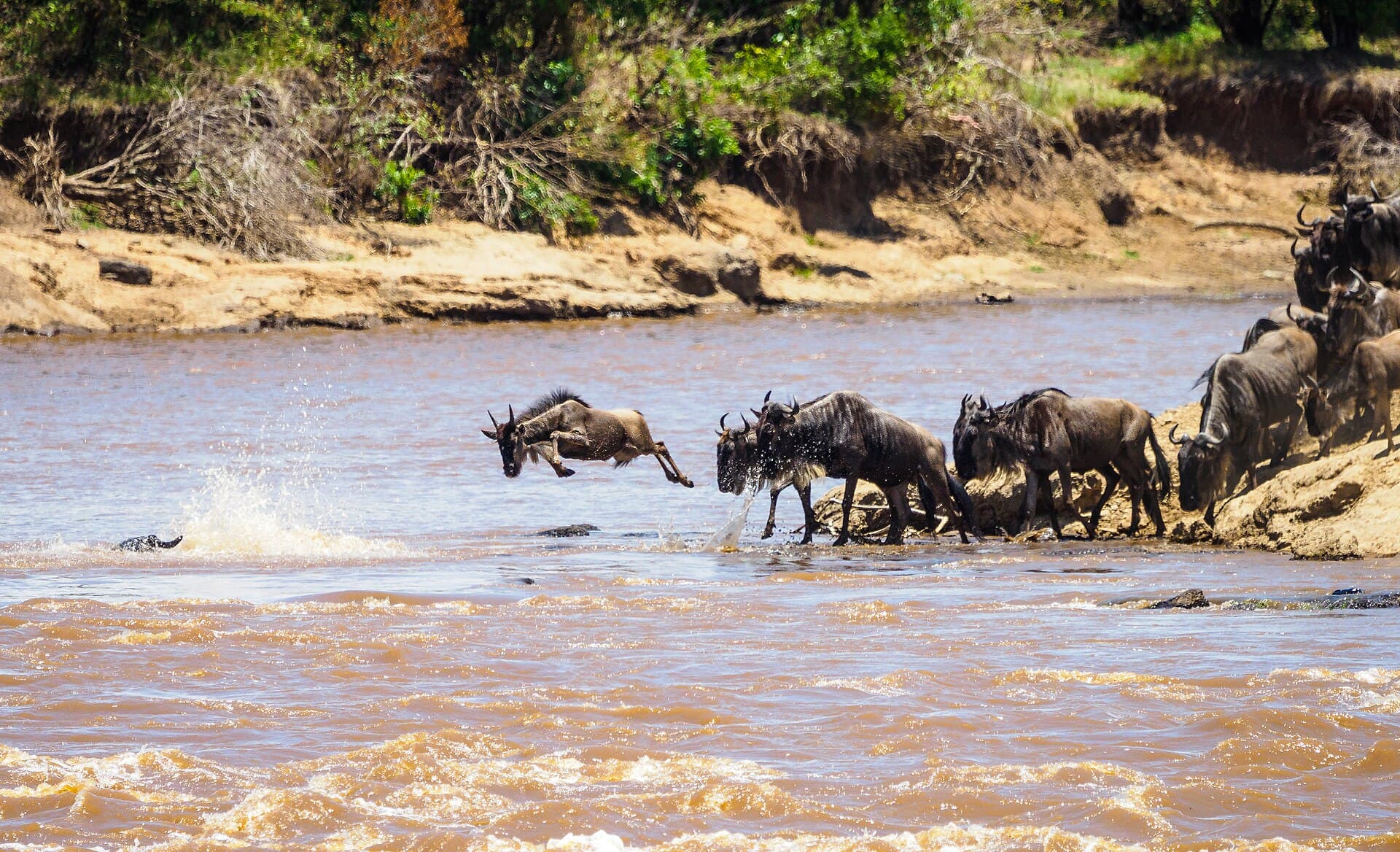
Wildebeest leaping into the Mara River during the Great Migration crossing

The Great Migration

The Great Migration in Tanzania, Month by Month

Roughly 1.5 million wildebeest, hundreds of thousands of zebra and gazelle, and one year-long loop through the Serengeti. Here is where the herds usually are each month, and how we plan around them.

The Great Migration is not an event on a calendar. It is a year-long circuit of roughly 1.5 million wildebeest, joined by hundreds of thousands of zebra and gazelle, moving through the Serengeti–Mara ecosystem in pursuit of fresh grass and water. The herds spend most of the year in Tanzania. Only from roughly July to October do large numbers cross into Kenya’s Masai Mara, and even then many remain in the northern Serengeti.

That makes Tanzania the country where you can meet the migration in almost any month: on the southern calving plains, in the Western Corridor, or along the Mara River in the far north. The skill lies in matching your dates to the right region, choosing camps that follow the herds, and leaving enough flexibility for a migration that runs on rain rather than on schedules. This guide shows you how we think it through.

Migration Calendar

Where Is the Great Migration When You Travel?

Choose a month to see where the herds usually are and which region we would suggest as your base. Read it as a guide to likelihood, not a timetable: the migration follows the rains, not fixed dates, and an early or late wet season can shift the pattern by several weeks.

Choose your travel month
Where the herds usually areLake VictoriaKenyaTanzaniaNdutu & the southCentral SerengetiWestern CorridorMara RiverMasai MaraNgorongoro Crater

Schematic map — not to scale.

In August

Northern Serengeti & the Mara River

What’s happening
Prime crossing season. Herds move back and forth across the Mara River, with some continuing into Kenya’s Masai Mara.
Where we recommend staying
A seasonal camp near the Mara River
See camps in this area
Plan a safari in August

The herds follow the rains, not the calendar. Timing shifts by weeks from year to year, so we confirm positioning close to your dates.

Month by Month

The Great Migration Month by Month

A typical year, summarized. In any given year the herds can run two to four weeks ahead of or behind this pattern, and they rarely move as one, so expect scattered groups as well as the great concentrations.

MonthWhere the herds usually areWhat’s happeningWhere we’d base you
JanuarySouthern Serengeti and the Ndutu short-grass plainsHerds graze the mineral-rich plains; the first calves often appear late in the monthNdutu or a southern Serengeti seasonal camp
FebruarySouthern plains around NdutuCalving usually peaks; lion, hyena and cheetah shadow the herdsNdutu, ideally for three or four nights
MarchSouthern plains, beginning to spread outLate calving; the long rains approach and the herds grow restlessNdutu early in the month, central Serengeti later
AprilDrifting north-west through the central and Moru areasThe long rains are at their heaviest; herds are scattered and on the moveCentral Serengeti (Seronera)
MayCentral Serengeti toward the Western CorridorLong columns on the move; the wildebeest rut beginsCentral Serengeti or the Western Corridor
JuneWestern Corridor and Grumeti; front-runners pushing northThe rut continues; Grumeti River crossings are possibleWestern Corridor, or central with a flexible day
JulyMoving into the northern SerengetiThe first Mara River crossings are possible; timing varies year to yearNorthern Serengeti from mid-month; central or western earlier
AugustNorthern Serengeti and Kenya’s Masai MaraMara River crossings are often at their most frequentNorthern Serengeti, around Kogatende or Lamai
SeptemberNorthern Serengeti and the MaraHerds cross and re-cross the river as they follow the grazingNorthern Serengeti
OctoberNorthern Serengeti, beginning to drift southCrossings continue in smaller groups; the short rains approachNorthern Serengeti, with a central option late in the month
NovemberHeading south through the eastern and central SerengetiThe short rains green the plains; the herds move quicklyCentral Serengeti (Seronera)
DecemberArriving on the southern plainsHerds settle around Ndutu as the new grass comes throughCentral Serengeti early; Ndutu from mid-month

Patterns reflect a typical rainfall year. Your guide tracks the herds daily, and we confirm the most promising area as your dates approach.

The Four Regions

Where the Migration Happens in Tanzania

Serengeti National Park covers roughly 14,750 km², about the size of Connecticut. The herds use four broad regions through the year, each with its own character, season and style of camp.

Southern plains & Ndutu · roughly December–March

Short, mineral-rich grass on volcanic soils draws the herds south after the short rains, and this is where most calves are born. Wide horizons, intense predator activity and vast herds make it a favorite with photographers. Seasonal camps open for these months, and the plains sit about 2–2.5 hours from the Ngorongoro Crater rim.

Explore

Western Corridor & Grumeti · roughly May–July

The herds funnel west toward Lake Victoria, the rut in full voice, with crossings of the Grumeti River possible around June. The river’s crocodiles are famous, and the area sees fewer vehicles than the north. Private reserves on the park’s western edge add walking and night drives where their rules permit.

Explore

Northern Serengeti & the Mara River · roughly July–October

The stage for the river crossings. Around Kogatende and the Lamai area, the herds gather on the banks of the Mara and cross, sometimes repeatedly. Seasonal mobile camps and a few permanent camps put you within a short drive of the crossing points, about an hour by light aircraft from Seronera or 4–5 hours by road.

Explore

Central Serengeti · the year-round base

The Seronera area holds resident lion, leopard and cheetah in every month, and the herds pass through on their way north (roughly April–June) and south (roughly November–December). A night or two here gives any migration safari a dependable foundation and a central point from which to reach the herds.

Explore

River Crossings

Mara River Crossings, Explained

A crossing is the moment the herds ford the Mara River to reach grazing on the far bank. Wildebeest mass along the edge, sometimes for hours, sometimes for days, until one animal commits and the rest follow in a surge of dust, spray and noise. Nile crocodiles wait in the deeper pools, and the steep, churned banks are as dangerous as the current. A crossing can last a few minutes or well over an hour.

Crossings are unpredictable because no one knows exactly what triggers them. Rain on the far side, a nervous lead animal, a lion in the reeds or a vehicle in the wrong place can start one or stop it. The herds also cross back and forth through the season, so a crossing in September may run the opposite way to one in August.

What works is patience. On a crossing day, your guide positions you near a promising gathering point with a packed lunch, and you wait with the engine off, often for hours and occasionally for nothing. Three or four full days in the north give you a far better chance than one, which is why our river-crossing journey is built around them.

Etiquette matters here more than anywhere. Good guides hold back from the banks until the herd has committed, never block the animals’ approach or exit, and follow park rules on where vehicles may wait. Crowding the river can turn a herd back altogether. A private vehicle helps, too: you decide how long to wait, with no one asking to move on.

Calving Season

The Calving Season at Ndutu

From roughly late January to March, the southern plains become a nursery. Most wildebeest calves are born within a few weeks, usually peaking in February, a synchronized strategy that gives predators more newborns than they can possibly take. A calf is typically on its feet within minutes and running with the herd soon after.

The predators follow. Lion prides, spotted hyena clans and cheetah, at home on the open short grass, hunt in plain view, and the action can be intense. It is raw and not for everyone, but for photographers and returning travelers it is often the most absorbing time of year, framed by green plains and towering afternoon storm clouds.

Much of the calving happens around Ndutu, which lies within the Ngorongoro Conservation Area rather than Serengeti National Park itself. In practice, that means the conservation area’s own rules and fees apply, and the Ndutu plains sit about 2–2.5 hours’ drive from the crater rim, so calving pairs naturally with a crater descent. Our calving-season journey does exactly that.

Our Approach

How We Plan a Migration Safari

Five decisions, in the order we work through them with you.

  1. Start with your month

    Everything follows from when you can travel. If your dates are fixed, we plan around them; if they are flexible, we tell you honestly which weeks give you the best odds for what you most want to see, whether that is calving, the rut or a crossing.

  2. Match it to the likely region

    We place your core nights where the herds usually are in that window, based on the typical pattern and on what guides and camps report in the weeks before you travel. In transition months such as March, June, late October and early December, we often split the stay between two areas.

  3. Choose mobile or permanent camps

    Seasonal mobile camps relocate to follow the herds, putting you close to the action with a classic canvas feel. Permanent camps offer more space, sometimes a pool, and year-round consistency, and the best-placed ones sit where the herds pass each year. Many travelers combine one of each.

  4. Decide whether to drive or fly

    Driving through the Serengeti is part of the experience, but the distances are real: Seronera to Kogatende is about 4–5 hours by road and around an hour by light aircraft. We usually suggest driving in and flying the long legs, with luggage typically limited to about 15 kg (33 lb) in soft bags.

  5. Build in a flexibility buffer

    We add a night in the central Serengeti or an extra full day in the migration area, so your guide has room to reach the herds if they are running early or late. Three nights in the right region is the minimum we recommend; four is better if a crossing is the goal.

Safaris

Recommended safaris

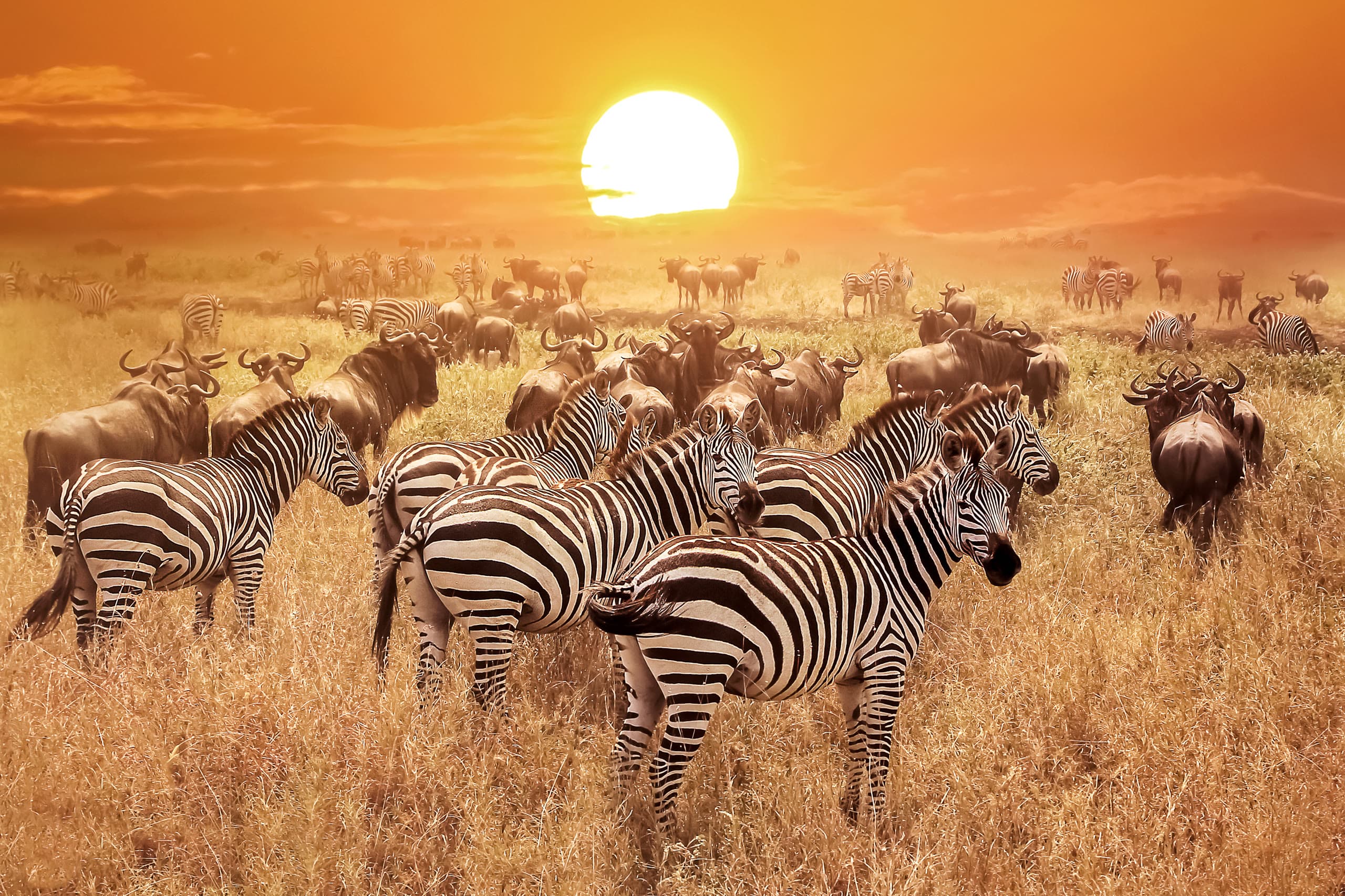
Zebra and wildebeest herds grazing at golden sunset during the Great Migration
9 daysMigration

Great Migration Safari

Arusha · Ngorongoro Crater · Central Serengeti · Northern Serengeti

Travelers who want the migration at the center of the trip, whatever month they can travel

Best months
Year-round — routed to the herds
Comfort levels
Premium · Luxury · Ultra-Luxury
Individually quoted
Wildebeest leaping into the Mara River during the Great Migration crossing
10 daysJul–Oct

Northern Serengeti River Crossing

Arusha · Tarangire · Ngorongoro Crater · Central Serengeti · Northern Serengeti

Travelers set on seeing a river crossing, with the patience to wait for one

Best months
July – October
Comfort levels
Premium · Luxury · Ultra-Luxury
Individually quoted
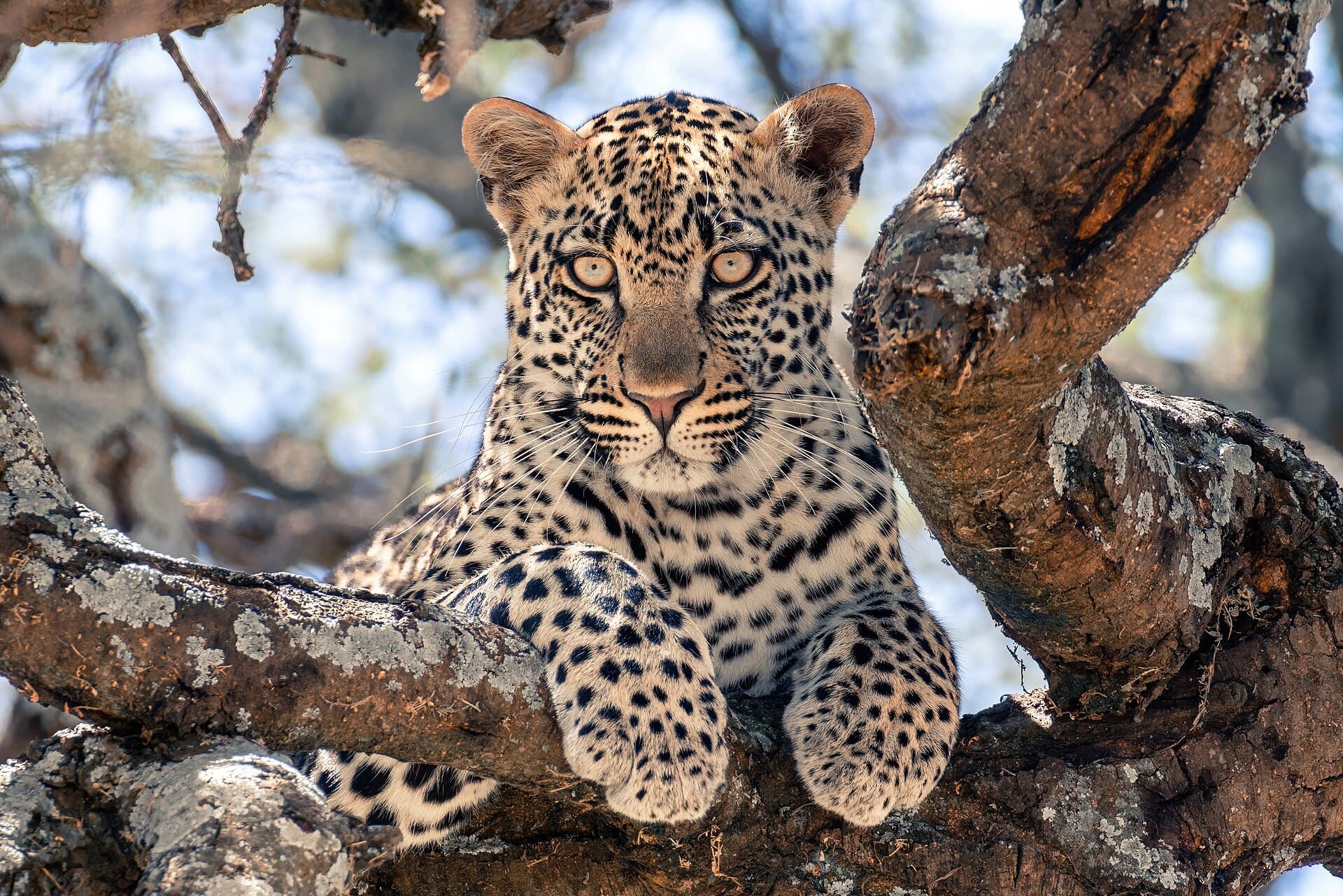
A leopard resting in the fork of a tree in the Serengeti
8 daysJan–Mar

Calving Season Safari

Arusha · Ngorongoro Crater · Olduvai Gorge · Ndutu

Wildlife photographers and returning travelers who want newborn calves and predator action

Best months
Late December – March (calving peaks around February)
Comfort levels
Comfort · Premium · Luxury
Individually quoted
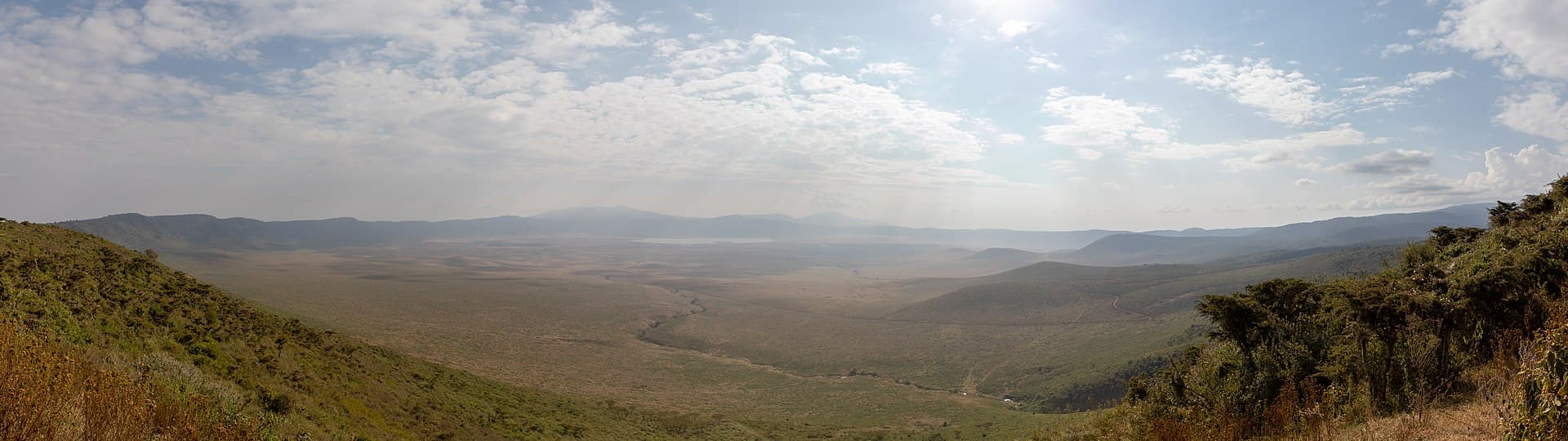
View across the Ngorongoro Crater floor from the forested rim
9 daysComplete introduction

Tanzania Northern Circuit

Arusha · Tarangire · Ngorongoro Crater · Olduvai Gorge · Central Serengeti

First-time travelers who want the complete northern circuit, with room to breathe

Best months
June – March, routed to the season
Comfort levels
Comfort · Premium · Luxury · Ultra-Luxury
Individually quoted
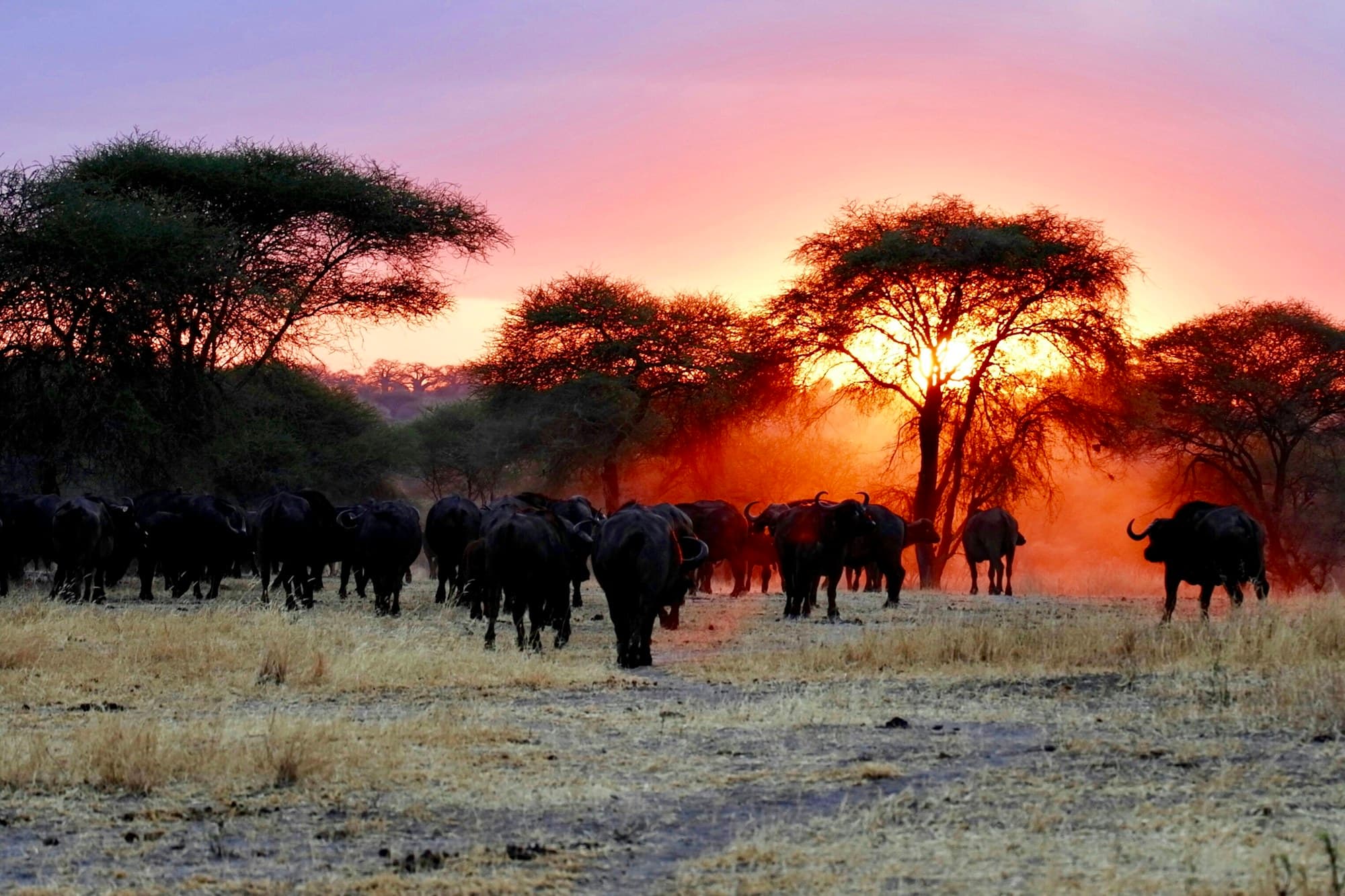
Herds moving through golden dust at a fiery Masai Mara sunset
13 daysTwo countries

Tanzania + Kenya

Nairobi · Masai Mara · Kilimanjaro Airport · Arusha · Tarangire · Ngorongoro Crater · Central Serengeti

Travelers who want the Mara and the Serengeti in one well-connected trip

Best months
June – October and December – February
Comfort levels
Premium · Luxury · Ultra-Luxury
Individually quoted

Experiences

Related experiences

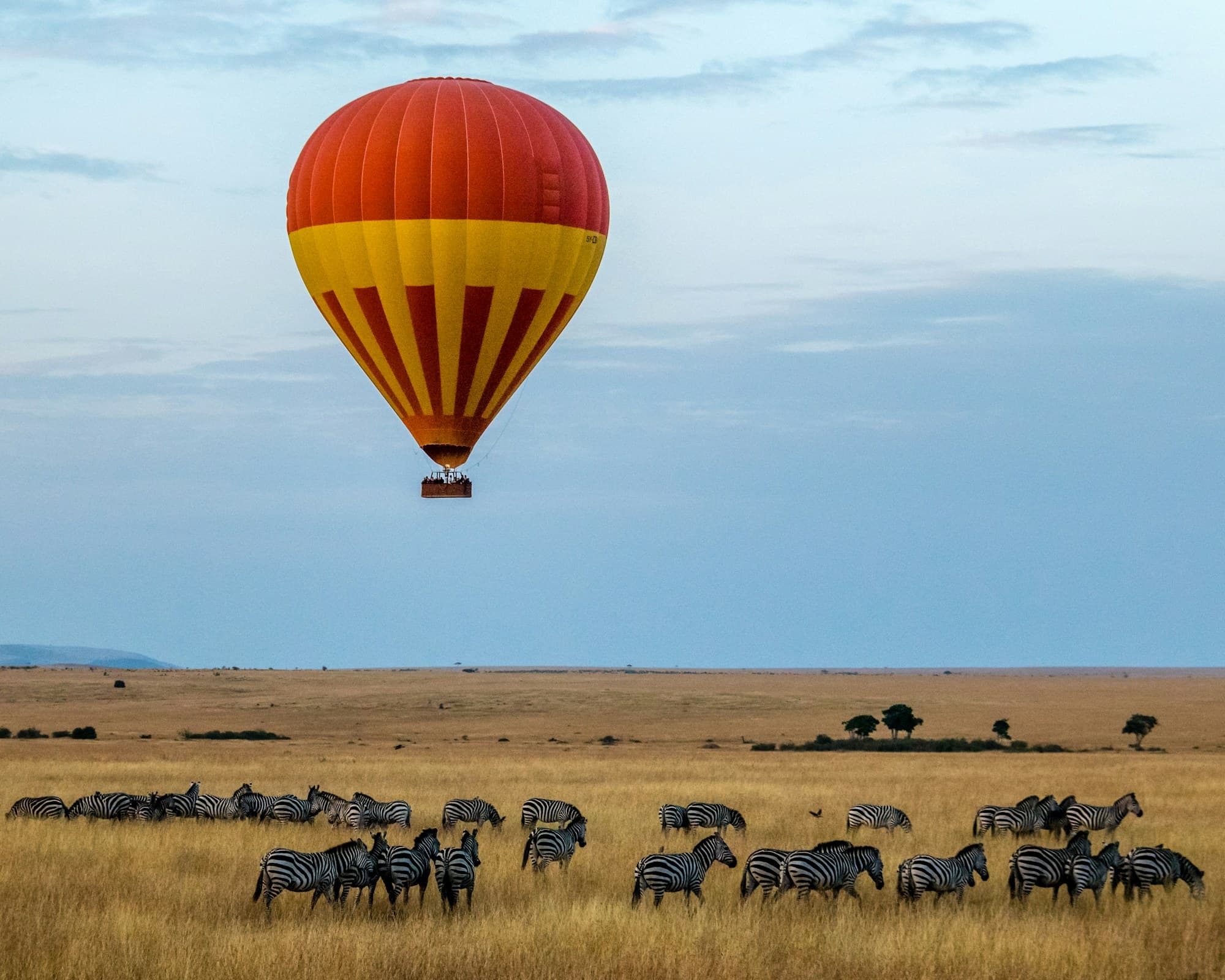
Aerial view over savanna herds from a hot-air balloon at first light

In the air

Serengeti Hot-Air Balloon Safari

Drift over the Serengeti at first light as the plains wake beneath you, then land for a champagne breakfast in the bush.

Getting around

Fly-In Safari

Hop between parks by light aircraft, trading long drives for more time on the ground and a bird’s-eye view of the country in between.

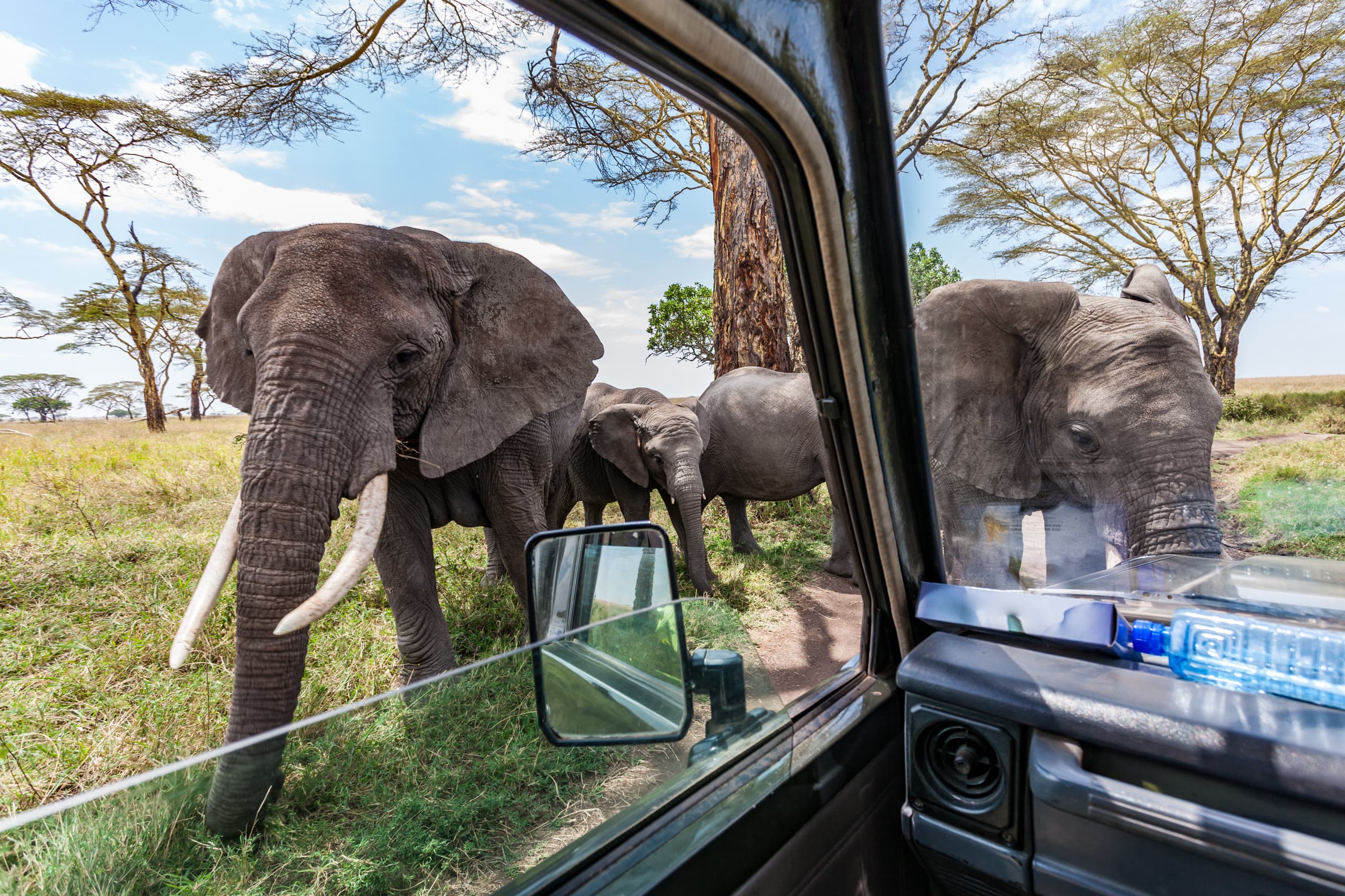
Elephants seen up close from inside a private safari vehicle

Photography

Private Photography Vehicle

A private vehicle set up for cameras — fewer guests, a window each, bean bags and a guide who thinks in light and angles.

Good to know

Frequently asked questions

What is the best month to see the Great Migration in Tanzania?

It depends on what you most want to see. For river crossings, August and September are usually the most active months in the northern Serengeti. For calving and predator action, February on the southern plains around Ndutu is hard to beat, while June in the Western Corridor offers the rut and possible Grumeti crossings with fewer vehicles.

Can you see Mara River crossings in Tanzania, or only in Kenya?

You can see them in both. The Mara River rises in Kenya and flows through the Masai Mara into Tanzania’s northern Serengeti, around Kogatende and the Lamai area, and crossings happen on both sides of the border from roughly July to October. The Tanzanian crossing points often have fewer vehicles, though that varies from day to day.

Is the Great Migration in Tanzania or Kenya?

Both, but mostly Tanzania. The herds spend the greater part of the year in the Serengeti, and only from roughly July to October do large numbers move into Kenya’s Masai Mara. You can’t simply drive from one reserve into the other on a normal safari, so a combined trip usually flies via Nairobi and Kilimanjaro, or uses a seasonal flight-and-road connection via Migori and Tarime when one is operating.

How many days do I need for a Great Migration safari?

Plan on at least three nights in the migration region itself, and four if a river crossing is the goal, because crossings reward patience. With arrival, a crater visit and travel days, most migration safaris run eight to ten days. Shorter trips work, but leave less room if the herds are running late.

What happens if the herds aren’t where we expected?

Your guide tracks the herds daily with other guides and camps, and in the Serengeti the answer is usually to drive further rather than to miss them. That is why we build in a flexibility buffer and favor camps within reach of more than one area. Even in a quieter week, the Serengeti’s resident predators keep the days rewarding.

Can I combine the Great Migration with the Ngorongoro Crater?

Easily, in most months. The crater rim is about 2–2.5 hours from Ndutu, so it pairs naturally with a calving safari, and most northern itineraries include a crater descent on the way in. Time on the crater floor is regulated, so a single descent of around six hours is typical.

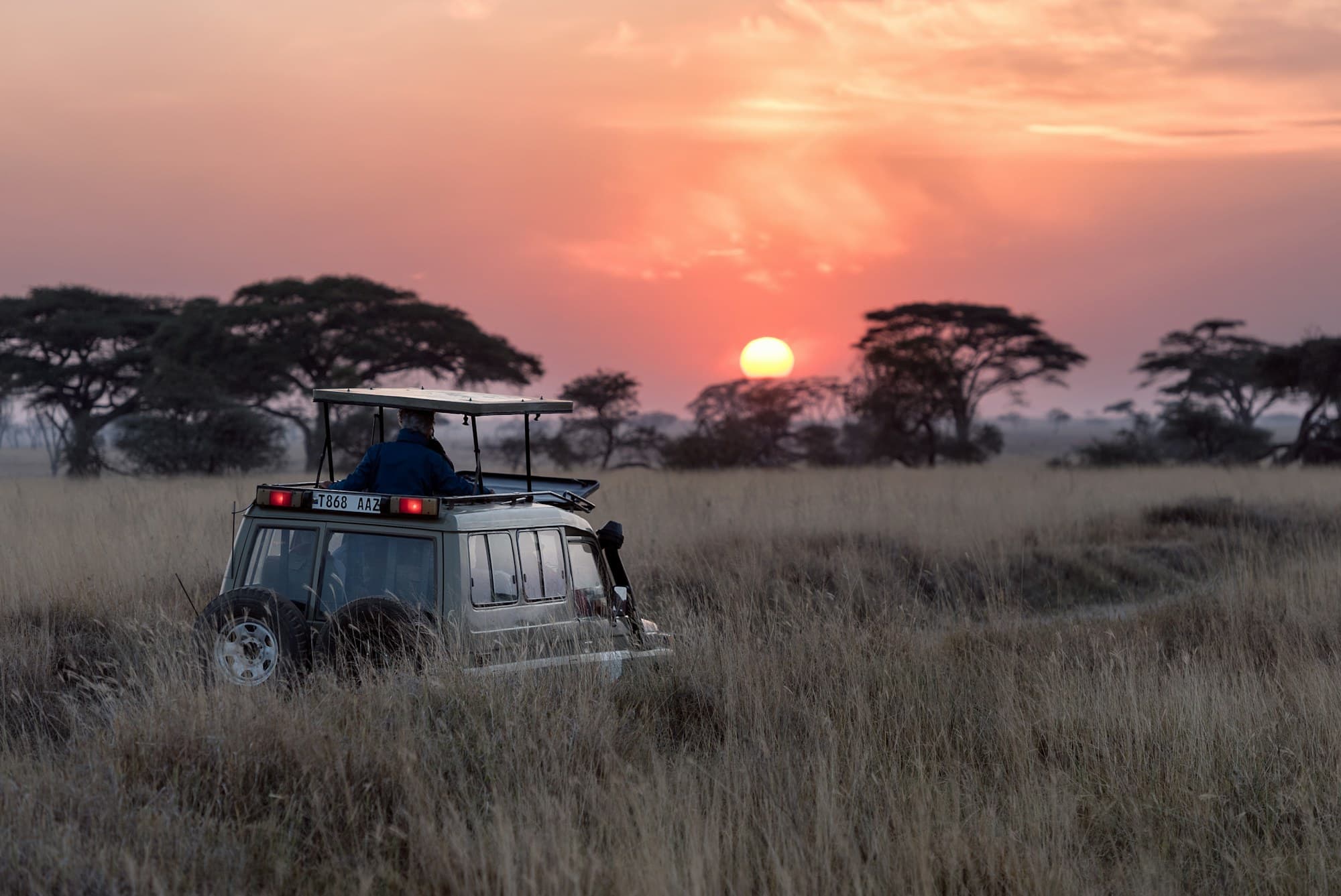
Open safari vehicle with guests on the savanna beneath a dramatic sunset

Tell Us Your Dates

Share when you want to travel, who is coming and what you hope to see. A safari specialist will design a private Tanzania journey around you — no obligation, and nothing booked until you approve it.

Start Designing My Safari