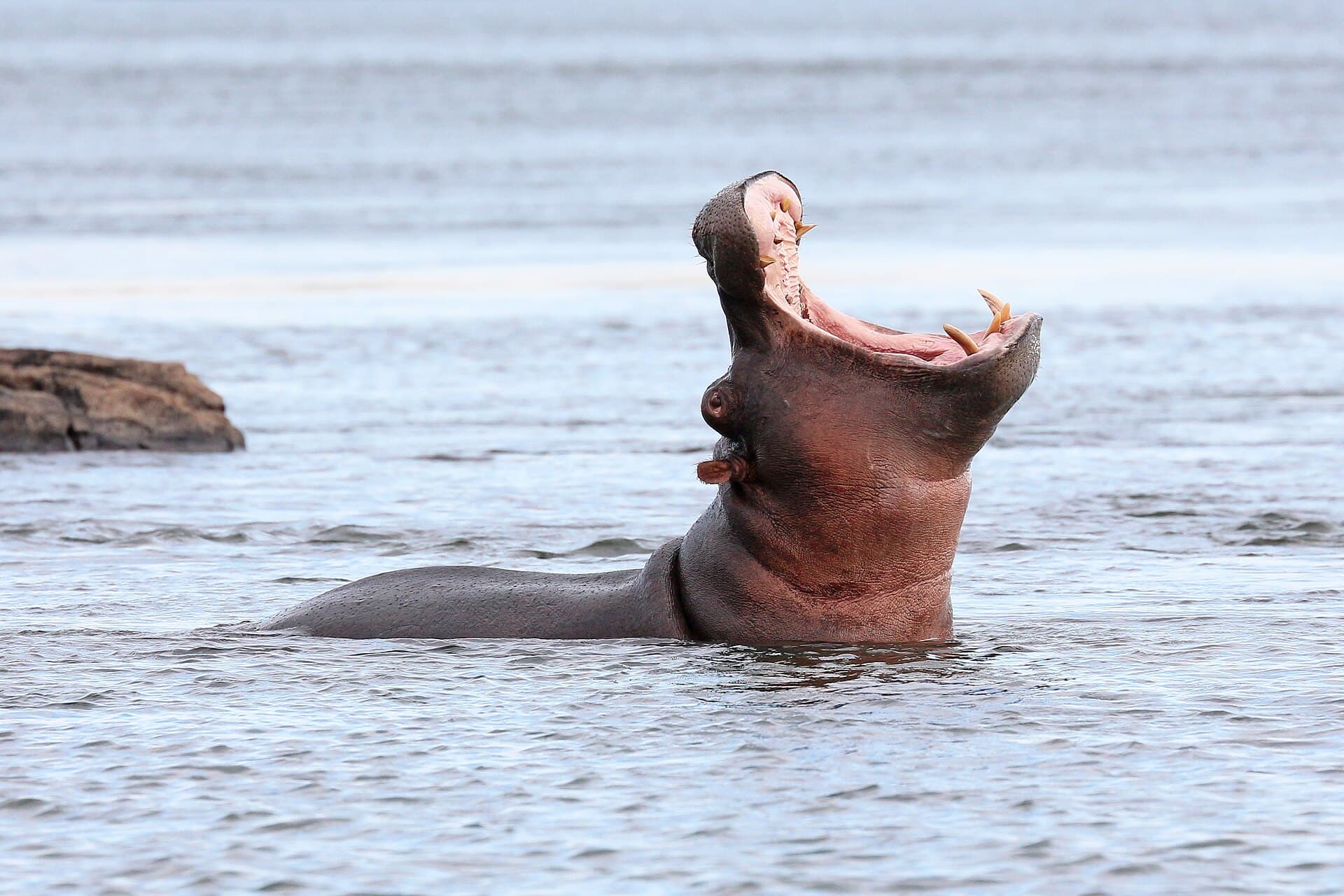
A hippo surfacing with an open-mouthed yawn in a river

Tanzania park guide

Nyerere National Park Safaris

The former Selous: a river-and-lake wilderness you explore by boat, on foot and by vehicle, a short light-aircraft hop from the coast.

SizeAbout 30,000 km² — often described as Africa’s largest national park
Best timeJune–October; many camps close in the long rains (roughly March/April–May)
Recommended stay3–4 nights
Getting thereAbout 45 minutes by light aircraft from Dar es Salaam
Known forRufiji River boat safaris, walking, lakes, wild dogs
Best forSafari-and-Zanzibar trips and travelers who want variety

Nyerere National Park

Why Visit

For decades this was the Selous, the vast, UNESCO-listed game reserve that safari people spoke of with particular respect. In 2019 its northern section became Nyerere National Park, named after Julius Nyerere, Tanzania’s first president, and at roughly 30,000 km² it is often described as Africa’s largest national park. Nearly all photographic safaris take place in the north of the park, along the Rufiji River and its chain of lakes.

What sets Nyerere apart is how you explore it. A morning might begin on foot with an armed ranger, the afternoon drift by boat past hippo pods and basking crocodiles, and a game drive follow the palm-lined lakeshores at dusk. Elephants, lions, buffalo and giraffe are all here, and the old Selous has long been one of the continent’s strongholds for the African wild dog — sightings are never assured, but they are a real possibility.

Nyerere is also the easiest of Tanzania’s wilderness parks to reach from the coast. Light aircraft cover the hop from Dar es Salaam in about 45 minutes, which makes the park a natural partner for Zanzibar, or for Ruaha on a longer southern journey. Three or four nights give you time to try every mode — vehicle, foot and a Rufiji boat safari — without rushing.

Best for

  • Safari and Zanzibar combinations
  • Boat safaris and birding on the Rufiji
  • Walking safaris with an armed ranger
  • Pairing with Ruaha on a southern-circuit trip
  • A short flight from the coast into real wilderness

Nyerere National Park

Wildlife & Highlights

  • Elephants, often at the lakes and river channels in the dry season
  • Lions, including prides that patrol the lakeshores
  • African wild dog — the old Selous is a key stronghold; sightings vary with the season
  • Hippos in large numbers along the Rufiji and the lakes
  • Nile crocodiles, some of them very large
  • Buffalo herds
  • Masai giraffe in the northern, photographic area
  • Leopard in riverine forest and woodland
  • Greater kudu, sable and Lichtenstein’s hartebeest in the miombo (less often seen)
  • Nyassa wildebeest, zebra and impala
  • Birdlife — African skimmers, fish eagles, storks, kingfishers and, in season, nesting carmine bee-eaters

Season

Best Time to Visit

  1. January
  2. February
  3. March
  4. April
  5. May
  6. June
  7. July
  8. August
  9. September
  10. October
  11. November
  12. December
June–OctoberThe main dry season and the classic time to visit. Grass dies back, animals gather at the lakes and river, and walking conditions are at their best. It grows hotter and more humid toward October.
November–FebruaryShort rains arrive roughly in November, followed by a warm, often drier spell. The bush turns green, migrant birds swell the numbers and visitors are few, though humidity is high and some tracks can be muddy.
March–MayThe long rains. Many camps close from roughly March or April until late May, and parts of the park become inaccessible.

Nyerere National Park

Areas to Know

The Rufiji River

The Rufiji is one of East Africa’s great rivers and the lifeblood of the park. Boat safaris follow its channels and sandbanks, bringing you close to hippos, basking crocodiles, elephants drinking at the bank and a steady procession of waterbirds — African skimmers, storks, kingfishers and fish eagles. At water level, familiar animals look new, and the late-afternoon light on the river is some of the finest in southern Tanzania.

Best for: Boat safaris, hippos and crocodiles, birding

Lakes Tagalala, Manze & Siwandu

Beside the river lies a chain of lakes and channels fed by the Rufiji; Tagalala, Manze and Siwandu are among the best known, though their shape and depth shift from one flood season to the next. Palms and pale, drowned trees stand in the shallows, and in the dry season the shores draw elephants, buffalo, giraffe and the predators that follow them. Several of the camps we recommend overlook these lakes, so wildlife often comes to you.

Best for: Dry-season game drives and lakeside camps

The northern photographic zone & Beho Beho

Away from the water, the park’s northern photographic zone opens into grassland, miombo woodland and the Beho Beho hills, with hot springs and the grave of Frederick Selous, the hunter-naturalist killed here in 1917 and the old reserve’s namesake. Game is more scattered than at the lakes, but drives feel expansive and walks carry a real sense of remoteness. Lichtenstein’s hartebeest, greater kudu and wild dog may all range through this country.

Best for: Walking, varied scenery and a sense of history

Nyerere National Park

Getting There

Nyerere is the most accessible of Tanzania’s southern parks. Scheduled light-aircraft services link its airstrips with Dar es Salaam in about 45 minutes, and with Zanzibar and Ruaha, and camps meet you at the strip for a short transfer. Driving from Dar es Salaam is possible but takes most of a day on a mix of tar and gravel. International arrivals do not always connect to a same-day flight, so a night near Dar es Salaam airport is sometimes needed. Light-aircraft luggage is typically limited to about 15 kg (33 lb) per person in soft-sided bags.

Drive or fly?

Flying is the usual choice: the 45-minute hop from Dar es Salaam replaces most of a day on the road and often leaves time for an afternoon boat trip on arrival. Driving suits travelers who enjoy seeing rural Tanzania or want to keep overall spend down on a longer trip, but expect a long, dusty day and allow a generous buffer either side of international flights. Onward legs to Ruaha or Zanzibar are flights in almost every case.

Airstrips

  • Mtemere airstrip
  • Siwandu airstrip
  • Beho Beho airstrip
  • Matambwe airstrip

Typical drive times

Dar es Salaam (by air)
about 45 minutes by light aircraft
Zanzibar (by air)
roughly 1 hour by light aircraft, sometimes via Dar es Salaam
Ruaha (by air)
about 1.5–2 hours by light aircraft
Dar es Salaam (by road)
roughly 6–8 hours, depending on the gate and road conditions

Stays

Where to Stay

Camps in Nyerere tend to sit right on the water — on the Rufiji’s banks or overlooking the lakes — so hippos grunting at night and elephants passing the tents are part of the stay. Most are tented, a few are lodges with pools, and nearly all include boat trips and walks in their activity program. We match you with the camp whose location and activities fit how you want to explore.

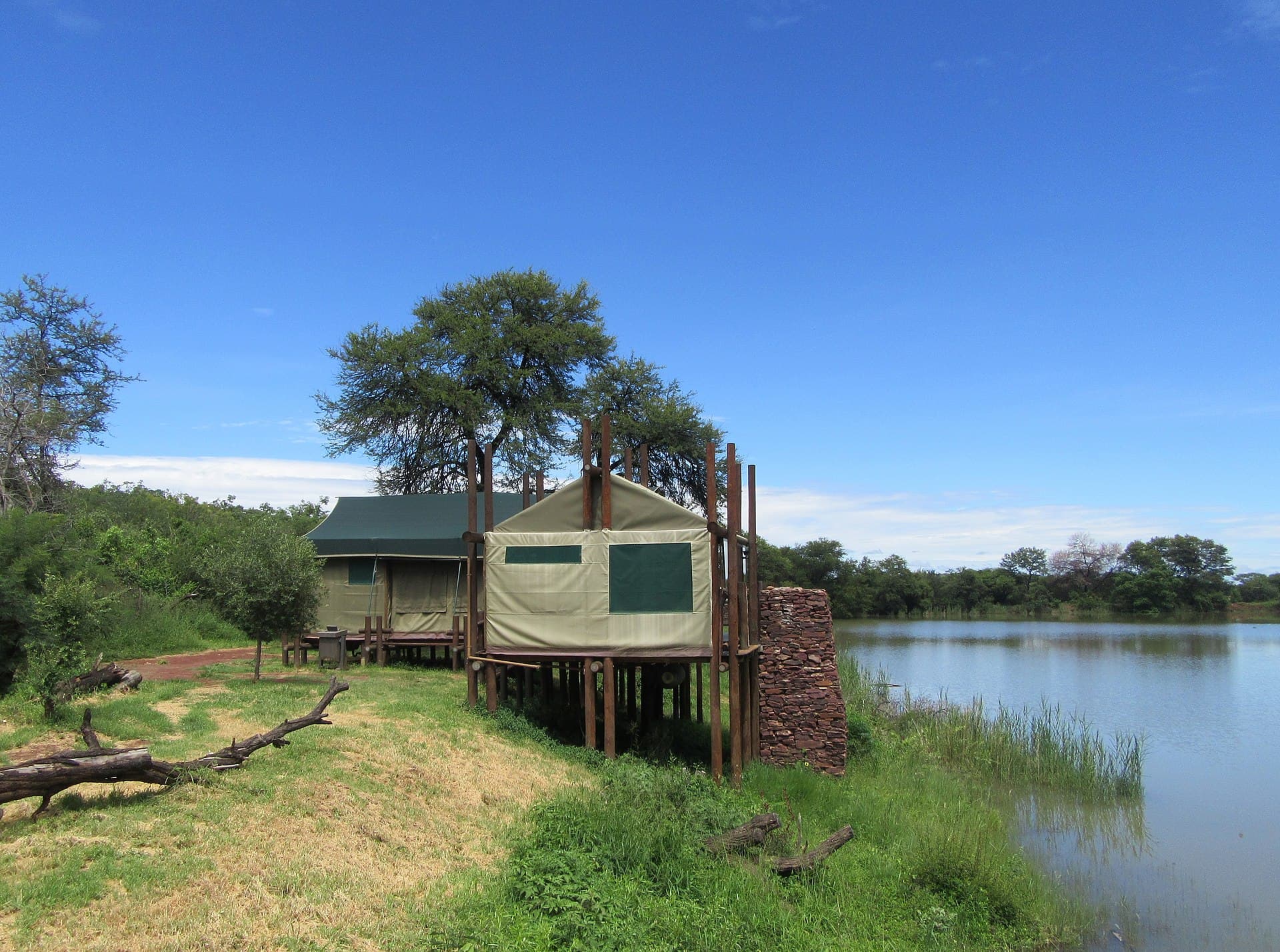
A canvas safari tent set among trees at a private tented campPremium

Nyerere · Rufiji lakes

Lakeside Tented Camp

Tented camp

Tents stand along one of the lakes fed by the Rufiji River, where hippos grunt through the night and elephants often come down to drink in the heat of the day. From here you can mix game drives with boat safaris and, where permitted, walks with an armed ranger.

  • En-suite tents facing the lake
  • Boat safaris on the lakes and channels
  • Walks with an armed ranger where permitted
  • Fly-in access, about 45 minutes from Dar es Salaam

Ideal for: Travelers who want water, birdlife and variety, with boats and walks alongside game drives
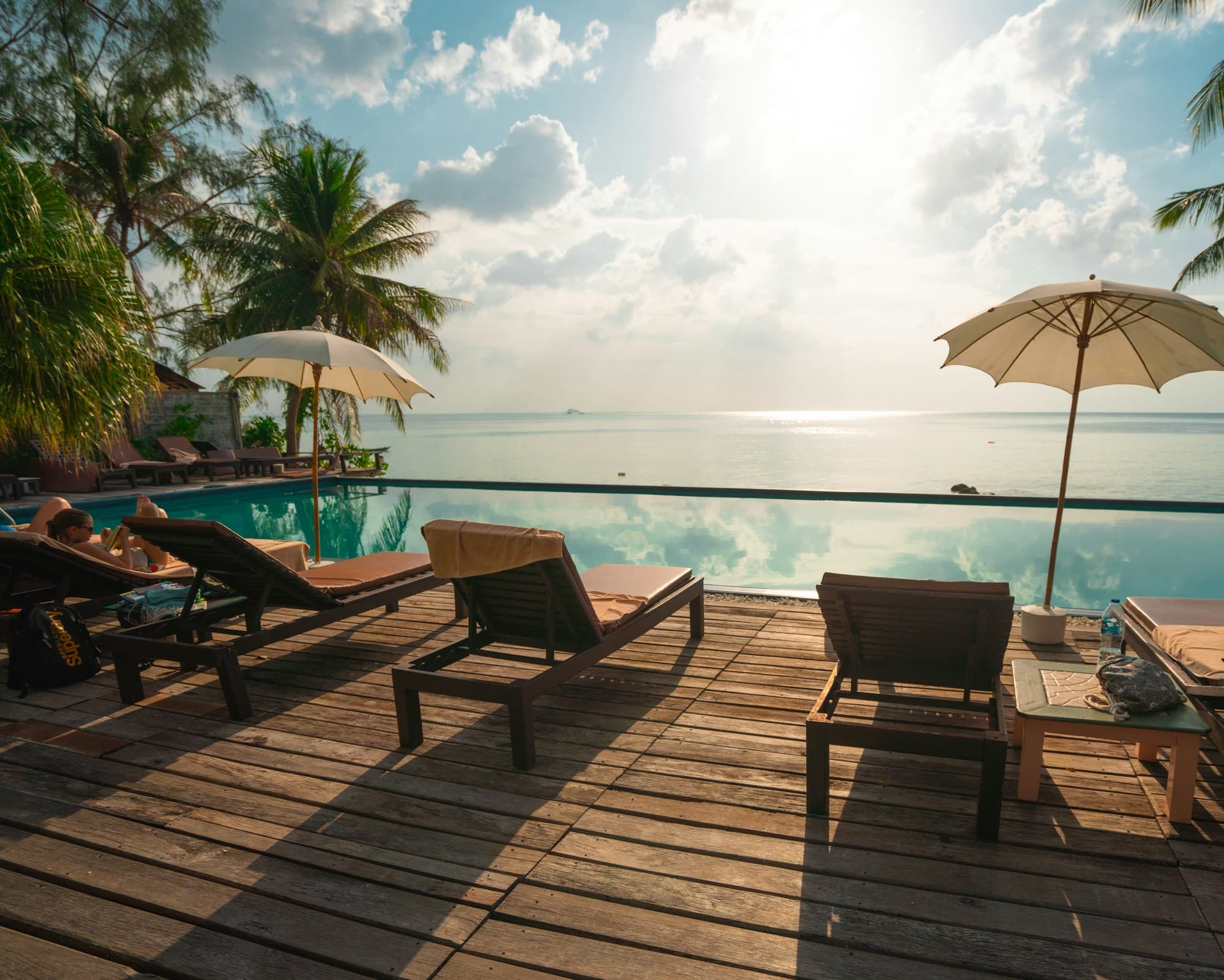
Luxury lodge deck with loungers and umbrellas at golden hourLuxury

Nyerere · Rufiji River

Luxury Riverfront Lodge

Lodge

Airy thatched suites sit along the Rufiji River or its lakes, with views over water where hippos, crocodiles and fish eagles set the rhythm of the day. It is a polished base in what is often called Africa’s largest national park, with boat safaris, walks and drives from the door.

  • Spacious suites, some with private plunge pools
  • Boat safaris on the river and lakes
  • Walks with an armed ranger
  • Pool overlooking the water for the heat of the day

Ideal for: Couples who want a remote, water-rich safari with real comfort and a pool for the midday heat

Experiences

Experiences

A hippo surfacing with an open-mouthed yawn in a river

On the water

Rufiji River Boat Safari

Glide along the Rufiji in a small boat, past hippo pods, basking crocodiles and elephants drinking at the water’s edge.

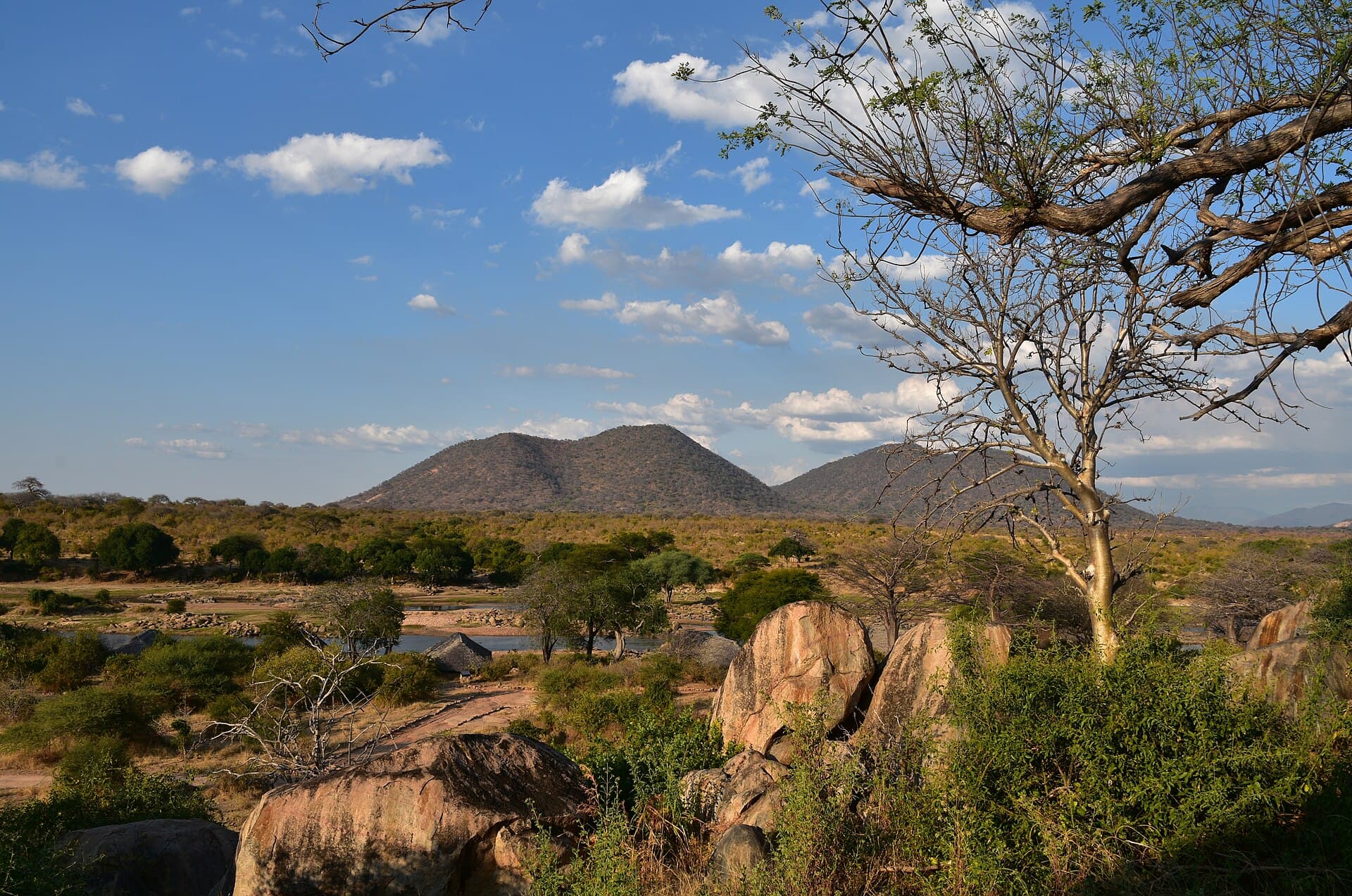
Wild kopje-studded savanna of Ruaha National Park

On foot

Walking Safaris

Leave the vehicle behind and read the bush up close with an armed ranger — tracks, birdcalls and the thrill of being on foot in big-game country.

Getting around

Fly-In Safari

Hop between parks by light aircraft, trading long drives for more time on the ground and a bird’s-eye view of the country in between.

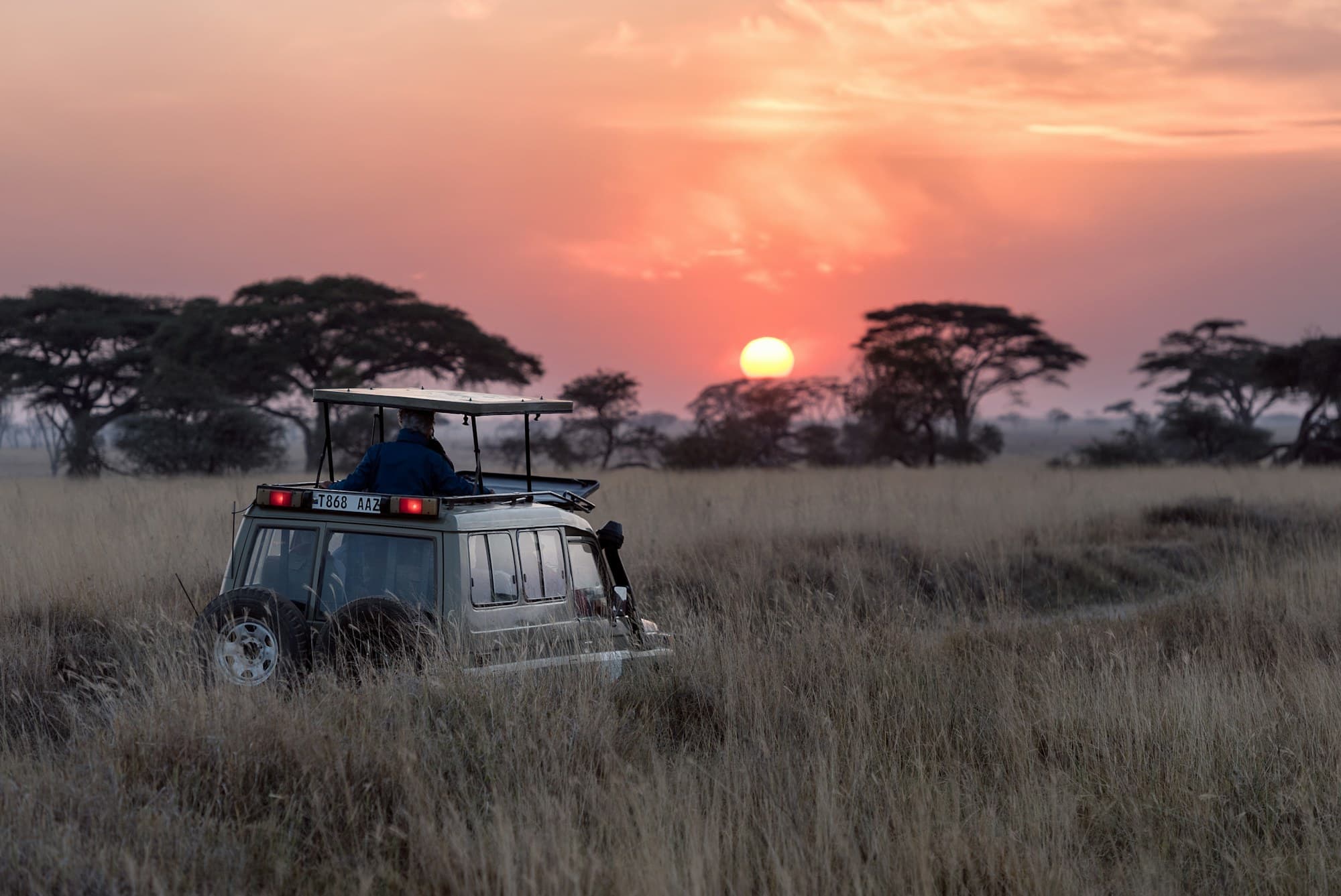
Open safari vehicle with guests on the savanna beneath a dramatic sunset

Bush dining

Sundowners

End the day parked on a kopje or riverbank with a cold drink in hand as the sun drops quickly over the bush.

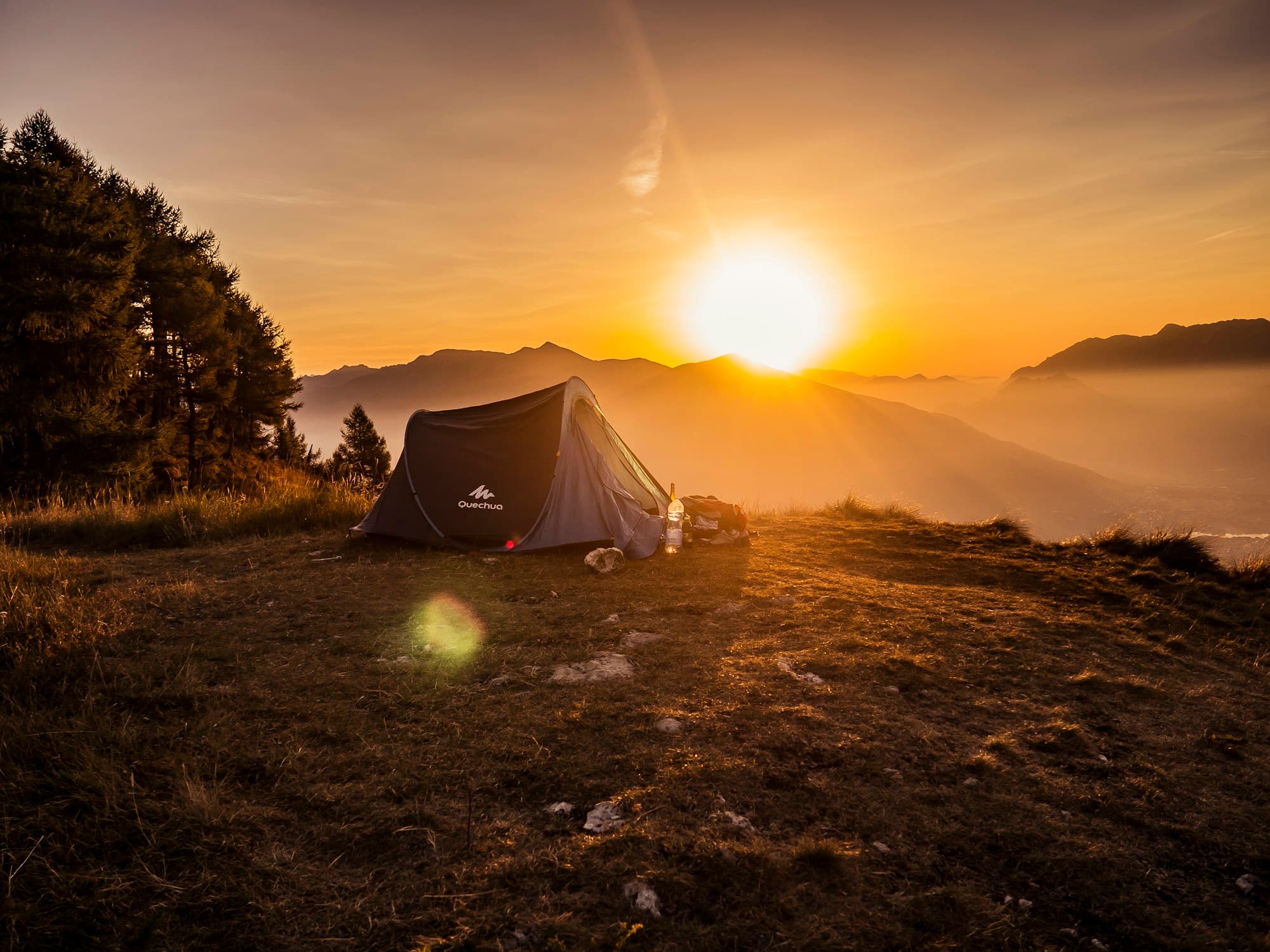
Tented camp glowing at sunrise over golden hills

Bush dining

Bush Breakfast

After a dawn game drive, pull up to a table laid in the shade — fresh coffee, eggs cooked to order and a view with animals in it.

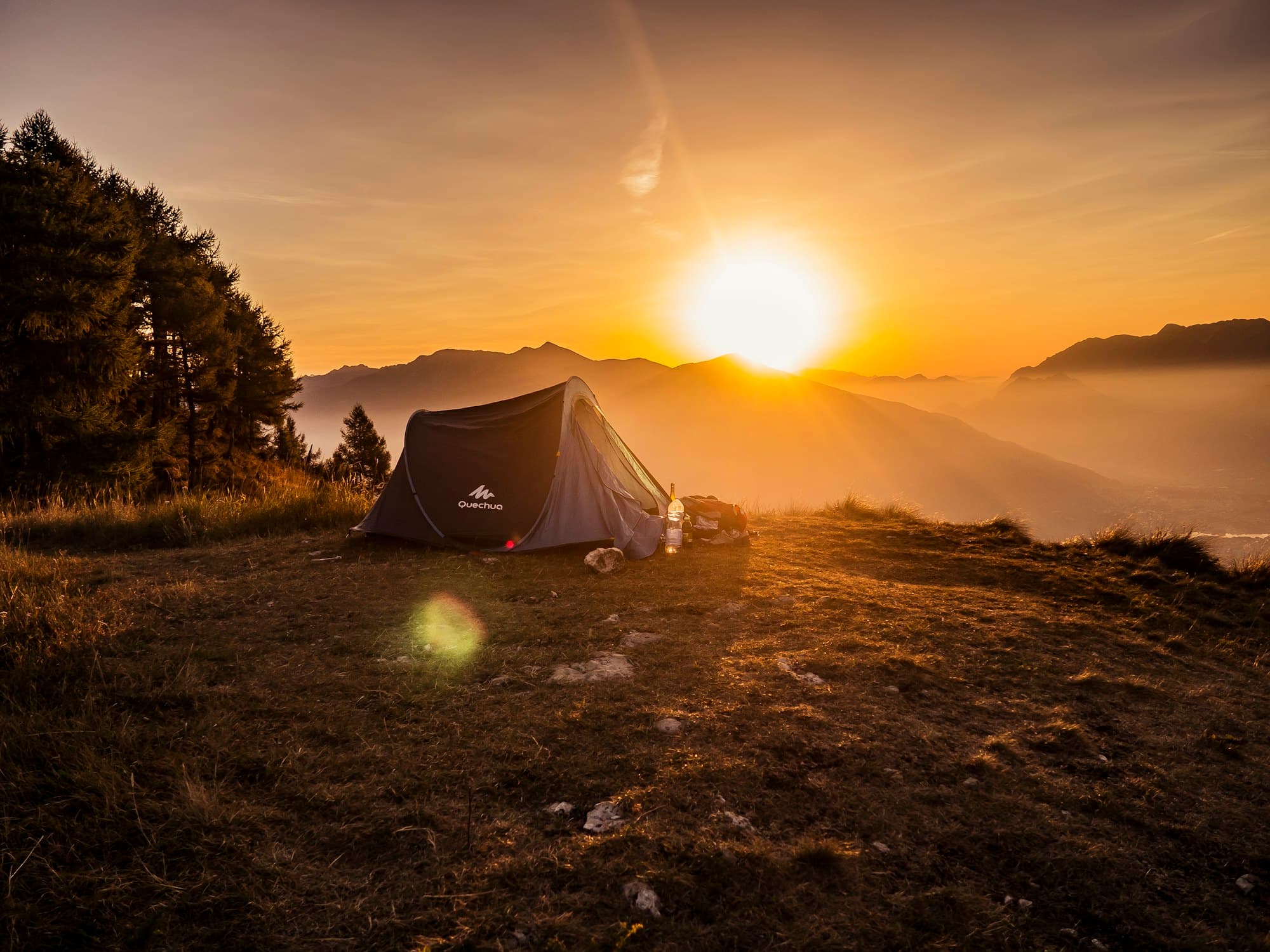
Luxury tented camp glowing at golden hour over rolling savanna hills

Bush dining

Bush Dinner

Dinner by lantern and firelight in the open bush, with the stars overhead and the night’s sounds for company.

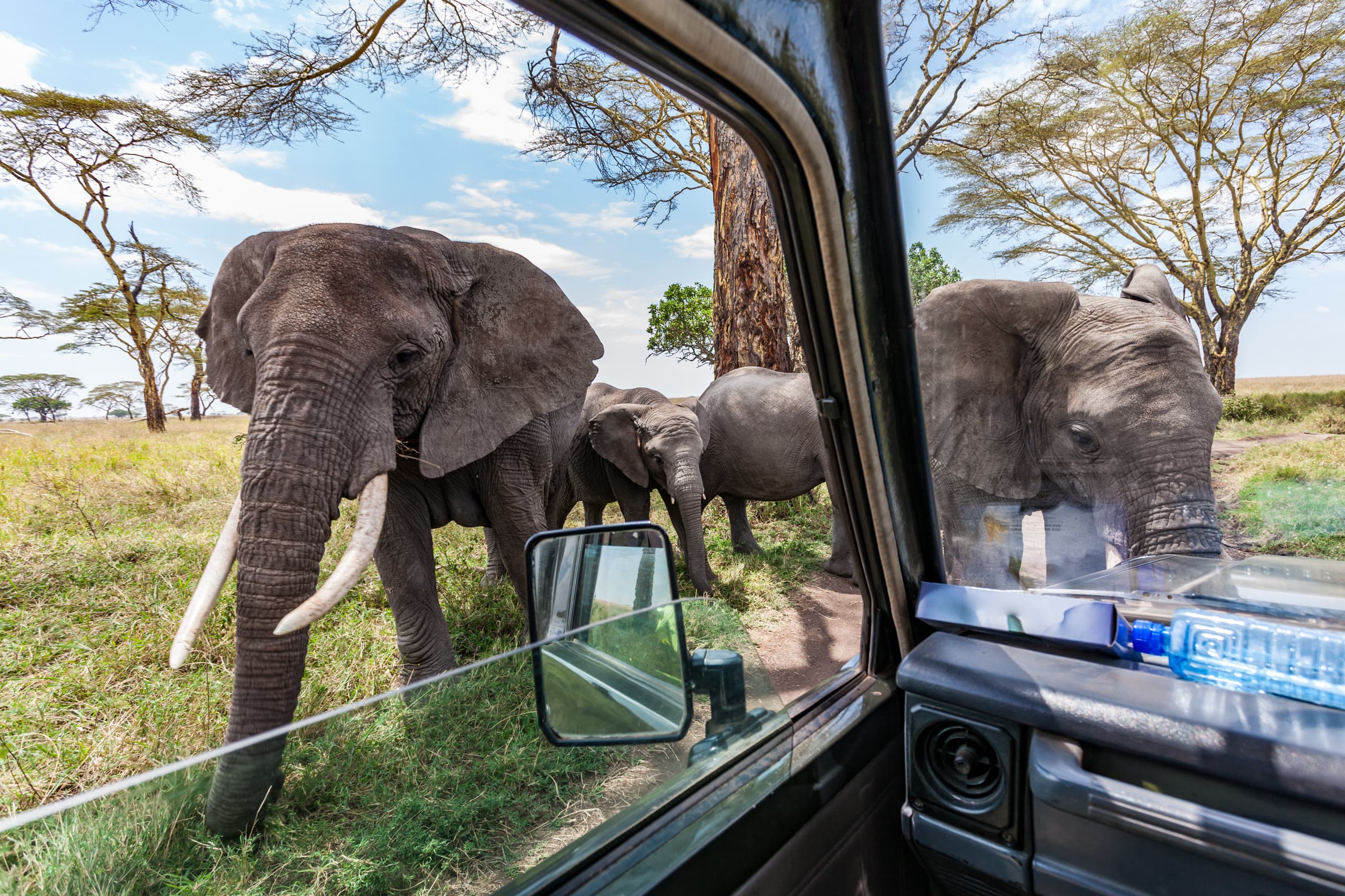
Elephants seen up close from inside a private safari vehicle

Photography

Private Photography Vehicle

A private vehicle set up for cameras — fewer guests, a window each, bean bags and a guide who thinks in light and angles.

Safaris

Safaris That Include Nyerere National Park

Wild kopje-studded savanna of Ruaha National Park
9 daysRemote safari

Ruaha & Nyerere Wilderness

Dar es Salaam · Nyerere · Ruaha

Second-time safari travelers and anyone who wants wilderness without crowds

Best months
June – October
Comfort levels
Premium · Luxury
Individually quoted

Good to know

Frequently asked questions

Why did the Selous become Nyerere National Park?

In 2019 Tanzania upgraded the northern part of the Selous Game Reserve — roughly 30,000 km², including the area used for photographic safaris — to national-park status and named it after Julius Nyerere, the country’s first president. The change placed the area under the national parks authority with a focus on photographic tourism. The southern remainder is still the Selous Game Reserve, and many people continue to call the whole region “the Selous.”

Can I combine Nyerere with Zanzibar?

Easily — it is one of the simplest safari-and-beach pairings in Africa. Light aircraft fly between the park and Zanzibar in roughly an hour, sometimes via Dar es Salaam, so three or four nights in Nyerere followed by a few days on the coast works well. See how we plan safari and Zanzibar trips.

Is Nyerere good for wild dogs?

It is one of the better places in Africa to look for them, and the old Selous has long been regarded as a stronghold for the species. Packs range over huge areas, though, so sightings depend on the season, denning activity and luck. The dry season, when packs may be denning and tied to one area for a few weeks, usually gives you the best odds.

What is a Rufiji boat safari like?

You head out in a small, shaded boat with a guide, usually for two to three hours in the morning or late afternoon. The focus is hippos, crocodiles, elephants at the water’s edge and prolific birdlife, often ending with sundowners on a sandbank. Water levels shape where boats can go, so routes vary through the year.

How does Nyerere compare with Ruaha?

Nyerere offers water — boat safaris, lakes and river scenery — and is quicker to reach from Dar es Salaam and Zanzibar. Ruaha is drier and more rugged, known for big lion prides and kudu, and feels even more remote. They complement each other well, which is why many southern-circuit trips include both.

What is the climate like, and is there malaria?

Nyerere is low-lying, so it is warmer and more humid than the northern parks, especially from October to March. Malaria is present, as in much of Tanzania; speak to a travel-health clinic well before you travel about prevention, and pack long sleeves and repellent for the evenings. Most camps provide mosquito nets.

Open safari vehicle with guests on the savanna beneath a dramatic sunset

Tell Us Your Dates

Share when you want to travel, who is coming and what you hope to see. A safari specialist will design a private Tanzania journey around you — no obligation, and nothing booked until you approve it.

Plan a Nyerere National Park safari