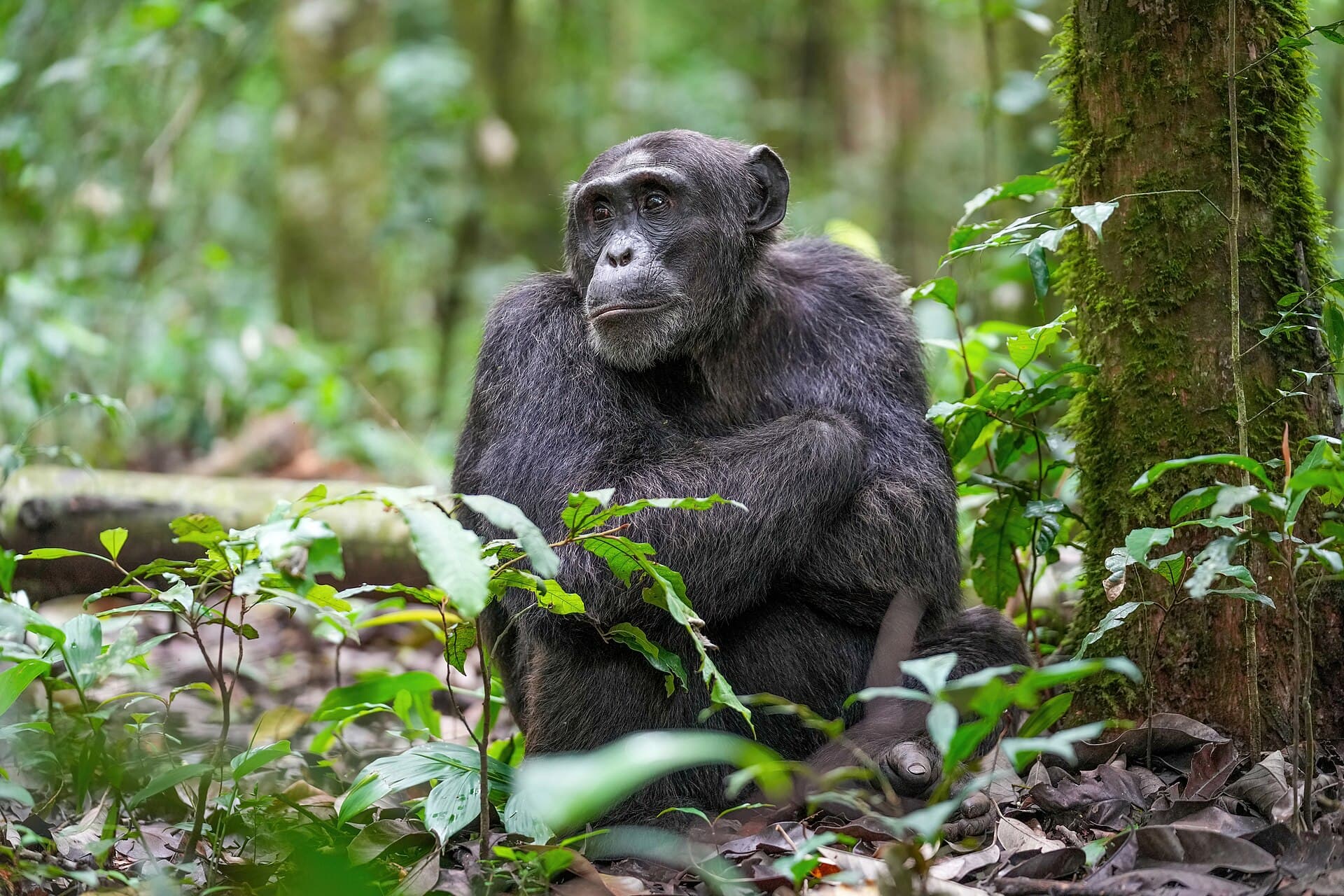
A chimpanzee resting in the forest canopy

Tanzania park guide

Mahale Chimpanzee Safaris

Forested mountains falling straight into Lake Tanganyika, and a chimpanzee community studied by researchers since the 1960s — reachable only by air and water.

SizeAbout 1,600 km² of mountain and forest on Lake Tanganyika
Best timeJuly–October (the drier months); camps close in the long rains
Recommended stay3–4 nights, allowing several trekking attempts
Getting thereLight aircraft (limited scheduled flights or charter), then a boat transfer
Known forHabituated wild chimpanzees and Lake Tanganyika beaches
Best forPrimate lovers and experienced travelers seeking true remoteness

Mahale Mountains National Park

Why Visit

Mahale is one of the most remote and beautiful places you can visit in Tanzania. The Mahale Mountains rise steeply from the eastern shore of Lake Tanganyika — the world’s second-deepest lake — and their lower slopes hold forest that shelters a substantial population of wild chimpanzees. There are no roads into the park: you arrive by light aircraft and then by boat along the shore.

Researchers have studied the chimpanzees here since the 1960s, and one large community is habituated to people. Treks set out from the lakeshore with a park guide and trackers who follow the chimps’ calls and signs; some days you find them within half an hour, other days only after several hours of steep, humid walking. Once you are with them, time is limited — usually about an hour — to watch them groom, feed, squabble and rest.

Between treks, Mahale slows to the rhythm of the lake: a paddle along the shore, a swim in clear water where your guide confirms it is safe, sundowners on a sandy beach as fishing boats head out. It pairs naturally with Katavi National Park on a western fly-in trip, or with Gombe for a primate-focused journey. Before you commit, read how chimpanzee trekking works — it is more physical than most safari days.

Best for

  • Seeing wild chimpanzees in a spectacular setting
  • Experienced safari-goers seeking true remoteness
  • Couples who want forest and beach in one place
  • Pairing with Katavi or Gombe on a western-circuit trip
  • Travelers comfortable with strenuous, humid hikes

Mahale Mountains National Park

Wildlife & Highlights

  • Chimpanzees — a habituated community studied since the 1960s
  • Red colobus, sometimes hunted by the chimps
  • Black-and-white colobus in the higher forest
  • Red-tailed and blue monkeys
  • Yellow baboons along the shore and forest edge
  • Bushbuck and bushpig
  • Leopard — present but rarely seen
  • Forest birds such as turacos, hornbills and crowned eagles
  • Shoreline birds, including fish eagles and kingfishers
  • Lake Tanganyika’s cichlid fish, many found nowhere else on earth

Season

Best Time to Visit

  1. January
  2. February
  3. March
  4. April
  5. May
  6. June
  7. July
  8. August
  9. September
  10. October
  11. November
  12. December
July–OctoberThe drier months and peak season. Trails are firmer and the chimps often range lower on the slopes, which can mean shorter treks, though nothing is predictable. The lake is usually calm and clear.
November–FebruaryWetter, with short rains and afternoon storms. Camps are generally open until the long rains, the forest is lush and visitors are few, but chimps may range higher and treks can be long and slippery.
March–MayThe long rains. Camps typically close for all or part of this period, and the park receives very few visitors.

Mahale Mountains National Park

Areas to Know

Lakeshore & forest

The narrow strip where forest meets Lake Tanganyika is where life in Mahale happens. Camps sit on the beach, and chimp treks begin a short walk from the sand, climbing into gallery forest laced with streams and fig trees. When you are not trekking you can paddle along the shore, swim where your guide confirms it is safe, or watch the lanterns of night-fishing boats flicker across the water after dark.

Best for: Chimp trekking, lake time and beach downtime

The Mahale Mountains

Behind the shore the range climbs to Nkungwe, at about 2,460 m the highest point in the park, with montane forest, bamboo and grassland on the upper slopes. Few visitors go beyond the forest belt; hiking higher is a serious undertaking that must be arranged well in advance with the park and suits only fit, self-reliant walkers. For most, the mountains are the backdrop: a dramatic, cloud-wrapped wall above the lake.

Best for: Views, serious hikers and a sense of true wilderness

Mahale Mountains National Park

Getting There

There are no roads into Mahale, so this is a true fly-in safari: light aircraft land at the park’s airstrip — scheduled services are limited and typically run only on certain days in season, so charters are common — and a boat then carries you along the lakeshore to camp. Flights from Arusha are long, usually with stops, and are often combined with Katavi National Park. You can also reach Kigoma by scheduled domestic flight and continue by boat, a much longer lake journey. Light-aircraft luggage is typically limited to about 15 kg (33 lb) per person in soft-sided bags.

Drive or fly?

Flying is effectively the only realistic way in. Because scheduled light-aircraft services run on a limited timetable, your dates in Mahale are often set by the flight schedule — or by the cost of a private charter — so we plan this leg first and build the rest of the trip around it. The boat route from Kigoma suits adventurous travelers with time to spare, but it is long, weather-dependent and far less comfortable.

Airstrips

  • Mahale airstrip
  • Kigoma airport (for boat access)

Typical drive times

Mahale airstrip (by boat)
roughly 1.5–2 hours to the lakeshore camps
Katavi (by air)
about 1 hour by light aircraft
Arusha (by air)
roughly 3.5–5 hours by light aircraft, with stops
Kigoma (by boat)
roughly 4–6 hours by private speedboat; far longer by public lake transport

Stays

Where to Stay

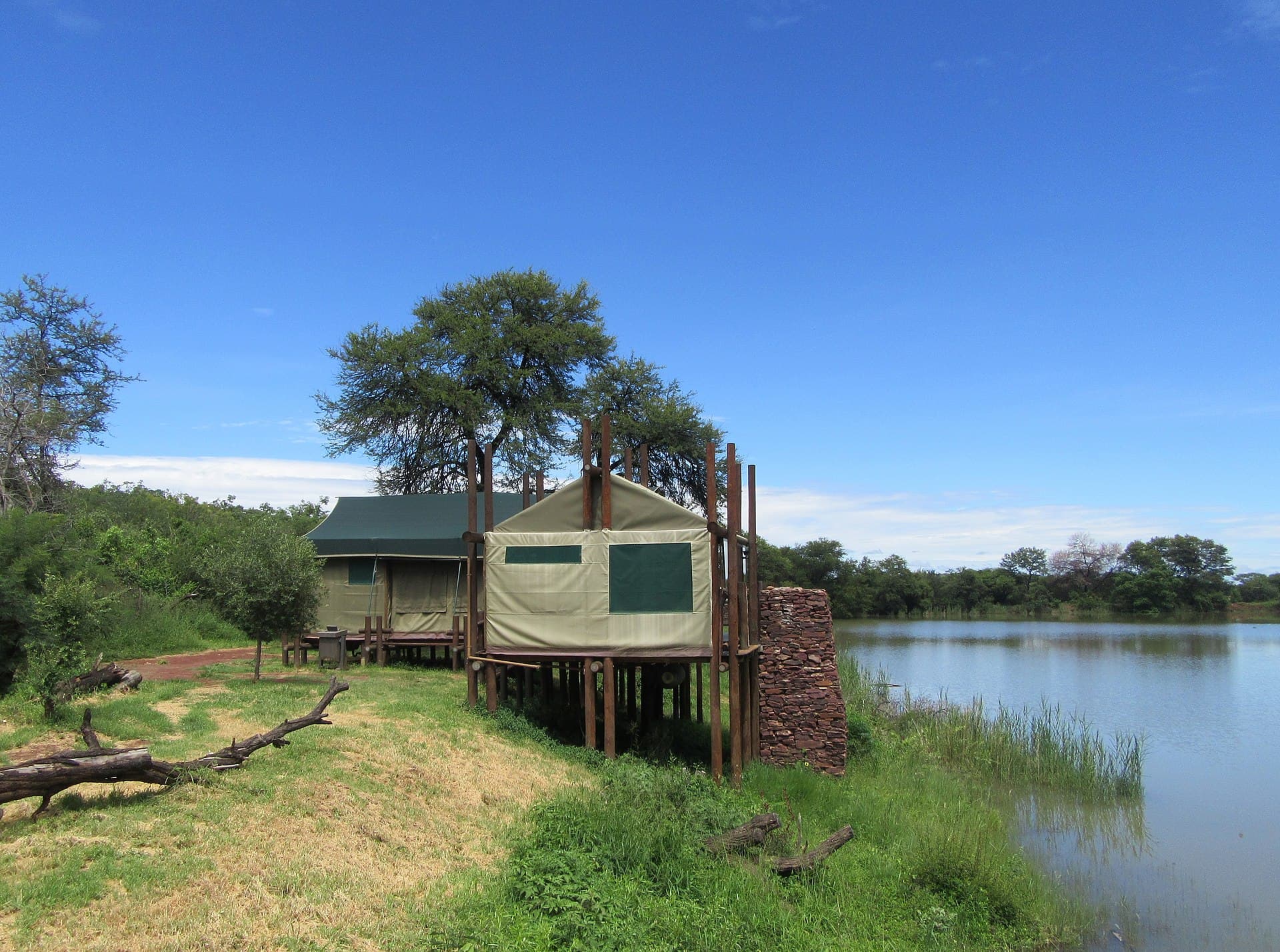
Accommodation in Mahale is limited to a very small number of lakeshore camps — simple, stylish and barefoot, with thatched or tented rooms opening onto the beach. Solar power, little or no connectivity and a small group of fellow guests are part of the charm. Because space is so limited and camps close in the long rains, Mahale books up early for the drier months, so we reserve it first, often many months ahead.

A canvas safari tent set among trees at a private tented campLuxury

Mahale · Lake Tanganyika shore

Lakeshore Chimpanzee Camp

Bush camp · Typically closed during the long rains, roughly mid-March–May

Thatched rooms open onto a sandy Lake Tanganyika beach, with forested mountains rising behind and chimpanzees living in the forest above. Days are for tracking the chimps on steep trails with a guide, and evenings for the clear lake and sunsets toward the far Congolese shore.

  • A small number of thatched rooms facing the lake
  • Chimpanzee trekking on steep forest trails; sightings are never certain
  • Kayaking and dhow trips on the lake
  • Remote access by light aircraft, then boat

Ideal for: Adventurous couples who want wild chimpanzees, a lake beach and complete remoteness
Experiences

Experiences

A chimpanzee resting in the forest canopy

Primates

Chimpanzee Trekking in Mahale & Gombe

Trek through forest above Lake Tanganyika to spend time with wild chimpanzees in two of Africa’s most storied primate parks.

Getting around

Fly-In Safari

Hop between parks by light aircraft, trading long drives for more time on the ground and a bird’s-eye view of the country in between.

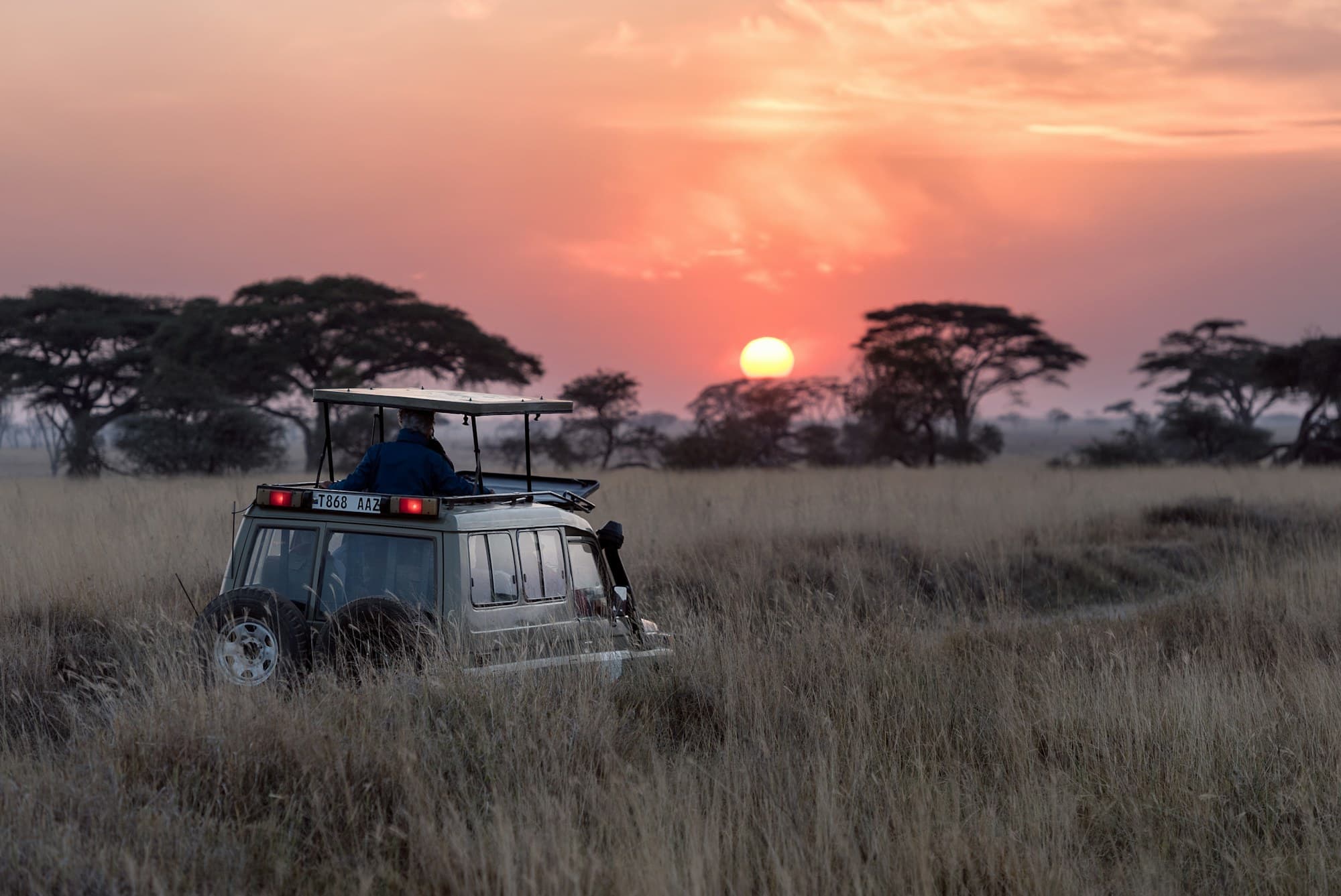
Open safari vehicle with guests on the savanna beneath a dramatic sunset

Bush dining

Sundowners

End the day parked on a kopje or riverbank with a cold drink in hand as the sun drops quickly over the bush.

Good to know

Frequently asked questions

How close can you get to the chimpanzees?

The park sets a minimum viewing distance — commonly around 10 m (about 33 ft) at the time of writing — along with health rules such as wearing a face mask near the chimps and not trekking if you are unwell. Habituated chimps sometimes move closer than that of their own accord; if they do, your guide will ask you to step back. Rules vary and change, so your guide briefs you on the current ones before each trek.

How hard is chimpanzee trekking at Mahale?

It can be demanding. Trails are steep, humid and sometimes muddy, and a trek can last anywhere from under an hour to most of a day, depending on where the chimps are. Good boots, light gloves for grabbing vines and a reasonable level of fitness all help, and your guide sets a pace that suits the group.

When is the best time to visit Mahale?

The drier months, roughly July to October, are usually best: trails are firmer and the chimpanzees may range lower on the slopes, closer to camp. Camps close during the long rains, roughly March to May, so check dates early. The wetter months either side can still be rewarding, but treks may be longer and harder.

Is Gombe or Mahale better?

They suit different travelers. Mahale is wilder and more scenic, with a much larger chimpanzee population and lakeshore camps, but it takes more time and usually more investment to reach. Gombe is smaller, easier to reach from Kigoma and steeped in Jane Goodall’s research history, so it fits a shorter trip. With time to spare, Mahale is usually the richer experience.

Can I combine Mahale with a classic safari?

Yes. Mahale is commonly paired with Katavi National Park for big game, or added after a northern-circuit safari by flying from Arusha. Because scheduled flights run only on certain days, the flight calendar usually decides which comes first.

Is there a minimum age for chimpanzee trekking?

Yes. The park sets a minimum age for chimpanzee visits, partly to protect the chimps from illnesses that children commonly carry. The exact rule can change, so we confirm it when planning; families with younger children are usually better suited to a classic safari.

Open safari vehicle with guests on the savanna beneath a dramatic sunset

Tell Us Your Dates

Share when you want to travel, who is coming and what you hope to see. A safari specialist will design a private Tanzania journey around you — no obligation, and nothing booked until you approve it.

Plan a Mahale Mountains National Park safari