Destination guide

Kasanka’s Bat Migration & Bangweulu’s Shoebills

Two of Africa’s strangest wildlife spectacles in northern Zambia: millions of fruit bats at Kasanka in November, shoebills in the Bangweulu swamps from May.

SizeKasanka about 400 km²; Bangweulu about 6,000 km²
Best timeMid-October–December for bats (peak mid-November); late May–August for shoebills
Recommended stay2–3 nights at each, usually on separate trips
AccessLight aircraft to park airstrips, or long drives from Lusaka on the Great North Road
Known forThe fruit-bat migration, sitatunga, shoebill and black lechwe
Managed byKasanka Trust (since 1986); African Parks with community boards and DNPW at Bangweulu (since 2008)

Kasanka & the Bangweulu Wetlands

Why Visit

The Kasanka bat migration is one of the great sights of the natural world. From around mid-October, an estimated 8–10 million straw-coloured fruit bats gather in a small patch of evergreen swamp forest in Kasanka National Park, northern Zambia. At dusk they stream out in waves to feed across the surrounding countryside, and before sunrise they pour back in. Wikipedia calls it the greatest known mammal migration, and the Kasanka Trust, which manages the park, puts the colony at over 10 million.

Not far to the north lie the Bangweulu Wetlands, whose name means “where the water meets the sky”. This community-owned wetland of about 6,000 km² is home to some 60,000 people and is the only place to see the endemic black lechwe in the wild. It’s also Zambia’s great stronghold of the shoebill, a tall, slate-grey bird with a bill like a clog, which local guides search for on foot and by canoe.

The crucial planning point is that the two rarely fit one trip. Bats peak in November, while shoebills are easiest from late May to August, and Bangweulu’s camp is closed at high water. Pair Kasanka with Liuwa or South Luangwa in November, as on our 9-Day Kasanka Bats & Liuwa Wildebeest Private Safari, and Bangweulu with the Luangwa Valley in the dry season. Both areas are run by conservation partnerships that reinvest in the land and its people, the kind of travel our responsible travel approach favors.

Best for

  • Witnessing one of the largest mammal gatherings on Earth
  • Birders determined to see a shoebill
  • Travelers drawn to conservation stories and community-owned land
  • Repeat Zambia visitors looking for something new

Kasanka & the Bangweulu Wetlands

Wildlife & Highlights

  • Straw-coloured fruit bats, an estimated 8–10 million at peak
  • Eagles and other raptors hunting the bats at dusk
  • Sitatunga, watched from the 18 m Fibwe hide over the Kapabi swamp
  • Puku and Kinda baboons in Kasanka’s woodland and grassland
  • Tigerfish in Kasanka’s Luwombwa River
  • Shoebill in the Bangweulu swamps, easiest from late May to August
  • Black lechwe, found in the wild only at Bangweulu
  • Several hundred bird species across both areas

Season

Best Time to Visit

  1. January
  2. February
  3. March
  4. April
  5. May
  6. June
  7. July
  8. August
  9. September
  10. October
  11. November
  12. December
Mid-October–DecemberBat season at Kasanka. The first bats arrive around mid-October, numbers peak around mid-November and most have gone by late December. A seasonal bush camp runs for these weeks. It’s hot, with the first storms, and not the time for Bangweulu.
January–AprilThe rains fill Bangweulu to its widest and the wetlands teem with birds, but the island camp and campsite close at high water. Kasanka stays open all year, quiet and green.
May–AugustBangweulu’s season. The island camp opens on 1 May, and shoebills are easiest to find from late May to August as the water drops; black lechwe gather on the floodplains. Kasanka is pleasant for sitatunga and walks, without the bats.
September–mid-OctoberHot and dry. Shoebills become significantly harder to find at Bangweulu from September, and Kasanka waits quietly for the bats to return.

Kasanka & the Bangweulu Wetlands

Areas to Know

Kasanka’s bat forest

The roost is a patch of evergreen swamp forest known as mushitu, where the bats hang in dense clusters that bend the branches. You watch from raised hides and viewing points at the forest edge at dusk, as the sky fills, and again before dawn, when the bats return in softer light. A wide-brimmed hat is wise.

Best for: The bat spectacle, mid-October to December

Fibwe hide & Kasanka’s rivers

An 18 m hide built in a mululu tree looks over the Kapabi swamp, where shy sitatunga emerge at the edges of the day. Beyond it, open grassy plains hold puku, and the Luwombwa River offers quiet boating and fishing. This side of Kasanka is worth a night even outside bat season.

Best for: Sitatunga and year-round wildlife

The Bangweulu swamps

A maze of papyrus channels, floodplains and islands, Bangweulu is managed by African Parks with six Community Resource Boards and DNPW. Guides from the local community lead shoebill searches on foot and by canoe, and the floodplains carry herds of black lechwe. African Parks also runs a shoebill rearing center at Chikuni.

Best for: Shoebills and black lechwe, roughly May–August

Kasanka & the Bangweulu Wetlands

Getting There

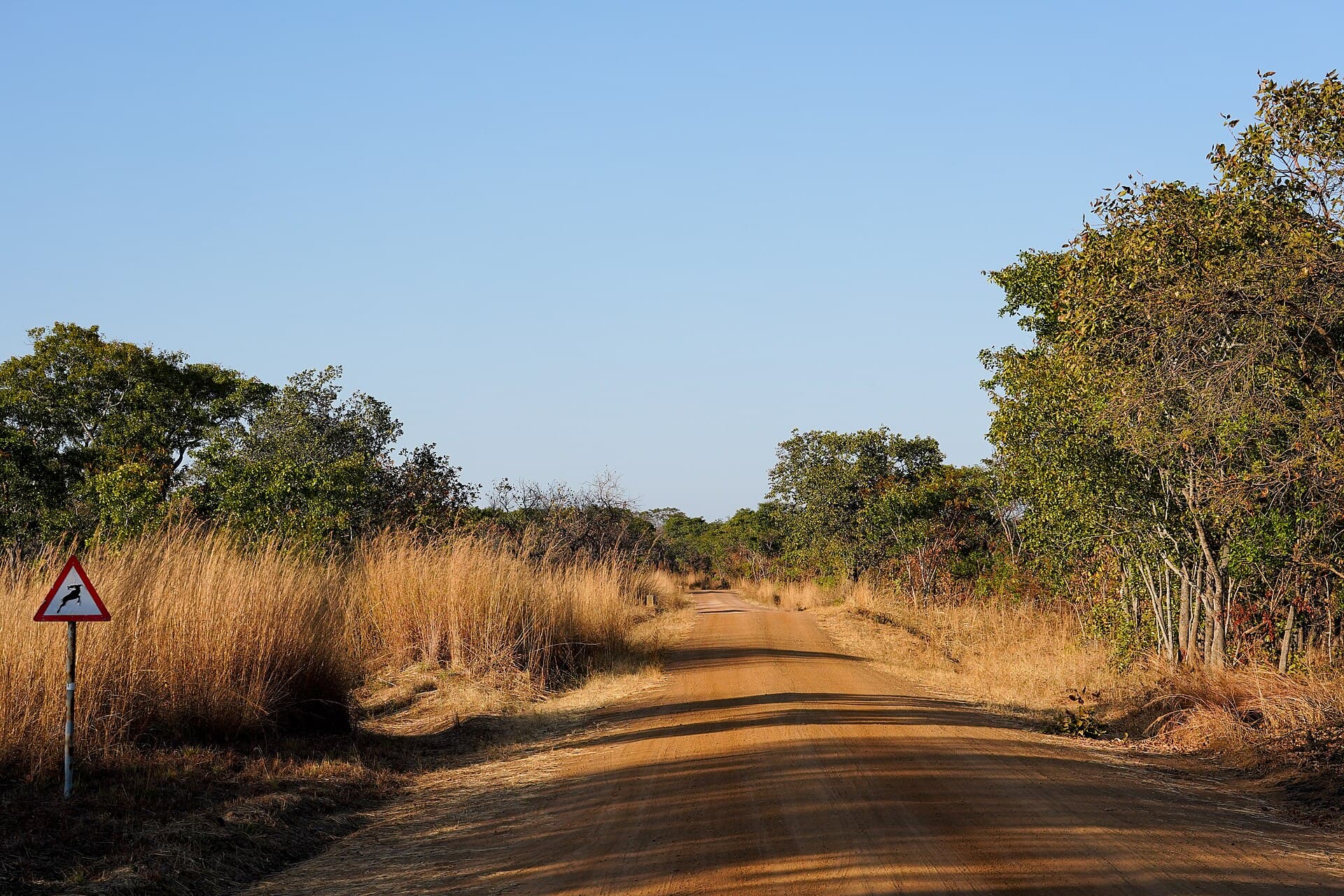
Kasanka lies off the Great North Road, a long drive north-east of Lusaka, and many visitors fly by light aircraft to the park’s own airstrip. Bangweulu is deeper in: roads leave the Great North Road via Lavushi Manda National Park and are usable only in the dry season, while light aircraft land at Chimbwi, a grass strip that’s generally dry from June, or at the gravel strip at Inja. Distances in northern Zambia are large and roads slow, so we usually suggest flying at least one leg.

Drive or fly?

Flying makes sense for most private travelers: it turns a long day on the Great North Road into a short hop and, at Bangweulu, avoids tracks that only open in the dry season. Driving suits travelers linking several northern sites on a slower overland loop with a private driver-guide, with time to stop in small towns along the way.

Airstrips & airports

  • Kasanka
  • Chimbwi (Bangweulu)
  • Inja (Bangweulu)

Typical travel times

Lusaka to Kasanka via the Great North Road
A long day by road
Kasanka to Bangweulu
Dry season only, via Lavushi Manda

Stays

Where to Stay

Stays here are few and simple, and much of what you spend goes back into conservation. At Kasanka, the trust runs a lakeside lodge and a riverside lodge and, for the bat season only, a seasonal bush camp close to the roost. At Bangweulu there’s a small island tented camp in the swamps, open from May until high water returns. Expect comfortable, well-run rooms rather than luxury, and book early for November at Kasanka.

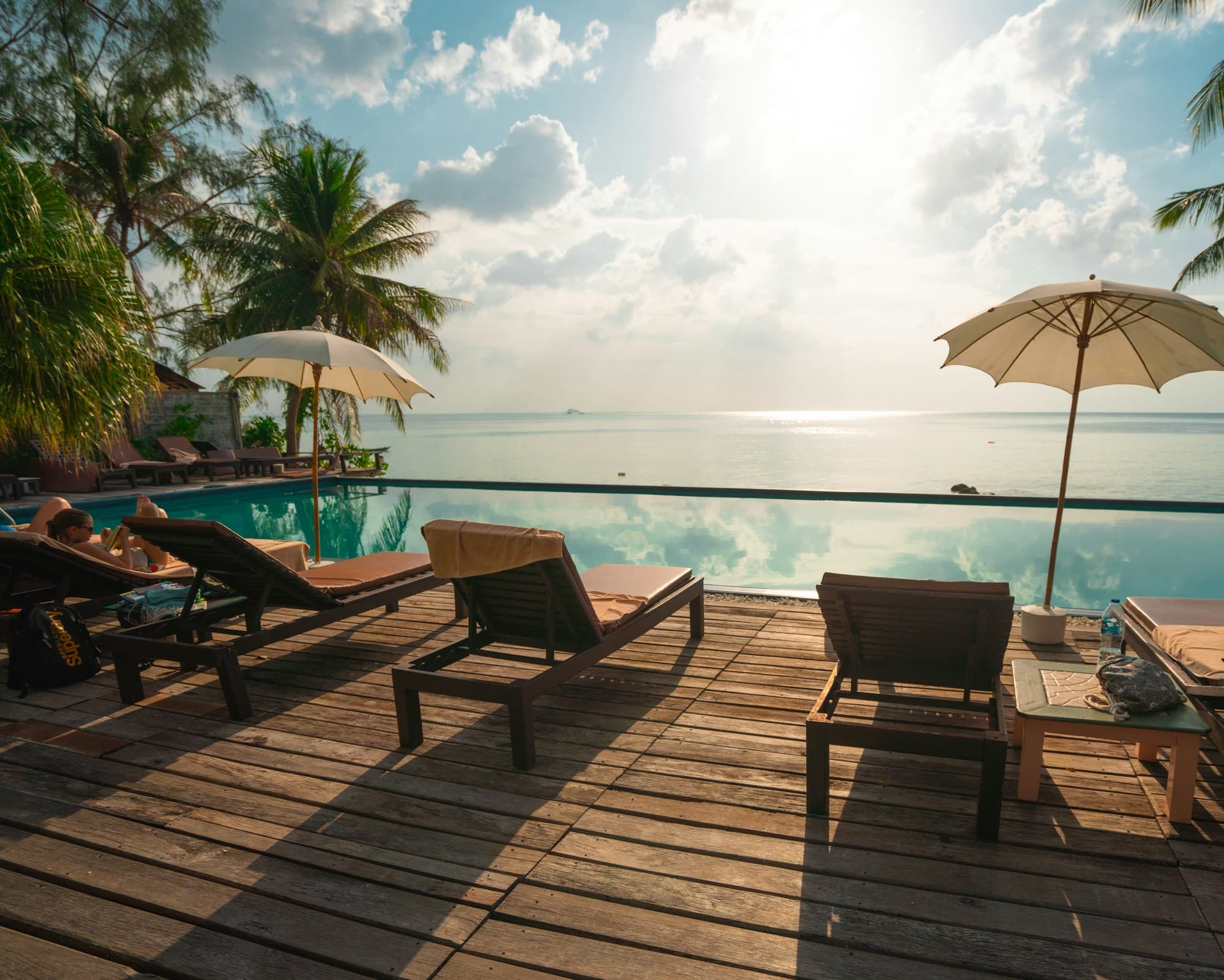
Luxury lodge deck with loungers and umbrellas at golden hourPremium

Kasanka · conservation-trust lodge on a lake

Trust-Run Lakeside Lodge

Lodge · Open most of the year; bat season books out early

Simple chalets overlooking a small lake in Kasanka, run by the conservation trust that manages the park, so tourism revenue goes back into protecting it. Puku graze the lakeshore, the birdlife is outstanding, and the bat forest and the sitatunga hide are a drive away.

  • Simple chalets overlooking the lake
  • Guided bat viewing and hides
  • Birding and walks
  • Revenue supports the park

Ideal for: Naturalists and photographers who want their stay to support conservation while they watch the bats
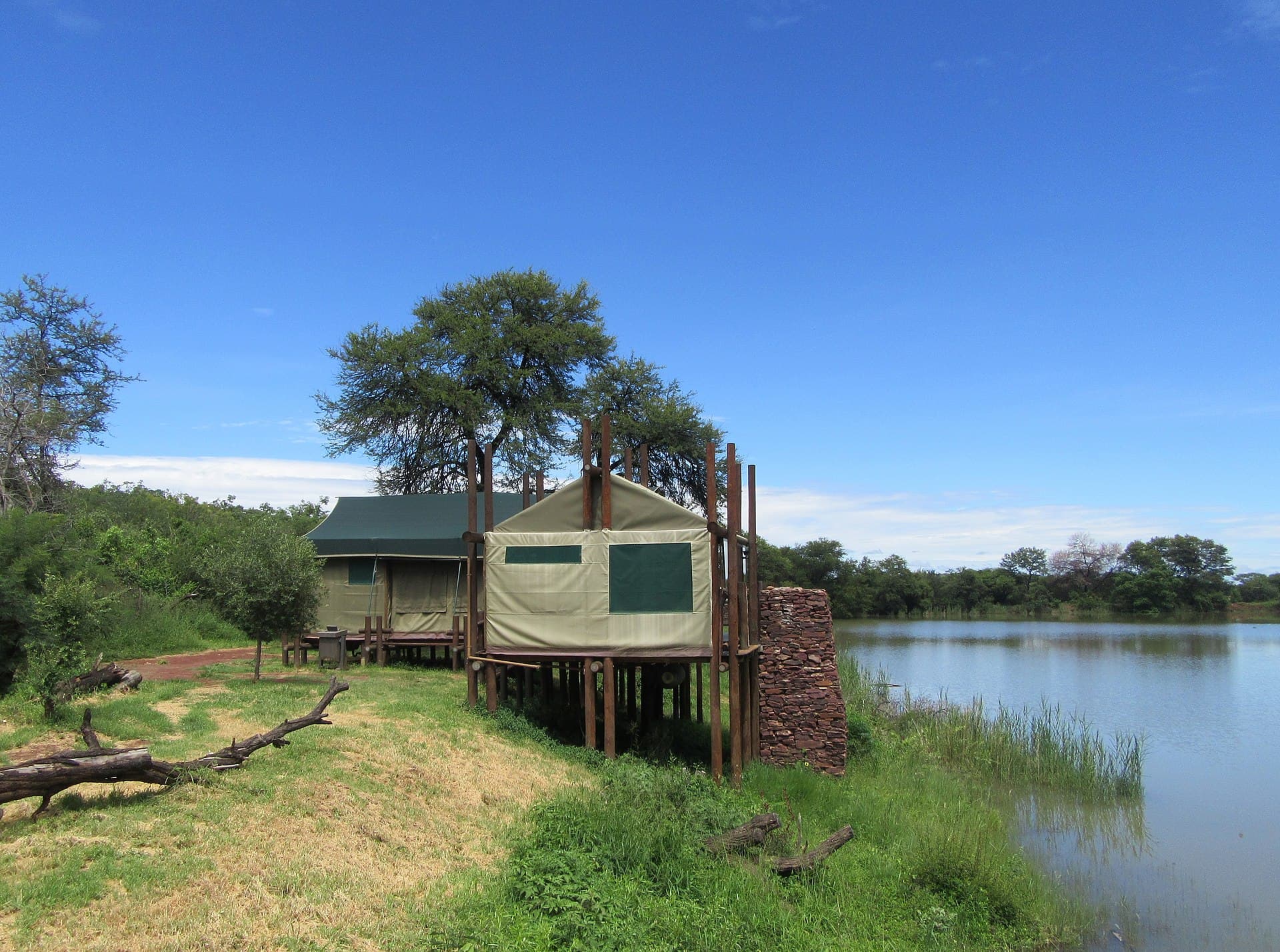
A canvas safari tent set among trees at a private tented campPremium

Kasanka · seasonal camp for the bat migration

Bat-Season Bush Camp

Tented camp · Typically late October–early December

A temporary tented camp put up for just a few weeks each year, when the fruit bats fill Kasanka’s swamp forest. Everything revolves around dawn and dusk visits to the roost, with comfortable tents, shared meals and guides focused on the migration.

  • Comfortable canvas tents
  • Dawn and dusk trips to the roost
  • A small number of guests
  • Open only for the bat weeks

Ideal for: Photographers and wildlife lovers who want to be close to the roost at the peak

A canvas safari tent set among trees at a private tented campPremium

Bangweulu · island camp in the swamps

Swamp-Island Tented Camp

Tented camp · Typically from May; closed at high water (around February–April)

A small tented camp on an island in the Bangweulu Wetlands, a community-owned area managed by its residents with African Parks. Days are spent by canoe and on foot through the swamps looking for shoebills, with herds of endemic black lechwe on the surrounding floodplain.

  • A few tents on an island in the swamps
  • Canoe and walking trips in search of shoebills
  • Large herds of black lechwe
  • Shoebills easiest from late May to August

Ideal for: Birders and adventurous travelers who want to look for shoebills in a remote wetland

Safaris

Safaris That Go Here

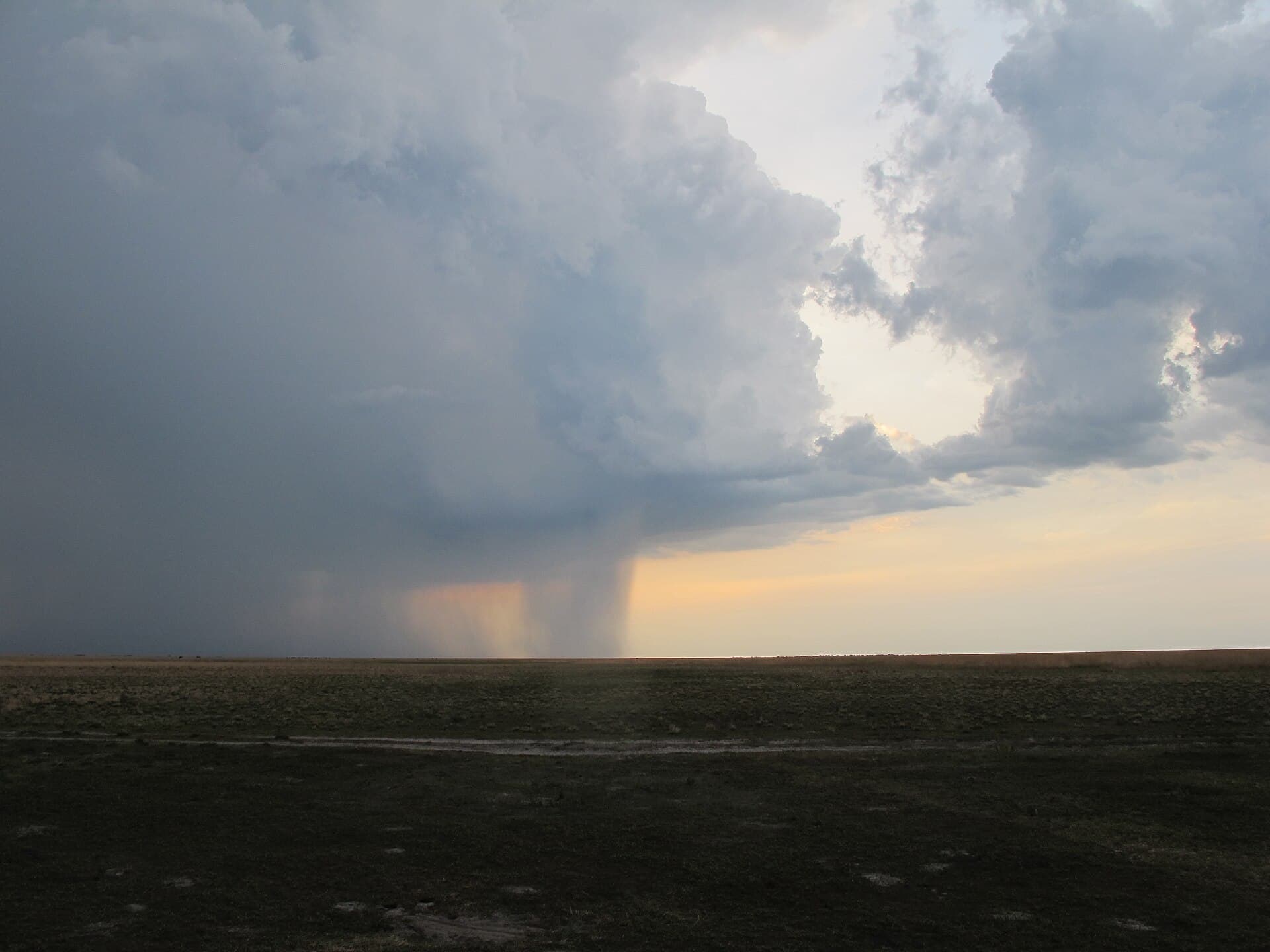
Storm light over the open grass plains of Liuwa
9 daysNovember only

Zambia’s November Migrations

Lusaka · Kasanka · Liuwa Plain · Livingstone · Victoria Falls (Mosi-oa-Tunya)

Repeat safari-goers, photographers and naturalists who want spectacles few travelers see

Best months
November (bats from late October)
Comfort levels
Premium · Luxury
Individually quoted

Good to know

Frequently asked questions

When is the Kasanka bat migration?

The bats begin arriving around mid-October, reach peak numbers around mid-November and are largely gone by late December. Early to late November is the safest window for the densest evening emergence. Exact timing varies slightly from year to year.

Can you see the Kasanka bats and Bangweulu shoebills on the same trip?

Rarely well. The bats peak in November, when shoebills at Bangweulu have become much harder to find, and the best shoebill months, late May to August, come long before the bats arrive. Plan them as separate trips, or choose the one that matters most to you.

How do you watch the bats at Kasanka?

From raised hides and viewing points at the edge of the roost forest, with a guide. You go out at dusk to watch the emergence and again before dawn, when the bats return. Binoculars help you pick out the eagles that hunt them.

Where is the best place to see a shoebill in Zambia?

The Bangweulu Wetlands are Zambia’s shoebill stronghold. Community guides search for them on foot and by canoe from late May to August, before they become much harder to find from September. Sightings are never certain, but few places give you a better chance.

What does it cost to enter Kasanka National Park?

Kasanka is a Category B park, and at the time of writing (September 2026) the most recent fee table from the Department of National Parks and Wildlife, labelled 2025, sets the international rate at US$10 per person per day. Children aged 5–13 pay half. Bangweulu is a community-owned game management area with its own conservation fees, and many stays fold both into their rates.

Hippos in a lagoon beside a bush camp in Kafue

Tell Us When You Can Travel

Share your dates, who is coming and whether you want to walk, paddle or simply watch. A safari specialist will design a private Zambia journey around the seasons, with nothing booked until you approve it.

Plan my safari here