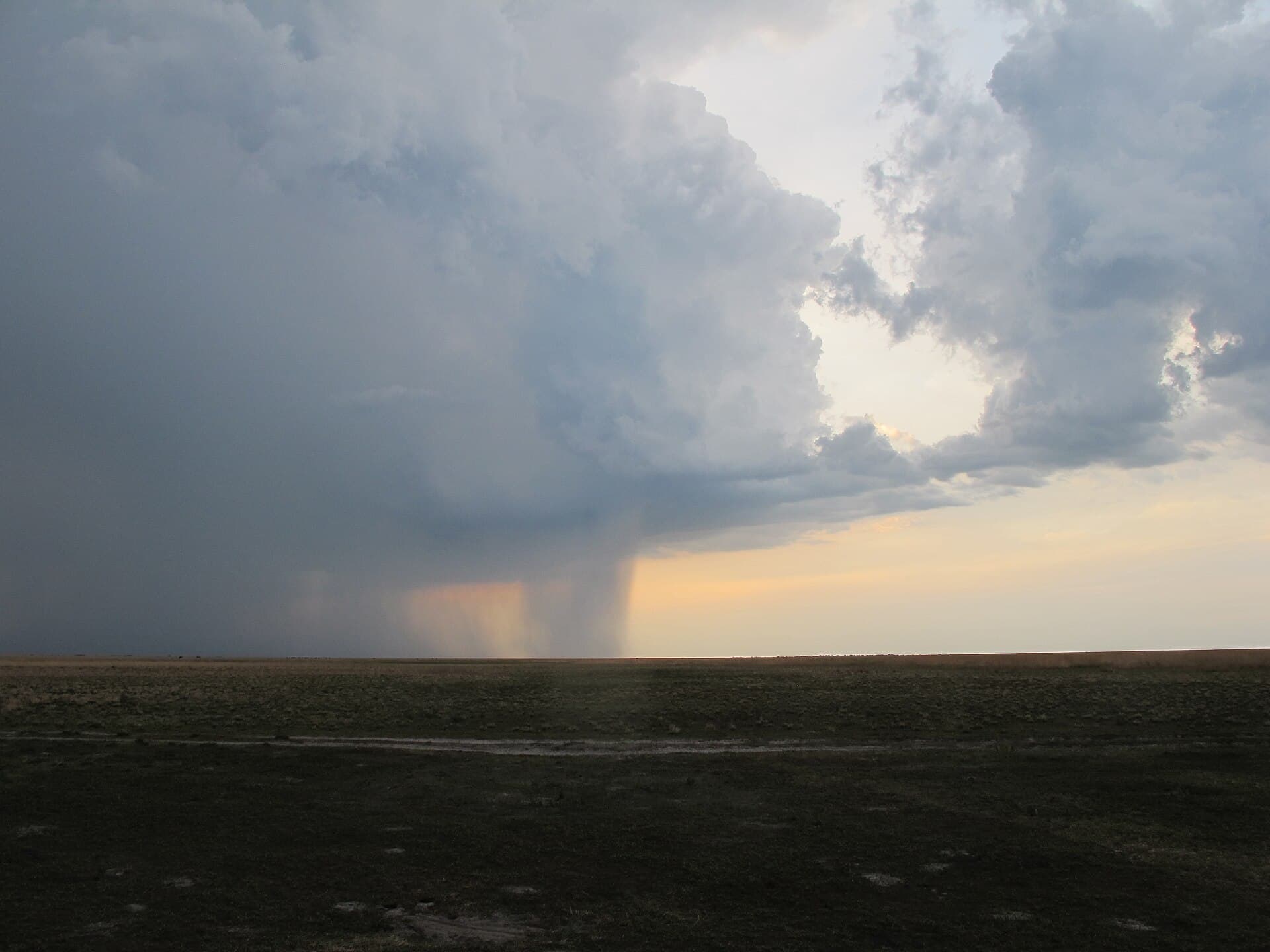
This Zambia November safari is built on timing. Each year from around late October, an estimated eight to ten million straw-coloured fruit bats gather in a small patch of swamp forest in Kasanka National Park, with numbers peaking around mid-November. At the same time, far to the west, the first rains draw the wildebeest herds of the Liuwa Plain onto the open grassland, a migration African Parks describes as the second largest in Africa.
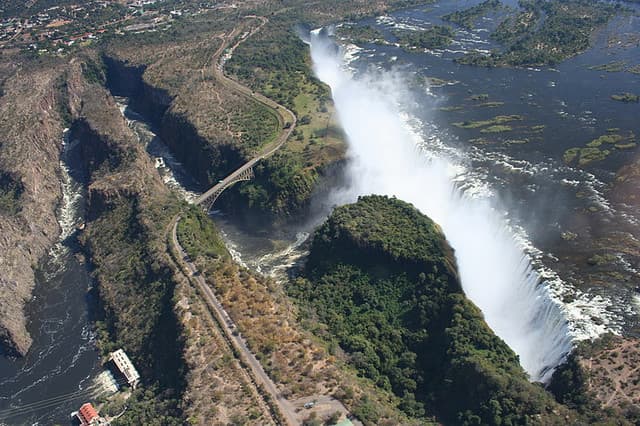
Seeing both in one trip takes careful planning: the parks lie at opposite ends of the country, and each has very few beds. The route uses light aircraft to connect them, allows two evenings and a dawn at the bat roost and three nights on the plains, and ends with two nights at Livingstone, where the Zambian side of the falls is at its lowest and Livingstone Island is usually open for Devil’s Pool. It suits travelers who have already done a classic safari and want something different.
Why this route works
The bats set the dates. Their numbers peak around mid-November, so the trip is built around two nights at Kasanka at that point, with Liuwa and Livingstone following on. A night in Lusaka on arrival absorbs any delay to your international flight before the small-aircraft legs, which are hard to reschedule. Kasanka and Liuwa are more than 800 km apart, so the only realistic link is by light aircraft, routed via Lusaka or through Kalabo or the Matamanene airstrip depending on the season’s flights. Three nights on the plains give you time to follow herds that move with the rain. The falls come last because Livingstone’s airport lets you fly home without returning to Lusaka.