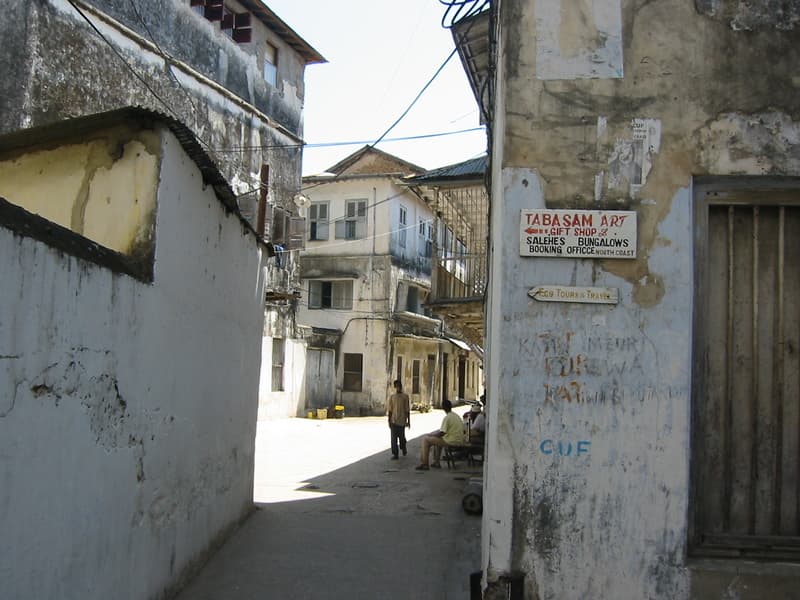
Weathered alleyway in historic Stone Town, Zanzibar

Destination guide

Stone Town, Zanzibar: The Old Town Worth a Night

Coral-stone lanes, carved doors and a seafront that wakes up after sunset — Zanzibar’s UNESCO-listed old town rewards an overnight stay far more than a hurried midday visit.

StatusUNESCO World Heritage Site since 2000, covering about 96 ha of the old town
Best timeJune–October and December–February; early mornings and evenings in any month
Recommended stay1–2 nights, at the start or end of an island trip
Access15–20 minutes by road from Zanzibar Airport; fast ferries from Dar es Salaam dock on the old-town waterfront
Getting aroundOn foot — most lanes are too narrow for cars
Known forCarved doors, the Forodhani night market, Swahili architecture and slave-trade history

Stone Town

Why Visit

Stone Town, Zanzibar’s historic heart, is known locally as Mji Mkongwe — the old town — and has been a UNESCO World Heritage Site since 2000. Its 96 hectares of coral-stone houses, mosques, bazaars and former palaces are, in UNESCO’s words, a fine example of a Swahili coastal trading town, where African, Arab, Indian and European influences were layered over more than a thousand years and blended into something that is none of them alone. Look for the stone baraza benches built along house walls, the carved balconies, and the heavy wooden doors that have become the island’s emblem.

Most visitors meet it on a hot midday excursion from the beach, which is the least flattering introduction. We plan at least one night so you can walk the lanes with a guide between about 8 and 11 a.m., retreat through the heat of the afternoon, then come back out at dusk, when the Forodhani Gardens food stalls light up, the call to prayer drifts over the rooftops and the seafront fills with families. A guided walk on the first morning pays for itself: the lanes are a genuine maze, and a good local guide turns a blur of doors into stories about the merchants, sultans and craftsmen behind them.

Be clear-eyed about what is open. The House of Wonders, Sultan Barghash’s ceremonial palace of 1883 and later the town’s museum of Swahili culture, partly collapsed during renovation on 25 December 2020 and remains closed for restoration at the time of writing (September 2026), so you see it only from outside. The emotional core of a visit lies elsewhere, at Christ Church Cathedral, raised on the site of the slave market that closed in 1873, with a memorial and heritage center that tell that history with care. Stone Town opens our 7-day Stone Town and beach holiday and pairs naturally with a morning spice farm tour.

Best for

  • History and architecture lovers
  • Food-minded travelers — Forodhani, the markets and Swahili cooking
  • A first or last night close to the airport
  • Couples who want an atmospheric start before a beach stay

Stone Town

Wildlife & Highlights

  • Christ Church Cathedral, with the slave-market memorial and heritage center beside it
  • The Old Fort (Ngome Kongwe), an Omani fortress from around 1699, now a cultural venue
  • The Palace Museum, on the sultans’ family life and the story of Princess Sayyida Salme
  • The Old Dispensary’s carved balconies and stained glass, restored after years of decay
  • Carved doors — rounded tops and brass studs in the Indian style, rectangular frames in the Omani style
  • Forodhani Gardens, where grill stalls set up along the seafront after sunset
  • Darajani market, for spices, fruit and the morning fish trade
  • The Hamamni Persian Baths, a 19th-century public bathhouse
  • St Joseph’s Cathedral, whose twin spires are the first landmark you pick out from the sea
  • Rooftop terraces for sunset over the Zanzibar Channel

Season

Best Time to Visit

  1. January
  2. February
  3. March
  4. April
  5. May
  6. June
  7. July
  8. August
  9. September
  10. October
  11. November
  12. December
June–OctoberThe most comfortable months for walking: dry, with highs around 29–30 °C and cooler evenings. July usually brings the Zanzibar International Film Festival to the Old Fort and seafront, which livens up the town and fills hotel rooms early.
December–FebruaryHot and humid, with February the warmest month and early afternoons often above 32 °C. Plan walks for the first hours of daylight and save the shaded lanes and the rooftops for late afternoon. Christmas and New Year are the busiest weeks of the year.
March–MayThe long rains, heaviest in April. Showers tend to arrive in heavy bursts rather than all day, and the lanes drain quickly, but some hotels close for maintenance. In 2027 the Sauti za Busara music festival is scheduled for 19–21 March at the Old Fort.
NovemberThe short rains: brief, unpredictable showers between sunny spells. A pleasant, quieter month in town, with the December rush still a few weeks away.

Stone Town

Areas to Know

The seafront: Forodhani to Shangani

Mizingani Road runs past the Palace Museum, the shuttered House of Wonders and the Old Fort to Forodhani Gardens, where the evening food market sets up after dark. Continue west toward Shangani, the point where the original fishing settlement grew into a town, and you reach the seafront hotels and terraces that catch the sunset over the Zanzibar Channel. The waterfront is the easiest part of Stone Town to navigate and the liveliest at night.

Best for: Sunset, evening strolls and seafront hotels

The inner lanes

Behind the seafront, a tangle of lanes too narrow for cars links mosques, small squares, merchant houses and craft workshops. This is where the finest carved doors survive, where the Hamamni Persian Baths stand, and where Christ Church rises on Mkunazini Road over the site of the former slave market. Getting lost here is part of the pleasure by day; after dark, take a taxi to the nearest wide street and walk the last stretch with someone who knows the way.

Best for: Architecture, history and guided walks

Darajani and Creek Road

Darajani market marks the old town’s eastern edge, with covered halls for fish, meat and spices, fruit piled along the pavements and the island’s daladala minibuses revving nearby. Creek Road, now Benjamin Mkapa Road, follows a filled-in creek that once separated Stone Town from Ng’ambo, ‘the other side’, the newer city beyond. Come early, before the heat, and keep a hand on your bag in the crowds.

Best for: Markets, street life and spice shopping

Islands off the waterfront

Stone Town is the launch point for short boat trips. Changuu, better known as Prison Island, lies about 5.6 km offshore; its prison was finished in the 1890s but never held prisoners, and giant Aldabra tortoises now roam its grounds. Nakupenda sandbank rises only around low tide, so trips follow the tide table, while Chumbe Island Coral Park to the south protects one of the finest reefs in the channel and takes day visitors by arrangement. Our page on dhow sailing and sandbank trips explains how we plan them.

Best for: Half-day boat trips, families and snorkelers

Stone Town

Getting There

Stone Town is the easiest place on the island to reach. Zanzibar’s international airport lies just south of the city, 15–20 minutes away by car, and fast ferries from Dar es Salaam dock at the port on the edge of the old town after a crossing of roughly 1¼–2 hours; even on this domestic route, passports are checked. Your driver can usually reach only the nearest wide street, so porters carry bags the last few hundred meters through the lanes — pack with that in mind. International routes, ferries and island transfers are covered in how to get to Zanzibar.

Drive or fly?

Within Unguja everything moves by road, and Stone Town sits at the hub of the island’s network, which is why it works so well as a first or last night. The real choice is how you arrive from the mainland. From Dar es Salaam the flight takes about 20 minutes and the fast ferry up to two hours; the ferry is pleasant on a calm morning and delivers you straight to the old town, but the UK Foreign Office records several serious ferry disasters between Dar es Salaam and the islands, so we book flights by default and use only established ferry services when you prefer the sea.

Airstrips & airports

  • Abeid Amani Karume International Airport (ZNZ)
  • Stone Town ferry port (fast ferries from Dar es Salaam)

Typical travel times

Zanzibar Airport (ZNZ)
about 15–20 minutes
Spice farms at Kizimbani and Kidichi
about 20–40 minutes
Nungwi and Kendwa
about 1 hour
Paje and the south-east coast
about 1 hour
Dar es Salaam (fast ferry)
about 1¼–2 hours

Stays

Where to Stay

Stone Town’s hotels are mostly converted merchant houses and former palaces. Inside the lanes you sleep behind a carved door in rooms around a central courtyard, climb steep staircases (few buildings have elevators) and take breakfast or sundowners on a rooftop terrace; on the seafront, larger heritage hotels add pools and sea views. Tell us early about mobility or light sleeping: the dawn call to prayer carries across the whole town, and some of the most atmospheric rooms are four floors up. Browse the styles we recommend among our Zanzibar accommodations.

Comfort

Stone Town · old-town lanes

Old-Lane Boutique Townhouse

Boutique hotel

A tall, narrow townhouse deep in the lanes has been turned into a small hotel, with lime-washed walls, carved shutters and a steep staircase up to a rooftop where breakfast comes with views over the tin roofs to the harbor. It puts the markets and the waterfront a few minutes away on foot, at a gentler price level than the grand seafront addresses.

  • A small number of rooms, some with Zanzibari beds
  • Rooftop terrace for breakfast and sunset
  • Short walk to Forodhani Gardens and Darajani market
  • Steep stairs and no lift at most

Ideal for: Independent-minded travelers who want character and location more than facilities
Premium

Stone Town · restored merchant house

Restored Merchant-House Hotel

Heritage hotel

Built around a shaded courtyard for a 19th-century trading family, this style of hotel keeps its original carved doors, stained-glass fanlights and lofty ceilings, with rooms furnished in Zanzibari antiques and brass-bound chests. The rooftop restaurant is one of the best places in town to watch the light fade over the minarets.

  • Courtyard rooms and suites with antique four-poster beds
  • Rooftop restaurant and bar
  • Staff who arrange guides, porters and dhows
  • Stairs throughout; lifts are rare

Ideal for: Couples and culture lovers who want Stone Town’s history in the fabric of the building

Luxury

Stone Town · seafront

Seafront Palace Heritage Hotel

Heritage hotel

Hotels in this style occupy restored palace-era buildings along the waterfront, where sea-view suites open onto the channel and the pool looks out at moored dhows. You get the old town on your doorstep with the spa, dining and service of a fine resort, and cars can usually pull up at the entrance.

  • Sea-facing suites with balconies or terraces
  • Pool overlooking the harbor
  • Spa and more than one restaurant
  • Steps from Forodhani Gardens and the Palace Museum

Ideal for: Honeymooners and travelers who want Stone Town’s atmosphere with space, a pool and polished service

Experiences

Experiences

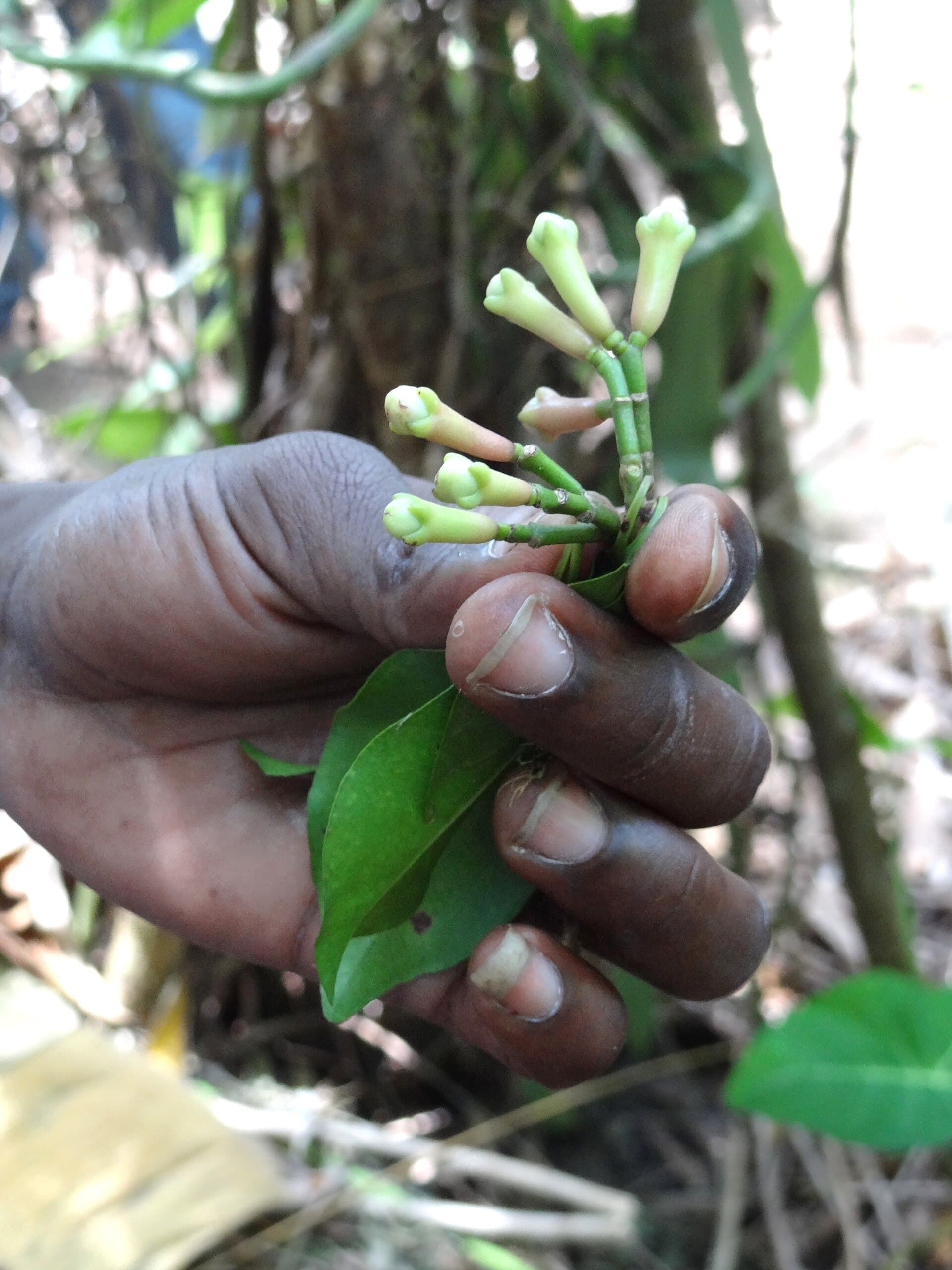
Fresh cloves picked on a Zanzibar spice farm

Culture

Zanzibar Spice Farm Tour

Crush a clove bud, taste fresh nutmeg and learn why Zanzibar became the Spice Islands on a half-day farm walk inland from Stone Town.

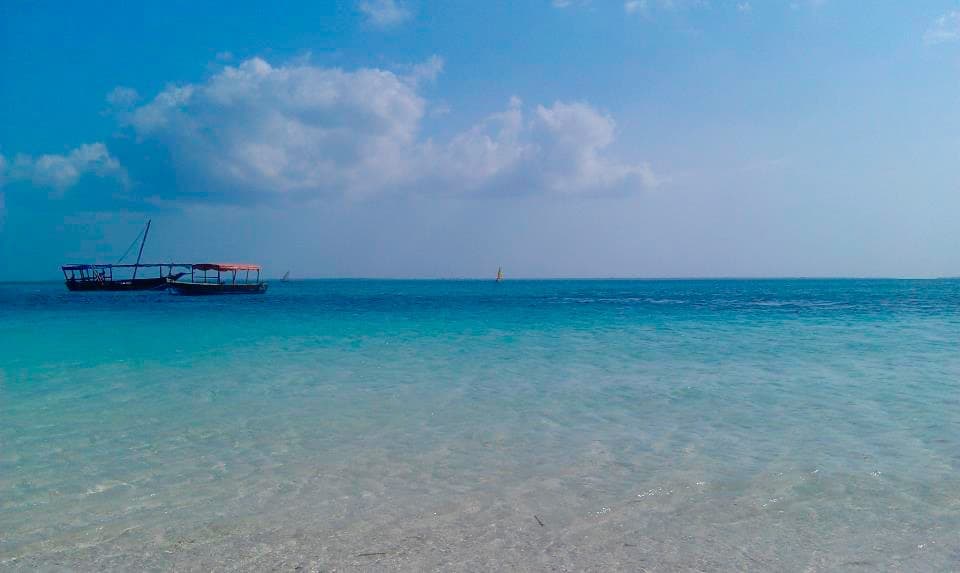
Turquoise water off Nungwi beach with a boat offshore

On the water

Dhow Sailing & Sandbank Trips

Lateen sails at sunset, tide-timed sandbanks and seafood lunches in Menai Bay — Zanzibar from the deck of a wooden dhow.

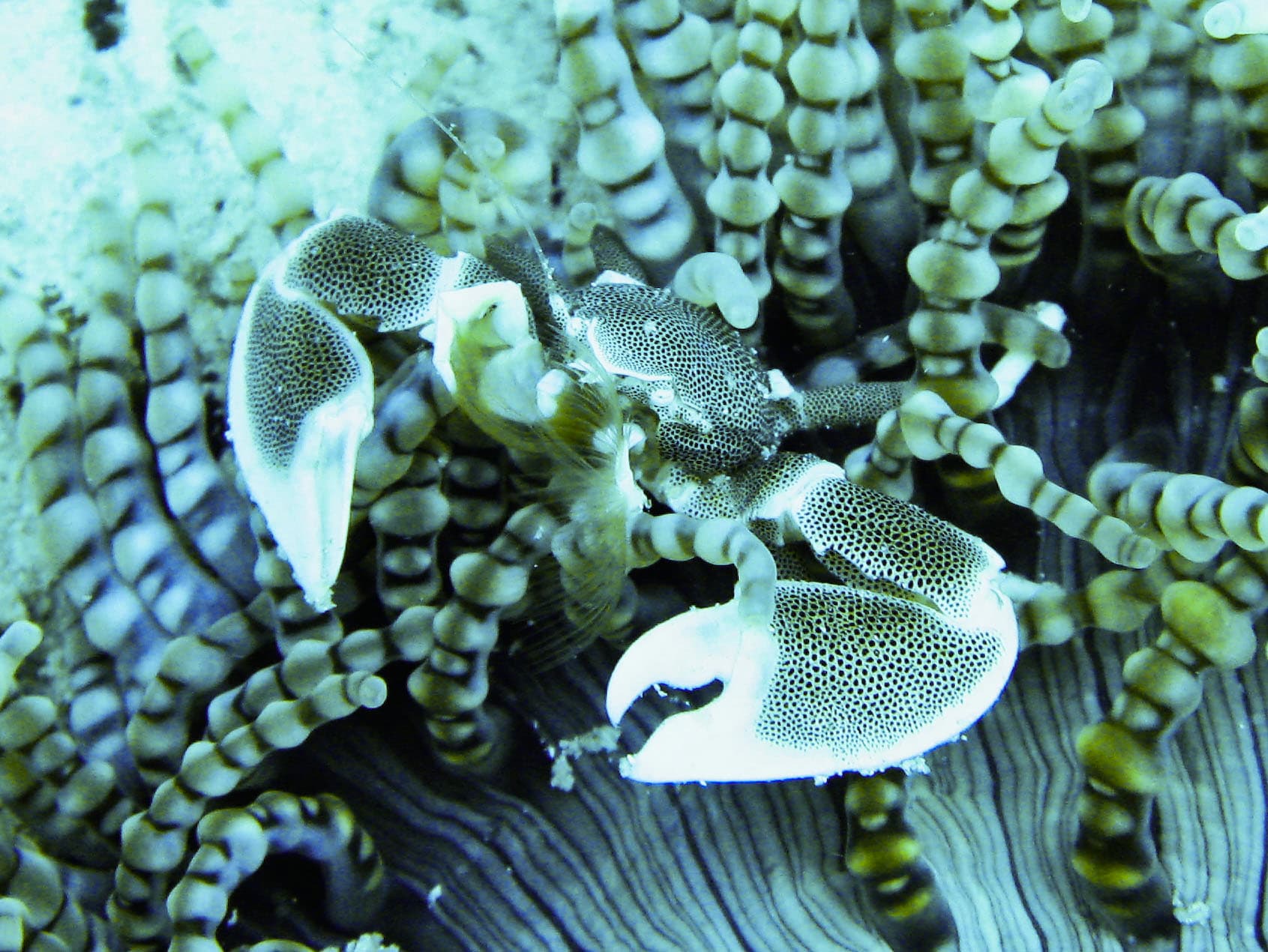
Marine life of the Mnemba atoll reefs

Ocean & reef

Snorkeling & Diving in Zanzibar

From Mnemba’s shallow gardens to Pemba’s deep walls and Mafia’s whale sharks — reefs matched to your level, the month and your flights.

Safaris

Safaris That Go Here

Weathered alleyway in historic Stone Town, Zanzibar
7 daysIsland essentials

Stone Town & Beach

Stone Town · Spice farms (Kizimbani & Kidichi) · Kendwa · Nungwi

First-time visitors, families and anyone who wants history and easy swimming in a single week

Best months
June–October and December–February
Comfort levels
Comfort · Premium · Luxury · Ultra-Luxury
Individually quoted
Traveler greeting the sunset from an infinity pool over the Indian Ocean
9 daysCouples

Zanzibar Honeymoon

Stone Town · Jozani Forest · Jambiani · Matemwe · Mnemba Island

Newlyweds and anniversary couples who want privacy, variety and water on the doorstep

Best months
June–October and December–February
Comfort levels
Premium · Luxury · Ultra-Luxury
Individually quoted
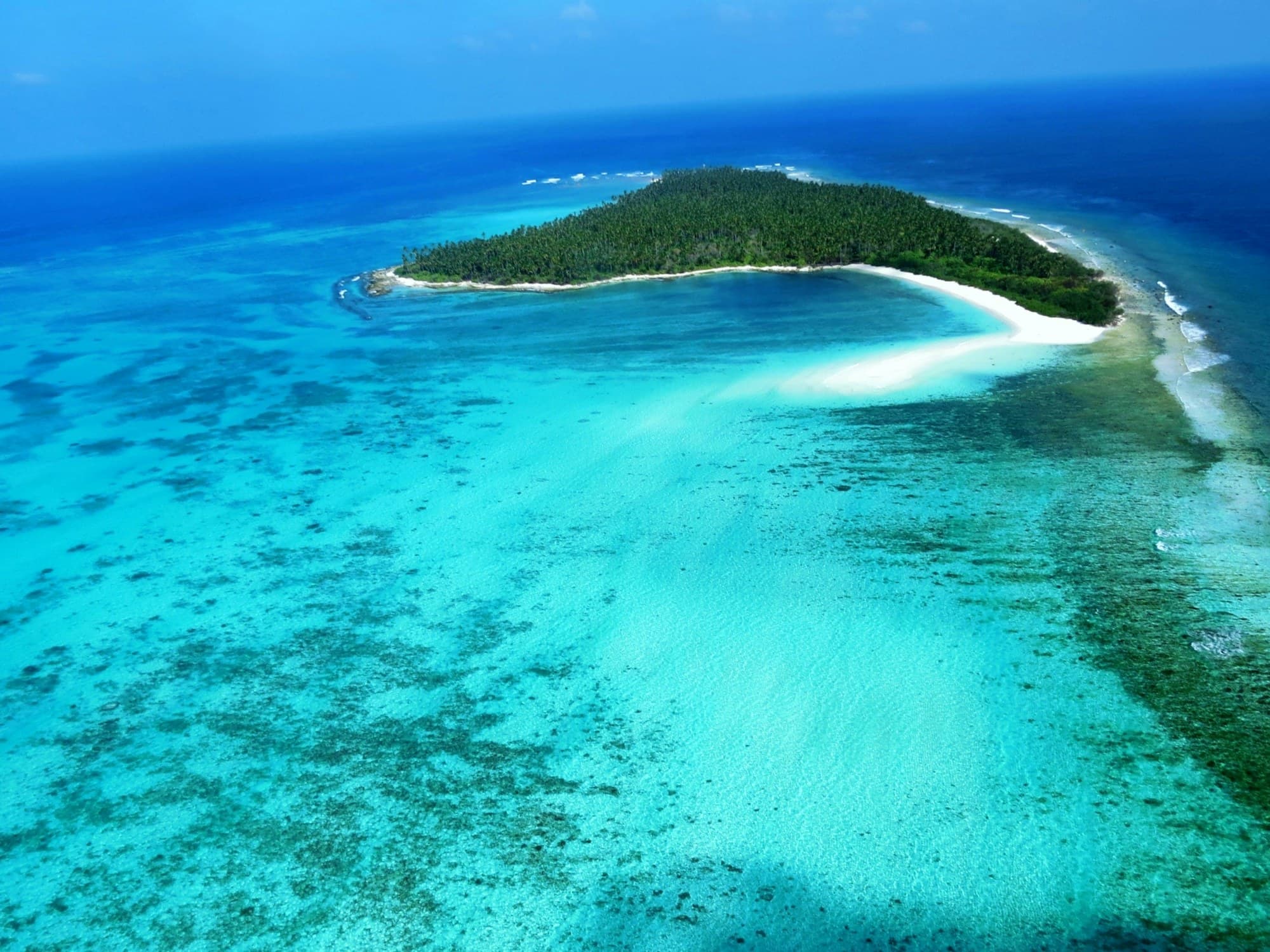
Aerial view of a turquoise reef and white-sand island in the Indian Ocean
10 daysDivers & explorers

Spice Islands Island-Hop

Stone Town · Pemba Island · Misali Island · Mafia Island · Dar es Salaam

Divers, snorkelers and repeat visitors who want the archipelago beyond Unguja’s beaches

Best months
October–February (whale-shark season on Mafia)
Comfort levels
Premium · Luxury
Individually quoted
Herds moving through golden dust at a fiery Masai Mara sunset
10 daysKenya + beach

Masai Mara + Zanzibar

Nairobi · Masai Mara · Zanzibar Airport (ZNZ) · Stone Town · Kendwa

First-time safari-goers and honeymooners who want Kenya’s Mara and a proper beach in one trip

Best months
June–October and December–February (river crossings possible July–October)
Comfort levels
Premium · Luxury · Ultra-Luxury
Individually quoted

Good to know

Frequently asked questions

How many nights should you spend in Stone Town?

One night is enough for the main sights and an evening at Forodhani; two let you add a boat trip, a spice farm or a cooking class without rushing. Beyond that, most travelers are ready for the beach. If you land on a long-haul flight, a first night here also spares you a long transfer at the end of a tiring day.

Is the House of Wonders open?

No. The House of Wonders partly collapsed during renovation work in December 2020 and, at the time of writing in September 2026, remains closed for restoration with no confirmed reopening date. You can still admire its facade from the Forodhani seafront, and the neighboring Palace Museum and Old Fort are usually open. Check the status close to your visit.

Is a guided Stone Town tour worth it?

Yes, at least for the first morning. The lanes are confusing, many of the most interesting buildings are unmarked, and a good local guide explains the doors, the mosques, the merchant families and the slave-trade history in a way no map can. Two to three hours in the cooler early morning is ideal, and afterward you will find your own way far more confidently.

Is Stone Town safe to walk around at night?

The seafront and Forodhani are busy and generally comfortable in the evening, but the inner lanes are dark, confusing and very quiet late at night. Use a taxi or walk with a guide after dark, keep phones and cameras discreet, and decline persistent touts politely but firmly. Carry your hotel’s card and an offline map, since even locals give directions by landmark.

What should you wear in Stone Town?

Stone Town is a conservative, largely Muslim town, so cover shoulders and knees — men as well as women. Loose linen trousers, midi skirts and light long-sleeved shirts are cooler than they sound. At the time of writing, the UK Foreign Office warns that Zanzibar’s authorities can fine visitors US$700 or more for clothing they consider inappropriate in public, so keep swimwear for the beach and the pool.

Is it worth visiting Stone Town during Ramadan?

It can be a rewarding time if you adjust. During daylight many local cafés close and eating, drinking or smoking in public is inappropriate, though hotels and tourist restaurants keep serving. After sunset the town comes alive as families break the fast, and Forodhani is at its most festive. In 2027, Ramadan is expected to run roughly from early February to early March.

Turquoise water off Nungwi beach with a boat offshore

Tell Us When You’d Like to Be on the Island

Share your dates, who is traveling and what you want from Zanzibar — beaches, reefs, Stone Town or a safari first. We’ll suggest the right coast and design a private trip around you, with nothing booked until you approve it.

Plan my safari here