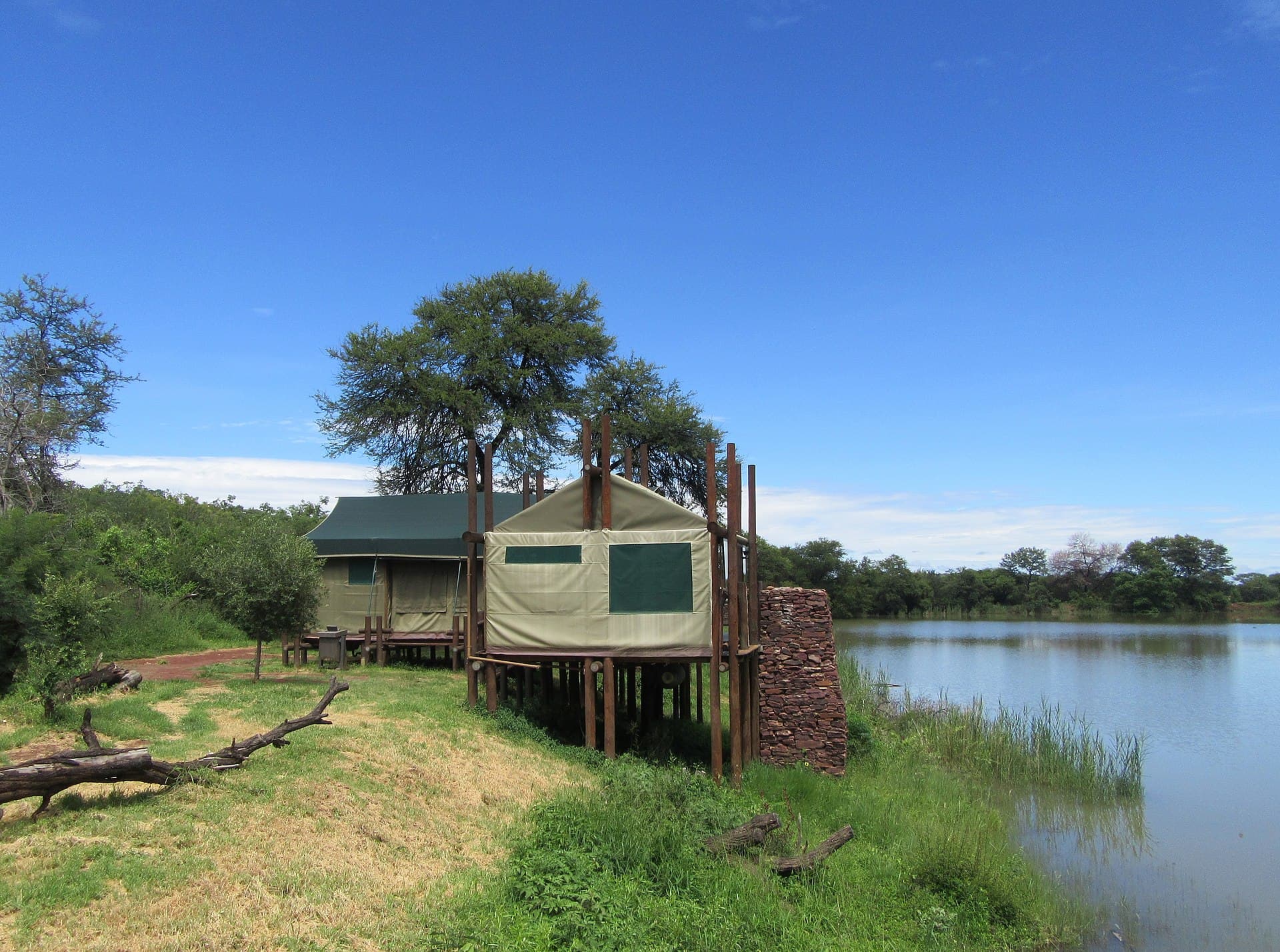
A canvas safari tent set among trees at a private tented camp

Kenya Planning

How Much Does a Kenya Safari Cost?

The honest answer is a range shaped by a handful of choices, plus a layer of fees set by Kenya’s authorities. Here is how both work, and where your money makes the most difference.

A Kenya safari cost is built from two layers. The first is fixed by the authorities: reserve and park fees, conservancy fees and the eTA you need to enter the country. The second is the part you choose: where you stay, when you travel, whether you fly or drive between regions, and how many of you share a private vehicle.

That second layer is why two ten-day Kenya itineraries can differ several times over in price and both be well planned. A family driving from Nairobi to Amboseli and Tsavo in February and a couple flying between Laikipia and a Mara conservancy in August are simply buying different safaris.

This page explains each driver, sets out the authority fees as they stand in September 2026, and describes what each comfort level buys and where it sits in the market, so you can read any quote with confidence. It does not quote trip prices, because every journey is priced for its own dates.

Price Drivers

What Drives the Cost of a Kenya Safari

Eight factors explain nearly every difference between one Kenya quote and another.

Season

Camp rates are highest from July to October and over Christmas and New Year, and lowest in the long rains. In the Mara, the reserve ticket also roughly doubles on 1 July, so the season moves both the camp line and the fee line of your quote.

Comfort level

The biggest single lever. A simple, well-run tented camp and an exclusive-use conservancy house can sit a few kilometers apart and differ enormously in rate, because of space, staffing, food, wine and what the rate includes.

Reserve or conservancy

Reserve camps charge their rate plus a reserve ticket for each day you spend there. Conservancy camps fold their fee into a higher nightly rate that also buys vehicle caps, walks and night drives. The real gap is usually smaller than the headline rates suggest.

Private vehicle and guide

On fly-in safaris each camp supplies the vehicle and guide, and many conservancy camps share vehicles by default. Exclusive use is usually a supplement, which we build into the journeys we plan and show as its own line.

Flying or driving

Scheduled light aircraft from Nairobi’s Wilson Airport reach the Mara in about 45 minutes, against roughly 5–6 hours by road. Each seat costs more than the drive, but you gain time in the bush, and on longer routes a flight can save a night.

Number of regions

Every extra region adds a flight or a long drive, and often half a day in transit. Two or three regions in ten days usually gives better value, and a better trip, than four or five.

Party size and solo travel

Four people share a vehicle far more efficiently than two, and children’s rates and family tents shift the math again. Solo travelers often pay a single supplement, which some camps reduce in quieter months.

Festive weeks and minimum stays

Over Christmas, New Year and sometimes Easter, many camps add premiums and require minimum stays of several nights, which can reshape an itinerary as well as its total.

Fees Set by the Authorities

Kenya Park, Reserve and Entry Fees

These are the non-resident adult fees most visitors meet, as reported at the time of writing (September 2026). Authorities revise them, sometimes at short notice, so treat the table as a guide and check before you travel.

FeeSet or collected byNon-resident adultHow it is charged
Masai Mara National Reserve and Mara Triangle, 1 January–30 JuneNarok County; the Mara Conservancy in the TriangleAbout US$100Per person per 12-hour ticket, valid 06:00–18:00
Masai Mara National Reserve and Mara Triangle, 1 July–31 DecemberNarok County; the Mara Conservancy in the TriangleAbout US$200Per person per 12-hour ticket, valid 06:00–18:00
Mara tickets for children aged 9–17As aboveAbout US$50Children aged 8 and under enter free
Amboseli and Lake Nakuru national parksKenya Wildlife ServiceUS$90Per person per day, tariff effective 1 October 2025
Nairobi, Tsavo East and Tsavo West national parksKenya Wildlife ServiceUS$80 eachPer person per day; combined Tsavo and Amboseli tickets are also offered
Meru, Aberdare and Mount Kenya national parksKenya Wildlife ServiceUS$70Per person per day
Hell’s Gate, Mount Longonot and Lake ElementaitaKenya Wildlife ServiceUS$50Per person per day
Mara and Laikipia conservancy feesEach conservancyIncluded in camp ratesBundled into the nightly rate; reserve days are charged separately
Kenya eTA, standard single entryKenya’s official eTA portal (etakenya.go.ke)US$30Per traveler, infants and children included

Mara figures come from the Mara Triangle and secondary sources that disagree on some season and child details; park figures follow the Kenya Wildlife Service tariff effective 1 October 2025. Payment in the Mara is cashless. We quote the fees current when you book and itemize them.

The Conservancy Math

Why a Conservancy Can Cost Less Than It Looks

On paper, a Mara conservancy camp often looks far pricier than a camp inside the national reserve. Part of that gap has nothing to do with the camp. A conservancy rate already contains the conservancy fee, which funds lease payments to the Maasai landowners and pays for the vehicle caps, walks and night drives you can enjoy there. A reserve camp’s rate leaves the reserve ticket out, and you pay it on top, per person, for every 12-hour day.

From July to December, when that ticket is at its higher level, a three-night reserve stay adds three tickets per person to the camp rate. Conservancy stays commonly include one full day in the reserve for every three nights or so, which means buying one ticket rather than three, and spending the other days with a handful of vehicles at a sighting rather than dozens. Laid side by side with every fee included, the conservancy often costs less extra than the headline rates suggest, and sometimes very little more.

The reserve still earns its place. In crossing season the river runs through the reserve and the Triangle, and a well-sited reserve camp puts you on the banks at first light. That is why our Mara migration journey splits its nights between the two, and why the Masai Mara conservancies page compares the models in detail.

Comfort Levels

What Each Comfort Level Buys in Kenya

Rather than quote figures that would not fit your dates, here is what each level usually looks like on the ground and where it sits in the Kenyan market.

Comfort levelWhat it usually looks like in KenyaWhere it sits in the market
ComfortWell-run lodges and simpler tented camps, some on community land just outside the parks, with your own vehicle and guide.The entry point for a private safari. Park-edge lodges on a driven southern route cost least, and the gap to the next level widens in peak season.
PremiumClassic tented camps in the Mara conservancies, Laikipia and Samburu, with walks and night drives where the land allows.Where many first safaris sit. Conservancy camps here look pricier than reserve lodges of a similar standard, but the gap narrows once reserve tickets are counted.
LuxurySmall, beautifully sited camps and ranch lodges with fine food, spacious tents or cottages and more included.A clear step up, driven by location, space and inclusions. Rates climb most steeply from July to October and over the festive weeks.
UltraExclusive-use houses and the most private conservancy camps, often with your own vehicle, guide, chef and staff.The top of the Kenyan market, especially in peak season. Houses are often priced for the whole property, which favors families and groups over couples.

General market positioning, not our rates. Where a camp sits within its level depends on season, location and what the rate includes, and every journey we plan is quoted individually.

Relative Impact

Which Choices Move the Total Most

In rough order of impact on a typical ten-day Kenya quote:

  • Comfort level: moving up one level usually changes the total more than any other single decision, and the step to exclusive use is often the steepest
  • Season: the same room in the same camp is typically at its most expensive from July to October and over the festive weeks, and noticeably softer in the long rains and the shoulder months
  • Party size: a couple or a solo traveler carries the private vehicle and any single supplement alone, while a family of four spreads the same fixed costs
  • Regions and flights: each added region brings light-aircraft seats, transfers and lost hours, which weigh heavily on a short trip
  • Reserve tickets: from July to December each reserve day adds a visible line per person, which is where the conservancy math pays off
  • Extras: a balloon flight or helicopter day is a single line, yet on a five-day trip it can be a meaningful share of the whole

Inclusions

What a Kenya Safari Quote Usually Covers

Details vary, but a well-built quote for a private Kenya safari normally includes:

  • Accommodation at every stop, with the room type and meal plan named
  • Meals and most drinks at conservancy and fly-in camps, many of which run fully inclusive
  • Your private vehicle and guide, including the exclusive-use supplement where a camp’s default is shared
  • Reserve tickets, park fees and conservancy fees, itemized by day
  • Scheduled light-aircraft seats from Wilson Airport, with the 15 kg soft-bag allowance
  • Airport meet-and-greet and private road transfers in Nairobi

Extras

What Is Usually Extra

  • International flights, most often into Nairobi’s Jomo Kenyatta International Airport
  • Your eTA, applied for online before you fly
  • Travel insurance with medical evacuation cover
  • Hot-air balloon flights and helicopter days, priced by the operators
  • Excess baggage, which on scheduled light aircraft needs a separate freight booking
  • Gratuities for guides and camp teams, usually paid in cash at the end of each stay
  • Premium wines and spirits, spa treatments and personal shopping

Spending Well

How to Get More From Your Spend in Kenya

Choose January–February, June or November

January and February give dry-season viewing at lower rates than July to October. Late June still carries the Mara’s lower ticket. November is green, quiet and priced between the peaks.

Make fewer moves

Three or four nights per camp cuts flights and transfer time, and some camps reward longer stays. Two regions done well beat four done in a hurry.

Drive one leg

Nairobi to Amboseli is about 4–5 hours by road, and the Madaraka Express railway runs from Nairobi toward the coast via Tsavo’s gateway towns. Driving a leg and flying the long ones balances time and cost.

Base in a conservancy, dip into the reserve

In the higher-fee months, a conservancy base with one planned reserve day often costs about the same as a reserve stay, with far fewer vehicles around you.

Invest where you sleep longest

Put the money into the camp where you spend the most nights, and keep the Nairobi night simple: you arrive tired and leave early.

Travel as four

A private vehicle seats four comfortably with a window each, so friends or a family of four spread its cost without giving up any privacy.

Cost per Day

So What Does a Kenya Safari Cost per Day?

There is no honest single figure, because the daily cost moves with every choice above. Start from the comfort level you want, place your dates in peak, shoulder or green season, add the light-aircraft seats and reserve tickets your route needs, then allow for extras such as a balloon flight and gratuities. Peak-season conservancy camps and exclusive-use houses sit at the top of the market; park-edge lodges on a driven southern route in February or November sit toward the other end.

For the real number, request a quote with your dates and party. We often return two versions at different comfort levels so you can weigh the trade-offs, and our payment options explain deposits and balances. For the continental picture, see what a luxury African safari costs.

Safaris

Recommended safaris

A cheetah scanning the plains in the Masai Mara
5 daysShort & focused

Masai Mara Fly-In

Nairobi · Mara Conservancies

First-timers and travelers short on leave who want the Mara done properly in under a week

Best months
All year except the April–May rains
Comfort levels
Comfort · Premium · Luxury · Ultra-Luxury
Individually quoted
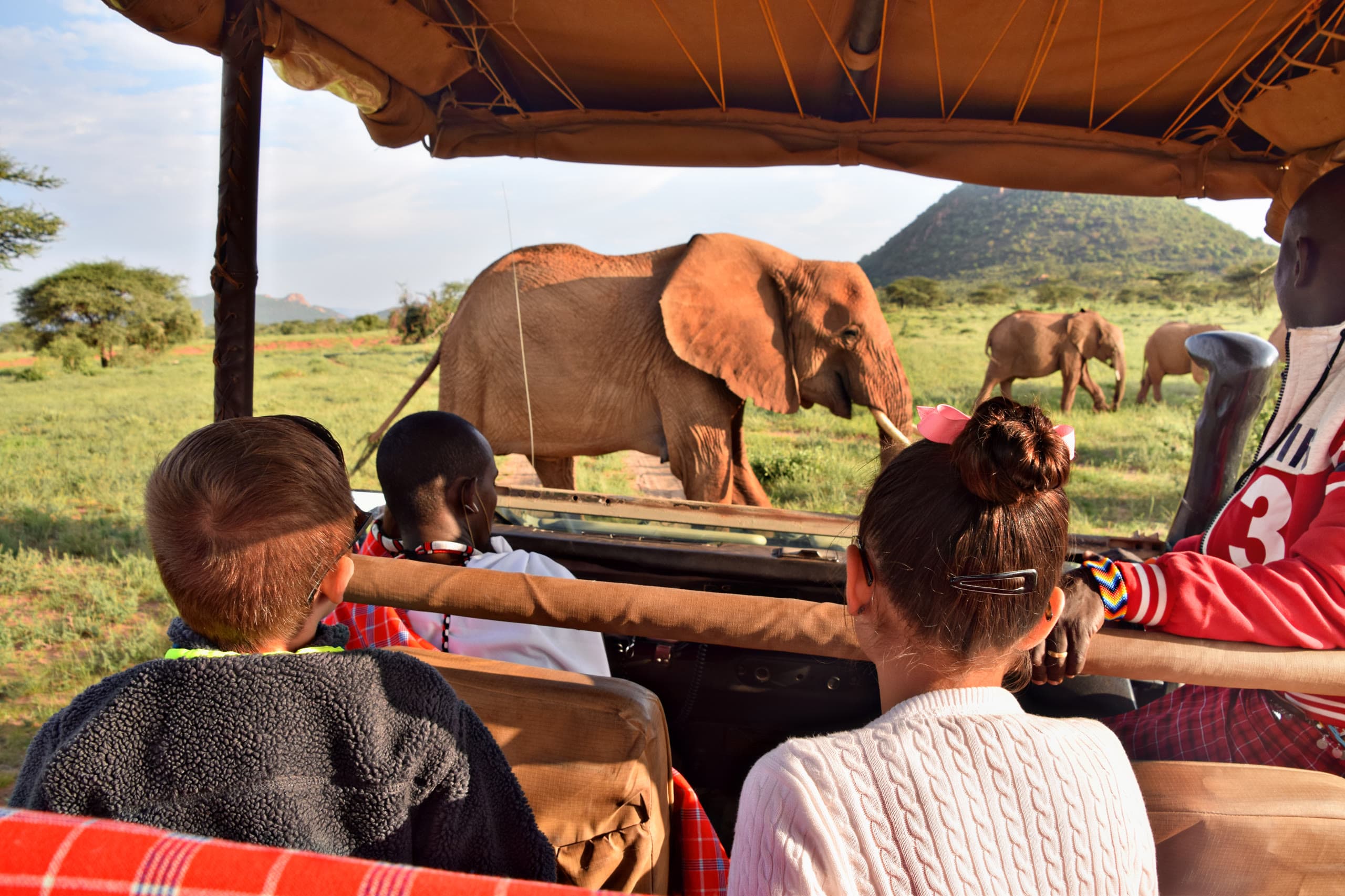
Safari guests watching a herd of elephants from an open vehicle on a family game drive
10 daysFamilies

Family Safari & Beach

Nairobi · Amboseli · Tsavo West · Diani Beach

Families with school-age children who want wildlife and a proper beach in one trip, mostly by road and rail

Best months
July–October and December–February
Comfort levels
Comfort · Premium · Luxury
Individually quoted
Elephant walking through dry golden grassland in northern Kenya
10 daysComplete Kenya

Kenya Highlights

Nairobi · Samburu · Laikipia · Mara Conservancies

First-timers who want Kenya’s full range, and returning travelers who have seen the Mara alone

Best months
June–October and December–March
Comfort levels
Premium · Luxury · Ultra-Luxury
Individually quoted
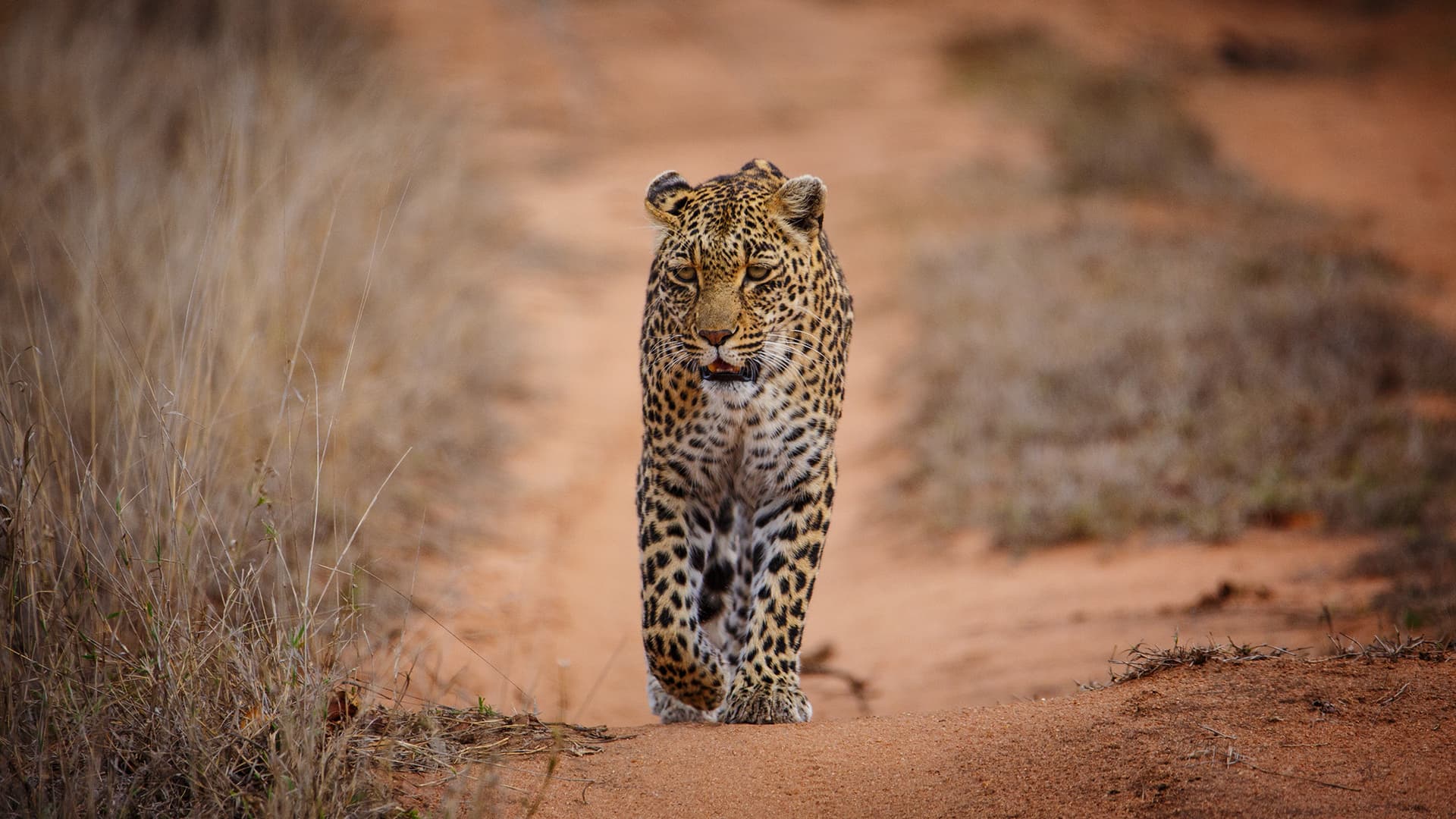
A leopard walking straight toward the camera — iconic big-cat viewing
9 daysPhotographers

Photographic Kenya

Nairobi · Amboseli · Mara Conservancies

Enthusiast and serious amateur photographers who want time, angles and light rather than a checklist

Best months
July–October and January–February
Comfort levels
Premium · Luxury
Individually quoted

Experiences

Related experiences

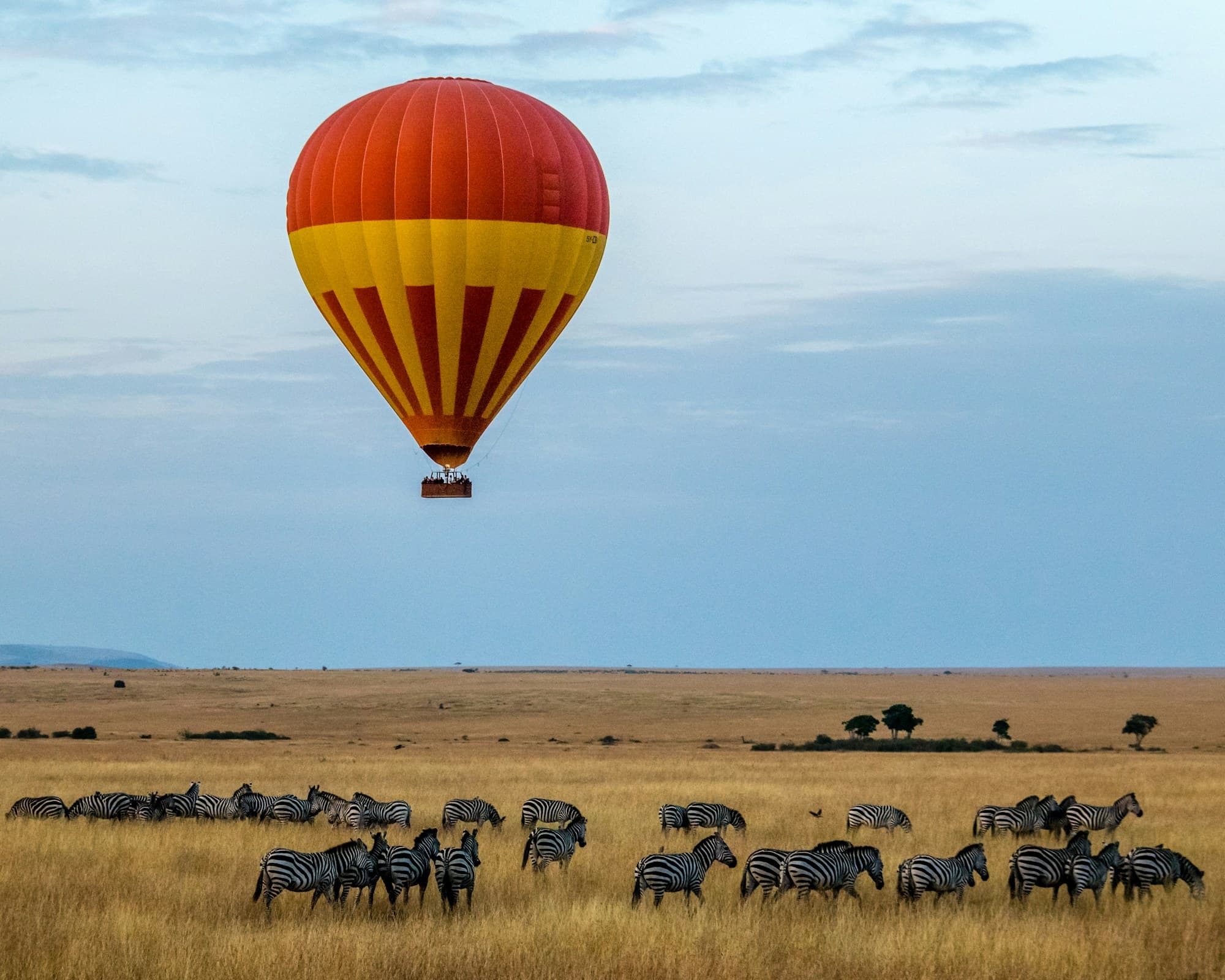
Aerial view over savanna herds from a hot-air balloon at first light

In the air

Masai Mara Hot-Air Balloon Safari

Lift off over the Mara at sunrise, drift for about an hour above the river and the plains, then land for a champagne breakfast in the grass.

In the air

Helicopter Safaris in Northern Kenya

Fly out from Laikipia over Mount Kenya’s peaks, the Mathews Range and the salt flats of the Suguta Valley, landing where no road reaches.

Good to know

Frequently asked questions

Is the Masai Mara entry fee included in a safari quote?

It should be, and it should be itemized by day. Reserve camps usually charge the ticket on top of their rate, while conservancy camps include their own fees and add a ticket only for the days you spend in the reserve. Ask any company you compare which days carry a reserve ticket.

Why does the Masai Mara cost more from July?

The reserve’s non-resident ticket roughly doubles on 1 July and stays at the higher level until 31 December, according to fees reported at the time of writing. Camp rates also peak from July to October. Together they make the migration months the most expensive time to visit the Mara.

Do children pay park fees in Kenya?

In the Mara, children aged 9–17 pay a reduced ticket and those 8 and under enter free, according to fees reported at the time of writing. Kenya Wildlife Service parks have their own child rates. Children’s rates and family tents at camps usually matter more to the total than the fees.

Does driving instead of flying lower the cost of a Kenya safari?

Usually per leg, but not always per trip. Driving avoids aircraft seats, yet a long road day can cost you a night or a morning in the bush, and your vehicle and guide are paid for on travel days too. Many travelers drive one short leg and fly the long ones.

Are balloon flights and helicopter days included?

Rarely. Both are priced by the operators and usually added as optional extras, booked when you plan or through your camp. In the migration months balloon seats sell out, so decide early if a flight matters to you.

How much should I set aside for gratuities?

Gratuities are customary for guides and camp teams in Kenya and are usually given in cash at the end of each stay. The right amount depends on your party size and length of stay, and we send guidance with your final travel documents.

A cheetah scanning the plains in the Masai Mara

Start With Your Dates

Tell us when you can travel, who is coming and what you most want from Kenya. A safari specialist will design a private route around you, and nothing is booked until you approve it.

Plan My Kenya Safari