Health

Malaria in Namibia: Etosha, the North and Staying Healthy on Safari

Namibia’s malaria risk depends on where you go and when. Map your route against the zones, then let a travel-health clinic make the call.

The Short Answer

Namibia malaria risk is uneven, which is good news for planning. According to UKHSA, the UK’s public-health agency, risk is high all year in the Kavango East, Kavango West and Zambezi regions of the far north-east. Across the other northern regions, including the four that Etosha National Park straddles, it is high from December to April and low from May to November. Everywhere else, including the Namib desert, the coast and the south, the risk is very low, and the CDC states that there is no malaria in the city of Windhoek.

So the honest answer to “Is Namibia a malaria country?” is: parts of it, some of the time. A dry-season trip that stays in the desert and on the coast carries very little risk, while a February visit to Etosha, or any month in the Zambezi Region, is a different matter. We don’t describe any part of Namibia as malaria-free, because very low is not zero, and the decision about antimalarials belongs with a travel-health clinician who sees your full route.

The two agencies also frame the picture differently: UKHSA grades risk by season and region, while the CDC lists the areas where malaria occurs. That is one more reason to book a travel-health appointment, ideally four to six weeks before you fly, and to take your itinerary with you.

Malaria Risk by Safari Area

How the UKHSA zones map onto the places most Namibia journeys visit. Parks that cross administrative boundaries are listed under each region they touch.

Safari areaAdministrative regionRisk (UKHSA)What it means for you
Etosha National Park and its private reservesKunene, Oshana, Oshikoto, OtjozondjupaHigh Dec–Apr, low May–NovThe same seasonal rating whichever side of the pan you stay on
Twyfelfontein, northern Damaraland and KaokolandKuneneHigh Dec–Apr, low May–NovKaokoland’s best months, May–September, fall in the low-risk period
OkonjimaOtjozondjupaHigh Dec–Apr, low May–NovCounts even as a one-night stop on the way north
Zambezi Region (Caprivi) and BwabwataZambezi, Kavango EastHigh year-roundPlan for malaria prevention in every month
Sossusvlei and NamibRandHardapVery lowDry desert with little standing water; bite precautions still apply
Swakopmund, Walvis Bay, Spitzkoppe and the BrandbergErongoVery lowThe cool coast and southern Damaraland
WindhoekKhomasNone in the city (CDC)Your arrival and departure nights

Sources: UKHSA TravelHealthPro and CDC country pages, checked September 2026. Zones can shift after unusual rains, so confirm with your clinic before you travel.

Is Etosha Malaria-Free?

No, but its risk is seasonal. Etosha spans the Kunene, Oshana, Oshikoto and Otjozondjupa regions, all of which UKHSA rates high from December to April and low from May to November. It makes no difference whether you base yourself in the south near Okaukuejo, in the middle at Halali or in the east near Namutoni: the rating is identical.

Conveniently, the dry months that give Etosha its best game viewing, when animals gather at the waterholes, are also the low-risk months. A June–October Etosha safari is therefore a comfortable fit for many travelers, although low risk is not no risk, and some clinics still recommend tablets. A visit in the rains, when pans and puddles hold water, deserves a more cautious conversation.

Our 9-day family safari runs only from May to October for exactly this reason, pairing Etosha with the very-low-risk coast.

Lower-Risk Ways to See Namibia

If malaria prevention is difficult for you, whether because of pregnancy, young children or medication interactions, these areas are rated very low risk. Very low still means taking bite precautions.

The Namib desert

Sossusvlei, Deadvlei and NamibRand lie in the Hardap region, where dry air and scarce standing water keep the risk very low. It is also where many travelers spend the most nights.

Explore

The coast

Swakopmund, Walvis Bay and the dune belt between them are cool, foggy and extremely dry, with only about 16 mm of rain a year in Swakopmund.

Explore

Southern Damaraland

Spitzkoppe and the Brandberg sit in the Erongo region, rated very low, while Twyfelfontein a little farther north is in Kunene, with the seasonal rating. The boundary matters when you choose a camp for a wet-season trip.

Windhoek

The CDC reports no malaria in the capital, where most journeys begin and end.

Preventing Bites Wherever You Are

  • Use a repellent containing DEET or picaridin on exposed skin from late afternoon, and reapply after swimming or heavy sweating
  • Wear long sleeves and long trousers in the evening, especially near water in the north
  • Sleep under a net where one is provided, and keep tent zips and window screens closed
  • If your clinic prescribes antimalarials, take every dose, including the days after you leave the risk area
  • Treat any fever in the year after your trip as urgent, even months later, and tell the doctor you have been to Namibia

Vaccines and Current Health Notices

Make sure routine vaccines, including measles, are up to date. Travel-health clinics commonly discuss hepatitis A, hepatitis B and typhoid for Namibia, and the CDC has a Level 2 travel notice for polio, under which adults vaccinated as children may be advised to have a single booster before they go.

Rabies is present in dogs and other mammals and, unusually, in Cape fur seals (see below). A pre-travel rabies course is worth discussing if you will be far from medical care, as you would be in Kaokoland or on the northern Skeleton Coast. UKHSA also reported cholera cases in the Kunene and Otjozondjupa regions in 2025, so drink bottled or treated water in rural areas and follow your camp’s guidance.

Yellow fever is not a risk within Namibia itself; the certificate rule for travelers arriving from risk countries is covered in our Namibia visa guide.

Heat, Sun and Dry Air

In Namibia’s desert, heat is the everyday health risk. Climbing Big Daddy or Dune 45, or walking into Deadvlei, is hard work in soft sand, and by mid-morning the temperature climbs fast, especially from October to March. Start at first light, carry at least a liter of water per person on any dune walk, wear a hat and long sleeves, and turn around early rather than late.

The air is so dry that you lose water without noticing. Drink before you feel thirsty, use lip balm, bring eye drops if you wear contact lenses, and think twice before combining a long drive, a dune climb and wine at lunch. The coast poses the opposite trap: cool fog hides how strong the sun is, so keep the sunscreen going in Swakopmund too.

Remoteness, Medical Care and Insurance

Much of Namibia is a long way from a hospital. In Kaokoland, on the northern Skeleton Coast and in parts of Damaraland, the nearest well-equipped facility can be hours away, and the country’s main private hospitals are in Windhoek. Your travel insurance should include medical evacuation by air, not just treatment costs; if you rely on Medicare, check what, if anything, it covers outside the US.

Pack prescription medicines in their original packaging with copies of the prescriptions and a few days’ spare supply, and tell us about any condition that might affect activity choices, from dune climbs to tracking rhino on foot. For road and wildlife safety, see our Namibia safety guide.

Safaris

Recommended safaris

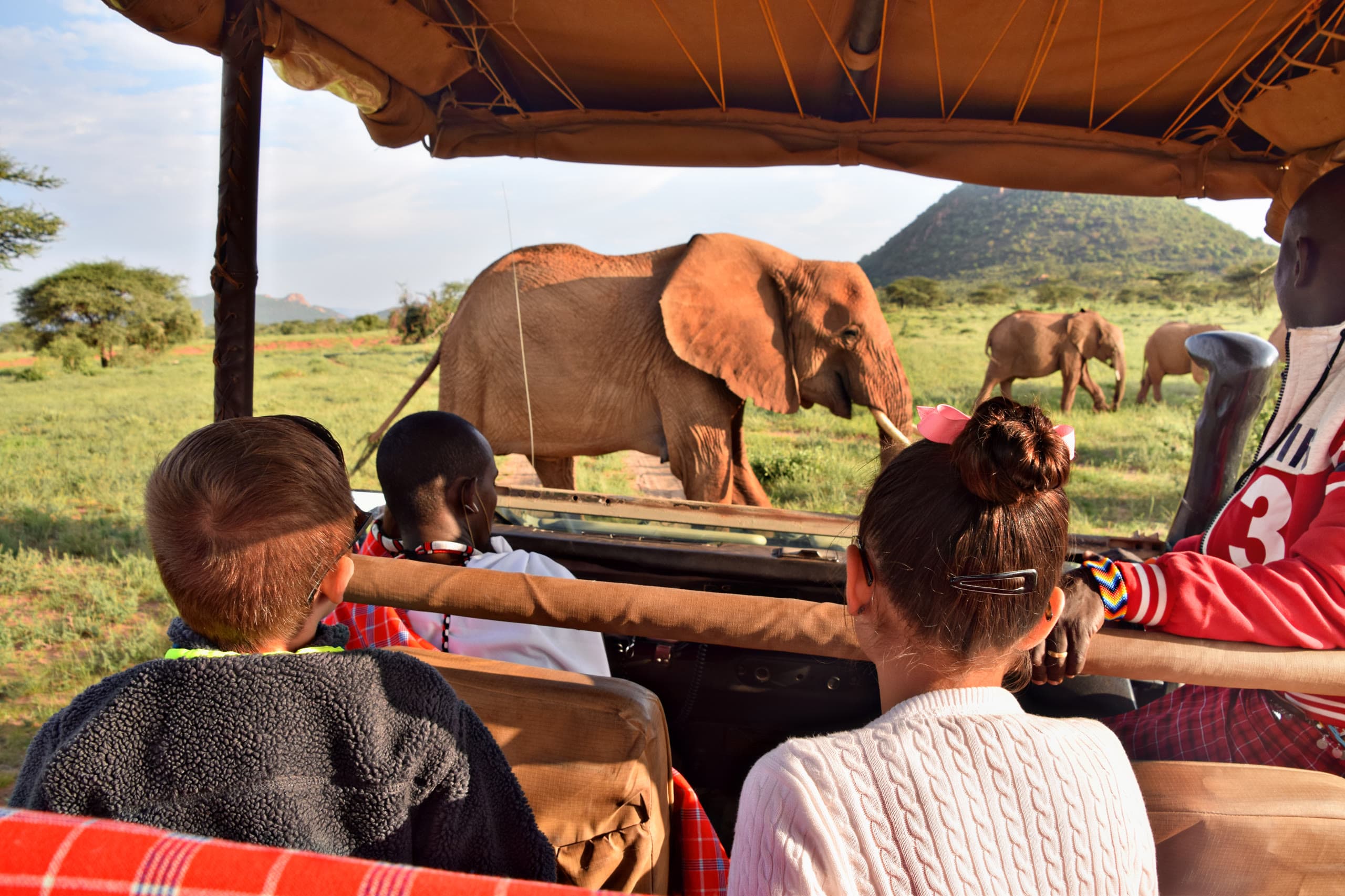
Safari guests watching a herd of elephants from an open vehicle on a family game drive
9 daysFamily

Namibia Family Adventure

Okonjima · Etosha National Park · Swakopmund · Walvis Bay

Families with school-age children who want real wildlife, short drives and plenty of variety

Best months
May–October, the dry winter months
Comfort levels
Comfort · Premium · Luxury
Individually quoted
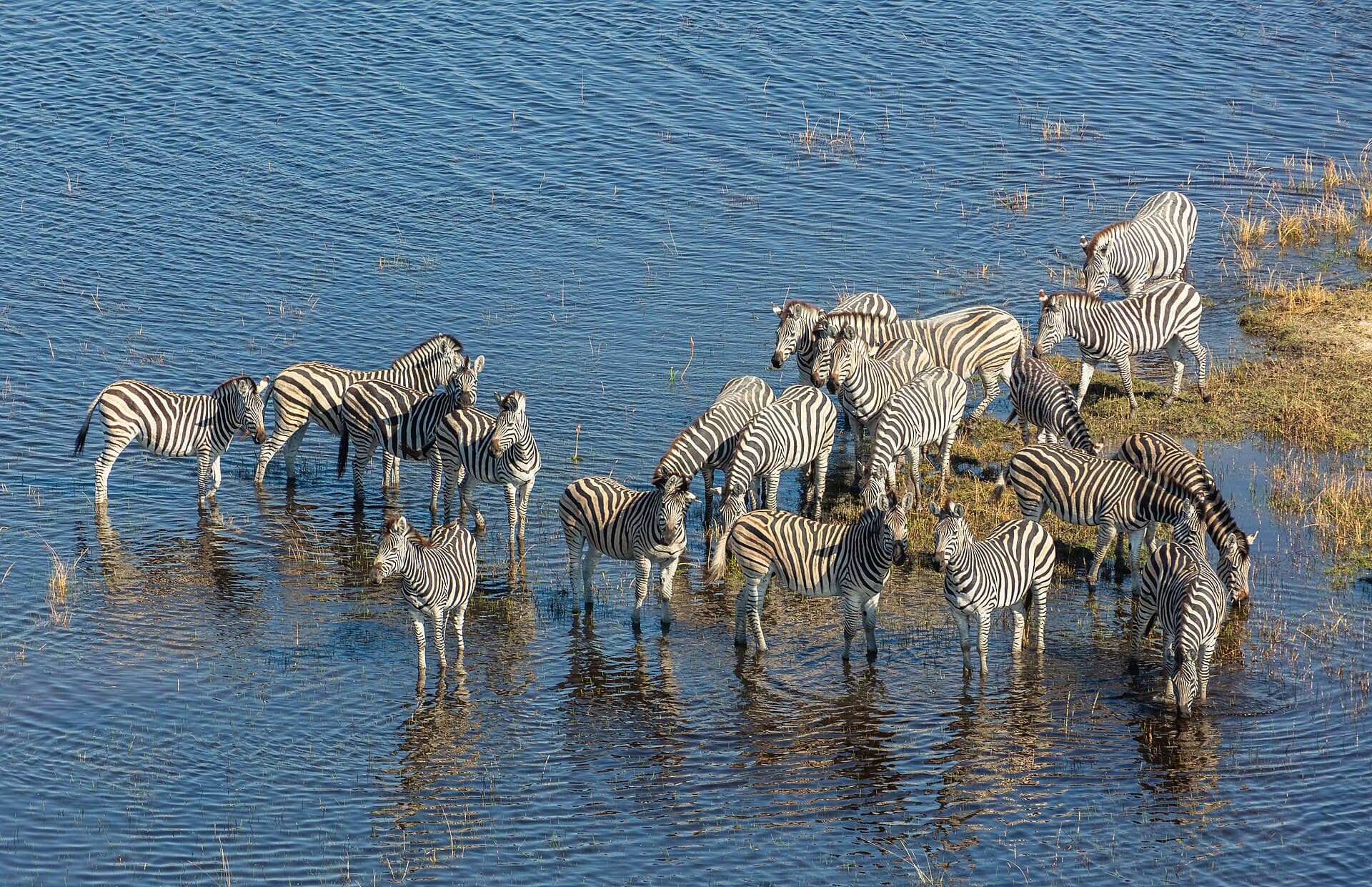
Zebra herd wading through shallow delta water
12 daysDesert & Delta

Desert, Zambezi & Delta

Windhoek · Sossusvlei · Etosha National Park · Zambezi Region · Kasane · Okavango Delta · Maun

Travelers who want Namibia’s landscapes and Botswana’s water safari in a single trip, without backtracking

Best months
May–October
Comfort levels
Premium · Luxury · Ultra-Luxury
Individually quoted
Granite domes of Spitzkoppe rising from the Damaraland plains
8 daysRemote

Desert Rhino & the Kunene

Windhoek · Damaraland · Kaokoland

Seasoned safari travelers who value wilderness, conservation and silence over a long species list

Best months
April–September, before the heat builds
Comfort levels
Premium · Luxury · Ultra-Luxury
Individually quoted

Experiences

Related experiences

Ocean & reef

Sandwich Harbour & Walvis Bay Marine Cruise

Cruise Walvis Bay for dolphins, pelicans and seals in the morning, then drive the shoreline at low tide to where towering dunes drop into the Atlantic.

Good to know

Frequently asked questions

Do I need malaria tablets for Etosha?

It depends on the month and on your clinician’s advice. UKHSA rates the Etosha area as high risk from December to April and low risk from May to November, so a dry-season visit is lower risk but not risk-free. Take your exact dates and route to a travel-health clinic.

Is there malaria at Sossusvlei?

The risk at Sossusvlei is very low, according to UKHSA, because the Hardap region is dry with little standing water. Very low is not zero, so use repellent at dusk and follow your clinic’s advice, particularly if your trip also heads north.

When is malaria season in Namibia?

In the northern regions, including Etosha, the Kunene side of Damaraland and Kaokoland, the high-risk months are December to April, matching the rains. The Zambezi and Kavango regions in the north-east carry high risk all year.

Is Windhoek a malaria area?

The CDC states that there is no malaria in the city of Windhoek. Most journeys start and end there, so your arrival and departure nights fall outside the risk areas even if other parts of the route do not.

What vaccinations do I need for Namibia?

No vaccination is required for entry unless you arrive from a yellow fever risk country. Routine vaccines should be current, and clinics commonly discuss hepatitis A and B, typhoid, a polio booster and, for remote trips, rabies; your clinician tailors the list to your health and route.

Close leopard portrait in golden light

Tell Us How You Picture Namibia

Share your dates, who is traveling and whether you imagine dunes at dawn, rhino tracks in Damaraland or a waterhole at night. We’ll shape a private route around those ideas and talk you through every choice before anything is confirmed.

Plan My Namibia Safari