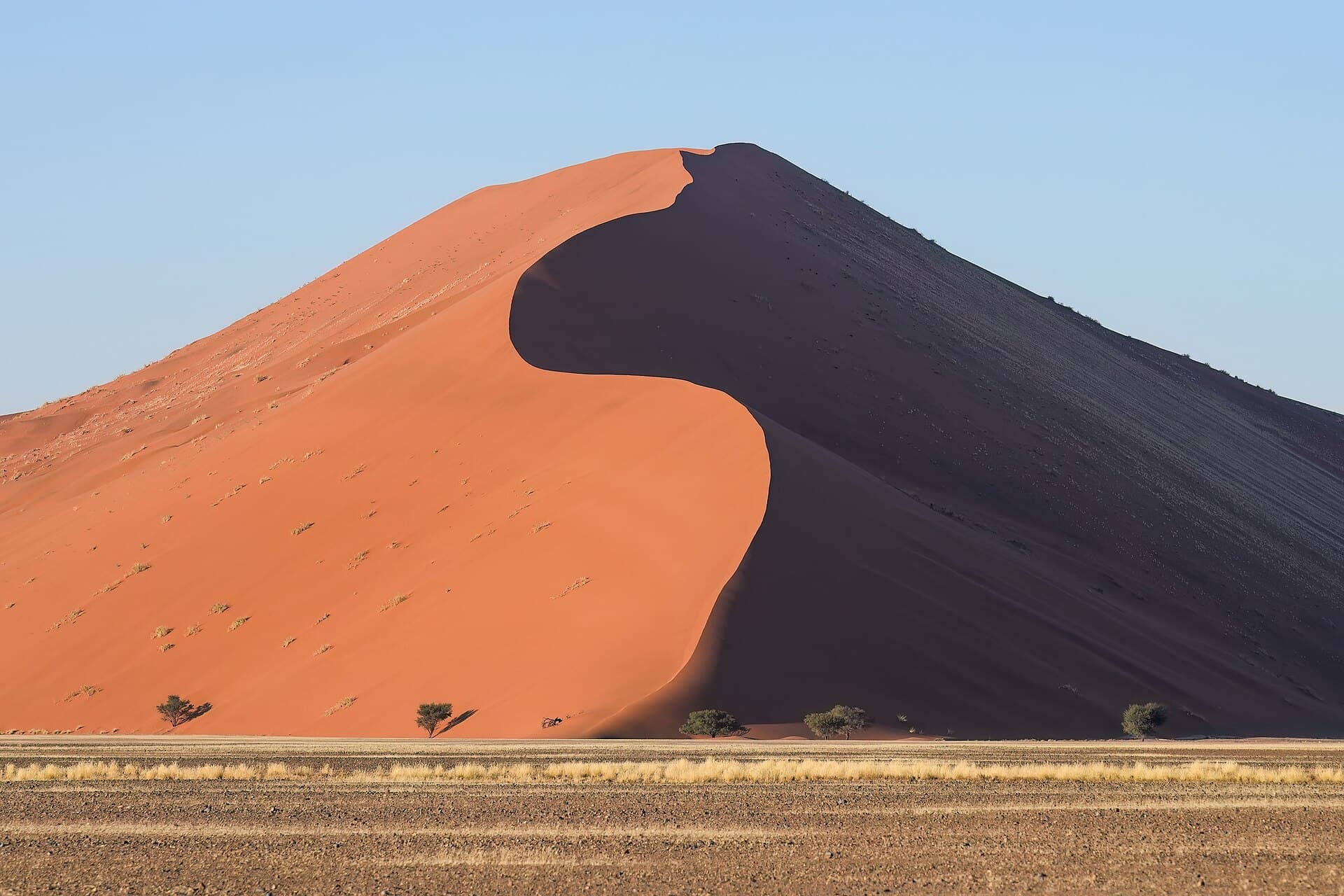
Red curve of Dune 45 at sunrise in Sossusvlei, Namibia

Private safari

14-Day Namibia Private Guided Safari

14 daysPrivate safariNamibiaIndividually quoted

The classic Namibia loop at an unhurried pace, with the same guide at the wheel from the first morning to the airport.

Customize This Journey
Duration14 days · 13 nights
Best monthsApril–November
Comfort levelsComfort · Premium · Luxury
RouteWindhoek · Sossusvlei · Swakopmund · Spitzkoppe · Damaraland · Etosha National Park · Eastern Etosha · Okonjima
Best forFirst-time visitors to Namibia who want to see the whole country properly, with time to stop, walk and ask questions
Trip typePrivate safari

This two-week Namibia itinerary is the complete loop, driven at a pace that leaves room for the country between the highlights. One private guide collects you at the airport and stays with you for fourteen days, handling every kilometre of gravel, reading the waterholes in Etosha and explaining what you see, from the fog-drinking beetles of the Namib to the rock engravings of Twyfelfontein. For many travelers, that continuity is the difference between a road trip and a safari.

The route adds three things a shorter Sossusvlei-and-Etosha trip leaves out: three nights in Damaraland to track black rhino on foot and find desert elephants, a full east–west crossing of Etosha rather than a single base, and a final night at Okonjima with the AfriCat Foundation. This journey is planned with a private guide rather than as a self-drive; if you are weighing the options, the self-drive vs guided comparison is candid about both.

Why this route works

The loop runs south to the desert, west to the coast, north through Damaraland to Etosha and back down to Windhoek, so long drives alternate with slower days and the wildlife builds toward the end. Three desert nights let you see Sossusvlei at dawn without rushing, and Swakopmund’s cool air and cafés make a natural break after the heat. Damaraland gets three nights because rhino tracking and Twyfelfontein each need a morning, and a single night there is little more than a drive-through. In Etosha you enter from the south and leave from the east, so no road is driven twice. Okonjima sits almost on the way back to the airport, which keeps the final drive to about three hours. The trip-length and driving-times guide shows how this compares with shorter routes.

Itinerary

Day by Day

A suggested flow — every day can be reshaped around you.

  1. Day 1 · Windhoek

    Meeting Your Guide in Windhoek

    Drive · Hosea Kutako International AirportWindhoek · about 45 minutes

    Your private guide meets you at Hosea Kutako International Airport and drives you the 45 km or so west into Windhoek, a small, orderly capital on the central plateau. After a rest there is time for a short orientation drive past the Christuskirche and the Independence Memorial Museum, or simply a long lunch in the garden. Over dinner, your guide talks through the route, the gravel roads and the daily rhythm of early starts and quiet middays. Namibia has required a visa for US citizens since April 2025, so carry your approval with your passport.

    • Private meet-and-greet with your guide
    • Optional orientation drive around Windhoek
    • Route briefing over dinner
    Overnight
    Windhoek
    Meals
    Dinner
  2. Red curve of Dune 45 at sunrise in Sossusvlei, Namibia

    Day 2 · Sossusvlei

    Down the Escarpment to Sesriem

    Drive · WindhoekSesriem · about 5–6 hours with stops

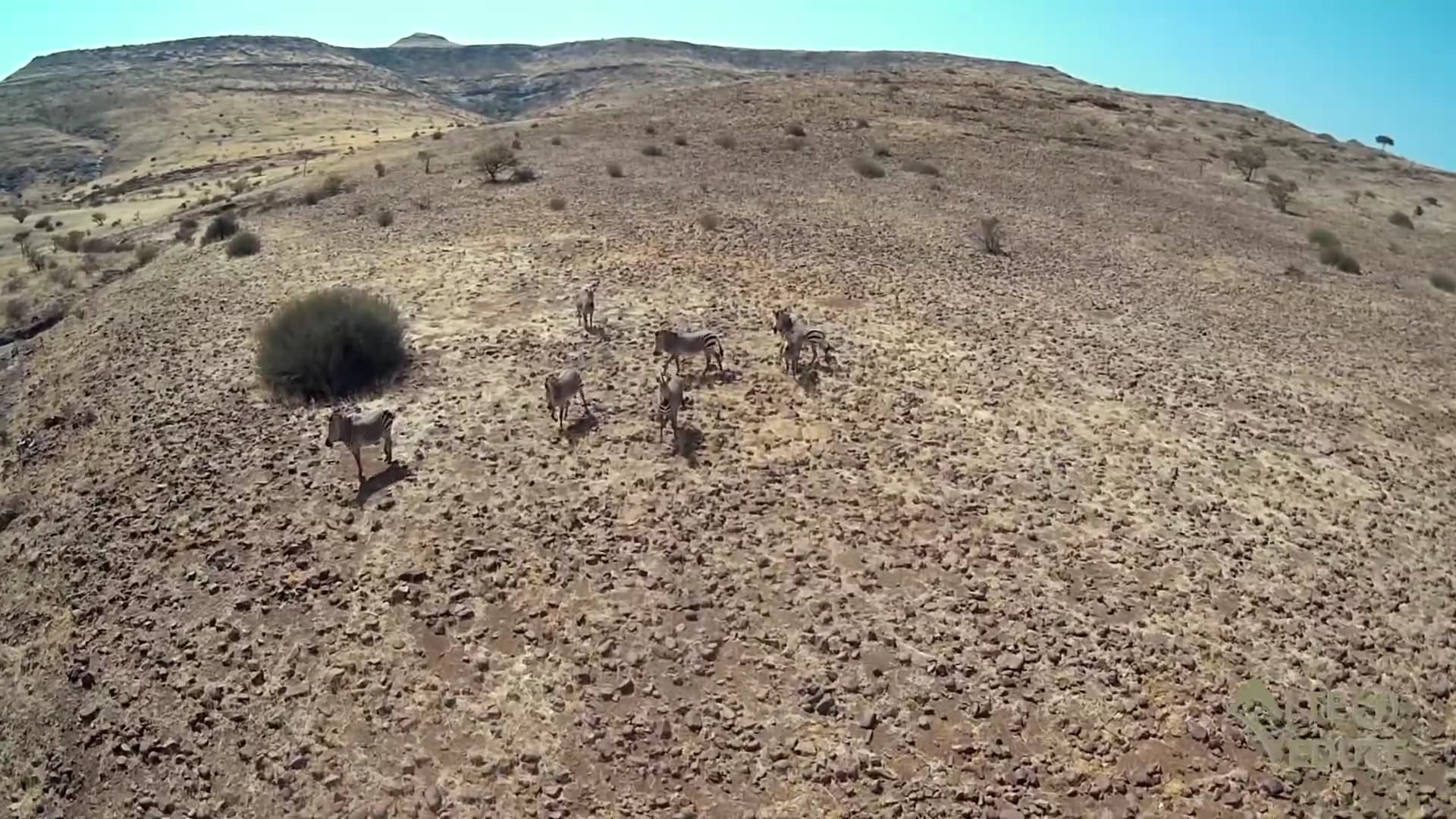
    The first long road day covers about 340 km and takes 5–6 hours with stops. The tar soon gives way to gravel as you leave the Khomas Highland and descend one of the escarpment passes, with the plains of the Namib opening out below. Your guide sets a steady pace, pausing for photographs, a picnic and a leg-stretch where mountain zebra or kudu sometimes cross the road. You reach the Sesriem area by mid-afternoon, with time for a swim and a sundowner as the dune ridges turn from orange to deep red.

    • Scenic drive over an escarpment pass
    • Picnic lunch on the way
    • Sundowner near your lodge
    Overnight
    Sossusvlei area
    Meals
    Breakfast, lunch & dinner
  3. Day 3 · Sossusvlei

    Dune 45, Deadvlei and Sesriem Canyon

    You are at the gate for sunrise — or already through it if your lodge sits inside the park — and drive the valley between the dunes toward the vlei. Dune 45, named for its position at kilometre 45 of the road and rising more than 170 m, is the gentler first-light climb; Big Daddy is the serious one. Your guide takes the 4×4 across the final sandy stretch and walks you into Deadvlei, explaining how the dunes cut the pan off from the Tsauchab River and left its camelthorn trees to die centuries ago. On the way out you stop at Sesriem Canyon, a narrow gorge up to 30 m deep, before a long lunch in the shade.

    • Sunrise climb of Dune 45 or Big Daddy
    • Guided walk into Deadvlei
    • Sesriem Canyon
    Overnight
    Sossusvlei area
    Meals
    Breakfast, lunch & dinner
  4. Day 4 · Sossusvlei

    A Slow Day in the Desert

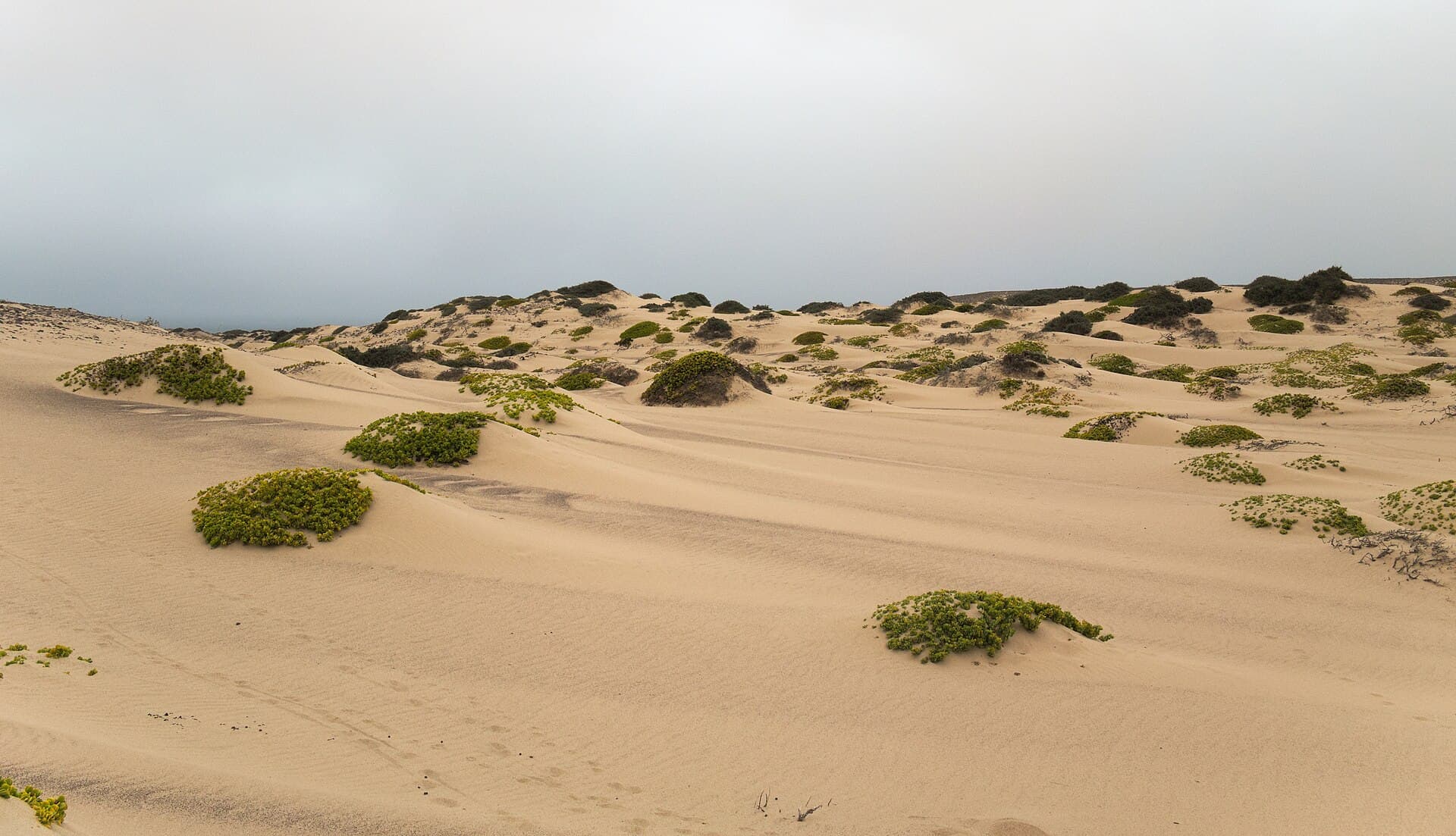
    With the dunes seen, today is for the desert’s quieter side. You might start with a dawn balloon flight, head out with your guide to read the tracks of bat-eared fox and brown hyena, or simply stay put and let the heat of the day pass by the pool. In the late afternoon, a walk on the gravel plains shows how grasses, lichens and beetles survive on fog and the rare rain. After dinner the Namib sky is dark enough to show both Magellanic Clouds, and in the southern winter months the bright core of the Milky Way arcs overhead.

    • Optional sunrise balloon flight
    • Nature drive or walk with your guide
    • Stargazing after dinner
    Overnight
    Sossusvlei area
    Meals
    Breakfast, lunch & dinner
  5. Day 5 · Swakopmund

    Passes, Solitaire and the Atlantic

    Drive · Sossusvlei areaSwakopmund via Walvis Bay · about 5–6 hours with stops

    A full travel day with plenty to see. North of Sesriem you stop at Solitaire, a lone roadside settlement known for its bakery, cross the Tropic of Capricorn and wind through the Gaub and Kuiseb passes, where dry rivers have cut deep into the rock. Then the gravel plains of the Namib run flat to the sea. At Walvis Bay the lagoon, a protected wetland, is often pink with flamingos, and pelicans work the shallows. The last stretch follows the coast road north to Swakopmund, where the air is suddenly cool and you check in by late afternoon.

    • Stop at Solitaire
    • Gaub and Kuiseb passes
    • Flamingos on the Walvis Bay lagoon
    Overnight
    Swakopmund
    Meals
    Breakfast & dinner
  6. Day 6 · Swakopmund

    A Day on the Coast

    Swakopmund is a place to reset, and today is flexible. You can join a morning Sandwich Harbour and marine cruise, where dunes drop into the Atlantic and dolphins and seals follow the boat; watch the seals, but never touch one, because of the rabies outbreak in Cape fur seals. Or take the half-day Living Desert tour to find chameleons, geckos and sidewinding adders in the dune belt. In the afternoon, walk the seafront and the German colonial-era streets, where your guide can put the architecture in honest context, including the genocide of the Herero and Nama peoples in 1904–1908. Pack a fleece: the coast is cool and often foggy all year.

    • Optional Sandwich Harbour and marine cruise
    • Optional Living Desert tour
    • Afternoon in town
    Overnight
    Swakopmund
    Meals
    Breakfast
  7. Day 7 · Spitzkoppe

    Spitzkoppe and into Damaraland

    Drive · SwakopmundDamaraland via Spitzkoppe · about 4–5 hours with stops

    Leaving the coast, you drive inland to Spitzkoppe, a granite peak more than 120 million years old that rises about 670 m above the plains. A short walk among its boulders leads to natural rock arches and old rock paintings. Continuing north past Uis, the Brandberg massif, home to Namibia’s highest point at 2,573 m, fills the western horizon. You may pass roadside craft stalls on this road; if meeting OvaHimba people matters to you, read how we approach community-arranged visits first. By late afternoon you are in Damaraland, among flat-topped hills and red boulder fields.

    • Walk among the granite domes of Spitzkoppe
    • Views of the Brandberg massif
    • Arrival in Damaraland
    Overnight
    Damaraland
    Meals
    Breakfast, lunch & dinner
  8. Granite domes of Spitzkoppe rising from the Damaraland plains

    Day 8 · Damaraland

    Tracking Black Rhino on Foot

    You head out early with trackers linked to Save the Rhino Trust, which has monitored the free-roaming black rhino of Kunene and Erongo since 1982 and recruits its trackers from local communities. The search begins by vehicle, reading spoor along the valleys; once a rhino is located, you walk the last stretch quietly, downwind, and watch from a distance the trackers set. Some mornings end without a sighting, and that is part of the arrangement: tourism is one of the ways this monitoring is sustained. Please do not geotag rhino photographs. The desert rhino tracking page explains how a morning works.

    • Rhino tracking with community trackers
    • Final approach on foot
    • Afternoon at leisure
    Overnight
    Damaraland
    Meals
    Breakfast, lunch & dinner
  9. Day 9 · Twyfelfontein

    Engravings and Desert Elephants

    Morning is for Twyfelfontein, a UNESCO World Heritage Site with one of Africa’s largest concentrations of rock engravings. A site guide leads you along the paths to panels of rhino, giraffe, ostrich and elephant, carved by hunter-gatherers over at least two thousand years as part of ritual life rather than decoration; staying on the marked paths protects them. In the afternoon, your guide follows the dry Aba-Huab or Huab riverbeds in search of Damaraland’s desert-adapted elephants, which browse the riverside trees and can move long distances between water. The Organ Pipes and Burnt Mountain make a short geology stop on the way back.

    • Guided visit to the Twyfelfontein engravings
    • Desert-elephant drive along the riverbeds
    • Organ Pipes and Burnt Mountain
    Overnight
    Damaraland
    Meals
    Breakfast, lunch & dinner
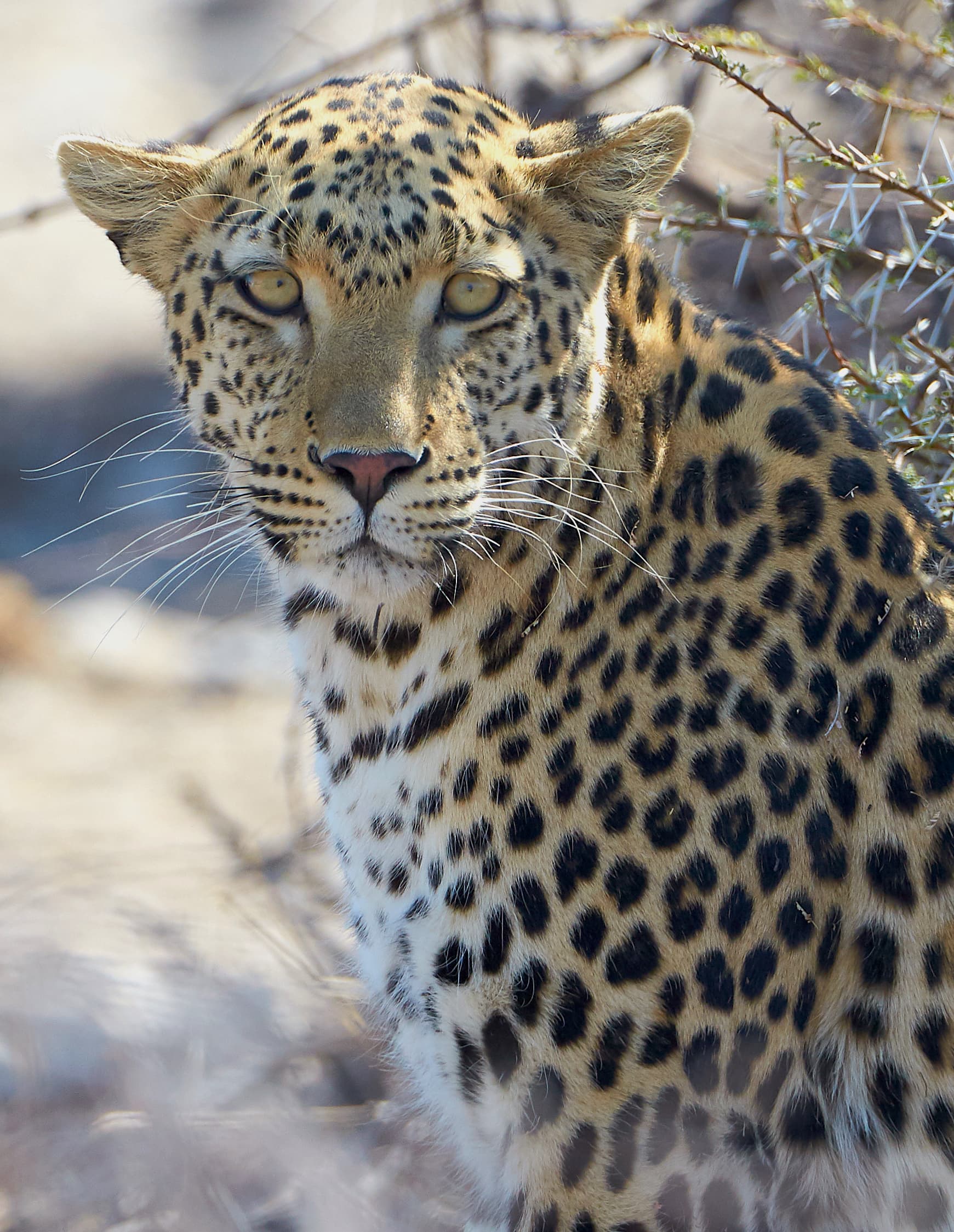
  10. Close leopard portrait in golden light

    Day 10 · Etosha National Park

    East to Etosha

    Drive · DamaralandSouthern Etosha · about 4–5 hours

    The drive to southern Etosha takes about 4–5 hours through Khorixas and Outjo, as the red hills give way to bush and farmland. Depending on your stay level, you either enter the park by the southern Andersson Gate or settle on a private reserve along its boundary. In the afternoon, your guide heads for the nearest waterholes to get your eye in. If you stay at the park’s rest camp at Okaukuejo, walk to its floodlit waterhole after dinner, where black rhino often come to drink after dark and elephants arrive almost without a sound.

    • Drive via Khorixas and Outjo
    • Afternoon game drive
    • Evening at a floodlit waterhole (rest-camp stays)
    Overnight
    Southern Etosha
    Meals
    Breakfast, lunch & dinner
  11. Day 11 · Etosha National Park

    The Southern Waterholes

    A full day in Etosha National Park, roughly 22,000 km² of bush and grassland around a vast white salt pan. Your guide works the southern waterholes by the clock: plains game in the cool morning, elephants through the heat, and the chance of lion or cheetah as the light softens. There are no buffalo here, so Etosha offers four of the Big Five rather than five. Around a third of the park burned in a wildfire in September 2025; grass returns with the rains, and your guide plans each day around the conditions at the time. You are back at your lodge before the gates close at sunset.

    • Full day of game viewing
    • Picnic lunch at a rest camp
    • Optional night drive (private reserve or park-run)
    Overnight
    Southern Etosha
    Meals
    Breakfast, lunch & dinner
  12. Day 12 · Eastern Etosha

    Along the Pan to Namutoni

    Drive · Southern EtoshaEastern Etosha (Namutoni) · a full day of game viewing

    Today you drive the length of the pan from west to east, stopping at waterholes all the way. Around Halali, in the centre of the park, the terrain changes to low dolomite hills and denser bush, where your guide keeps watch for leopard. Further east, the pan’s edge opens into wide views and, around Fischer’s Pan, flamingos and waders gather when there is water after good rains. You spend the night near Namutoni, the whitewashed fort turned rest camp at the eastern end, or on a private reserve outside the Von Lindequist Gate.

    • West-to-east traverse along the Etosha Pan
    • Waterhole stops around Halali
    • Birding at Fischer’s Pan in season
    Overnight
    Eastern Etosha
    Meals
    Breakfast, lunch & dinner
  13. Day 13 · Okonjima

    Okonjima and AfriCat

    Drive · Eastern EtoshaOkonjima · about 3 hours

    After a last morning drive in eastern Etosha, you head about 3 hours south through Tsumeb and Otjiwarongo to Okonjima, a private nature reserve in the hills that is home to the AfriCat Foundation. After lunch you learn about AfriCat’s work with large carnivores and the farmers who live alongside them, then join an afternoon tracking activity — for leopard, rhino or brown hyena, depending on what the reserve offers that day. Dinner is your last evening with your guide, and a good moment to go through your photographs from the whole loop.

    • Morning drive in eastern Etosha
    • AfriCat visit
    • Afternoon tracking activity
    Overnight
    Okonjima
    Meals
    Breakfast, lunch & dinner
  14. Day 14 · Hosea Kutako Airport

    Back to Hosea Kutako

    Drive · OkonjimaHosea Kutako International Airport · about 3 hours

    If your flight leaves in the evening, there is time for an early walk or tracking activity at Okonjima before breakfast. The drive to Hosea Kutako International Airport takes about 3 hours, south on the tar road past Okahandja, where the wood-carvers’ market makes a final stop for souvenirs. Your guide stays with you to the terminal. If you want to keep travelling, Windhoek’s regional flights make Cape Town or Victoria Falls an easy add-on.

    • Optional early tracking or nature walk
    • Drive to Hosea Kutako International Airport
    Meals
    Breakfast

Lodges

Where You’ll Stay

Choose a comfort level to see the stay style for each part of the journey. We match specific camps to your dates and availability.

Spacious, characterful camps in prime locations, with exceptional service and food.

  1. 1 night · Windhoek

    Premium

    Windhoek · Klein Windhoek

    Garden-Terrace Boutique Hotel · Klein Windhoek

    Boutique hotel

    • Individually designed rooms or suites
    • Pool and terrace for arrival afternoons
    • Several restaurants within a short walk or drive
  2. 3 nights · Sossusvlei

    Premium

    Sossusvlei · Inside the Sesriem gate

    Inside-the-Gate Dune Chalets

    Desert lodge

    • Access to the dunes before sunrise and after sunset
    • Chalets linked by raised walkways
    • Books out early for July–October
  3. 2 nights · Swakopmund

    Premium

    Swakopmund · Seafront & old town

    Jetty-Quarter Heritage Hotel · Swakopmund

    Heritage hotel

    • Restored period building close to the sea
    • Ocean-view rooms at some
    • Family suites or interconnecting rooms
  4. 3 nights · Damaraland

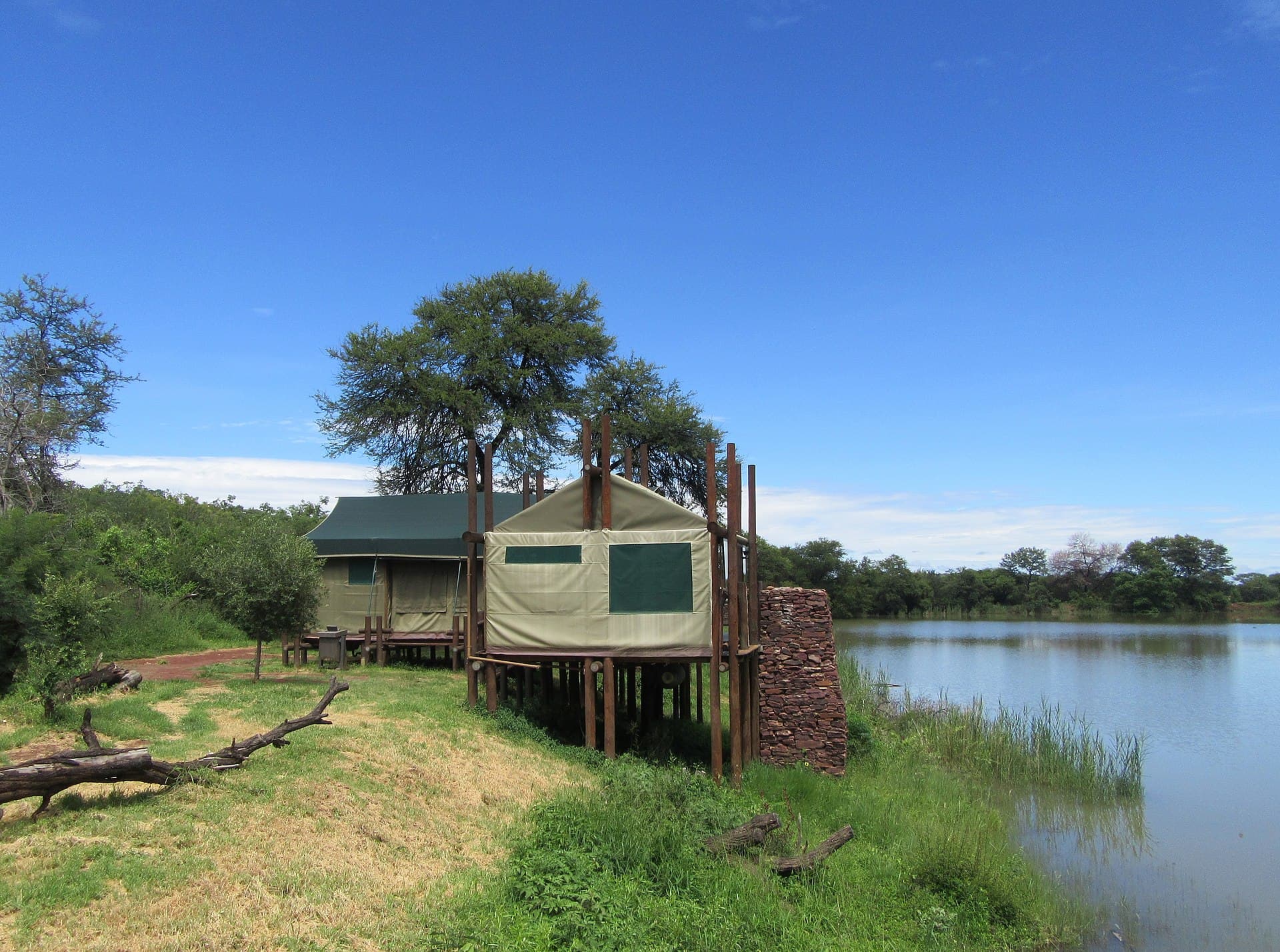
    A canvas safari tent set among trees at a private tented campPremium

    Damaraland · Community conservancy

    Boulder-Hill Tented Camp · Damaraland

    Tented camp

    • Tents on decks with wide valley views
    • Guided nature walks from camp
    • Desert-elephant drives in nearby riverbeds
  5. 2 nights · Southern Etosha

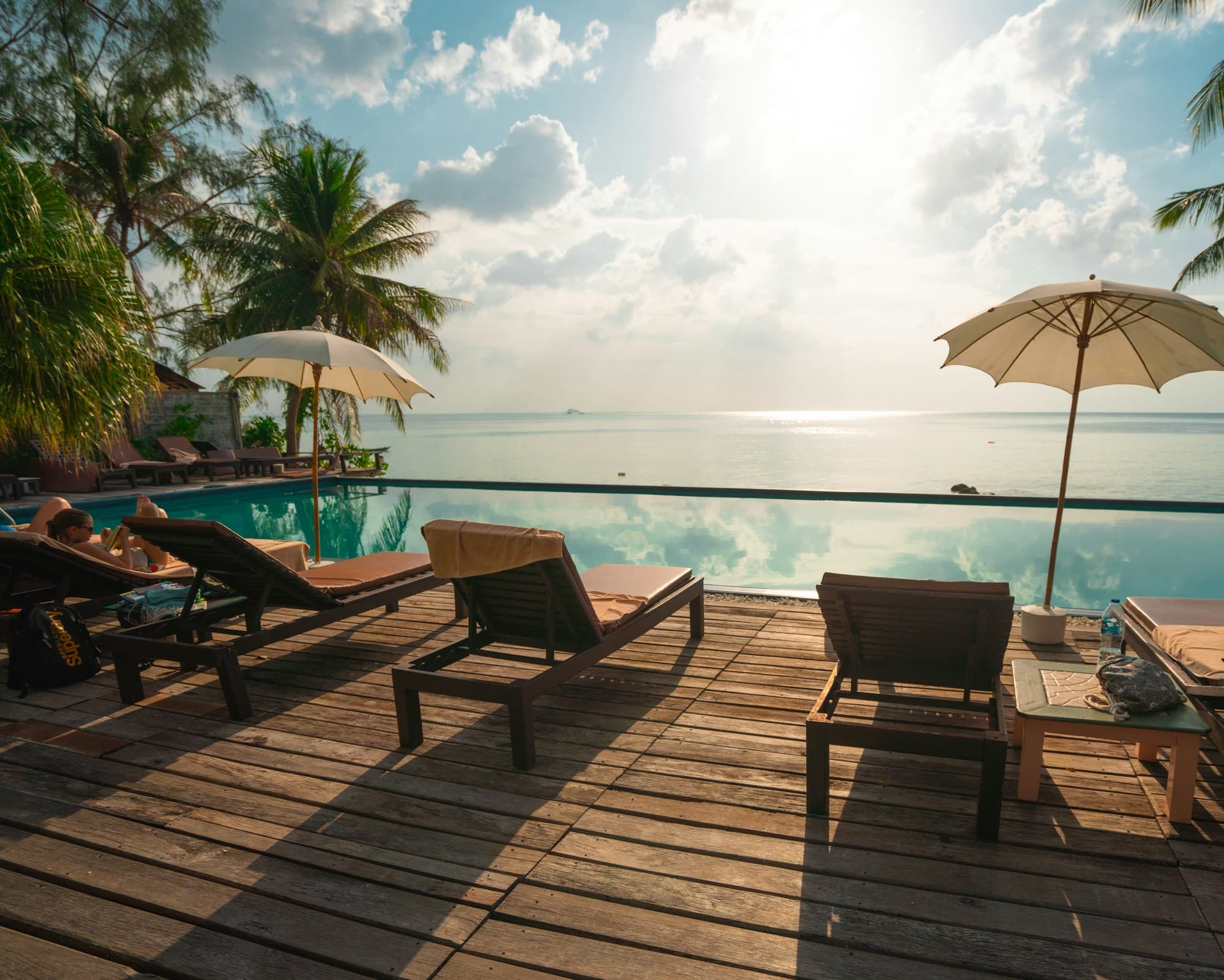
    Luxury lodge deck with loungers and umbrellas at golden hourPremium

    Etosha · Private reserve on the park boundary

    Boundary-Reserve Family Lodge · Etosha

    Lodge

    • Family rooms or chalets
    • Pool and a lodge waterhole
    • Night drives on the private reserve
  6. 1 night · Eastern Etosha

    Luxury lodge deck with loungers and umbrellas at golden hourPremium

    Etosha · Private reserve on the park boundary

    Boundary-Reserve Family Lodge · Etosha

    Lodge

    • Family rooms or chalets
    • Pool and a lodge waterhole
    • Night drives on the private reserve
  7. 1 night · Okonjima

    Luxury lodge deck with loungers and umbrellas at golden hourPremium

    Central Namibia · Okonjima Nature Reserve

    Conservation-Reserve Bush Lodge · Okonjima

    Lodge

    • AfriCat Foundation conservation visits
    • Leopard, rhino and hyena tracking
    • Night drives for nocturnal species

Price

Price

Every private safari is priced for your dates, party and choices — here is what moves the number.

Individually quoted

Custom pricing based on your dates, comfort level, party size and routing.

  • SeasonPeak months sit at the top of the range; green-season and shoulder months are noticeably softer at many camps.
  • Party sizeYour private vehicle and guide are shared across your party — the per-person cost typically falls as your group grows from two to four or six.
  • Comfort levelMoving from Comfort to Ultra-Luxury changes the nightly rate more than any other choice.
  • RoutingFlying the long legs saves hours on the road and adds light-aircraft fares; driving keeps costs lower.

What’s Included

  • Professional guiding throughout: a private vehicle and guide on road-based legs, and the camp’s own guides at fly-in camps (a private vehicle can often be added)
  • Accommodation at your chosen comfort level
  • Meals as listed day by day
  • Park and conservation fees for the itinerary
  • Airport meet-and-greet and road transfers as listed
  • Drinking water on game drives
  • Support from our team before and during your journey
  • Your guide’s own accommodation, meals and fuel for the whole loop
  • Guided sunrise visit to Sossusvlei and Deadvlei, including the 4×4 stretch
  • A rhino tracking morning in Damaraland with community trackers
  • Guided entry to the Twyfelfontein rock engravings
  • A desert-elephant drive in the Damaraland riverbeds
  • A full east–west traverse of Etosha National Park
  • AfriCat visit and one tracking activity at Okonjima

Not Included

  • International flights
  • Visa and entry fees
  • Travel and medical insurance (strongly recommended)
  • Gratuities for guides and camp staff
  • Premium drinks and personal expenses
  • Sandwich Harbour and marine cruise, and the Living Desert tour (optional add-ons)
  • Sunrise balloon flight at Sossusvlei (optional add-on)
  • Namibian visa for US passport holders
  • Park-run night drives from the Etosha rest camps (comfort level, booked locally)
  • Gratuities for your guide and the rhino trackers
  • International flights

A typical inclusion list — your written proposal itemizes exactly what is and isn’t included.

Activities

Activities & Add-Ons

Included experiences and optional upgrades for this journey.

Granite domes of Spitzkoppe rising from the Damaraland plainsIncluded

On foot

Desert Rhino Tracking on Foot

One tracking morning on day 8 from your Damaraland base; minimum ages and fitness requirements vary by camp.

Optional

Adventure

Living Desert Tour

A morning outing on day 6 that pairs well with an afternoon in town.

Optional

After dark

Stargazing & Dark Skies

Ask for a guided sky talk at your desert lodge on day 4, ideally near new moon.

Map

Route Map

Route map: Windhoek · Sossusvlei · Swakopmund · Spitzkoppe · Damaraland · Etosha National Park · Eastern Etosha · Okonjima1Hosea Kutako Airport2Windhoek3Sossusvlei4Swakopmund5Spitzkoppe6Damaraland7Etosha National Park8Eastern Etosha9Okonjima
By roadBy air

Approximate locations — not for navigation.

How This Journey Changes Through the Year

April–May
The summer rains are ending, the plateau and Damaraland’s hills are still green and the gravel roads are drying out. Etosha’s game is spread through the bush, but the air is clear and visitors are fewer. Malaria risk in the north drops from May.
June–August
Cool, dry and sunny, with cold mornings and nights — close to freezing in the desert and at Etosha — so pack warm layers. Wildlife gathers at the waterholes as bush water disappears.
September–October
The hottest of the dry months. Etosha’s waterholes are at their busiest and most photogenic, and dune climbs need a very early start. Book well ahead; see the month-by-month guide for the full picture.
November
Temperatures peak and the first storms may reach the north. Game stays concentrated in Etosha until the rains begin, and lodges are quieter.

Make It Yours

  • Fly back to Windhoek from Okonjima or Etosha instead of driving the final leg
  • Add two nights on the northern Skeleton Coast by light aircraft from Damaraland
  • Trade a Swakopmund night for a scenic flight over the dunes and coast
  • Stop at the Cheetah Conservation Fund’s centre near Otjiwarongo on day 13
  • Continue to the Zambezi Region and Botswana for rivers and buffalo
  • Start or finish with a few nights in Cape Town, about two hours from Windhoek by air

Good to know

Frequently asked questions

What does two weeks in Namibia cover, and what does it leave out?

Two weeks is enough for the classic loop of desert, coast, Damaraland and Etosha without rushing, which is why this route spends at least two nights in almost every area. Remote areas such as Kaokoland, the northern Skeleton Coast or the Zambezi Region need extra days or flights.

How long are the driving days on this loop?

The longest days, to Sossusvlei, to Swakopmund and to Damaraland, take about 4–6 hours including stops, much of it on gravel. Your guide breaks them up with viewpoints, picnics and short walks, and road days are planned to finish before dark. Several days involve little or no driving at all.

Why a private guide for two weeks rather than a rental car?

This journey is built around a private guide, although self-drive does suit some confident gravel drivers and we can help plan one if it suits you. A guide removes the fatigue and risk of long gravel days and adds what a map cannot: tracking, reading waterholes, context at rock-art sites and local introductions. Over fourteen days, that interpretation adds up.

How does this differ from a shorter Sossusvlei and Etosha trip?

A typical nine- or ten-day loop covers Sossusvlei, Swakopmund and Etosha. This journey adds three nights in Damaraland for rhino tracking and Twyfelfontein, crosses Etosha from south to east instead of using one base, and ends with a night at Okonjima.

How do the comfort, premium and luxury versions of this loop differ?

Comfort uses characterful lodges and Etosha’s state-run rest camps with their floodlit waterholes. Premium moves you inside the Sesriem gate for earlier dune access and onto private reserves on Etosha’s boundary. Luxury adds a private desert reserve and a remote tented camp in the Palmwag concession, deep in rhino country.

Safaris

Similar Safaris

Wind-sculpted dunes meeting the Skeleton Coast
10 daysFly-in

Namibia by Air

Windhoek · Sossusvlei · Skeleton Coast · Etosha National Park

Travelers who would rather fly than drive, and who value remote wilderness and photography over a long species list

Best months
April–November
Comfort levels
Premium · Luxury · Ultra-Luxury
Individually quoted
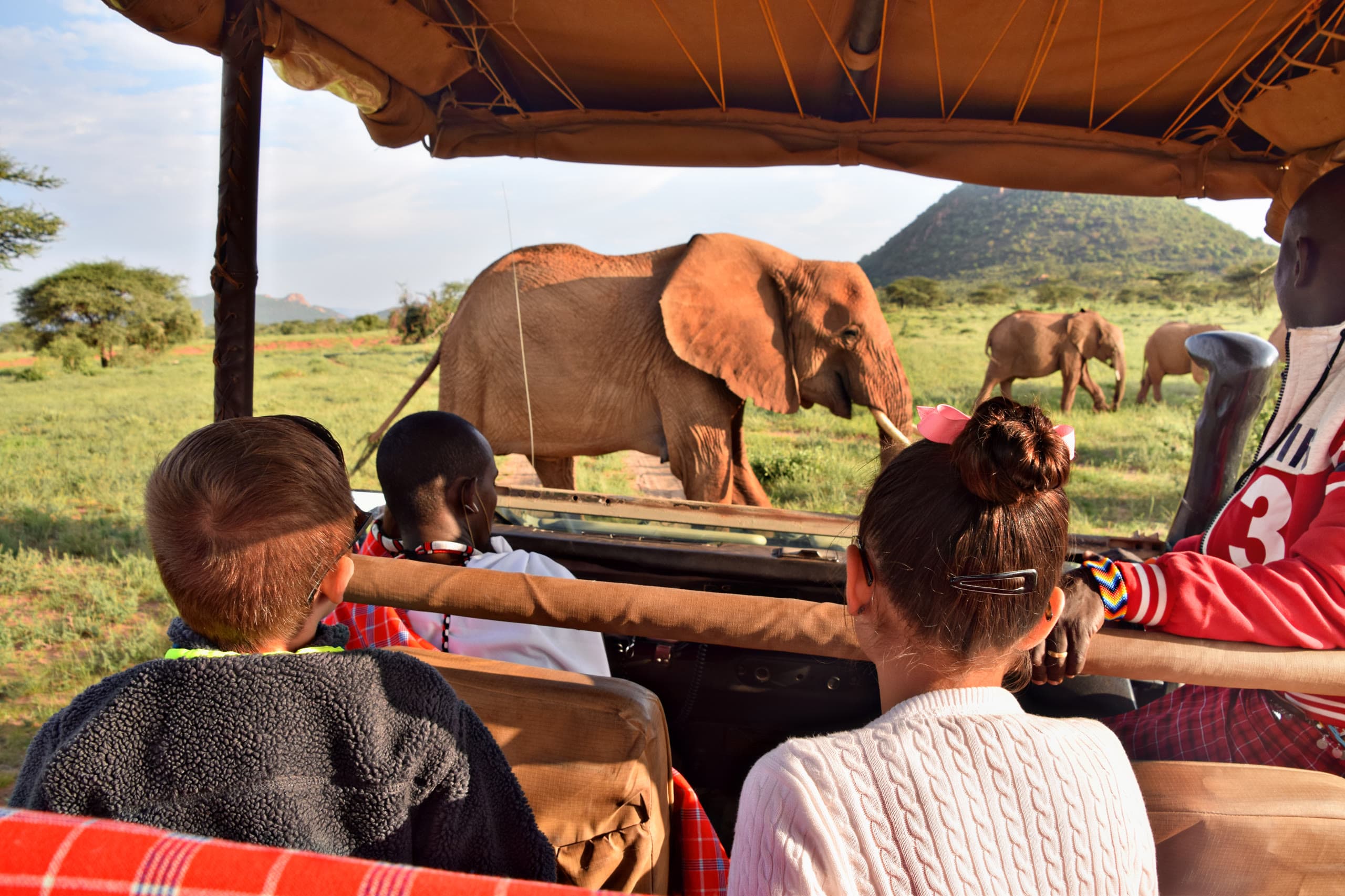
Safari guests watching a herd of elephants from an open vehicle on a family game drive
9 daysFamily

Namibia Family Adventure

Okonjima · Etosha National Park · Swakopmund · Walvis Bay

Families with school-age children who want real wildlife, short drives and plenty of variety

Best months
May–October, the dry winter months
Comfort levels
Comfort · Premium · Luxury
Individually quoted
Granite domes of Spitzkoppe rising from the Damaraland plains
8 daysRemote

Desert Rhino & the Kunene

Windhoek · Damaraland · Kaokoland

Seasoned safari travelers who value wilderness, conservation and silence over a long species list

Best months
April–September, before the heat builds
Comfort levels
Premium · Luxury · Ultra-Luxury
Individually quoted
Red curve of Dune 45 at sunrise in Sossusvlei, Namibia

Customize This Journey

Tell us your dates, who is traveling and your preferred comfort level. A safari specialist will tailor this route around you — nothing is booked until you approve every detail.

Customize This Journey