Practicalities
Health, Safety & Practicalities
Speak to a travel-health clinic six to eight weeks before you travel about routine vaccinations and malaria prevention, which is generally advised for safari areas. Yellow fever certificate rules depend on your route and can apply if you arrive from, or in some cases transit through, a country with yellow fever risk. Our vaccines and yellow fever guide explains the current picture; confirm with official sources before you go.
Tanzania’s safari areas are well established and generally considered safe for visitors traveling with a reputable guide. The main risks are ordinary ones: long road journeys, sun, dehydration and occasional petty theft in towns. Many camps are unfenced, so you follow a few simple rules, such as being escorted to your tent after dark. Our safari safety guide covers the detail.
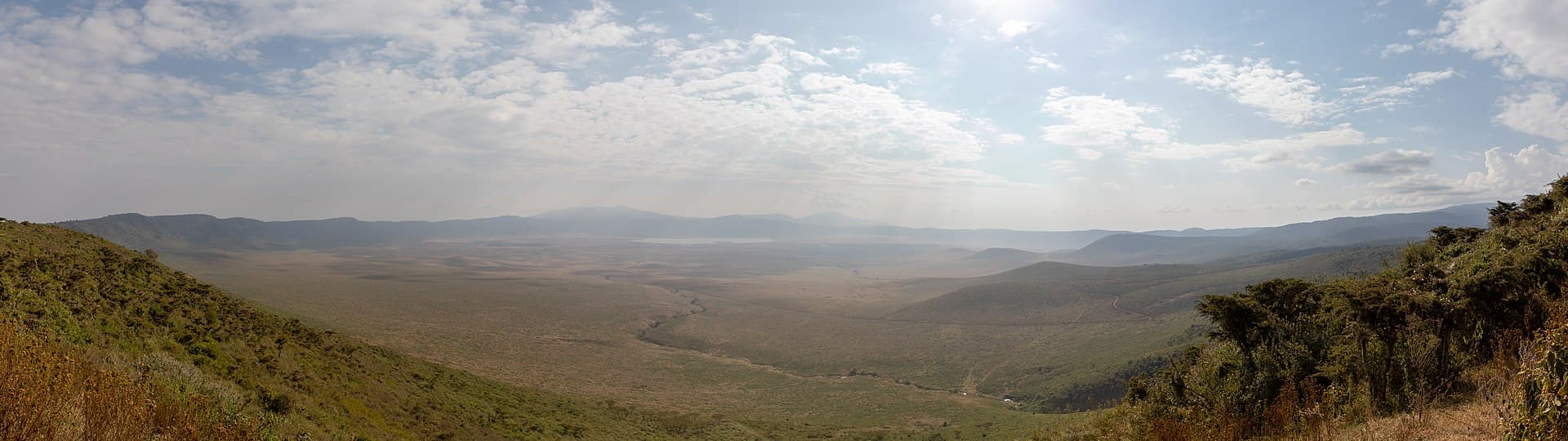
Pack light, in layers and in neutral colors, and avoid dark blue and black, which attract tsetse flies in some areas. If your trip includes light-aircraft flights, luggage is typically limited to about 15 kg (33 lb) per person in soft-sided bags, and most camps offer laundry. Our packing list covers exactly what to bring, from binoculars to a warm layer for the crater rim.
A few more essentials: comprehensive travel insurance with medical evacuation cover; a visa, which most visitors arrange online before travel; US dollars in newer, undamaged notes for gratuities, since older bills are often refused; and patience with connectivity, as Wi-Fi in the bush is limited. Many camps run on solar power and may offer charging only in the main area, so a power bank and a UK-style (Type G) adapter are worth packing.