Culture

San Cultural Walks in the Kalahari

Knowledge carried across countless generations, shared on a morning walk: which roots hold water, how a track ages in the sand, how fire comes from two sticks.

SeasonYear-round; early-morning walks are the most comfortable, especially in the hot months from about October to March.
DurationUsually two to three hours, most often in the early morning; some camps offer a longer half-day walk
WhereMakgadikgadi Pans · Central Kalahari Game Reserve · Ghanzi area · Tsodilo Hills
Best forTravelers interested in people as well as wildlife · Families with curious children · Green-season Kalahari and pans trips · Anyone combining the Delta with the desert

The San are widely described as the first peoples of southern Africa, and a walk with San guides in the Kalahari can be one of the most rewarding parts of a Botswana safari, provided it is done well. Every name has a history. Basarwa is the Setswana term used in Botswana; San, originally a Khoekhoe word, is the name most used internationally; “Bushmen” is a colonial-era name that many find offensive, although some communities have reclaimed it. The San are not one people but many communities with their own languages, such as the Naro around Ghanzi and the G/wi and G//ana of the central Kalahari, so ask your guides how they prefer to be described.

On a typical walk, guides demonstrate how to read tracks, find edible and medicinal plants, dig up water-storing roots, set a traditional snare and make fire by spinning a stick. It is heritage knowledge shared on the guides’ own terms, not a portrait of daily life: San families today live in villages and towns, work, farm and study like anyone else. The best experiences are community-led, pay guides properly and welcome questions, which is why we choose them carefully.

San Cultural Walks in the Kalahari

How It Works

  1. We recommend camps whose walks are led by San guides employed on fair terms, and we ask how each program works before including it.

  2. You set out on foot in the cool of the morning, usually in a small group with San guides and often a camp guide who interprets.

  3. Along the way, your guides demonstrate tracking, plant foods and medicines, snares and fire-making, and explain the knowledge behind each.

  4. There is time for questions, which good guides welcome, about traditional skills and about life in the Kalahari today.

  5. Photography is usually fine during demonstrations, but always ask first and follow your guides’ lead on what is appropriate.

San Cultural Walks in the Kalahari

Where You Can Do It

Makgadikgadi Pans
Camps on the pans’ edge often include walks with San guides alongside meerkat visits, a natural pairing with a Delta stay.
Central Kalahari Game Reserve
Lodges in and beside the reserve offer nature walks with San guides, adding human knowledge to the Kalahari’s wildlife.
Ghanzi area
Western Botswana’s Ghanzi district is home to several San communities, some with their own cultural programs; we check current operations before recommending one.
Tsodilo Hills
A UNESCO World Heritage Site in the far north-west, with around 4,000 rock paintings across the Male, Female and Child hills; a remote fly-in extension.

Good to know

  • Questions worth asking any camp: are the guides San, and are they employed and paid directly? Does part of the fee reach a community trust? Did the community help shape the walk?
  • Avoid programs that stage “village life” or dress people up for visitors; a respectful walk shares skills, not a performance.
  • The Central Kalahari Game Reserve was created in 1961 as a sanctuary for the San; residents were relocated from 1997, and in 2006 Botswana’s High Court ruled the evictions unlawful. The Central Kalahari page gives more context.
  • Wear closed shoes and a hat: Kalahari sand heats up quickly by mid-morning, and many plants carry thorns.
  • Tsodilo is sacred to the communities who live around it, so visits there are guided and unhurried, with the same courtesy you would show at any place of worship.

Safaris

Safaris Featuring This Experience

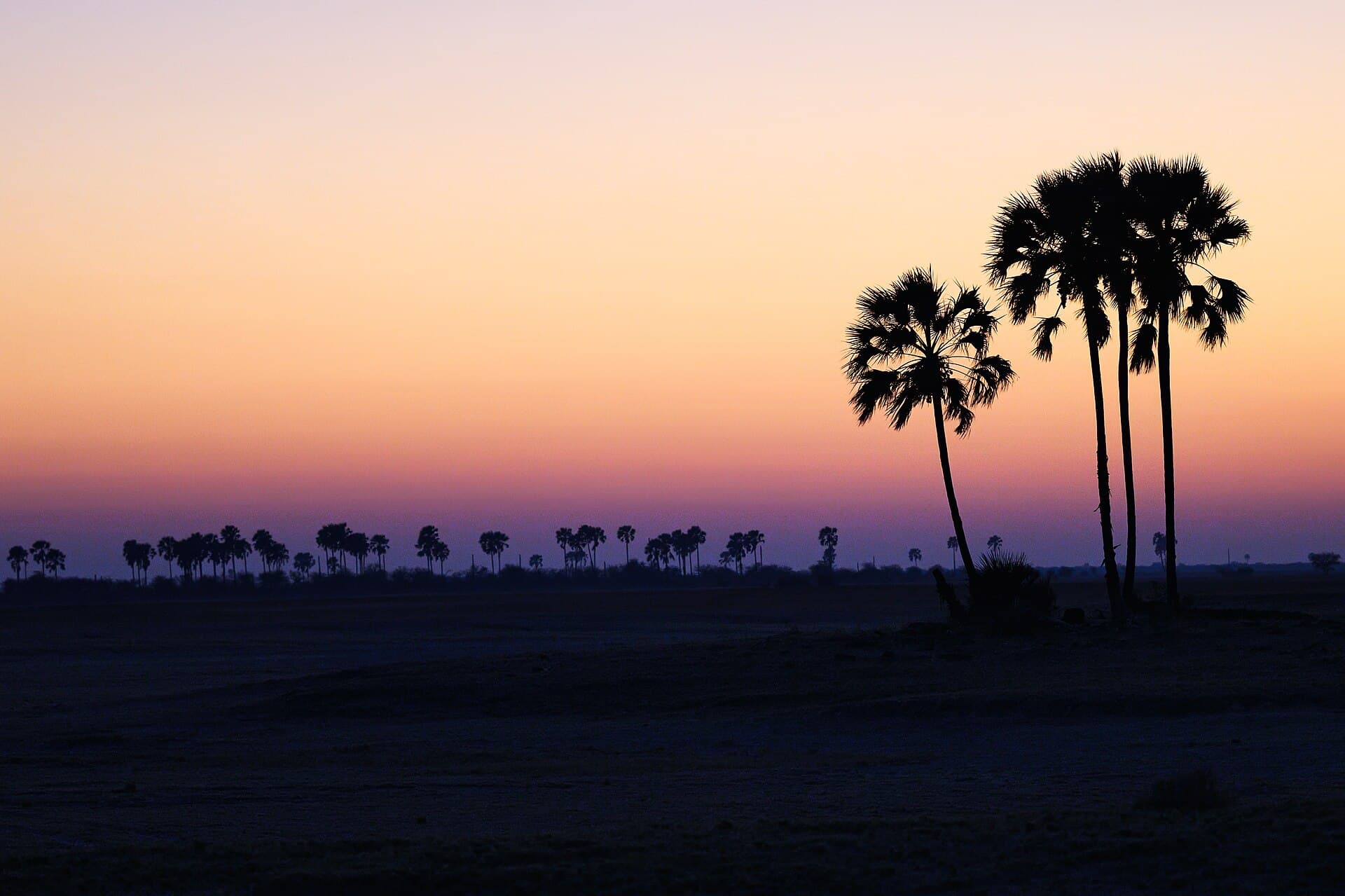
Palm islands silhouetted at dusk on the Makgadikgadi pans
9 daysDec–Apr

Green Season: Kalahari & Pans

Maun · Makgadikgadi Pans · Nxai Pan · Central Kalahari · Okavango Delta

Return visitors, photographers and the Kalahari-curious, happy to trade some certainty for solitude

Best months
December–April, in the rains
Comfort levels
Premium · Luxury
Individually quoted
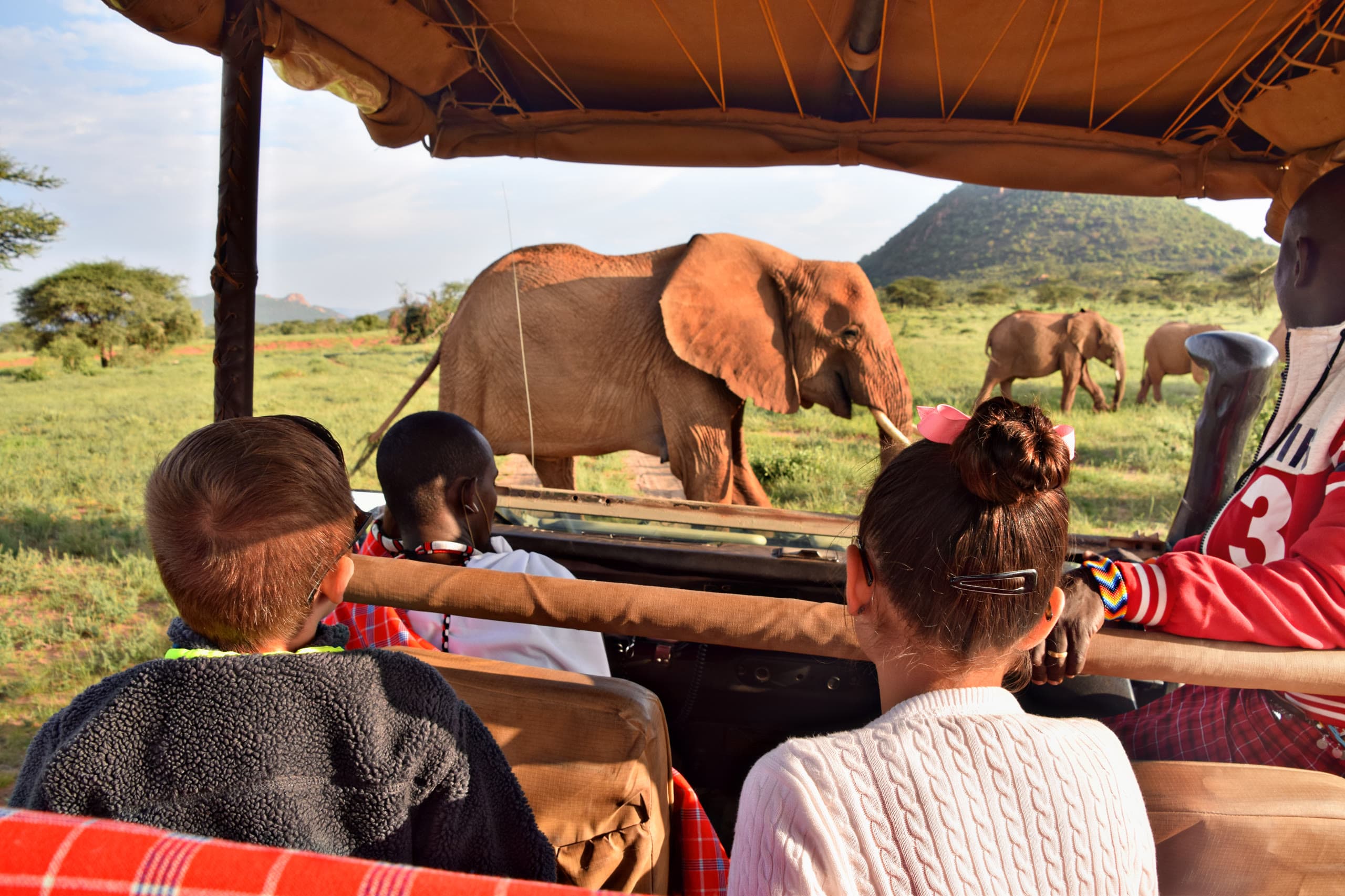
Safari guests watching a herd of elephants from an open vehicle on a family game drive
9 daysFamilies with teens

Botswana Family Adventure

Kasane · Chobe Riverfront · Okavango Delta · Makgadikgadi Pans · Maun

Families with children roughly 12 and older who want variety, activity and a little adrenaline

Best months
April–October (book school-holiday dates early)
Comfort levels
Comfort · Premium · Luxury
Individually quoted
Good to know

Frequently asked questions

Is it respectful to call the San “Bushmen”?

The term carries a painful colonial history, and many people prefer San, Basarwa or the name of their own community. Some San do use “Bushmen” themselves, so follow your guides’ lead and use the name they prefer.

How do I know a San cultural experience is ethical?

Look for walks led by San guides who are employed and paid fairly, with the community involved in how the program runs. Be wary of staged villages or anything that presents people as a spectacle, and ask the camp how fees are shared.

Can I visit the Tsodilo Hills on a Botswana safari?

Yes, as a remote extension. The hills lie in the far north-west near the Okavango Panhandle and are reached by light aircraft or a long drive, so they suit travelers with a strong interest in rock art and a night or two to spare.

Are San walks suitable for children?

Generally, yes. The pace is slow, the demonstrations are hands-on, and children often love the tracking and fire-making. Check the walk’s length and the likely heat for your travel dates.

Experiences

Related experiences

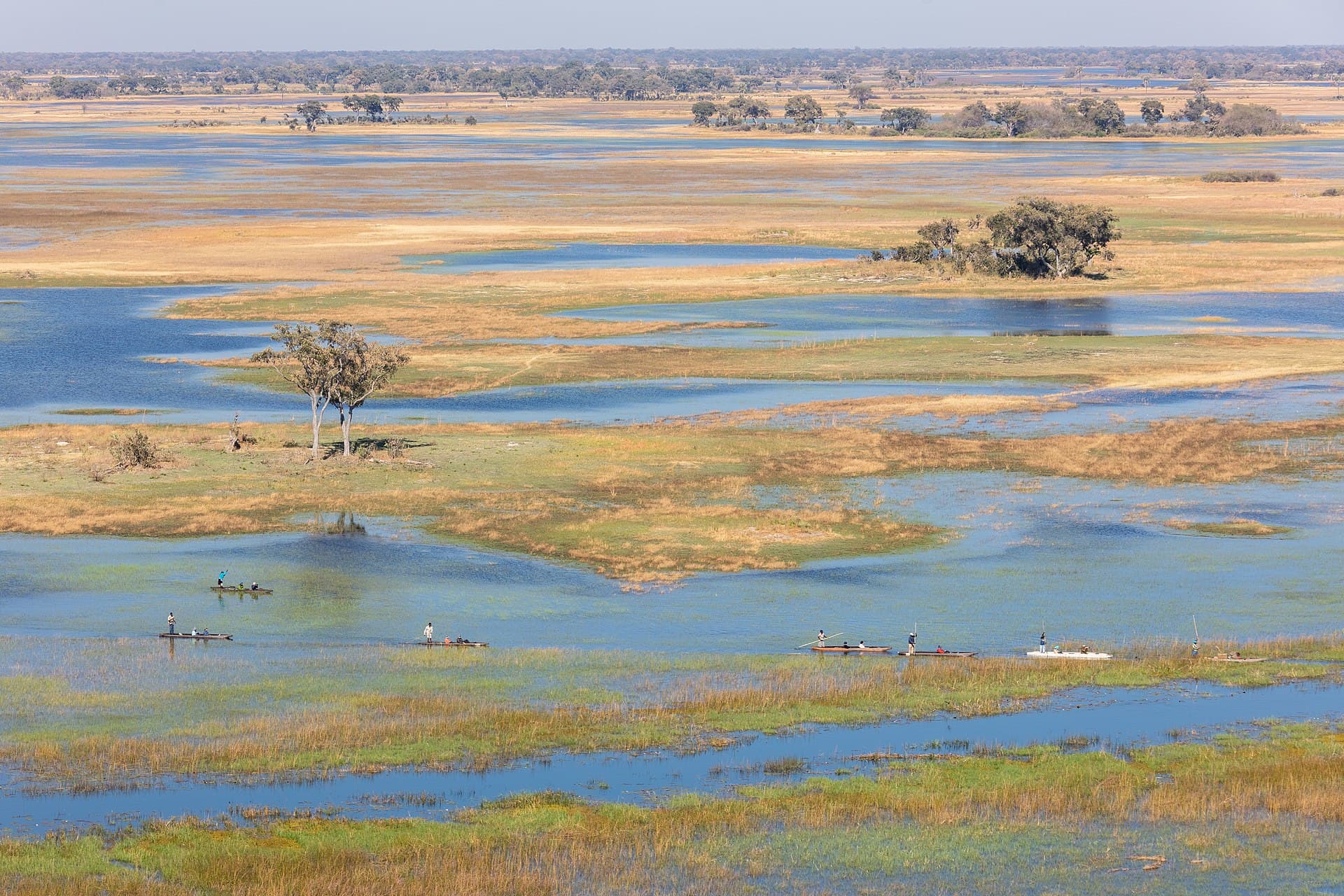
Aerial view over the winding channels and islands of the Okavango Delta

On the water

Mokoro Excursions

Glide through the Okavango’s papyrus channels in a poled canoe, low enough to meet reed frogs and lily-trotters at eye level.

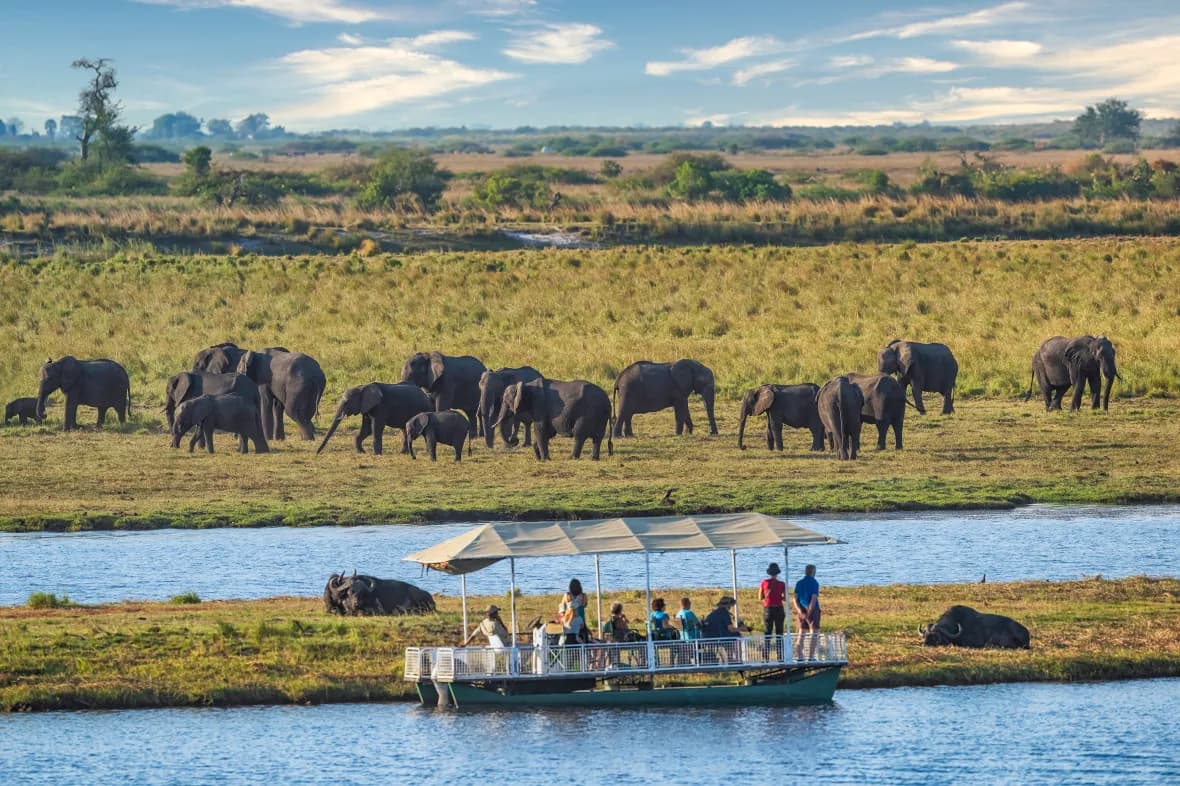
Guests on a small safari boat watch an elephant herd grazing the river floodplain

On the water

Chobe River Boat Safaris

Watch elephant herds drink, swim and cross the Chobe River from a boat, the riverfront’s signature way to see its wildlife.

Aerial view over the winding channels and islands of the Okavango Delta

In the air

Helicopter & Scenic Flights over the Delta

See the Okavango’s channels, islands and wading herds from the air, on a doors-off helicopter flight or a fixed-wing scenic flight from Maun.

Wetland channels of Moremi Game Reserve

Tell Us Your Month

Share when you can travel, who is coming and what you most hope to see in Botswana. A specialist will shape a private route around it and walk you through every choice before anything is booked.

Plan My Botswana Safari