The Short Answer
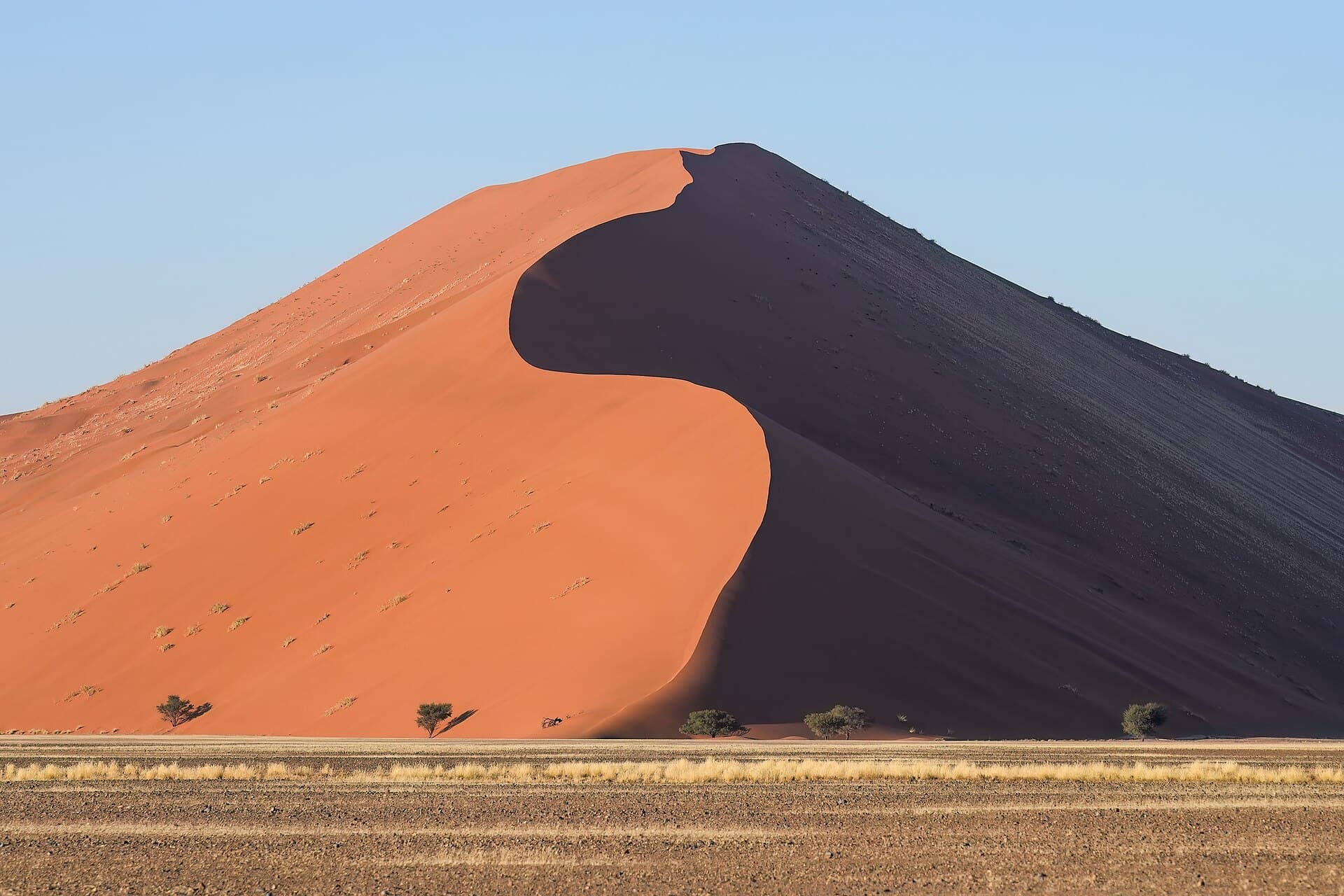
Namibia malaria risk is uneven, which is good news for planning. According to UKHSA, the UK’s public-health agency, risk is high all year in the Kavango East, Kavango West and Zambezi regions of the far north-east. Across the other northern regions, including the four that Etosha National Park straddles, it is high from December to April and low from May to November. Everywhere else, including the Namib desert, the coast and the south, the risk is very low, and the CDC states that there is no malaria in the city of Windhoek.
So the honest answer to “Is Namibia a malaria country?” is: parts of it, some of the time. A dry-season trip that stays in the desert and on the coast carries very little risk, while a February visit to Etosha, or any month in the Zambezi Region, is a different matter. We don’t describe any part of Namibia as malaria-free, because very low is not zero, and the decision about antimalarials belongs with a travel-health clinician who sees your full route.
The two agencies also frame the picture differently: UKHSA grades risk by season and region, while the CDC lists the areas where malaria occurs. That is one more reason to book a travel-health appointment, ideally four to six weeks before you fly, and to take your itinerary with you.