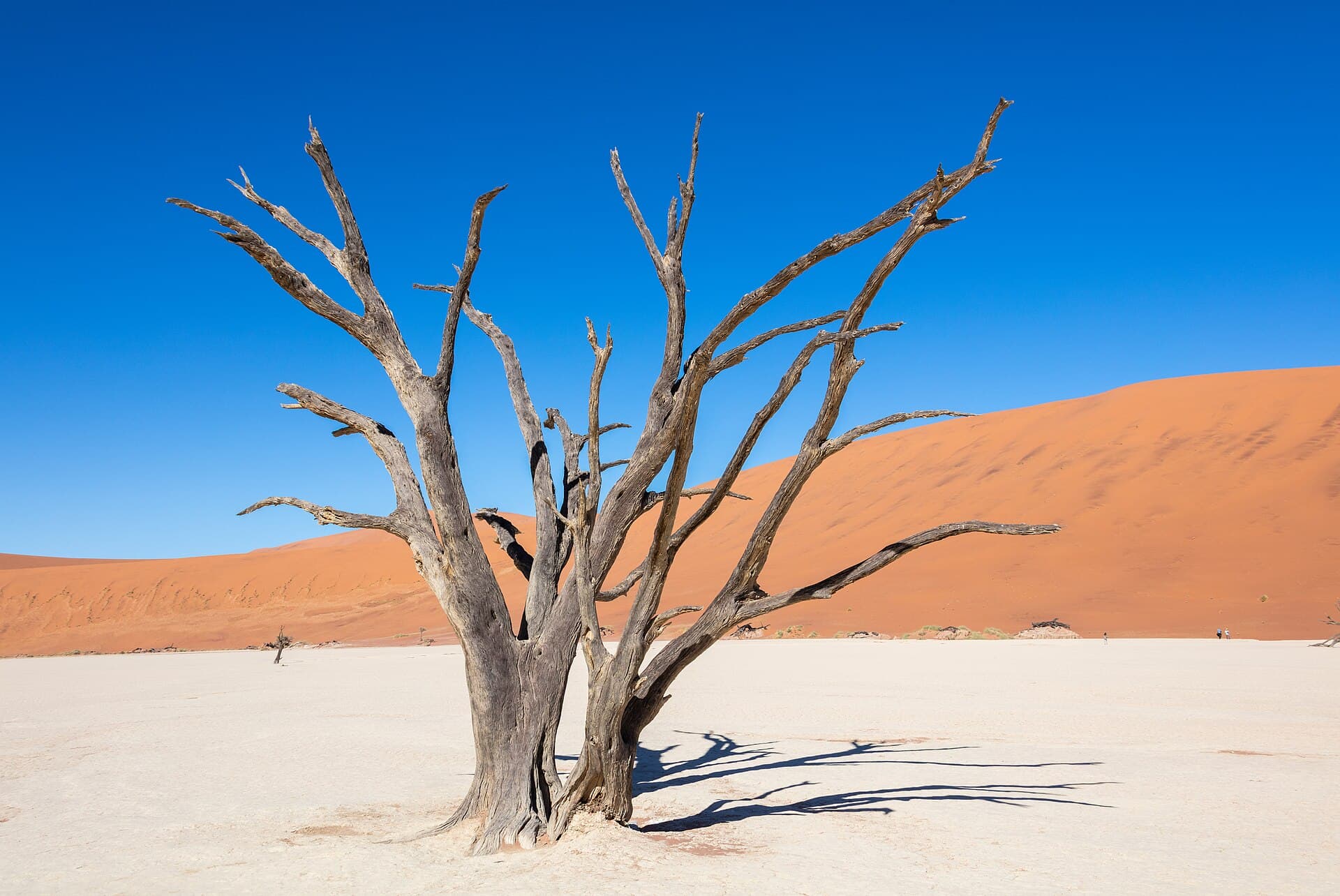
Ancient camelthorn tree on the white clay pan of Deadvlei

Namibia planning

Best Time to Visit Namibia: A Month-by-Month Guide

Namibia has no bad month, only different trips. Rain, heat, coastal fog and the waterholes each shape the year, and they rarely peak at the same time.

The best time to visit Namibia for wildlife is the dry season, roughly June to October, when the bush around Etosha has dried out and animals have little choice but to come to the waterholes. Days are mild and skies clear, nights are cold, and demand is at its highest: Namibia Wildlife Resorts, the state-owned company behind the rest camps inside the national parks, prices July to October as its high season.

But Namibia is a desert country with a cold ocean on one side and a subtropical river system on the other, so the calendar works differently from region to region. The coast is cool and almost rainless in every month. The dunes of Sossusvlei are most comfortable from May to September, when you can climb without summer’s heat. The north-east gets most of its rain between December and February, the central highlands between January and March.

So the right month depends on what you want most: waterhole wildlife, comfortable desert walking, green landscapes and birds, or the lowest malaria risk. Start with the grid, then read the month-by-month table and the notes for each region.

Season grid

Namibia’s Year at a Glance

Each row scores one region or activity from limited to excellent, and each column is a month. The grid follows a typical rainfall year; Namibia’s rains are famously erratic, so a dry January or a wet April can move the picture by several weeks.

ExperienceJanFebMarAprMayJunJulAugSepOctNovDec
Etosha game viewingFairFairFairFairGoodExcellentExcellentExcellentExcellentExcellentGoodFair
Sossusvlei dune walks (heat)FairFairGoodGoodExcellentExcellentExcellentExcellentExcellentGoodFairFair
Damaraland desert-adapted wildlifeFairFairFairGoodGoodExcellentExcellentExcellentExcellentGoodGoodFair
Skeleton Coast & SwakopmundGoodGoodGoodGoodGoodGoodGoodGoodGoodGoodGoodGood
Kaokoland & Kunene travelFairFairFairGoodExcellentExcellentExcellentExcellentGoodFairFairFair
Zambezi Region wildlifeFairFairFairFairGoodGoodExcellentExcellentExcellentExcellentGoodFair
Birding (pans & rivers)ExcellentExcellentExcellentGoodFairFairFairFairFairGoodExcellentExcellent
RainfallRainy seasonRainy seasonRainy seasonShowersMostly dryMostly dryMostly dryMostly dryMostly dryMostly dryShowersShowers
Travel seasonShoulderGreen seasonGreen seasonShoulderShoulderHigh seasonPeak seasonPeak seasonPeak seasonPeak seasonShoulderHigh season
ExcellentGoodFairLimited or closedShowersRainy seasonPeak seasonHigh seasonShoulderGreen season

General guidance; rainfall varies widely year to year. Rain values follow the central highlands (Windhoek) and the north-east (Katima Mulilo); the coast is cool, often foggy and almost rainless all year. Etosha wildlife concentrates at waterholes as the veld dries (June–October); summer rains disperse game but bring green landscapes, newborn antelope and migrant birds. 'Season' reflects typical demand and rates (NWR's high-season rates run July–October; December holidays are busy locally).

The seasons

Namibia’s Four Travel Seasons

Namibia lies in the southern hemisphere, so its winter falls during the northern summer. The year divides into a cool, dry half and a hot half with rain, with two short transitions between them.

May–June · Early dry season

The rains are over, the grass stands tall and golden, and the air is clear after the summer storms. Days are warm, nights turn cold, and the waterholes draw more animals each week as seasonal pools dry up. Lodges are filling but not yet full, which makes late May and June an excellent all-round window.

July–October · Peak dry season

Etosha at its best: the bush is thin, the pans are bare and wildlife gathers at permanent water through the day. July and August nights can drop close to freezing in the desert and in Etosha, while September and October warm up fast, and the far north and the Zambezi Region can be hot by October. This is the busiest and highest-priced stretch, and the small lodges fill early.

November–December · Heat and first storms

Temperatures peak, clouds build and the first storms roll in, usually earlier in the north-east than in the south. Game is still concentrated in early November but spreads out once rain fills the pans. Migrant birds return, the veld begins to green, and the last weeks of December are busy with local and South African holidaymakers.

January–April · Green season

The main rains fall from January to March inland, mostly as afternoon thunderstorms. The desert turns green, the skies are dramatic, and newborn antelope and migrant birds are everywhere. Wildlife disperses and is harder to find, some gravel roads deteriorate, and it is hot; in return, the country is quiet and the state resorts charge their low-season rates.

Month by month

Namibia Month by Month

What each month typically brings, using Windhoek’s long-term averages as a guide to the central highlands. The coast runs cooler and the far north hotter than the capital.

MonthWeatherWildlife & landscapeWorth knowing
JanuaryHot, with about 91 mm of rain in Windhoek, mostly in afternoon stormsGreen plains, newborn antelope and migrant birds; game dispersed across EtoshaBusy early in the month with local holidaymakers; high malaria season in the north
FebruaryUsually the capital’s wettest month (about 96 mm); heavy storms in the north-eastSeasonal pools full, excellent birding, wildlife widely spreadThe quietest month for visitors; some gravel roads slow after heavy rain
MarchStill warm, with rain easing through the month (about 79 mm in Windhoek)Landscapes at their greenest; animals still spread outRainfall varies widely from year to year; Easter can bring a short local rush
AprilRains ending, warm days, cooler nightsTall grass turning gold; clean, clear light after the stormsAn underrated shoulder month, though malaria risk in the north is still in its high season
MayDry, clear and mild; cold nights beginWaterholes start to draw more animals as seasonal pools dryLow-season rates at the state resorts; northern malaria risk falls to low from May
JuneDry and cool; Windhoek’s average high is about 21 °C (70 °F)Etosha improving week by week; desert walks comfortable all morningOne of the best-balanced months for a first trip
JulyThe coldest nights; Windhoek averages a 6 °C (43 °F) low, and desert nights can approach freezingExcellent at Etosha’s waterholes; elephants moving along Damaraland’s dry riverbedsHigh season begins; reserve the small desert and Etosha lodges well ahead
AugustSunny days and cold mornings; wind can raise dustPeak concentration at the waterholesPeak demand; the most-requested lodges fill first
SeptemberWarming quickly, still drySuperb in Etosha; herds gather along the Zambezi Region’s rivers as the floodplains dryHot by midday in the north; plan dune walks for first light
OctoberHot and dry inland; the far north and north-east can be very hotOften the most concentrated weeks at Etosha’s waterholesThe last month of the state resorts’ high season; heat builds in Kaokoland
NovemberThe hottest stretch begins, with first storms, especially in the north-eastGame still gathered early in the month, dispersing after rain; migrant birds arriveLow-season rates return; the northern high-risk malaria months begin in December
DecemberHot, with Windhoek’s average high about 31 °C (88 °F); regular storms in the north-eastA green flush in the north; birding excellentBusy over Christmas and New Year with local and South African travelers

Rainfall figures are long-term averages for Windhoek; the north-east receives far more and the coast almost none. Every year differs, so treat this as a typical pattern rather than a forecast.

Region by region

Best Time by Region

The strongest months for each part of Namibia, and why. Links lead to the full region guides, where the seasons are covered in more detail.

RegionBest monthsWhyBe aware
Etosha National ParkJune–OctoberThe dry season pulls animals to permanent water, so the waterholes around Okaukuejo, Halali and Namutoni become the stage.Summer rains disperse game; the Namutoni side and Fischer’s Pan reward birders from November to March.
Sossusvlei & the NamibMay–SeptemberCool mornings for climbing the dunes and walking into Deadvlei, and clear winter skies for stargazing.Summer middays are fierce; in any month, climb at first light.
DamaralandJune–SeptemberMild days for tracking on foot and long drives along the ephemeral rivers where desert-adapted elephants move.October to March is hot, and this part of the Kunene region is in its higher malaria season from December to April.
Skeleton Coast & SwakopmundYear-roundThe cold Benguela current holds highs between about 18 and 23 °C (64–73 °F) in every month, with only about 16 mm of rain a year.Morning fog is common and can delay light-aircraft flights along the coast.
Kaokoland & the KuneneMay–SeptemberThe only months when the heat of the far north-west is comfortable, and the lower malaria months.October to March is intensely hot, and the long gravel approaches are hard going.
Zambezi RegionJuly–OctoberThe floodplains dry out and wildlife, including buffalo, elephant and hippo, gathers along the Kwando and Zambezi rivers.Malaria risk is high all year; the heaviest rain falls from December to February and can flood tracks.

Months are typical, not fixed. We check current conditions, road reports and lodge seasons against your dates before confirming a route.

Heat & cold

Temperature Matters as Much as Rain

Most first-time visitors worry about rain. In Namibia, temperature usually shapes a trip more. In December, Windhoek’s average high is about 31 °C (88 °F), and the dunes of Sossusvlei and the valleys of the far north run hotter still, which is why desert walks begin in the dark. In July, the capital’s average low is about 6 °C (43 °F), and on the gravel plains and in Etosha, dawn can hover near freezing.

That swing matters for open vehicles and early starts. A winter game drive at half past six calls for a warm jacket, a hat and gloves, even if you are in shirtsleeves by lunch. On the coast, the Atlantic keeps things cool and damp all year, and travelers arriving in Swakopmund from a hot January desert are often surprised to need a fleece. Our safari packing list covers how to layer.

Summer heat is manageable with the right rhythm: out at first light, a long lunch and a rest in the shade, then out again as the sun drops. Staying close to the dunes or inside the park gates makes that rhythm possible, because you can be walking or watching before the sand and the air heat up.

Health

Malaria and the Calendar

Malaria risk in Namibia follows the map and the season together. The UK Health Security Agency rates the Zambezi Region and the two Kavango regions as high risk all year. Across the northern regions that Etosha, Twyfelfontein and Palmwag, Okonjima and Kaokoland fall within, it rates the risk high from December to April and low from May to November. The rest of the country, Sossusvlei and the coast included, is very low risk, and the US CDC lists no malaria in Windhoek.

In practice, a trip between May and November avoids the northern high-risk months, and a route through Sossusvlei, the coast and Windhoek keeps the risk very low at any time of year. Whether you need antimalarials is a question for a travel clinic, which will weigh your exact route and dates. Our Namibia malaria and health guide maps each safari area against the official zones.

Green season

Is the Rainy Season Worth It?

From about December to April, Namibia changes character. For the right traveler it is the most beautiful time of year, and for others it is simply the wrong trip.

What you gain

Green grass over red sand, towering storm clouds and rinsed, clear air after the rain. Photographers love the skies, birders the migrants, and everyone the quiet roads and viewpoints. The state-run resorts charge low-season rates, and many private lodges ease their prices too.

What you trade

Heat, especially in the north and the desert. Wildlife spread across the veld rather than gathered at waterholes. Afternoon storms, gravel roads slowed by washaways, higher malaria risk in the north, and floodplain tracks in the Zambezi Region that can close after heavy rain.

Who it suits

Returning visitors, photographers who value light over numbers, birders, and travelers whose trip centers on the desert and coast rather than Etosha. A green-season route that leans on Sossusvlei, Swakopmund and Damaraland’s landscapes works especially well in April.

The shoulder months

April, May and November sit between the seasons. April brings green hills as the rains end; May pairs low-season rates with the return of dry-season wildlife; early November still has concentrated game before the storms break. These months often give the best balance of price, weather and space.

Crowds & rates

Busy Weeks, Rates and When to Book

Namibia rarely feels crowded the way the busiest East African parks can, but its lodges are small and the best-placed ones are few. The high season runs from July to October, which Namibia Wildlife Resorts formalizes in its own pricing, and many private lodges follow a similar calendar. December, January and the Easter weekend also bring local and South African holidaymakers to the parks and the coast.

For July to October, and for any trip that depends on a room inside the Sesriem gate, a Damaraland rhino camp or a fly-in camp on the northern Skeleton Coast, plan as early as you can: the smallest camps have only a handful of rooms. Shoulder and green-season dates are easier, though the same few lodges still fill around holidays.

Accommodation is where seasonal pricing shows, so choosing a shoulder month changes the total most on trips built around lodges rather than flights. For everything else that moves the price, see what a Namibia safari costs.

Safaris

Recommended safaris

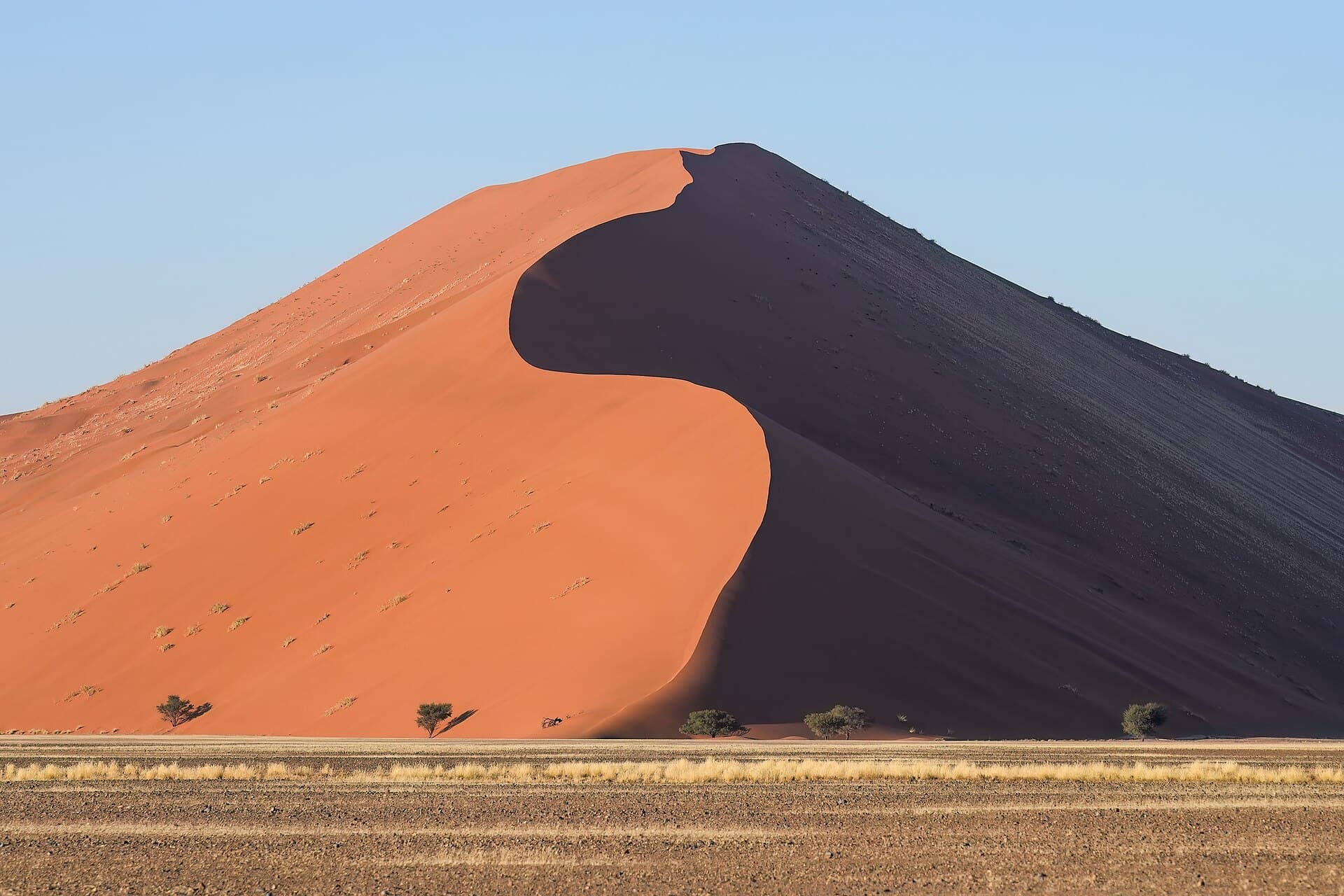
Red curve of Dune 45 at sunrise in Sossusvlei, Namibia
14 daysPrivate guide

Namibia Grand Loop

Windhoek · Sossusvlei · Swakopmund · Spitzkoppe · Damaraland · Etosha National Park · Eastern Etosha · Okonjima

First-time visitors to Namibia who want to see the whole country properly, with time to stop, walk and ask questions

Best months
April–November
Comfort levels
Comfort · Premium · Luxury
Individually quoted
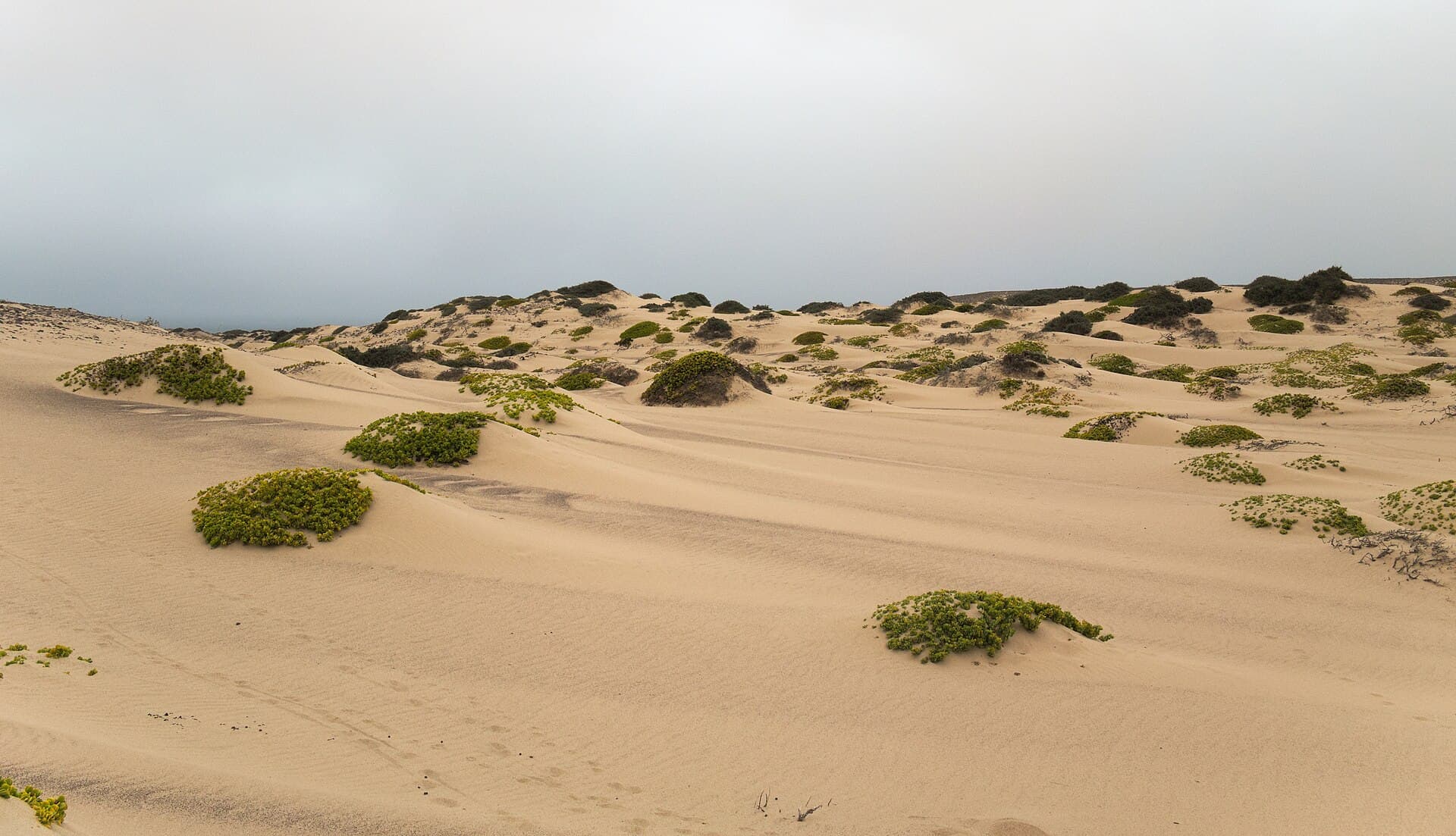
Wind-sculpted dunes meeting the Skeleton Coast
10 daysFly-in

Namibia by Air

Windhoek · Sossusvlei · Skeleton Coast · Etosha National Park

Travelers who would rather fly than drive, and who value remote wilderness and photography over a long species list

Best months
April–November
Comfort levels
Premium · Luxury · Ultra-Luxury
Individually quoted
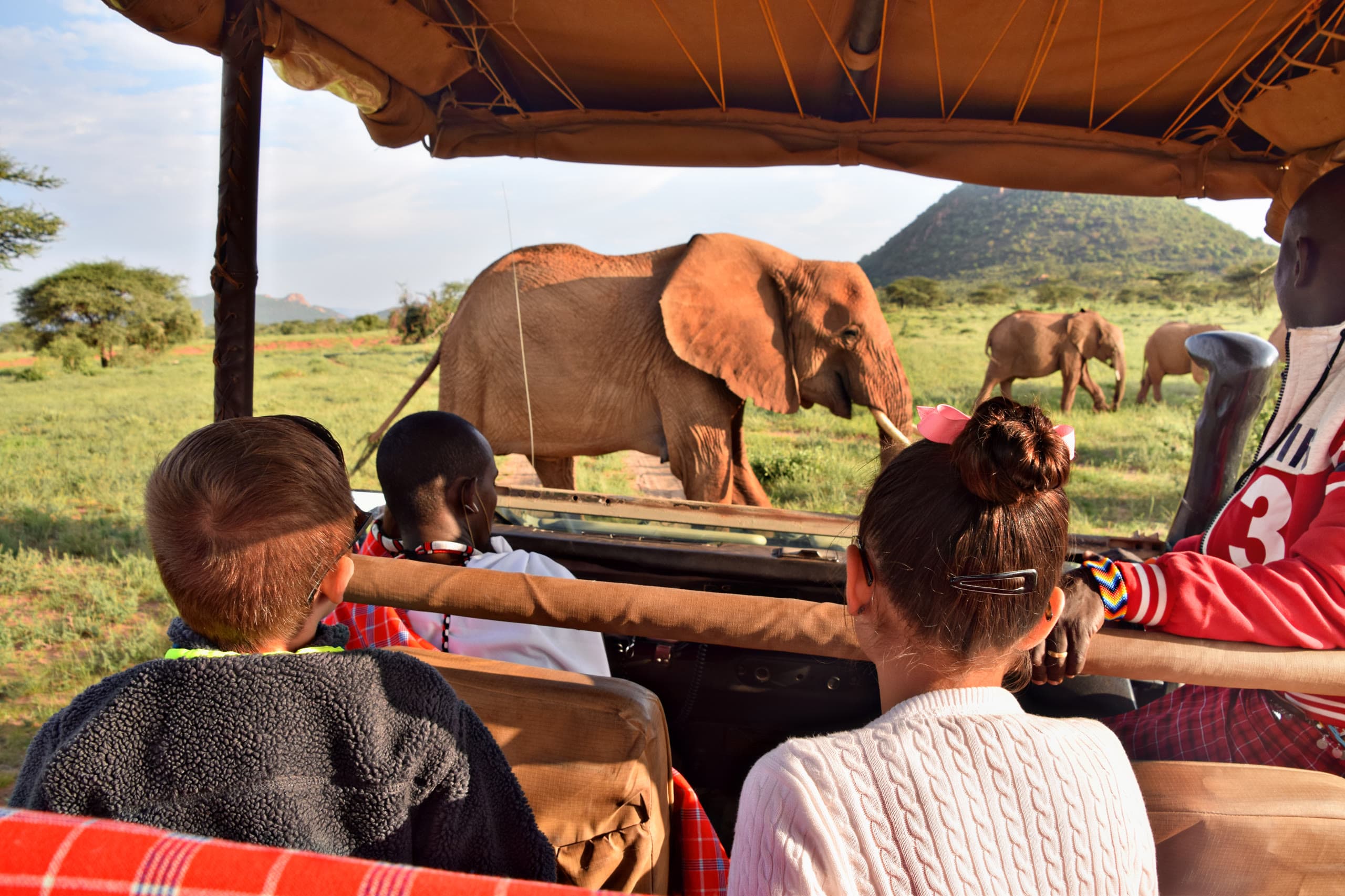
Safari guests watching a herd of elephants from an open vehicle on a family game drive
9 daysFamily

Namibia Family Adventure

Okonjima · Etosha National Park · Swakopmund · Walvis Bay

Families with school-age children who want real wildlife, short drives and plenty of variety

Best months
May–October, the dry winter months
Comfort levels
Comfort · Premium · Luxury
Individually quoted
Ancient camelthorn tree on the white clay pan of Deadvlei
10 daysHoneymoon

Dunes, Stars & the Cape

Windhoek · NamibRand · Sossusvlei · Damaraland · Cape Town

Couples who want space, silence and striking landscapes, then a stylish city finale

Best months
March–May and September–November
Comfort levels
Premium · Luxury · Ultra-Luxury
Individually quoted

Good to know

Frequently asked questions

Is July a good time to visit Namibia?

Yes, it is one of the strongest months for wildlife. Etosha’s waterholes are busy through the day, the desert is comfortable for walking, and the skies are clear. The trade-offs are cold nights, close to freezing in the desert and Etosha, and high-season demand, so book early.

What is Namibia like in December?

Hot and, in the north and north-east, increasingly wet, with afternoon storms that green the landscape. Wildlife in Etosha disperses once the rains take hold, but birding is excellent and the desert and coast remain rewarding. The Christmas and New Year weeks are busy with local and South African travelers.

Should I visit Namibia in February?

February suits returning visitors, photographers and birders more than first-time safari-goers. It is usually the wettest month inland, game is spread out and malaria risk in the north is high. In exchange, the country is green and quiet, lodges are at low-season rates, and the coast stays cool and almost dry.

When can I see both the dunes and Etosha at their best?

Late May to early October gives you comfortable dune climbs and strong waterhole viewing on the same trip. June and September are especially well balanced, pairing cool desert mornings with dry-season wildlife and slightly less demand than July and August.

How cold does Namibia get in winter?

Colder than most visitors expect. Windhoek’s average July low is about 6 °C (43 °F), and on clear desert nights the temperature can fall close to freezing. Days usually warm to around 20 °C (about 70 °F), so pack layers, a warm jacket for early drives and a hat for the midday sun.

Does it rain on the Skeleton Coast and in Swakopmund?

Hardly ever. Swakopmund averages only about 16 mm of rain a year, and the coast’s moisture arrives mainly as fog off the cold Benguela current. Expect cool, grey mornings in any month, often clearing by midday.

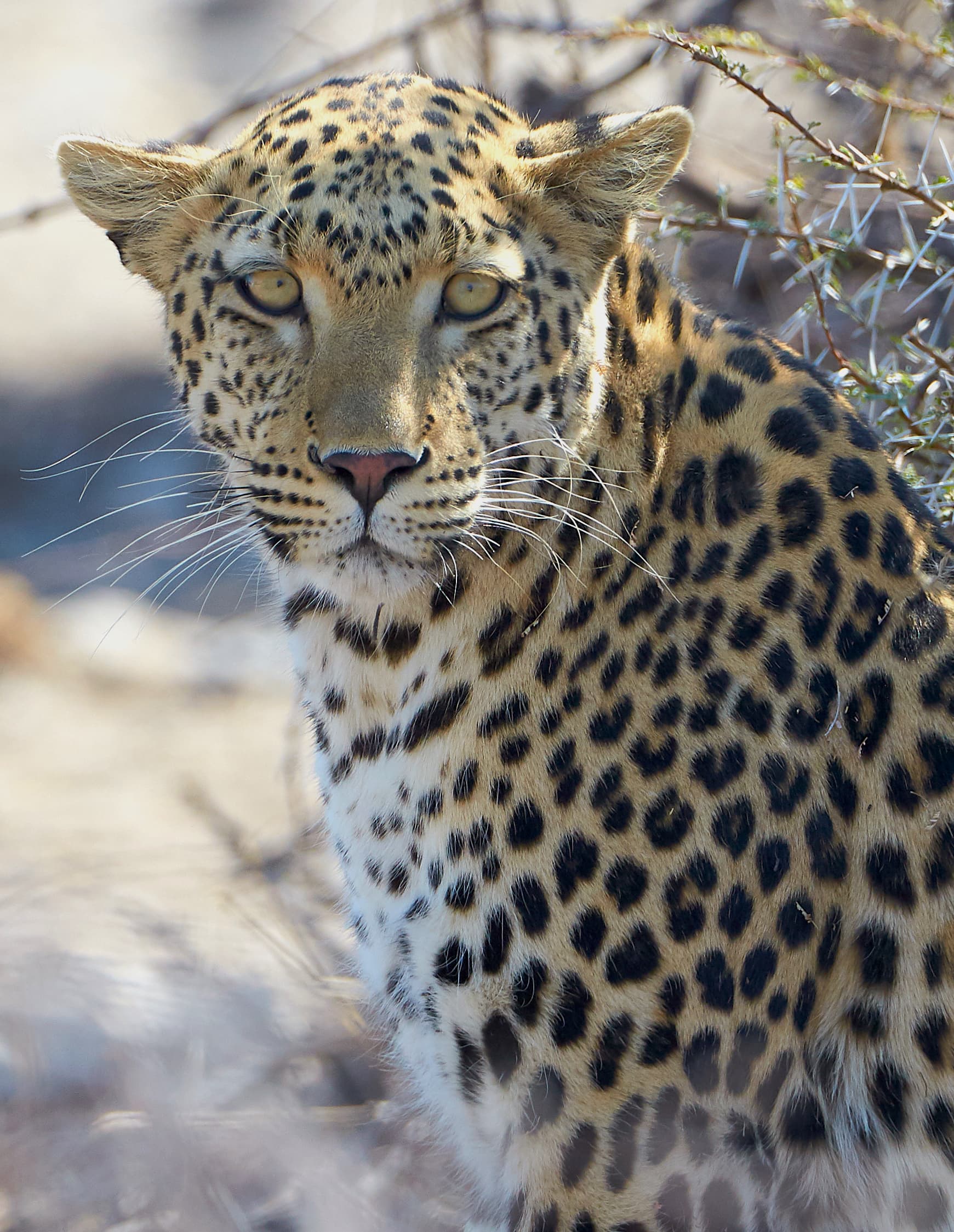
Close leopard portrait in golden light

Tell Us How You Picture Namibia

Share your dates, who is traveling and whether you imagine dunes at dawn, rhino tracks in Damaraland or a waterhole at night. We’ll shape a private route around those ideas and talk you through every choice before anything is confirmed.

Plan My Namibia Safari