Safety

Is Namibia Safe to Visit? An Honest Safety Guide

Namibia is one of Africa’s calmer places to travel. Its risks are real but specific, and most of them are found on the road rather than the street.

The Short Answer

Is Namibia safe to visit? For most travelers, yes. It is widely regarded as one of Africa’s calmer, more straightforward destinations, with a well-developed tourism industry used to both independent and guided visitors. That doesn’t make it risk-free. The problems visitors do meet are specific and fairly predictable: opportunistic crime in Windhoek, accidents on long gravel roads, the desert’s heat and, occasionally, wildlife.

At the time of writing (September 2026), the US State Department rates Namibia at Level 1, “Exercise Normal Precautions”, the lowest of its four advisory levels. The UK Foreign, Commonwealth & Development Office last updated its Namibia advice on 10 December 2025, and it concentrates on street crime, vehicle crime and road safety. Advisories change, so read both before you travel and enroll in the State Department’s Smart Traveler Enrollment Program (STEP).

Nothing here replaces official advice. This page translates it into practical terms for a private safari, region by region and risk by risk.

Where the Real Risks Are

RiskWhere and whenHow to reduce it
Muggings and bag snatchingWindhoek, especially the city centre; can happen at any hourUse arranged transfers or taxis booked by your hotel, never street-hailed ones; keep phones and cameras out of sight
Vehicle crimeFuel stations and intersections in townsKeep doors locked and bags off the seats and out of view
Card skimmingATMs and card machinesUse ATMs inside banks or shopping centres, and keep your card in sight when paying
Road accidentsGravel roads countrywide; worse in the rains (January–April) and after darkTravel with a professional driver-guide, fly the longest legs and avoid driving outside towns at night
Wildlife encountersEtosha, Damaraland, Kaokoland and the coastStay in the vehicle in Etosha, give desert elephants room and never approach seals
Heat and dehydrationThe Sossusvlei dunes and the north-west, especially October–MarchStart early, carry water and turn back before you are exhausted
Cold, rough seaThe Atlantic coastTreat the surf with caution; the Benguela current keeps the water cold and the swells strong

Windhoek and the Towns

Most visitors spend a night or two in Windhoek, and that is where the UK government advice focuses. It warns that muggings targeting tourists occur in the city, sometimes violently and at any hour, and advises against hailing taxis on the street. Car theft and smash-and-grab incidents happen at fuel stations and intersections, and card skimming is reported.

None of this should stop you enjoying the capital; it simply shapes how you move around it. Use arranged transfers between the airport, your lodge and restaurants, explore the centre by day with a guide or companion rather than alone after dark, and leave passports and spare cash in the room safe. Swakopmund feels more relaxed, but the same everyday habits serve you there and in Walvis Bay.

Roads: the Risk Most Visitors Underestimate

Distances in Namibia are long and much of the network is gravel. The UK government notes that accidents are common on gravel roads, advises staying below 80 km/h, carrying two spare tires and avoiding driving outside towns after dark, and warns that gravel surfaces deteriorate in the rainy season from January to April. Loose stones, corrugations or a sudden patch of sand are enough to roll a vehicle with nobody else involved, and many hire-car policies exclude exactly that kind of single-vehicle accident.

We plan private-guided and fly-in journeys, so on our itineraries a professional guide does the driving, sets the pace and knows when to stop, and the longest legs are often flown. If you are weighing up driving yourself, our self-drive vs guided comparison sets out the trade-offs honestly, and our trip-length guide shows the distances involved.

Animals on the road after dark, from kudu and livestock to elephants in the north-west, are a large part of why night driving is discouraged. Seat belts belong on every seat, on every leg.

Wildlife and the Wild

In Etosha National Park you stay in your vehicle outside the fenced rest camps, and night drives run only with authorized guides; the floodlit waterholes are watched from inside the rest camps, which is part of their appeal. In Damaraland and Kaokoland, desert-adapted elephants move through unfenced land and past villages, and a good guide keeps a respectful distance and never blocks their path. Walking with rhino is always led by trackers, as our rhino tracking page explains.

At the coast, Cape fur seals look tame but can carry rabies, so admire them from a distance; the health guide explains the advisory. Scorpions and snakes are present but seldom seen, so shake out shoes left outside and use a flashlight on paths at night. The desert itself deserves respect, because heat, glare and soft sand can exhaust even fit walkers by late morning.

Advice for Different Travelers

Women and solo travelers

Women traveling alone or together generally find Namibia straightforward. The practical steps are those of any unfamiliar city: arranged transport after dark, a lodge with good security in Windhoek, and a private guide for long road legs so you are never stranded on a remote road.

LGBTQ+ travelers

In June 2024, Namibia’s High Court struck down colonial-era laws criminalizing sex between men; it is worth checking whether that ruling has been appealed before you travel. Attitudes vary, and public displays of affection can draw attention in conservative rural areas, so discretion is sensible. Lodges that host international guests are generally welcoming.

Families

For families, the bigger risks are heat, long drives and the sea rather than crime. Keep travel days short, plan pool time for the middle of the day, and choose dry-season dates for the lower malaria risk in the north.

Explore

US travelers

Enroll in STEP, leave your itinerary with someone at home, and carry your insurer’s emergency number on paper as well as on your phone. The Namibian dollar and the South African rand are the everyday currencies, so bring a card that works abroad and a little local cash from an ATM inside a bank.

How a Guided or Fly-In Trip Changes the Picture

No itinerary removes risk entirely, but the way you travel changes which risks you face and how often.

  1. A professional at the wheel

    Your guide drives gravel for a living, reads the surface ahead and keeps long transfers to daylight hours.

  2. The longest legs in the air

    Flying between the desert, the coast and Etosha replaces six-hour gravel days with flights of an hour or two.

  3. Arranged arrivals

    You are met at the airport and taken to your lodge, so you never need a street taxi in Windhoek.

  4. Someone who reads animals

    A guide who knows elephant body language and waterhole etiquette keeps encounters calm, for you and for the animals.

  5. A plan if something goes wrong

    Your guide and our partners on the ground know the nearest clinic, airstrip and evacuation route for every stop, backed by the insurance we ask you to hold.

Safaris

Recommended safaris

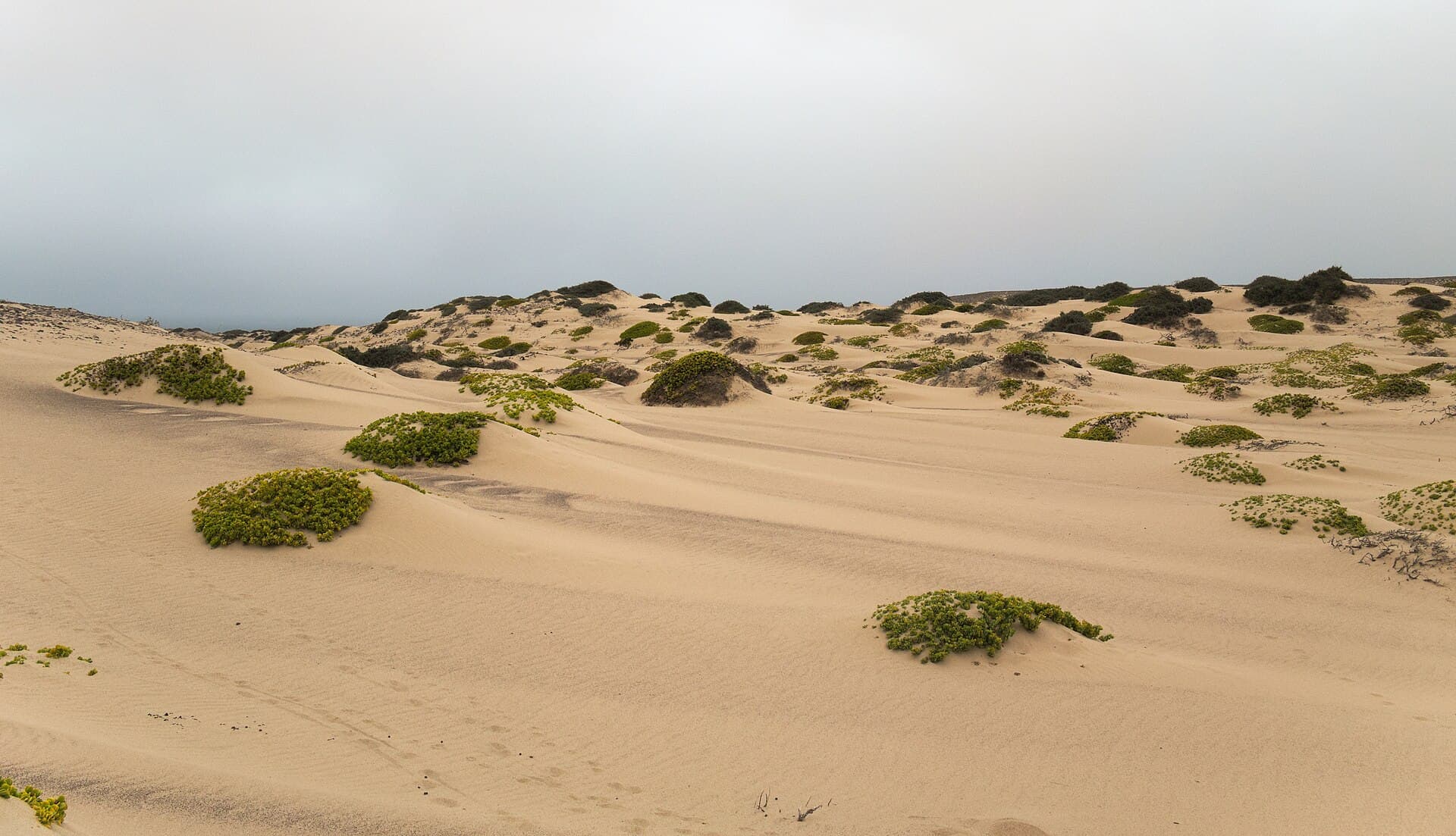
Wind-sculpted dunes meeting the Skeleton Coast
10 daysFly-in

Namibia by Air

Windhoek · Sossusvlei · Skeleton Coast · Etosha National Park

Travelers who would rather fly than drive, and who value remote wilderness and photography over a long species list

Best months
April–November
Comfort levels
Premium · Luxury · Ultra-Luxury
Individually quoted
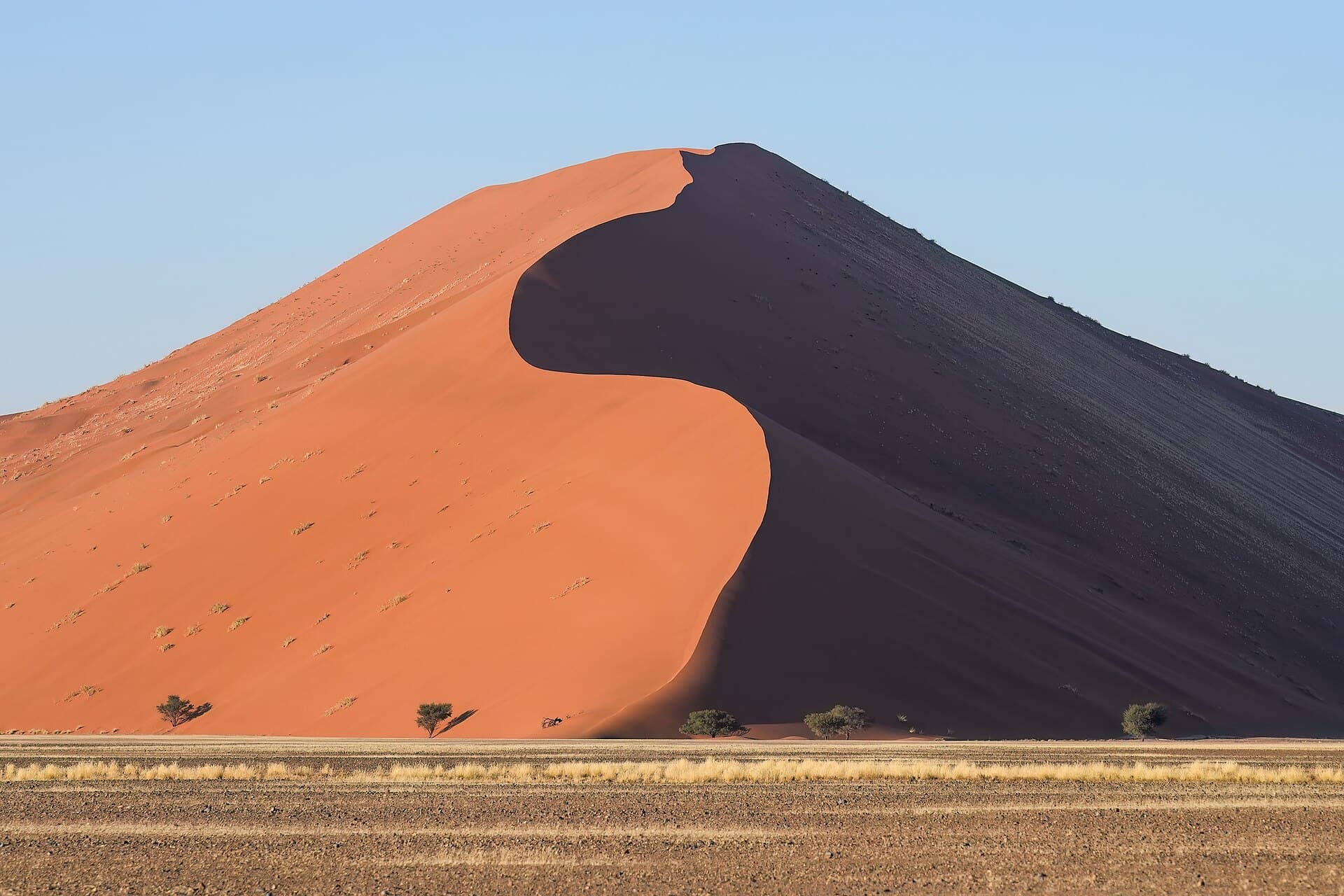
Red curve of Dune 45 at sunrise in Sossusvlei, Namibia
14 daysPrivate guide

Namibia Grand Loop

Windhoek · Sossusvlei · Swakopmund · Spitzkoppe · Damaraland · Etosha National Park · Eastern Etosha · Okonjima

First-time visitors to Namibia who want to see the whole country properly, with time to stop, walk and ask questions

Best months
April–November
Comfort levels
Comfort · Premium · Luxury
Individually quoted
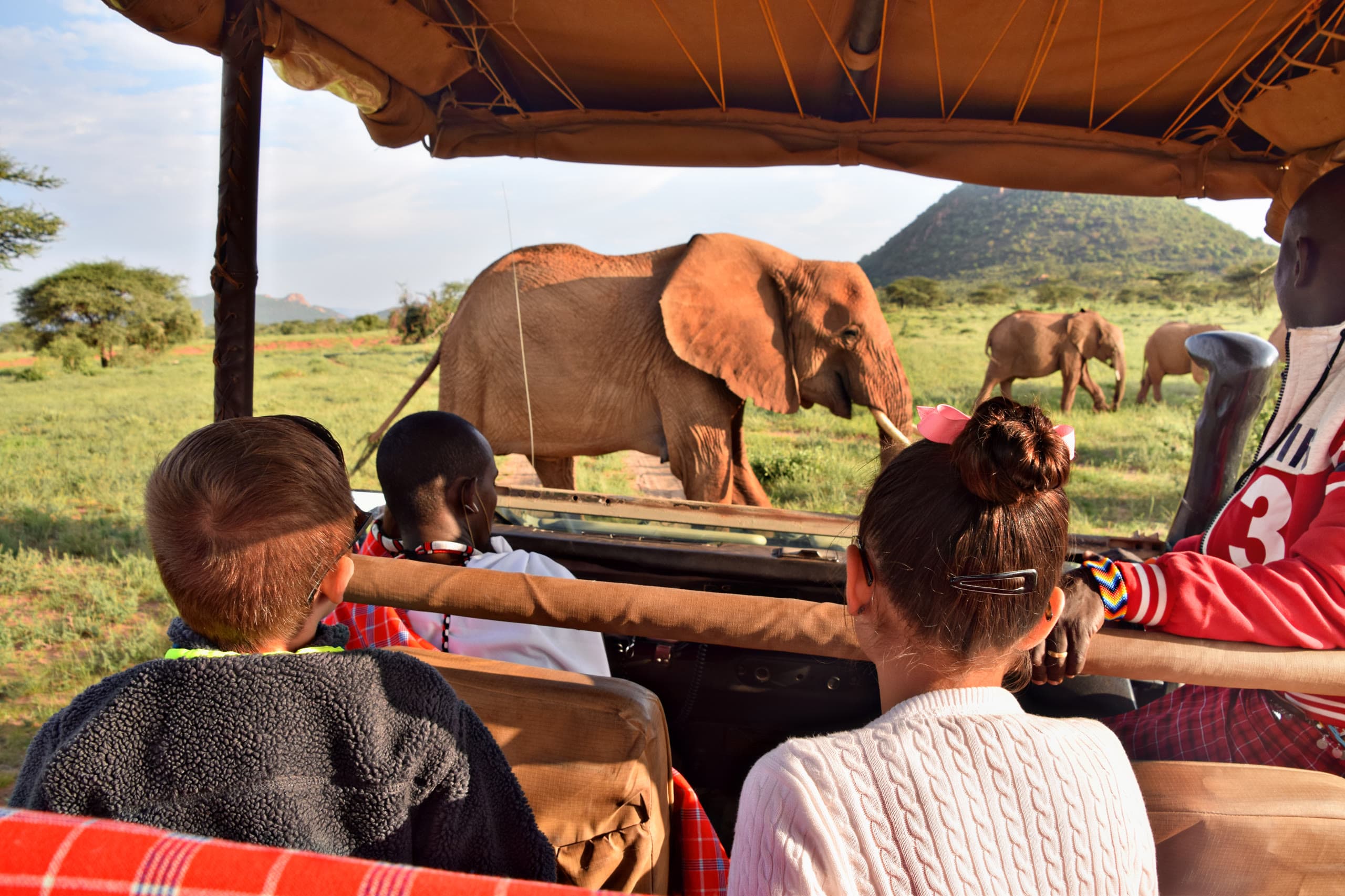
Safari guests watching a herd of elephants from an open vehicle on a family game drive
9 daysFamily

Namibia Family Adventure

Okonjima · Etosha National Park · Swakopmund · Walvis Bay

Families with school-age children who want real wildlife, short drives and plenty of variety

Best months
May–October, the dry winter months
Comfort levels
Comfort · Premium · Luxury
Individually quoted

Experiences

Related experiences

Granite domes of Spitzkoppe rising from the Damaraland plains

On foot

Desert Rhino Tracking on Foot

Follow community trackers across Damaraland’s rocky hills in search of free-roaming black rhino, then walk the final stretch in silence.

Good to know

Frequently asked questions

Is Namibia safe for American tourists?

Generally, yes. At the time of writing, the US State Department places Namibia at Level 1, its lowest advisory level, and most visits pass without incident. The main risks are opportunistic crime in Windhoek and accidents on gravel roads, both of which careful planning reduces.

Is it safe to drive in Namibia?

Plenty of visitors drive themselves without trouble, but road accidents are the most serious common risk; UK government advice notes they are frequent on gravel roads, particularly at speed, in the rains and after dark. Most journeys we plan use a professional driver-guide, or flights on the longest legs. If you drive yourself, keep under 80 km/h on gravel, never drive after dark and plan fuel and rest stops carefully.

Is Windhoek safe at night?

Walking around the city centre after dark is not advised, since muggings can happen at any hour. Evenings out are easy with arranged transport between your lodge and a restaurant, and the suburban lodges and guesthouses most visitors use are generally calm.

Is Namibia safe for solo female travelers?

Generally, yes, with the precautions you would take in any unfamiliar city. Use arranged transport, avoid walking alone after dark in Windhoek, and let a private guide handle long road legs so you are never stranded far from help.

Are there dangerous animals in the Namib Desert?

Few that you are likely to meet. Snakes and scorpions live in the dunes but avoid people, and larger animals such as oryx keep their distance. The real hazards in the desert are heat, sun and dehydration, so start activities early and carry water.

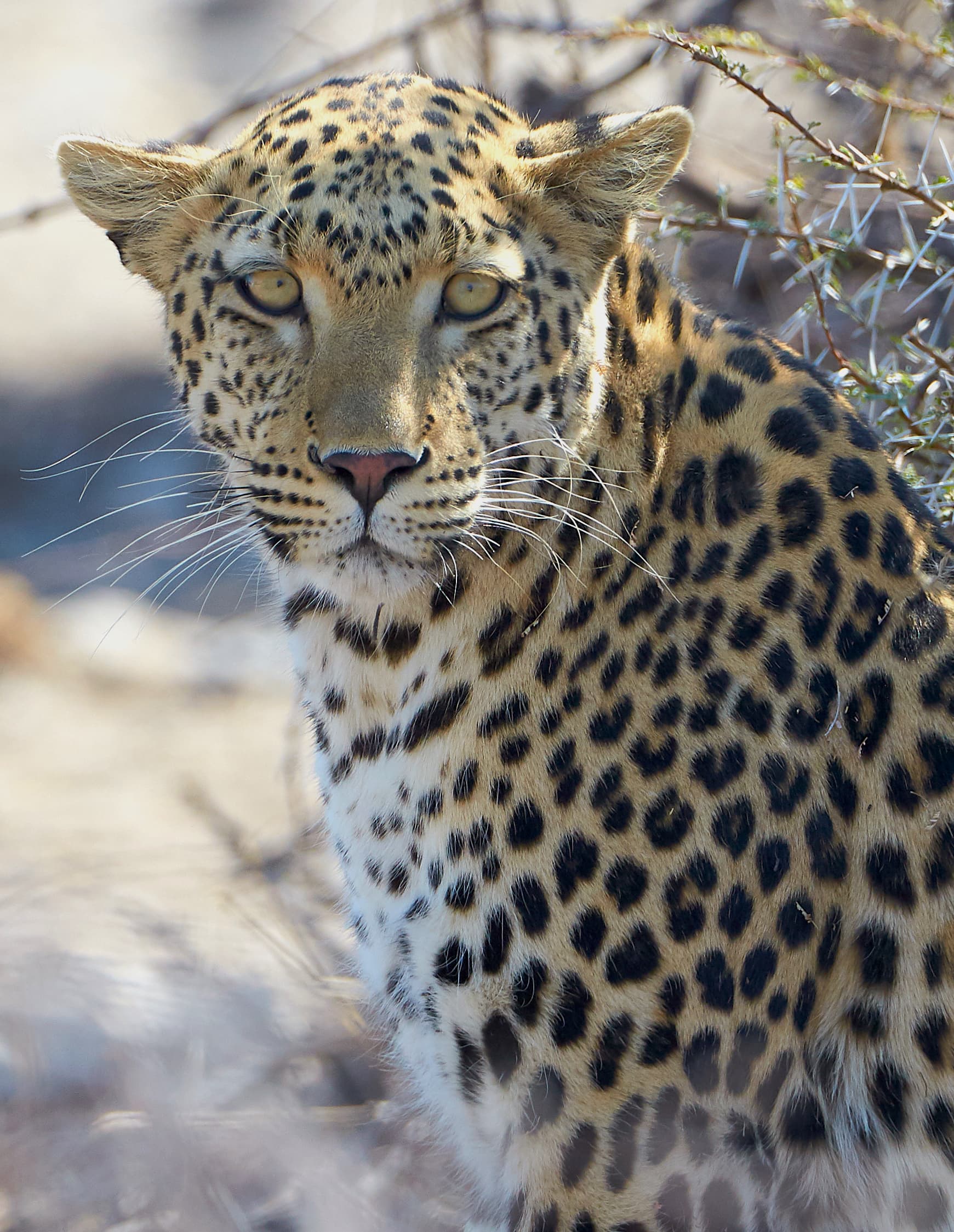
Close leopard portrait in golden light

Tell Us How You Picture Namibia

Share your dates, who is traveling and whether you imagine dunes at dawn, rhino tracks in Damaraland or a waterhole at night. We’ll shape a private route around those ideas and talk you through every choice before anything is confirmed.

Plan My Namibia Safari