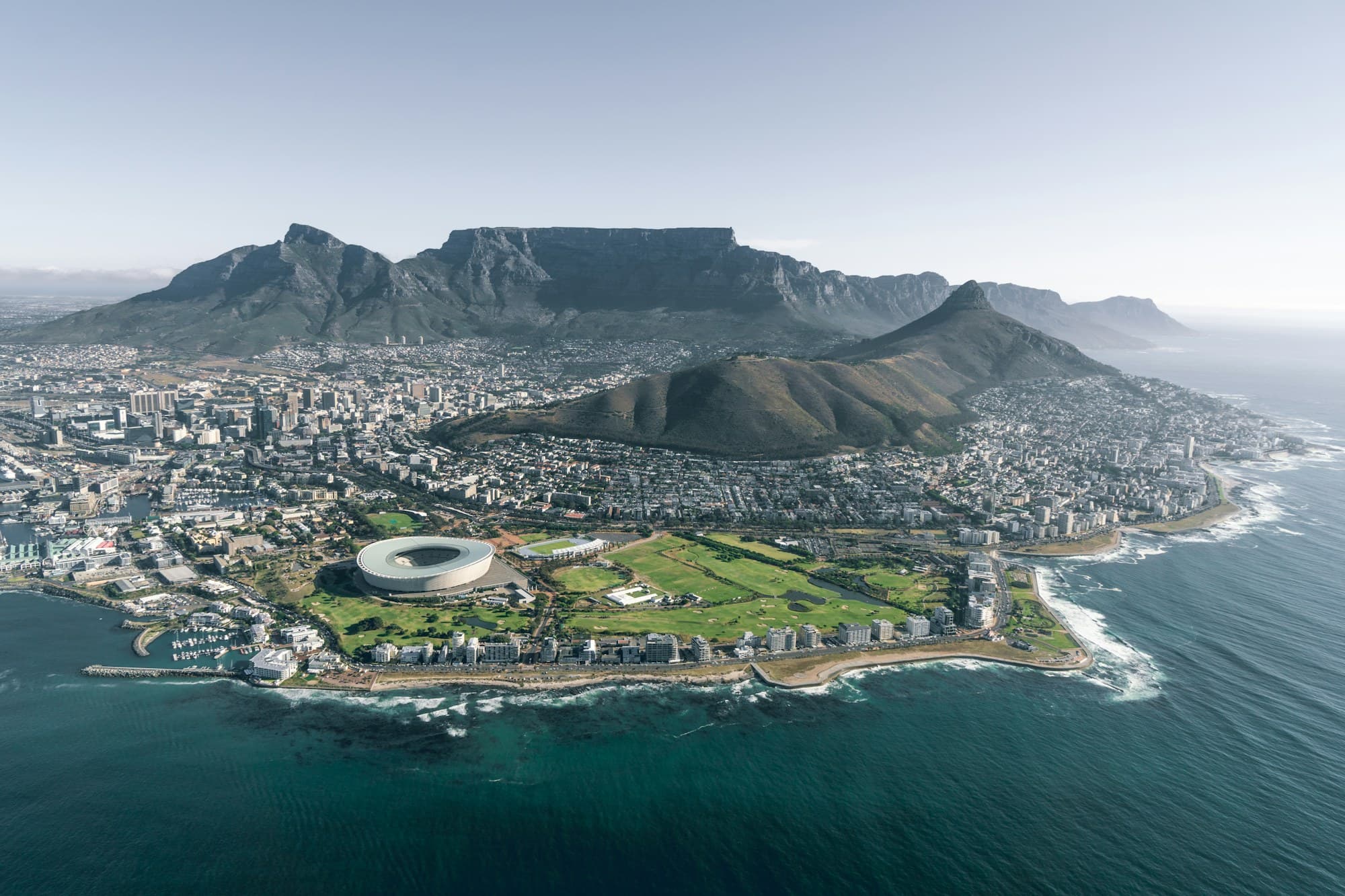
Table Mountain and the Cape Town coastline seen from above at dusk

Destination guide

Planning Your Cape Town Itinerary

A mountain in the middle of the city, two oceans at its edges and nonstop flights from the US: the natural first or last chapter of a South Africa safari.

Recommended stay4 nights (3 minimum)
Best timeNovember–March for dry, sunny weather; June–November for whales
Where to stayV&A Waterfront, City Bowl & Gardens, Atlantic Seaboard or Constantia
Getting thereNonstop flights from Newark, Washington-Dulles and Atlanta; about 2 hours 10 minutes from Johannesburg
World HeritageRobben Island (1999) and the Cape Floral Region, which includes Table Mountain
MalariaNone anywhere in the Western Cape

Cape Town

Why Visit

A good Cape Town itinerary starts with the number of nights. Plan on at least three and ideally four, because the city’s two headline sights, the Table Mountain cableway and the Robben Island ferry, both stop when the wind or the swell picks up, and a spare day keeps you from missing either. Four nights also leave room for a full day on the Cape Peninsula and an afternoon in the Winelands without a rush.

Cape Town is also the most practical gateway for US travelers. Nonstop flights connect it with Newark, Washington-Dulles and Atlanta, and direct domestic flights run from here to Skukuza and Hoedspruit for Kruger and to Gqeberha for the Eastern Cape. You can land, recover from the long flight at city pace and then fly straight to the bush without routing through Johannesburg; Cape Town and Kruger covers the best order.

The city lies within Table Mountain National Park, part of the Cape Floral Region World Heritage Site, and has a character all its own: Cape Malay heritage in the Bo-Kaap, a botanical garden devoted to indigenous plants, a harbor-front art scene and some of the best restaurants on the continent. Our 10-Day South Africa Classic and 9-Day Malaria-Free Family Safari both finish here with four nights.

Best for

  • Recovering from the long-haul flight before or after a safari
  • Food, wine and design lovers
  • History, from Robben Island to the Bo-Kaap
  • Families who want beaches, penguins and a cable car
  • Couples adding the Winelands or the Whale Coast

Cape Town

Wildlife & Highlights

  • Table Mountain by rotating cableway car, or on foot with a guide
  • Robben Island, where the guides include former political prisoners
  • African penguins at Boulders Beach, watched from boardwalks
  • Kirstenbosch, founded in 1913 as the world’s first botanical garden devoted to indigenous flora
  • The Cape Peninsula’s coast roads, Cape Point and the Cape of Good Hope
  • Cape Malay heritage and cooking in the Bo-Kaap
  • Contemporary African art at the V&A Waterfront
  • Southern right whales along the coast from June
  • Winelands estates within about an hour’s drive

Season

Best Time to Visit

  1. January
  2. February
  3. March
  4. April
  5. May
  6. June
  7. July
  8. August
  9. September
  10. October
  11. November
  12. December
November–MarchSummer: dry, sunny and warm, with long evenings for sundowners on the Atlantic side. A strong south-easterly wind blows often and can close the cableway, so keep your mountain day flexible. The city is busiest from mid-December to mid-January.
April–MayAutumn: the summer wind usually eases, days stay mild and the crowds thin, which makes it a pleasant shoulder season to pair with the start of the dry season in the bush.
June–AugustWinter: cool and wet, with rain arriving on cold fronts and clear, crisp days in between. Restaurants light their fires, museums are quiet, and southern right whales arrive along the coast from June; see whale watching in South Africa for the best places.
September–OctoberSpring: wildflowers, lengthening days and changeable weather. It is peak whale season on the Whale Coast and a good match for the end of the dry season in Kruger.

Cape Town

Areas to Know

V&A Waterfront

The working harbor turned hotel, shopping and restaurant district is the easiest base for first-timers and families: walkable, busy until late and the departure point for the Robben Island ferry. It is also home to a large contemporary African art museum in a converted grain silo. The trade-off is that it can feel crowded and less local than other neighborhoods.

Best for: Families and first-time visitors who like to walk

City Bowl and Gardens

Tucked below Table Mountain, the City Bowl and the leafy streets of Gardens put you close to the cableway’s lower station, the Bo-Kaap and the city’s liveliest restaurant streets. Boutique hotels and a grand heritage hotel are based here, and many evenings need nothing more than a short walk or ride.

Best for: Food lovers and travelers who want to be central

Atlantic Seaboard

Camps Bay, Clifton and Bantry Bay face west over the cold Atlantic, with white beaches, mountains behind and sunsets that draw a crowd every clear evening. Villas and exclusive-use suites cluster here. You drive more to reach the Waterfront or the Winelands, but for honeymooners the view is hard to beat.

Best for: Sunsets, beaches and honeymoon villas

Constantia

On the green south-eastern side of Table Mountain, Constantia is a historic wine valley within the city limits, close to Kirstenbosch and on the way to the Peninsula. It is quiet and spacious, good for travelers who want vineyards without leaving Cape Town, though you need a driver for most outings.

Best for: Wine, gardens and a quieter base

Cape Town

Getting There

Cape Town International receives nonstop flights from the US East Coast and Atlanta (check which days they operate in your travel month), the roughly two-hour flight from Johannesburg and direct flights to Skukuza, Hoedspruit, Kruger Mpumalanga and Gqeberha. Robben Island ferries leave from the V&A Waterfront, and the island lies about 11 km out in Table Bay. For the Peninsula, a private driver-guide day is the most relaxed way to take in Chapman’s Peak, Boulders Beach and Cape Point; the Cape Peninsula tour explains how the day runs.

Drive or fly?

Within the Cape you rarely need to fly; the question is whether to drive yourself or be driven. Roads are good, but traffic keeps to the left, parking at popular sights is tight and a wine tasting rules out the wheel, so we usually plan a private driver-guide for Peninsula and Winelands days. Travelers with time to spare can arrive or leave by luxury train between Pretoria and Cape Town, a journey of about 27 hours; for everything else, see driving in South Africa.

Airstrips & airports

  • Cape Town International (CPT)

Typical travel times

Johannesburg to Cape Town
About 2 hours 10 minutes by air
Cape Town to Skukuza or Hoedspruit
About 2.5 hours by direct flight
Cape Town to Stellenbosch
About 45–60 minutes by road
Cape Town to Hermanus
About 1.5–2 hours by road
V&A Waterfront to Robben Island
Ferry across about 11 km of Table Bay; the tour takes about 3.5 hours

Stays

Where to Stay

Cape Town hotels are generally room-and-breakfast rather than all-inclusive, which leaves evenings free for the restaurant scene. Choices run from small boutique hotels in the City Bowl and Gardens to large harbor-view hotels at the Waterfront, a grand heritage hotel below the mountain and private villas on the Atlantic Seaboard. Pick the neighborhood first and the hotel second; the right base saves a lot of time in the car.

Comfort

Cape Town · City Bowl or Gardens

Townhouse Boutique Hotel · City Bowl

Boutique hotel

A small, characterful hotel in the City Bowl or Gardens puts you on the slopes below Table Mountain, minutes from the cableway, the restaurants of Kloof Street and the city centre. Rooms are comfortable rather than grand, and the staff’s local tips are often the best part of the stay.

  • Bright rooms in a restored or modern townhouse
  • Breakfast included, with restaurants close by
  • Family rooms at some
  • Short drive to the cableway

Ideal for: Independent-minded travelers and families who want a central, well-priced base
Premium

Cape Town · V&A Waterfront

Harbour-View Hotel · V&A Waterfront

City hotel

A polished hotel at the V&A Waterfront gives you harbour and mountain views, a pool and a walkable district of restaurants, shops and the Robben Island ferry. It is the easiest Cape Town base for families and first-timers, with plenty within a short stroll in the evening.

  • Harbour or Table Mountain views
  • Pool and spa at many
  • Walking distance to the Robben Island ferry
  • Family and connecting rooms

Ideal for: First-time visitors and families who want convenience, views and everything on foot

Luxury

Cape Town · Gardens, below Table Mountain

Garden-Estate Heritage Hotel · below Table Mountain

Heritage hotel

A grand hotel with a long history, set in mature gardens in the Gardens district with afternoon tea on the terrace and a heated pool beneath the mountain. It balances old-world service with modern suites, and suits honeymooners and families who want space, calm and a central address.

  • Landscaped gardens and heated pool
  • Suites and family cottages
  • Afternoon tea and fine dining
  • Easy reach of Kirstenbosch and the cableway

Ideal for: Couples and families who want classic Cape Town elegance with room to breathe

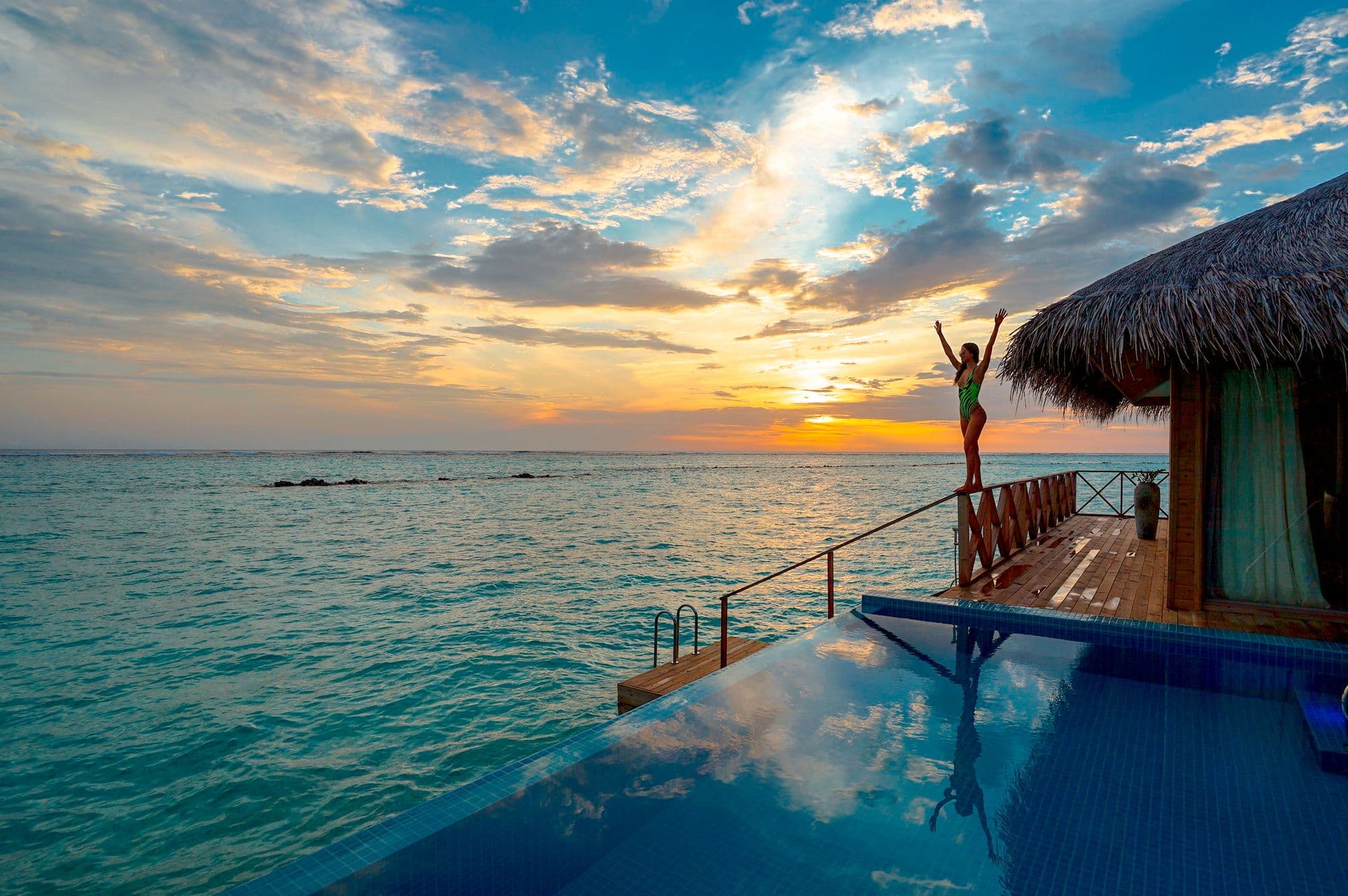
Traveler greeting the sunset from an infinity pool over the Indian OceanUltra-Luxury

Cape Town · Atlantic Seaboard

Sunset-Facing Private Villa · Atlantic Seaboard

Beach villa

A private villa or exclusive suite on the slopes above Clifton, Camps Bay or Bantry Bay, facing west over the Atlantic for the sunset. Staffed with a chef and concierge, it gives you the city’s most dramatic stretch of coast with the privacy of a home.

  • Pool facing the ocean
  • Private chef and housekeeping
  • Close to the beaches of Clifton and Camps Bay
  • Exclusive use for couples or families

Ideal for: Honeymooners and families who want a private base with ocean views

Experiences

Experiences

Table Mountain and the Cape Town coastline seen from above at dusk

Cities & culture

Cape Peninsula Tour

A full private day around the peninsula south of Cape Town: cliff roads, the Cape of Good Hope, African penguins at Boulders and a harbor lunch in Kalk Bay.

Ocean & reef

Whale Watching in South Africa

Watch southern right whales court and calve within sight of the Cape’s cliffs, from a clifftop path or a licensed boat, roughly June to early December.

Extensions

Luxury Train Journeys in South Africa

Trade a two-hour flight for a night or more aboard a luxury train, crossing the Karoo in a private suite between Pretoria and Cape Town.

Safaris

Safaris That Go Here

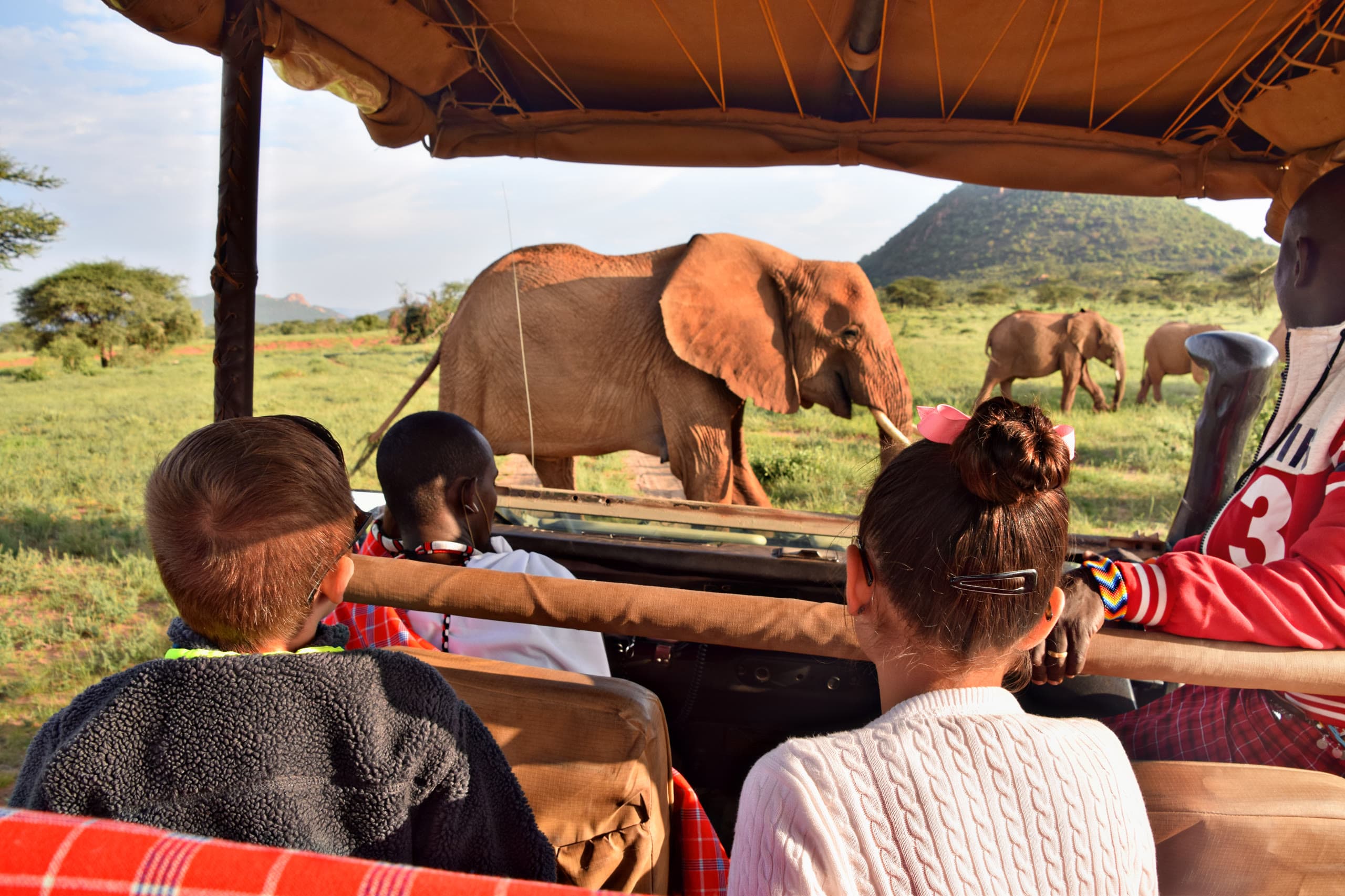
Safari guests watching a herd of elephants from an open vehicle on a family game drive
9 daysFamilies

Malaria-Free Family Safari

Madikwe · Cape Town

Families with children of most ages, and first-time safari travelers who would rather avoid malaria areas

Best months
March–November
Comfort levels
Premium · Luxury
Individually quoted
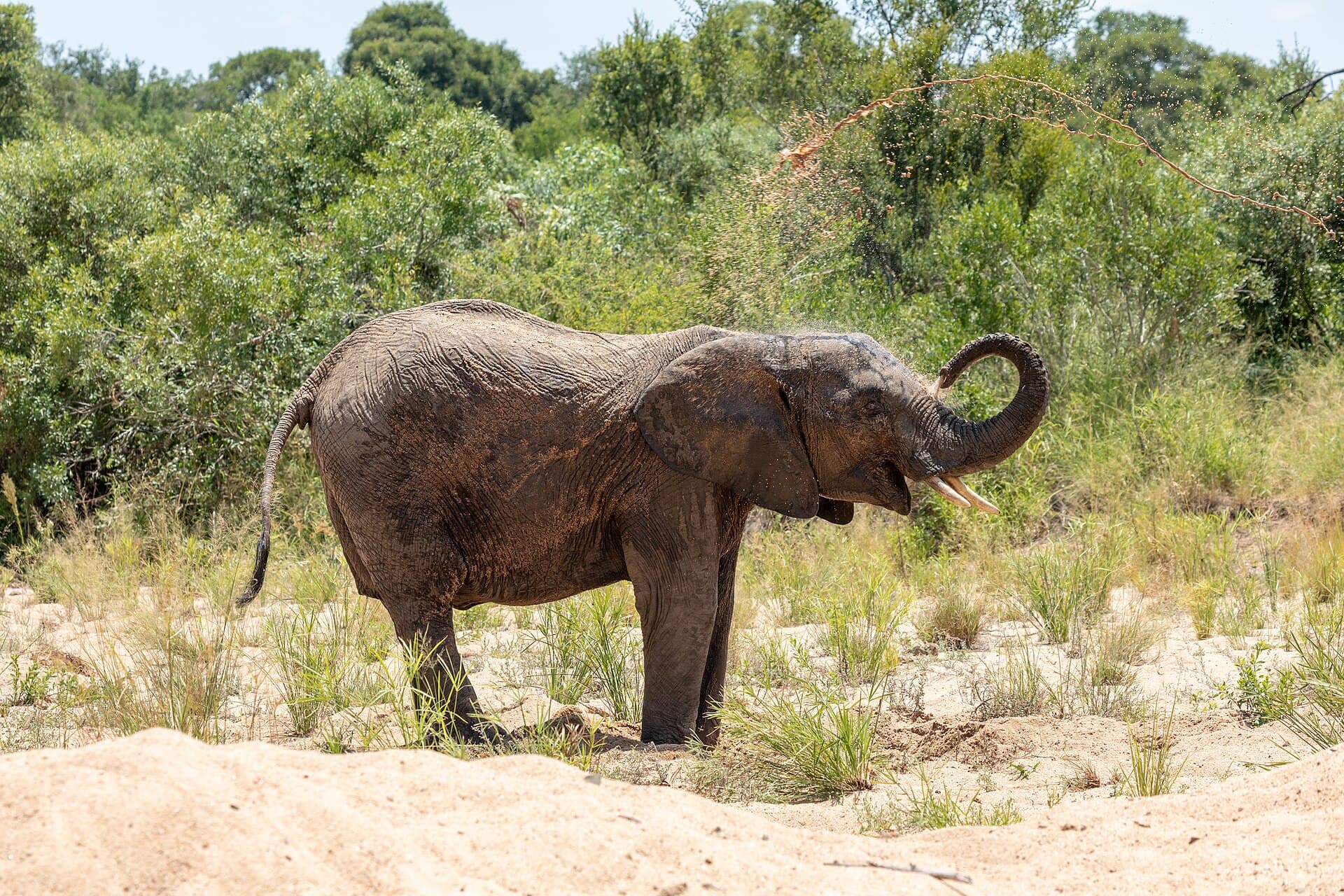
Elephant feeding in a dry riverbed in Greater Kruger
10 daysFirst safari

South Africa Classic

Panorama Route · Kruger National Park · Skukuza Airport · Cape Town

First-time visitors and families who want wildlife, scenery and a great city, at comfort, premium or luxury level

Best months
March–November
Comfort levels
Comfort · Premium · Luxury
Individually quoted
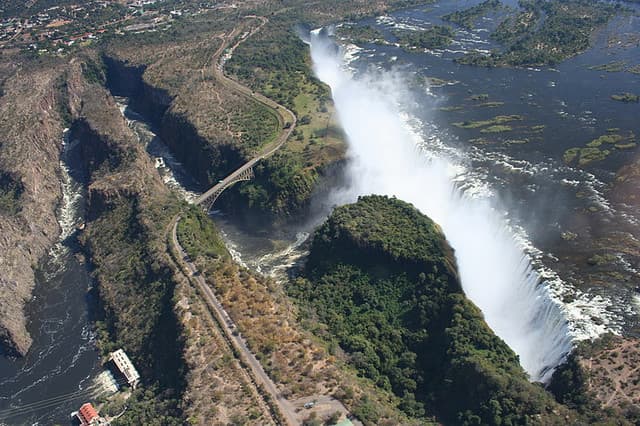
Aerial view of Victoria Falls plunging into the gorge
11 daysThree icons

Cape Town, Kruger & Victoria Falls

Cape Town · Kruger Mpumalanga Airport · Sabi Sand · Victoria Falls

First-time visitors to Africa who want the region’s three best-known highlights in under two weeks

Best months
March–November
Comfort levels
Premium · Luxury · Ultra-Luxury
Individually quoted
Green fynbos hills meeting the ocean along the Garden Route
13 daysCoastal road trip

Cape to Garden Route

Cape Town · Hermanus · Knysna · Plettenberg Bay · Eastern Cape private reserves · Gqeberha Airport (PLZ)

Families and first-timers who want Cape Town, the coast and a Big Five safari without malaria or rushed transfers

Best months
February–April and September–November
Comfort levels
Comfort · Premium · Luxury
Individually quoted
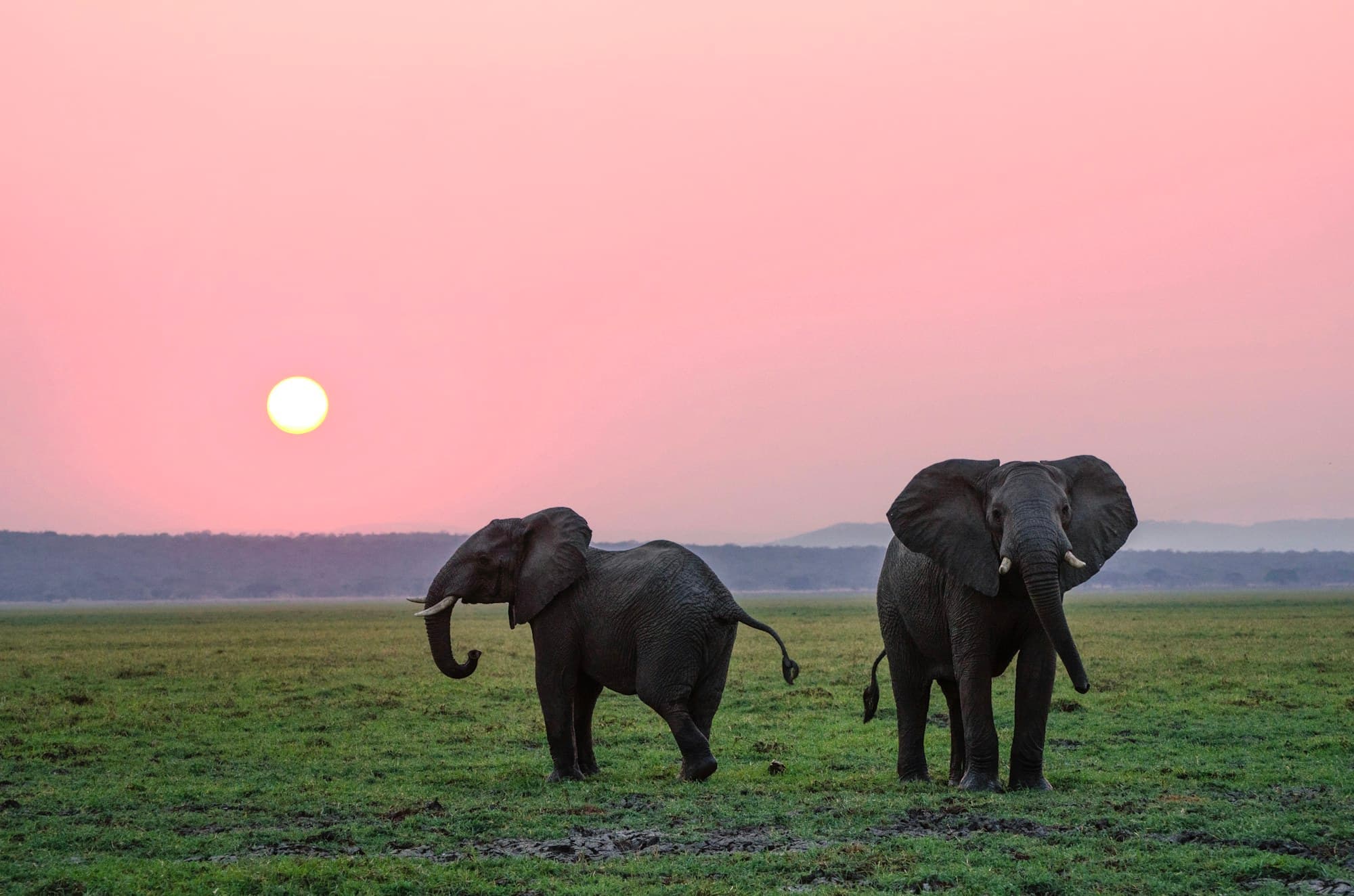
Two elephants together beneath a soft pink dusk sky
11 daysCouples

Winelands, Whales & Kruger

Cape Town · Franschhoek · Hermanus · Skukuza Airport · Kruger National Park

Honeymooners and anniversary couples traveling between June and November

Best months
June–November (whale season and the dry bush)
Comfort levels
Premium · Luxury
Individually quoted
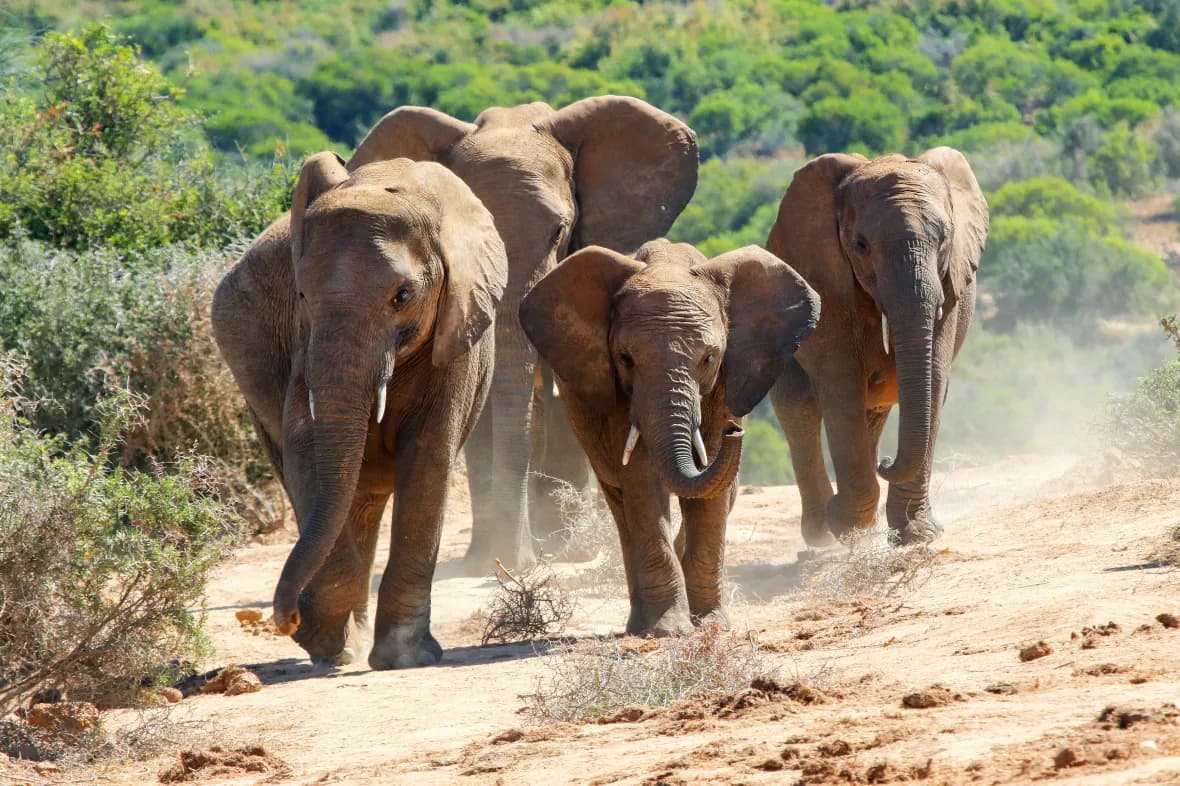
A family of elephants walking along a dusty track through dense green thicket
7 daysShort & malaria-free

Cape Town + Malaria-Free Safari

Cape Town · Gqeberha Airport (PLZ) · Eastern Cape private reserves

First-time visitors and families with one week, or anyone who wants a safari without antimalarials

Best months
September–May
Comfort levels
Comfort · Premium · Luxury
Individually quoted

Good to know

Frequently asked questions

Is three days in Cape Town enough?

Three nights covers the essentials if the weather cooperates: the mountain, Robben Island, a Peninsula day and a Winelands afternoon. Because wind can close the cableway and swell can cancel ferries, a fourth night gives you a buffer and a gentler pace. Five or more nights suit travelers adding the Whale Coast or several days of wine country.

What if the Table Mountain cableway is closed?

The cableway stops in high wind, sometimes for a whole day, so plan it for the first calm, clear morning of your stay rather than a fixed date. The rotating cars carry 65 passengers and the ride takes about four to five minutes. If it stays shut, a guided hike on one of the established routes is a memorable substitute for fit walkers.

How far ahead should I book Robben Island?

As early as you can, especially over the December–January holidays and Easter, when ferries sell out. Tours leave from the V&A Waterfront, cross about 11 km of Table Bay and last roughly three and a half hours, and sailings are cancelled when the sea is rough. Booking it early in your stay leaves room to rebook.

Can you touch the penguins at Boulders Beach?

No. Penguins often wander onto the swimming beach next to the colony, but you should never touch, feed or crowd them. The African penguin was listed as Critically Endangered by the IUCN in 2024, and the main colony is viewed from boardwalks inside Table Mountain National Park, where an entry fee applies. Keep your distance and let them cross your path, not the other way round.

What safety precautions should I take in Cape Town?

The same care you would use in any large city. Keep phones and bags out of sight on busy streets, leave nothing visible in a parked car, use a private driver or a registered taxi after dark, and hike popular mountain routes with a guide or in a group. Your driver-guide and hotel will flag areas to avoid at night.

Do you arrange shark-cage diving in Cape Town?

No. Shark-cage diving is not part of the trips we plan, in line with our responsible-travel standards. For marine encounters, land-based whale watching, penguin viewing and licensed boat-based whale trips are all excellent alternatives.

Is winter a good time to visit Cape Town?

Yes, if you pack for rain. June to August brings cool, wet fronts with bright days between them, quieter streets and whales arriving along the coast from June. It pairs well with a safari, because winter is the dry season in the bush, when game is easiest to find.

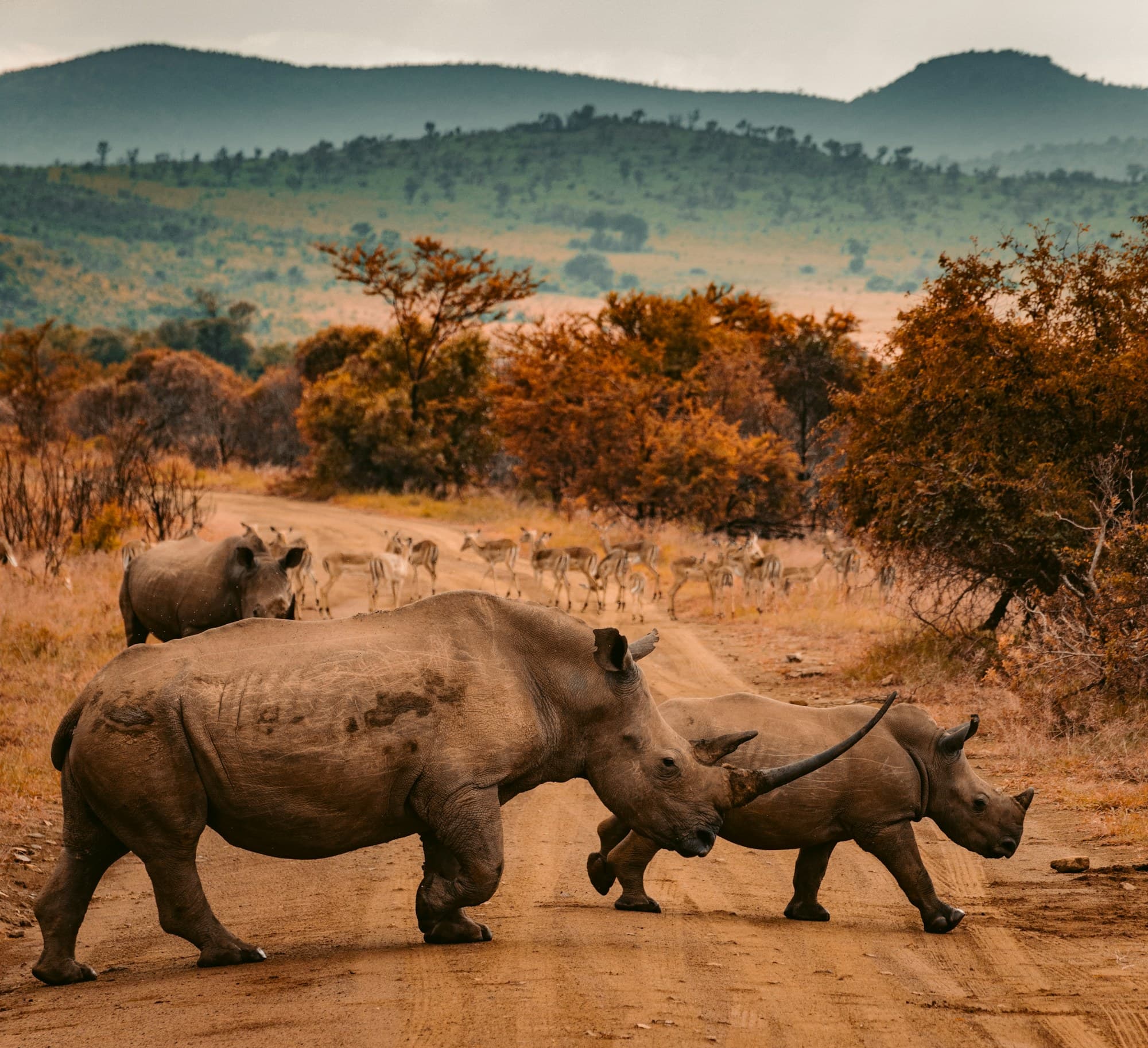
Two white rhinos grazing side by side in a private reserve

Tell Us When You Can Travel

Share your dates, who is coming and whether malaria-free matters, and a safari specialist will design a private South Africa route around you. Nothing is booked until you approve it.

Plan my safari here