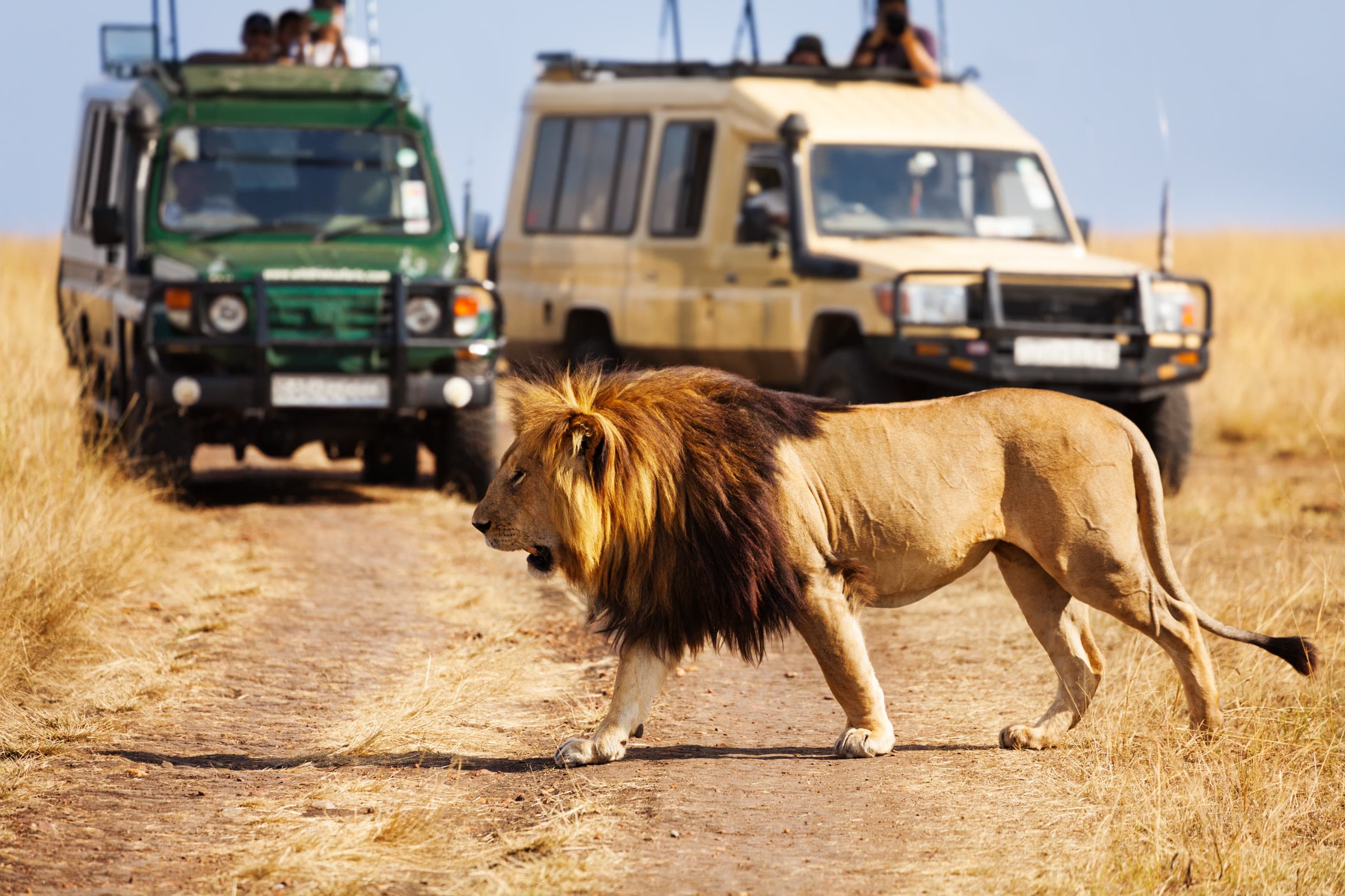
A male lion walking past private safari vehicles on the open savanna

South Africa Travel Guide

Kruger vs Sabi Sand (and the Other Private Reserves)

Same animals, same unfenced wilderness, very different days. How the national park, the Sabi Sand and the northern reserves compare, and how to combine them.

One ecosystem, different rules

The Sabi Sands vs Kruger question is really about how you experience one wilderness. Since the fences came down in 1993, the Sabi Sand and the northern private reserves have shared an open boundary with Kruger National Park, and elephants, lions, leopards and wild dogs cross it freely. The animals are the same. What changes is who can drive where, at what hours, and how close you can get.

Kruger National Park is a public park of about 19,600 km², crossed by tar and gravel roads and dotted with rest camps whose gates open around dawn and close around dusk. The Sabi Sand and the reserves of the Greater Kruger are private, and their lodge vehicles can leave the road to follow animals, with guides working alongside trackers and drives that carry on after sunset.

Kruger National Park vs the private reserves at a glance

CompareKruger National ParkSabi SandTimbavati, Klaserie & Balule
DrivingPublic tar and gravel roads only; no off-road drivingOff-road tracking where reserve rules allowOff-road tracking where reserve rules allow
Daily rhythmGate times set the day; be back in camp before closingLodge schedule: dawn drive, afternoon drive into the eveningLodge schedule, with walks often added in the morning
Vehicles at a sightingCan be many at popular sightings, especially in the busy southLimited and coordinated by radio, with vehicles taking turnsLimited, with guides sharing sightings over the radio
Night drivesSANParks-guided sunset and night drives from the main rest campsPart of most afternoon drives, with a spotlight after darkPart of most afternoon drives
WalkingSANParks morning walks and multi-night wilderness trailsGuided walks offered by many lodgesA strong walking culture; guided walks at many lodges
GuidingYour own driver-guide, or SANParks guides on booked activitiesGuide and tracker team in an open vehicleGuide, often with a tracker
ChildrenAll ages welcome in rest camps and on self-drivesMany lodges set minimum ages for drives, commonly around 6; family suites and private vehicles availableLodge-by-lodge policies, similar to the Sabi Sand
FeesDaily conservation fee of R602 per international adult (1 November 2025 to 31 October 2026)Reserve levy or gate fee, usually built into lodge ratesTimbavati levy of R660 per adult per night in 2026, often included in lodge rates
Price levelThe widest range, from rest-camp cottages to lodges on private concessionsAmong the highest in South AfricaVaries; in many cases lower than the Sabi Sand at a similar comfort level
MalariaCDC recommends antimalarialsCDC recommends antimalarialsCDC recommends antimalarials
AccessSkukuza, Kruger Mpumalanga or Phalaborwa airports, or by roadSkukuza next door, or lodge airstripsHoedspruit airport, or lodge airstrips

Rules differ by reserve and by lodge. Fees are those published at the time of writing (September 2026); SANParks introduces a new tariff on 1 November 2026.

The Sabi Sand: leopards and polish

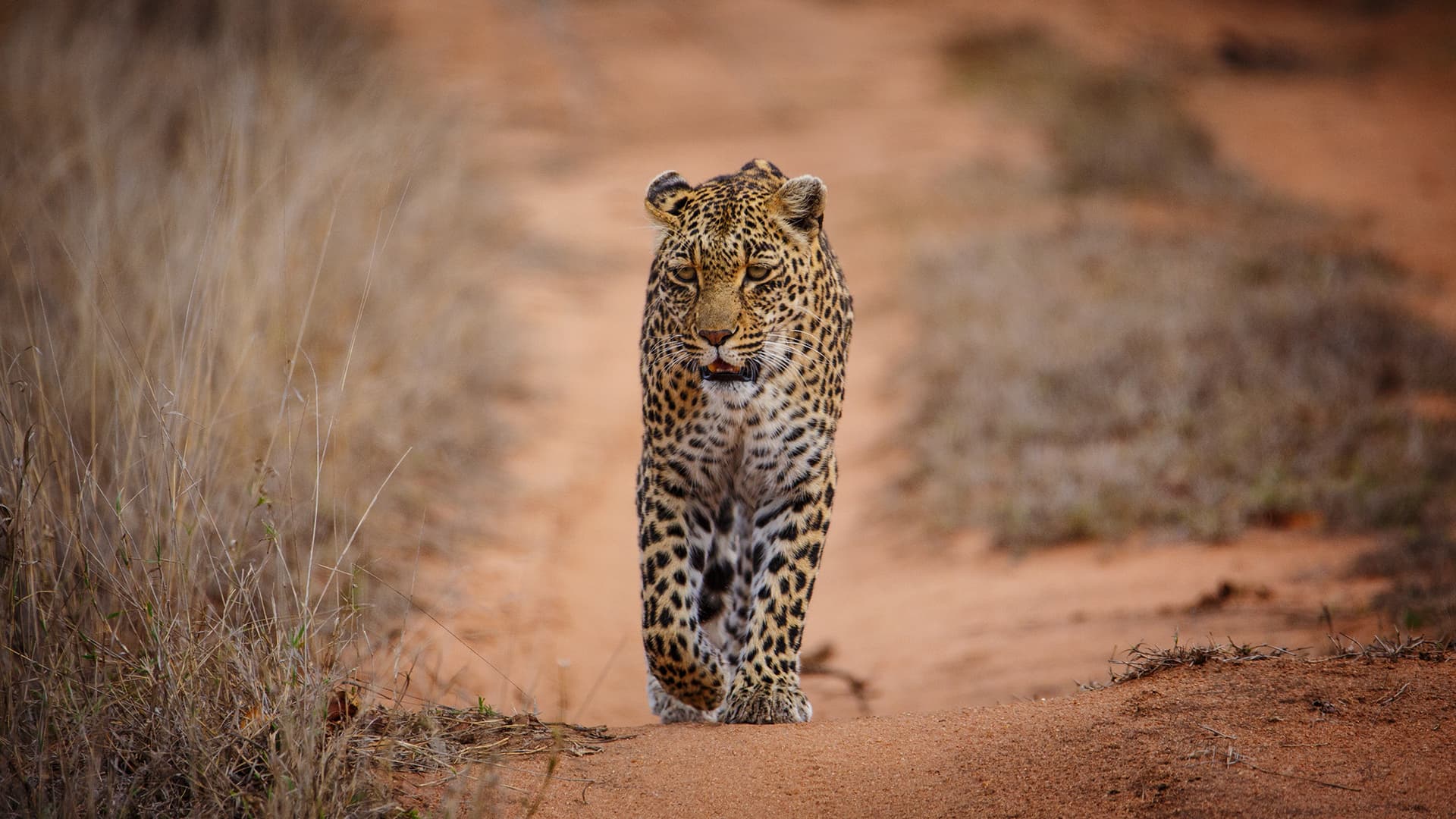
The Sabi Sand covers roughly 65,000 hectares on Kruger’s south-western edge, named for the Sabie River along its southern boundary and the Sand River that runs through it. It has built a worldwide reputation for leopard viewing: decades of patient guiding have produced leopards that are relaxed around vehicles, and guide-and-tracker teams share sightings by radio so that each is enjoyed by only a few vehicles at a time. Sightings are frequent, though never certain.

It is also the most polished corner of the Greater Kruger, home to some of South Africa’s most celebrated lodges, with prices to match. It suits first safaris with limited nights, photographers who want close, unhurried sightings, and travelers coming from Cape Town, since the Skukuza airport sits just across the boundary.

The other private reserves: who each suits

The Sabi Sand is only one of several private areas open to Kruger, and each has its own character.

Timbavati

About 534 km² of open mopane and acacia country west of central Kruger, managed by an association of landowners since 1956. A strong walking tradition and a rare white-lion gene that very occasionally surfaces. Suits second safaris and keen walkers.

Explore

Klaserie & Balule

Neighbors to the north. Balule straddles the Olifants River for about 20 km, and Klaserie is one of the larger private reserves in the system. Lodges range from simple and characterful to very comfortable, which suits longer stays.

Explore

Manyeleti

About 22,750 ha, provincially managed and wedged between the Sabi Sand and Timbavati; the name means ‘Place of Stars’. A handful of camps gives it a quiet, uncrowded feel. Suits travelers who value solitude over polish.

Kruger’s private concessions

Lodges on concessions inside the national park itself, from the south to Makuleke in the far north, where land returned to the Makuleke community is run through conservation partnerships. Rules on off-road driving, walks and night drives vary by concession.

Explore

When the national park is the better choice

Private reserves are not automatically better. Kruger National Park wins for travelers who love the freedom of driving themselves and stopping wherever they like, for birders who want the range of the whole park, from the southern bushveld to the riverine forests of the far north, and for longer, slower trips, where a week in the park costs considerably less than a week in a private reserve.

It also works well for multigenerational groups with young children, since rest camps welcome all ages and families can set their own pace. The trade-offs are gate times, crowds at big sightings in the busy south, and no off-road driving, so a leopard 50 meters from the road stays 50 meters away.

A comfortable middle way is a lodge on a private concession inside the park, or guided drives from a lodge on its edge. Our 10-day South Africa classic is built on Kruger itself, and our honeymoon journey ends on a private concession.

Malaria, children and seasons

Kruger, the Sabi Sand and the northern reserves all lie in areas where CDC recommends antimalarial tablets, whichever option you choose. If that rules them out, for young children or during pregnancy for example, the Eastern Cape and Madikwe offer Big Five safaris with no malaria risk; the malaria-free safaris page compares them.

Season matters more than reserve for what the bush feels like. The dry winter months thin the vegetation and draw animals to water, while summer brings green landscapes, newborn animals and migrant birds; the best time to visit page sets out the month-by-month picture.

Safaris

Recommended safaris

Leopard walking straight toward the camera in a private reserve
8 daysPure safari

Kruger Private Reserves

Sabi Sand · Timbavati · Hoedspruit Airport

Photographers, returning safari travelers and couples who want a week of pure safari, with time both in the vehicle and on foot

Best months
April–November
Comfort levels
Premium · Luxury · Ultra-Luxury
Individually quoted
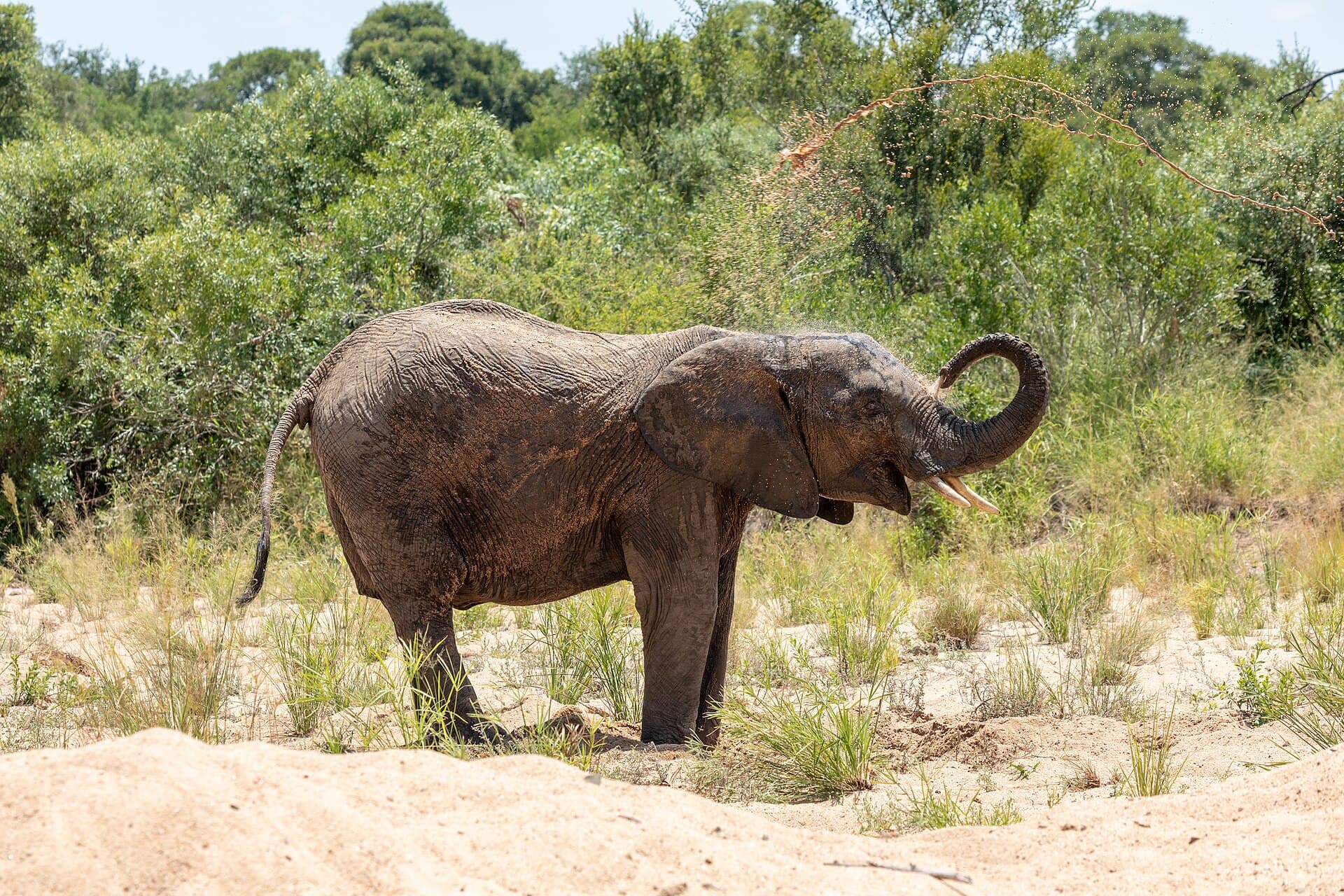
Elephant feeding in a dry riverbed in Greater Kruger
10 daysFirst safari

South Africa Classic

Panorama Route · Kruger National Park · Skukuza Airport · Cape Town

First-time visitors and families who want wildlife, scenery and a great city, at comfort, premium or luxury level

Best months
March–November
Comfort levels
Comfort · Premium · Luxury
Individually quoted
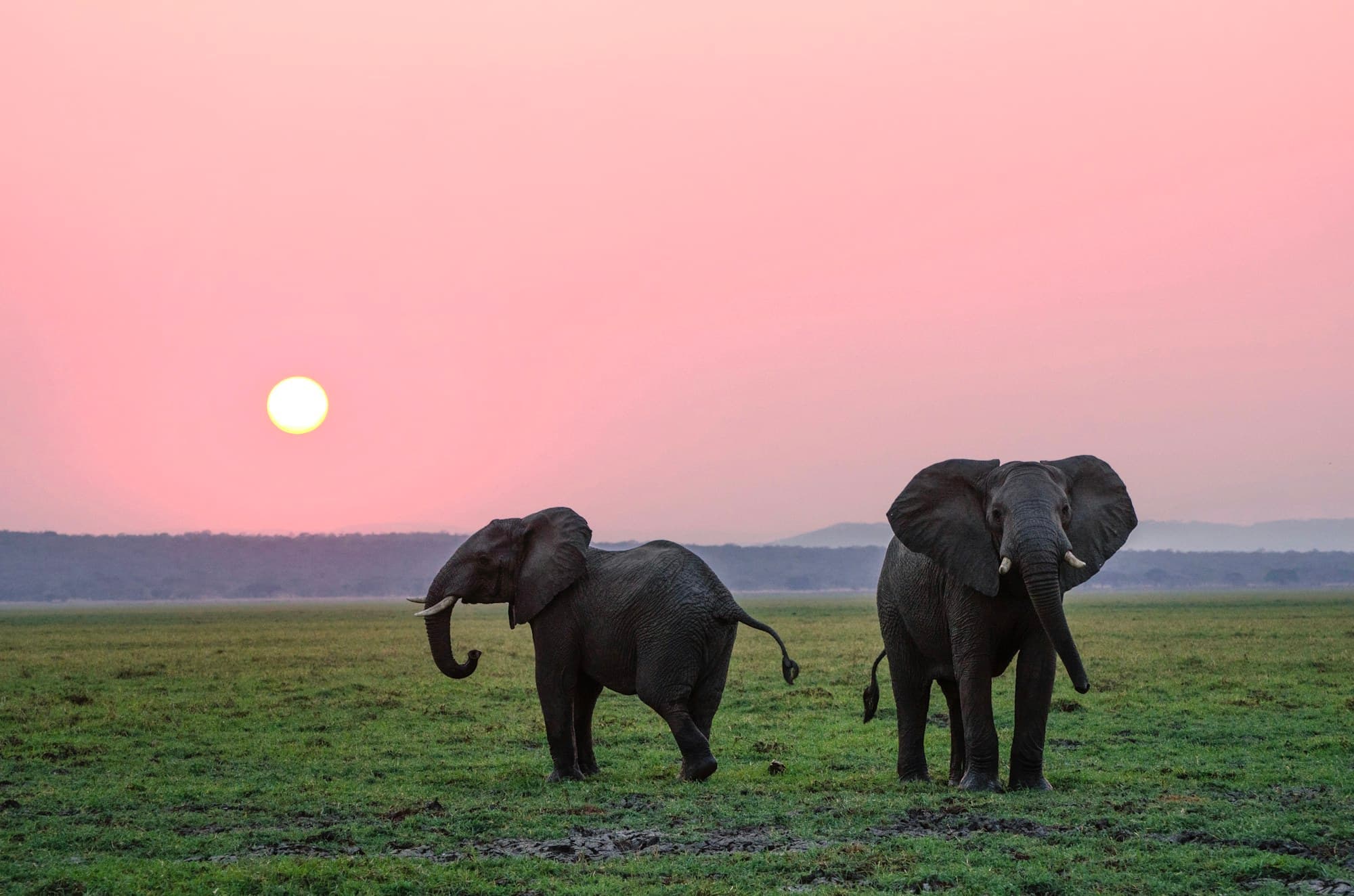
Two elephants together beneath a soft pink dusk sky
11 daysCouples

Winelands, Whales & Kruger

Cape Town · Franschhoek · Hermanus · Skukuza Airport · Kruger National Park

Honeymooners and anniversary couples traveling between June and November

Best months
June–November (whale season and the dry bush)
Comfort levels
Premium · Luxury
Individually quoted

Experiences

Related experiences

On foot

Walking Safaris in South Africa

Swap the game-drive seat for boots and follow an armed trails guide through Lowveld bush, reading tracks, trees and birdsong at the pace of your own footsteps.

Good to know

Frequently asked questions

Is the Sabi Sand part of Kruger National Park?

No. It is a private reserve on Kruger’s south-western boundary, but the fences between them came down in 1993, so animals move freely between the two. It has its own management, rules and levies.

Is Sabi Sands better than Kruger for leopards?

Many guides would say yes, thanks to leopards habituated to vehicles over decades and the freedom to follow them off-road. Kruger has plenty of leopards too, but you watch them from the public roads, often at a greater distance.

Timbavati or Sabi Sands: which should we choose?

They suit different travelers. The Sabi Sand offers polish and exceptional leopard viewing; Timbavati feels more open, has a strong walking culture and is often gentler on cost. Many itineraries combine the two in one trip.

Can you self-drive in the Sabi Sand?

You can drive to some lodges, but you can’t go on your own game drives there. Wildlife viewing in the Sabi Sand is done with lodge guides in open vehicles, while self-drive safaris are a Kruger National Park experience.

Two white rhinos grazing side by side in a private reserve

Tell Us When You Can Travel

Share your dates, who is coming and whether malaria-free matters, and a safari specialist will design a private South Africa route around you. Nothing is booked until you approve it.

Plan My South Africa Safari