Travel advisory, last checked 23 September 2026: the US State Department rates Uganda Level 4, “Do Not Travel”, an advisory issued in May 2026 because of Ebola. WHO declared Uganda’s outbreak over on 27 August 2026; the outbreak in the neighbouring DRC continues. Read our dated safety guide before you decide.

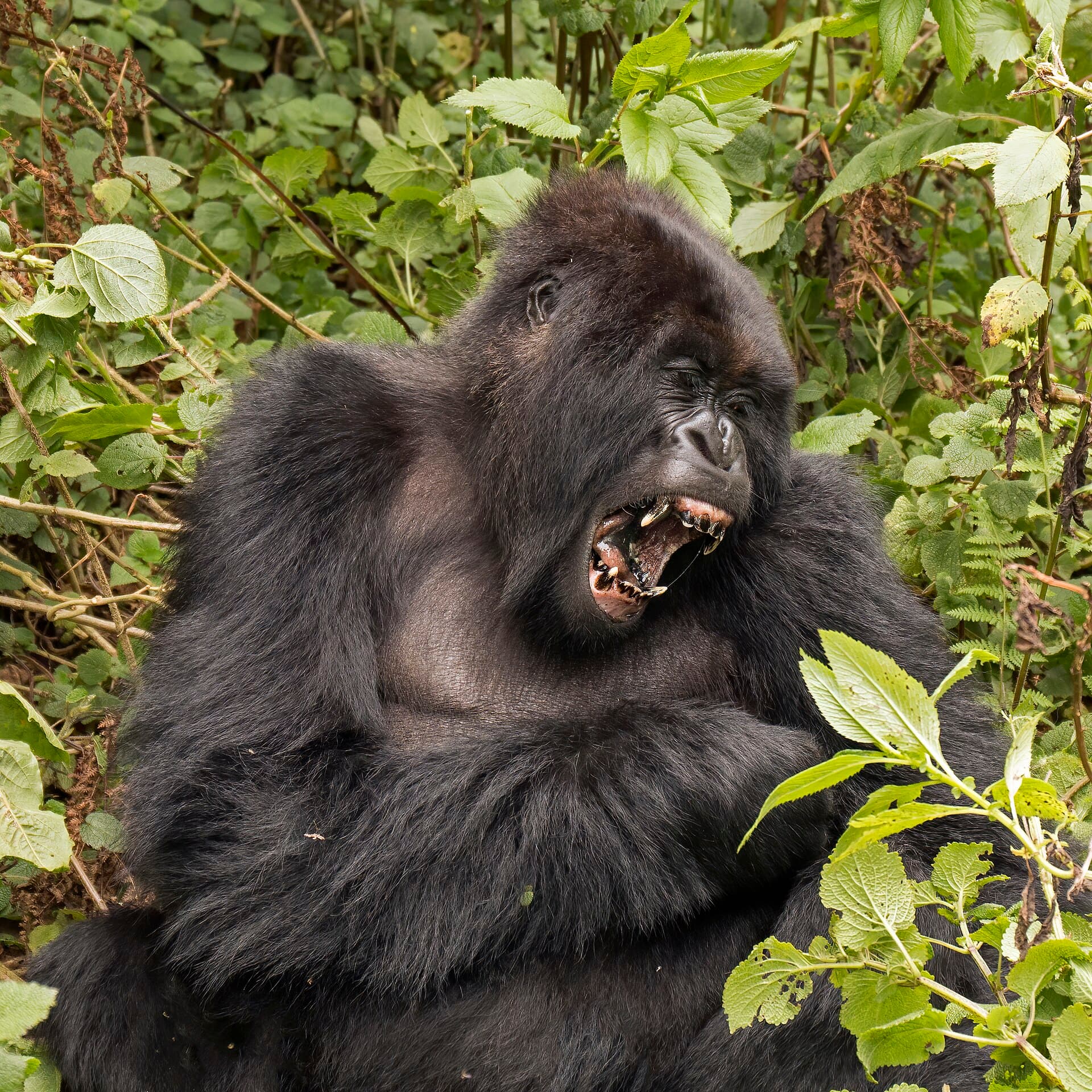
Silverback mountain gorilla mid-yawn among fresh green foliage

Uganda’s Mountain Gorillas

Gorilla Trekking in Uganda

Two parks, five trailheads and a single, strictly timed hour: how a gorilla trek in Uganda really unfolds, how demanding it is, and how to plan it well.

Gorilla trekking in Uganda takes place in two national parks in the country’s far south-west. Bwindi Impenetrable is a steep, UNESCO-listed rainforest on the border with the Democratic Republic of the Congo; Mgahinga Gorilla National Park is Uganda’s small share of the Virunga volcanoes. A 2018 census counted about 459 mountain gorillas in Bwindi, close to half of the roughly 1,063 thought to survive anywhere.

Visitors have trekked here since April 1993, when the Mubare group near Buhoma became the first family habituated for tourism. Today the system is tightly controlled by the Uganda Wildlife Authority (UWA): each habituated family receives no more than eight visitors a day, for one hour, and every permit is sold for a specific date and trailhead. The lodge you choose, the day you arrive and even the airstrip you land on are planned around that permit.

This guide is about the experience itself: where you trek, how the day runs, how hard it is and how to behave with the gorillas. Prices, booking and refund rules have their own page, our Uganda gorilla permits guide.

Where You Trek

Uganda’s Gorilla Parks on the Map

All five gorilla trailheads lie in the south-western tip of the country: a full day’s drive or a short domestic flight from Entebbe, and about four to five hours by road from Kigali in Rwanda. The map shows how Bwindi and Mgahinga sit in relation to Queen Elizabeth, Kibale and the other parks most journeys pair them with.

Map: UgandaUgandaLake VictoriaBwindi ImpenetrableMgahingaKibale ForestQueen Elizabeth NPMurchison FallsKidepo ValleyLake MburoJinja

Approximate locations — not for navigation.

Five Trailheads

Bwindi’s Four Sectors and Mgahinga at a Glance

UWA sells each permit for one trailhead, known locally as a sector, and the family you visit is assigned on the morning itself. Terrain and access differ more than most travelers expect; our Bwindi park guide goes deeper on each sector and its lodges.

TrailheadWhereTerrain & characterNearest airstrip
BuhomaNorthern BwindiThe original trekking sector, starting from the valley floor; approaches vary from short to very longKihihi
RuhijaEastern BwindiThe highest sector, cool ridgetop forest with bamboo and swamp nearby; a favorite with birdersKihihi (longer transfer), or by road from Kabale
RushagaSouthern BwindiThe most habituated families, and the base for the four-hour habituation experienceKisoro
NkuringoSouth-western BwindiSteep descents from a ridge facing the Virungas, and the hardest climb back outKisoro
NtebekoMgahinga Gorilla National ParkOne habituated family, Nyakagezi, on volcano slopes of bamboo and montane forest; about eight permits a dayKisoro

The number of families per sector changes as groups split, merge or range further, so we confirm availability for your dates rather than promising a particular family.

The Day

A Gorilla Trek, Hour by Hour

Timings follow UWA’s tracking guidelines. On the trail itself, your ranger guide sets the pace and makes every call.

  1. Early breakfast, around 06:00

    Lodges serve breakfast early and pack you a lunch. Some sit right beside the briefing point; others are a winding drive away on murram roads, which is exactly why we match your lodge to the trailhead on your permit.

  2. Briefing at the visitor centre, around 07:30

    Rangers explain the rules, then divide the day’s trekkers into groups of up to eight, one group per family. Be honest about your fitness at this point: it is when rangers try to place slower walkers with a family that has been feeding nearer the trailhead, though nobody can promise the gorillas will stay close.

  3. Setting off at 08:00

    You leave with a UWA ranger guide and an armed escort, plus any porters you have hired. Trackers went ahead at first light to find the family where it nested the night before, and they radio its position back to your guide as you walk.

  4. The approach

    Trails follow ridges and stream valleys, then often leave the path altogether as your guide cuts toward the trackers with a machete. Expect mud, nettles, vines and short, steep pitches. UWA says a full trek, there and back, typically lasts between two and seven hours.

  5. Your hour with the family

    Near the gorillas you leave bags, sticks and food with the porters and move in with only your camera. The clock starts when you reach them: sixty minutes to watch the silverback, mothers and youngsters feed, groom and play, often in thick foliage just a few meters away.

  6. The walk back

    The return is usually quicker, though a steep climb out is common in Nkuringo and parts of Rushaga. Most groups are back at the lodge by mid-afternoon, with time for a hot shower, a late lunch and a long conversation about the silverback.

Fitness

How Hard Is Gorilla Trekking in Uganda?

Harder than most people expect, but within reach of most people who prepare. Bwindi rises from about 1,160 m to 2,607 m above sea level, and the forest grows over a jumble of steep ridges and ravines; the word “Impenetrable” is not marketing. Mgahinga starts higher, at about 2,227 m, and its trails climb through bamboo and montane forest on the lower slopes of the volcanoes.

The real variable is the gorillas, not the trail. A family feeding near the forest edge can mean a 45-minute walk; the same family can cross a ridge overnight and turn the next day into a six-hour hike. Nobody knows which until the trackers report in, so prepare for the long version and treat a short trek as a bonus.

Three things make a real difference. Walk regularly on hills or stairs for a couple of months before you travel. Hire a porter, who carries your pack, steadies you on the slippery pitches and earns a set fee that supports a family living beside the park. And take a walking stick, usually offered at the lodge or the visitor centre.

If you have knee, heart or breathing concerns, speak to your doctor and tell us early. We can steer you toward trailheads and lodges that keep driving and climbing to a minimum, and ask our partner in Uganda to pass your needs to the rangers before the briefing.

Rules

The Rules With the Gorillas

Mountain gorillas share most of our DNA and catch human illnesses easily, so these rules protect their health as much as your safety. Your ranger guide explains them at the briefing and enforces them on the trail.

  • Minimum age 15 on the day of the trek; bring your passport, since permits are issued in your name.
  • No more than eight visitors per family per day, and one hour with the gorillas once you reach them.
  • Keep about 10 m away. If a gorilla moves toward you, stay calm and follow your guide’s lead rather than backing off quickly.
  • No flash photography, and keep your voice low.
  • No eating, drinking or smoking near the gorillas; lunch waits until you have moved well away.
  • Turn away and cover your nose and mouth if you need to cough or sneeze.
  • Do not trek if you are unwell. A cold that is trivial for you can be dangerous for a gorilla, and rangers may turn away anyone who appears ill.
  • Leave nothing behind in the forest, and stay with your group all the way out.

Planning Your Treks

One Trek, Two, or the Four-Hour Option?

After your dates, the number of gorilla days is the most important planning decision you will make.

One trek

Enough for many travelers, and the hour rarely disappoints. Because everything rides on one morning, we still leave a spare day in the plan in case a flight or road delay pushes you back.

Two treks

The choice most gorilla enthusiasts make. A second day brings a different family, different light and often a different sector, and it takes the pressure off the first. UWA’s rule for the rare day without a sighting is a safety net, not a reason to book a single trek.

A trek plus habituation

The gorilla habituation experience in Rushaga starts at 06:30 and allows up to four hours with a family still being habituated, alongside the researchers. Pair it with a standard trek on another day to see a relaxed family and a warier one.

Gorillas and golden monkeys

In Mgahinga you can trek the Nyakagezi family one morning and follow golden monkeys, an Albertine Rift endemic, the next. Our 6-day gorilla safari from Kigali is built around exactly that pairing.

Timing

When to Trek

Gorillas are trekked every day of the year, and habituated families are found on most treks in every month. What changes is the trail. The drier months, roughly June to August and December to February, bring firmer paths and fewer downpours, while March to May and October to November are wetter, with April and October often the muddiest months in Bwindi.

A reduced permit rate for April, May and November has been reported, which would trade mud and occasional road delays for quieter trailheads and a lower fee; at the time of writing (September 2026) UWA had not published a 2026–27 tariff confirming it. Our best time to visit Uganda guide lays out the whole year, activity by activity.

Gear

What to Wear for Gorilla Trekking

Five things matter more than anything else in your daypack; our full safari packing list covers the rest of the trip.

  • Broken-in waterproof hiking boots with deep treads
  • Long trousers tucked into your socks and a long-sleeved shirt, against nettles and biting safari ants
  • Gardening or cycling gloves for grabbing vines and thorny stems
  • A light waterproof jacket, because rain is possible in Bwindi in any month
  • A small pack with two liters of water, your packed lunch and a rain cover for the camera

Uganda or Rwanda?

Choosing Between the Two Gorilla Countries

Rwanda’s Volcanoes National Park protects the same subspecies on the far side of the Virungas, with shorter access from Kigali and a higher permit fee. We weigh the two point by point in Rwanda vs Uganda for gorilla trekking, and our gorilla trekking safaris page shows how a trek slots into a wider East Africa journey.

Safaris

Recommended safaris

Silverback mountain gorilla mid-yawn among fresh green foliage
6 daysShort & focused

Gorillas via Kigali

Kigali · Rushaga · Mgahinga

Travelers with a week who want two gorilla treks at Uganda’s permit price and the simplest international access

Best months
June–September and December–February
Comfort levels
Comfort · Premium · Luxury
Individually quoted
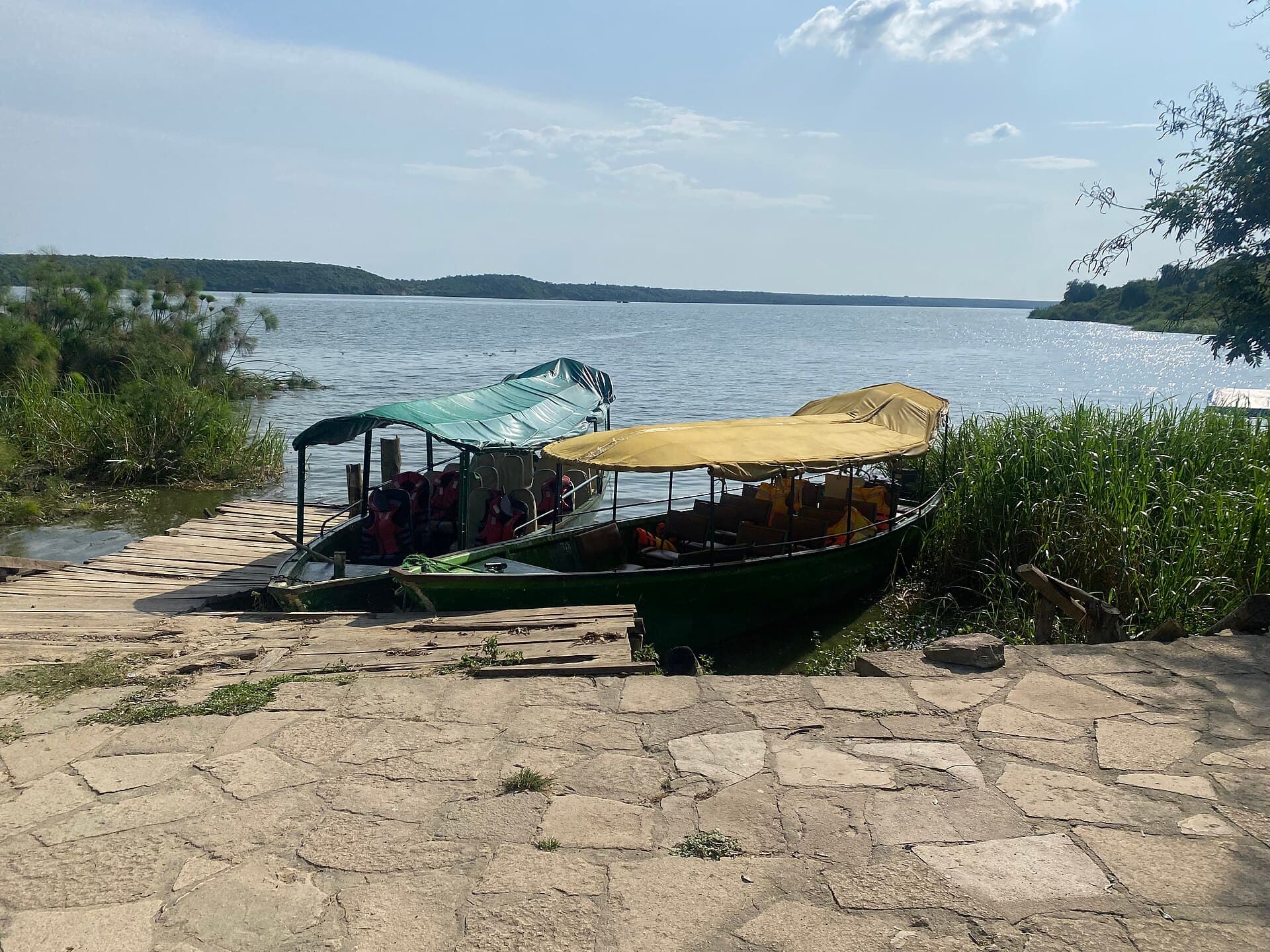
Safari boats on the Kazinga Channel in Queen Elizabeth National Park
12 daysMost complete

Complete Uganda

Ziwa Rhino Sanctuary · Murchison Falls · Kibale Forest · Queen Elizabeth NP · Ishasha · Buhoma · Lake Mburo

Travelers with close to two weeks who want primates, savanna and the Nile, and are happy with a few long road days

Best months
June–September and December–February
Comfort levels
Comfort · Premium · Luxury
Individually quoted
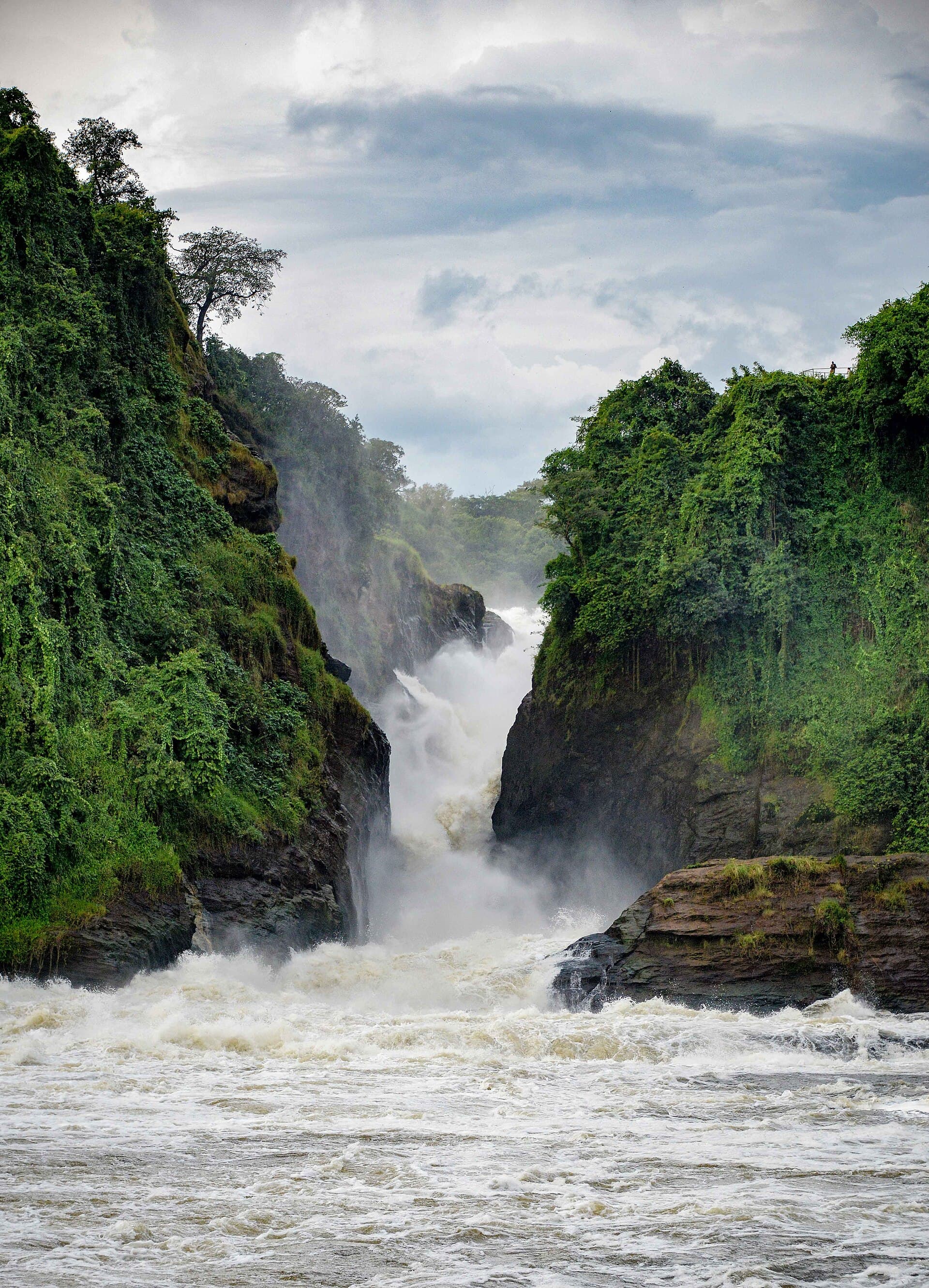
The Nile thundering through the gorge at Murchison Falls
10 daysFly-in wilderness

Uganda Fly-In

Kidepo Valley · Murchison Falls · Buhoma

Travelers who want Uganda’s wildest corner and its gorillas without spending whole days on the road

Best months
December–February and June–August
Comfort levels
Premium · Luxury
Individually quoted

Experiences

Related experiences

Silverback mountain gorilla mid-yawn among fresh green foliage

Primates

Gorilla Habituation Experience

Spend up to four hours with a gorilla family that is still learning to accept people, alongside the researchers and trackers doing the work, in Bwindi’s southern Rushaga sector.

Good to know

Frequently asked questions

How long does a gorilla trek in Uganda take?

UWA puts a typical trek, there and back, at two to seven hours, and the hour with the gorillas is part of that. The length depends on where the family fed and nested the night before, which nobody knows until the trackers radio in. Prepare for a full day and a short trek becomes a pleasant surprise.

What is the minimum age for gorilla trekking in Uganda?

Fifteen, under UWA’s rules, and it is checked against your passport. The limit protects the gorillas from childhood illnesses and reflects how long and steep the days can be. Younger family members can stay at the lodge with a guided village or nature walk arranged for them.

Do I need a porter for gorilla trekking in Uganda?

You don’t have to hire one, but we recommend it. A porter carries your daypack, helps you over slippery sections and minds your bag during the hour with the gorillas. The fee is a direct source of income for families living around the park.

How close do you get to mountain gorillas in Uganda?

The rule is to keep about 10 m away, but gorillas don’t read rules, and curious youngsters sometimes wander closer. When that happens, your ranger guide will ask you to stay calm and still or to step back slowly. In dense forest, the vegetation often decides the distance as much as the rulebook.

Should I book one gorilla trek or two in Uganda?

One trek is a complete experience, and many travelers are content with it. A second trek, ideally in another sector, shows you a different family and removes the pressure of a single morning. If you want more time rather than more families, the four-hour habituation experience is the alternative.

Virunga volcanoes rising over lodge rooftops and farmland

Start With Your Dates

Tell us when you would like to travel, who is coming and how many gorilla days you want. We check permit availability first, then design a private Uganda journey around it, with nothing booked until you approve.

Plan My Uganda Safari