
Getting There
Getting to Zambia: Flights, Light Aircraft & Transfers Between Parks
One long-haul connection, then small planes and short transfers. How to route flights to Zambia from the USA, and how you move between the parks once you land.
There are no non-stop flights to Zambia from the USA at the time of writing, so every trip begins with one connection, usually in Africa or the Gulf. The good news is that one is normally enough: fly from a major US gateway to a hub, then on to Lusaka or Livingstone, and your safari logistics take over from there.
Inside Zambia, distances are large and roads are slow, which is why most safaris combine scheduled domestic flights with small light aircraft. Getting the routing right, including which city you fly into and which you leave from, saves days of backtracking. This guide explains how the pieces fit together.
Long-Haul
Connecting Hubs for Flights to Zambia
The main one-stop routes from the US and what each suits. International flights are usually booked separately, and we time your safari around them.
Via Addis Ababa
A common one-stop route to Lusaka from several US cities, often with convenient timings. Keep the connection under 12 hours, because Ethiopia is a country with yellow fever risk.
Via Dubai or Doha
The Gulf hubs connect a wide range of US departure cities with Lusaka. The total distance is longer, but the choice of home airports is broad and onward services are well established.
Via Johannesburg
Johannesburg links to both Lusaka and Livingstone, with daily flights to Livingstone, and non-stop flights from the US make it a natural hub. It suits open-jaw trips and itineraries that add South Africa.
Explore →Via Nairobi
Nairobi connects with Lusaka and pairs naturally with a Kenya safari first. As with Addis Ababa, watch layovers beyond 12 hours, and after time in Kenya carry a yellow fever certificate.
Explore →Your Gateway
Lusaka or Livingstone?
Fly into Lusaka’s Kenneth Kaunda International Airport (LUN) if your safari begins in South Luangwa, the Lower Zambezi or Kafue: all three are reached most easily from the capital. Fly into Livingstone’s Harry Mwaanga Nkumbula International Airport (LVI) if you want to begin at Victoria Falls, or if you are arriving from Botswana or Zimbabwe.
Many of the best itineraries are open-jaw: in through Lusaka and out through Livingstone, or the reverse. You finish the safari with a flight to the falls, spend two nights there and connect home through Johannesburg without ever retracing a leg. Most of our Zambia journeys are built this way.
Transfers
Getting Between Zambia’s Parks
Approximate times for the most common legs. Flight times exclude check-in and airstrip transfers; road times assume dry-season conditions and daylight driving.
| Route | How | Approximate time |
|---|---|---|
| Lusaka → Mfuwe (South Luangwa) | Scheduled domestic flight, all year | About 1 h 10 |
| Mfuwe Airport → central South Luangwa | Road transfer | About 30 minutes to the main gate |
| Lusaka → Lower Zambezi (Jeki or Royal airstrip) | Light aircraft | About 30–40 minutes |
| Mfuwe → Lower Zambezi | Via Lusaka, or a seasonal direct light-aircraft link | Depends on schedules; the direct link has run until about mid-November |
| Mfuwe → North Luangwa | Light-aircraft charter | About 40 minutes |
| Lusaka → Livingstone | Scheduled domestic flight, daily | A short hop; timings vary with the schedule |
| Lusaka → Busanga Plains (Kafue) | Light aircraft, in season | Varies with the routing |
| Lusaka → Kafue (Hook Bridge) | Road, on the tarred M9 | About 3–4 hours |
| Livingstone → Kafue (Dundumwezi Gate) | Road | About 3 hours |
| Lusaka → Mfuwe by road | Tar road via Chipata | About 9–10 hours |
| Lusaka → Liuwa Plain | Road via Kalabo, or light aircraft | About 10 hours by road (about 8 from Livingstone) |
| Livingstone → Kazungula (Botswana border) | Road | About 1 hour |
Schedules and seasonal links change from year to year. We confirm every leg for your dates.
Light Aircraft
How Light-Aircraft Flights Work
Beyond Mfuwe and Livingstone, Zambia’s safari areas are served by small propeller aircraft landing on gravel or grass airstrips. Some legs run as seat-rate services, where you buy seats on a shared scheduled hop; others are private charters, which cost more but fly on your timetable and reach places no shared service goes, such as North Luangwa. A vehicle from your camp meets you at the strip.
The limit that shapes your packing is weight. On most light-aircraft legs, the allowance is about 20 kg (44 lb) per person in total, including hand luggage and camera gear, in a soft bag with no wheels or rigid frame so that it squeezes into a small hold. Heavy camera kit can justify buying an extra seat, so ask early. Our safari packing list helps you pack to the limit.
Bush airstrips are generally used in daylight only, and storms in the early rains can delay departures. Flight plans therefore leave a margin before dusk, which is one more reason the remote camps close in the wet months.
By Road
Driving in Zambia: Honest Road Times
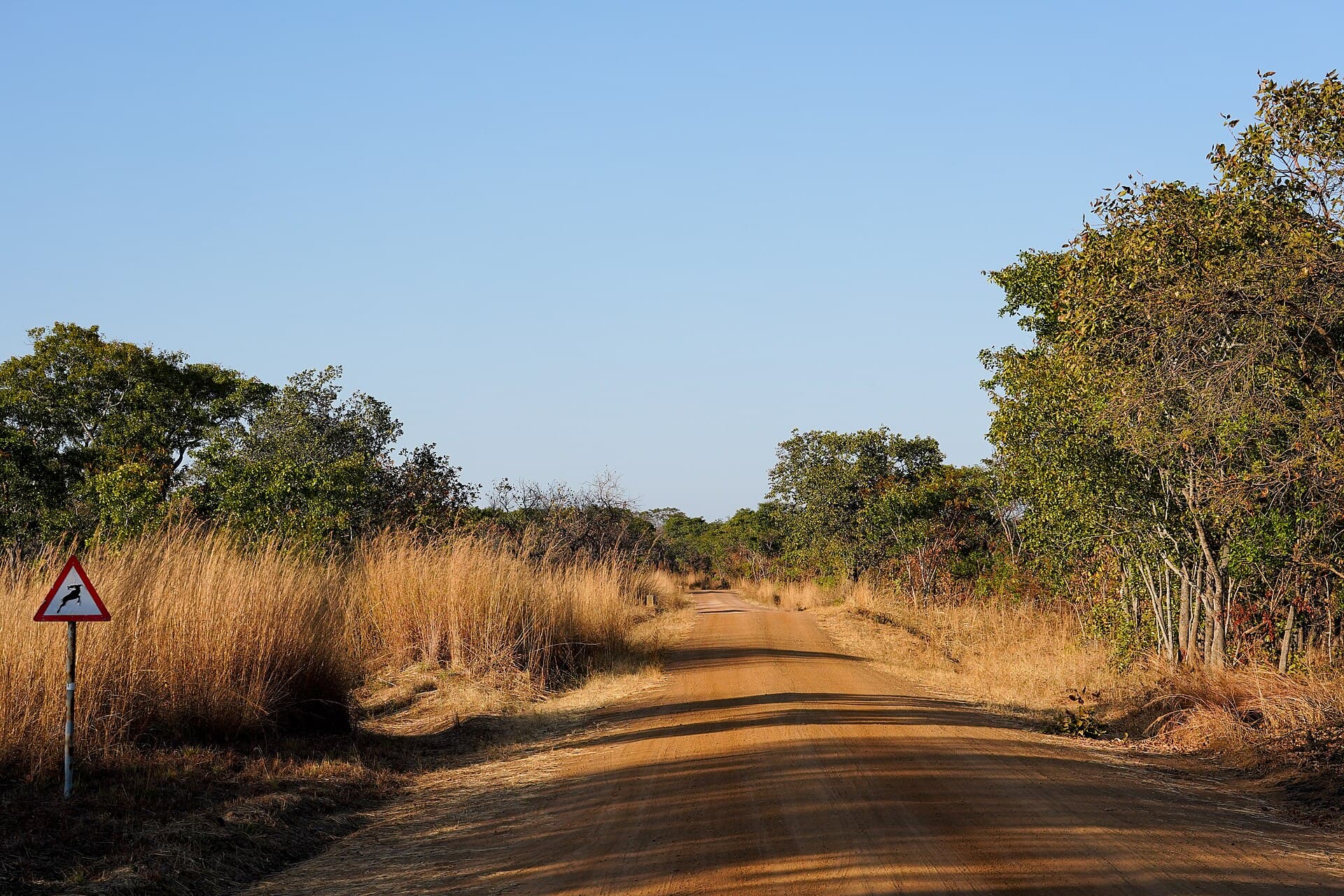
Road transfers make sense on some routes and not on others. The drive from Lusaka to Kafue’s Hook Bridge area takes about 3–4 hours on the tarred M9, and Livingstone is about 3 hours from Kafue’s southern Dundumwezi Gate, so road travel suits a Kafue safari. The road to South Luangwa is now tar all the way, but at about 9–10 hours from Lusaka via Chipata, most travelers fly; the final 123 km from Chipata to Mfuwe alone takes about 2 hours.
Two cautions from the UK government’s travel advice apply to anyone on Zambian roads. Many roads are potholed, and floods can wash sections out between November and April. And driving outside towns after dark is best avoided. Every road transfer we plan runs in daylight, with an experienced driver arranged through our vetted partners.
Arrival Day
Overnight in Lusaka or Connect the Same Day?
It depends on when your long-haul flight lands, and how much buffer you want.
Check your arrival time
If your international flight lands in Lusaka by late morning, a same-day connection to Mfuwe or the Lower Zambezi is often possible. An afternoon or evening arrival usually means a night in Lusaka.
Allow for delays
Long-haul flights run late, and domestic and light-aircraft departures do not wait. A missed connection can cost you a night in camp, so we build in margin rather than gamble.
Think about the last day too
On the way home, fly out of the bush in the morning and leave several hours before your international departure, or spend a final night in Lusaka or Livingstone. It keeps the end of the trip calm.
Use the night well
A night in Lusaka need not be dead time. A farm lodge or boutique hotel on the city’s edge gives you a quiet evening, a proper sleep and an unhurried start the next morning.
Good to know
Frequently asked questions
Are there direct flights from the US to Zambia?
Not at the time of writing. The usual routings connect once, through Addis Ababa, Dubai, Doha, Nairobi or Johannesburg, to Lusaka, or through Johannesburg to Livingstone. We suggest the connection that best fits your US departure city and the first stop of your safari.
Should I fly into Lusaka or Livingstone?
Lusaka suits safaris that begin in South Luangwa, the Lower Zambezi or Kafue, and Livingstone suits a falls-first plan or a link with Botswana or Zimbabwe. For many trips the best answer is both: arrive in one and leave from the other.
Is it better to fly or drive from Lusaka to South Luangwa?
Most travelers take the scheduled domestic flight from Lusaka to Mfuwe, about 1 hour 10 minutes, which runs all year with fewer flights in the rains. From Mfuwe Airport it is about 30 minutes by road to the park gate. Driving the whole way takes about 9–10 hours on tarred roads.
What is the luggage limit on light aircraft in Zambia?
Typically about 20 kg per person in total, including hand luggage and cameras, in a soft bag with no wheels or frame. Limits can differ by aircraft and operator, so we confirm the exact allowance for each leg of your journey.
Can I drive myself between Zambia’s parks?
Self-driving is possible but demanding: distances are long, some roads are rough or flooded in the rains, and UK government advice warns against driving outside towns after dark. For a private safari, flights and arranged transfers are far more efficient, and inside the parks you travel with your guide.
Tell Us When You Can Travel
Share your dates, who is coming and whether you want to walk, paddle or simply watch. A safari specialist will design a private Zambia journey around the seasons, with nothing booked until you approve it.
Plan My Zambia Safari