
Safety & Health
Is Zambia Safe for a Safari? Safety & Health Advice
A calm, practical look at safety in Zambia for US travelers: what the official advisories say, where the real risks lie and how a private safari reduces them.
The Short Answer
Is Zambia safe? For most visitors on a planned, guided safari, yes: official advice treats it as a country for normal care rather than special caution, and most trips pass without incident. That is not the same as risk-free. The realistic risks are the ones you would expect: petty and vehicle crime in towns, road conditions, wild animals and health, particularly malaria.
A private safari removes much of the exposure. Your transfers are arranged, you spend little time on the roads and none on them after dark, and in the bush you are with a guide whose job includes keeping you safe around wildlife. This guide sets out what the official advisories say, then takes each risk in practical terms.
Official Advice
What the US and UK Governments Say
| Source | Summary at the time of writing (September 2026) |
|---|---|
| US State Department | Level 1, “Exercise Normal Precautions”, the lowest of its four advisory levels, reported as reissued in July 2026. Check travel.state.gov for the current level before you travel. |
| UK Foreign, Commonwealth & Development Office | Cities and major national parks are generally safe during daylight hours. Protests occasionally occur in Lusaka, vehicle crime happens, and driving outside towns after dark should be avoided. |
| UK advice on border areas | Parts of the border with the Democratic Republic of the Congo are undemarcated and carry specific advice. None of Zambia’s main safari regions is affected. |
Advisories change. Enroll in the State Department’s Smart Traveler Enrollment Program (STEP) to receive updates while you travel.
Towns & Crime
Crime, Cities and Money
Most visitors spend little time in Lusaka or Livingstone, and what time they do spend is usually in pre-arranged transfers and well-run hotels. Normal city precautions apply: keep valuables out of sight, keep car windows up and doors locked in traffic, avoid walking alone after dark, and steer clear of any demonstration you come across.
For money, carry a modest amount of cash in clean US dollars and some kwacha for small purchases. By law, payments in Zambia are made in kwacha, but tourist businesses commonly accept US dollars. ATMs are found in Lusaka, Livingstone and other towns but are very scarce beyond them, and Visa and Mastercard are more widely accepted than American Express. The rules on declaring cash are in our entry guide.
On the Road
Roads and Getting Around
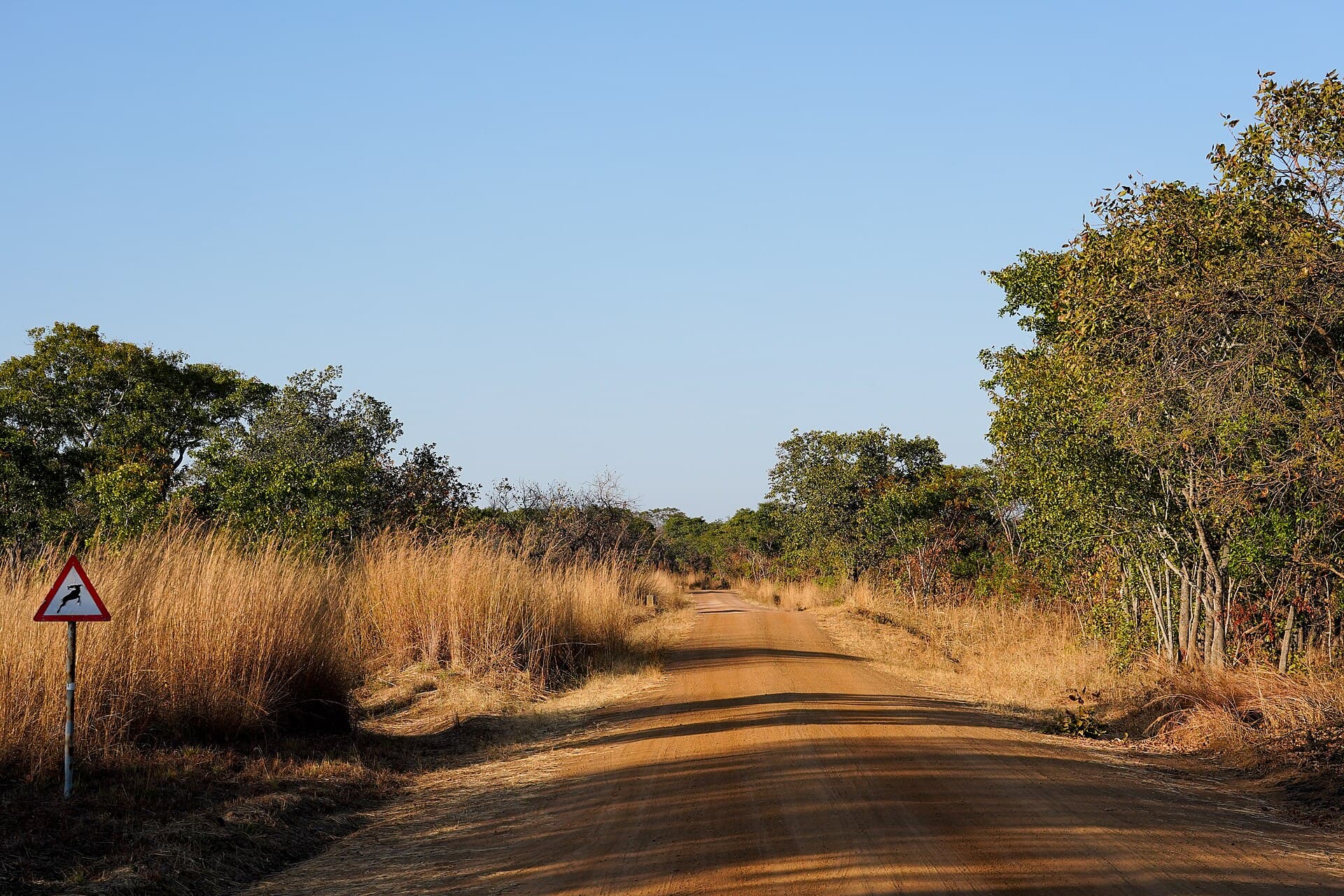
Road safety is the most practical risk in Zambia. Many roads are potholed, trucks and livestock share the highways, and floods can wash roads out between November and April. The UK government advises against driving outside towns after dark, when hazards are hard to see.
That is one reason we fly most long legs and schedule every road transfer in daylight with an experienced driver. The guide to getting to Zambia shows which routes are best flown and which are comfortable by road.
In the Bush
Wildlife and Camp Safety
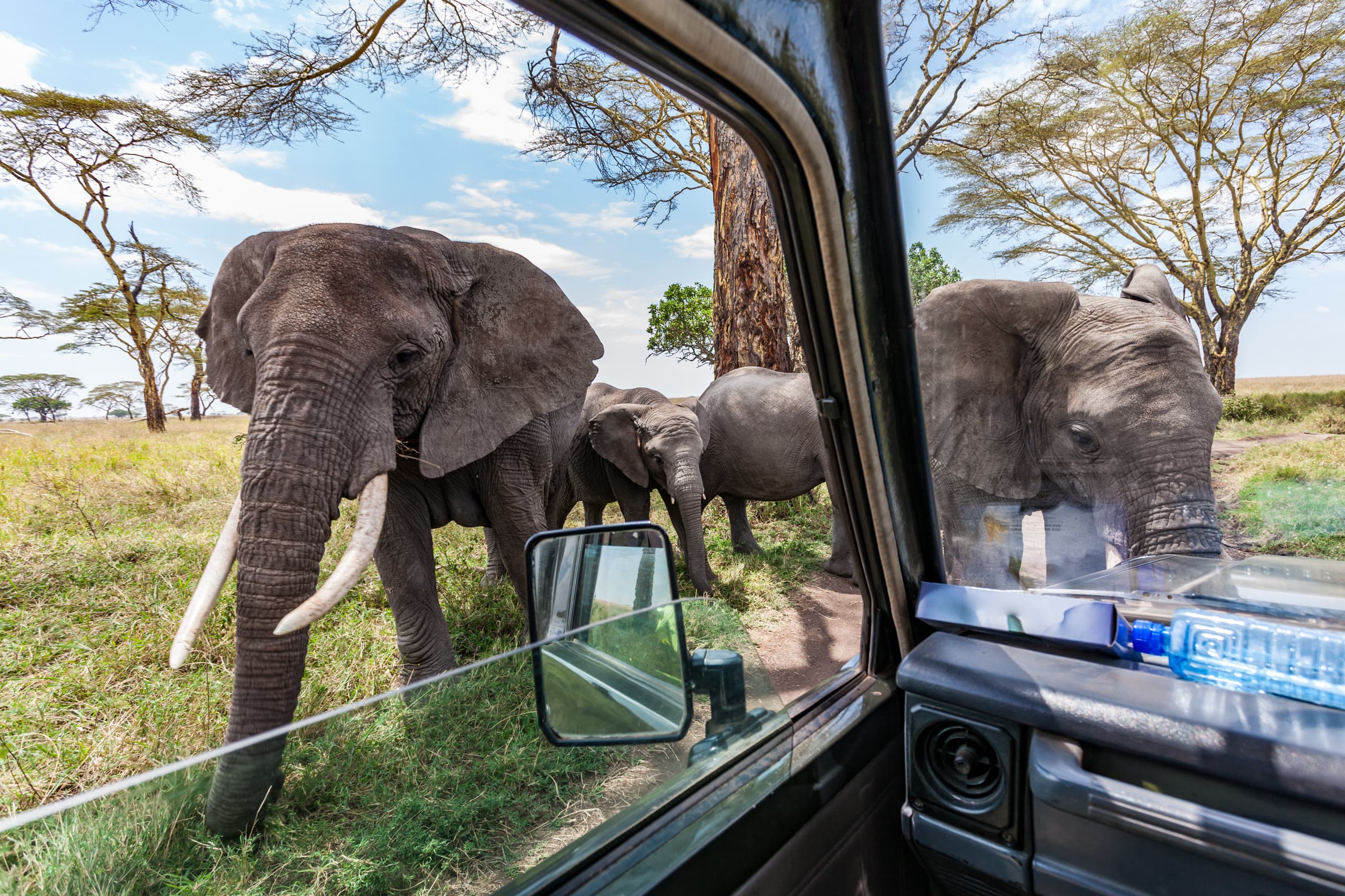
Zambia’s safari camps are unfenced, so animals move through them, especially at night. Camps manage this with simple rules that work: an escort to and from your tent after dark, a way to call for help from your room, and a firm instruction never to wander alone. Hippos graze on the riverbanks at night and are the animal to respect most around camp.
Rivers and lagoons hold crocodiles and hippos, so swimming, wading and trailing a hand from a boat are all out. On a walking safari you are with a trained guide and an armed DNPW scout; the walking safari guide explains the protocols honestly, including the small but real risk that remains.
At Victoria Falls, adventure activities are part of the appeal, but the UK government notes that adventure sports in the area carry risks and that there have been serious accidents and deaths. Use licensed operators, listen to every briefing, and respect age and water-level limits, such as those set for Devil’s Pool.
Health
Health Precautions for Zambia
The CDC’s main recommendations for Zambia, summarized. See a travel-health clinic at least a month before you leave to tailor them to your health and route.
- Malaria: transmission occurs in all areas of Zambia, so antimalarial medication is recommended. Options include atovaquone-proguanil, doxycycline, mefloquine and tafenoquine; your clinic will advise which suits you.
- Mosquito bites: use repellent, cover up at dusk and sleep under a net where one is provided, which also helps against dengue, listed by the UK government as a risk.
- Vaccines: hepatitis A and typhoid are recommended for most travelers, hepatitis B for unvaccinated adults under 60, and rabies pre-exposure vaccination is worth discussing.
- Cholera: transmission is widespread in Zambia but rare among travelers. Drink bottled or treated water and eat freshly cooked food; safari camps generally provide safe drinking water.
- Tsetse flies: they bite in some wooded areas and can transmit sleeping sickness, which is rare in travelers. Neutral clothing and long sleeves help.
- Schistosomiasis (bilharzia): avoid swimming or wading in fresh water, including lakes and rivers.
- Mpox: listed by the UK government among current risks; follow your clinic’s advice.
- Yellow fever: whether you need a certificate depends on your route; see the entry requirements guide.
If Something Goes Wrong
Medical Care and Evacuation Insurance
Medical facilities in Lusaka and Livingstone can handle routine problems, but care outside the cities is basic, and serious cases usually need evacuation by air. That makes travel insurance with emergency medical evacuation cover essential rather than optional. Check that it covers the activities you plan, including walking safaris and any adventure activities at the falls.
Remote parks add one more factor: light aircraft cannot fly in all conditions, so an evacuation can be delayed by weather or nightfall. Distance is part of the wilderness, and good insurance is how you plan for it. Medicare generally does not cover care outside the United States, so read your own health plan before deciding what extra cover you need.
Local Laws
Laws Visitors Should Know
Photographing sensitive sites, such as government buildings and military or police installations, is illegal, so ask before you photograph anything official, including at border posts. Trading in wildlife products, including ivory, skins and anything made from protected species, is illegal, and buying them can lead to arrest. Penalties for drug offenses are severe.
LGBTQ+ travelers should be aware that same-sex sexual activity is illegal in Zambia under sections 155–157 of the Penal Code, which carry long prison sentences, up to life imprisonment. The law applies to visitors as well as residents. Read the US State Department’s and the UK government’s guidance for LGBTQ+ travelers before deciding, and if you travel, expect to be discreet in public. We are happy to discuss rooming arrangements and camp choices in confidence.
Solo women travelers on a private safari are met, transferred and hosted throughout, which removes most of the situations that cause concern elsewhere. In towns, the usual precautions apply: arranged transport after dark, valuables out of sight and modest dress away from the lodges.
Good to know
Frequently asked questions
Is Zambia safe for American tourists?
At the time of writing, the US State Department rates Zambia at Level 1, its lowest advisory level, though you should check the current level before traveling. For visitors on a planned safari, the practical risks are petty crime in towns, road travel and health, all of which careful planning reduces. Enroll in STEP so that any updates reach you during your trip.
Do I need malaria tablets for Zambia?
Yes. The CDC recommends antimalarial medication for all areas of Zambia, including the safari parks and Livingstone. A travel-health clinic will suggest a drug that suits your health and itinerary. Combine it with repellent, long sleeves at dusk and nets, since no medication is fully protective.
Can you swim in Zambia’s rivers and lakes?
No. Crocodiles and hippos live in nearly all of Zambia’s rivers and lagoons, and fresh water can carry schistosomiasis. Swim only in camp and hotel pools, and keep hands and feet inside canoes and boats.
Is Zambia safe for LGBTQ+ travelers?
Same-sex sexual activity is illegal in Zambia, and the law applies to visitors. Read the US State Department’s and the UK government’s guidance for LGBTQ+ travelers before deciding, and if you travel, expect to be discreet in public. We are glad to talk through rooming and camp choices in confidence.
Is Zambia safe for solo female travelers?
A fully planned private safari is one of the more comfortable ways for a woman to travel alone in Zambia, because you are met and escorted throughout. In towns, take the usual precautions: arranged transport after dark, valuables out of sight and modest dress. If you would prefer a female guide, tell us and we will ask our partners what is possible.
Tell Us When You Can Travel
Share your dates, who is coming and whether you want to walk, paddle or simply watch. A safari specialist will design a private Zambia journey around the seasons, with nothing booked until you approve it.
Plan My Zambia Safari