Why Zimbabwe
Guides Who Earn the Right to Walk
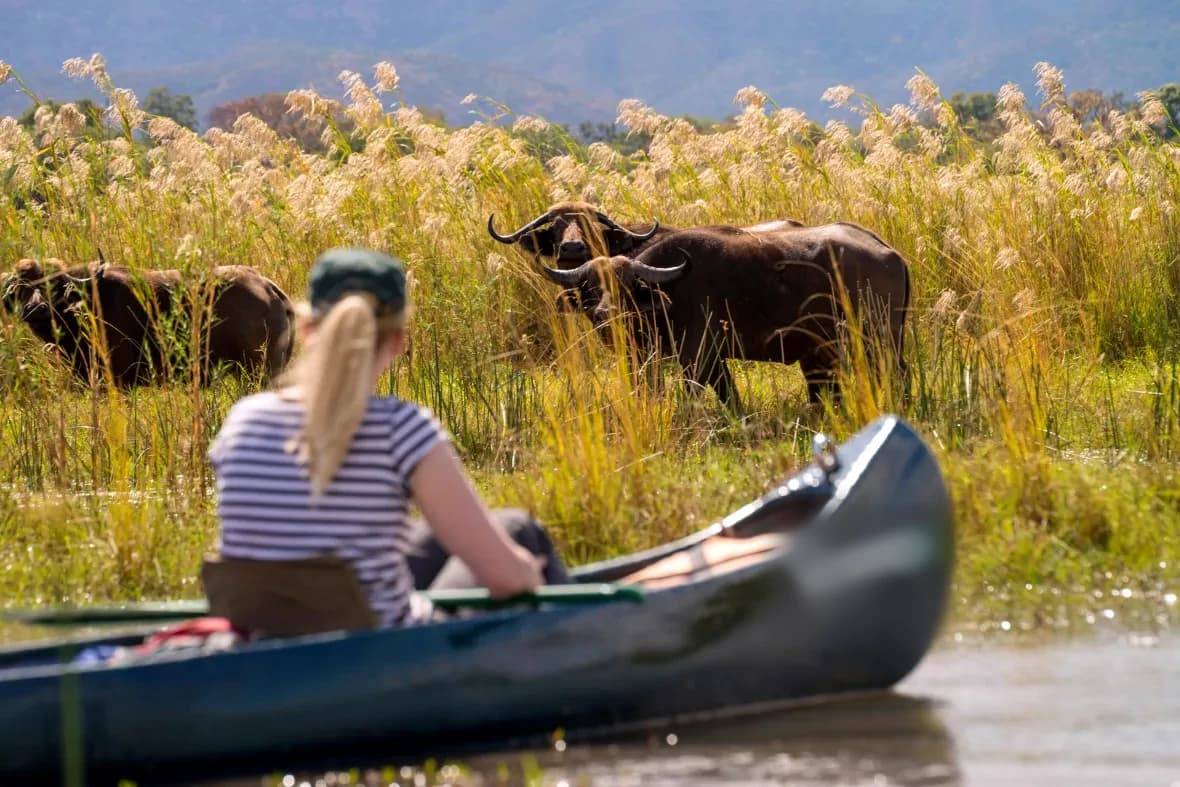
Zimbabwe’s reputation for guiding is earned on paper as well as in the field. Before anyone may lead you on foot or in a canoe, they pass learner-licence exams in law, animal behavior and habitat, firearms and general knowledge, complete an apprenticeship of at least two years under a licensed professional, pass a firearms proficiency test and an interview, and then sit a seven-day practical exam held once a year. That is why walking and canoeing sit at the heart of a safari here rather than on its fringes.
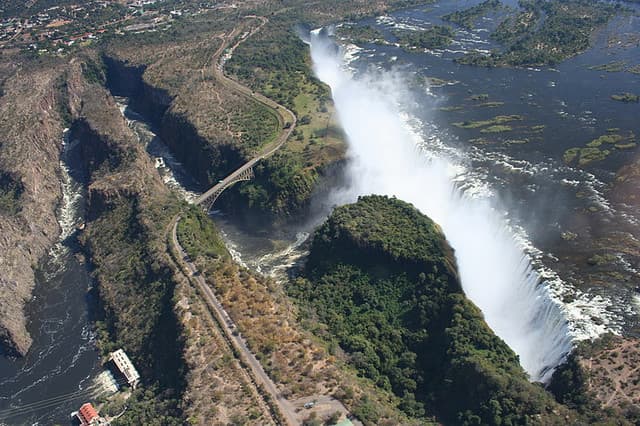
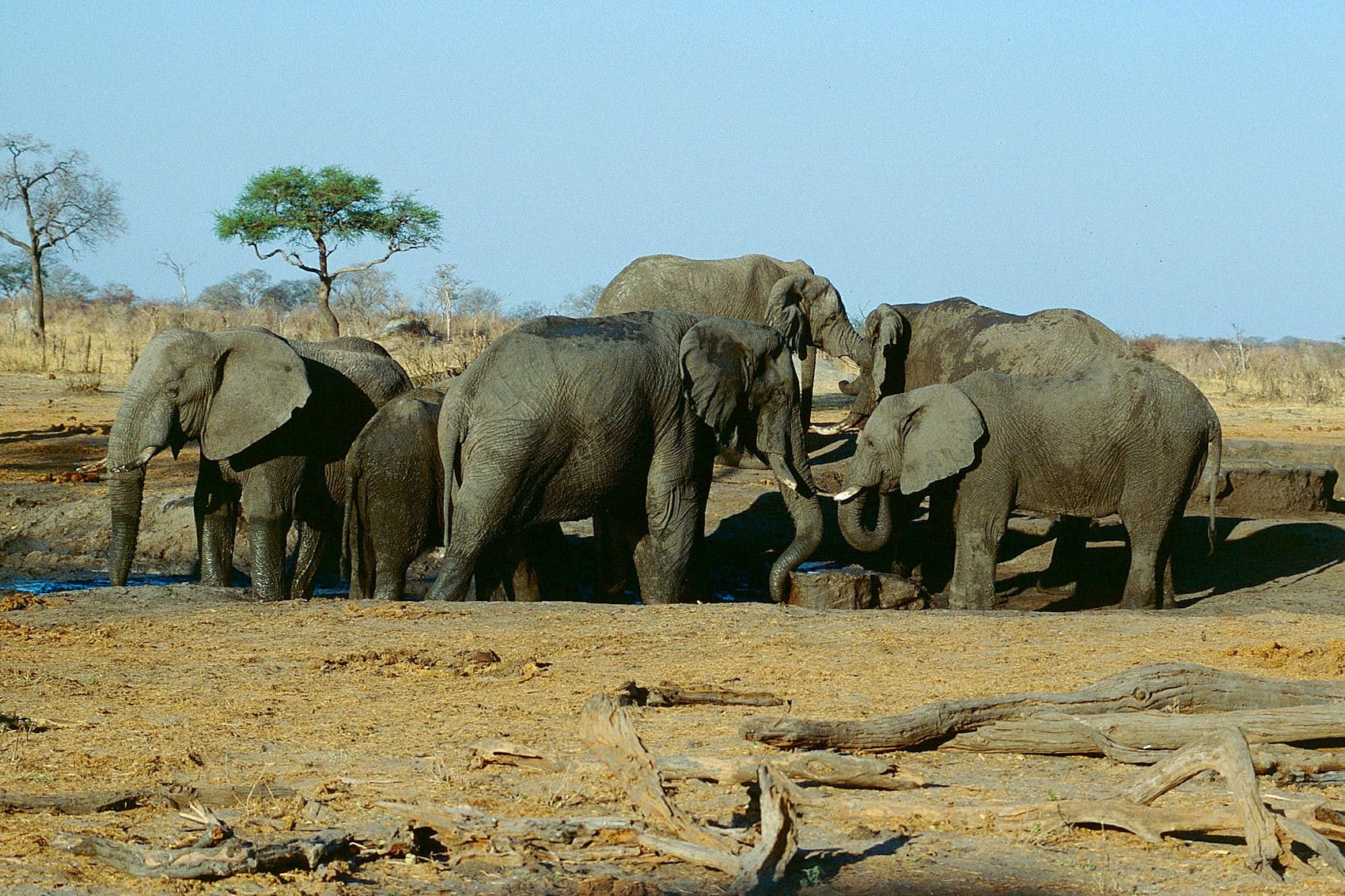
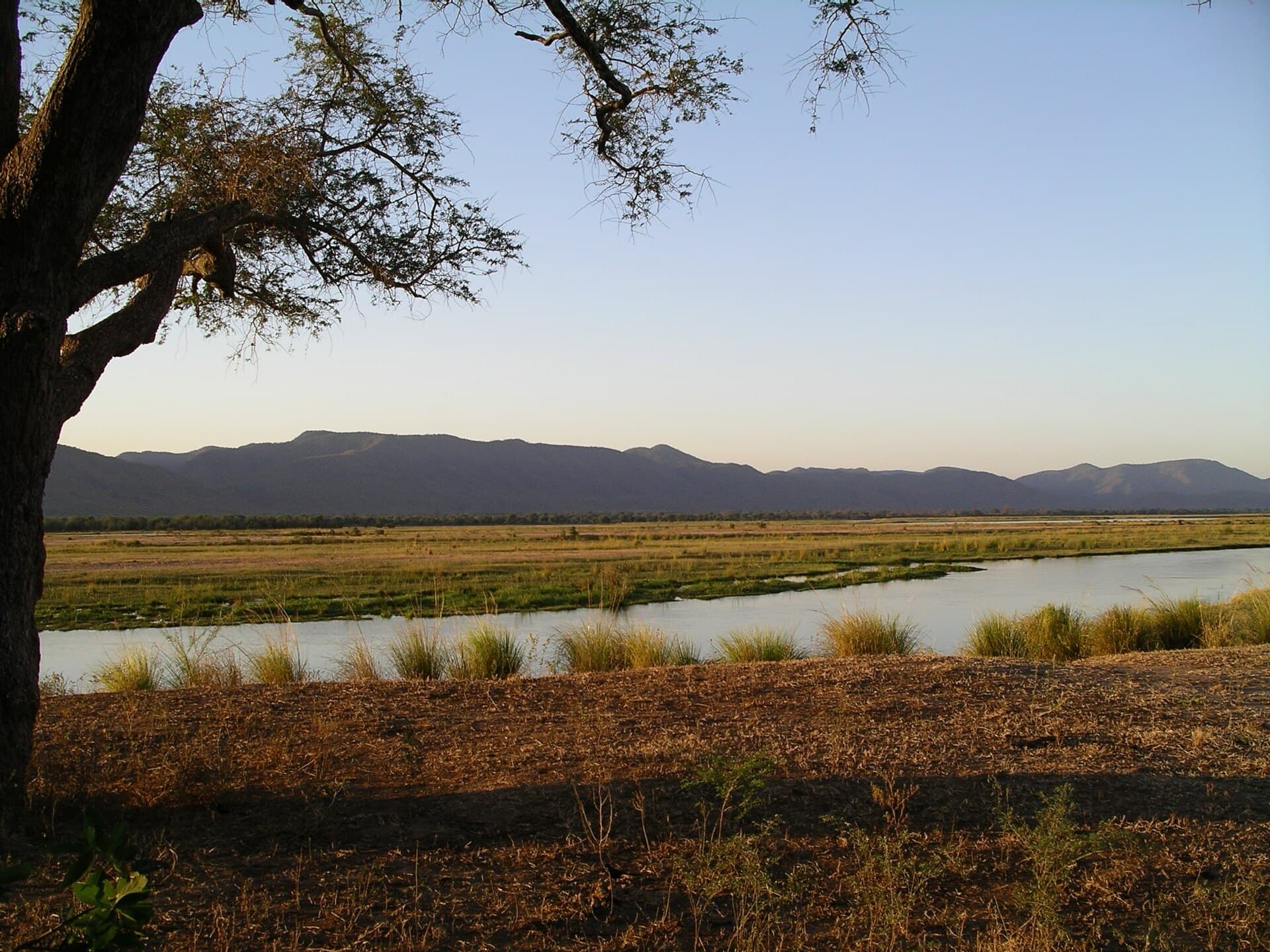
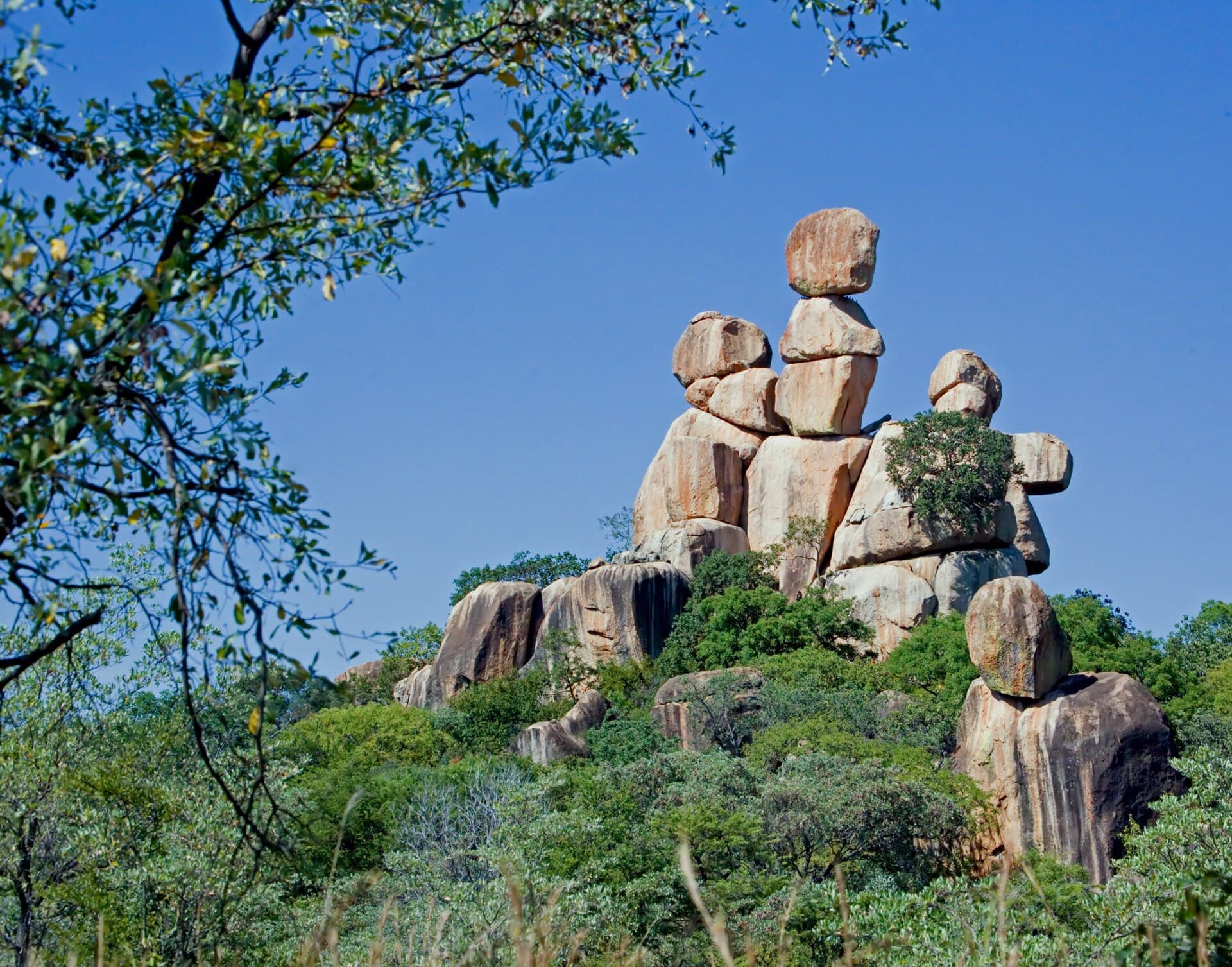
The country divides into two natural routes. Most travelers take the northwest fly-in circuit: Victoria Falls, the pumped pans of Hwange, Lake Kariba and the Zambezi floodplain at Mana Pools. Returning travelers often head south by road to the granite hills of Matobo, the stone city of Great Zimbabwe and the red Chilojo Cliffs of Gonarezhou. Timing matters on both, because most Mana Pools camps close in the rains and Gonarezhou shuts to visitors from 10 January to 1 March.
Conservation here has names attached. African Parks co-manages Matusadona on Lake Kariba, where painted dogs and black rhino returned in 2026; the Gonarezhou Conservation Trust runs Gonarezhou with ZimParks; Friends of Hwange keeps borehole pumps running through the dry season. And at a similar standard of camp, Zimbabwe is often better value than its neighbor Botswana.
- ≈14,650 km²
- Hwange National Park, Zimbabwe’s largest
- ≈1,708 m
- Width of Victoria Falls
- 450+
- Bird species recorded in Mana Pools
- 11,500+
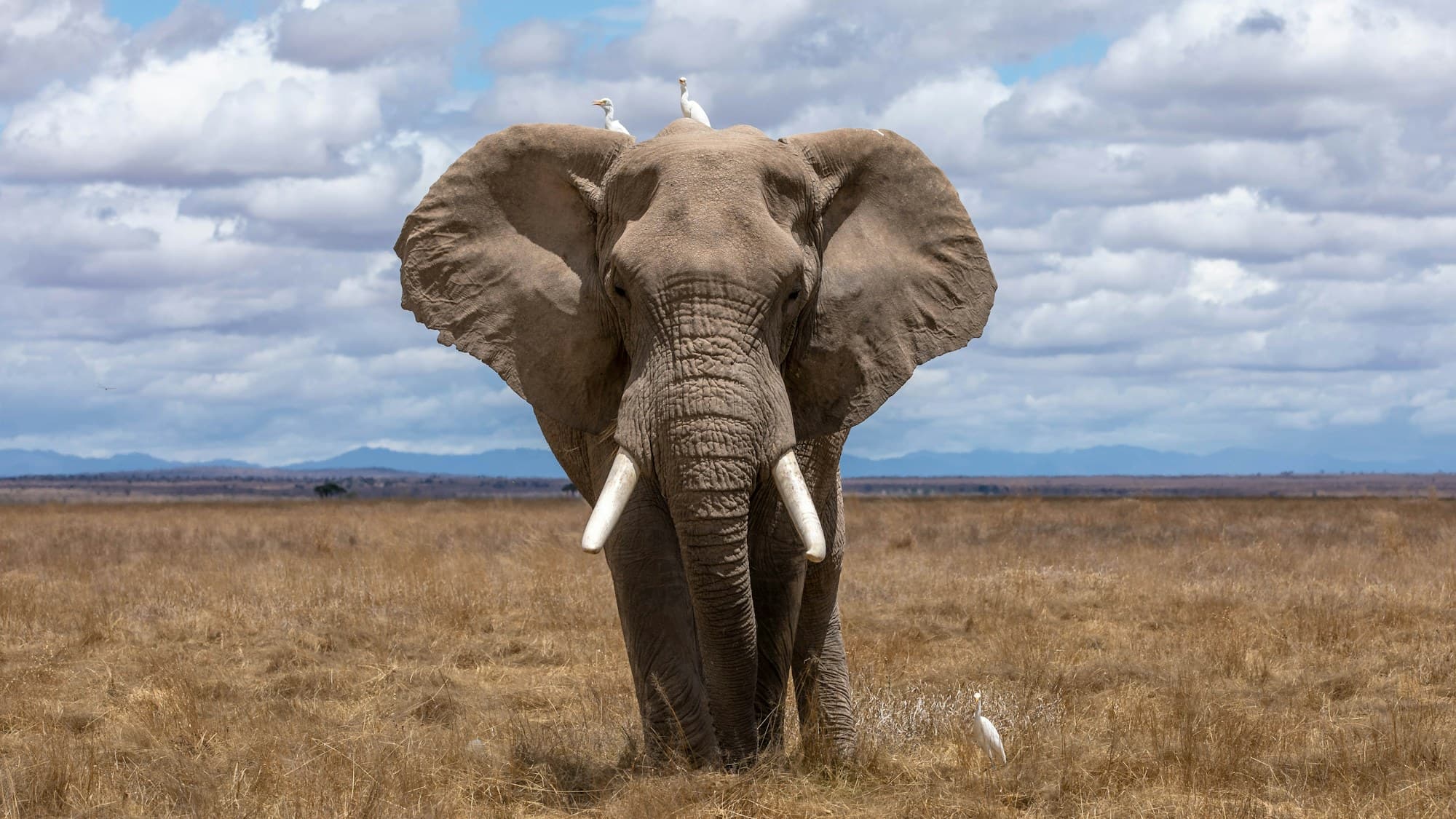
- Elephants in Gonarezhou
Figures are widely published approximations.