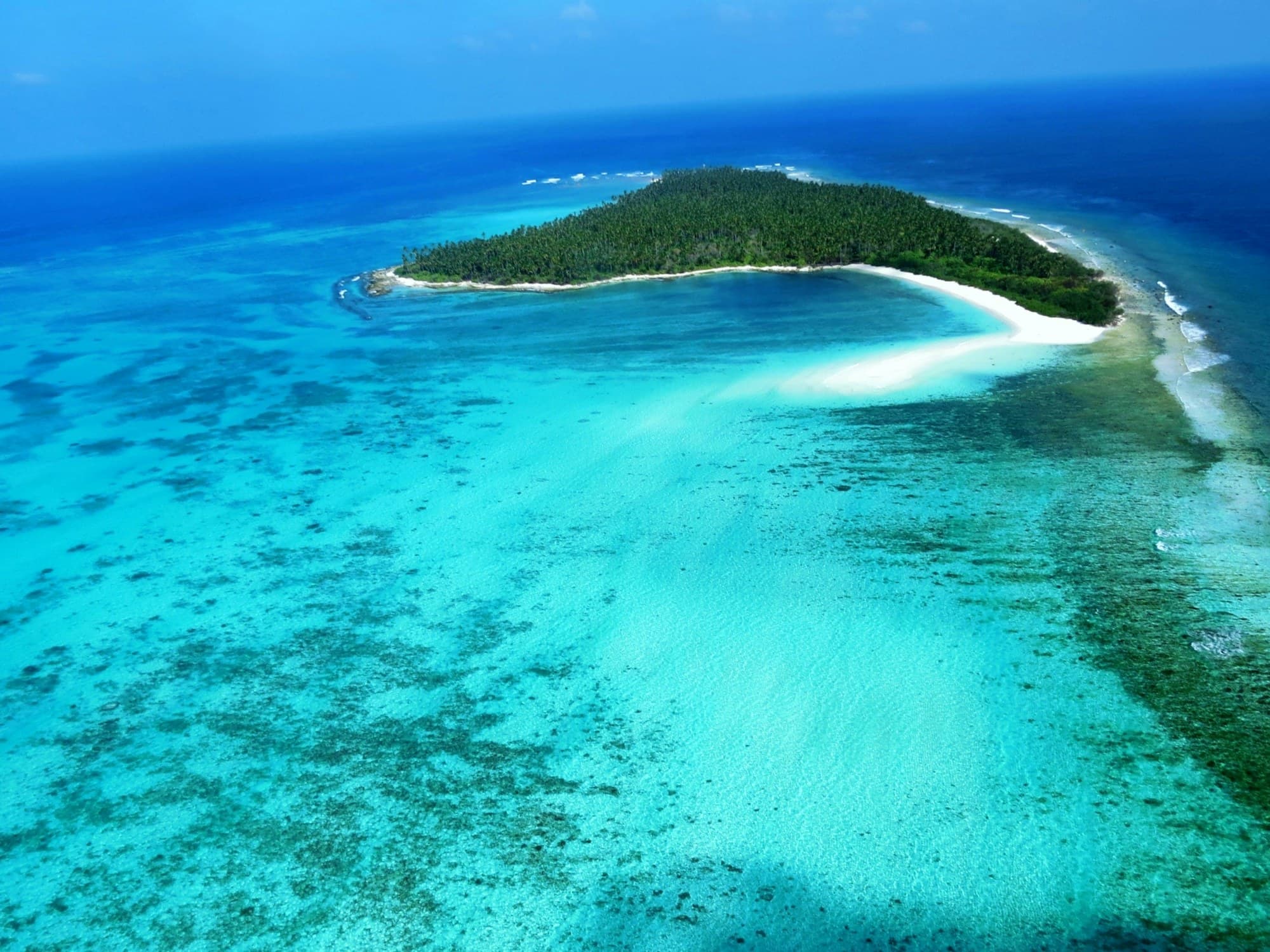
Aerial view of a turquoise reef and white-sand island in the Indian Ocean

When to go

Best Time to Visit Zanzibar: A Month-by-Month Guide

Rain decides the months, wind decides the coast and the moon decides the tide — here is how Zanzibar’s year actually works.

For most travelers, the best time to visit Zanzibar is June to October or mid-December to February. Both windows are mostly dry and sunny, and between them they cover the long summer break, the winter holidays and the coldest weeks of a northern winter. The months to approach with care are April and May, when the long rains peak and some hotels close their doors.

Rain is only half the story. Zanzibar sits in the path of two monsoon winds that trade places twice a year, and they decide which coast feels calm and which feels blustery, whether the east-coast lagoons lie glassy or streaked with kites, and how comfortable the boat ride out to a reef will be.

This page covers the island itself. If you are pairing it with a safari, our Tanzania month-by-month guide shows how the bush and beach calendars line up.

At a glance

Zanzibar’s Year on One Page

Each row rates one goal month by month, from limited to excellent. Read it alongside the notes below: a month that is excellent for kitesurfing can be only fair for a nervous first-time snorkeler.

ExperienceJanFebMarAprMayJunJulAugSepOctNovDec
Beach weather (sun & dry days)ExcellentExcellentGoodLimited or closedFairGoodExcellentExcellentExcellentExcellentFairGood
Calm seas & reef visibilityExcellentExcellentExcellentFairFairFairGoodGoodGoodExcellentExcellentGood
Kitesurfing (Paje)ExcellentGoodFairLimited or closedFairExcellentExcellentExcellentGoodFairFairGood
Stone Town & cultureGoodGoodGoodFairFairExcellentExcellentExcellentExcellentExcellentGoodGood
Whale sharks (Mafia)ExcellentExcellentFairLimited or closedLimited or closedLimited or closedLimited or closedLimited or closedLimited or closedGoodExcellentExcellent
Pemba & Mafia island-hoppingExcellentExcellentFairLimited or closedLimited or closedFairGoodGoodGoodExcellentExcellentExcellent
RainfallMostly dryMostly dryShowersRainy seasonRainy seasonMostly dryMostly dryMostly dryMostly dryMostly dryShowersShowers
Travel seasonHigh seasonHigh seasonShoulderGreen seasonGreen seasonShoulderPeak seasonPeak seasonHigh seasonHigh seasonShoulderPeak season
ExcellentGoodFairLimited or closedShowersRainy seasonPeak seasonHigh seasonShoulderGreen season

Typical patterns, not predictions. April is usually the wettest month (roughly 385 mm over ~18 days) and some hotels close in April–May; November brings the short rains, often as showers between sunny spells. The SE trade winds (roughly June–September) make the east coast breezy and choppy but bring kitesurfing season; the NE monsoon (roughly December–March) is hot and humid with calmer seas on many reefs. Christmas–New Year and July–August are the busiest weeks. Ramadan moves about 11 days earlier each year and changes daytime life in town; Sauti za Busara is scheduled for 19–21 March 2027.

The climate

Two Rainy Seasons and Two Monsoon Winds

Zanzibar has two rainy seasons. The long rains, known locally as Masika, usually build through March, peak in April — the island’s wettest month, with around 385 mm falling over roughly 18 days — and ease through May. The short rains arrive around November and can linger into December; they are lighter and less reliable, more often a heavy shower followed by sunshine than a grey, wet day.

The winds matter just as much. From roughly December to March the north-east monsoon, the Kaskazi, brings the hottest and stickiest weather of the year along with calmer seas on many reefs. From roughly June to September the south-east trades, the Kusi, blow steadily in from the ocean: the air feels fresher, nights cool down, and the east coast turns breezy and choppy. The changeover months in between often bring lighter, shifting winds.

Temperatures hardly move. Daytime highs run from about 29 °C in June and July to 33 °C between January and March, and the sea stays between roughly 25 °C in August and 30 °C in March. That is warm enough to swim without a wetsuit in any month, although divers notice the cooler water in the middle of the year.

Month by month

Zanzibar Weather by Month

Long-term averages for Zanzibar airport, rounded. Rainy-day counts depend on how a “rainy day” is measured, so treat them as a guide rather than a forecast.

MonthAir high / seaRain (rainy days)What to expect
January33 °C / 29 °C≈85 mm (≈10)Hot, humid and mostly dry, with calm seas and clear water — a favorite month for divers and for families on a winter break.
February33 °C / 29 °C≈55 mm (≈7)The driest and hottest stretch of the year. In 2027, Ramadan is expected to begin early in the month.
March33 °C / 30 °C≈150 mm (≈13)The warmest sea of the year; showers usually build in the second half. Sauti za Busara fills Stone Town on 19–21 March 2027.
April31 °C / 29 °C≈385 mm (≈18)The wettest month, with heavy downpours and thick, humid air. Some hotels close or scale back.
May30 °C / 28 °C≈255 mm (≈15)The rain eases as the month goes on; late May is green and quiet, and suits flexible travelers.
June29 °C / 27 °C≈70 mm (≈7)The dry season returns with fresh trade winds, and kitesurfing season opens on the east coast.
July29 °C / 26 °C≈50 mm (≈8)Sunny, breezy and busy with summer holidays; film and music festivals in Stone Town and the south.
August30 °C / 25 °C≈50 mm (≈8)Clear skies and the coolest sea of the year; the east coast is at its windiest.
September30 °C / 26 °C≈50 mm (≈8)Still dry and less crowded than August, with the trade winds beginning to soften.
October31 °C / 26 °C≈95 mm (≈9)Calm, warm and clear — one of the best all-round months, and the start of whale-shark season off Mafia.
November31 °C / 28 °C≈215 mm (≈11)The short rains, usually in bursts between sunny spells; flat seas make it a strong month underwater.
December32 °C / 29 °C≈185 mm (≈13)Hot, with showers possible early on, then the most sought-after weeks of the year over Christmas and New Year.

Averages based on NOAA data for Zanzibar airport. Typical patterns, not predictions — individual years vary.

Wind and coast

Which Coast Suits Which Month

The tidal range is much the same all around the island; the wind is not. Matching your coast to the season is the simplest upgrade to any Zanzibar trip, and our where-to-stay guide compares the coasts in full.

SeasonWindMost shelteredMost exposed
December–MarchNorth-east monsoon (Kaskazi): generally lighter, hot and humidThe south-west around Fumba and Menai Bay, plus the west-facing beachesThe east coast, where the breeze is steady enough for a second, shorter kitesurfing season
June–SeptemberSouth-east trades (Kusi): steady, fresher and sometimes strongThe west-facing north coast at Nungwi and Kendwa, Stone Town, and the Chwaka Bay side of the Michamvi PeninsulaThe whole east coast from Matemwe to Jambiani: ruffled lagoons, bumpier boat rides and flying sand on the windiest days
April–May and October–NovemberChangeover months: lighter and more variableMost coasts; rain matters more than windFew — October and November often bring the flattest seas of the year

Wind patterns shift from year to year, and kite schools publish their own seasons.

By goal

The Best Time for What You Want to Do

If you want…Aim forWhy
Easy beach daysJune–October and mid-December–FebruaryDry, sunny weather. Choose the north coast or a hotel pool if you want to swim at any hour.
Snorkeling and divingOctober–March, especially November and March at MnembaCalmer water and the clearest visibility on most reefs; July–September still works on sheltered sites.
Kitesurfing on the Paje lagoonJune–September, with a second window around December–FebruaryThe trade winds blow most reliably then; confirm current seasons with a kite school before booking.
Whale sharks off MafiaOctober–March, most reliably November–FebruaryThe sharks feed close to Kilindoni in these months and move to deeper water for the rest of the year; sightings are never certain.
Turtles around MnembaRoughly February–September for nestingGreen turtles nest on the island’s protected beaches over a long season; snorkelers often meet turtles on the surrounding reef, though never on cue.
Stone Town and cultureJune–October, plus festival datesFresher evenings for walking the lanes, the July festivals and Sauti za Busara in March 2027.
Pemba and Mafia togetherOctober–FebruaryCalmer seas, lodges open on both islands and whale-shark season on Mafia.
Quiet beaches and a wider choice of roomsLate May–early June, September and NovemberShoulder weeks that sit between the rains and the holiday peaks.

The calendar

Ramadan, Festivals and Holidays

Zanzibar is almost entirely Muslim, and Ramadan sets the island’s rhythm for a month each year. The dates follow the lunar calendar and move about 11 days earlier every year: Ramadan began around 18 February in 2026 and is expected to run from roughly early February to early March in 2027, depending on the sighting of the moon.

It is no reason to stay away. Resorts and beach hotels carry on much as usual, while Stone Town slows down by day and fills again after sunset, when families break the fast and the food stalls get busy. For visitors the change is mostly a matter of courtesy, which our safety and customs guide explains, plus a few local restaurants that close in daylight hours.

Festivals are worth planning around. Sauti za Busara, the island’s celebrated African music festival, takes over the Old Fort on 19–21 March 2027, having moved from its traditional February slot. July brings the Zanzibar International Film Festival, also known as the Festival of the Dhow Countries, and Mwaka Kogwa, the Shirazi new-year celebration held in Makunduchi on the south coast.

Availability

Peak Weeks, Quiet Weeks and Seasonal Closures

Two stretches fill first: Christmas to New Year, and July to August. The best private villas, sea-view rooms in Stone Town and the single lodge on Mnemba are often committed many months ahead for those weeks, so start early if your dates are fixed.

At the other end of the year, April and May bring the long rains and a noticeably quieter island. Some beach hotels close for maintenance or run a reduced service, boat trips are cancelled more often for weather, and the humidity is heavy. Travelers with flexible dates often like late May and early June: the rain has usually eased, the island is green and the summer crowds have not yet arrived.

The outer islands keep a shorter calendar. Several lodges on Pemba close around April, and many on Mafia shut for part of April to June — one reason our island-hopping journey runs between October and February.

Safaris

Recommended safaris

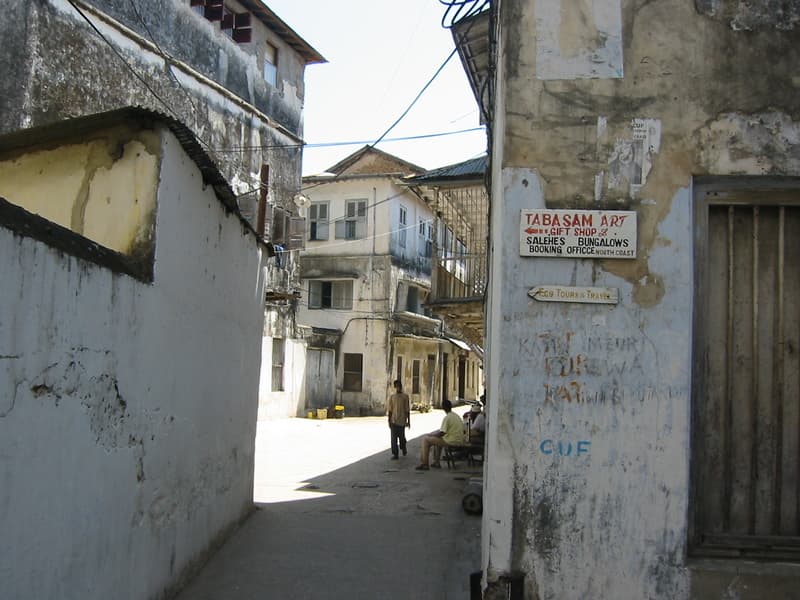
Weathered alleyway in historic Stone Town, Zanzibar
7 daysIsland essentials

Stone Town & Beach

Stone Town · Spice farms (Kizimbani & Kidichi) · Kendwa · Nungwi

First-time visitors, families and anyone who wants history and easy swimming in a single week

Best months
June–October and December–February
Comfort levels
Comfort · Premium · Luxury · Ultra-Luxury
Individually quoted
Aerial view of a turquoise reef and white-sand island in the Indian Ocean
10 daysDivers & explorers

Spice Islands Island-Hop

Stone Town · Pemba Island · Misali Island · Mafia Island · Dar es Salaam

Divers, snorkelers and repeat visitors who want the archipelago beyond Unguja’s beaches

Best months
October–February (whale-shark season on Mafia)
Comfort levels
Premium · Luxury
Individually quoted
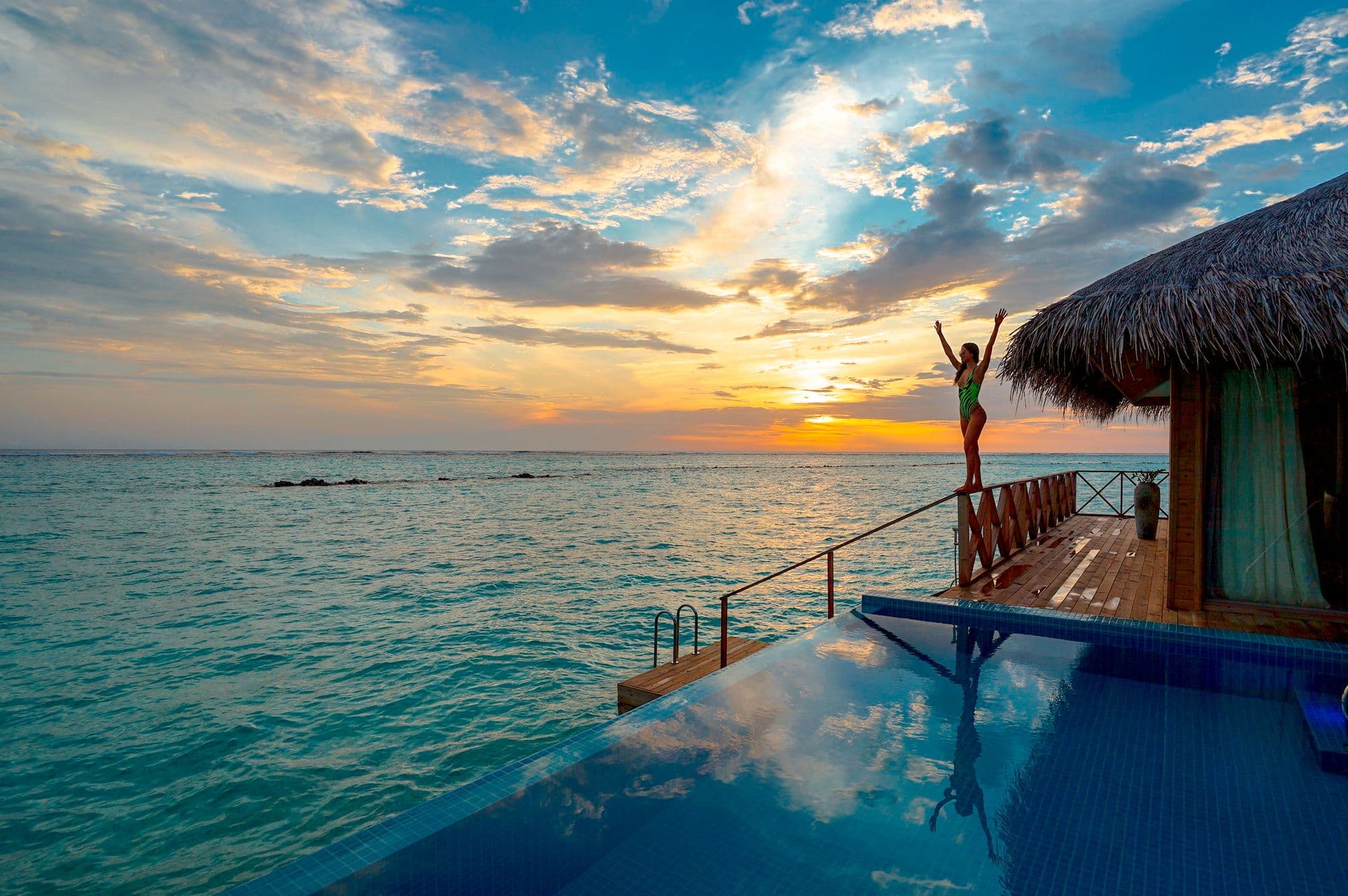
Traveler greeting the sunset from an infinity pool over the Indian Ocean
9 daysCouples

Zanzibar Honeymoon

Stone Town · Jozani Forest · Jambiani · Matemwe · Mnemba Island

Newlyweds and anniversary couples who want privacy, variety and water on the doorstep

Best months
June–October and December–February
Comfort levels
Premium · Luxury · Ultra-Luxury
Individually quoted
Experiences

Related experiences

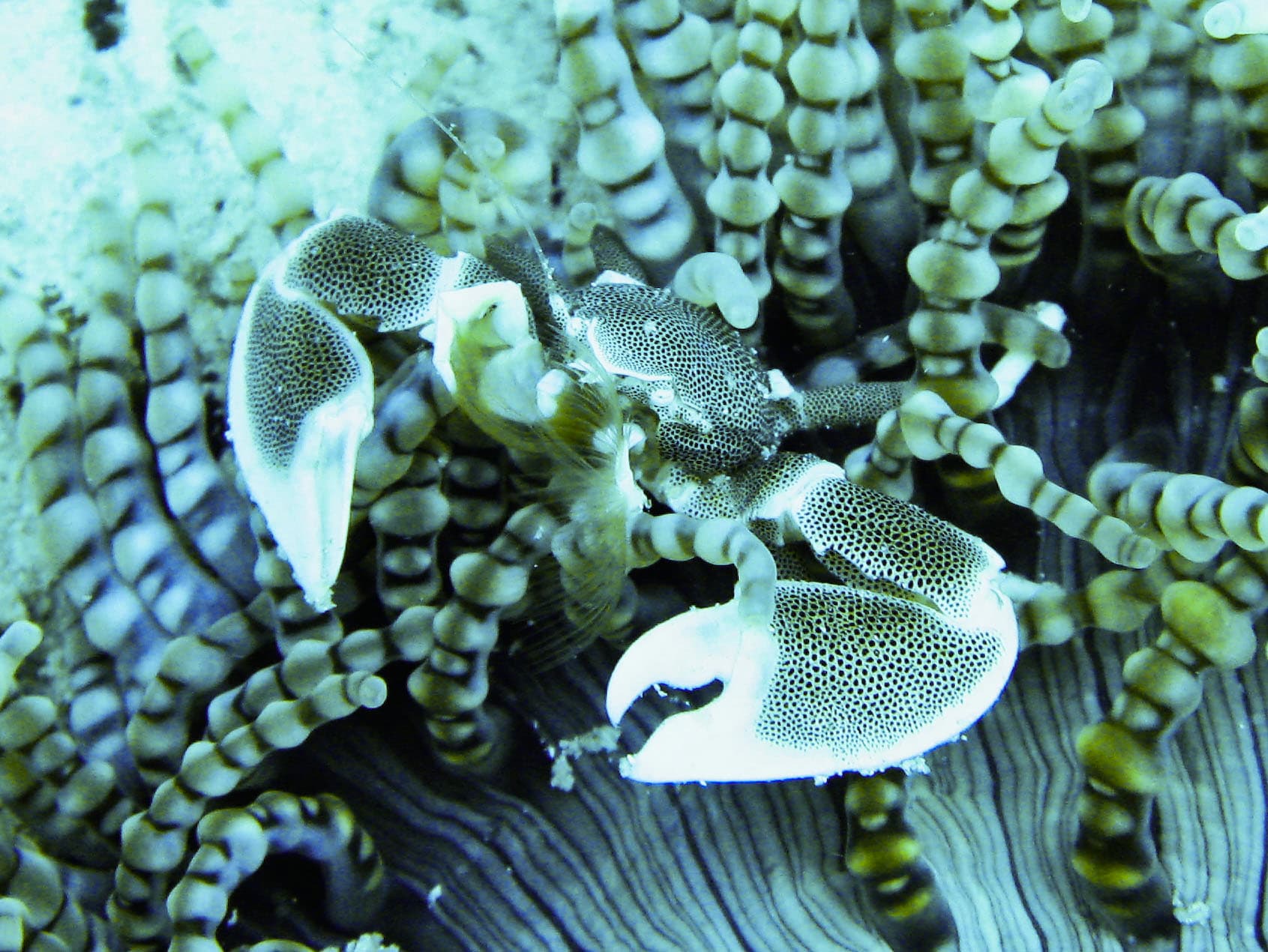
Marine life of the Mnemba atoll reefs

Ocean & reef

Snorkeling & Diving in Zanzibar

From Mnemba’s shallow gardens to Pemba’s deep walls and Mafia’s whale sharks — reefs matched to your level, the month and your flights.

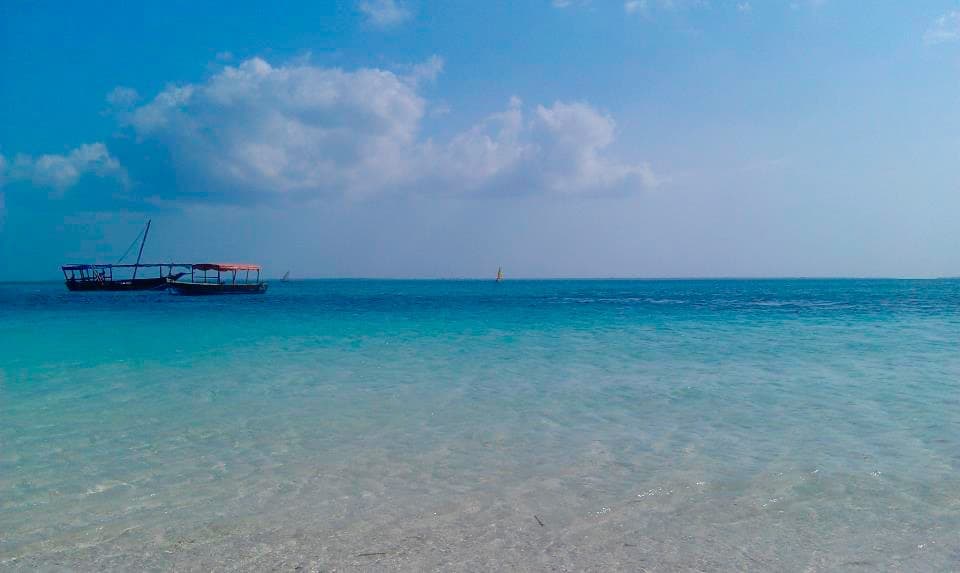
Turquoise water off Nungwi beach with a boat offshore

On the water

Dhow Sailing & Sandbank Trips

Lateen sails at sunset, tide-timed sandbanks and seafood lunches in Menai Bay — Zanzibar from the deck of a wooden dhow.

Good to know

Frequently asked questions

When is the rainy season in Zanzibar?

Zanzibar has two. The long rains run from about March to May, peaking in April with around 385 mm of rain, and the short rains fall around November and into December. Even in the wet months, downpours tend to come in bursts, with sunshine in between.

Is April a good time to visit Zanzibar?

April is the wettest and most humid month, and some hotels close or reduce service, so it is the hardest month to recommend. If your dates are fixed, choose a hotel that stays fully open, favor the north coast and plan indoor time around the afternoon storms. Late May or early June is a better bet for flexible travelers.

Is Zanzibar too windy in July and August?

The south-east trade winds blow steadily from roughly June to September, which makes the east coast breezy and its lagoons choppy — ideal for kitesurfers, less so for paddling. The west-facing north coast and Stone Town are far more sheltered, and boat trips generally run smoothest in the morning.

Should we avoid Zanzibar during Ramadan?

There is no need to. Hotels and resorts operate normally, the island is calm by day and lively after sunset, and visitors who dress modestly and avoid eating in public in town are warmly received. In 2027, Ramadan is expected from roughly early February to early March.

Turquoise water off Nungwi beach with a boat offshore

Tell Us When You’d Like to Be on the Island

Share your dates, who is traveling and what you want from Zanzibar — beaches, reefs, Stone Town or a safari first. We’ll suggest the right coast and design a private trip around you, with nothing booked until you approve it.

Plan My Zanzibar Trip