Weather
Weather & Temperatures
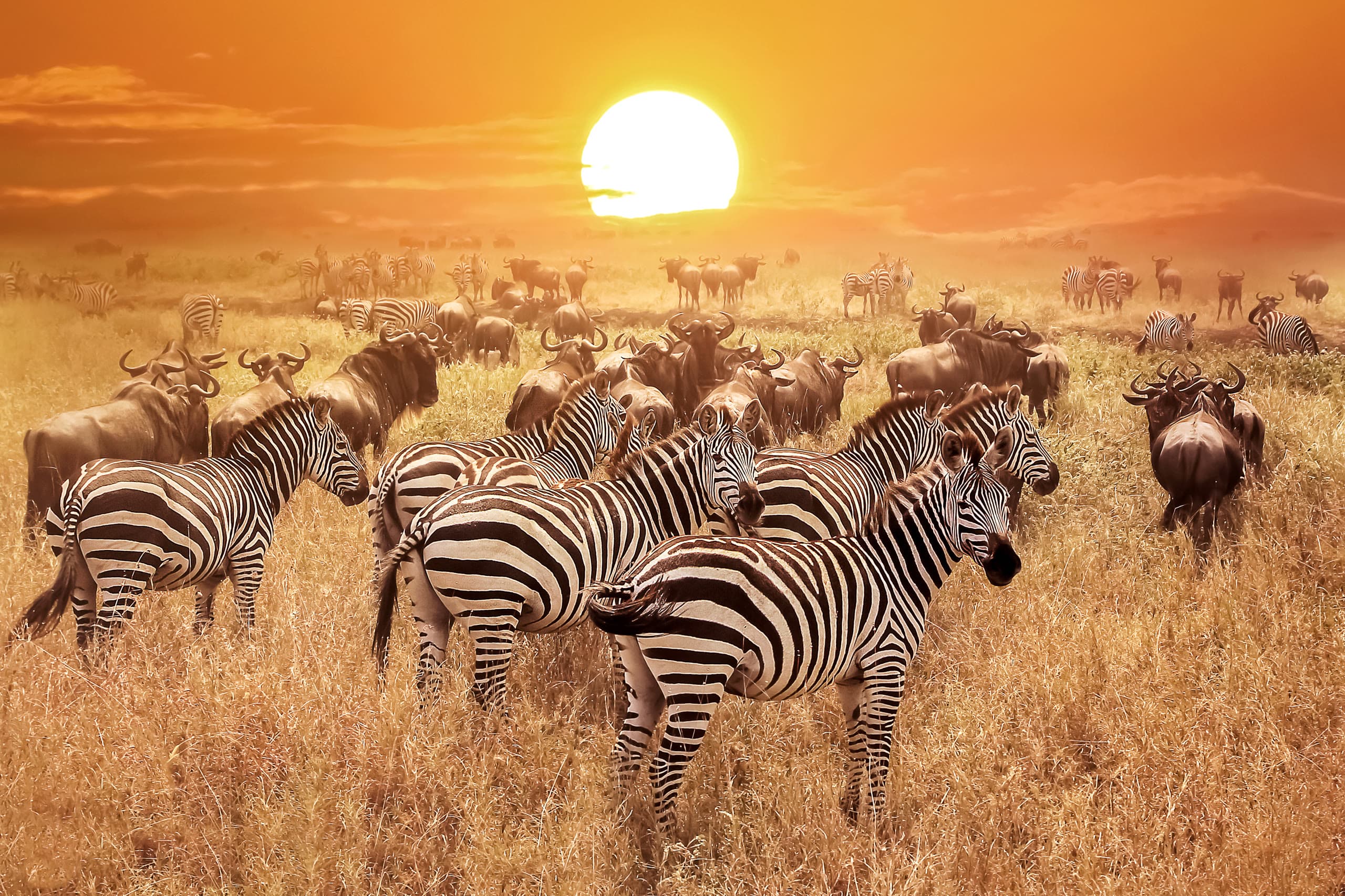
Altitude shapes Tanzania’s weather more than the calendar does. On the Serengeti plains, days are typically warm, often in the upper 70s to mid-80s °F (roughly 25–30°C), with cool nights. Tarangire and Lake Manyara sit lower and run warmer. Ruaha, Nyerere and the coast are hotter and, from about October to March, more humid again.
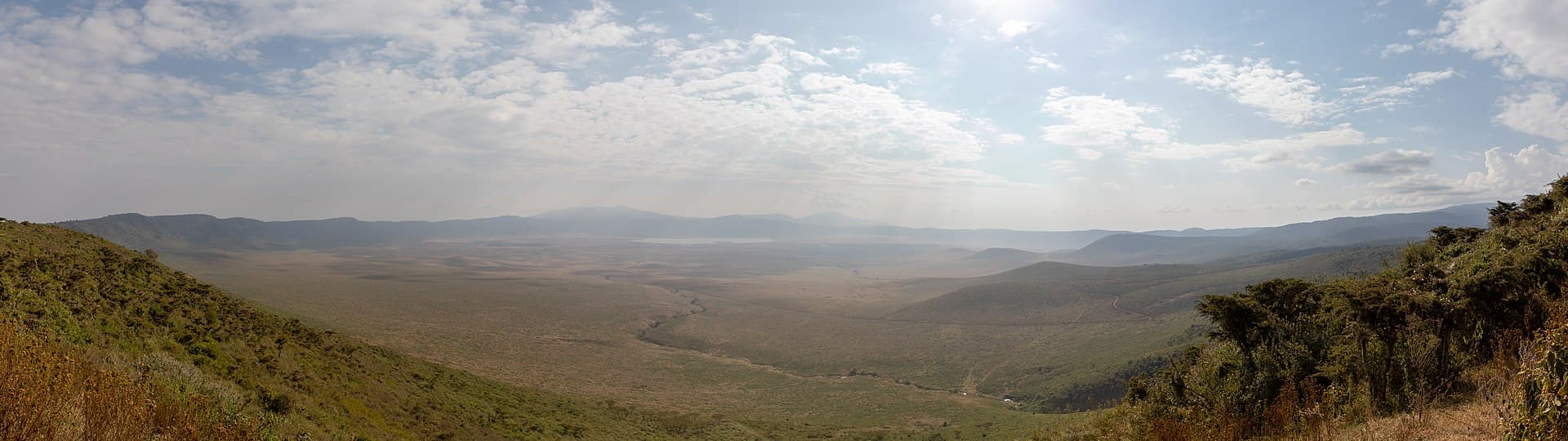
The Ngorongoro highlands are the exception. The crater rim sits at around 2,300 m (about 7,500 ft), and nights there are genuinely cold, particularly from June to August, when temperatures can drop into the 40s °F (single digits °C). Karatu and the highland farms are cool in the evenings too, and an early game drive in an open vehicle is chilly anywhere in the dry season.
Rain usually arrives as afternoon showers during the short rains and in longer, heavier spells from March to May, with April typically the wettest month. Recent years have shown that the rains can come early, late or lighter than expected, which is why we plan with a margin rather than by the calendar alone. Our packing list covers what to bring for each season.
Even in the long rains, it rarely rains all day. A typical green-season pattern is a bright morning, building cloud and a heavy afternoon or evening downpour, followed by clear, rinsed air. The practical challenges are the roads, since black-cotton soils in parts of the Serengeti become slow going when wet, and the camps that close, rather than the rain itself.
If you are still weighing which months suit your plans, it helps to know what each season costs as well as how it feels. What a Tanzania safari costs explains how season interacts with every other price factor.