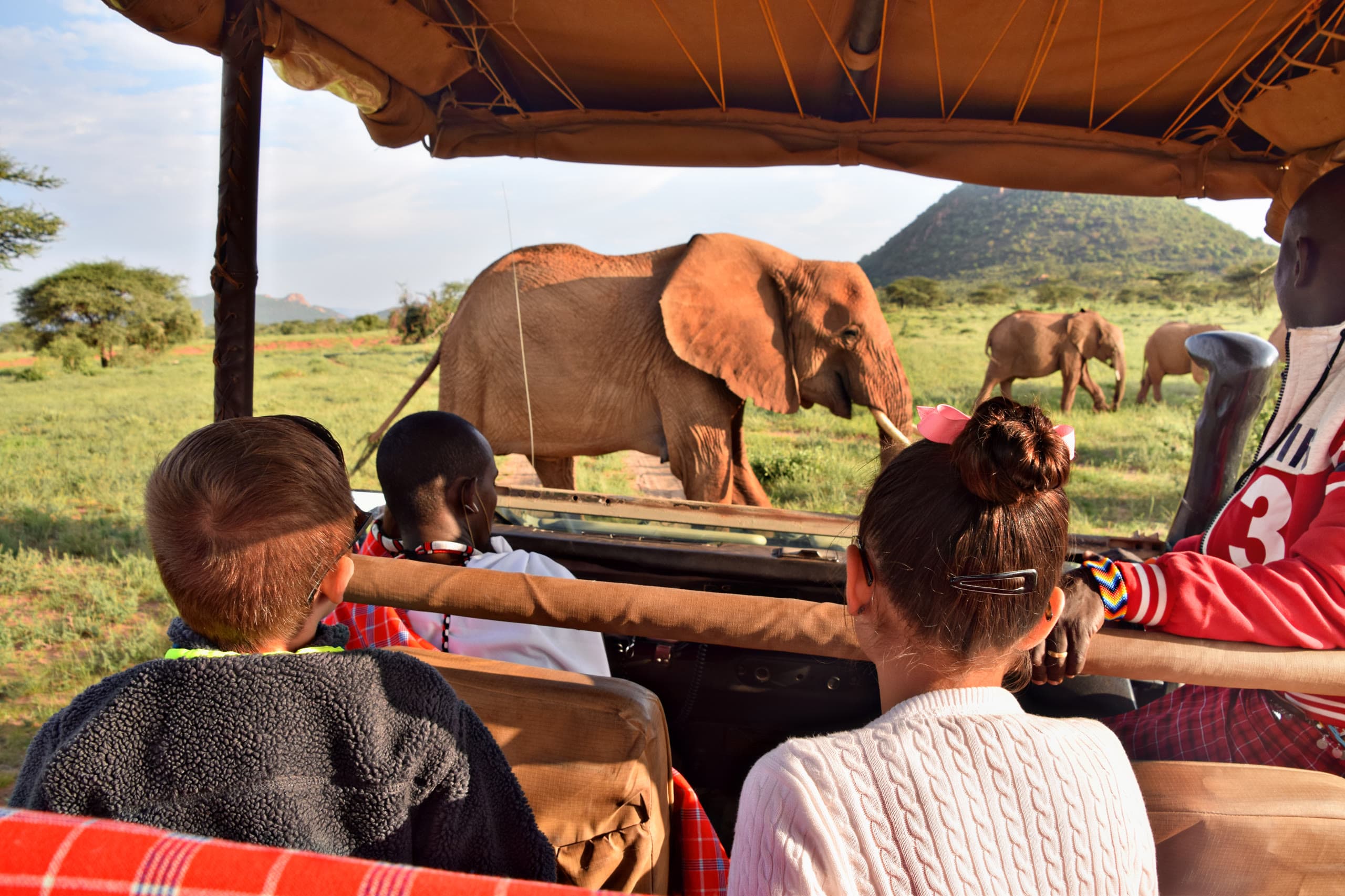
Safari guests watching a herd of elephants from an open vehicle on a family game drive

Families

Planning a Botswana Family Safari

Botswana can be magical with children, but its camps set the rules. Start with ages and paperwork, then choose the areas and the pace. Here is how to plan it.

A Botswana family safari rewards careful planning more than most. The wildlife, the water and the sense of wilderness make a deep impression on children, and teenagers in particular come home talking about mokoro trips, bush walks and nights on the salt pans. But Botswana’s small, unfenced camps set their own age rules, and those rules shape the trip more than any other factor.

The right approach is to start with your children’s ages, check which camps and activities are open to them, and only then choose the route. This guide walks through age policies, private vehicles, malaria, documents, light aircraft and timing. For a ready-made route for families with teenagers, see our 9-day Botswana family safari.

Ages

Age Guide by Camp and Activity

These are common patterns, not fixed rules. Every camp sets its own policy, and we confirm each one against your children’s ages before booking.

Camp or activityCommon minimum ageWhat to know
Staying at a fly-in safari campOften around 6; some camps 12 and overSome camps accept younger children only with a private vehicle, or when the family books the whole camp
Shared game drivesVaries; younger children often need a private vehicleShared vehicles protect other guests’ quiet, while a private one lets you set the pace
Mokoro tripsSet by each campChildren must sit still, low in the water; some camps allow younger children with a parent, others set a higher minimum
Guided walksOften 12–16 and overOnly in concessions and community areas where walking is allowed, generally not inside the national parks
Quad biking on the salt pansDrivers usually 16 and overYounger children may ride as passengers at some camps; dry season only
Horseback safarisSet by each operationFor confident riders who can trot, canter and gallop; not a beginner activity
Meerkat visits and Chobe boat cruisesUsually suitable for most agesAmong the easiest wildlife encounters for younger children

Policies change and vary even within the same area. Treat this table as a starting point for the conversation, not a booking rule.

Private Vehicles

Family Tents, Exclusive Use and Private Vehicles

At most Botswana camps, game drives are shared with a handful of other guests. Many camps ask families with younger children to take a private vehicle, at an extra cost, so that a restless moment does not end someone else’s leopard sighting. It usually improves the trip: your guide sets the pace for your family, stops for snacks and bathroom breaks, and heads back early when attention runs out.

Accommodation is the other constraint. Family tents, typically two bedrooms sharing a deck or a bathroom, are few, and they sell out first in the school holidays. For larger families or multi-generational groups, booking a small camp outright, or an exclusive-use lodge in a private concession, can make sense: the camp becomes yours, age policies are often more flexible, and meal times and activities follow your children’s rhythm.

Where to Go

The Best Areas for Families

Chobe riverfront

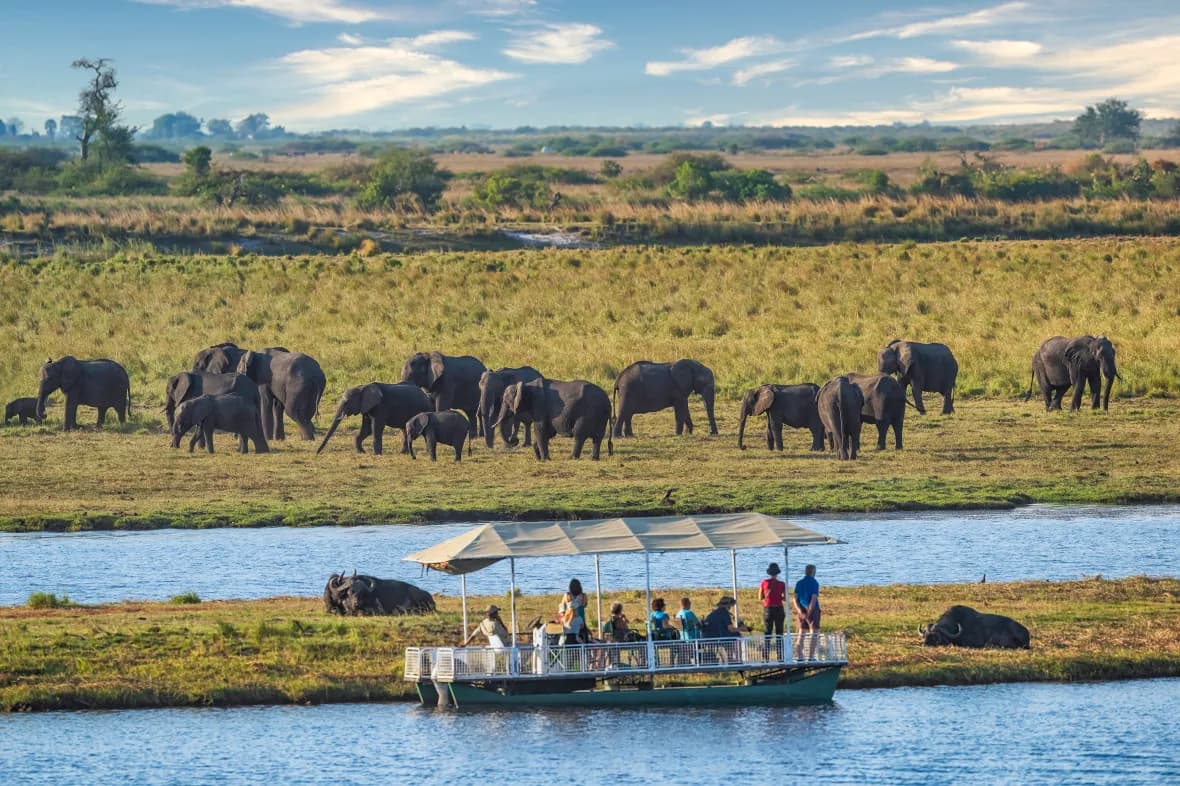
The easiest start. Lodges around Kasane often have pools, the riverfront’s elephant herds are spectacular in the dry season, and boat cruises suit even young children. Kasane has scheduled flights from Johannesburg, so no bush plane is needed to get there.

Explore

Okavango Delta land-and-water camps

For children old enough for a mokoro, a mixed camp in a private concession offers game drives, boating and, for teenagers, walks on the islands. Choose a camp with family tents and book a private vehicle.

Explore

Makgadikgadi Pans

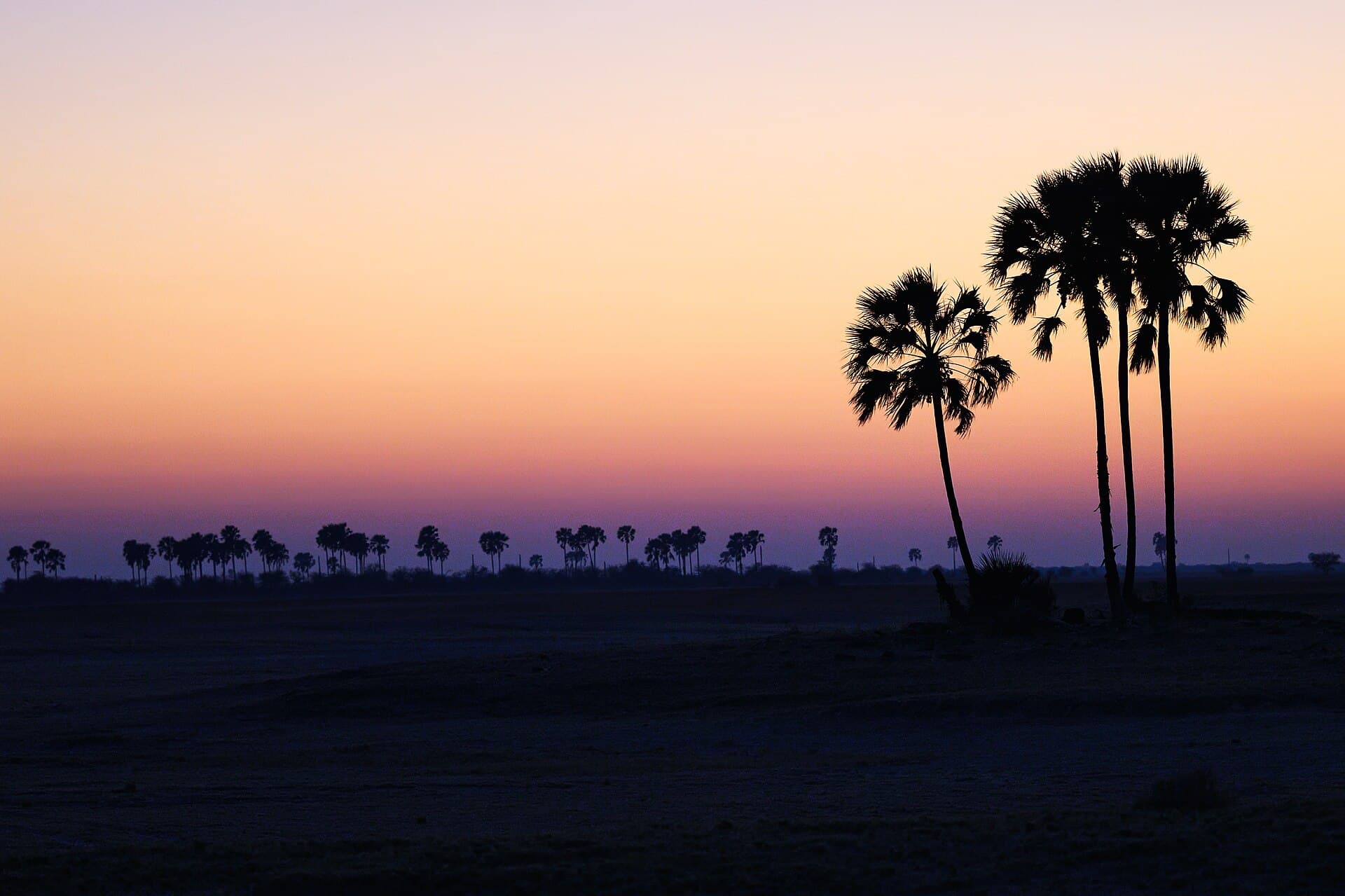
A family favorite: habituated meerkats, quad bikes on the dry pans for older teenagers, San-guided walks and, in the dry season, a night sleeping out under the stars.

Explore

A private mobile safari

For adventurous families with teenagers, a guide and camp crew moving through Moremi, Khwai and Savuti turn the trip into an expedition. Expect long, sandy drives and national-park rules.

Explore

Health

Malaria and Children

Every main safari area in northern Botswana, from Chobe and the Okavango to the Makgadikgadi, lies in a malaria transmission district, according to the US Centers for Disease Control and Prevention. Risk is usually higher during and after the rains, roughly November to April, but precautions are needed in every month.

Talk to a pediatric travel-health clinic well before you book, since the suitability and dosing of antimalarial medication depend on each child’s age and weight. Long sleeves at dusk, repellent and treated nets matter too, and our malaria and health guide covers the detail.

If antimalarials are not an option for a very young child, consider a malaria-free safari instead. South Africa’s Madikwe and the malaria-free north offer Big Five game drives without the need for medication, and Botswana can wait until the children are older.

Bush Planes

Light Aircraft With Children

Flights between Delta camps are short, usually 20 to 45 minutes, in small aircraft that fly low enough to spot elephants from the window. Most children love them. The luggage allowance of about 20 kg per person, including hand luggage, in soft bags applies to children too, and passenger weights are declared in advance for balance.

Afternoon heat can make flights bumpy, so a travel-sickness remedy agreed with your pediatrician is worth packing, along with snacks and headphones. Scheduling camp moves for the morning, and keeping the number of moves low, helps younger travelers most.

Timing

School Holidays and Booking Ahead

The US summer break lines up with Botswana’s cool, dry peak from June to August, when game is concentrated, the flood is high and mosquitoes are fewer. It is also the most competitive time for family tents, so booking 9–12 months ahead is wise. Winter dawns are cold in open vehicles, so pack warm layers for everyone.

The December holidays fall in the hot green season: the Kalahari and the pans are at their best, but some northern camps close or scale back activities, and festive supplements apply. Spring break in March or April can suit families who favor the pans and a Chobe lodge, as the rains ease. The best time to visit Botswana sets out each month.

How We Plan It

Planning a Family Safari, Step by Step

  1. Start with ages and interests

    We ask each child’s age at the time of travel, what excites them and how they cope with early starts, heat and long days.

  2. Filter camps by policy

    Only camps whose age rules fit your family make the shortlist, with family tents or exclusive use where needed.

  3. Add private vehicles where they help

    For younger children, and often for families of any age, a private vehicle at shared camps keeps the days flexible.

  4. Keep moves few and short

    Three nights per camp, morning flights and one road-linked area such as Chobe reduce the time spent in transit.

  5. Settle health and documents early

    Travel-clinic appointments, birth certificates and consent affidavits go on the checklist months before departure.

Safaris

Recommended safaris

Safari guests watching a herd of elephants from an open vehicle on a family game drive
9 daysFamilies with teens

Botswana Family Adventure

Kasane · Chobe Riverfront · Okavango Delta · Makgadikgadi Pans · Maun

Families with children roughly 12 and older who want variety, activity and a little adrenaline

Best months
April–October (book school-holiday dates early)
Comfort levels
Comfort · Premium · Luxury
Individually quoted
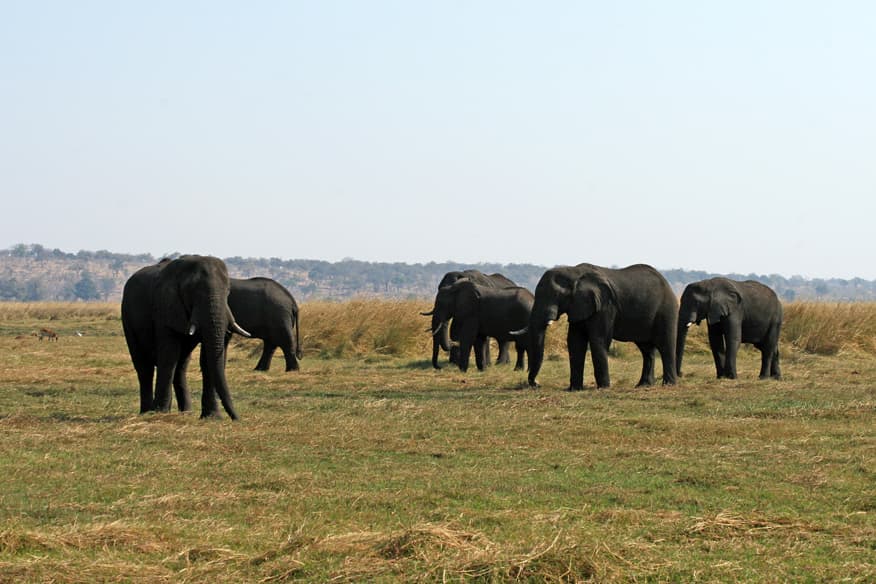
Elephant herd on the Chobe riverfront floodplain
6 daysShort add-on

Victoria Falls & Chobe

Victoria Falls · Kasane · Chobe Riverfront

Travelers adding Botswana to a South Africa or Zimbabwe trip, or wanting a gentle first safari

Best months
May–October
Comfort levels
Comfort · Premium · Luxury
Individually quoted
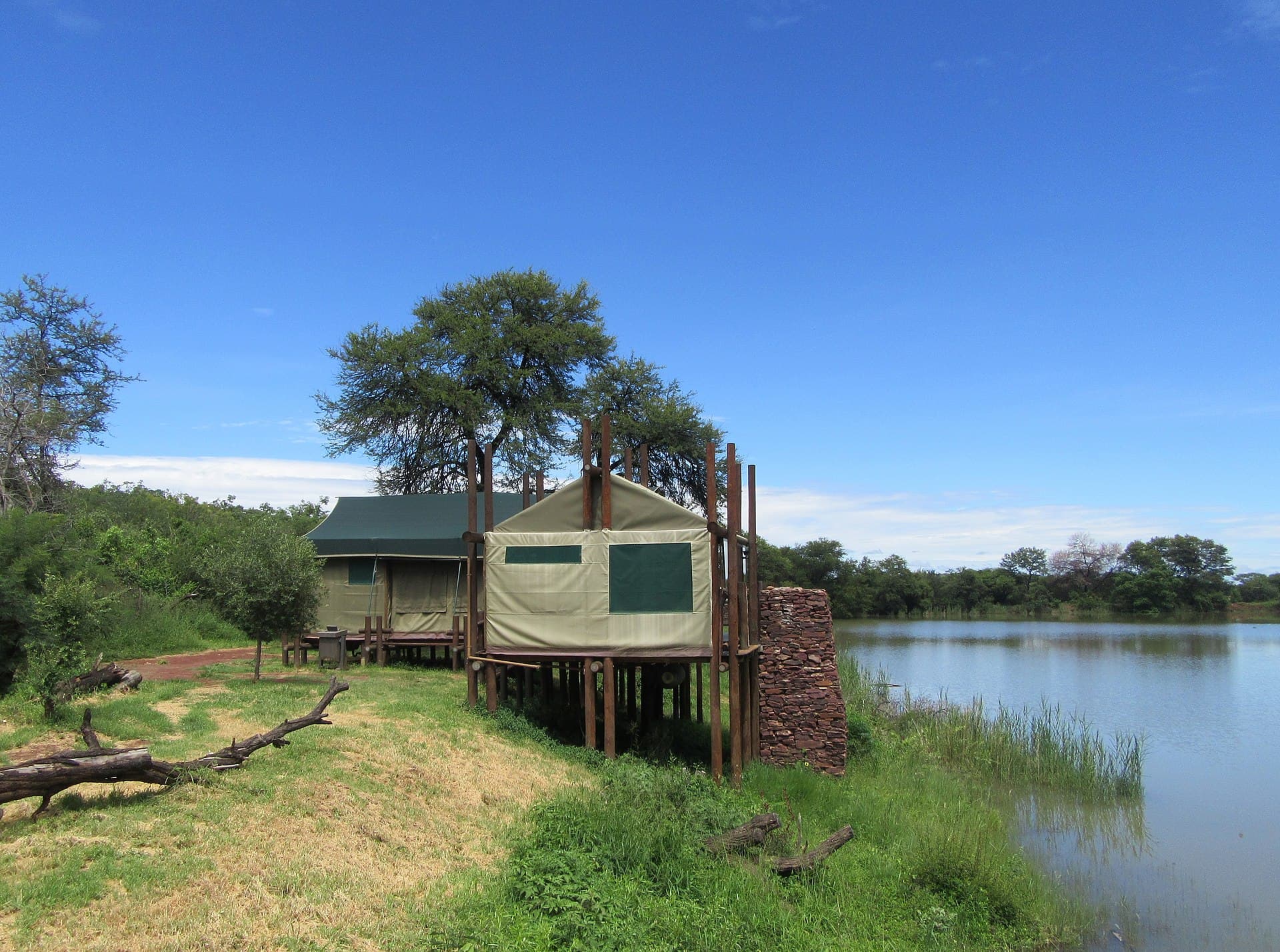
A canvas safari tent set among trees at a private tented camp
10 daysOverland classic

Private Mobile Safari

Maun · Moremi Game Reserve · Khwai · Savuti · Chobe Riverfront · Kasane

Travelers who value wilderness and a guide’s company over lodge comforts, and don’t mind long, sandy drives

Best months
May–October, in the dry season
Comfort levels
Comfort · Premium · Luxury
Individually quoted
Experiences

Related experiences

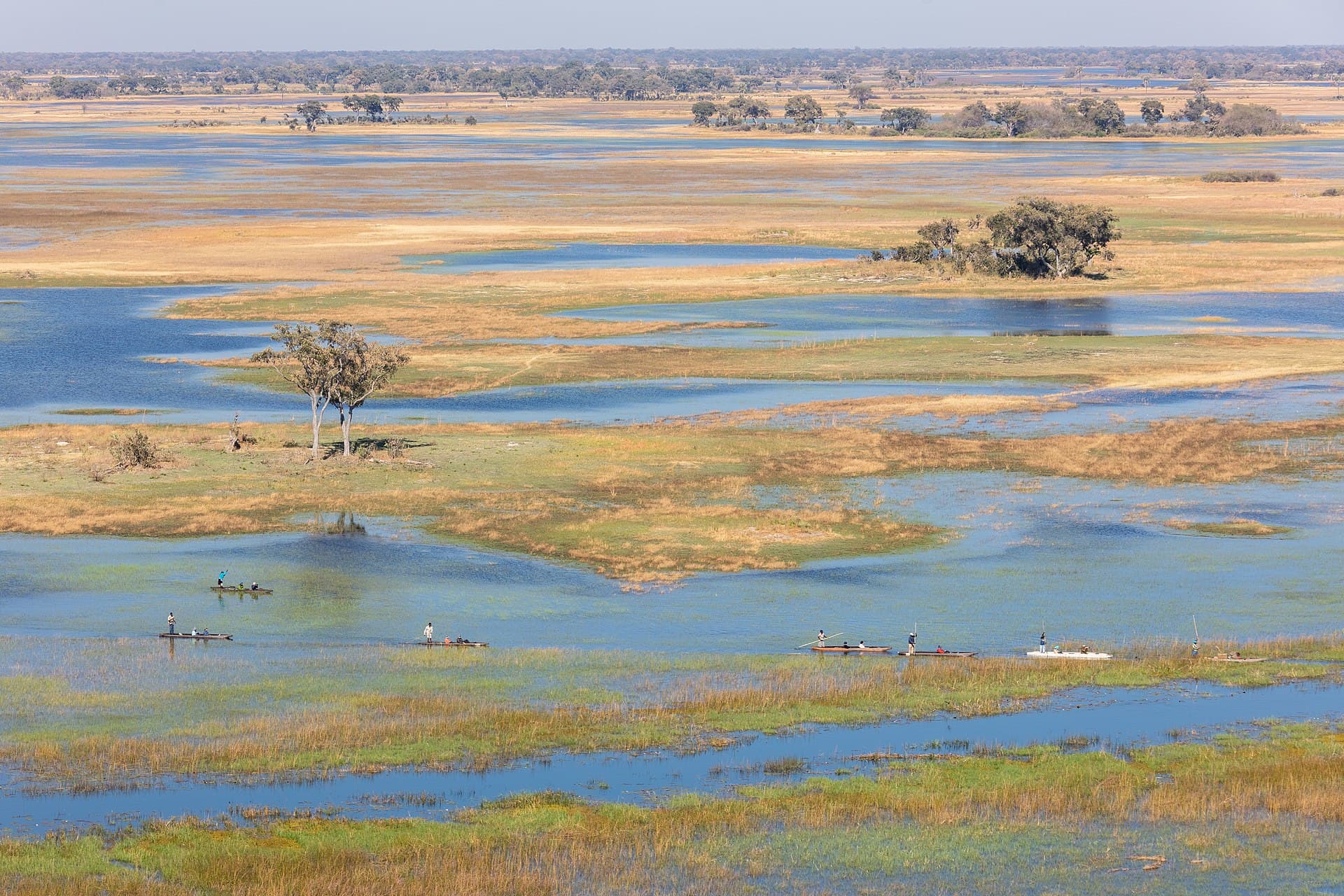
Aerial view over the winding channels and islands of the Okavango Delta

On the water

Mokoro Excursions

Glide through the Okavango’s papyrus channels in a poled canoe, low enough to meet reed frogs and lily-trotters at eye level.

Guests on a small safari boat watch an elephant herd grazing the river floodplain

On the water

Chobe River Boat Safaris

Watch elephant herds drink, swim and cross the Chobe River from a boat, the riverfront’s signature way to see its wildlife.

Culture

San Cultural Walks in the Kalahari

Walk with San guides in the Kalahari as they share tracking, plant knowledge and fire-making skills handed down through many generations.

On foot

Walking Safaris in Botswana

Follow a qualified walking guide across Delta islands, Linyanti floodplains or Kalahari sand, and read the bush from ground level.

Good to know

Frequently asked questions

What is the minimum age for a safari in Botswana?

There is no national minimum; each camp sets its own. Many welcome children from around six, some only from twelve, and a few accept any age if the family takes a private vehicle or books the whole camp. Activities such as walking and quad biking have higher limits.

Can young children go on a mokoro in the Okavango Delta?

Sometimes. Each camp decides, based on a child’s ability to sit still in a low, narrow boat on water shared with hippos and crocodiles. Some allow younger children with a parent; others set a higher age. We check the policy for your children before choosing a water camp.

Should children take malaria medication in Botswana?

Northern Botswana’s safari areas are all malaria districts, so prevention is recommended for everyone. Which medication and dose suit a child depends on age and weight, so see a pediatric travel clinic well ahead. For very young children, some families choose a malaria-free reserve in South Africa instead.

Do we need birth certificates to travel to Botswana with children?

Yes. Travelers aged 17 or under need an original or certified copy of their full birth certificate when entering or leaving Botswana, and a parent who is not traveling should provide a consent affidavit. Confirm current rules with the Embassy of Botswana before departure.

Are there family rooms at Botswana safari camps?

Some camps have family tents, usually two bedrooms linked by a shared deck or bathroom, but there are few of them and they book up early for school holidays. Larger families often take a small camp or an exclusive-use lodge outright, which also brings more flexibility on age rules.

Wetland channels of Moremi Game Reserve

Tell Us Your Month

Share when you can travel, who is coming and what you most hope to see in Botswana. A specialist will shape a private route around it and walk you through every choice before anything is booked.

Plan My Botswana Safari