Botswana Travel Guide

Malaria and Health in Botswana: A Safari Traveler’s Guide

The honest map first, then the practical preparation: what to raise with a travel-health clinic before a Botswana safari.

The short answer on malaria

Botswana’s malaria risk covers every major safari area. At the time of writing, the US Centers for Disease Control and Prevention (CDC) lists malaria transmission in the districts that contain the Okavango Delta, Moremi, Khwai, Chobe, Savuti, the Linyanti, the Makgadikgadi and the Central Kalahari. If anyone describes a northern Botswana safari as malaria-free, they are mistaken.

That does not make Botswana a reckless choice; it makes it a destination where prevention is part of the plan. Most travelers take a prescribed antimalarial, avoid bites between dusk and dawn, and come home without incident. The right medicine for you depends on your health, other prescriptions and route, which is a conversation for a travel-health clinic, ideally six to eight weeks before you leave.

This guide summarizes public CDC and UK government guidance at the time of writing (September 2026). It is not medical advice, and your clinician has the final word.

Malaria Districts and Your Safari

CDC names the districts; here is how they line up with the places most safaris visit.

Safari areaCDC malaria districtWhat it means on the ground
Okavango Delta, Moremi, KhwaiNgamiland and OkavangoWater all year; mosquitoes are most numerous in and after the rains
Chobe riverfront, Savuti, LinyantiChobe (including Chobe National Park), with parts of the Linyanti area in NgamilandThe river and swamps keep some breeding sites going through the dry months
Makgadikgadi and Nxai PanBoteti and neighboring districtsLow numbers in the dry season, rising after good rains
Central KalahariGhanzi and neighboring districtsArid most of the year, but green-season rain leaves standing water
Gaborone and the southNot listed for Gaborone; rare cases in Kgalagadi North, Kgatleng, Kweneng and SouthernFew safaris spend time here

District list from the CDC Botswana traveler page at the time of writing; the match between safari areas and districts is our own summary.

When Is the Risk Highest?

Malaria risk in Botswana typically rises in and after the rains, roughly November to April, when standing water lets mosquitoes breed. The dry winter months, about May to September, usually bring fewer mosquitoes and cold nights, which is part of the appeal of a flood-season Delta trip.

Lower is not zero. The Okavango holds water all year, the Chobe River never dries, and in April 2025 the UK government reported malaria appearing in areas where it is not usually present. Clinicians generally advise the same precautions whatever your month, so plan on prevention for any dates. Our best time to visit Botswana guide shows how the seasons play out region by region.

Vaccines and Medicines to Discuss

Take this list to your appointment; your clinician decides what suits you.

Antimalarials

CDC lists atovaquone-proguanil, doxycycline, mefloquine and tafenoquine as options for Botswana; chloroquine is not suitable because of resistance. They differ in dosing, side effects and how long you continue after leaving.

Routine vaccines

Make sure measles, tetanus-diphtheria and polio protection is current. Botswana Tourism also suggests tetanus, polio and diphtheria boosters for visitors.

Hepatitis A and B

CDC advises hepatitis A for unvaccinated travelers aged one and over, and hepatitis B for many travelers; both involve spaced doses, so start early.

Typhoid

Worth discussing if you will eat outside camps and hotels, spend time in rural villages or travel for longer than a typical safari.

Rabies

CDC notes that dogs infected with rabies are commonly found in Botswana. Discuss pre-exposure doses for walking safaris, remote stays or children, who are more likely to touch animals.

Yellow fever

There is no yellow fever risk inside Botswana, but a certificate is required if you arrive from or transit a risk country. The entry requirements guide explains the rule.

Bite Prevention in Camp and on Drives

Anopheles mosquitoes feed mainly from dusk to dawn, which on safari means sundowners, dinner and night drives.

  • Apply a repellent your clinic recommends, such as DEET or picaridin, over sunscreen from late afternoon onward.
  • Change into long sleeves, long trousers and socks for sundowners and evening drives; winter nights in the Delta are cold enough to want them anyway.
  • Ask your clinic about treating clothes with permethrin before you travel.
  • Use the bed net if your tent has one, and zip the tent and bathroom screens before dusk.
  • Use the insecticide spray or plug-in devices that many camps leave in tents.
  • If you develop a fever during the trip or in the months afterward, seek medical care promptly and say you have been in a malaria area.

Water, Wildlife and Other Health Risks

Do not swim in rivers, lagoons or Delta channels, however clear the water looks. CDC warns of schistosomiasis and leptospirosis in fresh water, and the UK government advises against bathing in rivers and lakes; crocodiles and hippos are the more immediate reason. Use camp pools instead, and keep your hands inside the boat on a mokoro trip.

On bush walks, check yourself for ticks afterward, since ticks can carry tick-bite fever. Never touch an animal carcass: anthrax occurs in Botswana’s wildlife from time to time, and the UK government specifically warns visitors about it.

Heat is the everyday risk. Summer temperatures reach 38°C (100°F) and above, especially in October and November, while winter dawns can drop below freezing. Drink the filtered water camps provide, wear a hat, and pack warm layers for June and July drives in open vehicles; the safari packing list covers the rest.

Medical Care and Evacuation

Well-run safari camps keep first-aid kits and can call for help by radio or satellite phone, but the nearest clinics are usually in Maun or Kasane. Private healthcare in Botswana’s towns is generally unaffected by recent problems in the public system: the UK government reports that the public health emergency has ended but that medicine and supply shortages remain widespread in public facilities.

Serious cases may be evacuated to South Africa, which is why medical evacuation cover is essential rather than optional. Check that your policy covers air evacuation from a remote airstrip, pre-existing conditions and activities such as walking or riding, and keep the insurer’s emergency number with your passport. In an emergency in Botswana, dial 997 for an ambulance.

If you cannot take antimalarials, or you are traveling with very young children, a malaria-free reserve in South Africa, such as Madikwe and the malaria-free north, may suit you better now, with Botswana saved for a later trip.

Safaris

Recommended safaris

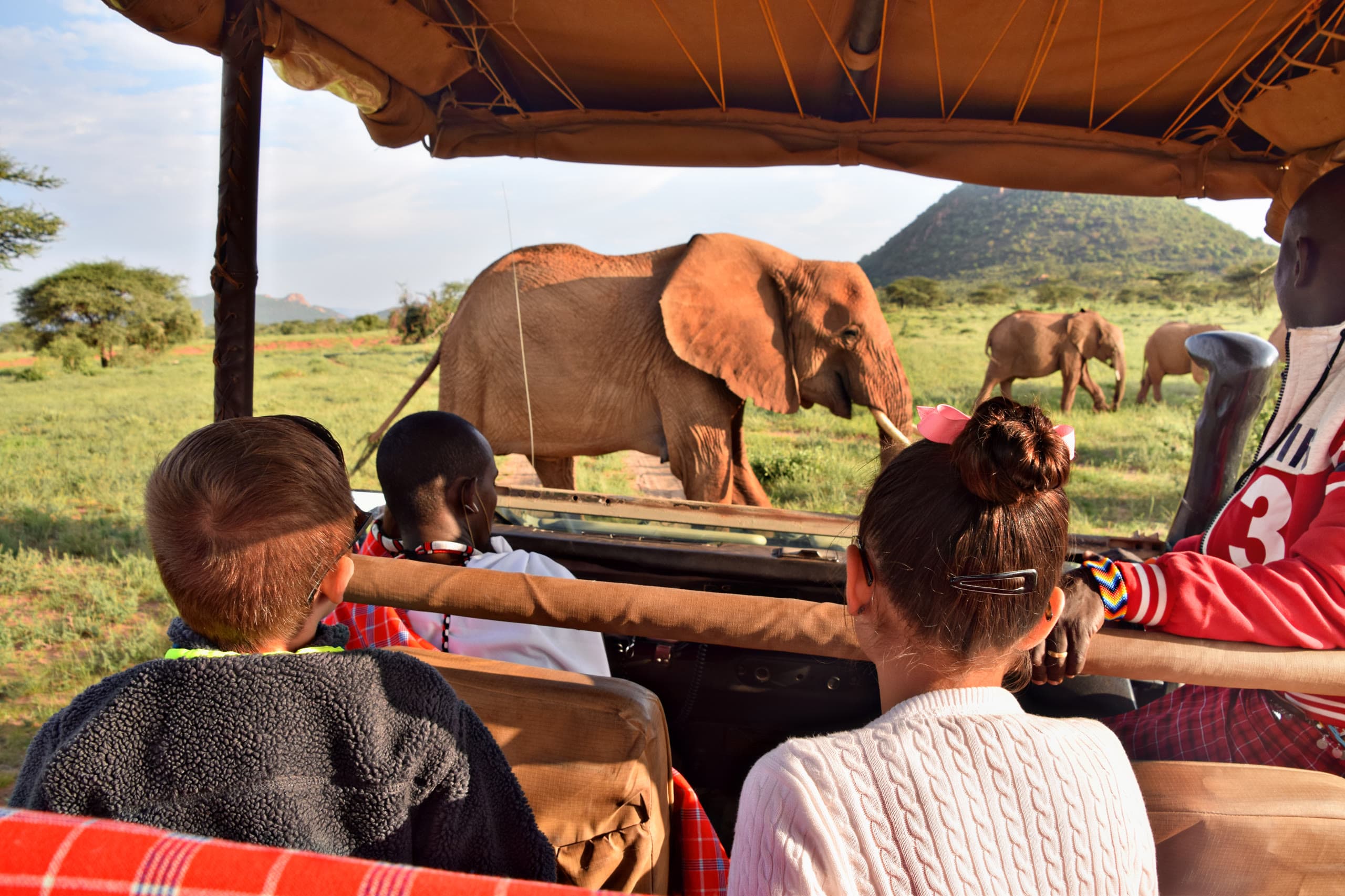
Safari guests watching a herd of elephants from an open vehicle on a family game drive
9 daysFamilies with teens

Botswana Family Adventure

Kasane · Chobe Riverfront · Okavango Delta · Makgadikgadi Pans · Maun

Families with children roughly 12 and older who want variety, activity and a little adrenaline

Best months
April–October (book school-holiday dates early)
Comfort levels
Comfort · Premium · Luxury
Individually quoted
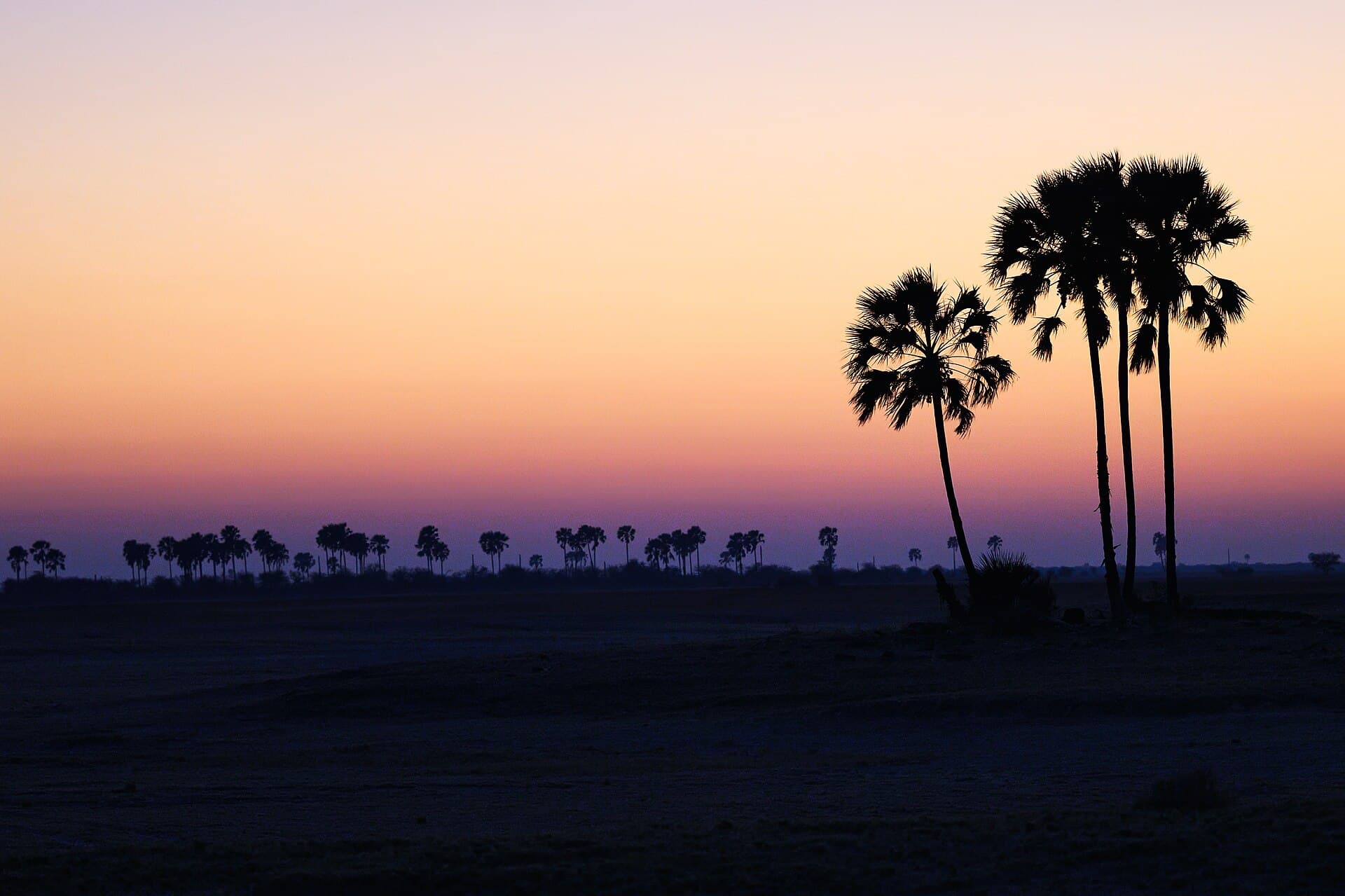
Palm islands silhouetted at dusk on the Makgadikgadi pans
9 daysDec–Apr

Green Season: Kalahari & Pans

Maun · Makgadikgadi Pans · Nxai Pan · Central Kalahari · Okavango Delta

Return visitors, photographers and the Kalahari-curious, happy to trade some certainty for solitude

Best months
December–April, in the rains
Comfort levels
Premium · Luxury
Individually quoted
Experiences

Related experiences

On foot

Walking Safaris in Botswana

Follow a qualified walking guide across Delta islands, Linyanti floodplains or Kalahari sand, and read the bush from ground level.

Aerial view over the winding channels and islands of the Okavango Delta

On the water

Mokoro Excursions

Glide through the Okavango’s papyrus channels in a poled canoe, low enough to meet reed frogs and lily-trotters at eye level.

Good to know

Frequently asked questions

Is there malaria in the Okavango Delta?

Yes. The Okavango Delta lies in the Ngamiland and Okavango districts, which CDC lists as malaria transmission areas at the time of writing. Risk is typically higher in and after the rains, but precautions are advised year-round.

Is there a malaria-free safari option in Botswana?

Not in the main northern safari areas, which all fall in malaria districts. Travelers who need a malaria-free safari usually choose reserves in South Africa, since the few southern Botswana districts with only rare cases are not safari destinations.

Do I need antimalarials for a dry-season Botswana safari?

Most clinicians recommend them in every season for the northern safari areas, because mosquitoes are fewer but not absent in winter. Your travel-health clinic will advise based on your dates, route and health.

What vaccines do I need for Botswana?

No vaccine is required for entry unless your route triggers the yellow fever rule. CDC suggests discussing routine vaccines, hepatitis A and B, typhoid and rabies, depending on your plans and health.

Is it safe to swim in the Okavango Delta?

No. Fresh water can carry schistosomiasis and leptospirosis, and crocodiles and hippos live throughout the Delta. Swim in camp pools, and treat every river, lagoon and channel as off-limits.

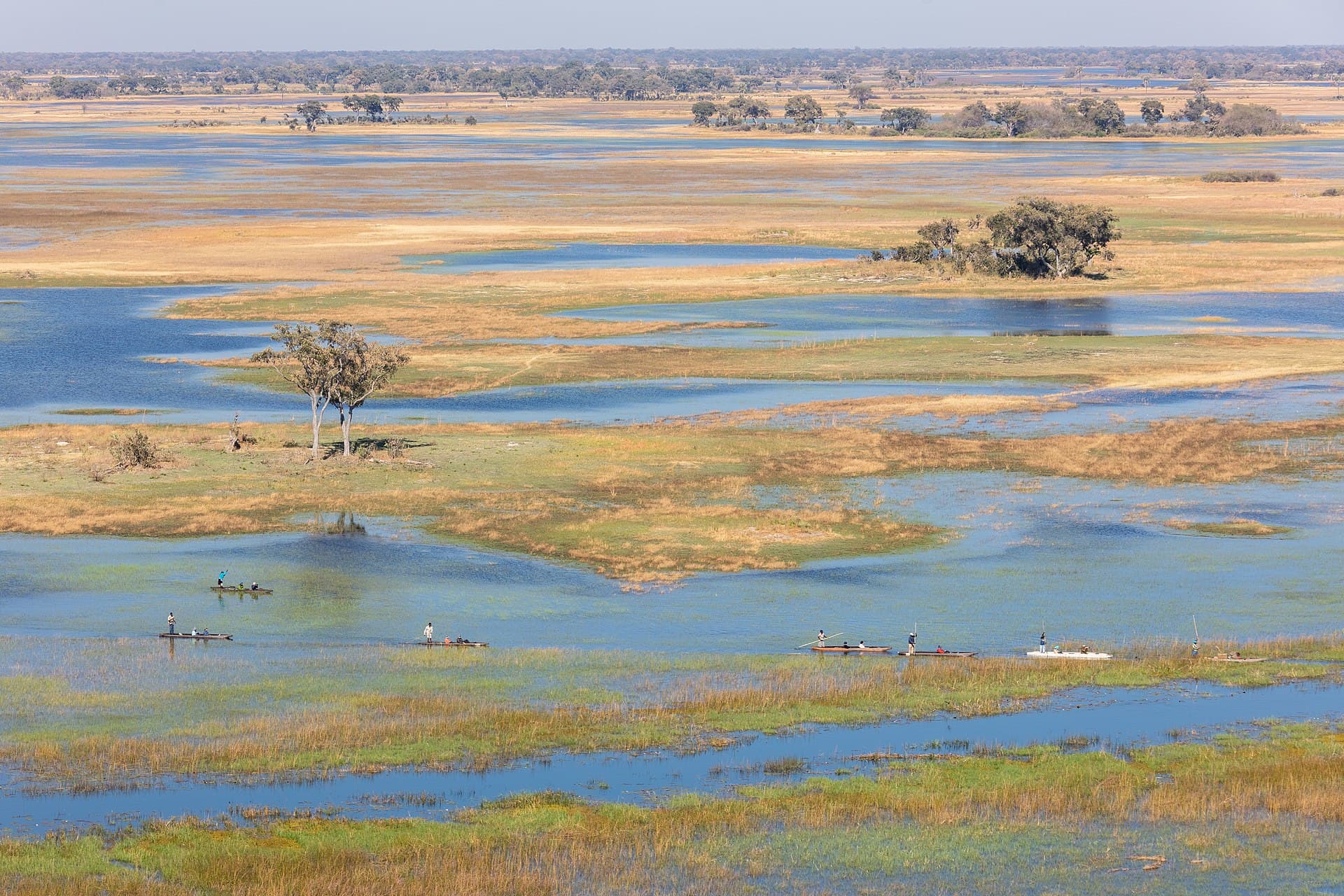
Wetland channels of Moremi Game Reserve

Tell Us Your Month

Share when you can travel, who is coming and what you most hope to see in Botswana. A specialist will shape a private route around it and walk you through every choice before anything is booked.

Plan My Botswana Safari