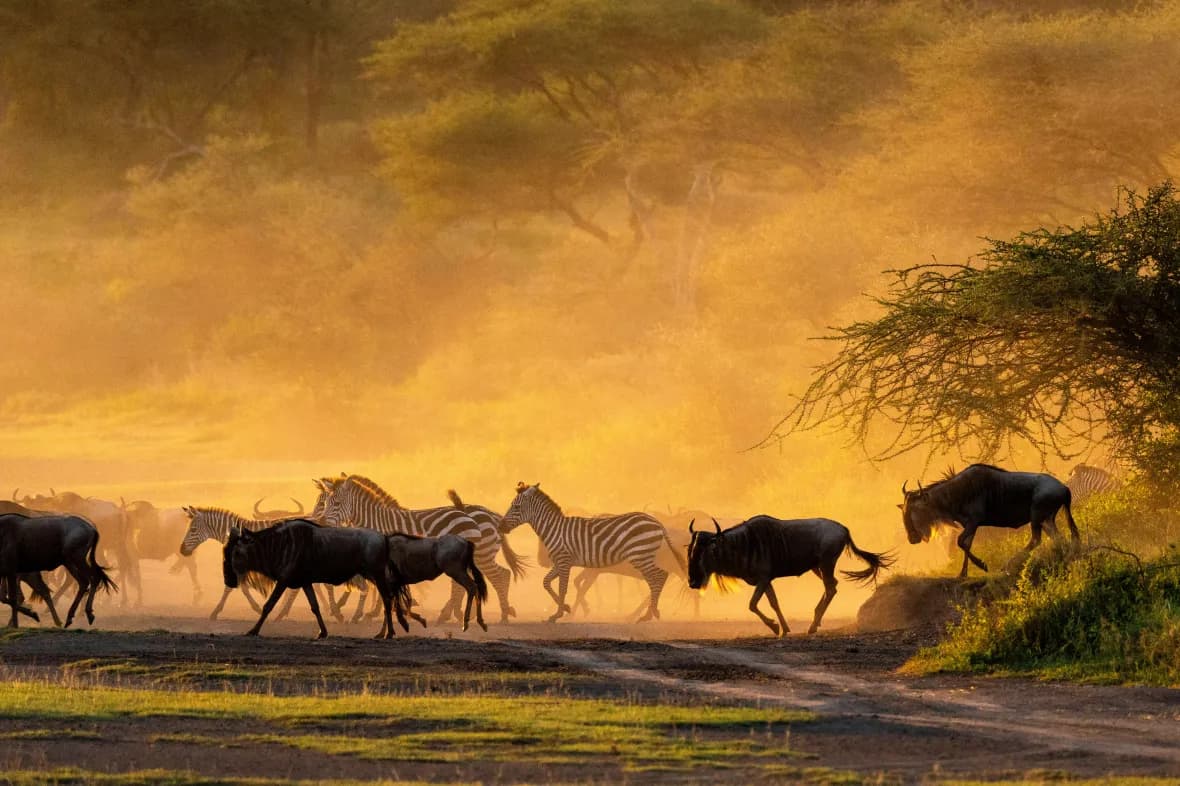
Wildebeest and zebra moving through golden dust beneath acacia trees at sunset

The Great Migration

The Great Migration in Kenya’s Masai Mara: When & Where

The herds usually spend July to October on the Kenyan side of the border. Here is how that season unfolds, where the crossings happen, and how to plan your nights around them.

The Masai Mara migration is the shortest and most concentrated chapter of the wildebeest year. Well over a million wildebeest, with zebra and gazelle alongside, typically push north out of Tanzania’s Serengeti from July, fill the Mara’s grasslands through August and September, and drift back south from late October. For those few months, a reserve of about 1,510 km² and the conservancies around it become the northern stage of the whole ecosystem.

The herds follow rain and grass, not dates. In a wet year they may linger in the Serengeti into August; in a dry one the first columns can reach the Mara in late June. No one can promise a river crossing, and this page will not. What it does is show how the Kenyan season usually runs and how to give yourself the best odds.

For the full year-round loop, including calving and the Western Corridor, read the Great Migration in Tanzania. For a ready-made route through the Kenyan season, see the 8-day Masai Mara migration safari.

The Kenyan Season

Masai Mara Migration Month by Month

A typical year on the Kenyan side. Timing can shift by several weeks either way, and the herds rarely arrive or leave as one.

MonthWhat usually happensWhere to beCrowds
JuneMost herds are still in Tanzania; in early years, front-runners reach the southern Mara late in the monthA conservancy base for resident game, with the migration as a bonusLight
JulyColumns cross the border and spread over the southern reserve and the Triangle; the first Mara River crossings become possibleThe reserve or the Triangle in the second half; conservancies for resident game and the Loita herdsBuilding
AugustHerds usually fill the plains, and crossings are often at their most frequentWithin easy reach of the Mara River, with at least three full daysHeavy at the river
SeptemberCrossings continue, often back and forth as herds chase fresh grazingRiver-side reserve camps and the northern conservanciesHeavy, easing late in the month
OctoberHerds thin and begin to turn south; crossings grow smaller and less predictable, though in a dry year small crossings can continue into early NovemberA flexible split stay suits patient travelersModerate
NovemberMost herds are back in Tanzania, the short rains green the Mara, migrant birds arrive and the conservancies are at their quietestA conservancy for the residents; the Serengeti for the herdsLight

No two years match this table exactly. We check the latest reports from guides and camps in the weeks before you travel.

Map

Where the Mara Sits in Kenya

The Masai Mara reserve and its conservancies lie in Kenya’s south-west, against the Tanzanian border, about 45 minutes by scheduled light aircraft from Nairobi’s Wilson Airport. The map places the Mara among Kenya’s other safari regions; the cards below describe the sectors inside it where the migration plays out.

Map: KenyaKenyaMasai Mara ReserveMara ConservanciesAmboseliLaikipiaSamburuTsavo WestLake NakuruNairobiDiani Beach

Approximate locations — not for navigation.

Crossing Country

Where the Mara River Crossings Happen

The Mara River runs south through the western Mara before entering Tanzania. Crossings happen along much of its Kenyan length, but a few sectors see most of the action.

The Mara Triangle · west bank

About 510 km² between the Mara River and the Oloololo Escarpment, managed by the non-profit Mara Conservancy. Its bank faces several well-known crossing points, it sees fewer vehicles than the Narok side, and rangers manage crossing sites closely.

Explore

The Narok side · east bank

Most reserve camps and most vehicles are on this side, so east-bank crossing points, such as those around Paradise Plains and below Lookout Hill, draw the biggest gatherings of vehicles. Early starts and patience count most here.

The Talek and Sand rivers

Herds also ford the Talek, which winds through the central reserve to join the Mara, and the Sand River along the Tanzanian border, where many columns first enter Kenya. These crossings are smaller but can be far quieter.

The northern conservancies

Mara North, Lemek and their neighbors are not where most crossings happen, but herds often spread into them from July, joined by the smaller Loita population moving in from the north-east. Here you watch the migration on foot or with a handful of vehicles.

Explore

Crowds and Rules

How Crossing Viewing Works in the Reserve

A crossing is the Mara at its busiest. Word travels fast between guides, and in August a promising gathering on the bank can draw dozens of vehicles, which is why seasoned observers describe the reserve in migration season as busy, often uncomfortably so. The rules exist to stop that crowd from turning the herd back: vehicles are expected to stay on tracks, hold back from the bank until the animals commit, and never block the approach or the exit.

The Mara Triangle is widely regarded as enforcing those rules most closely, with rangers at crossing sites and vehicles held in waiting areas; on the Narok side, vehicle numbers are larger and the scene can feel more chaotic. That difference is one reason many guides favor Triangle-side positions in peak weeks. Walking and night drives are not permitted anywhere in the reserve, and off-road driving is prohibited.

A private vehicle is the most useful tool you have. You decide how long to wait, whether to sit out the midday lull with a packed lunch, and when to leave a gathering that is going nowhere. Some of the most rewarding crossings come after the first wave of vehicles has given up and gone. Position matters more than polish, too: a camp within easy reach of the active crossing points usually does more for your odds than a grander lodge an hour’s drive away.

Reserve or Conservancy

Splitting Your Nights Between Conservancy and Reserve

The conservancies and the reserve each do something the other cannot. Conservancies give you walks with Maasai guides, night drives, off-road access to sightings and strict limits on vehicles, often with migration herds on the plains around camp from July. The reserve and the Triangle give you the river. Choosing only one means giving up the other.

That is why the split stay has become the classic Kenyan migration pattern: three nights in a conservancy, then three in a camp close to the river, or a conservancy base with planned full days in the reserve. The first half is calm and varied; the second is dedicated to the crossings, with dawn starts and long days at the bank.

With fewer nights, a single conservancy base still works, provided your camp is within reasonable reach of the river and your plan includes reserve days. The Masai Mara conservancies page compares the individual conservancies and their rules.

Planning

How to Plan a Masai Mara Migration Safari

  1. Choose your window

    Mid-August to mid-September gives the best overall odds of herds at the river. Late July and early October suit flexible travelers willing to trade some certainty for fewer vehicles.

  2. Give it enough nights

    Plan at least three or four nights in migration country, and four to six if a crossing is your main goal. Crossings reward patience, and a single day at the river is a lottery. Treat a crossing as the crown of the trip rather than its foundation: the resident predators and the herds on the plains make the days worthwhile whether or not the river delivers.

  3. Split conservancy and reserve

    Spend the first half in a conservancy for walks, night drives and quieter viewing, then move to a camp near the river, or plan full reserve days from your conservancy base.

  4. Book early

    The best-placed camps for August often fill 9–12 months ahead, and balloon seats in peak weeks go early too. If August is full, the first half of September is a strong alternative.

  5. Fly in and keep bags light

    Scheduled light aircraft reach the Mara airstrips in about 45 minutes from Wilson, against roughly 5–6 hours by road. Bags are limited to 15 kg per person in soft luggage, hand baggage included; flying into Kenya explains the connection.

Kenya or Tanzania

Kenya’s Side or Tanzania’s Side?

Both countries share the river, and crossings happen on both sides of the border from roughly July to October. Even at the peak, large parts of the migration stay on the Tanzanian side, so the herds never leave the Serengeti wholesale. The Kenyan side offers easy access from Nairobi, the conservancy model and a short, intense season; Tanzania’s northern Serengeti is more remote and often has fewer vehicles at the river. Serengeti vs Masai Mara compares them in detail.

You do not have to choose. The 13-day Tanzania and Kenya safari combines both, and our Great Migration safari overview sets out every way to see the herds.

Safaris

Recommended safaris

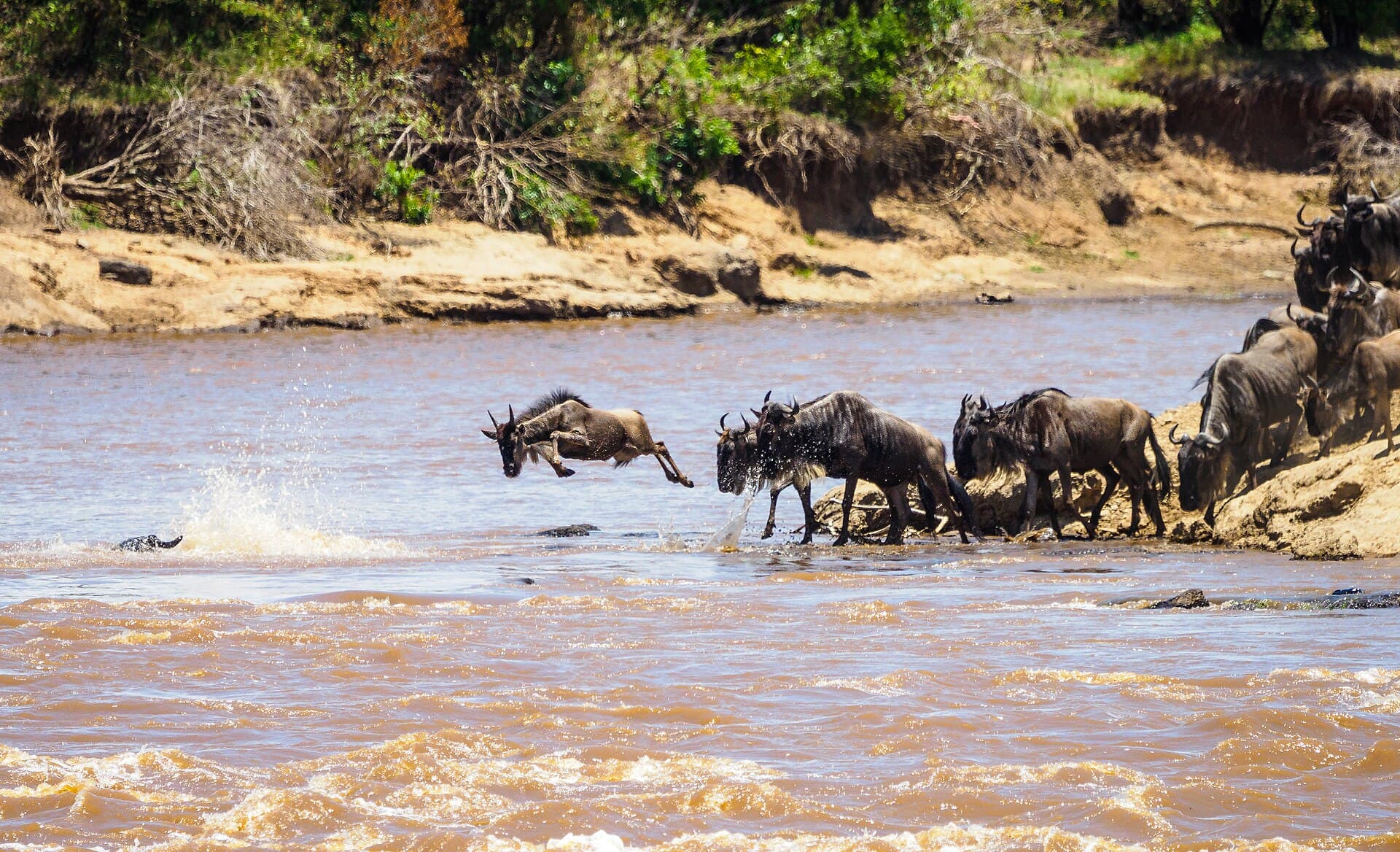
Wildebeest leaping into the Mara River during the Great Migration crossing
8 daysJul–Oct

Mara Migration Safari

Nairobi · Mara Conservancies · Masai Mara Reserve

Migration-focused travelers and photographers with July–October dates and realistic expectations

Best months
July–October, the Mara’s migration months
Comfort levels
Premium · Luxury · Ultra-Luxury
Individually quoted
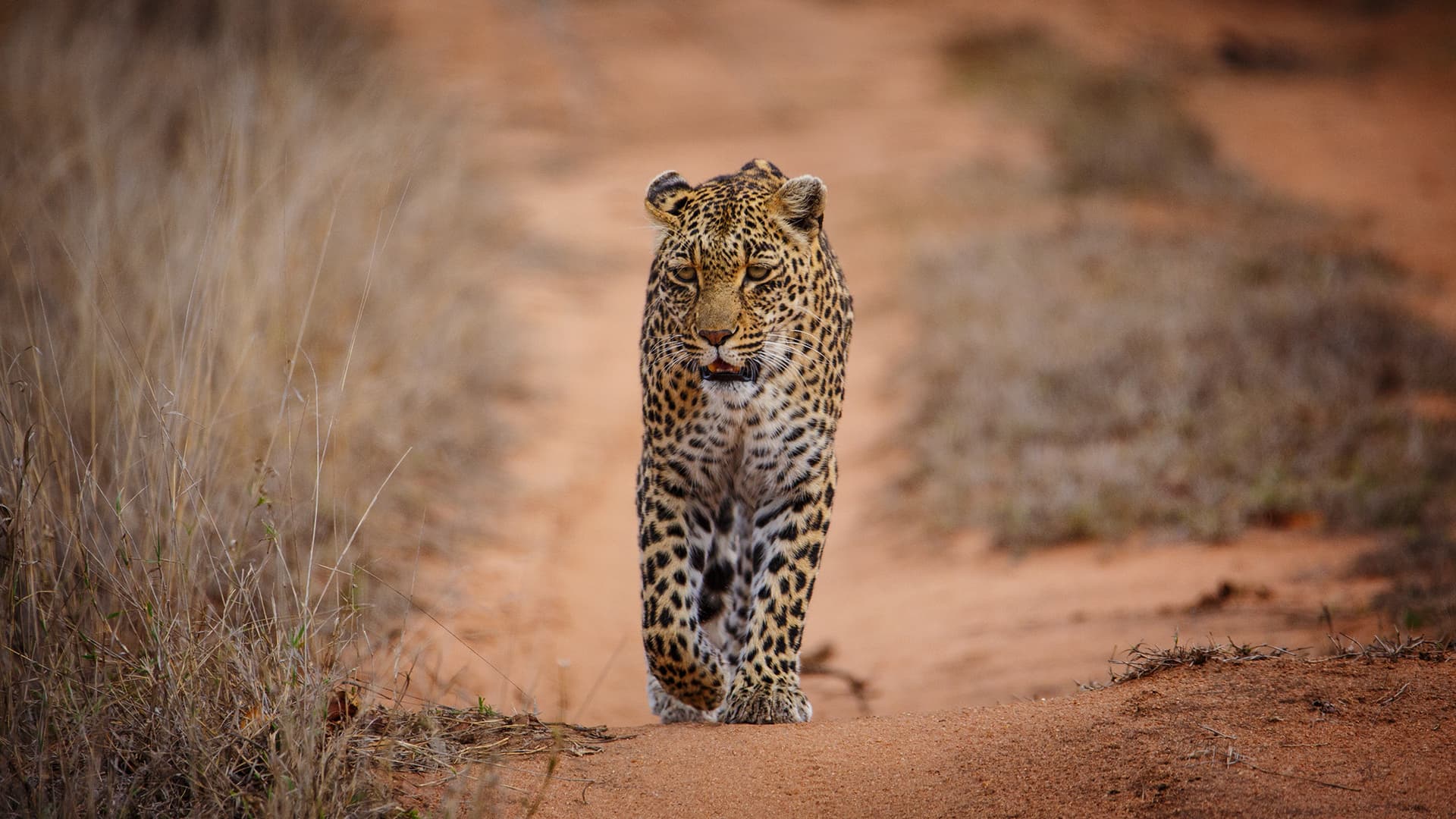
A leopard walking straight toward the camera — iconic big-cat viewing
9 daysPhotographers

Photographic Kenya

Nairobi · Amboseli · Mara Conservancies

Enthusiast and serious amateur photographers who want time, angles and light rather than a checklist

Best months
July–October and January–February
Comfort levels
Premium · Luxury
Individually quoted
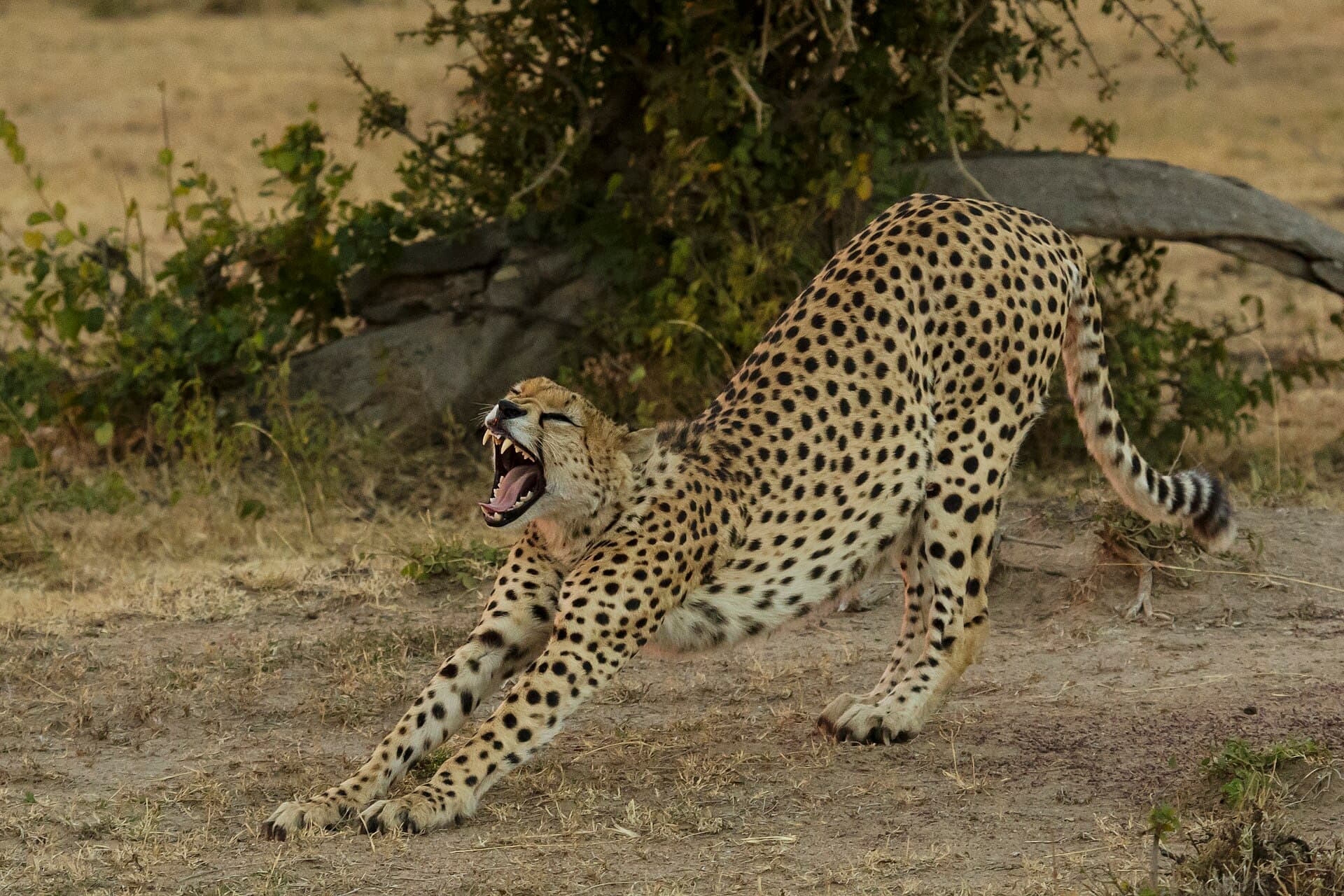
A cheetah scanning the plains in the Masai Mara
5 daysShort & focused

Masai Mara Fly-In

Nairobi · Mara Conservancies

First-timers and travelers short on leave who want the Mara done properly in under a week

Best months
All year except the April–May rains
Comfort levels
Comfort · Premium · Luxury · Ultra-Luxury
Individually quoted
Experiences

Related experiences

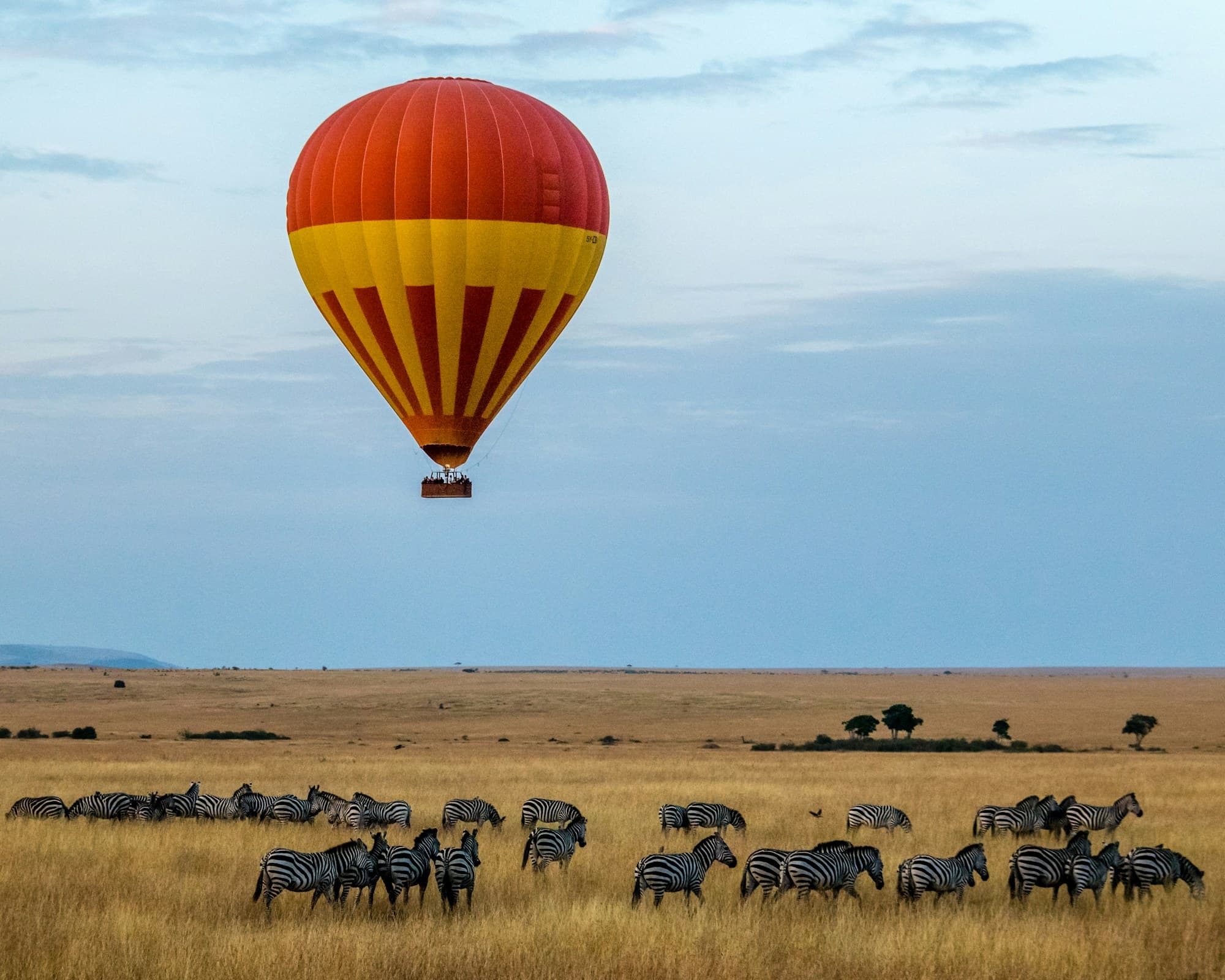
Aerial view over savanna herds from a hot-air balloon at first light

In the air

Masai Mara Hot-Air Balloon Safari

Lift off over the Mara at sunrise, drift for about an hour above the river and the plains, then land for a champagne breakfast in the grass.

On foot

Walking Safaris in Kenya

Walk the conservancies and northern ranches with Maasai or Samburu guides and an armed ranger, from dawn rambles to rhino tracking and camel-supported treks.

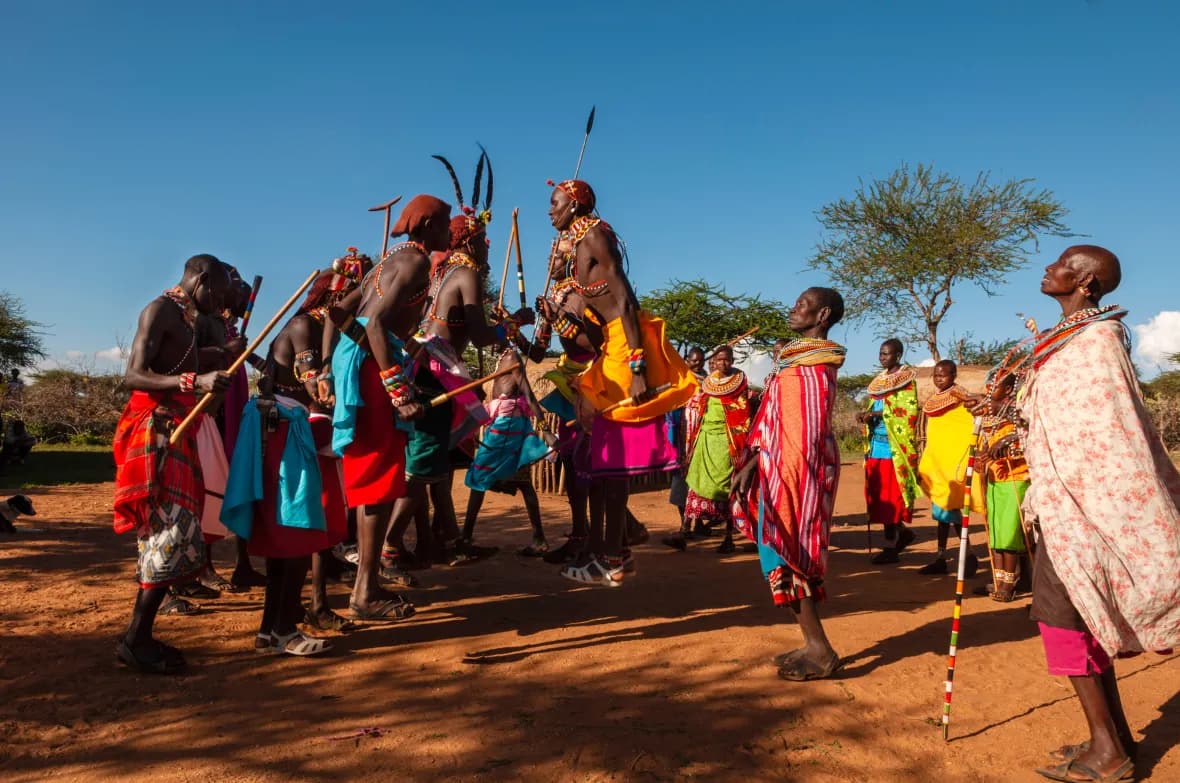
Men and women in traditional beaded dress dancing together during a community cultural visit

Culture

Maasai & Samburu Cultural Visits

Meet Maasai and Samburu families on visits their own communities arrange, where conversation comes first and you know exactly where the fee goes.

Good to know

Frequently asked questions

When does the migration arrive in the Masai Mara?

In a typical year, the first large columns cross from Tanzania in July and most of the herds are in the Mara by August. Early rains can bring front-runners in late June, and a wet Serengeti can hold them back into August. They usually head south again from late October.

What is the best month for Mara River crossings in Kenya?

August and September usually see the most frequent crossings, with herds crossing and re-crossing as they follow fresh grazing. Late July and early October can be excellent in some years but are less predictable.

Is the Mara Triangle better than the main reserve for the migration?

It is often calmer. The Triangle sees fewer vehicles and is known for managing crossing sites closely, and several well-known crossing points face its bank. The trade-off is that switching sides of the river takes time, so the side your camp is on matters.

Can you see the migration from a Mara conservancy?

Often, yes. Herds commonly spread into the northern and eastern conservancies from July, and the smaller Loita population moves in as well. The big river crossings, though, happen in the reserve and the Triangle, so most migration itineraries include reserve days.

How crowded is the Masai Mara in August?

At the river it can be very crowded, with many vehicles waiting at promising crossing points. Away from the river and in the conservancies it is far calmer. A private vehicle, a patient guide and a conservancy base make the biggest difference.

What are the chances of seeing a river crossing?

With four or more full days near the river in August or September, the odds are good, but no one can promise a crossing on any given day. Herds can gather for hours and then turn away. That is why we plan enough days and never sell a crossing as a certainty.

A cheetah scanning the plains in the Masai Mara

Start With Your Dates

Tell us when you can travel, who is coming and what you most want from Kenya. A safari specialist will design a private route around you, and nothing is booked until you approve it.

Plan My Kenya Safari