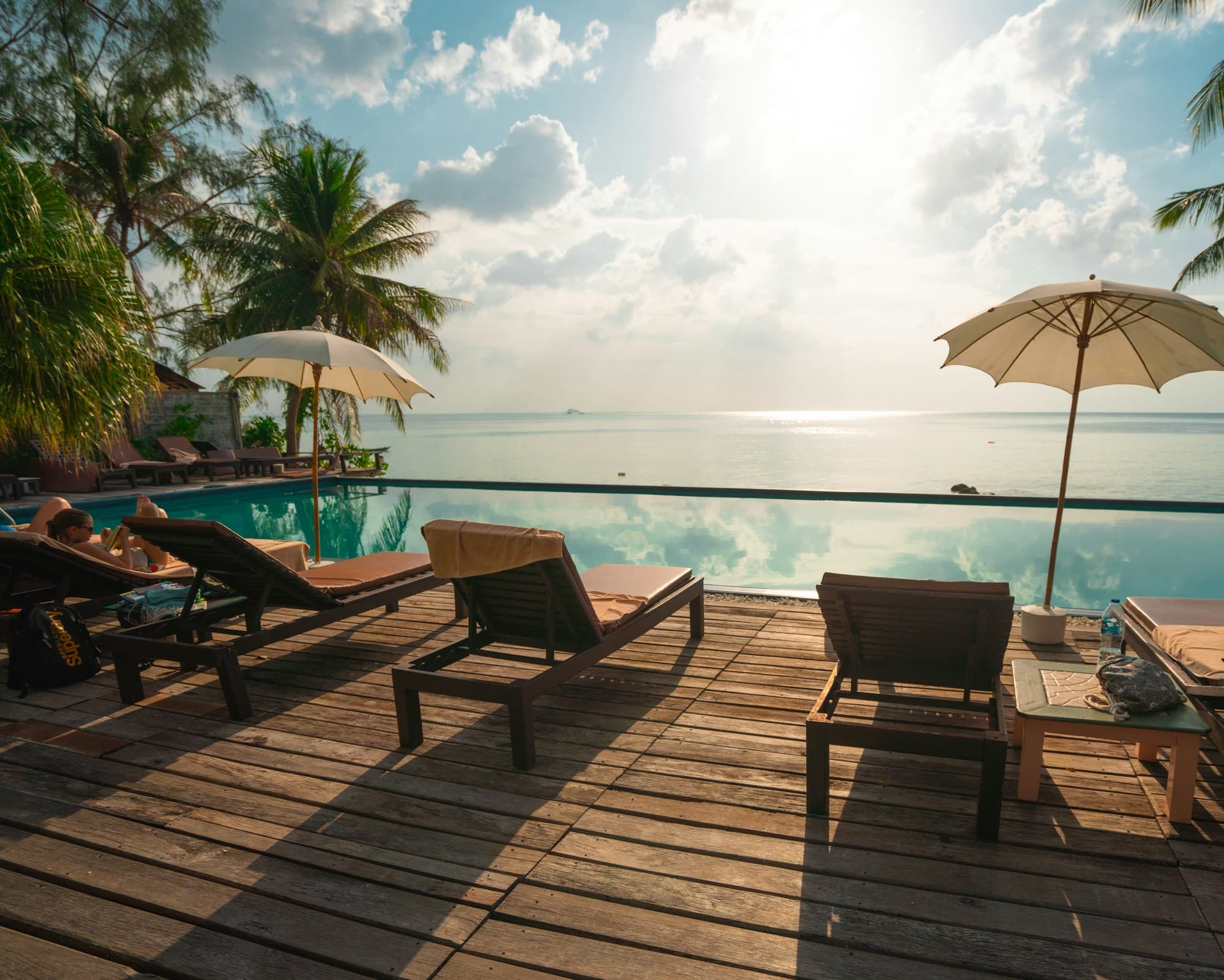
Luxury lodge deck with loungers and umbrellas at golden hour

Namibia planning

How Much Does a Namibia Safari Cost? An Honest Guide

Namibia’s distances decide its prices more than anything else. Here is how the money divides between guides, flights, lodges and fees, and where it is best spent.

The honest answer to “how much does a Namibia safari cost?” is that it depends, above all, on how you cross the country. Namibia’s highlights sit hundreds of kilometers apart: Namibia Wildlife Resorts lists 340 km from Windhoek to its lodge at Sesriem, the gateway to Sossusvlei, and 432 km to Okaukuejo in Etosha. Every one of those kilometers is paid for either in guide days on the road or in seats on a light aircraft.

That creates two broad price worlds. A private guided road journey pays for a guide, a vehicle and fuel every day, and can use a wide range of lodges along the way. A fly-in safari pays for flying time and usually for remote camps with guiding included. Both are excellent; they are simply different trips, and many of the best itineraries mix them.

This guide explains what moves the price, which fees are set by the government, what published market figures suggest, and where the money makes the most difference. We don’t publish package prices, for reasons explained at the end.

Price drivers

What Shapes the Price of a Namibia Safari

Seven factors explain nearly every difference between two Namibia quotes.

How you cover the distances

The biggest lever. Road days cost a guide’s time, a vehicle and fuel, and long transfers use up nights. Flying compresses a six-hour drive into a short hop but adds the cost of each seat or of the whole aircraft. The mix you choose sets the shape of the total.

Scheduled seat or private charter

Scheduled safari services sell individual seats on set routes to the main airstrips serving Sossusvlei, Damaraland and the Etosha area. A private charter, usually a small single-engine aircraft from Windhoek’s Eros Airport, costs the same whether one seat is filled or all of them, so it makes most sense for families and groups.

State rest camp, lodge or private reserve

Lodges on private reserves beside Etosha and near Sossusvlei cost more than the state rest camps inside the parks, but add guided walks, night drives and fewer vehicles. Stays inside the park win on location, above all at Sesriem, where they open the dunes to you before sunrise.

Remoteness

Camps on the northern Skeleton Coast and the Kunene River sit far from towns; supplies, staff and guests arrive by air or along long 4×4 tracks. That supply chain is part of the rate, and it is also what keeps these places empty.

Season

July to October is peak season. The state-run resorts price those months as high season and November to June as low, and many private lodges follow a similar calendar, so May, June or November can reduce the accommodation part of a quote noticeably.

Party size

A private guide and vehicle cost the same for two travelers as for four, and a charter costs the same empty or full. Families and friends traveling together spread these fixed costs; couples carry more of them, and solo travelers often add a supplement for a room of their own.

Comfort level

From characterful guest farms and well-run lodges to exclusive desert lodges with private plunge pools, the tier you choose multiplies across every night. Mixing levels, rather than upgrading everywhere, keeps the investment where it counts.

Two price worlds

Guided by Road or Flying In: Where the Money Goes

The same ten days in Namibia can be built in two quite different ways. This is how the spending divides between them.

Private guided road journeyFly-in safari
Daily fixed costYour guide, a private 4×4 and fuel for every day of the tripScheduled seats or flying time between each camp
Where you sleepAnything from state rest camps and guest farms to luxury lodgesMostly remote camps with their own guides and vehicles
GuidingOne guide throughout, who learns your interestsCamp guides at each stop, often specialists in that area
Time in transitSeveral long transfer days on gravelShort flights between regions
ReachEvery region with road accessFly-in-only areas such as the northern Skeleton Coast
Cost tendencyLower per day, especially for families and groupsHigher per day, but no nights lost to driving

Most Namibia itineraries we design mix the two: a guide on the road for the wildlife regions, and a flight across the longest or least rewarding stretch.

Indicative market guidance

What Published Figures Suggest

We quote every journey individually, but a sense of scale helps. This is indicative industry and market guidance only, from sellers’ own pages checked on 23 September 2026. These figures are not Travel Ease or African Safari Reserve rates or quotations, and they are not live prices.

Type of tripPublished figureSource and basis
Private safari at a luxury levelAbout US$800Per person per day; SafariBookings’ Namibia safari cost guide
Top-end private safari (“luxury plus”)US$1,250 and upwardPer person per day; same source
Specialist sample itinerariesAbout US$4,580–18,240Per person for published trips of 6 to 21 days; Expert Africa’s Namibia trips

Indicative industry/market guidance, checked on 23 September 2026. Not Travel Ease rates or quotations and not live pricing: figures move with season, exchange rates and availability, and every journey we plan is quoted individually.

Government fees

Park Fees, Visas and Other Official Costs

Two government charges appear on almost every Namibia trip. The first is the park entry fee set by the Ministry of Environment, Forestry and Tourism (MEFT) and charged per person per day. Parks fall into two bands: premium parks, which include Etosha, Namib-Naukluft (home of Sossusvlei), the Skeleton Coast, Dorob, the Cape Cross seal reserve and Waterberg, and standard parks, such as those in the Zambezi Region. Children pay reduced rates and young children enter free.

A revised fee schedule, with sharp increases, was reported to take effect on 1 April 2026. At the time of writing (September 2026) we had not been able to verify it against an official source, so we don’t quote amounts here; we quote fees at the rates published when you book and itemize them in your proposal.

The second is the visa. Since 1 April 2025, US, Canadian, UK and most EU passport holders need one, and at the time of writing Namibia’s Ministry of Home Affairs, Immigration, Safety and Security charges N$1,600 per adult and N$800 for children aged 6 to 11, with children under 6 exempt. Our Namibia visa guide explains how to apply.

Fees are charged in Namibian dollars, which are pegged one-to-one to the South African rand; the rand also circulates freely in Namibia.

What’s included

What a Namibia Safari Quote Should Include

A clear quote for a private Namibia journey itemizes:

  • Every night’s accommodation, named by style and room type, with the meal plan at each stop
  • Your private guide and 4×4 for the road sections, including fuel and the guide’s own board and lodging
  • Light-aircraft seats or charters, with the luggage allowance stated
  • Park entry fees at the rates current when you book
  • The activities included at each lodge, such as guided drives, rhino tracking or nature walks, and those that cost extra
  • Airport meet-and-greet and transfers, including the drive from Hosea Kutako International into Windhoek
  • Drinking water in the vehicle and, at many lodges, house drinks and laundry

Usually extra

What Is Usually Not Included

  • International flights to Windhoek, and flights home from Maun, Victoria Falls or Cape Town on combination trips
  • Your Namibian visa, paid online in advance or on arrival
  • Travel insurance with medical evacuation cover, which matters in remote areas such as Kaokoland and the Skeleton Coast
  • Gratuities for your guide, trackers and lodge teams; our safari FAQs cover tipping customs
  • Hot-air balloon flights at Sossusvlei and scenic flights over the dunes or the coast
  • Premium wines and spirits, spa treatments and personal purchases

Our view

Where the Money Is Best Spent

Three choices change how a Namibia trip feels more than any upgrade. The first is where you sleep at Sossusvlei: inside the Sesriem gate, which lets you reach the dunes before sunrise, or on a private reserve such as NamibRand, which trades that early access for silence, walking and some of the darkest skies in Africa. Decide which matters more to you rather than leaving it to chance.

The second is a stay at a Damaraland camp that works with rhino trackers. Following a desert-adapted black rhino on foot, with trackers from the local communities, is the moment many travelers remember most; see desert rhino tracking. The third is flying the longest leg. One flight between the desert and Etosha or the north-west can save a full day of gravel and give it back to you as a morning at a waterhole.

Where to hold back? The Windhoek night. You arrive, sleep and leave early, so a comfortable guesthouse serves as well as the grandest hotel. The same logic applies in Swakopmund, where the town itself is the attraction.

Self-drive

Does Self-Drive Cost Less? Yes, and Here Is the Trade

Driving yourself is usually the lowest-cost way to see Namibia, and it would be dishonest to pretend otherwise. You pay for vehicle hire, fuel and insurance rather than a guide or flights, and you can use campsites and state rest camps. For confident drivers with time to spare, it is a legitimate choice.

What you trade is the guiding and your own energy. You navigate, drive long gravel stretches, manage tyres and fuel, and interpret the wildlife yourself, so it is not the right choice for everyone. We don’t rent vehicles, but we can help plan a self-drive route for travelers it suits, and our self-drive vs guided comparison sets out both sides fairly.

Smart choices

Ways to Shape the Cost

Small decisions, made early, move a Namibia quote further than negotiating over individual lodges.

Travel in a shoulder month

May, June and November fall outside the state resorts’ July–October high season, with good weather and often lower lodge rates. Early June pairs cool desert mornings with improving Etosha viewing.

Fly once, not everywhere

A single flight across the longest leg captures most of the time saved. Flying every leg is the most comfortable option, but not always the most rewarding one.

Stay longer in fewer places

Two or three nights per stop cut transfer days and let you use the activities included at each lodge. One-night stops look efficient on paper and feel rushed in reality.

Share the vehicle

A private 4×4 seats four travelers comfortably, each at a window. Traveling with family or friends divides the guide and vehicle cost without any loss of privacy.

Choose where to splurge

Put the higher tier where you spend daylight hours at the lodge, such as a Damaraland camp or a private desert reserve, and a comfortable standard where you only sleep.

Pick the month before the lodge

If your dates are flexible, choose the month first and the lodges second. That keeps more options open at every level than fixing on one famous property and building around it.

Safaris

Recommended safaris

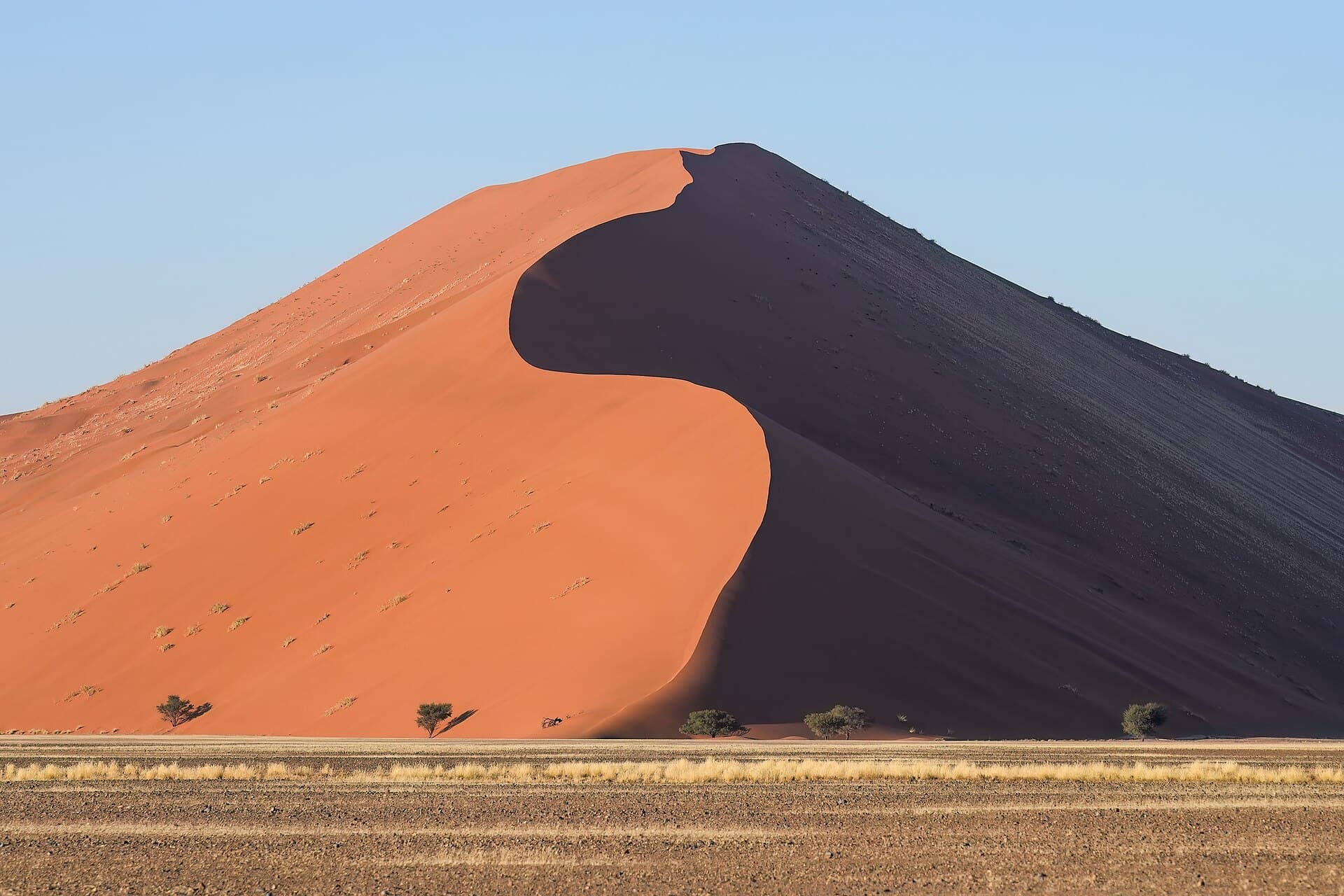
Red curve of Dune 45 at sunrise in Sossusvlei, Namibia
14 daysPrivate guide

Namibia Grand Loop

Windhoek · Sossusvlei · Swakopmund · Spitzkoppe · Damaraland · Etosha National Park · Eastern Etosha · Okonjima

First-time visitors to Namibia who want to see the whole country properly, with time to stop, walk and ask questions

Best months
April–November
Comfort levels
Comfort · Premium · Luxury
Individually quoted
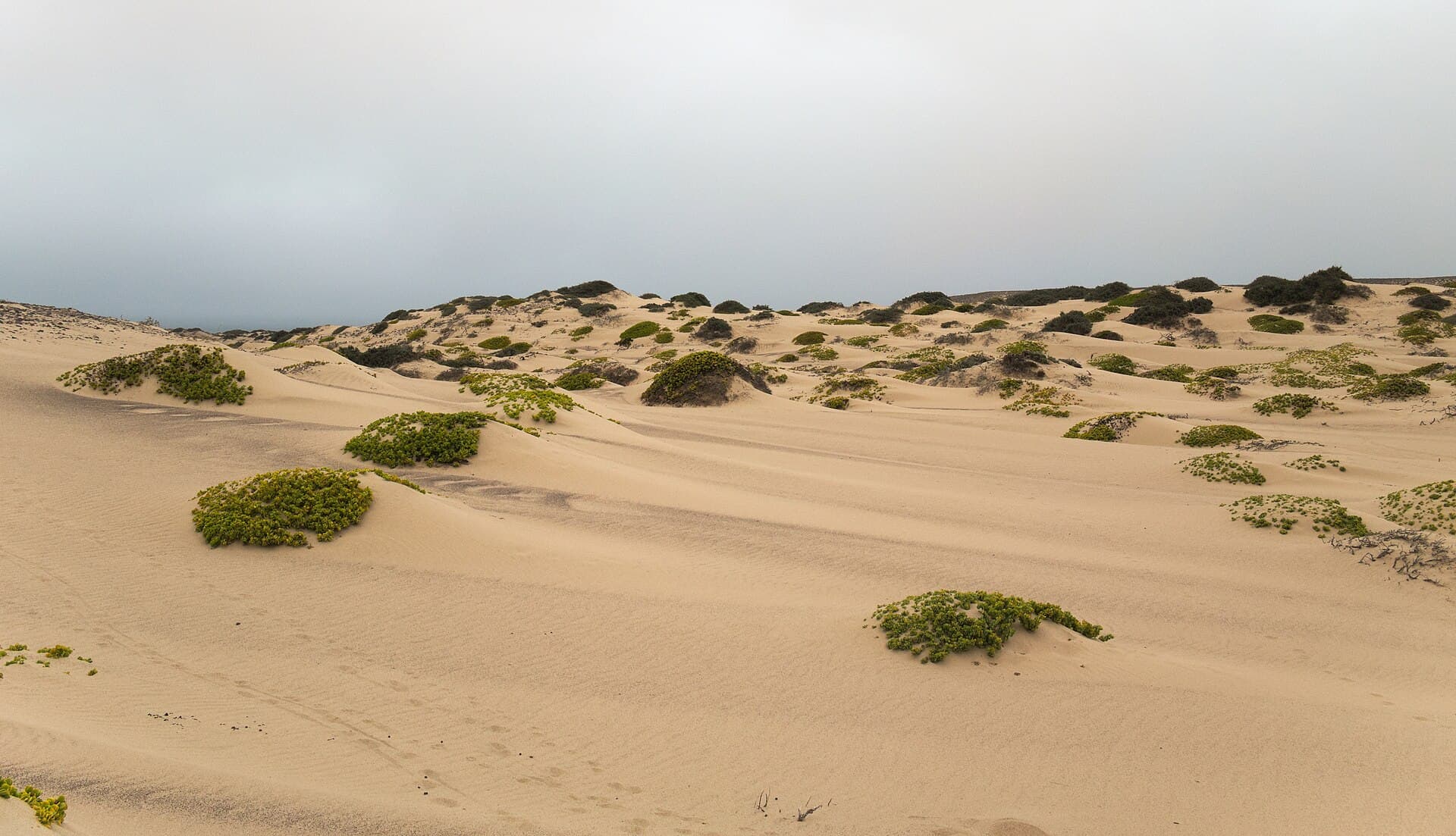
Wind-sculpted dunes meeting the Skeleton Coast
10 daysFly-in

Namibia by Air

Windhoek · Sossusvlei · Skeleton Coast · Etosha National Park

Travelers who would rather fly than drive, and who value remote wilderness and photography over a long species list

Best months
April–November
Comfort levels
Premium · Luxury · Ultra-Luxury
Individually quoted
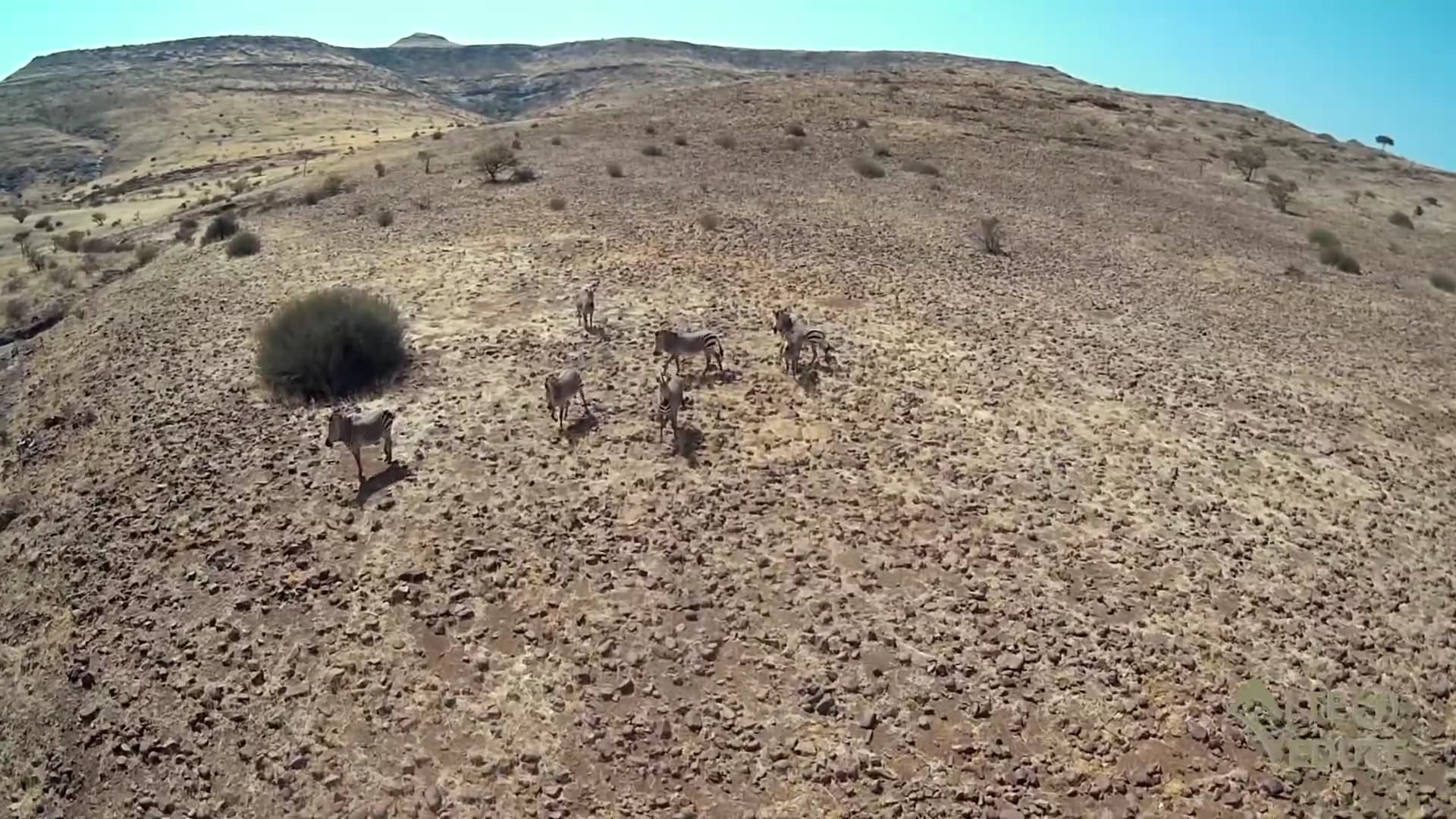
Granite domes of Spitzkoppe rising from the Damaraland plains
8 daysRemote

Desert Rhino & the Kunene

Windhoek · Damaraland · Kaokoland

Seasoned safari travelers who value wilderness, conservation and silence over a long species list

Best months
April–September, before the heat builds
Comfort levels
Premium · Luxury · Ultra-Luxury
Individually quoted

Experiences

Related experiences

Granite domes of Spitzkoppe rising from the Damaraland plains

On foot

Desert Rhino Tracking on Foot

Follow community trackers across Damaraland’s rocky hills in search of free-roaming black rhino, then walk the final stretch in silence.

Red curve of Dune 45 at sunrise in Sossusvlei, Namibia

In the air

Hot-Air Balloon Flight over the Namib

Lift off near Sesriem at first light and drift above the dune fringe and gravel plains of the Namib, then land for breakfast in the desert.

Good to know

Frequently asked questions

How much does a 10-day private Namibia safari cost?

It depends mostly on whether you drive or fly, the comfort level and the season. As indicative market guidance, one comparison marketplace’s cost guide (checked 23 September 2026) put a private luxury-level safari at about US$800 per person per day and its top “luxury plus” level at US$1,250 and upward. Those are not our rates or quotations, and road-based trips at a comfort level cost less. We turn your dates and preferences into an itemized quote rather than a single headline figure.

Are park fees included in a Namibia safari quote?

They should be, itemized per person per day. Namibia’s environment ministry sets the fees, with a higher band for premium parks such as Etosha and Namib-Naukluft and a lower band for standard parks. A revised schedule was reported from 1 April 2026 but not officially verified at the time of writing, so we quote at the rates current when you book.

Are tips included in the price of a Namibia safari?

Usually not. Gratuities for your guide and the lodge teams are customary and at your discretion, and most travelers settle them in cash, at the end of each lodge stay and at the end of the trip for their guide. We explain common practice when we send your proposal, so you can plan for them from the start.

Will I need Namibian dollars on the trip?

Only a little. Your safari is quoted and paid before you travel, so day-to-day spending is small: tips, drinks at some lodges and purchases in towns. The Namibian dollar is pegged one-to-one to the South African rand, which is also accepted, and cards are widely used in towns and lodges.

Does traveling outside peak season lower the cost?

Often, for the accommodation part. Namibia Wildlife Resorts prices November to June as low season, and many private lodges charge less outside July to October. Flights and government fees make up the rest of the total, so the saving is largest on lodge-heavy trips.

Why does a couple pay more per person than a group of four?

Because the biggest daily costs are shared. A private guide, a 4×4 and its fuel, or a charter aircraft, cost the same whether two or four people use them. Couples still enjoy complete privacy; they simply divide those costs by two instead of four.

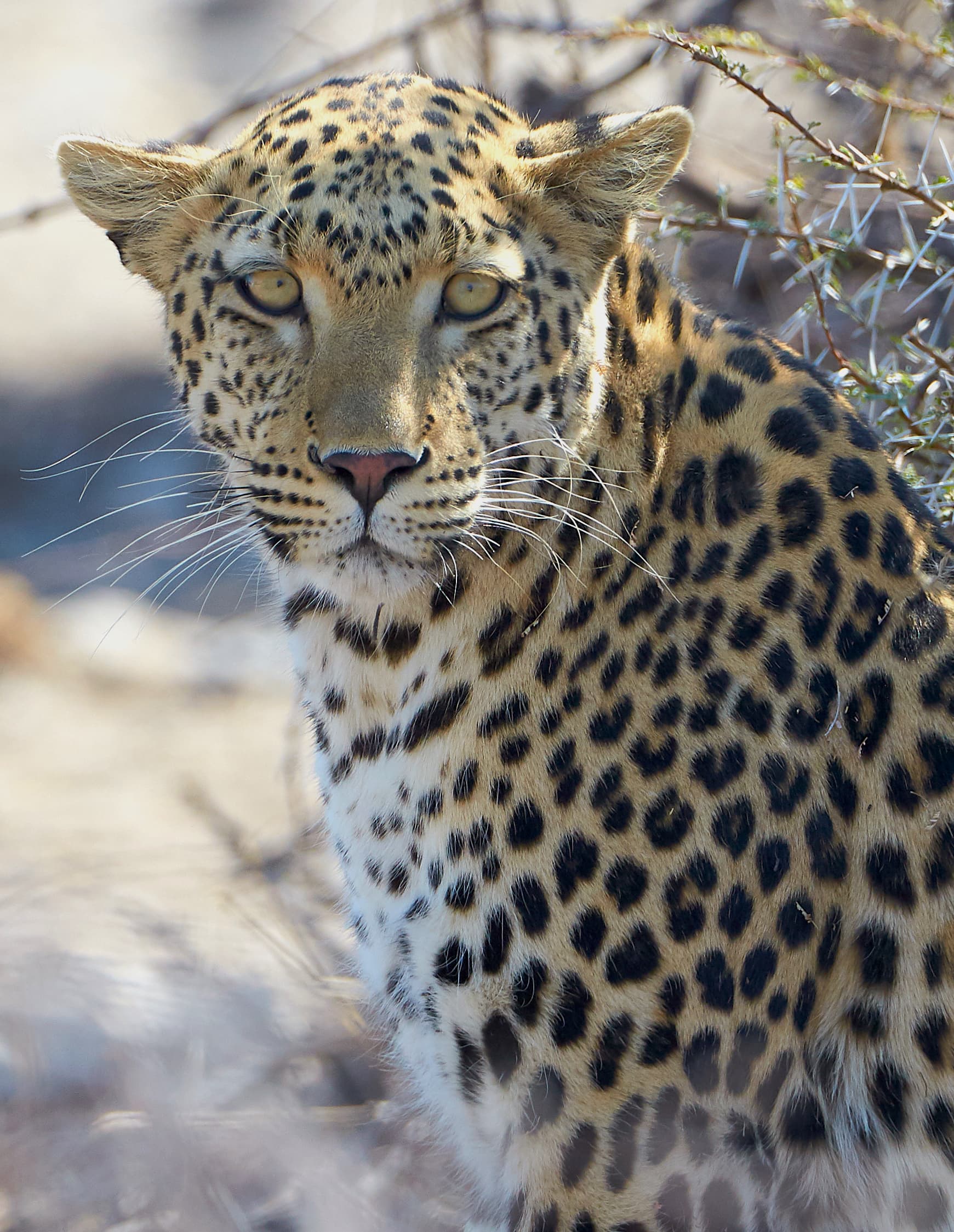
Close leopard portrait in golden light

Tell Us How You Picture Namibia

Share your dates, who is traveling and whether you imagine dunes at dawn, rhino tracks in Damaraland or a waterhole at night. We’ll shape a private route around those ideas and talk you through every choice before anything is confirmed.

Plan My Namibia Safari