Close leopard portrait in golden light

Namibia wildlife

Namibia Wildlife: What You Can See, and Where

Namibia’s animals are shaped by dryness: elephants that walk for water through the night, rhino on open desert, and seals and flamingos where the dunes meet a cold ocean.

Namibia’s wildlife is a story of adaptation. Much of the country receives very little rain, yet elephant, black rhino, lion and giraffe live in its north-western deserts, oryx cross dunes that look lifeless, and a whole community of reptiles and insects survives on fog drifting in from the Atlantic. Add Etosha National Park, one of Africa’s great waterhole reserves, and a cold coast busy with seals and seabirds, and you have wildlife viewing unlike anywhere else on the continent.

It is not the place for the densest herds; for that, East Africa or Botswana’s Delta are the benchmarks. What Namibia offers is a sense of how animals live at the edge of what is possible, and the chance to see them against some of the most striking landscapes on earth. This guide works species by species, with links to the regions and experiences where each is most often found. As everywhere in the wild, nothing is certain, and part of the pleasure is the search.

The Big Five

Does Namibia Have the Big Five?

Yes, but not in one park. Etosha holds four of them: lion, leopard, elephant and rhino, both black and white. Buffalo have been absent from Etosha since the 1950s. For the fifth, head to the Zambezi Region in the north-east, where buffalo share the river floodplains with hippo, crocodile and elephant.

In Etosha’s dry season, elephant and lion are often seen at the waterholes by day, black rhino are most often found at the floodlit waterholes after dark, and leopard, as everywhere, need patience and luck. A route that pairs Etosha with the Zambezi Region, as the 12-day Namibia and Botswana journey does, gives you a chance at all five in one country.

Where to look

Namibia’s Wildlife Regions on the Map

Wildlife concentrates in a handful of places: Etosha in the north; the desert-adapted populations of Damaraland, Kaokoland and the northern Skeleton Coast in the north-west; the rivers of the Zambezi Region in the north-east; and the marine life of the coast around Walvis Bay. Select a region to open its guide.

Map: NamibiaNamibiaBotswanaSossusvleiEtosha National ParkDamaralandSkeleton CoastSwakopmundKaokolandZambezi Region

Approximate locations — not for navigation.

Species by region

Where to See Namibia’s Key Species

SpeciesWhereWhenNotes
Desert-adapted elephantDamaraland’s ephemeral rivers, the Hoanib valley and KaokolandYear-round; most comfortable to search for in the dry monthsGroups follow the dry riverbeds and range far between water sources
Black rhinoDamaraland’s conservancies, Etosha and private reservesYear-roundTracked on foot in Damaraland; seen at Etosha’s floodlit waterholes after dark
White rhinoEtosha and private reserves in central NamibiaYear-roundGrazes in the open, so often easier to spot than black rhino
LionEtosha; desert lions in the Hoanib and on the northern Skeleton CoastYear-round; easiest in the dry seasonDesert lions range widely and are elusive without specialist guiding
CheetahEtosha, private reserves and farmland in central NamibiaYear-roundNamibia is one of the species’ strongholds
LeopardEtosha, Okonjima and rocky country across the northYear-roundNight drives on private reserves improve the odds
Buffalo & hippoZambezi RegionDry season, July–OctoberAbsent from Etosha
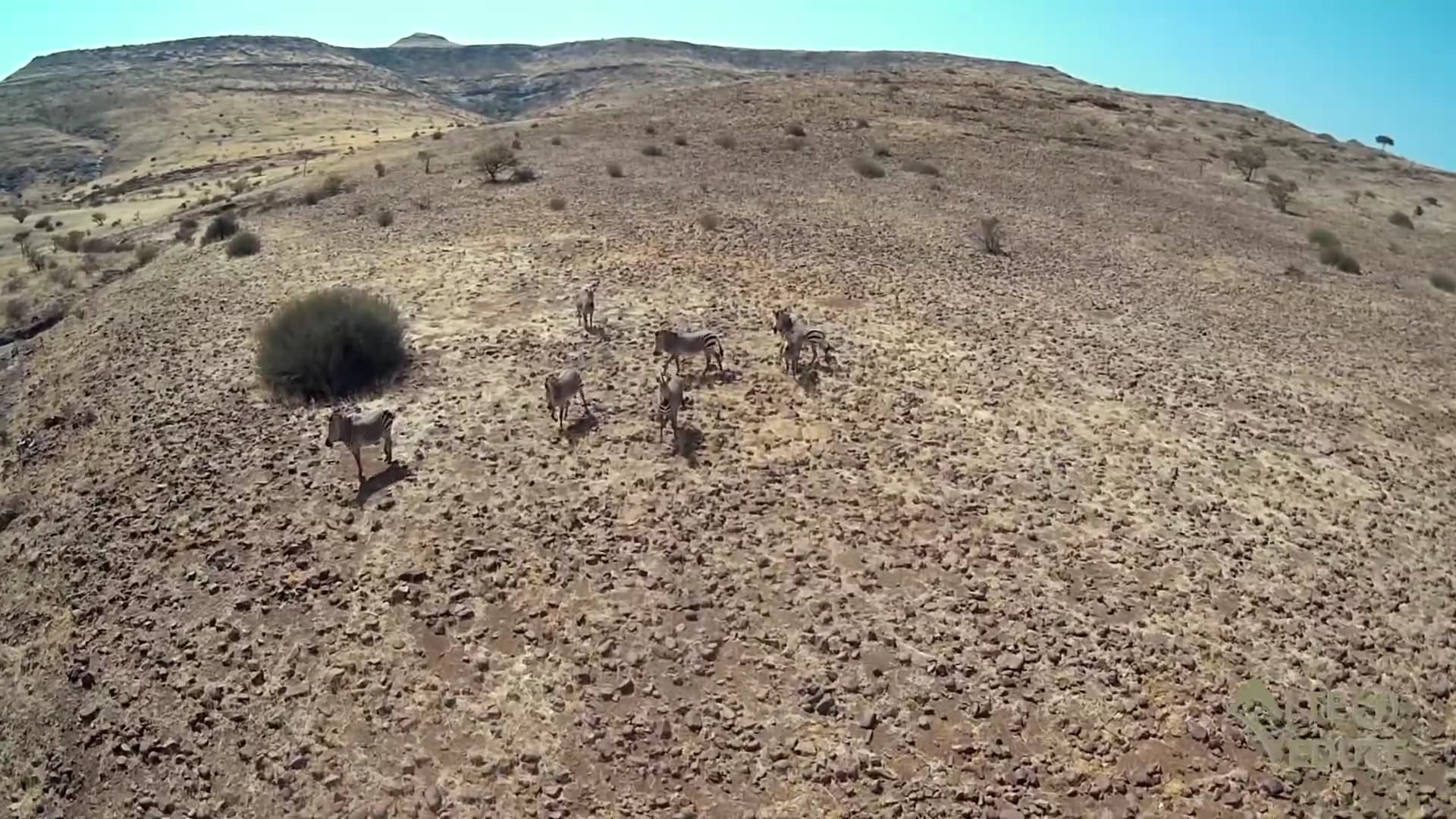
Hartmann’s mountain zebraThe Naukluft, Damaraland and the escarpmentYear-roundFound almost only in Namibia, with a small range in southern Angola
Black-faced impalaEtosha and the north-westYear-roundA near-endemic subspecies
Cape fur sealCape Cross and Pelican Point near Walvis BayYear-roundWatch from a distance; see the rabies note below
Flamingos & pelicansWalvis Bay lagoon and Sandwich HarbourYear-round; numbers varyGreater and lesser flamingos also occur along the Skeleton Coast

Sightings are never certain. Numbers and movements vary with rainfall, and your guide adapts each day to recent reports.

Desert-adapted

Elephant, Rhino and Lion of the Desert

“Desert-adapted” doesn’t mean a separate species. The elephants, black rhino and lions of Damaraland, Kaokoland and the northern Skeleton Coast belong to the same species found elsewhere in Africa; what differs is how they live. Elephant groups follow the ephemeral rivers, including the Huab, Ugab, Hoanib and Hoarusib, and can walk as far as 70 km between water points in a single night.

The black rhino of the north-west are the focus of Save the Rhino Trust, founded in 1982, whose trackers come from local communities and which describes the population it protects as the last free-roaming black rhino in the world. Tracking them on foot is arranged through camps in the conservancies; see desert rhino tracking. Please don’t geotag rhino photographs, because location data can help poachers.

Desert lions hunt across enormous ranges in the Hoanib valley and along the coast. They are wide-ranging and elusive, so a sighting is a rare privilege rather than an expectation, and the fly-in camps of the Skeleton Coast give you the best odds. Brown hyena and giraffe share the same river valleys.

Etosha

Etosha: Africa’s Great Waterhole Park

Etosha is where most visitors see most of their big game. The park covers about 22,900 km², centered on a salt pan of roughly 4,760 km², and in the dry season its animals depend on the springs and waterholes scattered around the pan’s edge. The Ministry of Environment, Forestry and Tourism lists elephant, black and white rhino, lion, leopard, giraffe, eland, zebra, springbok, blue wildebeest, oryx and the tiny Damara dik-dik, along with 407 bird species.

In September 2025 a wildfire burned roughly a third of the park, and the government deployed troops to help contain it. Fire is part of savanna ecology and burned grassland typically regrows once the rains arrive, but the effects on particular areas and roads can last. We check current conditions with partners on the ground before confirming any Etosha routing, and the Etosha National Park guide covers where to stay and how to plan your days.

Cats

Cheetah, Leopard and Where to Find Them

Namibia is one of the cheetah’s strongholds, and a large part of its population lives on farmland outside protected areas, where conflict with livestock owners is a constant conservation challenge. The Cheetah Conservation Fund runs its research and education centre near Otjiwarongo, and the AfriCat Foundation works from Okonjima, between Windhoek and Etosha, where guided tracking focuses on leopard, brown hyena, pangolin and rhino.

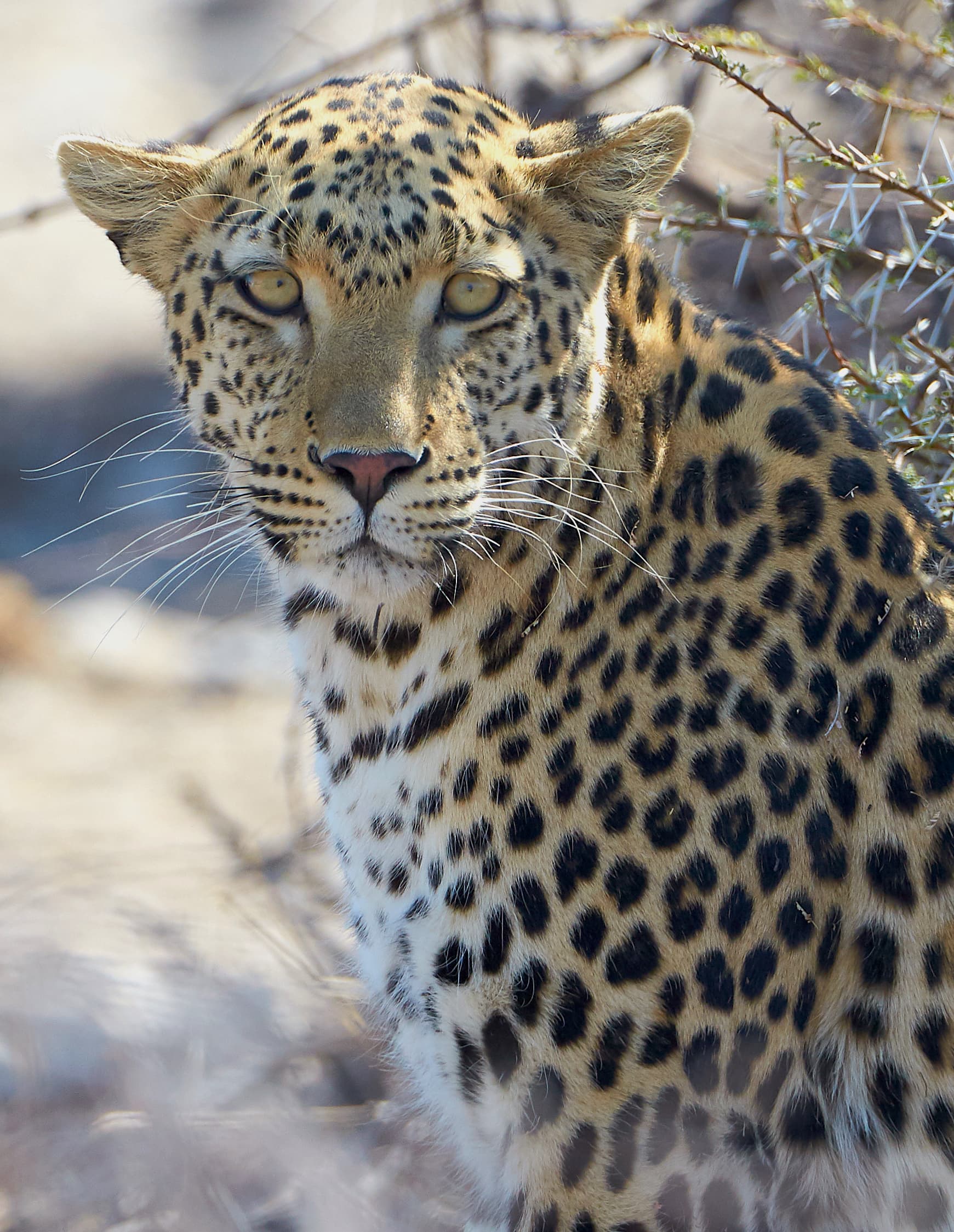
Wild cheetah sightings are most likely in Etosha and on private reserves in central Namibia, where they hunt springbok and other small antelope on open ground. Leopard are widespread but secretive, and night drives, run by the park’s own resorts and by private reserves, improve your chances.

The coast

Marine Wildlife of the Atlantic Coast

The cold, nutrient-rich Benguela current makes Namibia’s coast remarkably productive, and boat trips from Walvis Bay sometimes market its highlights as a “Marine Big Five”. The line-up varies by operator, but seals, dolphins and seabirds are the constants.

Cape fur seals

Large colonies gather at Cape Cross, north of Swakopmund, and at Pelican Point near Walvis Bay. Since 2024, rabies has been confirmed in more than a hundred Cape fur seals in South Africa and Namibia, and the US CDC advises against approaching or touching seals, even when others say it is safe. Admire them from a distance, even if one climbs onto your boat.

Dolphins and whales

Heaviside’s dolphin, a small species found only in the cold waters off south-western Africa, is often seen from boats in Walvis Bay, alongside bottlenose dolphins. Whales pass the coast seasonally, but sightings vary from year to year and cannot be predicted.

Explore

Flamingos and pelicans

Greater and lesser flamingos feed in the shallows of the Walvis Bay lagoon and at Sandwich Harbour, a Ramsar wetland of international importance since 1995. Pelicans patrol the same waters, and migrant shorebirds arrive in the southern summer.

Turtles and crocodiles

The Skeleton Coast Park lists green turtles and Heaviside’s dolphins among its marine species, and crocodiles live in the Kunene River where it meets the ocean at the park’s northern boundary.

Small wonders

The Little Five of the Dunes

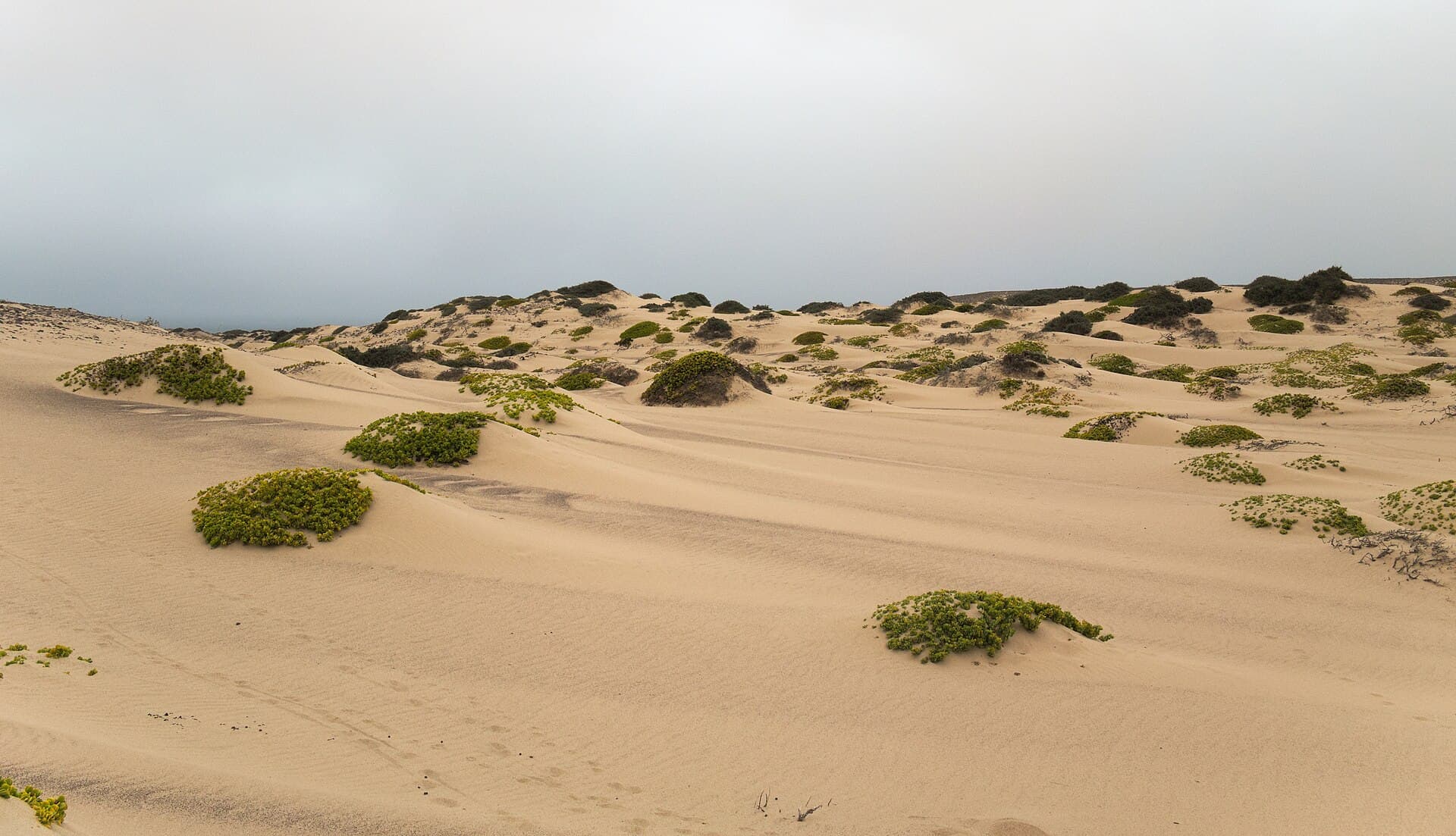
In the dune belt between Swakopmund and Walvis Bay, inside Dorob National Park, guides introduce visitors to a set of creatures known as the Little Five: the Namaqua chameleon, Peringuey’s adder (a sidewinding viper), the web-footed Palmato gecko, the shovel-snouted lizard and the dancing white lady spider. Add the fog-basking beetle, which drinks the droplets that condense on its back, and you have a lesson in how life works with almost no rain.

It is an ideal morning for families and for anyone convinced that deserts are empty. See the Living Desert tour for how it works and why guides keep to existing vehicle tracks.

Birds

Birding in Namibia

Namibia’s bird list reflects its range of habitats. The Ministry of Environment, Forestry and Tourism records:

  • About 407 species in Etosha National Park, where summer rains bring migrants and the Fischer’s Pan area near Namutoni rewards birders
  • About 348 species in the Namib-Naukluft Park, including the dune lark, a bird of the Namib’s sand sea found almost nowhere else
  • About 306 species in the Skeleton Coast Park, including greater and lesser flamingos
  • Wetland and river specialists in the Zambezi Region, where Nkasa Rupara is the largest wetland with conservation status in Namibia
  • The richest birding from about November to March, when migrants arrive and many resident species breed

Safaris

Recommended safaris

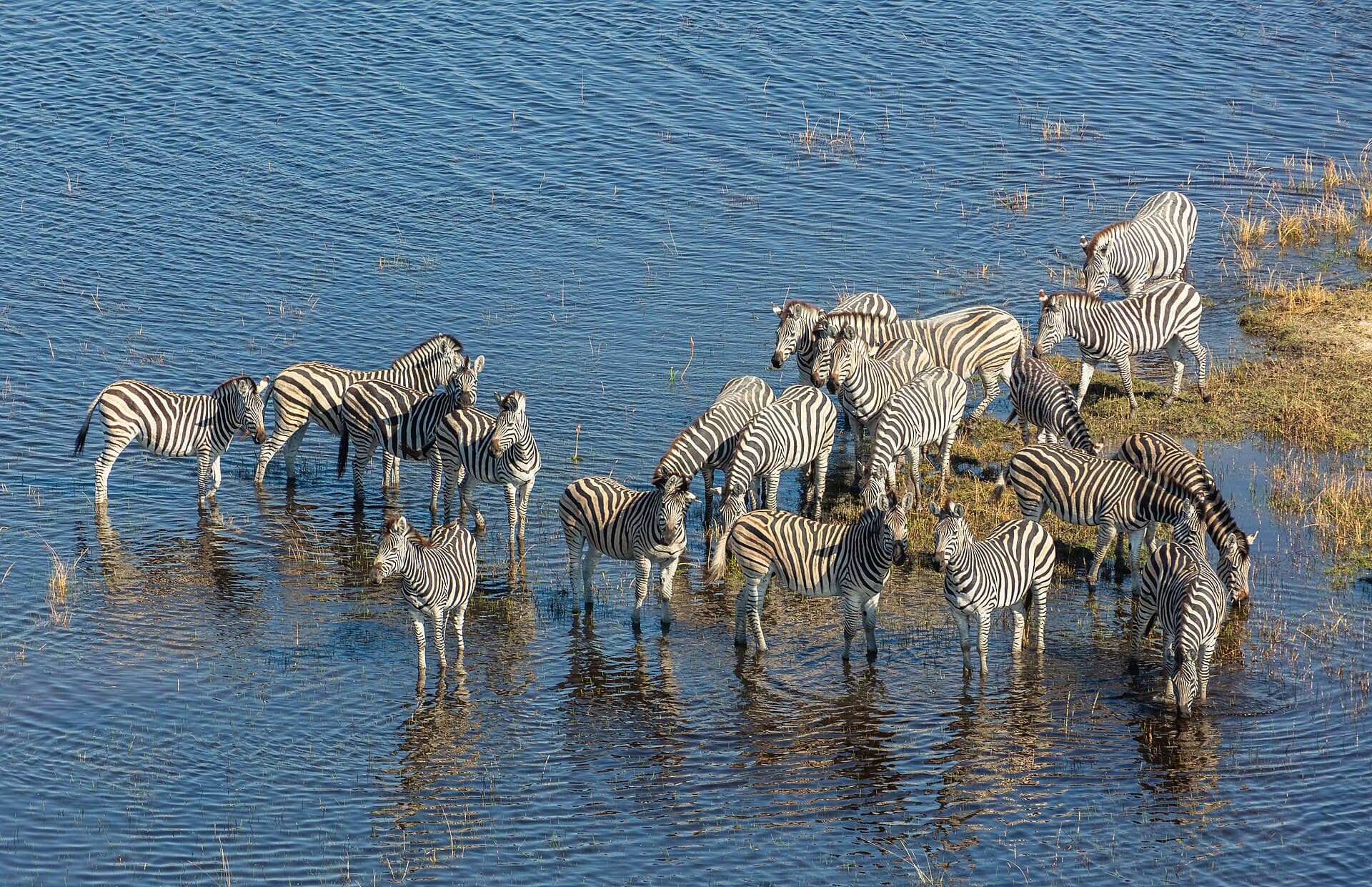
Zebra herd wading through shallow delta water
12 daysDesert & Delta

Desert, Zambezi & Delta

Windhoek · Sossusvlei · Etosha National Park · Zambezi Region · Kasane · Okavango Delta · Maun

Travelers who want Namibia’s landscapes and Botswana’s water safari in a single trip, without backtracking

Best months
May–October
Comfort levels
Premium · Luxury · Ultra-Luxury
Individually quoted
Granite domes of Spitzkoppe rising from the Damaraland plains
8 daysRemote

Desert Rhino & the Kunene

Windhoek · Damaraland · Kaokoland

Seasoned safari travelers who value wilderness, conservation and silence over a long species list

Best months
April–September, before the heat builds
Comfort levels
Premium · Luxury · Ultra-Luxury
Individually quoted
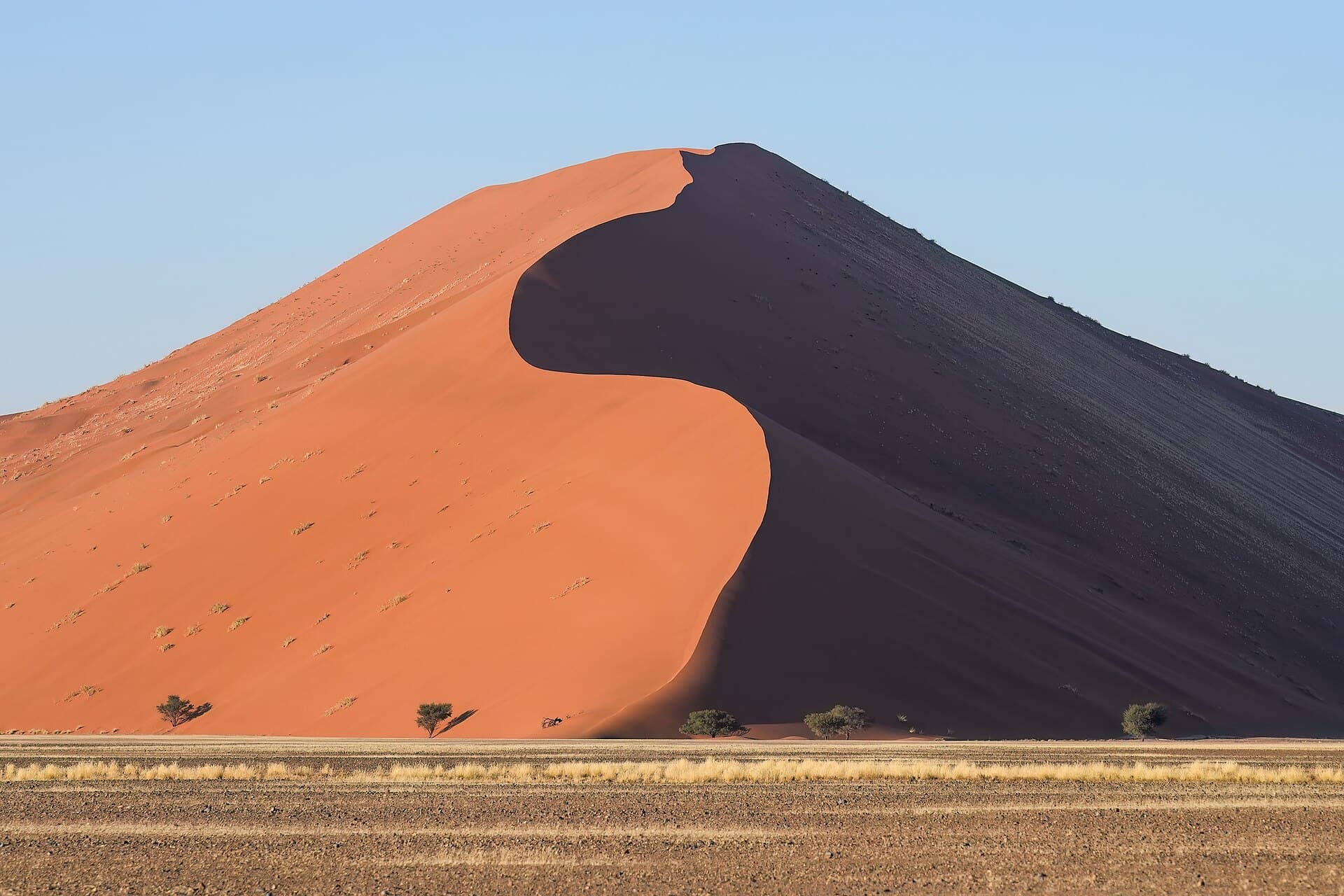
Red curve of Dune 45 at sunrise in Sossusvlei, Namibia
14 daysPrivate guide

Namibia Grand Loop

Windhoek · Sossusvlei · Swakopmund · Spitzkoppe · Damaraland · Etosha National Park · Eastern Etosha · Okonjima

First-time visitors to Namibia who want to see the whole country properly, with time to stop, walk and ask questions

Best months
April–November
Comfort levels
Comfort · Premium · Luxury
Individually quoted
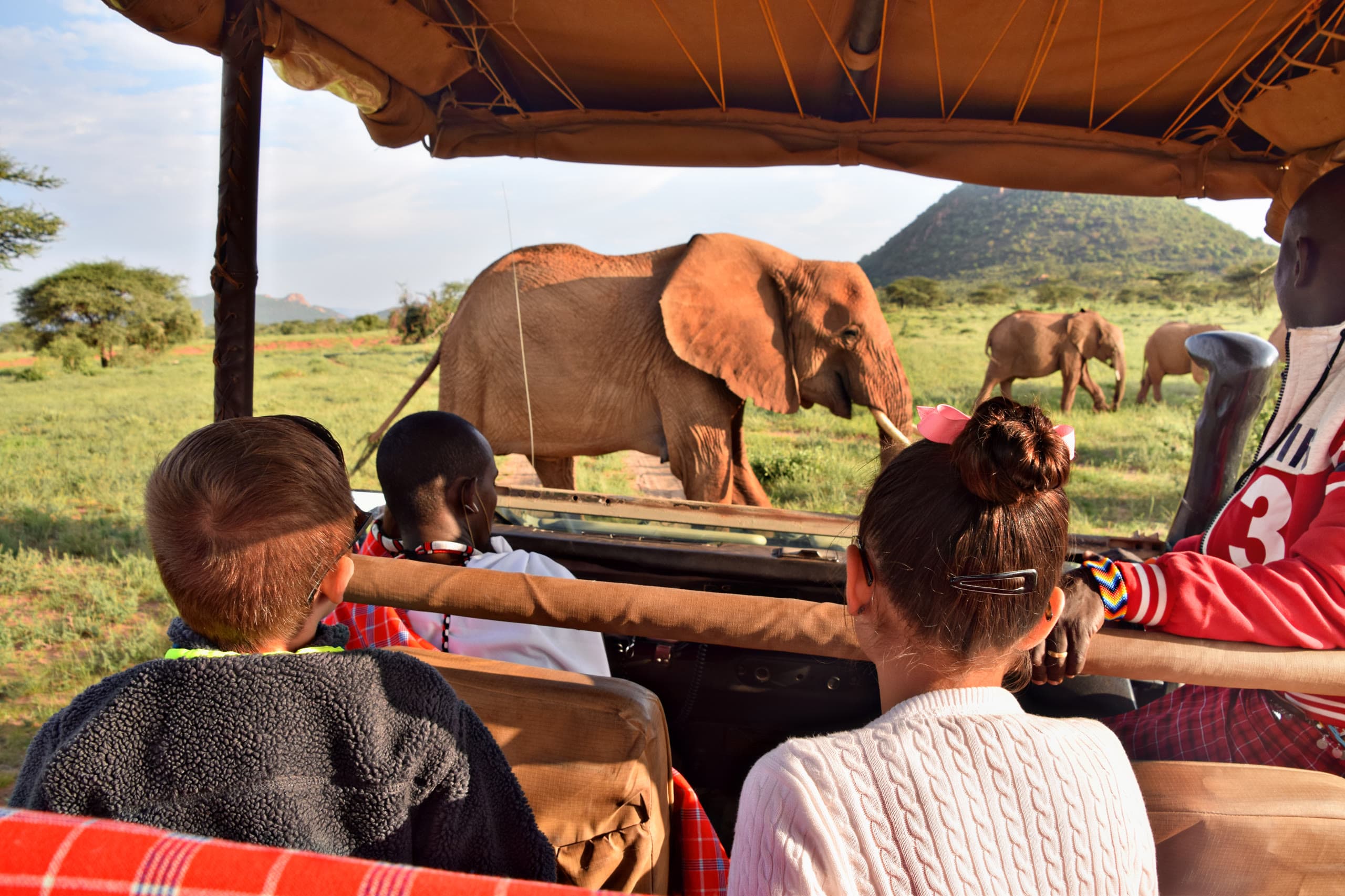
Safari guests watching a herd of elephants from an open vehicle on a family game drive
9 daysFamily

Namibia Family Adventure

Okonjima · Etosha National Park · Swakopmund · Walvis Bay

Families with school-age children who want real wildlife, short drives and plenty of variety

Best months
May–October, the dry winter months
Comfort levels
Comfort · Premium · Luxury
Individually quoted

Experiences

Related experiences

Granite domes of Spitzkoppe rising from the Damaraland plains

On foot

Desert Rhino Tracking on Foot

Follow community trackers across Damaraland’s rocky hills in search of free-roaming black rhino, then walk the final stretch in silence.

Ocean & reef

Sandwich Harbour & Walvis Bay Marine Cruise

Cruise Walvis Bay for dolphins, pelicans and seals in the morning, then drive the shoreline at low tide to where towering dunes drop into the Atlantic.

Adventure

Living Desert Tour

A half-day 4x4 outing in the dunes outside Swakopmund, where a sharp-eyed guide finds chameleons, geckos, sidewinding adders and fog-drinking beetles.

Good to know

Frequently asked questions

Are desert elephants a different species?

No. They are African savanna elephants that have adapted their behavior to the desert, not a separate species. They move long distances along dry riverbeds between water sources, sometimes around 70 km in a single night, and use far larger ranges than elephants in wetter country.

Can you see cheetahs in the wild in Namibia?

Yes, Namibia is one of the better countries for it, though no sighting is ever certain. Etosha and the private reserves of central Namibia offer the best chances, usually in the dry months when vegetation is thin. Avoid facilities that offer hands-on contact with captive cheetahs.

Where can you see seals in Namibia?

The best-known colony is at Cape Cross, north of Swakopmund on the Skeleton Coast road, and boat trips from Walvis Bay pass the colony at Pelican Point. Keep your distance, because health authorities have reported rabies in Cape fur seals since 2024 and advise against touching or approaching them.

What animals live in the Namib Desert?

More than its bare dunes suggest. Oryx, springbok and ostrich cross the sand and gravel plains, brown hyena and bat-eared fox forage at night, and Hartmann’s mountain zebra live in the Naukluft mountains. The dunes themselves hold the Little Five, the fog-basking beetle and the dune lark, a bird found almost nowhere else.

Are there hippos and crocodiles in Namibia?

Yes, in the north-east and the far north. The rivers and wetlands of the Zambezi Region hold hippo and crocodile, and crocodiles also live in the Kunene River on the Angolan border. Etosha has neither, because it has no permanent rivers.

Close leopard portrait in golden light

Tell Us How You Picture Namibia

Share your dates, who is traveling and whether you imagine dunes at dawn, rhino tracks in Damaraland or a waterhole at night. We’ll shape a private route around those ideas and talk you through every choice before anything is confirmed.

Plan My Namibia Safari