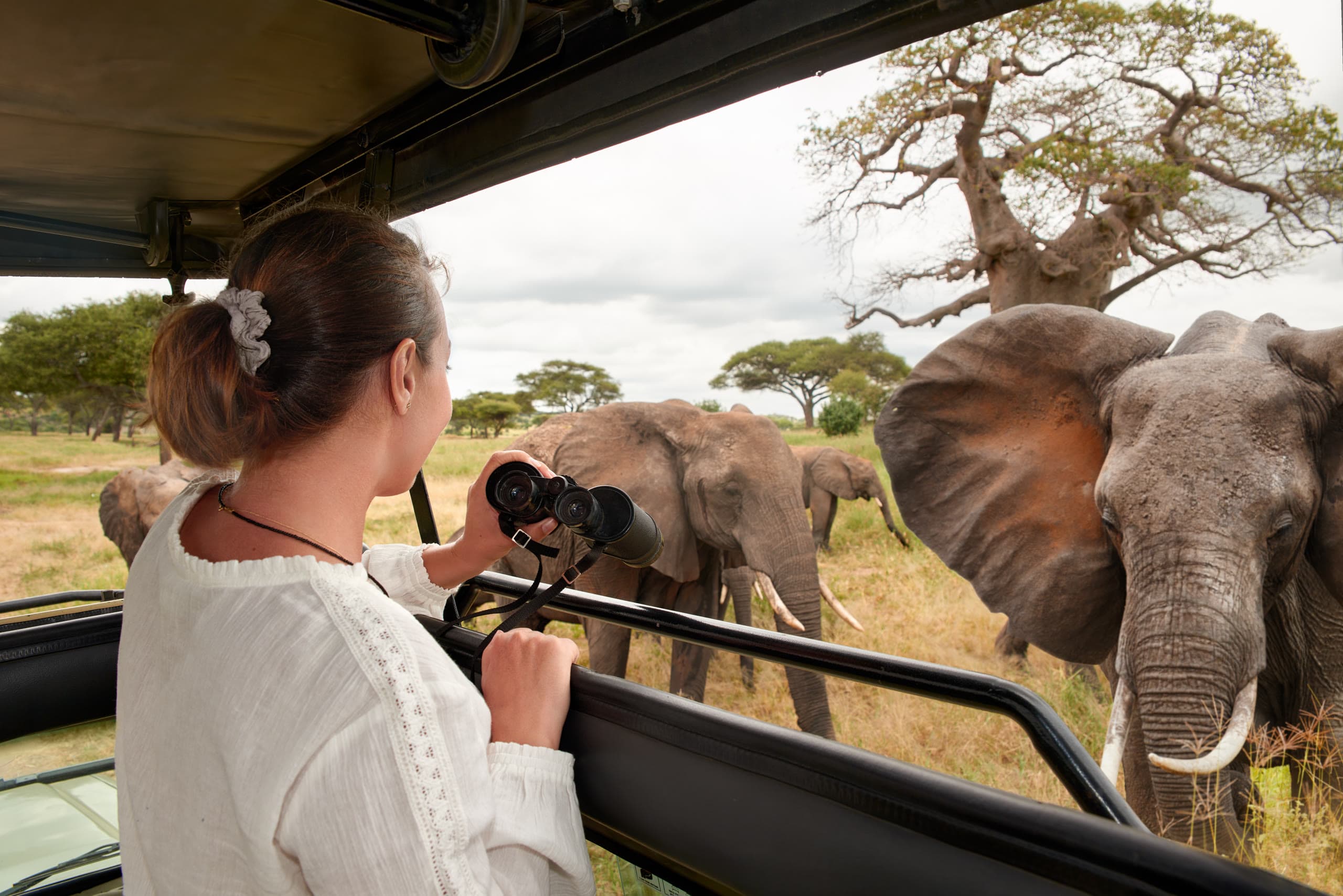
A traveler watching elephants through binoculars from a safari vehicle at golden hour

Tanzania Travel Guide

Tanzania Safari for Seniors & Travelers Who Prefer an Easier Pace

Age is rarely the obstacle. Long drives, high steps and a rushed schedule are — and each of them can be planned around.

Plenty of travelers take their first safari in their seventies or eighties. A Tanzania safari asks surprisingly little of you physically — most wildlife viewing happens from a comfortable seat in a vehicle — but the logistics around it can be tiring: long, bumpy transfers, high vehicle steps, early starts and frequent packing.

The answer is not a lesser safari but a better-designed one. Fly over the longest roads, stay longer in fewer places, choose rooms close to the heart of camp and build in rest. The wildlife does not change; your energy for enjoying it does.

This guide covers what to ask for, where the real pinch points are, and how to shape a northern circuit route at a gentler pace. It applies equally to anyone with limited mobility, a troublesome back or knees, or simply a preference for comfort over mileage.

Ways to Make Safari Easier

Fly the long legs

Northern Tanzania’s roads range from smooth tarmac to corrugated tracks that guides jokingly call the “African massage.” A light aircraft turns a full day on rough roads into an hour or so in the air. Drive the paved sections, fly the rough ones, and you keep the game viewing without the fatigue. See fly-in safaris.

Ask for the right vehicle

Safari vehicles sit high off the ground. Ask for one with an extra step and sturdy grab handles, and consider the front seat beside your driver-guide: it is easier to reach, has more legroom and bounces less than the rear rows. A private safari lets you set the pace entirely.

Stay longer, move less

Three-night stays mean unpacking once, and they let you take a morning off without missing much. Fewer moves also means fewer transfers, check-ins and early departures — the hidden fatigue of a safari.

Shape the day around rest

Dawn-to-dusk drives are optional. A 7 a.m. start, a return to camp for lunch and a rest, then a late-afternoon drive catches the softest light and the most active wildlife while skipping the hottest hours.

Plan for comfort stops

Out on the plains, facilities are limited to picnic sites, park gates and the odd ranger post. Shorter drives, a mid-morning return to camp and a quiet word with your driver-guide about regular stops remove most of the worry.

Questions to raise when planning

Share the answers with us early — they shape the routing, the stays and even which aircraft you fly.

  • How comfortable are you climbing a high step, such as into a large pickup truck? If it is a struggle, we plan more fly-in legs and request vehicles with an extra step.
  • Do you use a cane, walker or folding wheelchair? Light aircraft and camps need to know in advance to arrange loading, seating and access.
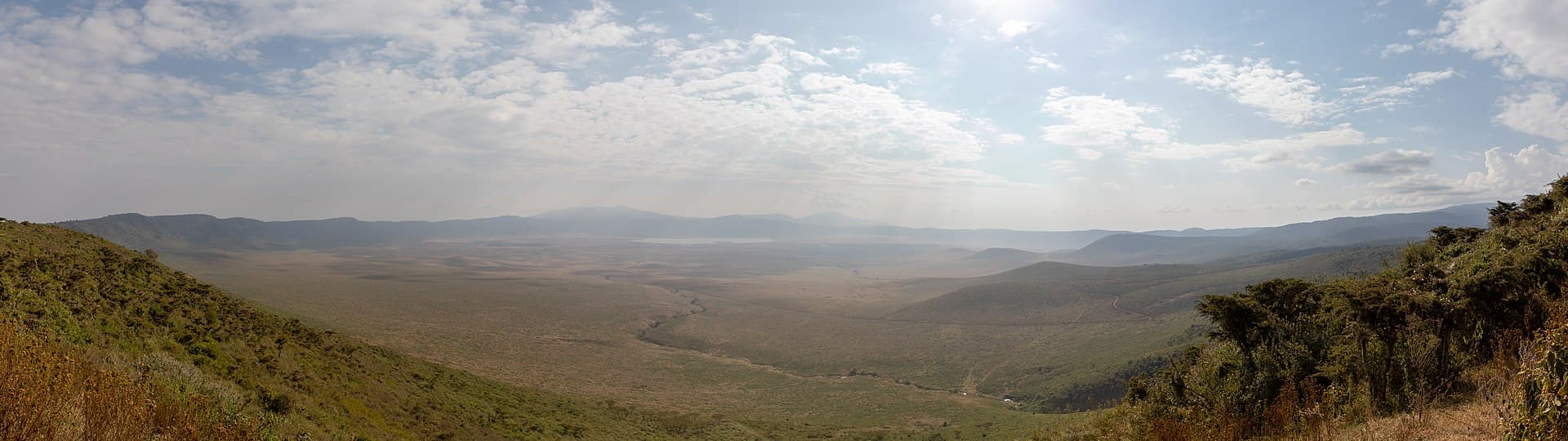
  • Do you have any heart, lung or blood-pressure conditions that altitude of around 2,300 m on the Ngorongoro crater rim might affect? Ask your physician.
  • Do you need a plumbed shower with no step-over, twin beds or a room with minimal steps?
  • Do you need refrigeration for medication, or reliable overnight power for a CPAP machine or similar device? Solar-powered camps need notice.
  • Are there dietary requirements? Camps cater well when they are told ahead.
  • Does your travel insurance cover your age, any pre-existing conditions and medical evacuation from remote areas?
  • Would you like a rest day — no game drive at all — built into a longer stay?

Choosing the right stays

Permanent lodges usually offer the easiest access: level paths, solid floors, conventional bathrooms and a short walk to meals. Many enjoy superb positions — the Ngorongoro crater rim, the Rift Valley escarpment above Lake Manyara — and suit anyone who values comfort over bush atmosphere.

Tented camps are not off-limits. Many are wonderfully comfortable, with proper beds, en-suite bathrooms and hot showers, but the details matter: tents are often raised on decks with a few steps, paths may be sandy, and the walk to the main area can take several minutes, always with a staff escort after dark. Seasonal mobile camps that follow the migration are the most rustic, often with safari showers filled by hand on request.

When we match you with stays, we ask for rooms close to the main area, check bathroom layouts and flag any camp where the terrain could be a problem. On Zanzibar, choose a beach hotel with level access; on the north coast around Nungwi, swimming is far less affected by tides than on the east coast around Paje, where the sea retreats a long way at low tide. In Stone Town, a shorter guided walk with a vehicle for the longer gaps covers the essentials without hours on uneven lanes.

Drive vs fly: the northern circuit

Approximate times. The most comfortable routes usually drive the short, paved legs and fly the long, rough ones.

LegBy roadBy air
Arusha → TarangireAbout 2–2.5 hours, almost all on paved roadRarely worthwhile — the drive is short and smooth
Tarangire → Ngorongoro crater rimAbout 2.5–3 hours; paved to Karatu, then a winding climb to the rimUsually driven; the nearest airstrip is Lake Manyara, with the rest by road
Crater rim → central SerengetiAbout 3–4 hours with game viewing, much of it on dusty, corrugated gravelLake Manyara airstrip to Seronera, roughly 45 minutes to an hour
Central Serengeti → KogatendeAbout 4–5 hours on rough tracksAbout 1 hour by light aircraft
Serengeti → ArushaA full day — roughly 7–8 hours or more via NgorongoroAbout 1–1.5 hours by light aircraft

Light aircraft have a few boarding steps, typically allow about 15 kg (33 lb) of soft luggage per person, and may stop briefly at other airstrips on the way.

Safaris

Recommended safaris

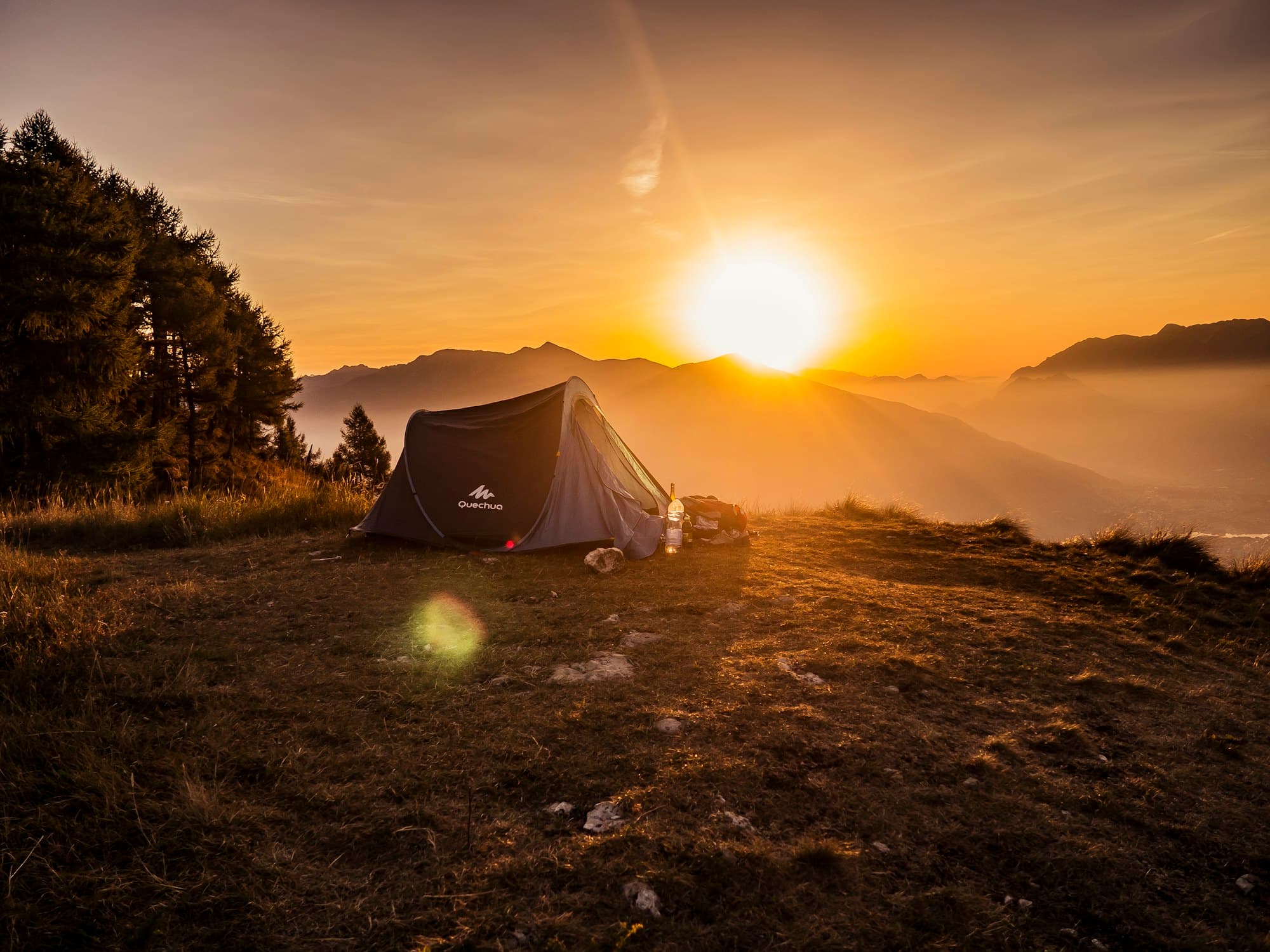
Luxury tented camp glowing at golden hour over rolling savanna hills
9 daysLuxury

Luxury Tanzania

Arusha · Western Serengeti · Central Serengeti · Ngorongoro Crater

Travelers who value space, privacy and expert guiding over a long list of parks

Best months
June – October and December – February
Comfort levels
Luxury · Ultra-Luxury
Individually quoted
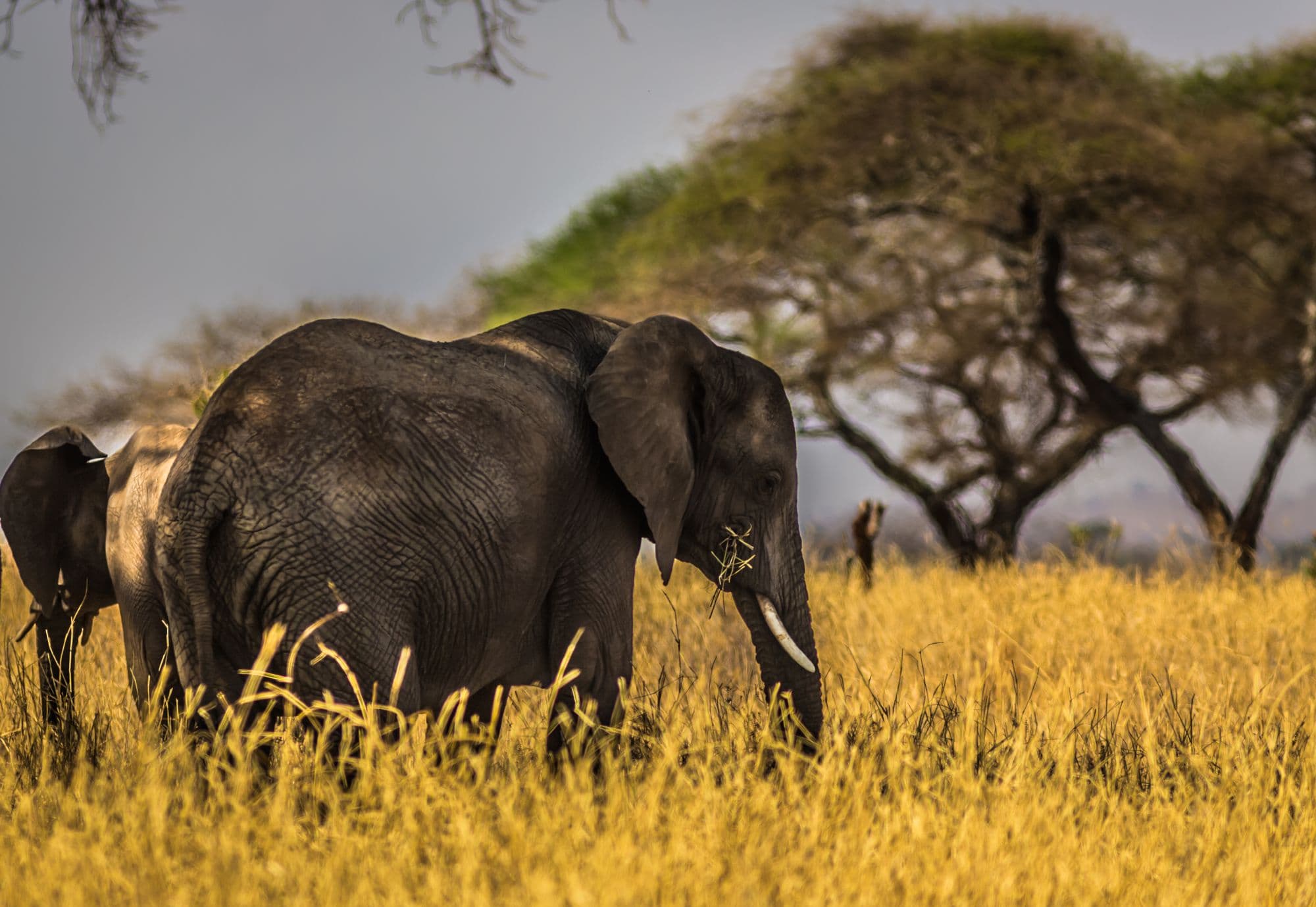
Elephants grazing beneath flat-topped acacia trees on golden grassland
8 daysMost popular

Serengeti & Ngorongoro Classic

Arusha · Lake Manyara · Central Serengeti · Olduvai Gorge · Ngorongoro Crater

First-time safari-goers and photographers who want real time in the Serengeti without flying

Best months
June – March, outside the long rains
Comfort levels
Comfort · Premium · Luxury · Ultra-Luxury
Individually quoted
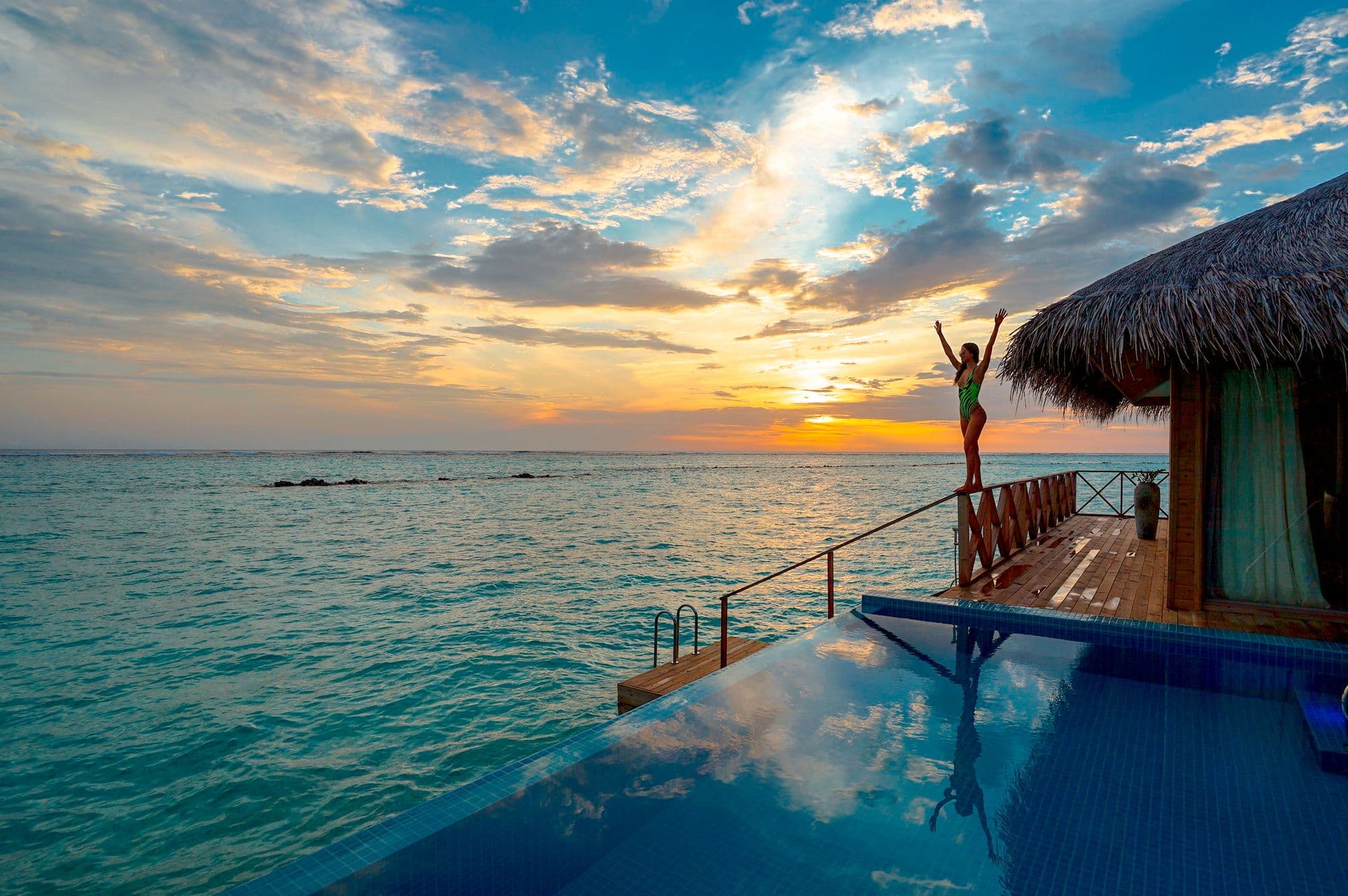
Traveler greeting the sunset from an infinity pool over the Indian Ocean
11 daysSafari + beach

Serengeti + Zanzibar

Arusha · Tarangire · Ngorongoro Crater · Central Serengeti · Zanzibar

Couples, honeymooners and first-timers who want a complete safari followed by real beach time

Best months
June – October and December – February
Comfort levels
Comfort · Premium · Luxury · Ultra-Luxury
Individually quoted
Experiences

Related experiences

Getting around

Fly-In Safari

Hop between parks by light aircraft, trading long drives for more time on the ground and a bird’s-eye view of the country in between.

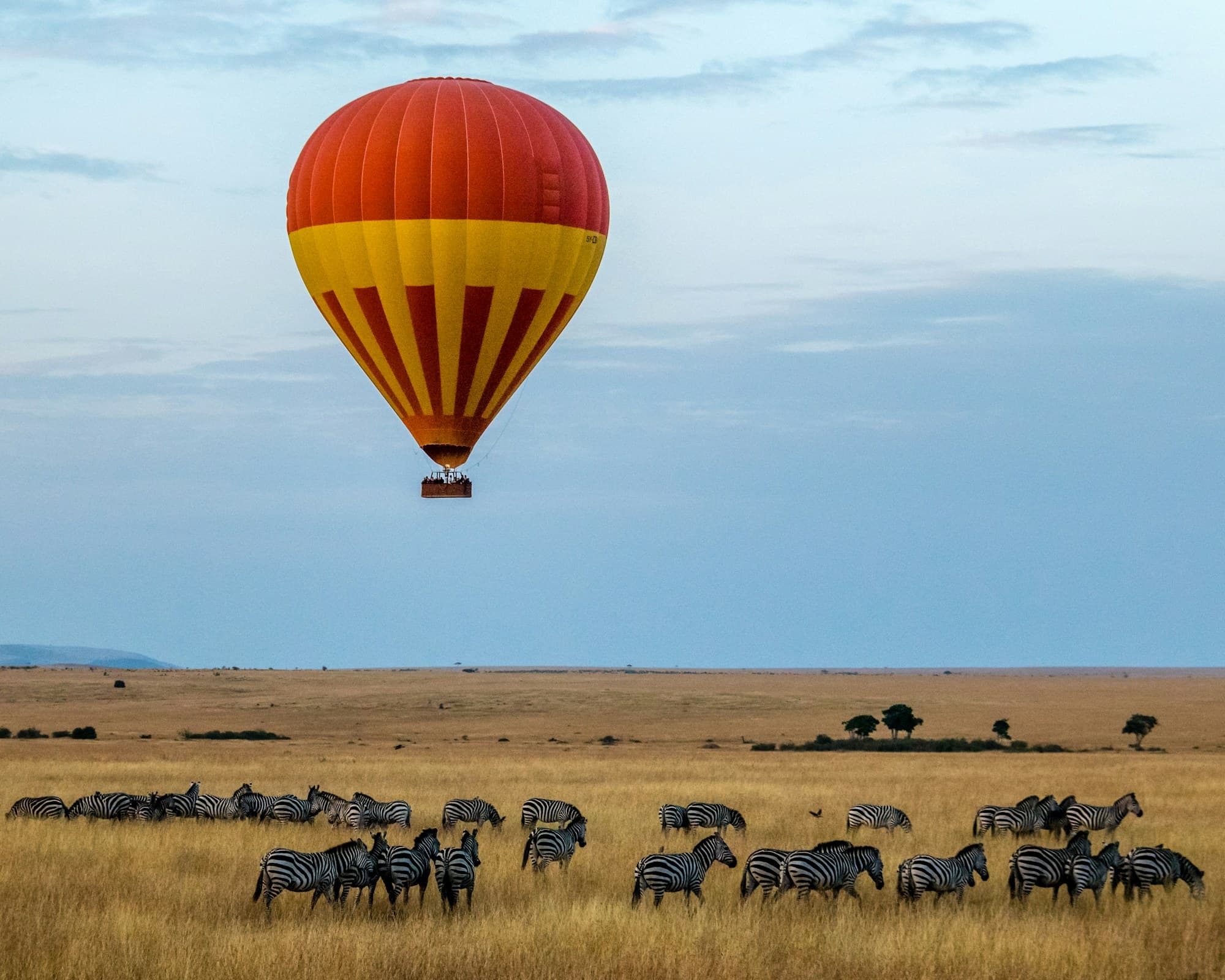
Aerial view over savanna herds from a hot-air balloon at first light

In the air

Serengeti Hot-Air Balloon Safari

Drift over the Serengeti at first light as the plains wake beneath you, then land for a champagne breakfast in the bush.

Palm-fringed white beach meeting turquoise water from above

Extensions

Zanzibar Beach Extension

Trade dust for white sand: end your safari with a few days of Zanzibar’s beaches, reefs and Stone Town lanes.

Good to know

Frequently asked questions

Is there an upper age limit for a Tanzania safari?

No. There is no general age limit for game drives, and age alone is rarely a barrier. Individual activities can have their own requirements — balloon flights and walking safaris in particular — and some travel insurers apply age limits or extra conditions, so check those early.

Is a Tanzania safari physically demanding?

The wildlife viewing itself is not: you sit in the vehicle and can watch through the windows rather than standing under the pop-up roof. The demanding parts are long drives on rough roads, climbing in and out of vehicles and aircraft, and early starts. A fly-in route, longer stays and a relaxed daily rhythm address all three.

Is the altitude at Ngorongoro a problem?

For most travelers, no. The crater rim sits at around 2,300 m (about 7,500 ft), which some people notice as mild breathlessness on stairs or a restless first night; the crater floor is lower, at roughly 1,700 m. If you have heart or lung conditions, ask your physician before you travel. Lodges in the Karatu highlands, a little lower, are an alternative to sleeping on the rim.

Can I take a hot-air balloon flight?

Often, yes, but check the requirements first. Climbing into the basket takes some agility, passengers usually stand for a flight of about an hour, and landings can be bumpy — occasionally the basket tips onto its side. Operators set their own health conditions (back problems, recent surgery and pregnancy are common exclusions), and we confirm them for you before booking a Serengeti balloon safari.

What happens if I need medical help on safari?

Driver-guides and camps typically carry first-aid kits and have radio or phone contact, and serious cases are usually evacuated by light aircraft from the nearest airstrip to hospitals in Arusha, Dar es Salaam or Nairobi. That is why evacuation cover matters so much. Tell us about any conditions in advance so we can choose stays and routes with them in mind.

Open safari vehicle with guests on the savanna beneath a dramatic sunset

Tell Us Your Dates

Share when you want to travel, who is coming and what you hope to see. A safari specialist will design a private Tanzania journey around you — no obligation, and nothing booked until you approve it.

Start Designing My Safari