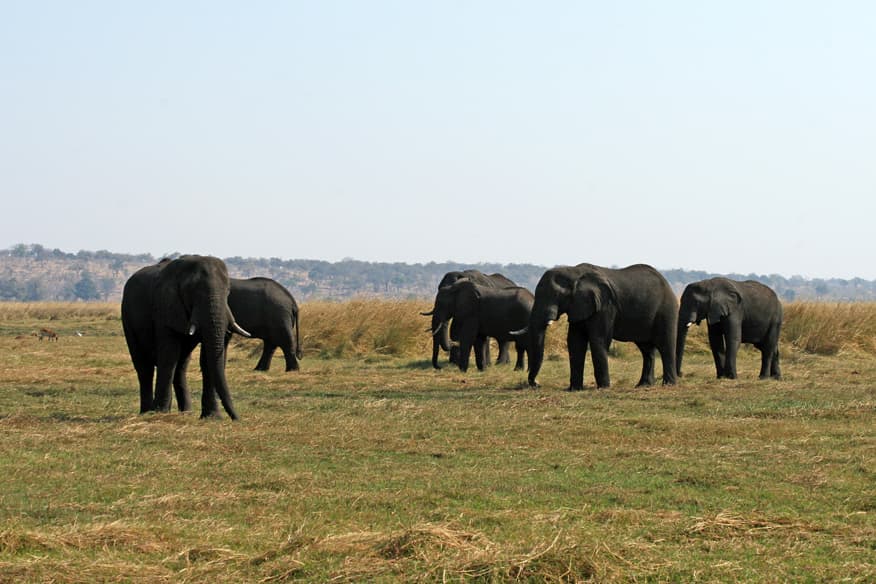
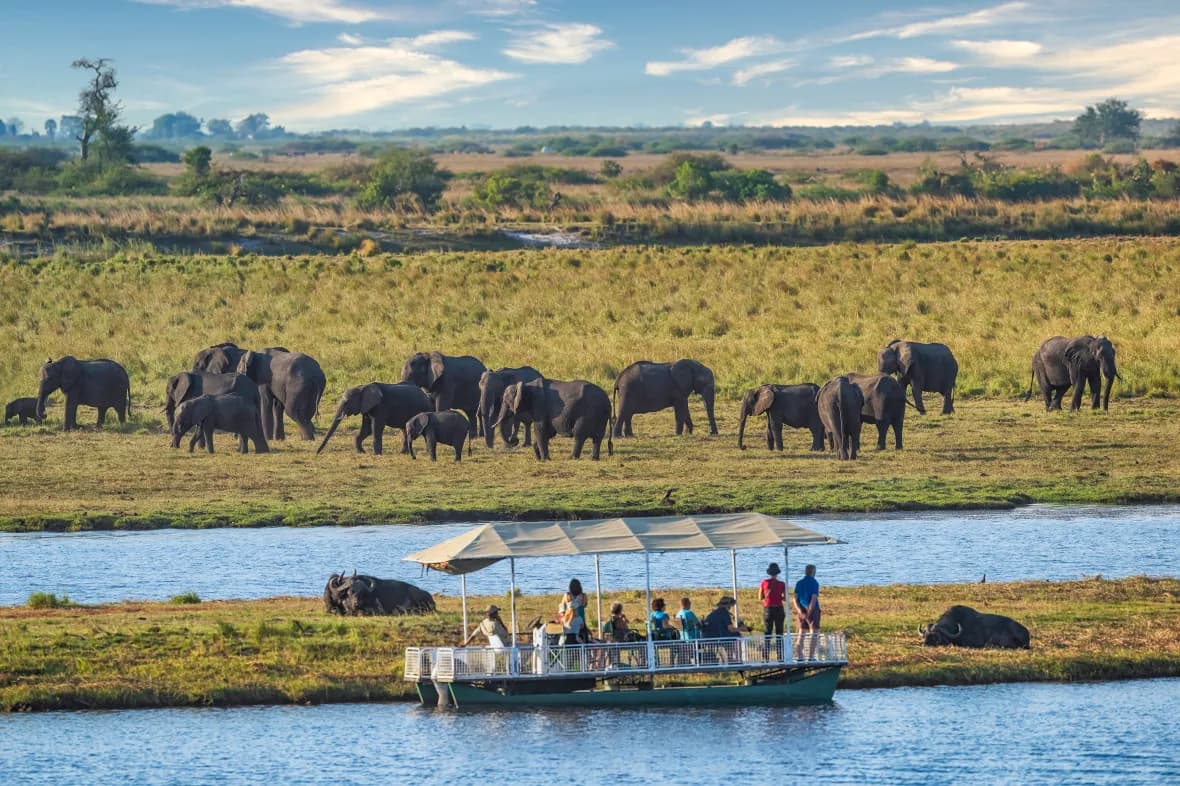
Elephant herd on the Chobe riverfront floodplain

Compare Regions

Okavango Delta vs Chobe: Which Should You Choose?

Botswana’s two best-known safari areas feel completely different. Chobe’s riverfront is spectacle with easy access; the Delta is immersion by water and by air. Here is how they compare, and how to combine them.

Okavango Delta vs Chobe is the first decision many Botswana travelers face, and the honest answer is that most people should see both. They are close, about an hour apart by light aircraft, but they deliver very different safaris. Chobe’s riverfront is about spectacle and ease: hundreds of elephants at the water’s edge in the dry season, boats on a broad river and lodges a short drive from an airport.

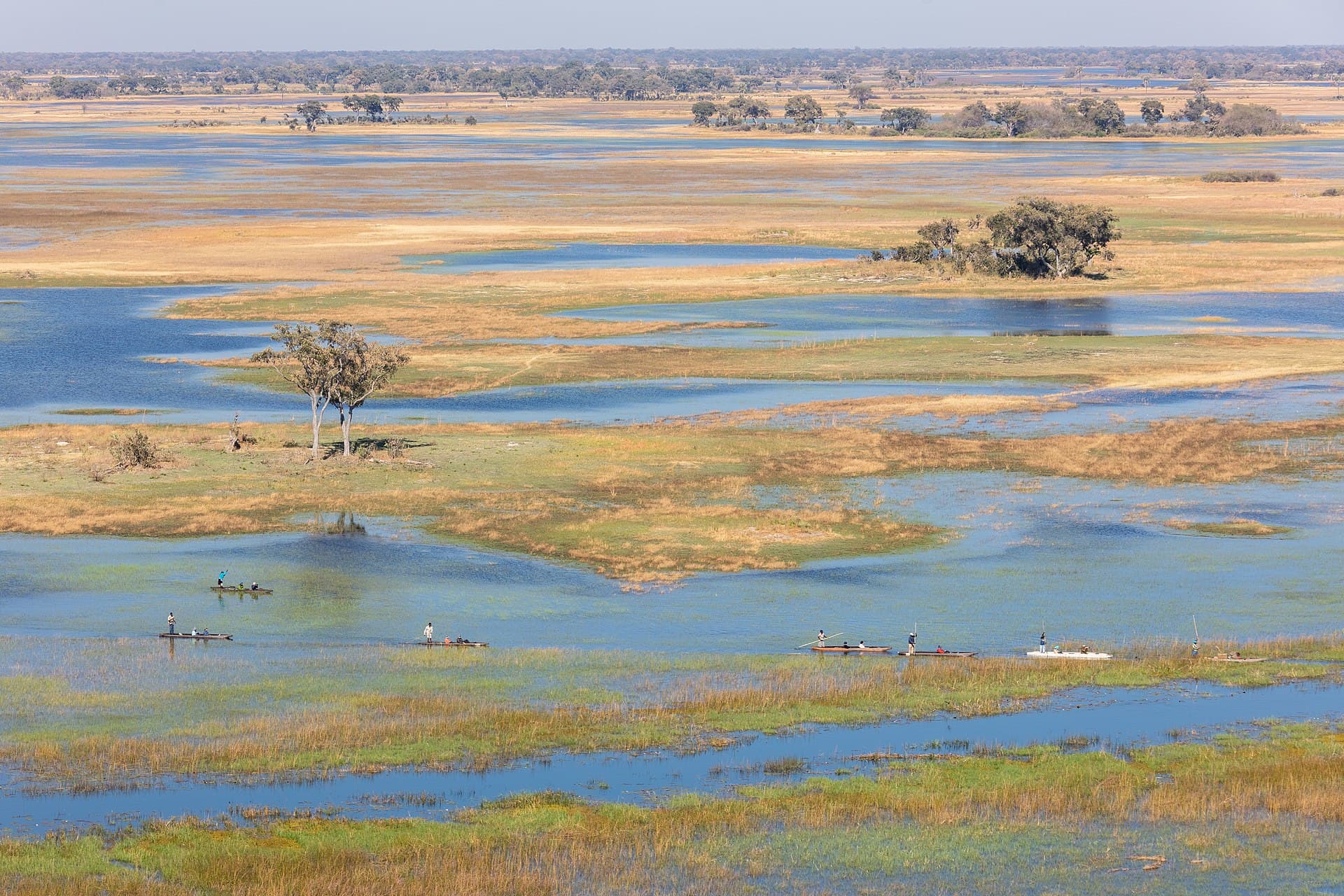
The Okavango Delta is about immersion. You fly into small camps in a maze of channels, lagoons and islands, glide through the reeds in a mokoro and, in the private concessions, drive at night or walk. It takes longer to reach, costs more and feels far wilder. The table below sets the two side by side.

Side by Side

The Okavango Delta and Chobe Compared

Okavango DeltaChobe riverfront
LandscapeA vast inland delta of channels, lagoons, papyrus and palm islands, covering roughly 15,000–22,000 km² as the flood comes and goesA broad river frontage of floodplains and riverine woodland, with Namibia on the far bank
Signature activitiesMokoro trips, motorboat and lagoon excursions, game drives, island walks, and night drives in the private concessionsBoat safaris, including photographic boats, and daytime game drives along the river
Land status and rulesMostly private concessions and community areas, where night drives, walking and off-road tracking are usually possible; Moremi Game Reserve follows reserve rulesNational park: vehicles stay on the tracks, with no night drives or walking, and gate hours apply
AccessScheduled flight to Maun, then light aircraft to a camp airstrip, with soft bags of about 20 kg per personScheduled flight to Kasane, or a road transfer from Victoria Falls; the park gate is about 10 km from town
CrowdingVery low: small camps spread across large concessionsBusy at peak times on the riverfront drives and at sunset on the water; quieter early and on private boats
Camp styleSmall tented camps and lodges, many reached only by airLarger lodges in Kasane, river-view lodges in or beside the park, and houseboats
Price levelAmong the highest in Africa, especially in the private concessionsGenerally gentler, with more choice across comfort levels
Best monthsAbout May–October for game; the flood usually peaks June–AugustAbout May–October, with the biggest elephant gatherings from roughly July to October
Best forWater activities, wilderness, privacy and predators away from other vehiclesElephants, boat-based photography, families and short trips

General patterns at the time of writing (September 2026). Individual camps and concessions set their own activities.

On the Map

Between the Delta and the River

The Delta fans out in Botswana’s north-west; Chobe’s riverfront lies in the far north-east. Moremi, Khwai, Savuti and the Linyanti concessions sit in between, which is why they appear on so many itineraries.

Map: BotswanaBotswanaOkavango DeltaMoremi Game ReserveKhwaiChobe RiverfrontSavutiLinyanti, Selinda & KwandoMakgadikgadi PansCentral Kalahari

Approximate locations — not for navigation.

Chobe

Chobe’s Riverfront: Spectacle and Easy Access

Chobe National Park covers about 11,700 km², but most visitors see only its northern edge along the Chobe River. In the dry winter months, when the pans inland have dried up, elephant and buffalo herds come down to the river in remarkable numbers, and a single afternoon can bring hundreds of elephants to the water. Puku graze the floodplains, and more than 460 bird species have been recorded in the park.

The river is the key. A boat puts you at water level as elephants swim and drink, and photographic boats with swivel seats make Chobe a favorite with photographers. The flip side is popularity: riverfront drives and sunset cruises can be busy in peak season. Early starts, a private boat and a river-view lodge all help, and our Chobe National Park guide covers where to base yourself.

The Delta

The Okavango Delta: Immersion by Water

The Delta is one of the world’s largest inland deltas and has been a UNESCO World Heritage Site since 2014. Its character changes with where you stay. Water camps on permanent channels focus on mokoro and boat trips among reed frogs, water lilies and red lechwe. Land camps on the drier fringes focus on game drives for lion, leopard and elephant. Mixed camps offer both, depending on the level of the flood.

What sets the Delta apart is the land status. Most camps sit in private concessions or community areas, where your guide can usually leave the track to follow a leopard, head out after dark with a spotlight, or take you on foot. Inside Moremi Game Reserve, the public reserve at the Delta’s heart, reserve rules apply instead. The Okavango Delta guide explains water, land and mixed camps in detail, and a mokoro excursion is the Delta’s defining experience.

In Between

Where Moremi, Khwai, Savuti and the Linyanti Fit

Four areas sit between the Delta and the river, and each changes the balance of a trip.

Moremi Game Reserve

The public reserve within the Delta, including Chief’s Island and the Xakanaxa lagoons. Superb dry-season game, reached by fly-in lodges or on a private mobile safari, with reserve rules: no night drives and no off-road driving.

Explore

Khwai

A community area across the Khwai River from Moremi’s North Gate. Moremi’s wildlife with the freedom of night drives and guided walks, usually at a gentler price than a private Delta concession.

Explore

Savuti

The dry heart of Chobe National Park, known for its resident predators and the marsh at the end of the Savuti Channel. No water activities, national-park rules, and a natural stop between the Delta and Kasane.

Explore

Linyanti, Selinda & Kwando

Private concessions on the Linyanti swamps, with few camps, night drives, walks and dry-season elephant gatherings to rival Chobe’s, without the traffic.

Explore

Combine Them

How to Combine the Delta and Chobe

For most travelers the right answer is both: two or three nights on the Chobe riverfront and three to six in the Delta, split across one or two camps. Light aircraft link Kasane with Maun and the Delta airstrips in about an hour of flying, so the switch costs half a day rather than a whole one.

Which way round depends on your flights. Starting in Kasane suits travelers coming from Victoria Falls or Johannesburg, finishing in the Delta and flying home from Maun. Starting in Maun and ending on the Chobe makes a road hop to the falls easy at the end. Our 11-day Botswana and Victoria Falls journey runs from Chobe to the Delta via Khwai, and the 14-day grand safari runs the other way, through the Linyanti and Savuti.

Who Suits Which

Delta or Chobe? By Kind of Traveler

First safari

Both, if you have eight nights or more. With only four or five, choose the Delta for depth, or Chobe if Victoria Falls is part of the trip.

Photographers

Chobe’s photographic boats for low-angle elephant work; a private Delta or Linyanti concession for off-road positioning on predators.

Explore

Families

Chobe for pools, boats and easy access; a Delta land-and-water camp with a private vehicle once the children meet its age rules.

Explore

Honeymooners

A Delta water camp for privacy and quiet channels at sunset, with Chobe as an optional finale on the way to the falls.

Explore

Short on time

Chobe, paired with Victoria Falls by road: no light aircraft, and a real safari in three nights.

Explore

Safaris

Recommended safaris

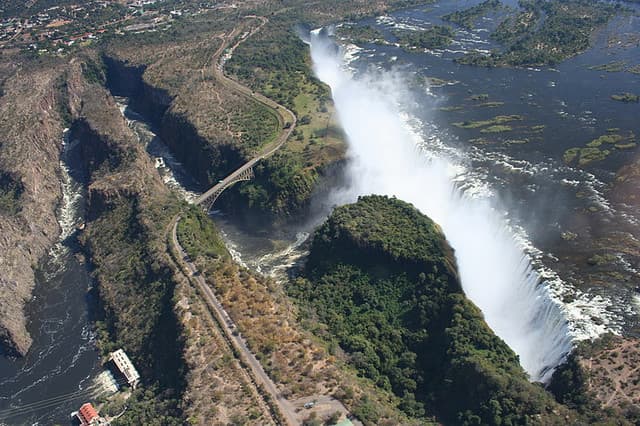
Aerial view of Victoria Falls plunging into the gorge
11 daysFalls + Delta

Botswana & Victoria Falls

Victoria Falls · Kasane · Chobe Riverfront · Khwai · Okavango Delta · Maun

First-time visitors who want Victoria Falls and Botswana’s finest water country in one trip, without rushing either

Best months
April–October, ideally May–July
Comfort levels
Comfort · Premium · Luxury
Individually quoted
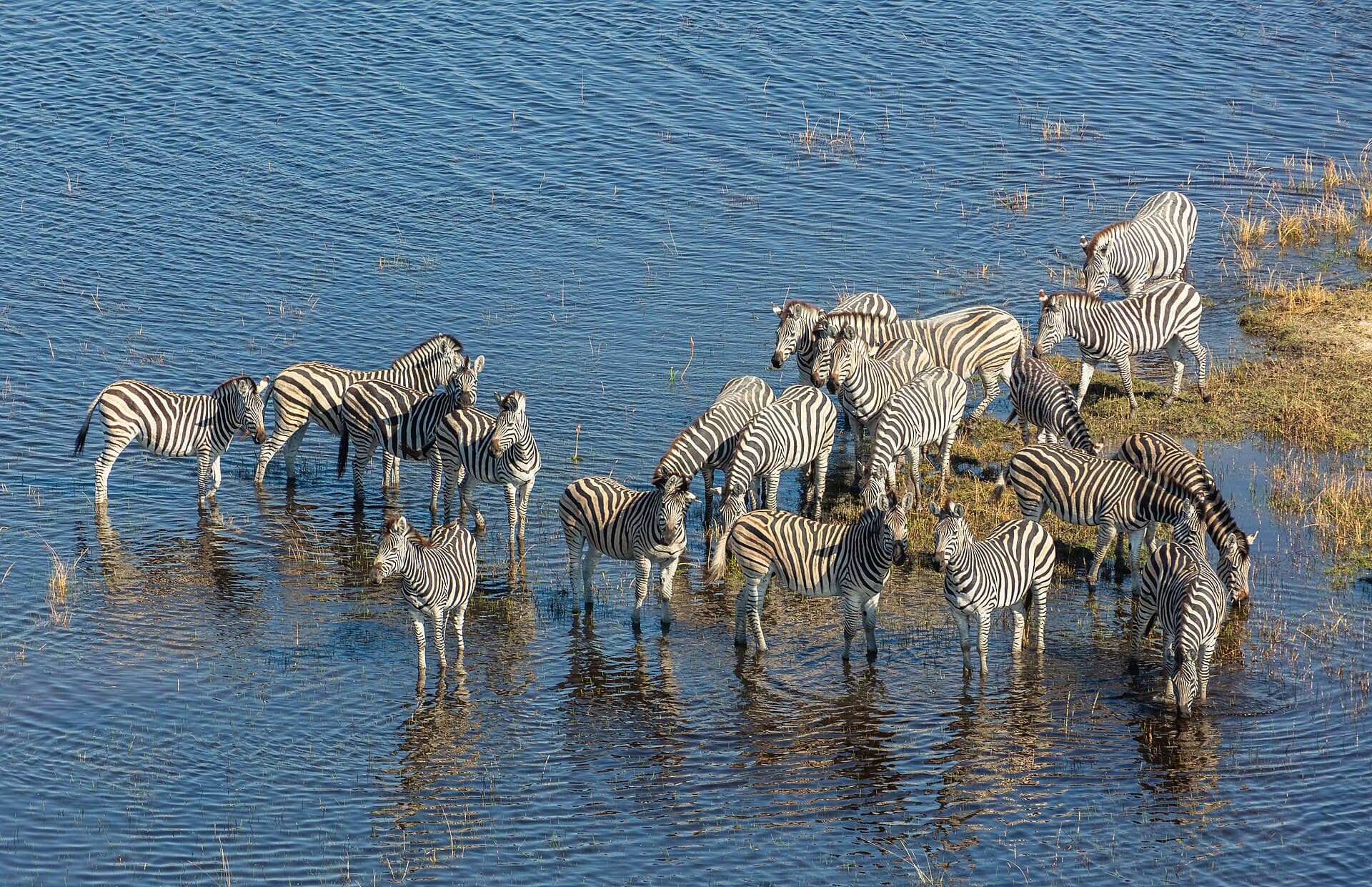
Zebra herd wading through shallow delta water
14 daysIn-depth

Grand Botswana

Maun · Okavango Delta · Moremi Game Reserve · Linyanti, Selinda & Kwando · Savuti · Chobe Riverfront · Kasane

Returning safari travelers, photographers and anyone with two weeks to see northern Botswana properly

Best months
May–October
Comfort levels
Luxury · Ultra-Luxury
Individually quoted
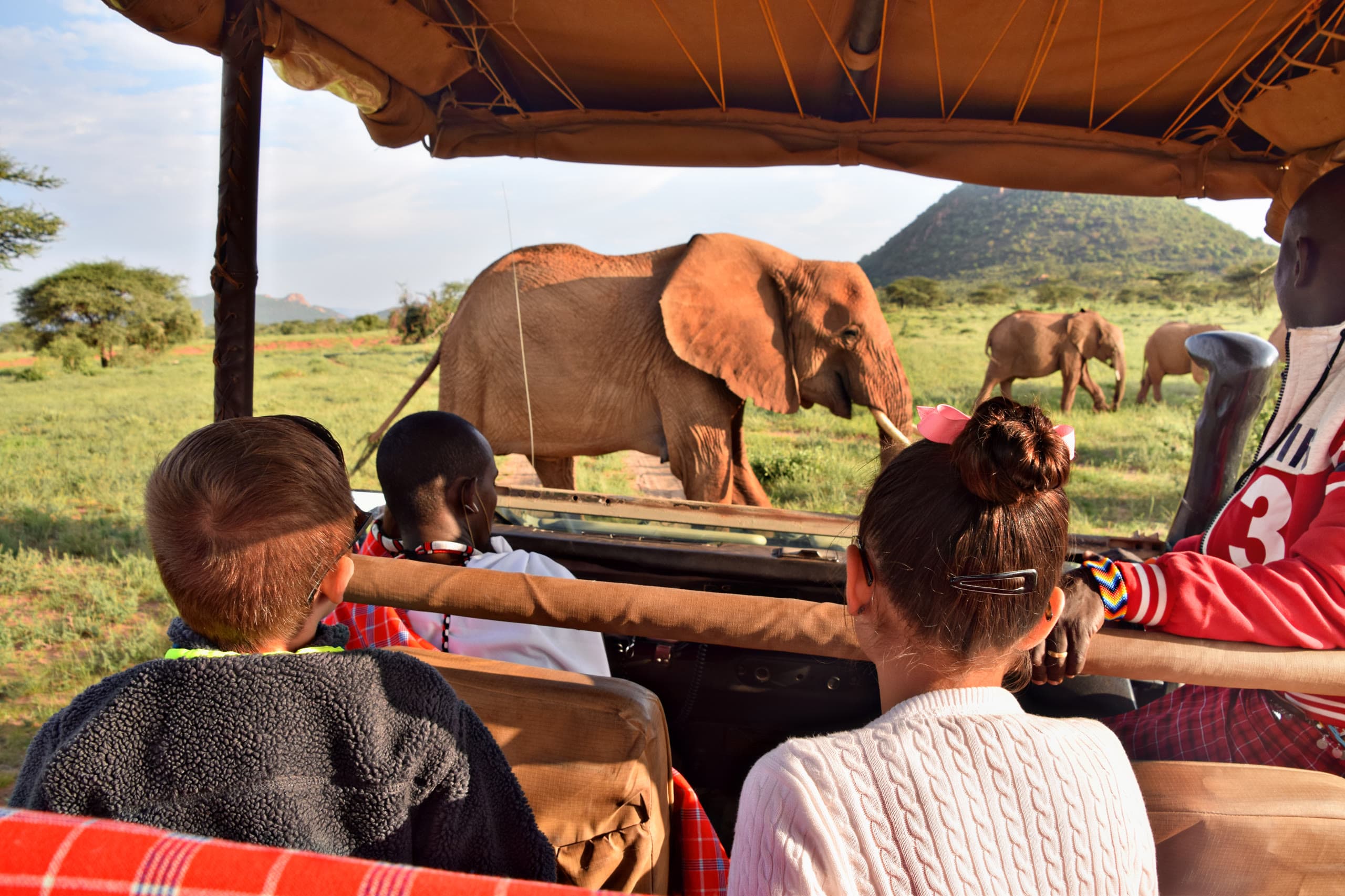
Safari guests watching a herd of elephants from an open vehicle on a family game drive
9 daysFamilies with teens

Botswana Family Adventure

Kasane · Chobe Riverfront · Okavango Delta · Makgadikgadi Pans · Maun

Families with children roughly 12 and older who want variety, activity and a little adrenaline

Best months
April–October (book school-holiday dates early)
Comfort levels
Comfort · Premium · Luxury
Individually quoted
Elephant herd on the Chobe riverfront floodplain
6 daysShort add-on

Victoria Falls & Chobe

Victoria Falls · Kasane · Chobe Riverfront

Travelers adding Botswana to a South Africa or Zimbabwe trip, or wanting a gentle first safari

Best months
May–October
Comfort levels
Comfort · Premium · Luxury
Individually quoted

Experiences

Related experiences

Aerial view over the winding channels and islands of the Okavango Delta

On the water

Mokoro Excursions

Glide through the Okavango’s papyrus channels in a poled canoe, low enough to meet reed frogs and lily-trotters at eye level.

Guests on a small safari boat watch an elephant herd grazing the river floodplain

On the water

Chobe River Boat Safaris

Watch elephant herds drink, swim and cross the Chobe River from a boat, the riverfront’s signature way to see its wildlife.

Safari guests in an open vehicle watching a leopard at close range on a private game drive

Photography

Photographic Safaris in Botswana

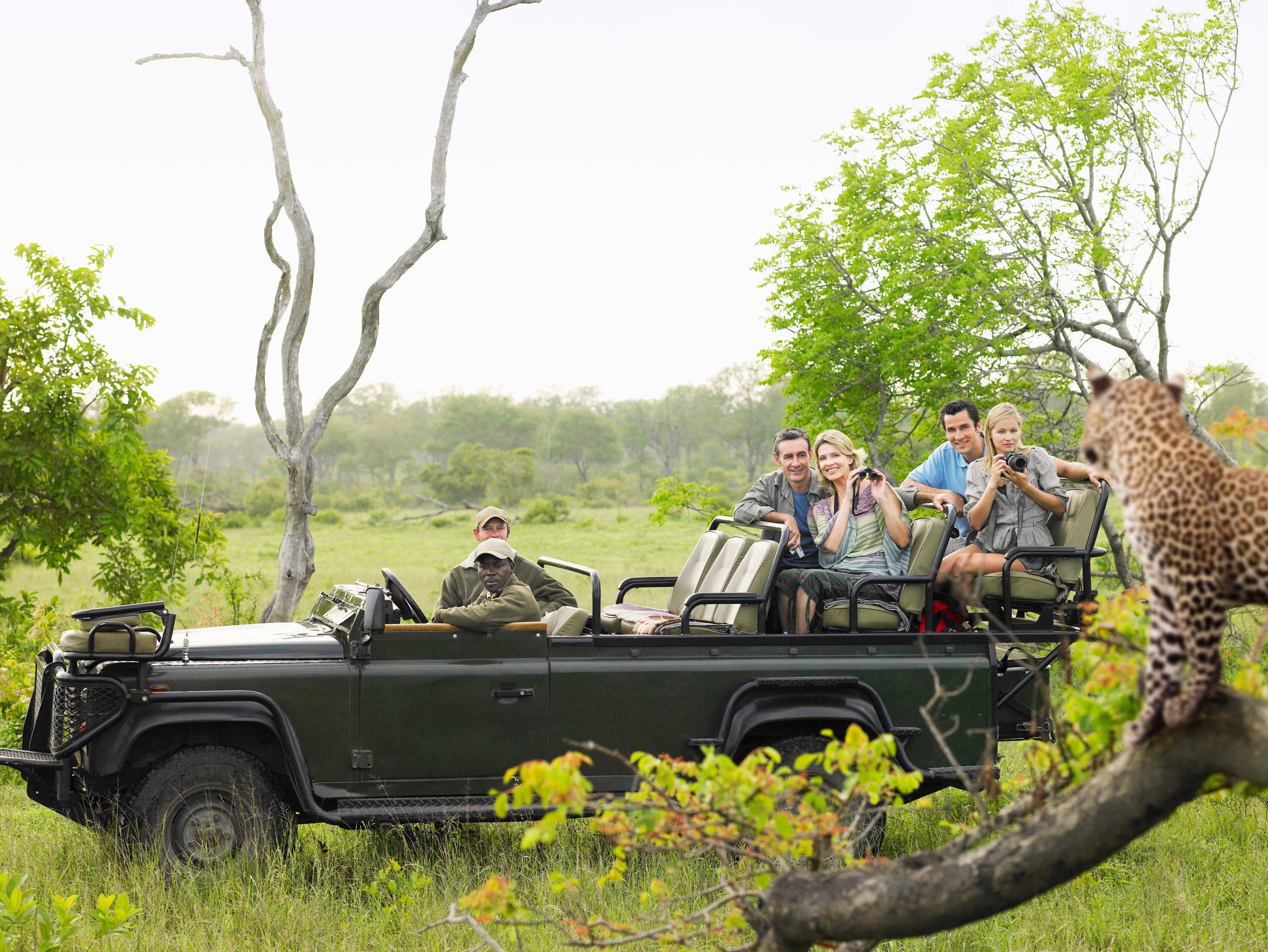
Private vehicles set up for cameras, low-angle boats on the Chobe, ground-level hides and concession rules that let you position for the light.

Good to know

Frequently asked questions

Is Chobe or the Okavango Delta better for elephants?

Chobe’s riverfront, in the dry season, is famous for the sheer number of elephants at the water. The Delta and especially the Linyanti concessions also hold large herds, seen with far fewer vehicles. For elephant spectacle choose Chobe; for elephants in solitude choose a private concession.

Can you do night drives in Chobe National Park?

No. Night drives, walking and off-road driving are generally not permitted inside Botswana’s national parks, including Chobe and its Savuti area. For night drives, stay in a private concession such as the Linyanti or in the Khwai community area.

How many nights should I spend in Chobe and the Delta?

Two or three nights on the Chobe riverfront and three to six in the Delta works well for most trips. Three nights per camp gives you enough activities to settle in without losing time to transfers.

Can you do a mokoro safari in Chobe?

Not in the traditional sense. Chobe’s water activities are motorboat cruises and photographic boats on the Chobe River rather than poling a mokoro through reed channels, so if a mokoro matters to you, include a Delta water camp in your route.

How do you get from Chobe to the Okavango Delta?

Usually by light aircraft from Kasane to a Delta airstrip, sometimes via Maun, in about an hour of flying. On a private mobile safari you can also drive, via Savuti and Khwai, over several long days on sand tracks.

Which is better for a first safari, the Delta or Chobe?

If you have to choose, the Delta gives the fuller Botswana experience, with water, land and the freedoms of a private concession. Chobe is the better choice for a short trip or one paired with Victoria Falls. With a week or more, do both.

Wetland channels of Moremi Game Reserve

Tell Us Your Month

Share when you can travel, who is coming and what you most hope to see in Botswana. A specialist will shape a private route around it and walk you through every choice before anything is booked.

Plan My Botswana Safari