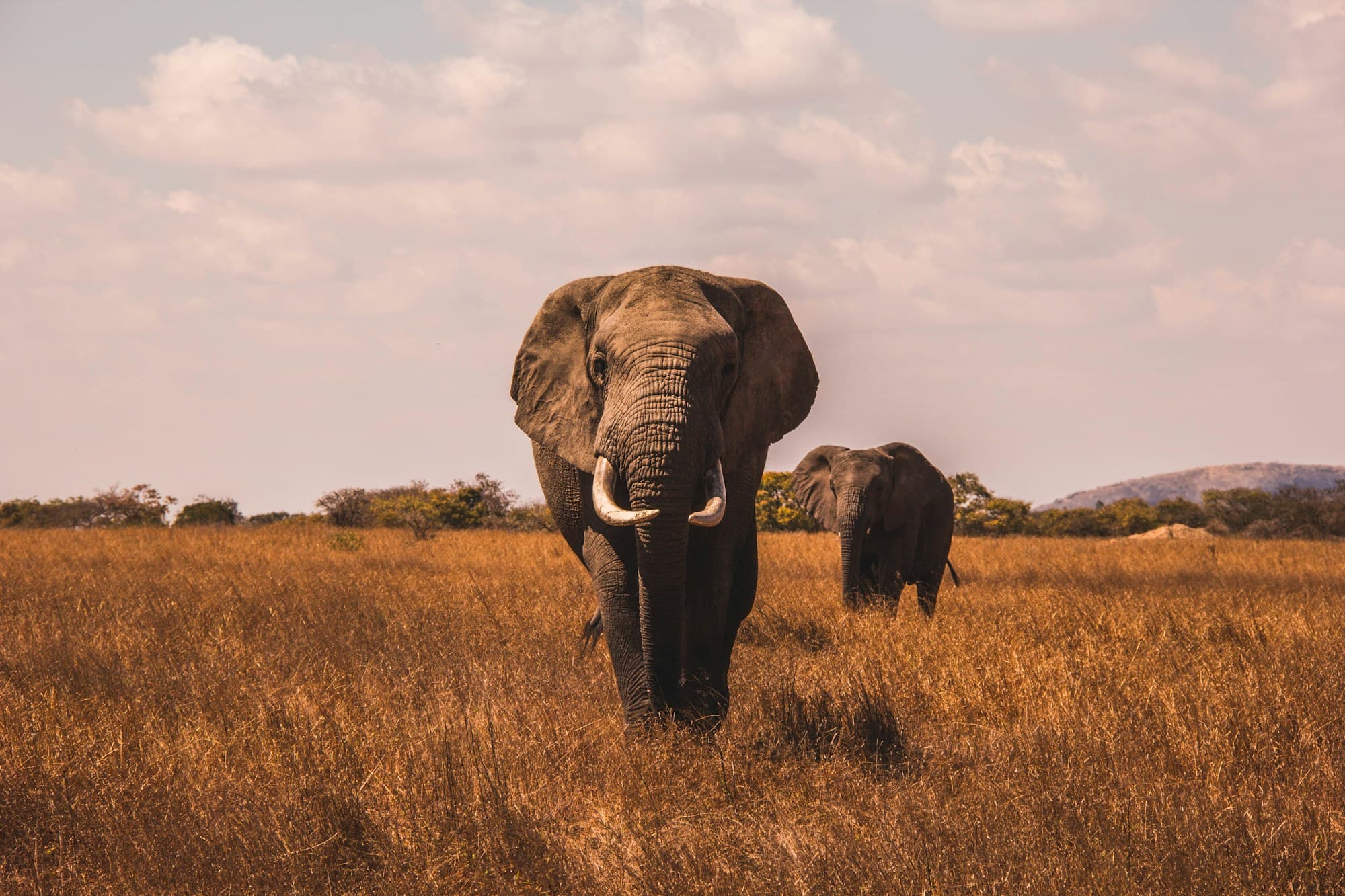
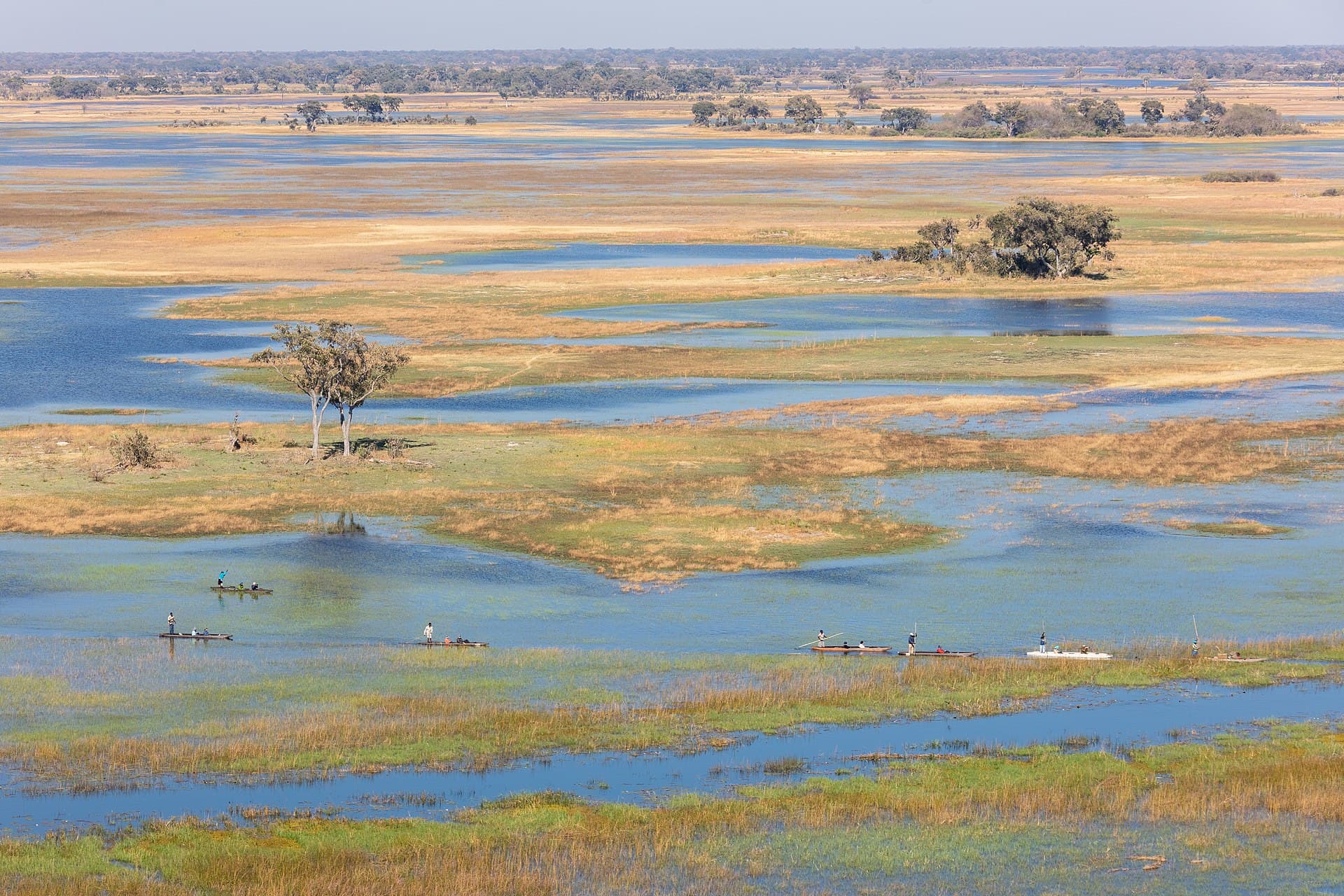
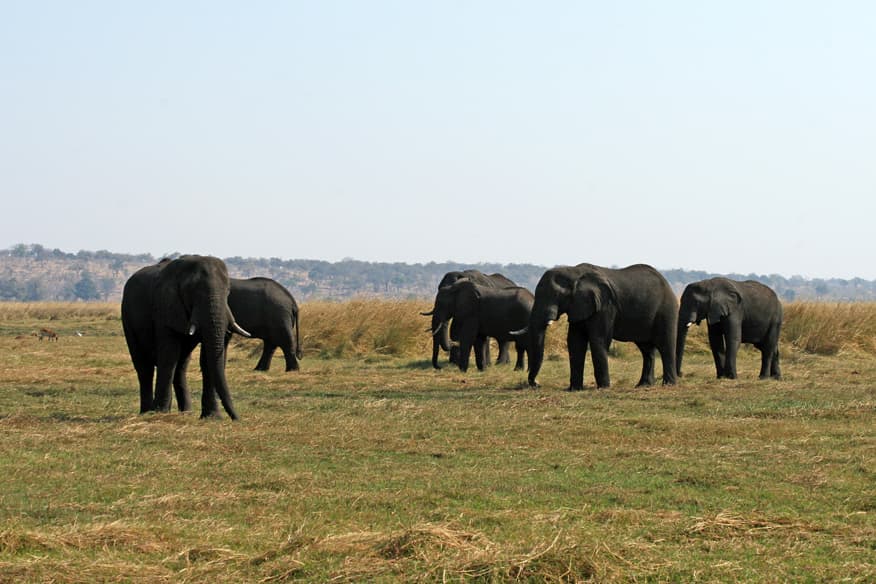
Pair of elephants walking through golden grass in the Okavango region

Compare Countries

Botswana vs Tanzania, Kenya or South Africa

Four excellent safari countries, four very different safaris. Here is how Botswana compares with East Africa and South Africa, and how to decide which suits your first trip.

Botswana vs Tanzania is the comparison most first-time safari travelers end up making, usually with Kenya and South Africa in the mix. All four deliver outstanding wildlife. What differs is the style of safari: how many other vehicles share a sighting with you, whether you travel by road or by light aircraft, what the landscape looks like and when each country is at its best.

In short, Tanzania and Kenya offer the scale of the Great Migration and East Africa’s open plains; South Africa offers ease, variety and malaria-free options; Botswana offers privacy, water and wilderness, at a higher price level. The rest of this page unpacks those trade-offs, including who should not choose Botswana.

At a Glance

Four Safari Countries Compared

BotswanaTanzaniaKenyaSouth Africa
Signature experienceThe Okavango Delta by mokoro and boat; private concessionsThe Great Migration in the Serengeti; the Ngorongoro CraterThe Masai Mara and its private conservanciesBig Five in private reserves beside Kruger; Cape Town and the Winelands
How you travelMostly fly-in between small camps; some road-based mobile safarisMostly by road on the northern circuit, with flights for the longer legsA mix of road and short light-aircraft flights from NairobiRoad and scheduled flights; easy to combine with cities
Crowds and privacyVery low density in private concessions; busier on Chobe’s riverfrontBusy at famous sightings in peak months; quieter in the south and westBusy in the reserve at crossings; vehicles capped in the conservanciesPrivate reserves limit vehicles; the national park is busier
Peak monthsAbout May–October; the Kalahari December–AprilYear-round, following the migration; June–October is the classic windowLate June–October and January–FebruaryAbout May–September in the bush; the Cape shines November–March
Getting there from the USNo nonstop flights; via Johannesburg to Maun or KasaneVia Europe, the Middle East or Nairobi to KilimanjaroNonstop from New York to Nairobi, or via a European or Gulf hubNonstop options to Johannesburg and Cape Town
MalariaAll northern safari areasThe main safari areasMost safari areasThe Kruger area; malaria-free reserves such as Madikwe
Cost structureFully inclusive camps plus light-aircraft seats, under a high-value, low-volume policyPark fees per 24 hours, plus camps and a private vehicle and guideReserve tickets per day, or conservancy fees built into camp ratesInclusive private-reserve lodges across a wide range of levels
Best forWater, privacy, predators and returning travelersMigration spectacle and a classic first safariBig cats, conservancies and shorter tripsFirst-timers, families, malaria-free trips and city combinations

Generalizations to help you compare, at the time of writing (September 2026). Each country has exceptions, and flight routes change.

Density vs Spectacle

Privacy or Spectacle?

East Africa’s great draw is scale. Around a million and a half wildebeest circle through the Serengeti and the Masai Mara each year, and nothing in Botswana matches a Mara River crossing or the calving plains for sheer numbers. If that spectacle is the dream, start with Tanzania’s Great Migration guide or Kenya’s Mara conservancies.

Botswana plays a different game. Since 1990 it has deliberately limited visitor numbers, and in its private concessions a handful of small camps share areas of more than a thousand square kilometers. Sightings are often yours alone, guides can leave the track to follow a leopard, and night drives and walks are normal. Botswana does have migrations of its own, notably zebra moving between the Chobe floodplains and Nxai Pan, but on a far smaller scale than East Africa’s.

The Water Safari

The Element Only Botswana Has

No other safari country offers anything quite like the Okavango Delta: an inland delta that floods in the dry season, explored by mokoro, poled silently through channels where red lechwe splash across the shallows and elephants wade between islands. Add Chobe’s river boats and the Linyanti swamps, and water becomes a second way of experiencing wildlife rather than a backdrop.

East Africa has river and lake boating in places, and South Africa has estuaries and whale-watching coasts, but a safari built around water is Botswana’s signature. If gliding through papyrus at eye level with a reed frog appeals, that alone may decide it.

Logistics

Fly-In Circuits vs Road Circuits

A Botswana safari usually means small aircraft: a scheduled flight into Maun or Kasane, then 20- to 45-minute hops between camp airstrips, with luggage limited to about 20 kg per person in soft bags. It is efficient and scenic, but each move is a flight, which shapes both the itinerary and the cost. The main alternative is a guided mobile safari by road.

Tanzania’s northern circuit is classically driven, with your guide and vehicle staying with you for the whole trip and the longer legs flown. Kenya mixes short flights from Nairobi’s Wilson Airport with road transfers. South Africa is the simplest to reach, with road transfers and scheduled flights into airports near the reserves. From the US, Botswana usually routes through Johannesburg, often with an overnight; see getting to Botswana.

Seasons

When Each Country Shines

The best months rarely coincide, which can help you decide, or help you plan two trips.

MonthsBotswanaTanzaniaKenyaSouth Africa
January–MarchGreen season: the Kalahari and the pans at their bestCalving season on the southern Serengeti plainsA dry spell in January–February, then the long rainsHot, green summer bush; Cape Town at its best
April–MayShoulder: the flood arriving, the rains easingLong rains: quiet and green, with some camps closedLong rains: quiet, with some camps closedAutumn: cooling and drying in the bush
June–AugustPeak: flood high, game concentrated, cold dawnsDry season; the migration moves northThe migration usually reaches the Mara from about late JulyWinter dry season: excellent game viewing in the bush
September–OctoberHot and dry; superb around the remaining waterMara River crossings continue in the northThe migration herds in the MaraSpring: dry, warming, still strong game
November–DecemberFirst rains, young antelope, then festive peakShort rains; the herds head southShort rains in NovemberEarly summer; the Cape’s high season begins

Typical patterns only; rainfall and animal movements vary from year to year.

Cost

How the Costs Are Structured

Botswana is usually the highest-priced of the four for a comparable level of comfort, because its camps are small, fully inclusive and largely reached by air, by national design. Tanzania’s costs are driven by per-person park fees charged for each 24 hours, plus camps and a private vehicle and guide. Kenya splits between reserve tickets and conservancy fees folded into camp rates. South Africa has the widest range, from national-park rest camps to exclusive private-reserve lodges.

Because each country structures its prices differently, comparing headline figures rarely helps. Our Botswana safari cost guide explains the structure here, and the continental picture is in what a luxury African safari costs.

Health

Malaria and Yellow Fever

All four countries have malaria in their main safari areas, with one notable exception: South Africa’s malaria-free reserves, such as Madikwe and several in the Eastern Cape, which suit families with very young children and travelers who cannot take antimalarials.

Yellow fever matters for combinations. Kenya and Uganda are on the World Health Organization’s list of yellow-fever risk countries, and Botswana requires a vaccination certificate from travelers aged one and over arriving from, or even transiting through, a risk country. Tanzania, South Africa, Zambia and Zimbabwe are not on the list. The entry requirements guide explains how this affects routing.

Combinations

Combining Botswana With Other Countries

Botswana + South Africa

The smoothest pairing. Johannesburg is the hub for flights to Maun and Kasane, so Cape Town, the Winelands or a Greater Kruger reserve slot in before or after without an extra long-haul flight.

Explore

Botswana + Victoria Falls

The falls are about 80 km from Kasane by road, which makes them the classic add-on to a Chobe and Delta safari.

Explore

Botswana + Namibia

Desert and Delta: Namibia’s dunes, desert-adapted wildlife and Etosha make a striking contrast with the Okavango’s water.

Explore

Botswana + East Africa

Possible, but it means longer flights and, after Kenya, a yellow-fever certificate for Botswana. Many travelers keep East Africa for a separate trip and weigh Kenya against Tanzania first.

Explore

Safaris

Recommended safaris

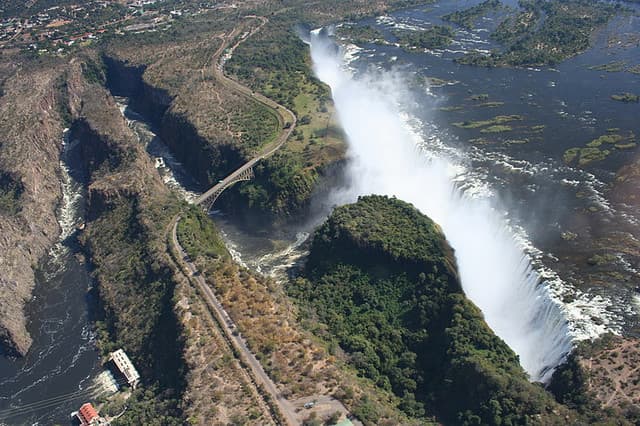
Aerial view of Victoria Falls plunging into the gorge
11 daysFalls + Delta

Botswana & Victoria Falls

Victoria Falls · Kasane · Chobe Riverfront · Khwai · Okavango Delta · Maun

First-time visitors who want Victoria Falls and Botswana’s finest water country in one trip, without rushing either

Best months
April–October, ideally May–July
Comfort levels
Comfort · Premium · Luxury
Individually quoted
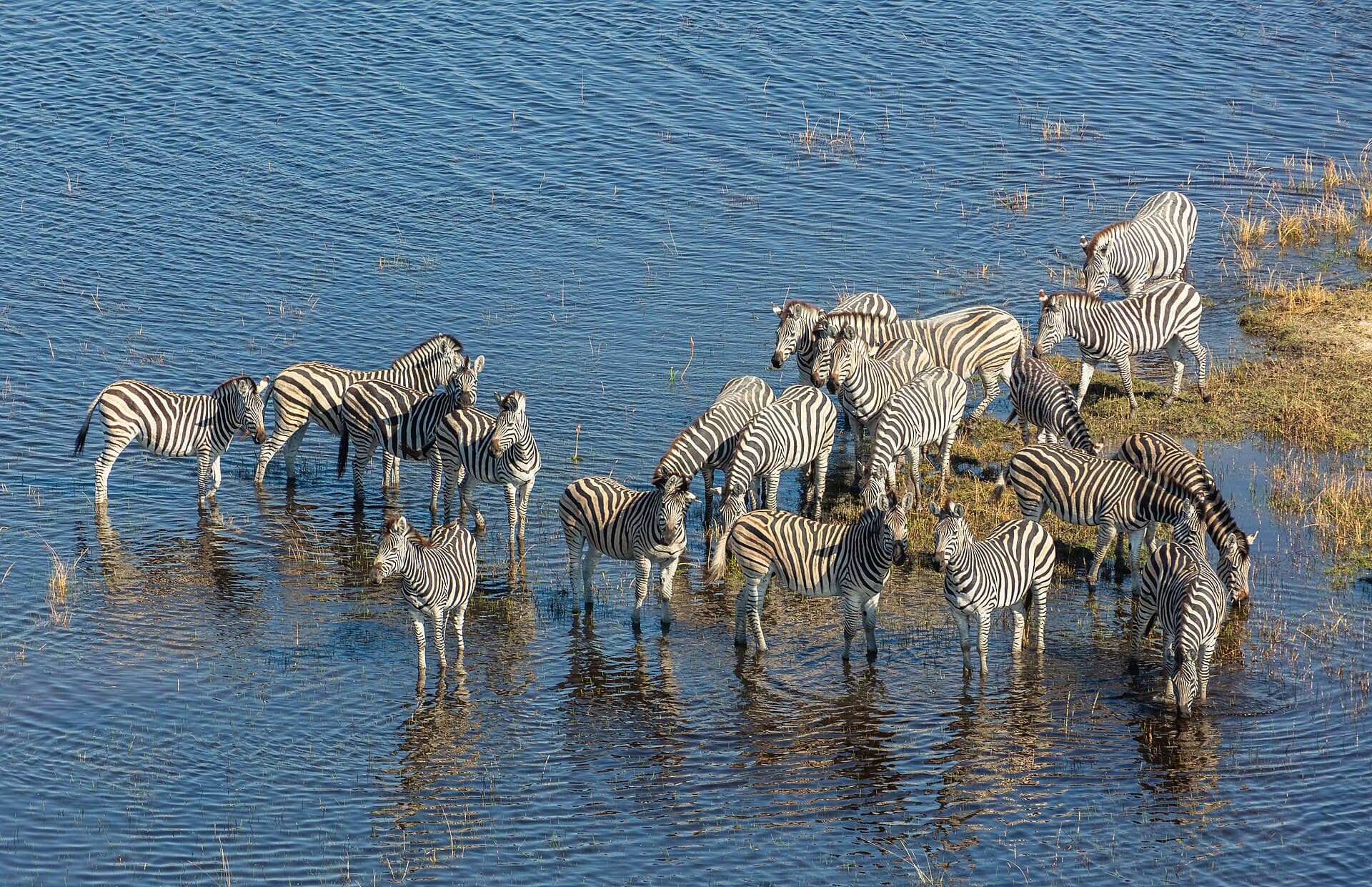
Zebra herd wading through shallow delta water
14 daysIn-depth

Grand Botswana

Maun · Okavango Delta · Moremi Game Reserve · Linyanti, Selinda & Kwando · Savuti · Chobe Riverfront · Kasane

Returning safari travelers, photographers and anyone with two weeks to see northern Botswana properly

Best months
May–October
Comfort levels
Luxury · Ultra-Luxury
Individually quoted
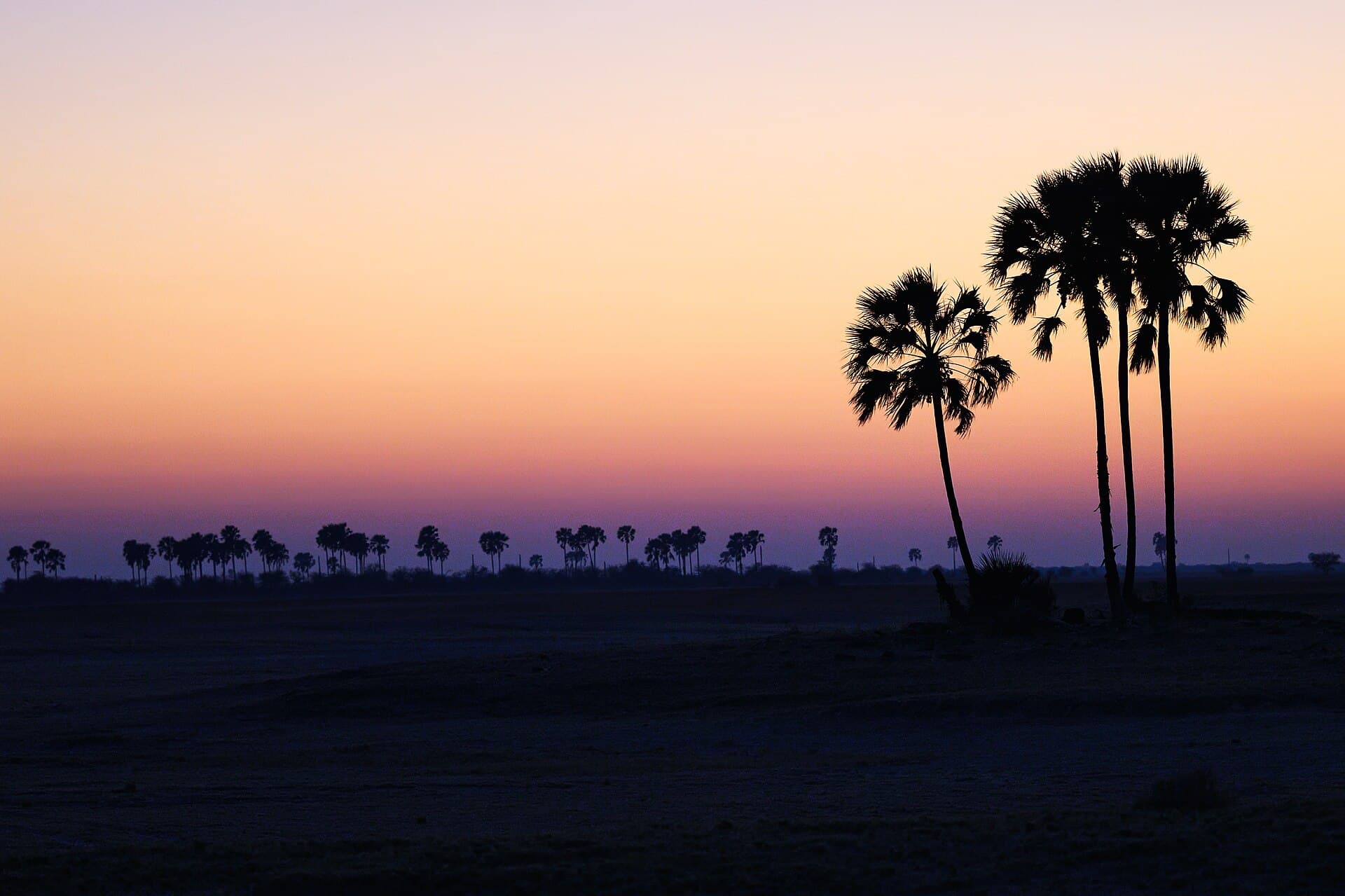
Palm islands silhouetted at dusk on the Makgadikgadi pans
9 daysDec–Apr

Green Season: Kalahari & Pans

Maun · Makgadikgadi Pans · Nxai Pan · Central Kalahari · Okavango Delta

Return visitors, photographers and the Kalahari-curious, happy to trade some certainty for solitude

Best months
December–April, in the rains
Comfort levels
Premium · Luxury
Individually quoted

Good to know

Frequently asked questions

Is Botswana better than Tanzania for a first safari?

It depends on what you picture. Tanzania offers the Great Migration, the Ngorongoro Crater and a classic road safari; Botswana offers water, privacy and private concessions at a higher price level. Many travelers do East Africa first and save Botswana for a second trip, but a first safari in Botswana is rarely a disappointment.

Does Botswana have a great migration?

Not on the Serengeti’s scale. Botswana’s best-known movement is a zebra migration between the Chobe River floodplains and Nxai Pan, a straight-line round trip of about 500 km documented by researchers in 2014. Seasonal herds also gather on the Makgadikgadi grasslands in the rains.

Is Botswana more expensive than South Africa?

Usually, at a comparable level of comfort. South Africa’s private reserves are reached by road or scheduled flight and span a wide range of price levels, while Botswana’s fly-in camps are small, fully inclusive and priced under a national low-volume policy.

Can I combine Botswana with Kenya or Tanzania on one trip?

Yes, but plan the order and flights carefully. Connections usually run via Johannesburg or Nairobi, and arriving in Botswana from Kenya, or after a connection in Nairobi, means you need a yellow-fever certificate. Tanzania itself is not a risk country, so a routing through Johannesburg keeps things simple.

Which is better in February, Botswana or Tanzania?

Both have strong cases. February is calving season on Tanzania’s southern Serengeti plains, one of the great predator spectacles. In Botswana it is the green season, excellent for the Kalahari, the salt pans and birding, but quieter in the Delta and on the Chobe.

Wetland channels of Moremi Game Reserve

Tell Us Your Month

Share when you can travel, who is coming and what you most hope to see in Botswana. A specialist will shape a private route around it and walk you through every choice before anything is booked.

Plan My Botswana Safari