After dark

Stargazing & Dark Skies

When the lights go out and your eyes adjust, the desert sky keeps filling in until the Milky Way looks less like a band of light and more like weather.

SeasonYear-round in the dry interior, at its best May–September, when nights are clear and cold and the Milky Way core rides high. Plan around the new moon.
DurationAn hour or two after dinner with a guide or telescope, or a full night on a star bed
WhereNamibRand Nature Reserve · Around Sesriem and Sossusvlei · Damaraland · Kaokoland and the Skeleton Coast interior
Best forHoneymooners and couples · Photographers ready to learn night exposures · Families with curious children · Anyone who lives under city skies

Stargazing in Namibia is exceptional for simple reasons: few towns, dry air, very little light pollution and long runs of cloudless nights in the dry season. The standout is the NamibRand Nature Reserve, a private reserve bordering Namib-Naukluft Park, which the International Dark-Sky Association recognized as an International Dark Sky Reserve at Gold Tier in May 2012. In June 2024 it was also named Africa’s first Wilderness Quiet Park, and with tourism capped at one bed per 1,000 hectares, the silence after dark is as striking as the stars.

For visitors from the Northern Hemisphere, the southern sky is half new. There is the Southern Cross with its two bright pointer stars, the Large and Small Magellanic Clouds, which are neighboring galaxies visible to the naked eye, and in the southern winter the bright core of the Milky Way riding high overhead. The moon matters more than the lodge you choose, so we plan your darkest nights around it. Stargazing is built into our 10-day fly-in safari and our Namibia and Cape Town honeymoon, and it is easy to add anywhere around Sossusvlei.

Stargazing & Dark Skies

How It Works

  1. When we plan your route, we check the moon calendar and, where your dates allow, place your desert nights close to the new moon.

  2. After dinner, your guide, or at some lodges a resident sky guide with a telescope, traces the constellations with a laser pointer and explains what you are looking at.

  3. On a star-bed night, you move to an open-air deck or platform made up with a proper bed, heavy bedding and a lantern, a short walk from your room or tent.

  4. Staff show you the way to the bathroom and how to reach them during the night, then leave you to the sky; many guests wake in the small hours to find it has turned.

  5. At dawn you watch the stars fade over the desert, then head back for breakfast at the lodge.

Stargazing & Dark Skies

Where You Can Do It

NamibRand Nature Reserve
The Gold Tier dark-sky reserve south of Sesriem. Lodges here offer star beds and guided sky sessions, and the very low number of guests keeps the night dark and quiet.
Around Sesriem and Sossusvlei
Several desert lodges near the park have telescopes, sky talks or decks for sleeping out, and dry-season nights are reliably clear.
Damaraland
Granite outcrops and wide valleys with hardly a settlement in view; some camps set up sleep-out platforms in the hills.
Kaokoland and the Skeleton Coast interior
Among the emptiest skies in the country, though sea fog can push inland on some nights; the dry valleys farther from the coast are the more dependable choice.

Good to know

  • A full moon washes out the Milky Way but lights the dunes beautifully. The week either side of the new moon gives the darkest skies, and a first-quarter moon sets around midnight, leaving the second half of the night dark.
  • Winter nights (June–August) can drop close to freezing in the desert. Star beds come with heavy bedding, but pack a beanie, thermals and warm socks.
  • Summer, roughly December–March, brings afternoon cloud and storms to the interior, and fog affects the coast; the dry season is the more dependable choice.
  • For photographs, bring a tripod and a wide lens, focus manually on a bright star, and start around ISO 3200 with exposures of 15–20 seconds. Recent phones manage creditable shots in night mode when propped on something steady.
  • Use red light only and keep flashlights pointed at the ground. Eyes take 20–30 minutes to adapt fully, and one white beam resets everyone’s.

Safaris

Safaris Featuring This Experience

Wind-sculpted dunes meeting the Skeleton Coast
10 daysFly-in

Namibia by Air

Windhoek · Sossusvlei · Skeleton Coast · Etosha National Park

Travelers who would rather fly than drive, and who value remote wilderness and photography over a long species list

Best months
April–November
Comfort levels
Premium · Luxury · Ultra-Luxury
Individually quoted
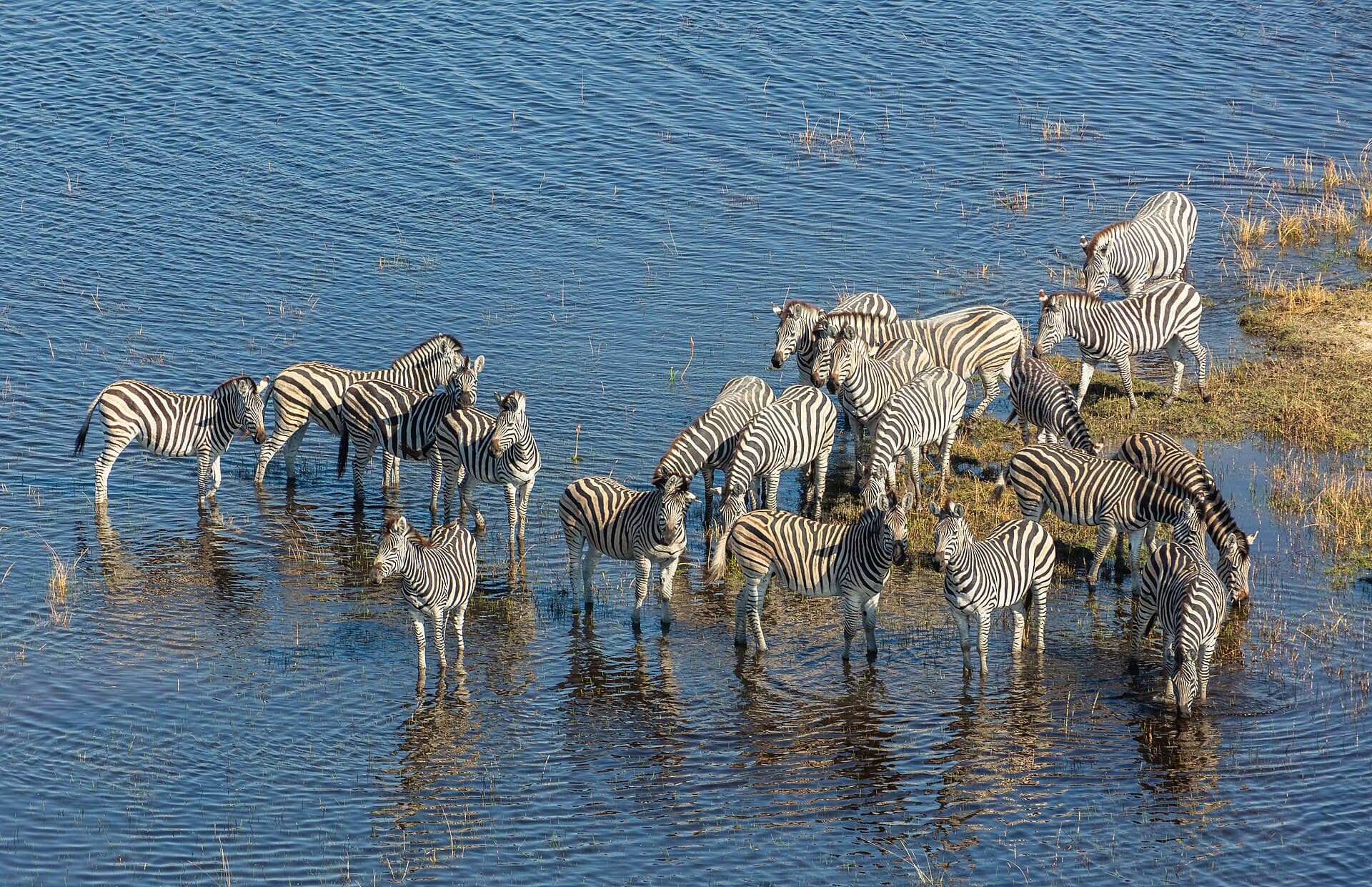
Zebra herd wading through shallow delta water
12 daysDesert & Delta

Desert, Zambezi & Delta

Windhoek · Sossusvlei · Etosha National Park · Zambezi Region · Kasane · Okavango Delta · Maun

Travelers who want Namibia’s landscapes and Botswana’s water safari in a single trip, without backtracking

Best months
May–October
Comfort levels
Premium · Luxury · Ultra-Luxury
Individually quoted
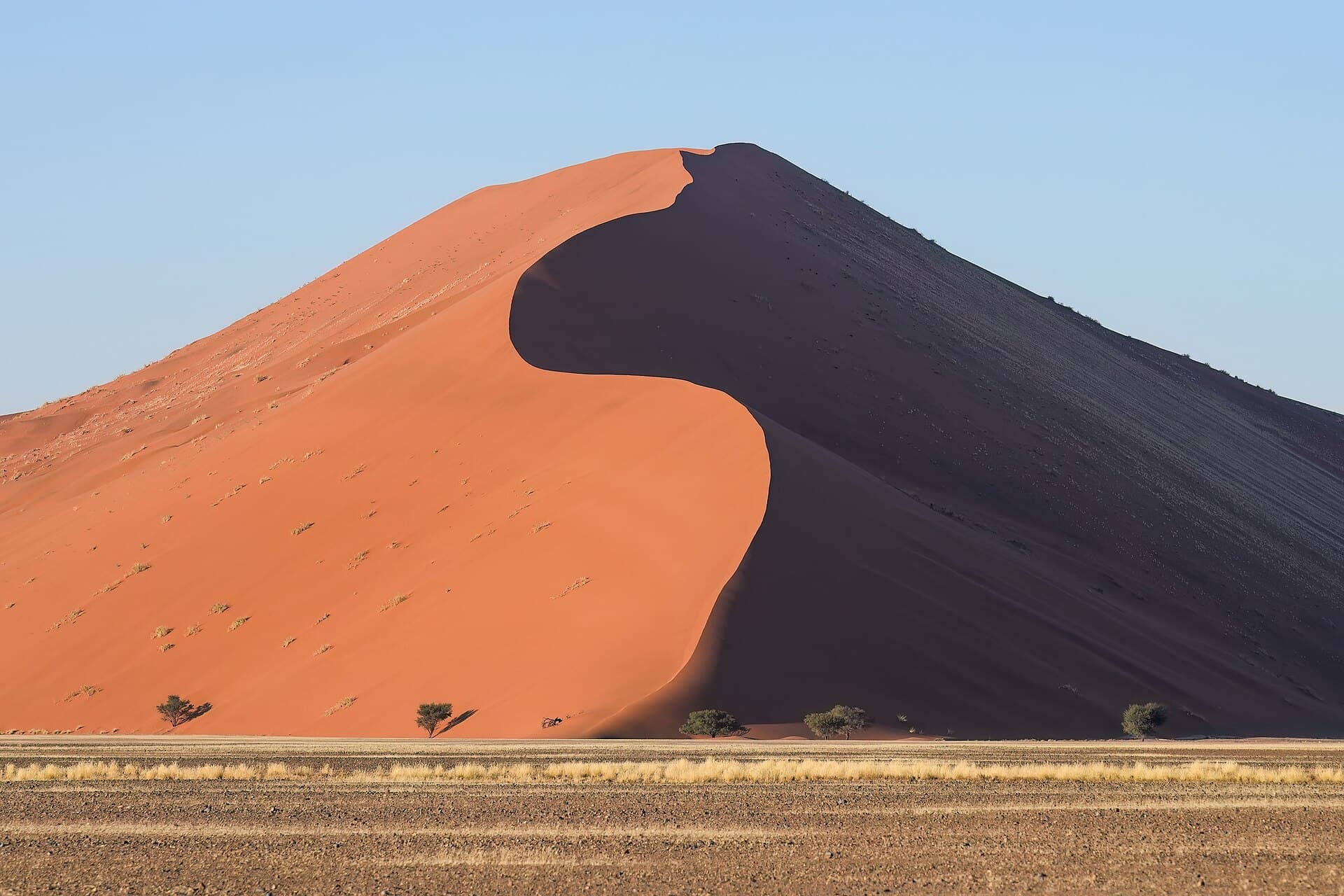
Red curve of Dune 45 at sunrise in Sossusvlei, Namibia
14 daysPrivate guide

Namibia Grand Loop

Windhoek · Sossusvlei · Swakopmund · Spitzkoppe · Damaraland · Etosha National Park · Eastern Etosha · Okonjima

First-time visitors to Namibia who want to see the whole country properly, with time to stop, walk and ask questions

Best months
April–November
Comfort levels
Comfort · Premium · Luxury
Individually quoted
Granite domes of Spitzkoppe rising from the Damaraland plains
8 daysRemote

Desert Rhino & the Kunene

Windhoek · Damaraland · Kaokoland

Seasoned safari travelers who value wilderness, conservation and silence over a long species list

Best months
April–September, before the heat builds
Comfort levels
Premium · Luxury · Ultra-Luxury
Individually quoted
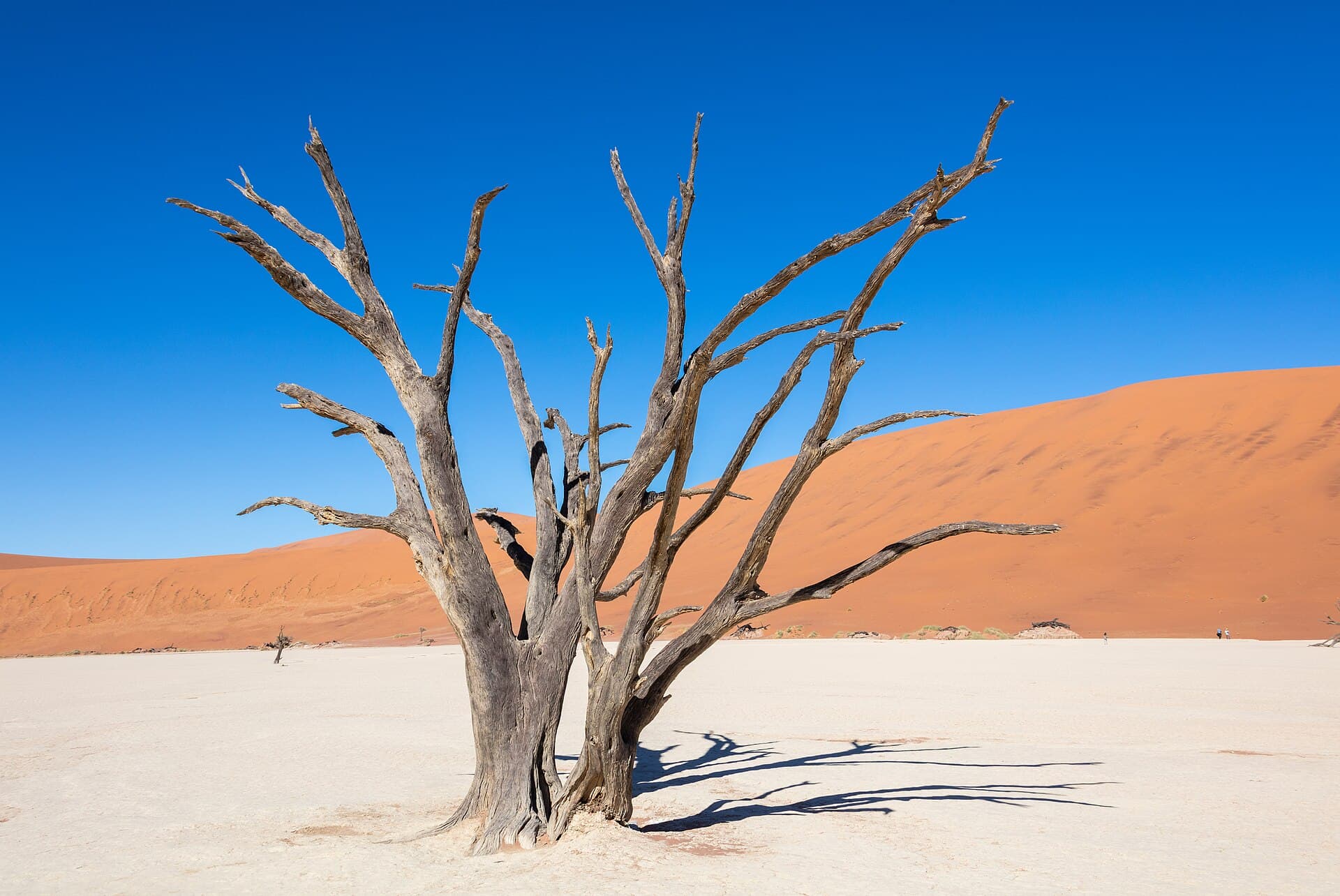
Ancient camelthorn tree on the white clay pan of Deadvlei
10 daysHoneymoon

Dunes, Stars & the Cape

Windhoek · NamibRand · Sossusvlei · Damaraland · Cape Town

Couples who want space, silence and striking landscapes, then a stylish city finale

Best months
March–May and September–November
Comfort levels
Premium · Luxury · Ultra-Luxury
Individually quoted

Good to know

Frequently asked questions

When is the best time to see the Milky Way in Namibia?

The bright galactic core is highest in the evening sky during the southern winter, roughly April to September, which coincides with Namibia’s clear dry season. Choose dates near the new moon for the darkest nights.

What is a star bed?

It is a proper bed set up outdoors, usually on a raised deck or platform near your room, where you sleep under the open sky with warm bedding. For many couples it is the night they remember most, and your room or tent is close by if you get cold or change your mind.

Do I need a telescope to enjoy the Namibian night sky?

No. The naked-eye sky is the main event, and some lodges have telescopes for guided sessions. A pair of binoculars is the most useful thing to pack: sweep it along the Milky Way and across the Magellanic Clouds to pick out star clusters and glowing nebulae.

Does the moon spoil stargazing?

A bright moon hides the fainter stars and the Milky Way, though it makes moonlit dunes a sight of their own. If stars are a priority, travel within a week of the new moon, or pick nights when the moon rises late or sets early.

Experiences

Related experiences

Red curve of Dune 45 at sunrise in Sossusvlei, Namibia

In the air

Hot-Air Balloon Flight over the Namib

Lift off near Sesriem at first light and drift above the dune fringe and gravel plains of the Namib, then land for breakfast in the desert.

Granite domes of Spitzkoppe rising from the Damaraland plains

On foot

Desert Rhino Tracking on Foot

Follow community trackers across Damaraland’s rocky hills in search of free-roaming black rhino, then walk the final stretch in silence.

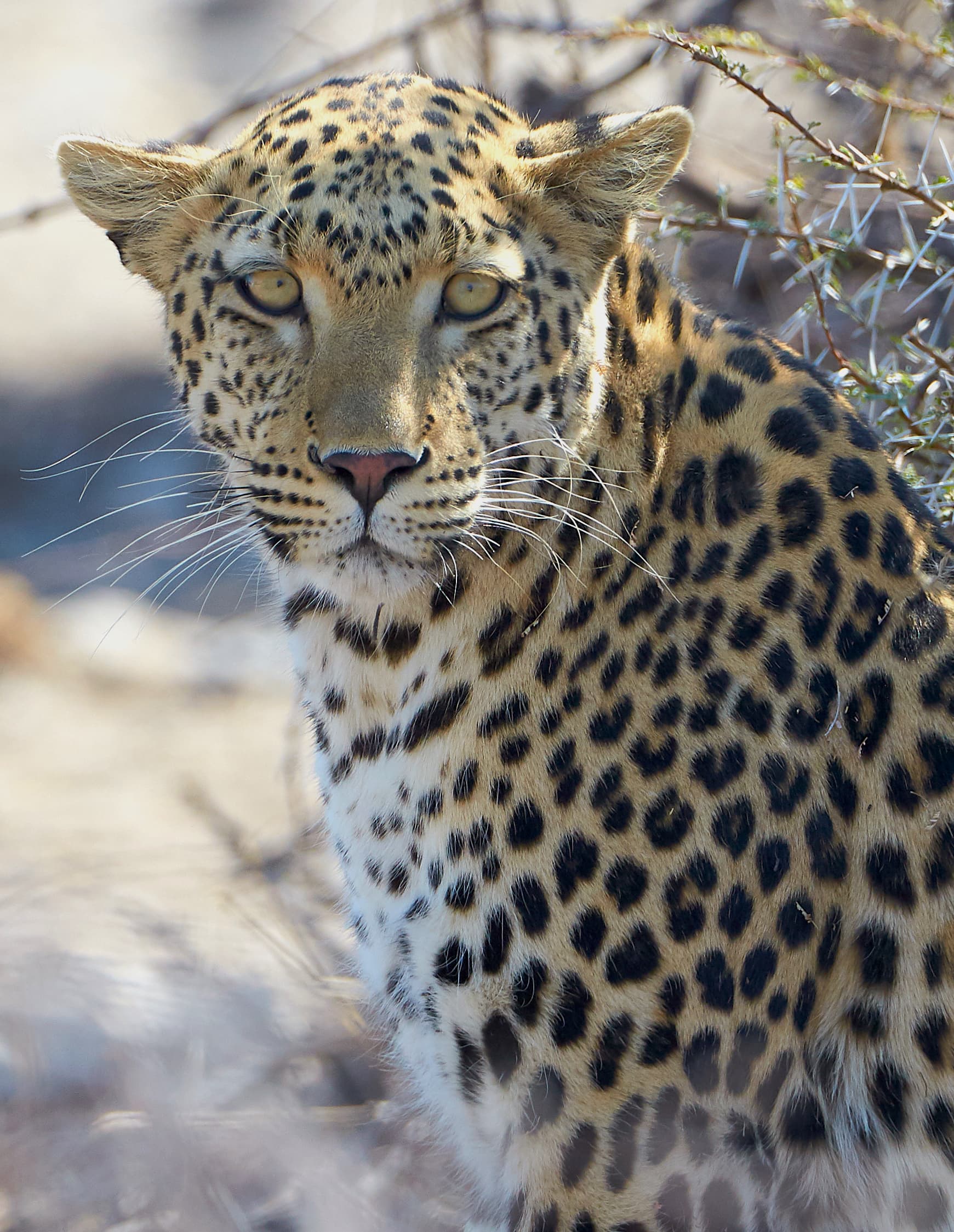
Close leopard portrait in golden light

Tell Us How You Picture Namibia

Share your dates, who is traveling and whether you imagine dunes at dawn, rhino tracks in Damaraland or a waterhole at night. We’ll shape a private route around those ideas and talk you through every choice before anything is confirmed.

Plan My Namibia Safari