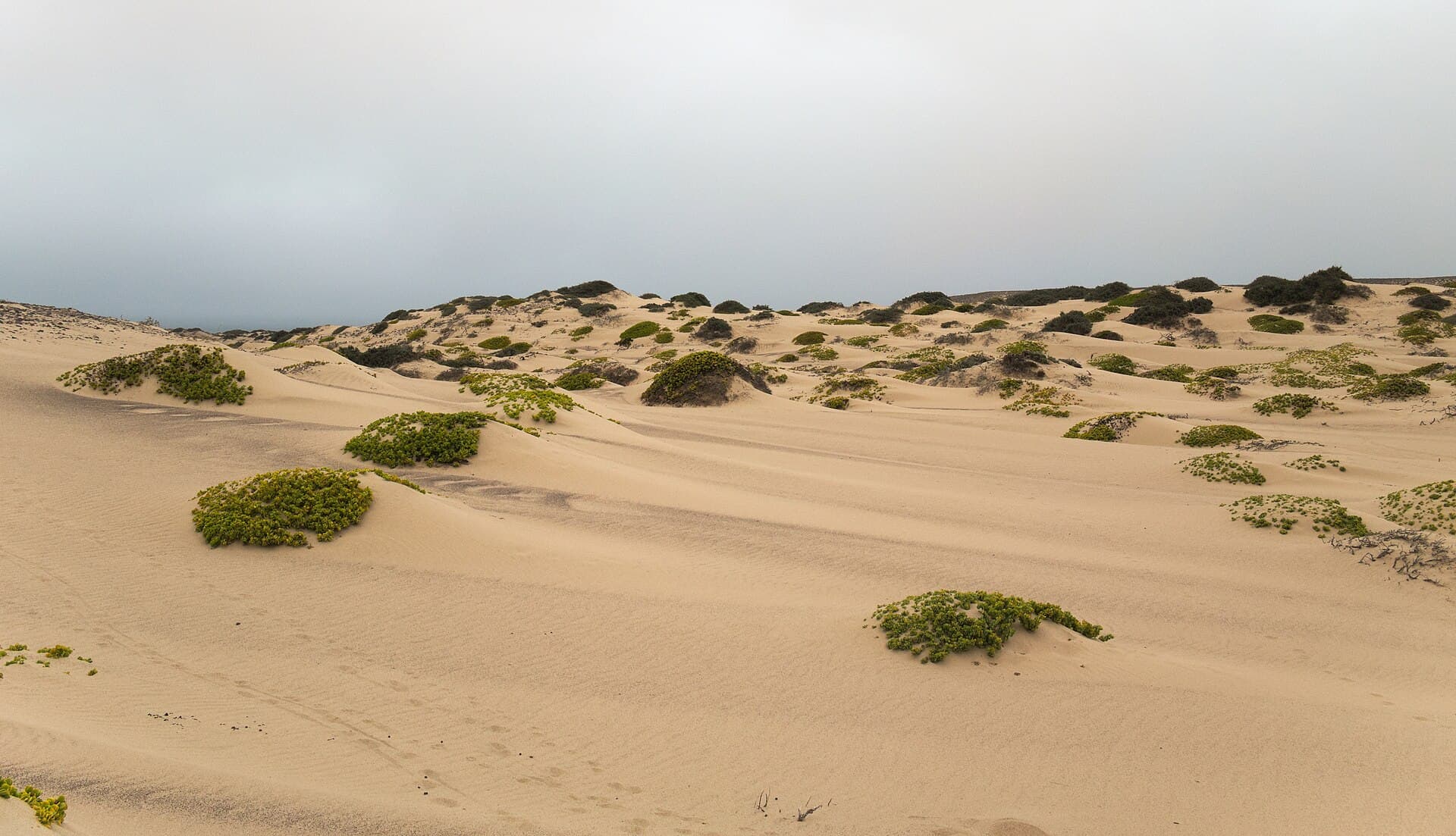
Granite domes of Spitzkoppe rising from the Damaraland plains

Private safari

8-Day Damaraland & Kaokoland Private Safari

8 daysPrivate safariNamibiaIndividually quoted

Fresh rhino spoor at dawn in a valley of red rock, elephants walking a dry riverbed, then the green thread of the Kunene cutting through the desert on the Angolan border.

Customize This Journey
Duration8 days · 7 nights
Best monthsApril–September, before the heat builds
Comfort levelsPremium · Luxury · Ultra-Luxury
RouteWindhoek · Damaraland · Kaokoland
Best forSeasoned safari travelers who value wilderness, conservation and silence over a long species list
Trip typePrivate safari

A Kaokoland safari is the least conventional journey Namibia offers. This route has no dunes to climb and no Etosha waterholes; instead you spend three nights in Damaraland, where black rhino and elephants roam open communal land without fences, and three on the Kunene River in Kaokoland, the country’s far north-western corner on the border with Angola. Light aircraft do the hard work, turning what would be long, jarring days on remote tracks into flights of an hour or two.

It suits people who care how conservation works, not only what they see. Rhino tracking here is part of a monitoring effort carried out with trackers from local communities; elephant drives follow dry river courses these herds have used for generations; and time with OvaHimba families happens only through a community that sets its own terms. Wildlife in this arid country is thinly spread and never assured, which is exactly why each encounter carries such weight.

Why this route works

Damaraland comes first because rhino tracking and elephant drives need a settled rhythm, and three nights leave room for a second attempt if the first morning comes up empty. A light aircraft then flies you north to the Kunene in about an hour and a half; by road the same move is a long, rough day, and more to reach the western valleys, through country where help is far away. Three nights on the river give you one day for the community visit and the water, one for the valleys, and slack for the heat and slower rhythm of the far north. The flight back to Windhoek takes around three hours with a refuelling stop, so book an evening flight home.

Itinerary

Day by Day

A suggested flow — every day can be reshaped around you.

  1. Day 1 · Windhoek

    Windhoek, Before the Wilderness

    Drive · Hosea Kutako International AirportYour Windhoek hotel or lodge · about 20–45 minutes

    Hosea Kutako airport lies about 45 km east of Windhoek. At luxury and ultra level your first night is at a lodge in the hills just off the airport road, with a terrace facing the savanna; at premium level, a boutique hotel in the leafy suburb of Klein Windhoek. Use the evening to repack: the light aircraft that carry you from here take soft bags only, within a strict weight limit, and anything else can usually be stored until you return. Dinner is early, because tomorrow’s flight leaves in the morning from Eros, the city’s airport for small aircraft.

    • Private airport transfer
    • Luggage repack for the light aircraft
    • Quiet dinner and an early night
    Overnight
    Windhoek
    Meals
    Dinner
  2. Granite domes of Spitzkoppe rising from the Damaraland plains

    Day 2 · Damaraland

    Flying into Rhino Country

    Flight · Eros Airport, WindhoekDamaraland airstrip · about 1.5–2 hoursLight aircraft take soft bags only, usually about 20 kg per person in total.

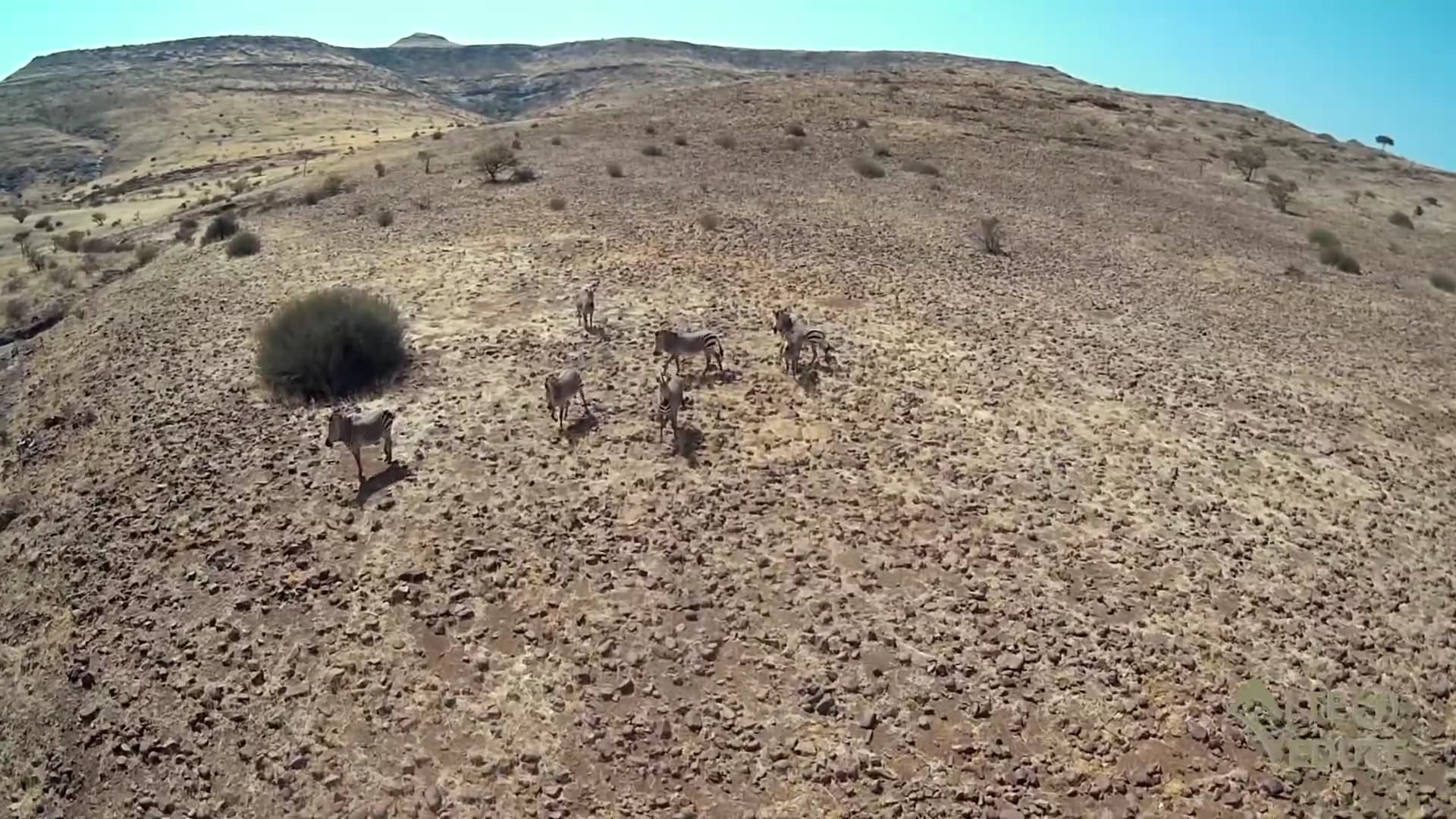
    The flight north-west crosses the Khomas Hochland and the granite country of Erongo, and on a clear day the Brandberg, whose summit at 2,573 m is Namibia’s highest point, may rise off the wing. You land on a gravel airstrip and drive to camp, set in a community conservancy at premium level or in the vast Palmwag concession at luxury and ultra level. The afternoon drive introduces the landscape: flat-topped basalt hills, euphorbia bushes, springbok and Hartmann’s mountain zebra picking their way across stony slopes. Sundowners come with a view that may not include another building in any direction.

    • Scenic light-aircraft flight
    • Afternoon drive in the concession
    • Sundowners on a ridge
    Overnight
    Damaraland
    Meals
    Breakfast, lunch & dinner
  3. Day 3 · Damaraland

    On Foot with the Rhino Trackers

    You leave camp in the dark. Trackers from local communities, working with Save the Rhino Trust, which has monitored the rhinos of this region since 1982, are often already out reading the ground for fresh spoor. Once an animal is located, you cover the last stretch on foot, in single file and downwind, with the trackers deciding how close is safe; the aim is to watch a black rhino without it knowing you are there, then withdraw. Some mornings end without a sighting, which is the nature of free-roaming animals in huge country. Our page on desert rhino tracking explains the etiquette, including why rhino photos are never geotagged.

    • Pre-dawn departure with the trackers
    • Final approach to the rhino on foot
    • Breakfast in the field
    • Afternoon rest at camp
    Overnight
    Damaraland
    Meals
    Breakfast, lunch & dinner
  4. Day 4 · Damaraland

    Elephants of the Dry Rivers

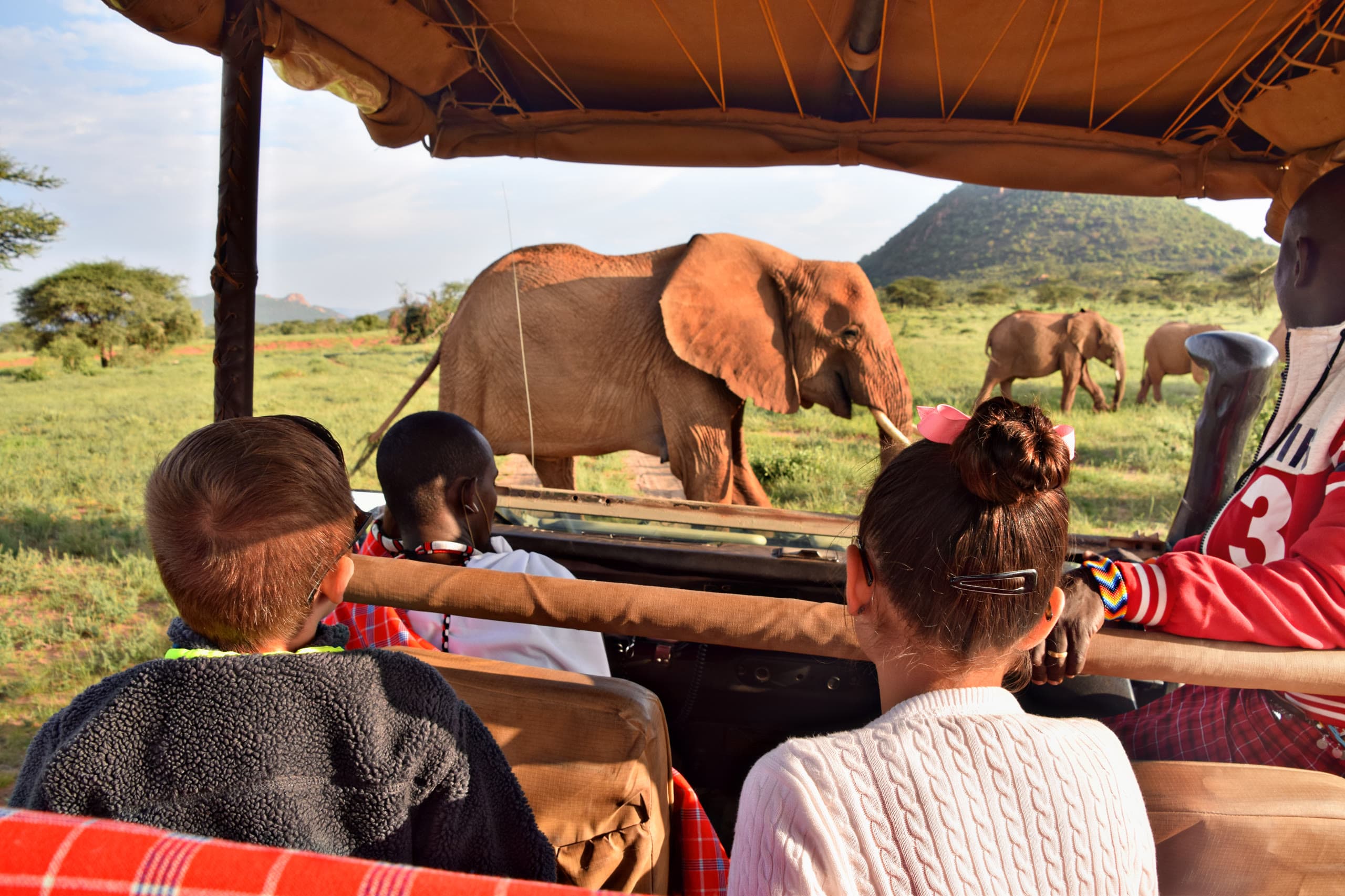
    Desert-adapted elephants are not a separate species. They are savanna elephants whose behaviour has adjusted to scarcity: smaller family groups, long walks between water sources, and a habit of feeding along ephemeral riverbeds such as the Huab, Aba-Huab and Hoanib, which flow only after rain. Your guide follows the latest tracks along the sand, and where the herds moved overnight decides the day. If your camp is within reach, the afternoon can include Twyfelfontein, a World Heritage Site where hunter-gatherers engraved rhino, giraffe, ostrich and elephant into the sandstone over at least two thousand years.

    • Elephant drive along an ephemeral river
    • Picnic lunch in the shade of riverbed trees
    • Optional visit to the Twyfelfontein engravings
    • Stars from camp after dinner
    Overnight
    Damaraland
    Meals
    Breakfast, lunch & dinner
  5. Day 5 · Kaokoland

    North to the Kunene

    Flight · Damaraland airstripKaokoland airstrip · about 1.5 hours

    After a final early walk or drive, the light aircraft heads north over the Kaokoveld, where the ranges fold ever steeper and the only signs of people are scattered pastoral homesteads and livestock trails. Then the Kunene appears, a ribbon of palms and green water against bare rock. Your base depends on your tier: tents at Epupa Falls at premium level, a lodge on the river or at Purros at luxury level, and a remote camp near Hartmann’s Valley at ultra level. Evening drinks look over the water, or at Epupa over falls that spread across about 1.5 km, with a greatest single drop of around 37 m.

    • Last morning activity in Damaraland
    • Flight over the Kaokoveld
    • Sundowners by the Kunene
    Overnight
    Kaokoland
    Meals
    Breakfast, lunch & dinner
  6. Day 6 · Kaokoland

    OvaHimba Hosts and the River

    This morning you visit an OvaHimba family, arranged through a community or conservancy that sets the terms, with a local guide who speaks Otjiherero to interpret, a fee that goes to the community and photographs only when your hosts agree. Treat it as a conversation about cattle, water and seasonal moves rather than a show; our note on visiting OvaHimba communities sets out what we will and won’t arrange. In the afternoon, if your camp sits on the Kunene, a boat drifts past crocodiles on the sandbanks and kingfishers in the reeds, with Angola on the far bank; at Purros, you follow the Hoarusib riverbed instead.

    • Community-arranged OvaHimba visit with an interpreter
    • Boat trip on the Kunene where camp location allows
    • Birding along the riverbank
    Overnight
    Kaokoland
    Meals
    Breakfast, lunch & dinner
  7. Day 7 · Kaokoland

    Valleys at the Edge of the Map

    From the western camps, today is spent in the Marienfluss or Hartmann’s Valley: long, sand-floored valleys between bare ranges, patterned with the grass-ringed bare patches known as fairy circles, where oryx and springbok may be the only traffic. The day ends with sundowners on a dune above the Kunene gorge. From Epupa the valleys are too far for a comfortable return trip, so the equivalent day explores the river upstream and down, the baobab-dotted slopes above the falls and a clifftop viewpoint at sunset. Nights here are dark enough for a sky talk, where camps offer one.

    • Full-day valley excursion or river exploration
    • Picnic lunch
    • Dune or clifftop sundowner
    • Optional guided stargazing
    Overnight
    Kaokoland
    Meals
    Breakfast, lunch & dinner
  8. Day 8 · Windhoek

    The Long Flight South to Windhoek

    Flight · Kaokoland airstripWindhoek · about 3 hours, including a refuelling stop

    A last early walk by the river, then the long flight south, usually with a refuelling stop, over country you have now seen from the ground. Depending on the routing, you land at Eros or directly at Hosea Kutako, in time for an evening international departure. If your flight home leaves the next day, add a night at the lodge near the airport rather than cutting the connection fine. Camp kitchens can pack a light lunch for the journey, and anything you stored in Windhoek is returned to you before check-in.

    • Early walk or boat trip on the river
    • Light-aircraft flight to Windhoek
    • Connection to your international flight
    Meals
    Breakfast

Lodges

Where You’ll Stay

Choose a comfort level to see the stay style for each part of the journey. We match specific camps to your dates and availability.

Refined camps and lodges — often with plunge pools, fine dining and the very best positions.

  1. 1 night · Windhoek

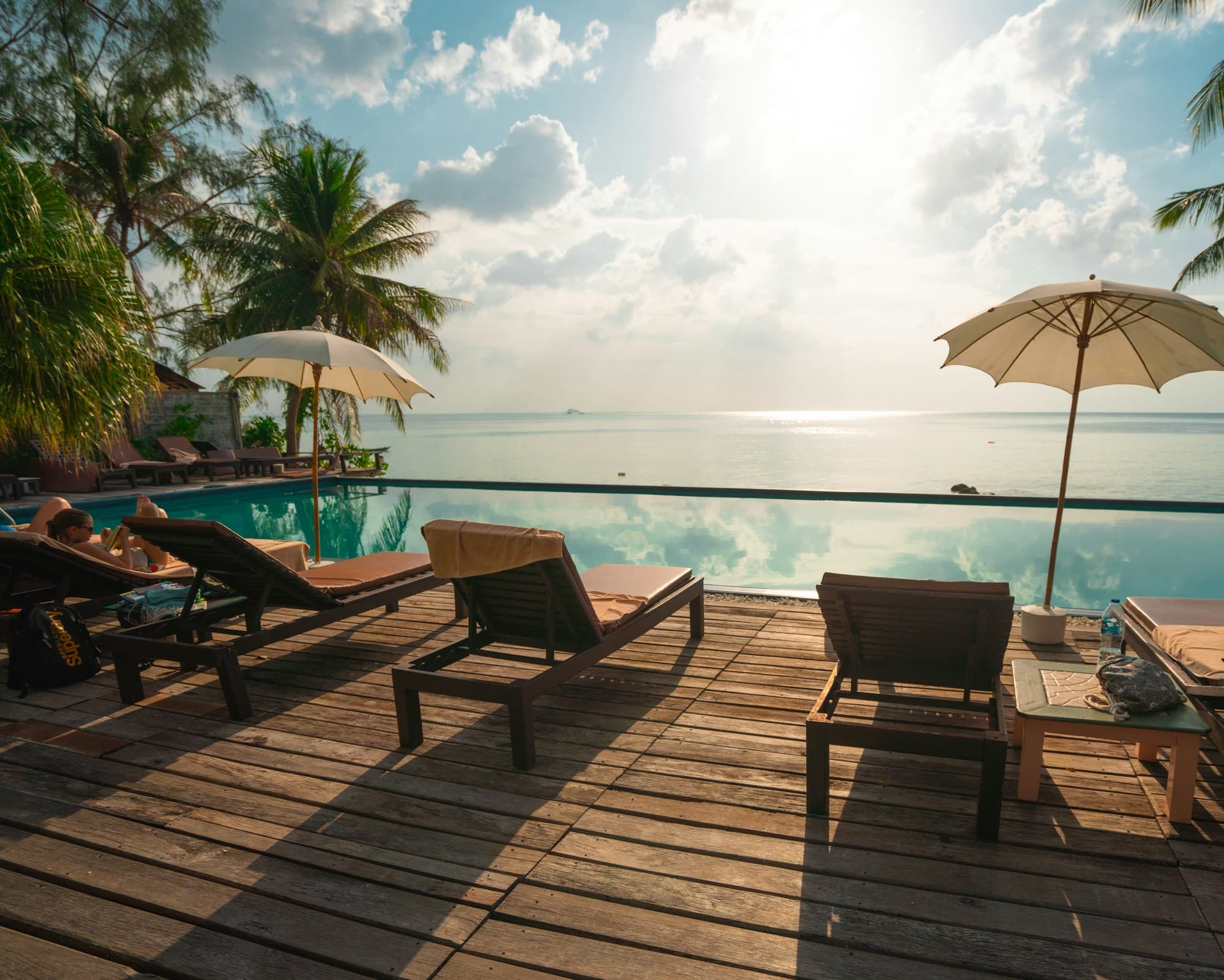
    Luxury lodge deck with loungers and umbrellas at golden hourLuxury

    Windhoek · Hills near Hosea Kutako Airport

    Hilltop Savanna Retreat · Airport Side

    Lodge

    • Spacious suites with private terraces
    • View pool overlooking the savanna
    • Nature walks or drives on the property
  2. 3 nights · Damaraland

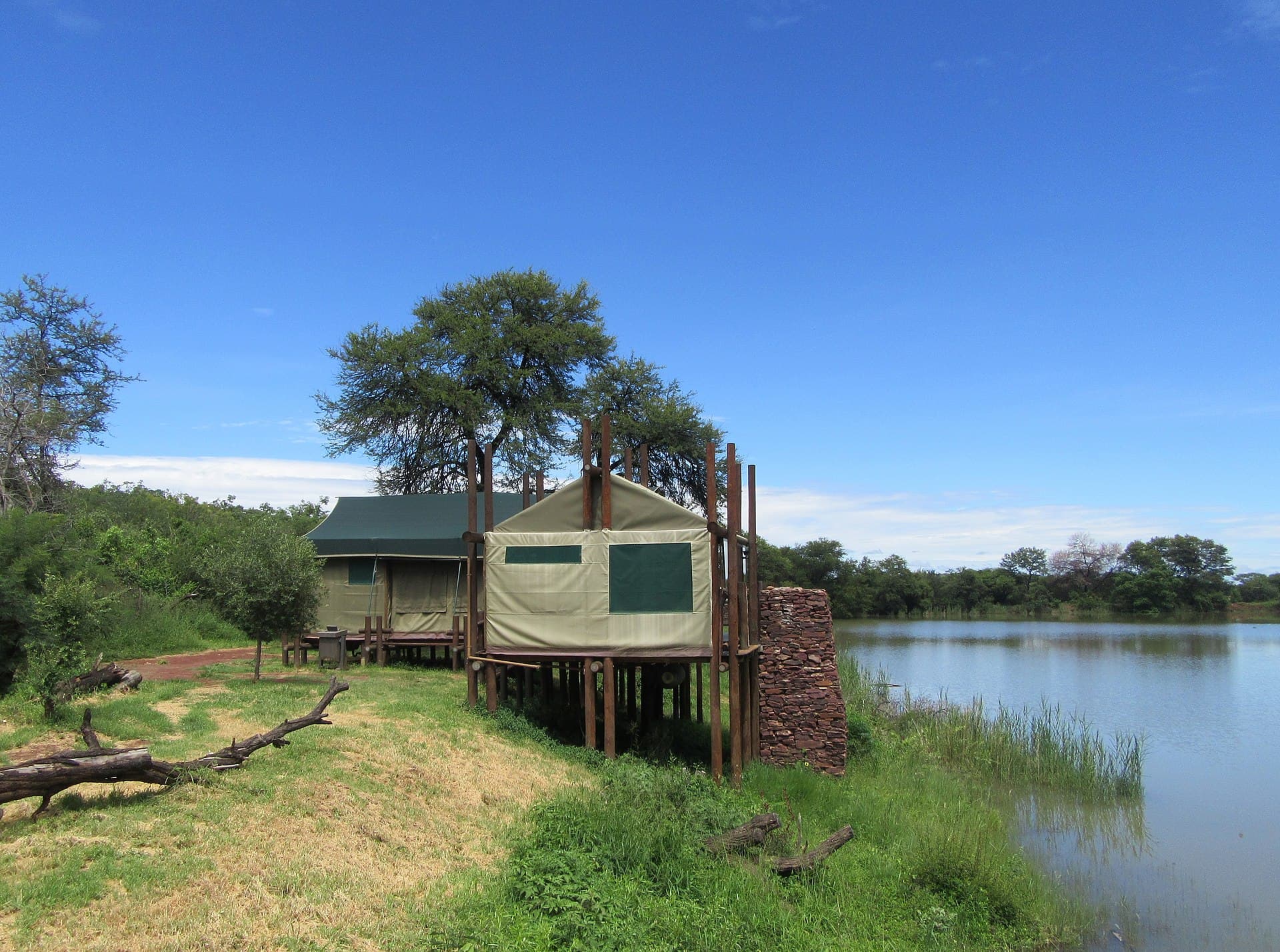
    A canvas safari tent set among trees at a private tented campLuxury

    Damaraland · Palmwag concession

    Palmwag Rhino-Tracking Camp

    Tented camp

    • Rhino tracking on foot with expert trackers
    • Few tents in a vast concession
    • Desert-elephant and landscape drives
  3. 3 nights · Kaokoland & the Kunene River

    Luxury lodge deck with loungers and umbrellas at golden hourLuxury

    Kaokoland · Kunene River or Purros

    Remote Riverside Lodge · Kunene or Purros

    Lodge

    • Rooms with private decks facing the river
    • Boat trips at the Kunene locations
    • Riverbed drives for desert-adapted wildlife near Purros

Price

Price

Every private safari is priced for your dates, party and choices — here is what moves the number.

Individually quoted

Custom pricing based on your dates, comfort level, party size and routing.

  • SeasonPeak months sit at the top of the range; green-season and shoulder months are noticeably softer at many camps.
  • Party sizeYour private vehicle and guide are shared across your party — the per-person cost typically falls as your group grows from two to four or six.
  • Comfort levelMoving from Comfort to Ultra-Luxury changes the nightly rate more than any other choice.
  • RoutingFlying the long legs saves hours on the road and adds light-aircraft fares; driving keeps costs lower.

What’s Included

  • Professional guiding throughout: a private vehicle and guide on road-based legs, and the camp’s own guides at fly-in camps (a private vehicle can often be added)
  • Accommodation at your chosen comfort level
  • Meals as listed day by day
  • Park and conservation fees for the itinerary
  • Airport meet-and-greet and road transfers as listed
  • Drinking water on game drives
  • Support from our team before and during your journey
  • Three light-aircraft flights: Windhoek to Damaraland, Damaraland to the Kunene, and back to Windhoek
  • Rhino tracking on foot with community trackers
  • Desert-elephant drive along the ephemeral rivers
  • Community-arranged OvaHimba visit with an Otjiherero-speaking interpreter, fee paid to the community
  • A boat trip on the Kunene where your camp sits on the river
  • A guided full-day valley or river excursion in Kaokoland

Not Included

  • International flights
  • Visa and entry fees
  • Travel and medical insurance (strongly recommended)
  • Gratuities for guides and camp staff
  • Premium drinks and personal expenses
  • Twyfelfontein site entrance, paid on the day if you choose to go
  • Medical evacuation cover, essential this far from hospitals; check that your policy includes air evacuation
  • An extra light-aircraft seat if you need more allowance for camera equipment
  • Guided stargazing where a camp charges for it
  • A post-trip night in Windhoek if your flight home leaves the next day

A typical inclusion list — your written proposal itemizes exactly what is and isn’t included.

Activities

Activities & Add-Ons

Included experiences and optional upgrades for this journey.

Optional

After dark

Stargazing & Dark Skies

Star beds or a sky talk where your camp offers them.

Map

Route Map

Route map: Windhoek · Damaraland · Kaokoland1Hosea Kutako Airport2Windhoek3Damaraland4Kaokoland
By roadBy air

Approximate locations — not for navigation.

How This Journey Changes Through the Year

April–May
The rains have just ended: the Kunene runs full at Epupa, the hills may carry a green tinge and days are warm rather than hot. Malaria risk in the Kunene region stays in its high season until the end of April, so see a travel-health clinic; our Namibia malaria guide has the detail.
June–August
Cool, clear and dry. Mornings are cold in an open vehicle, while daytime temperatures are ideal for tracking on foot. This is the most comfortable time to be on the Kunene.
September
Warming quickly, with good tracking if you start at first light. It is the last month before the heat of the Kunene valley becomes a real constraint.
October–March
We don’t recommend this route then. Heat in the Kunene valley is intense, summer rain can affect tracks and airstrips, and malaria risk rises from December.

Make It Yours

  • Add two nights in the Hoanib valley on the northern Skeleton Coast between Damaraland and the Kunene
  • Finish with two nights at an Etosha private reserve for classic waterhole viewing
  • Begin on the coast in Swakopmund and fly north from there
  • Charter the aircraft privately to set your own flight times
  • Add a star-bed night or a guided sky session in Damaraland

Good to know

Frequently asked questions

Will we definitely see desert rhino and elephants on this safari?

No one can promise it. Both range freely over enormous areas, and while trackers and guides locate them on many outings, some mornings end without a sighting. Three nights in Damaraland allow a second attempt, and time with the people who protect these animals is rewarding in itself.

How remote is Kaokoland, and what happens in a medical emergency?

Very remote: hospital-level care is many hours away by road, so serious cases rely on evacuation by air. Carry insurance that explicitly covers medical air evacuation, bring prescription medicines in your hand luggage, and tell us about health conditions when booking so camps can be briefed. Fly-in camps typically hold first-aid kits and have radio or satellite communications.

Is it ethical to visit the Himba on a Kaokoland safari?

It can be, when the community sets the terms. We arrange visits only through a community or conservancy, with a local interpreter, a fee paid to the community and consent before any photograph. We don’t arrange drop-in visits to roadside settlements or pay for staged photos.

How much luggage can we take on the light aircraft?

Plan on soft bags with a combined allowance of around 20 kg per person, including camera gear and hand luggage; hard suitcases don’t fit the small cargo holds. Photographers carrying long lenses can book an extra seat for more allowance. Clothes for the rest of your travels can usually wait for you in Windhoek.

Could this route be done by road instead of flying?

Yes, with a specialist private guide and a well-equipped 4x4, but it adds several long days on rough, remote tracks, and the western valleys involve serious expedition driving. Flying keeps the journey to eight days. If you would rather travel overland, we can plan a longer, privately guided version.

Safaris

Similar Safaris

Wind-sculpted dunes meeting the Skeleton Coast
10 daysFly-in

Namibia by Air

Windhoek · Sossusvlei · Skeleton Coast · Etosha National Park

Travelers who would rather fly than drive, and who value remote wilderness and photography over a long species list

Best months
April–November
Comfort levels
Premium · Luxury · Ultra-Luxury
Individually quoted
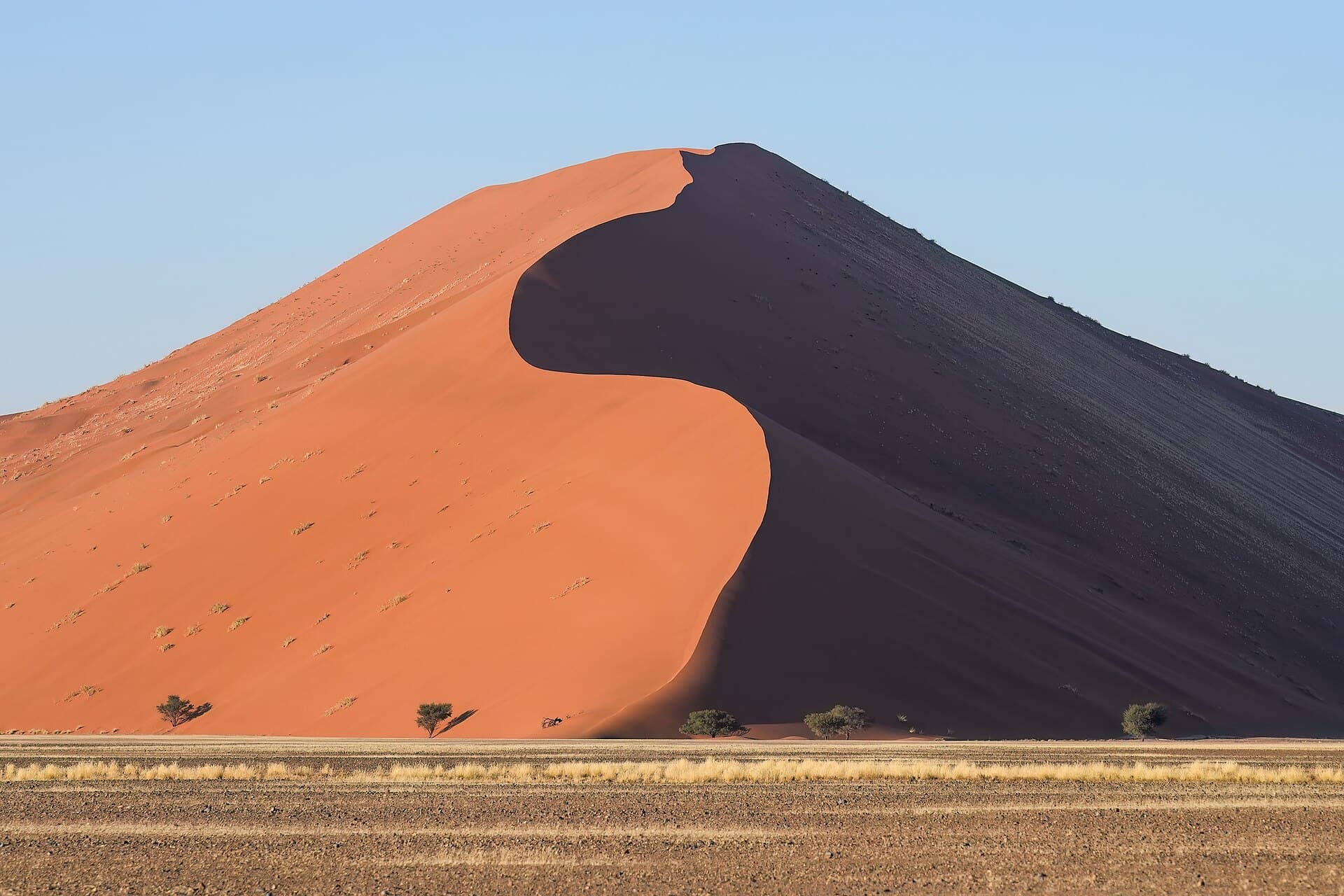
Red curve of Dune 45 at sunrise in Sossusvlei, Namibia
14 daysPrivate guide

Namibia Grand Loop

Windhoek · Sossusvlei · Swakopmund · Spitzkoppe · Damaraland · Etosha National Park · Eastern Etosha · Okonjima

First-time visitors to Namibia who want to see the whole country properly, with time to stop, walk and ask questions

Best months
April–November
Comfort levels
Comfort · Premium · Luxury
Individually quoted
Safari guests watching a herd of elephants from an open vehicle on a family game drive
9 daysFamily

Namibia Family Adventure

Okonjima · Etosha National Park · Swakopmund · Walvis Bay

Families with school-age children who want real wildlife, short drives and plenty of variety

Best months
May–October, the dry winter months
Comfort levels
Comfort · Premium · Luxury
Individually quoted
Granite domes of Spitzkoppe rising from the Damaraland plains

Customize This Journey

Tell us your dates, who is traveling and your preferred comfort level. A safari specialist will tailor this route around you — nothing is booked until you approve every detail.

Customize This Journey