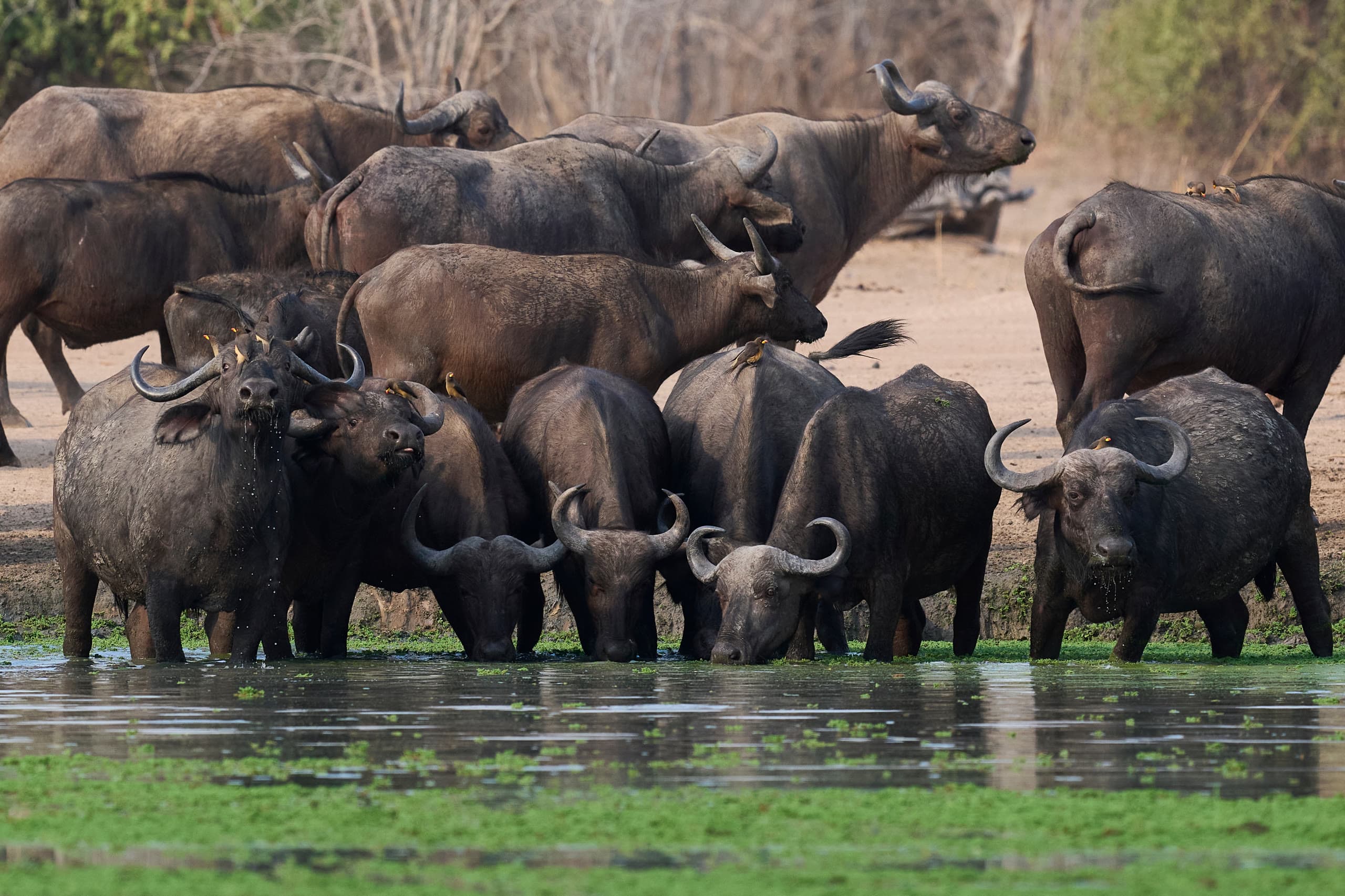
A herd of buffalo gathered at a waterhole

Tanzania park guide

Lake Manyara National Park Safaris

A narrow ribbon of spring-fed forest, floodplain and soda lake beneath the Rift Valley escarpment — compact, green and full of surprises.

SizeAbout 650 km² (roughly 250 sq mi), much of it lake
Best timeJune–October for game; November–February for birds and green forest
Recommended stayA half or full day, with 1 night nearby
Getting thereAbout 2 hours by road from Arusha; Lake Manyara airstrip above the park
Known forGroundwater forest, baboon troops, birdlife and occasional tree-climbing lions
Best forShort itineraries, birders, families and an easy first game drive

Lake Manyara National Park

Why Visit

Lake Manyara is compact — about 650 km², much of it the lake itself — and that is part of its appeal. You enter at the edge of Mto wa Mbu, a busy market town, and within minutes are in groundwater forest fed by springs seeping from the Rift Valley wall: mahogany and wild fig overhead, large troops of olive baboons along the road and blue monkeys in the canopy.

What sets it apart is how much changes in a short drive. The forest gives way to acacia woodland, then to open floodplain where buffalo, zebra and giraffe graze beside an alkaline lake that rises and falls with the rains. When conditions suit, flamingos gather in pink bands along the shore; pelicans, storks and fish eagles are more constant. And yes, the lions here are famous for climbing trees — just not reliably.

On a private safari, Lake Manyara is usually a half or full day on the road from Tarangire to the Ngorongoro Crater, with the crater rim about 90 minutes beyond. It is a relaxed introduction for families and first-time safari travelers — short distances, constant activity, no long days in the vehicle — and a rewarding stop for birders at almost any time of year.

Best for

  • Travelers short on time on the way to the crater
  • Birders, especially November–April
  • Families with young children — short drives, plenty of primates
  • A first game drive to settle into safari rhythm
  • Forest, lake and savanna in a single day

Lake Manyara National Park

Wildlife & Highlights

  • Large olive baboon troops along the forest road
  • Blue monkeys in the groundwater forest canopy
  • Elephant in the forest and along the lakeshore
  • Tree-climbing lions (occasional, never reliable)
  • Hippo at the lakeshore pool
  • Flamingos on the lake (seasonal, depending on water levels)
  • Great white pelicans, yellow-billed storks and fish eagles
  • Buffalo, zebra and giraffe on the grassy floodplain
  • Bushbuck and Kirk’s dik-dik at the forest edge
  • Klipspringer on the escarpment rocks (with luck)

Season

Best Time to Visit

  1. January
  2. February
  3. March
  4. April
  5. May
  6. June
  7. July
  8. August
  9. September
  10. October
  11. November
  12. December
June–OctoberDry season and the easiest time for game: animals come down to the lakeshore to drink, and the spring-fed forest stays green even as the plains turn gold.
November–FebruaryShort rains, then a warmer, drier spell. Migrant birds arrive, seasonal waterfalls can appear on the escarpment and the park is lush and quiet.
March–MayThe long rains. Tracks toward the southern end can flood, and the lake may spread across the floodplain. Birding remains good, but game drives are often shorter.

Lake Manyara National Park

Areas to Know

Groundwater forest

Just inside the gate, springs percolating from the escarpment feed a tall, evergreen forest that feels entirely unlike the savanna beyond. Baboons groom on the road, blue monkeys leap through the canopy and elephants browse surprisingly close to the track. A treetop canopy walkway has operated here in recent years — check it is open for your dates — and the shade makes this the most comfortable part of the park at midday.

Best for: Primates, elephants and a walk among the treetops

Lakeshore & floodplain

Between the forest and the water lies open, grassy floodplain where buffalo, wildebeest, zebra and giraffe graze with the escarpment as a backdrop. A hippo pool near the shore is a favorite stop, and the lake’s edge draws pelicans, storks and, in some seasons, flamingos. Further south, the Maji Moto hot springs mark the end of most full-day drives, and the park feels far emptier along the way.

Best for: Birdlife, open-country game and a full-day drive

Rift Valley escarpment

The Rift Valley escarpment rises steeply along the park’s western edge, its most dramatic feature. Lodges along the top look straight down onto the forest and across the lake, and sundowners up here come with one of the finest views on the northern circuit. The Lake Manyara airstrip sits on the escarpment too, and Mto wa Mbu below offers cycling and village walks through a lively, multi-ethnic market town.

Best for: Views, sundowners and an easy overnight base

Lake Manyara National Park

Getting There

The park gate is on the edge of Mto wa Mbu, just off the paved road from Arusha to the Ngorongoro highlands, which makes Lake Manyara one of the easiest parks in Tanzania to reach. The drive from Arusha takes about two hours. The Lake Manyara airstrip, on top of the escarpment, is served by scheduled light aircraft and doubles as the closest airstrip for the Ngorongoro Crater.

Drive or fly?

Lake Manyara is almost always driven, because it sits right on the main road between Arusha, Tarangire and the crater — stopping here costs little extra time. The airstrip matters more as a gateway than a destination: travelers flying in from the Serengeti or Zanzibar often land here to meet a guide for the crater, and can add an afternoon game drive in the park on the way up the escarpment. Flying in only for Manyara is rarely worth it.

Airstrips

  • Lake Manyara airstrip

Typical drive times

Arusha to the park gate
About 2 hours
Tarangire to Lake Manyara
About 1–1.5 hours
Lake Manyara to Karatu
About 30–45 minutes
Lake Manyara to the Ngorongoro Crater rim
About 1.5 hours

Stays

Where to Stay

Few travelers stay inside the park. Most base themselves on the escarpment above, where lodges make the most of sweeping lake views and pools, or in treehouse-style suites among the forest’s mahogany trees. Karatu’s farm lodges, 30–45 minutes further up the road, are another good choice: stay two nights and you can visit Lake Manyara and the crater without changing rooms.

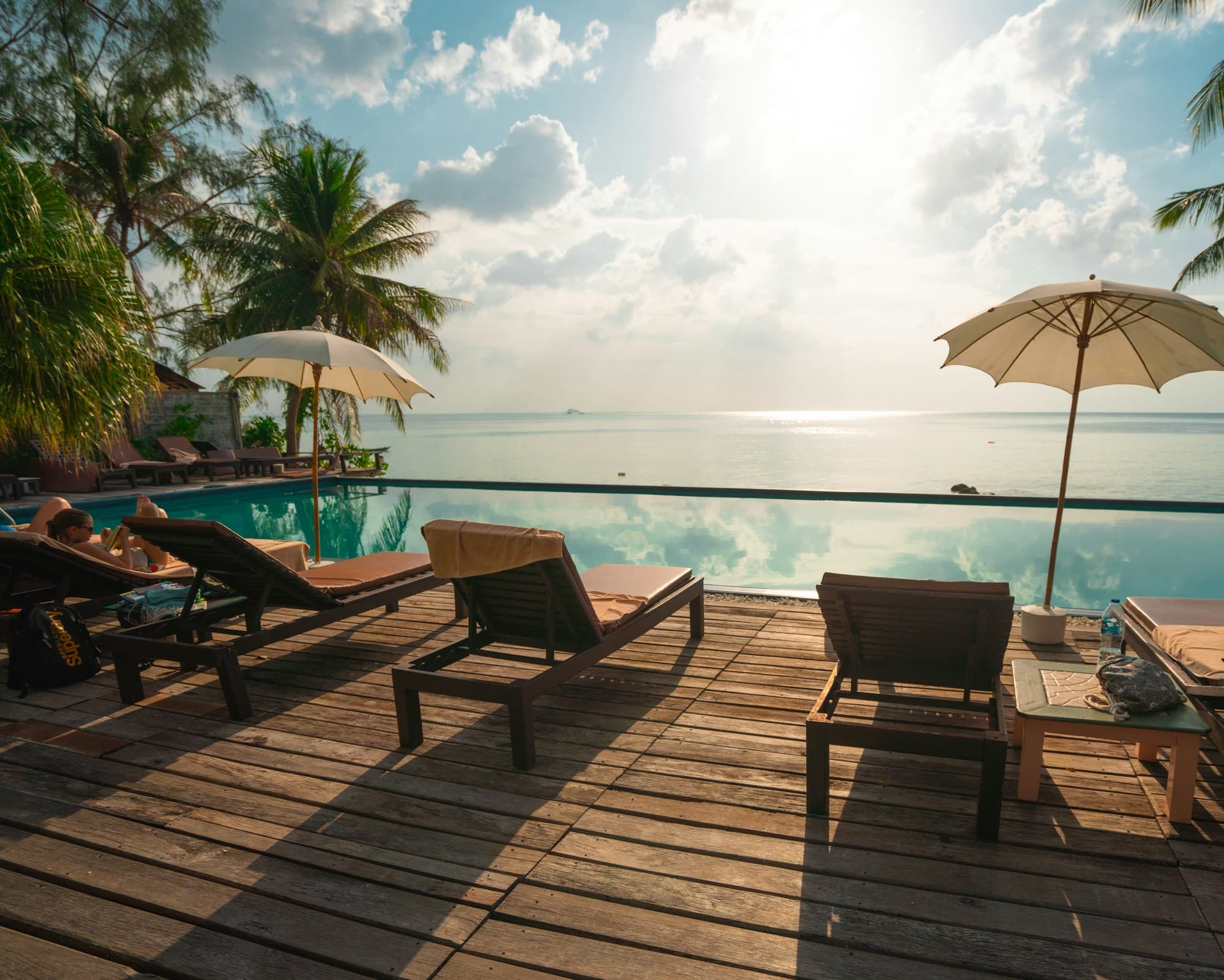
Luxury lodge deck with loungers and umbrellas at golden hourComfort

Lake Manyara · Rift Valley escarpment

Clifftop Rift Valley Lodge

Lodge

Rooms here sit along the lip of the Rift Valley escarpment, looking down over the forest canopy, Lake Manyara and the plains beyond. It is a practical, good-value base between the park and the Ngorongoro highlands, and lodges of this kind usually have a pool near the edge.

  • Rooms or chalets with views over the Rift Valley
  • Pool on the escarpment edge
  • Family rooms at many
  • A short drive down to the park gate

Ideal for: Families and first-time travelers who want big views and an easy drive to the park gate
Luxury

Lake Manyara · inside the park’s forest

Forest Treehouse Lodge

Treehouse lodge

Treehouse suites stand on stilts among tall fig and mahogany trees inside the park, with baboons, hornbills and the occasional elephant passing below. Staying inside Lake Manyara means quiet early drives, often before day visitors arrive from Arusha and Karatu.

  • Treehouse suites with private decks, often with outdoor showers
  • Lantern-lit dinners under the forest canopy
  • Early and late drives from inside the park
  • Only a small number of suites, so it rarely feels busy

Ideal for: Honeymooners and couples who want something intimate and unusual between the Serengeti and the crater

Premium

Ngorongoro highlands · Karatu farmland

Working Farm Lodge

Farm lodge

Cottages spread across a working farm on the slopes below the Ngorongoro forest, with kitchen gardens, coffee and open lawns where children can run. You can walk the farm or the forest edge with a guide, and the crater rim is about 45 minutes up the road.

  • Spacious cottages, often with fireplaces for cool evenings
  • Farm-to-table meals from the kitchen gardens
  • Guided walks on the farm and along the forest edge
  • Family cottages, with a pool or spa at some

Ideal for: Families and couples who want space, home-grown food and a walk before or after the crater

Experiences

Experiences

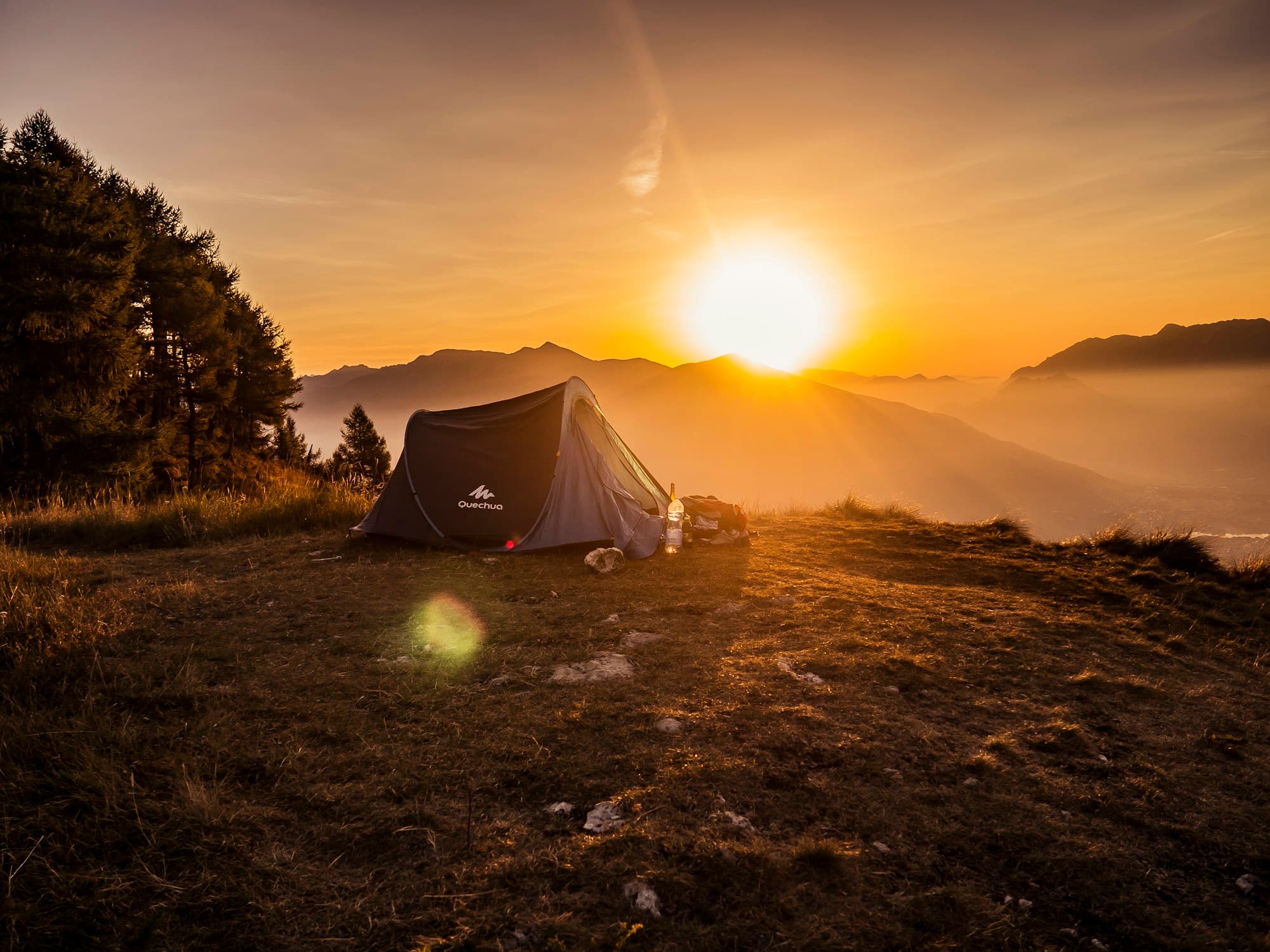
Tented camp glowing at sunrise over golden hills

Bush dining

Bush Breakfast

After a dawn game drive, pull up to a table laid in the shade — fresh coffee, eggs cooked to order and a view with animals in it.

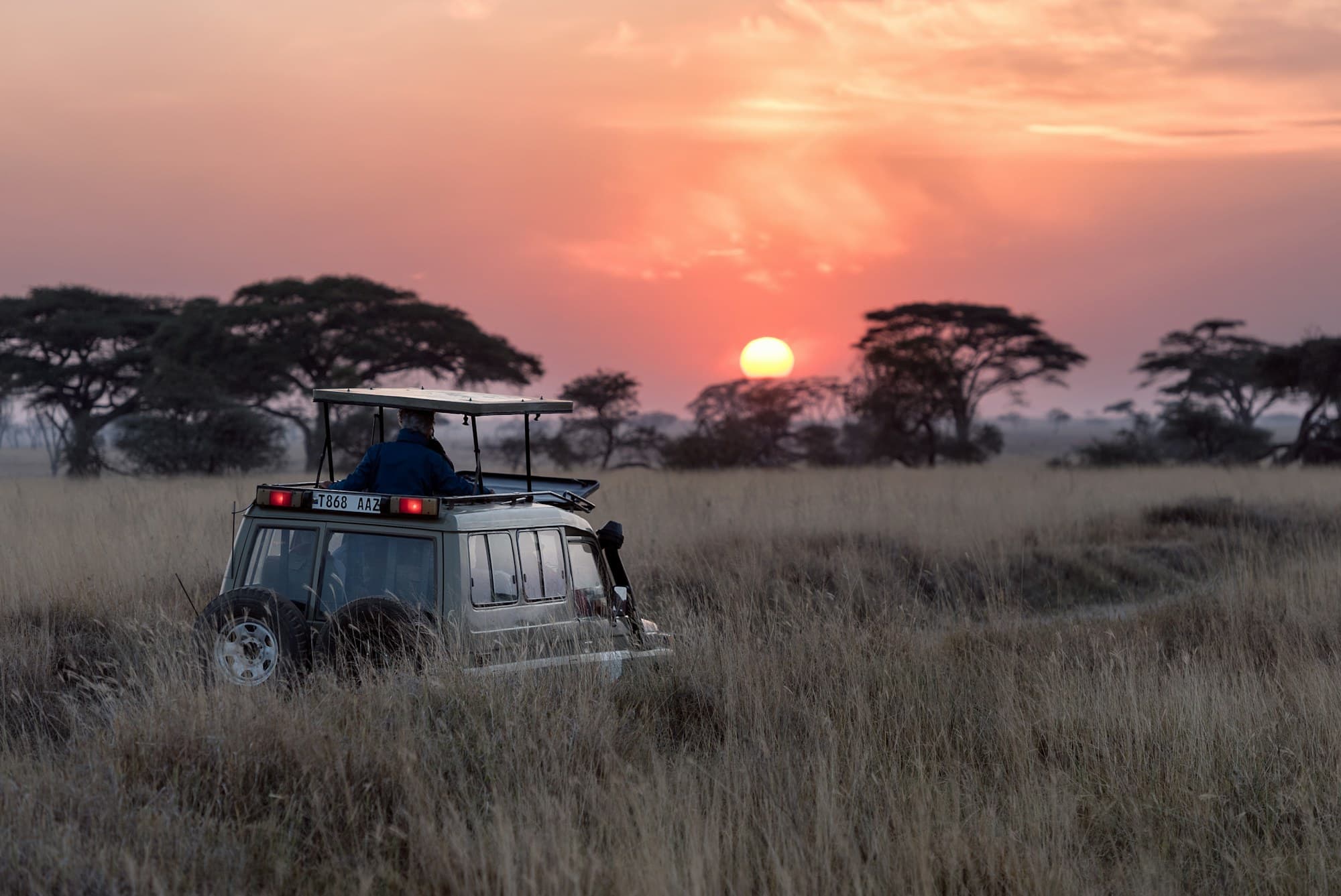
Open safari vehicle with guests on the savanna beneath a dramatic sunset

Bush dining

Sundowners

End the day parked on a kopje or riverbank with a cold drink in hand as the sun drops quickly over the bush.

Getting around

Fly-In Safari

Hop between parks by light aircraft, trading long drives for more time on the ground and a bird’s-eye view of the country in between.

Safaris

Safaris That Include Lake Manyara National Park

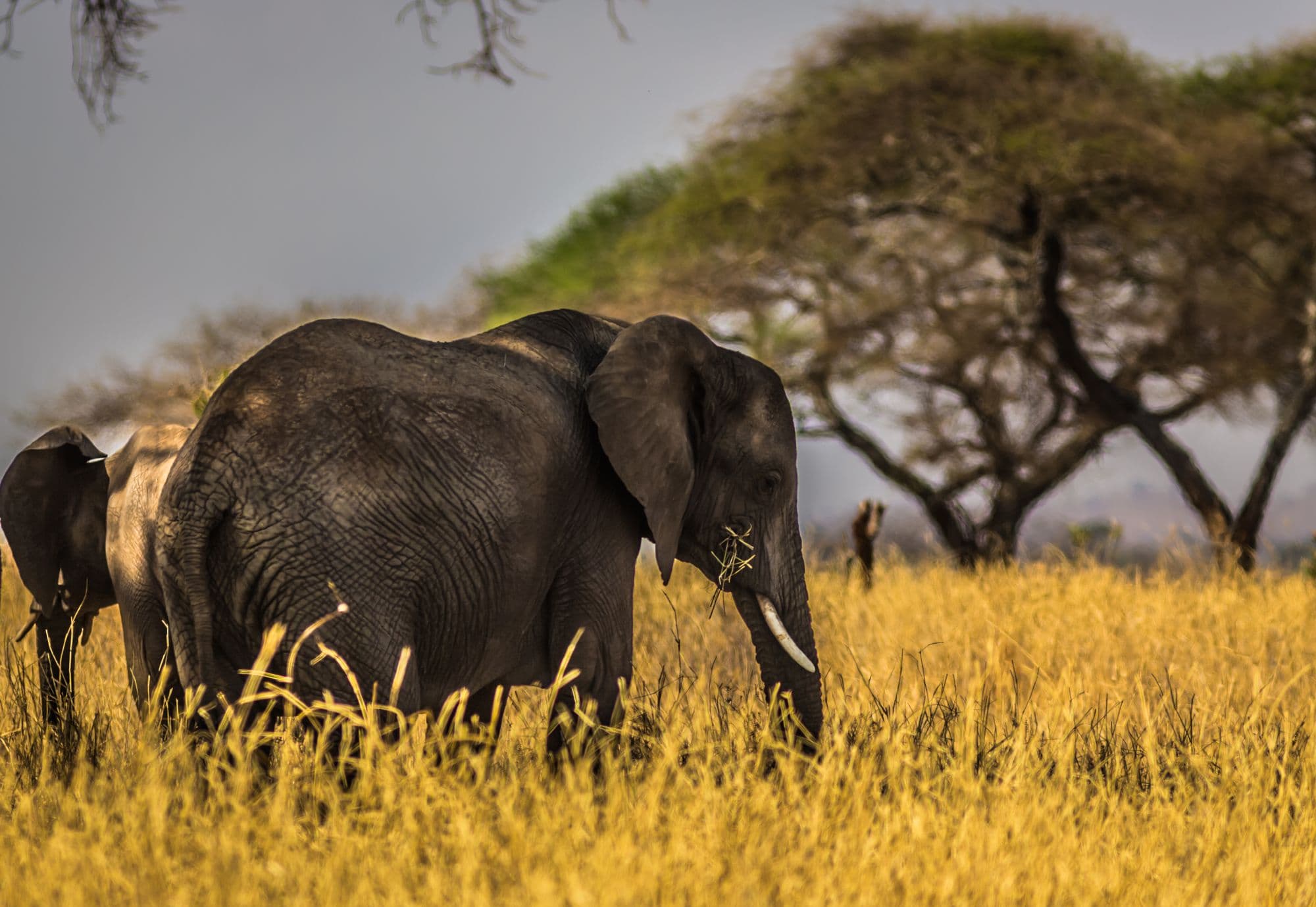
Elephants grazing beneath flat-topped acacia trees on golden grassland
8 daysMost popular

Serengeti & Ngorongoro Classic

Arusha · Lake Manyara · Central Serengeti · Olduvai Gorge · Ngorongoro Crater

First-time safari-goers and photographers who want real time in the Serengeti without flying

Best months
June – March, outside the long rains
Comfort levels
Comfort · Premium · Luxury · Ultra-Luxury
Individually quoted

Good to know

Frequently asked questions

Are the tree-climbing lions of Lake Manyara real?

Yes — Manyara’s lions have long been known for resting in the branches of acacias and other trees, perhaps to escape biting flies, catch a breeze or keep watch; no one is entirely sure why. But sightings are occasional, and many visitors see none. Lions in Tarangire and the Serengeti climb trees too, so treat a sighting as a bonus rather than a reason to plan a trip.

Is Lake Manyara worth visiting?

Worth it as part of a route, rarely as a destination on its own. It is on the way to the crater, easy to reach and wonderful for primates, birds and forest scenery. If time is tight and the choice is between Manyara and a second dry-season night in Tarangire, Tarangire usually wins.

Will there be flamingos at Lake Manyara?

Possibly. Flamingo numbers depend on water levels and food in the alkaline lake, and they vary widely from month to month and year to year — some visits bring thousands, others very few. They are often seen at a distance, so binoculars help, and your guide will have the latest word before you set out.

How much time do I need in Lake Manyara?

A half day, roughly three to four hours, covers the groundwater forest and the lakeshore comfortably. A full day with a picnic lunch lets you continue south to the Maji Moto hot springs, where you share the park with far fewer people. Most itineraries fit it into an afternoon on the way up to the highlands.

Is Lake Manyara good for families?

Very. Drive times are short, the forest is full of baboons and monkeys that keep children engaged, and the paved road makes for an easy arrival. Several escarpment lodges have pools, and the canopy walkway, where open, is a highlight for older children.

Can I combine Lake Manyara with the Ngorongoro Crater?

Easily — they are about 90 minutes apart on the same road. A common pattern is an afternoon game drive in Lake Manyara, a night in Karatu or on the crater rim, and an early descent into the crater the next morning.

Open safari vehicle with guests on the savanna beneath a dramatic sunset

Tell Us Your Dates

Share when you want to travel, who is coming and what you hope to see. A safari specialist will design a private Tanzania journey around you — no obligation, and nothing booked until you approve it.

Plan a Lake Manyara National Park safari