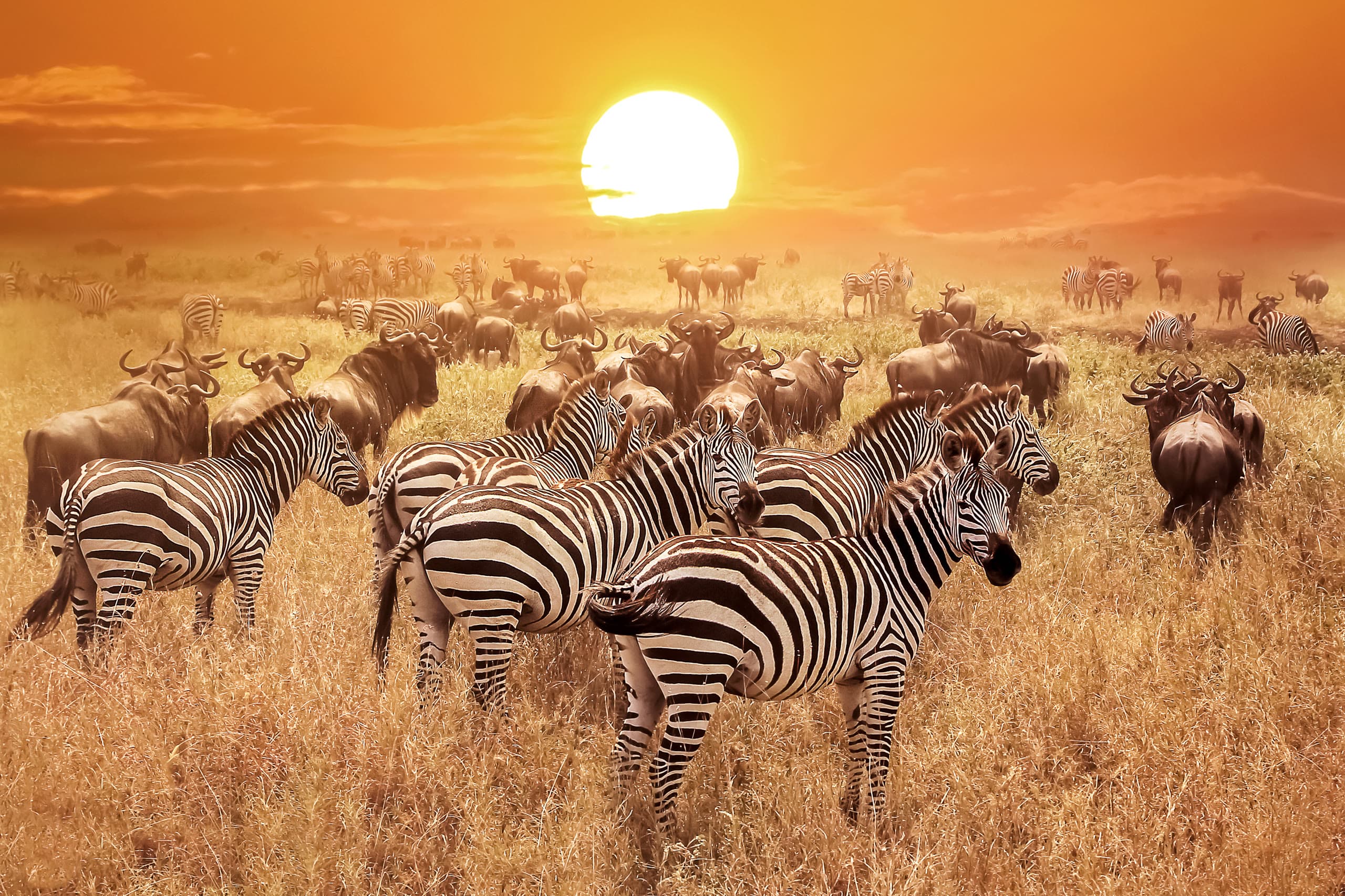
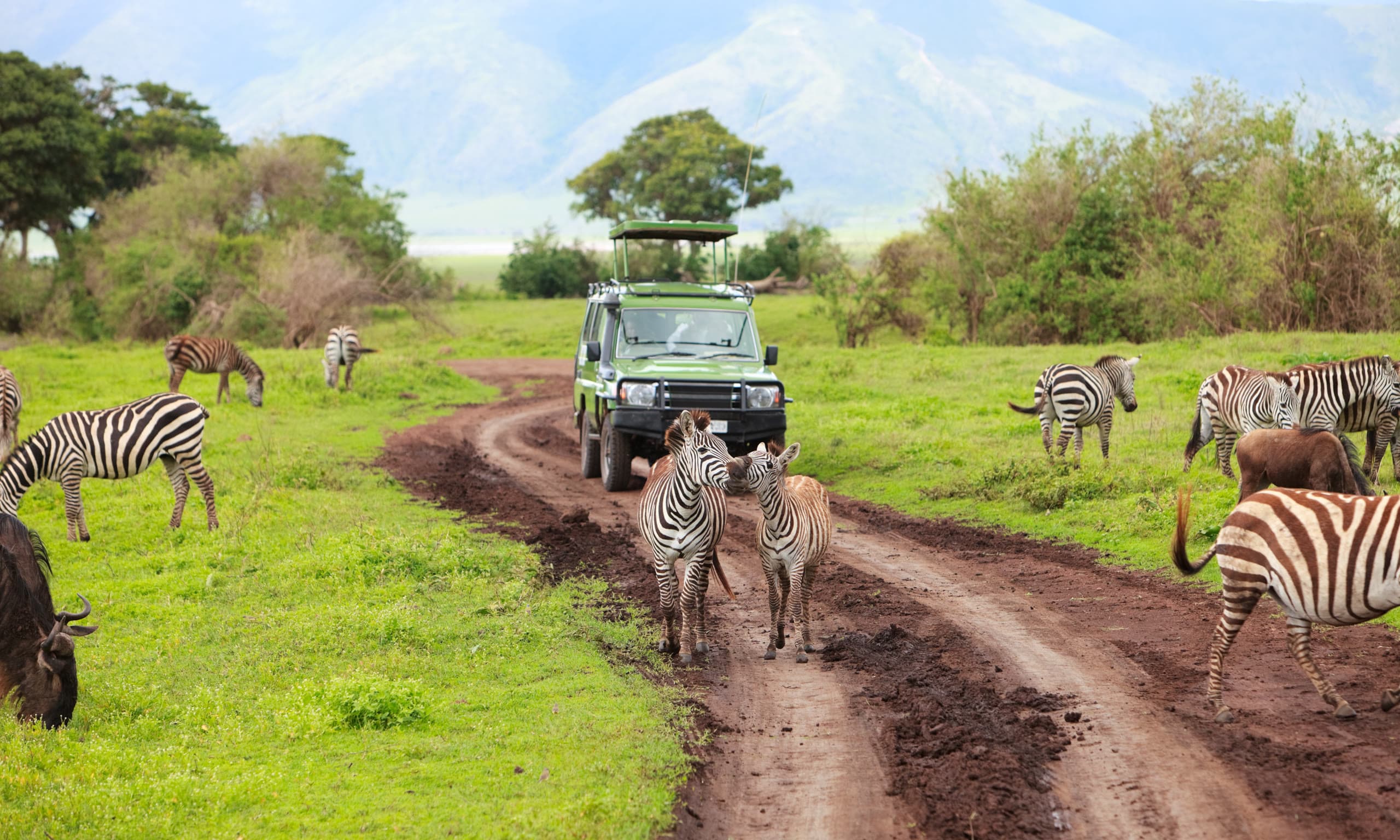
Zebra and wildebeest herds grazing at golden sunset during the Great Migration

When to Go

The Best Time to Visit Kenya for a Safari

Late June to October and January to February are the classic windows, but Kenya’s regions peak at different times. Here is the year month by month, with the fee dates and closures that shape it.

The best time to visit Kenya for a safari is usually late June to October, when the long dry season shortens the grass, animals gather near water and the wildebeest herds are typically in the Masai Mara. January and February form a second dry window: warm, still green at the edges and noticeably quieter. Both are excellent, and both are when camps charge their highest rates.

Kenya straddles the equator, so its calendar is written by rain rather than by summer and winter. The long rains usually fall from March to May, with April and May the wettest, and the short rains arrive in late October or November and ease through December. Temperatures shift only a few degrees across the year; altitude shapes your days far more than the month does.

Timing in Kenya also has a price dimension that many guides skip. The Masai Mara’s entry ticket roughly doubles on 1 July and stays high until the end of December, festive weeks carry minimum stays, and some conservancy camps close for part of the long rains. This guide covers all of it, region by region, so you can match the month to the safari you have in mind.

Month by Month

Kenya’s Safari Calendar at a Glance

Each row is a region or a way to experience Kenya, from the Mara’s migration herds to the beaches of Diani and Watamu; each column is a month. The grid reflects a typical year, and because Kenya’s rains can arrive weeks early or late, read it as a guide to your odds rather than a timetable.

ExperienceJanFebMarAprMayJunJulAugSepOctNovDec
Masai Mara · migration herdsLimited or closedLimited or closedLimited or closedLimited or closedLimited or closedFairExcellentExcellentExcellentGoodFairLimited or closed
Masai Mara & conservancies · resident gameExcellentExcellentGoodFairFairGoodExcellentExcellentExcellentExcellentGoodGood
Amboseli & ChyuluExcellentExcellentGoodFairFairGoodExcellentExcellentExcellentExcellentGoodGood
Laikipia & SamburuExcellentExcellentGoodFairFairGoodExcellentExcellentExcellentExcellentFairGood
TsavoExcellentExcellentGoodFairFairGoodExcellentExcellentExcellentExcellentFairGood
Rift Valley lakes · birdingExcellentExcellentGoodFairFairGoodGoodGoodGoodExcellentExcellentExcellent
Coast · Diani & WatamuExcellentExcellentExcellentFairLimited or closedFairGoodGoodGoodGoodGoodExcellent
RainfallMostly dryMostly dryShowersRainy seasonRainy seasonMostly dryMostly dryMostly dryMostly dryShowersRainy seasonShowers
Travel seasonHigh seasonHigh seasonShoulderGreen seasonGreen seasonShoulderPeak seasonPeak seasonPeak seasonHigh seasonShoulderHigh season
ExcellentGoodFairLimited or closedShowersRainy seasonPeak seasonHigh seasonShoulderGreen season

General guidance only. Kenya has two rainy seasons (long rains roughly March–May, short rains roughly late October–December) and conditions vary by year and region: the north is drier, the coast is best December–March and wettest in May, and the migration herds follow rain, not calendars. The Mara reserve's higher non-resident fee applies July–December.

The Four Seasons

Kenya’s Two Dry Seasons and Two Rainy Seasons

Four windows define the Kenyan year, and each suits a different kind of trip.

Late June–October · The long dry season

The benchmark safari season. Grass shortens, water shrinks back to rivers and swamps, and game viewing is at its most reliable across the Mara, Amboseli, Laikipia and Samburu. The migration herds are usually in the Mara from around late July. Expect cool mornings, dust by September, peak camp rates and the Mara’s higher ticket, and plan 9–12 months ahead for August.

November–December · The short rains

Showers tend to come in the afternoon or overnight, and the country turns green within days. Most of the herds have left the Mara by mid-November, but the resident predators stay, migrant birds arrive and vehicle numbers fall. The north gets its share of this rain, so Laikipia and Samburu are softer choices in November than in December.

January–February · The short dry season

Warm, bright and often the most rewarding peak of the year. The plains are still green from the short rains, the air is clear after the showers, and the coast is at its calmest and clearest. It is a favorite for honeymoons and for travelers who want dry-season viewing without the July–October crowds.

March–May · The long rains

Kenya’s green season. March can be surprisingly dry, but April and May bring the heaviest rain, sticky black-cotton roads in the Mara and closures at some conservancy and coast properties. The reward is space: few vehicles, storm-lit skies and the Mara’s lower entry ticket, with the resident cats still very much in place.

Where to Go

Kenya Month by Month: Where to Go

A typical year, with the regions that usually shine in each month. Conditions shift from year to year, so we check the picture against your actual dates.

MonthConditionsWhere it shinesKeep in mind
JanuaryShort dry season; warm days, green plainsMara conservancies, Amboseli, Laikipia, Samburu; the coast at its bestThe first week is still festive season, with premiums and minimum stays
FebruaryDry, hot by middayThe whole safari circuit, plus Diani and WatamuOne of the strongest months to pair bush and beach
MarchDry early; rains usually build late in the monthThe Mara and Amboseli in the first half; the coast stays warmCamp rates generally ease as the long rains approach
AprilLong rains; often the wettest month inlandThe Mara’s resident cats for flexible travelers; Nairobi National ParkSome conservancy camps close; black-cotton roads turn slow
MayLong rains continue; the coast’s wettest monthLaikipia’s higher ground; green-season photographyAvoid the coast; confirm which camps are open
JuneRains ease; grass is long early in the monthLaikipia, Samburu, Amboseli; the Mara’s quiet shoulder weeksThe lower Mara ticket applies until 30 June
JulyDry and cool, especially at dawnThe Mara as the first herds often arrive; Laikipia and SamburuPeak rates, and the higher Mara ticket starts on 1 July
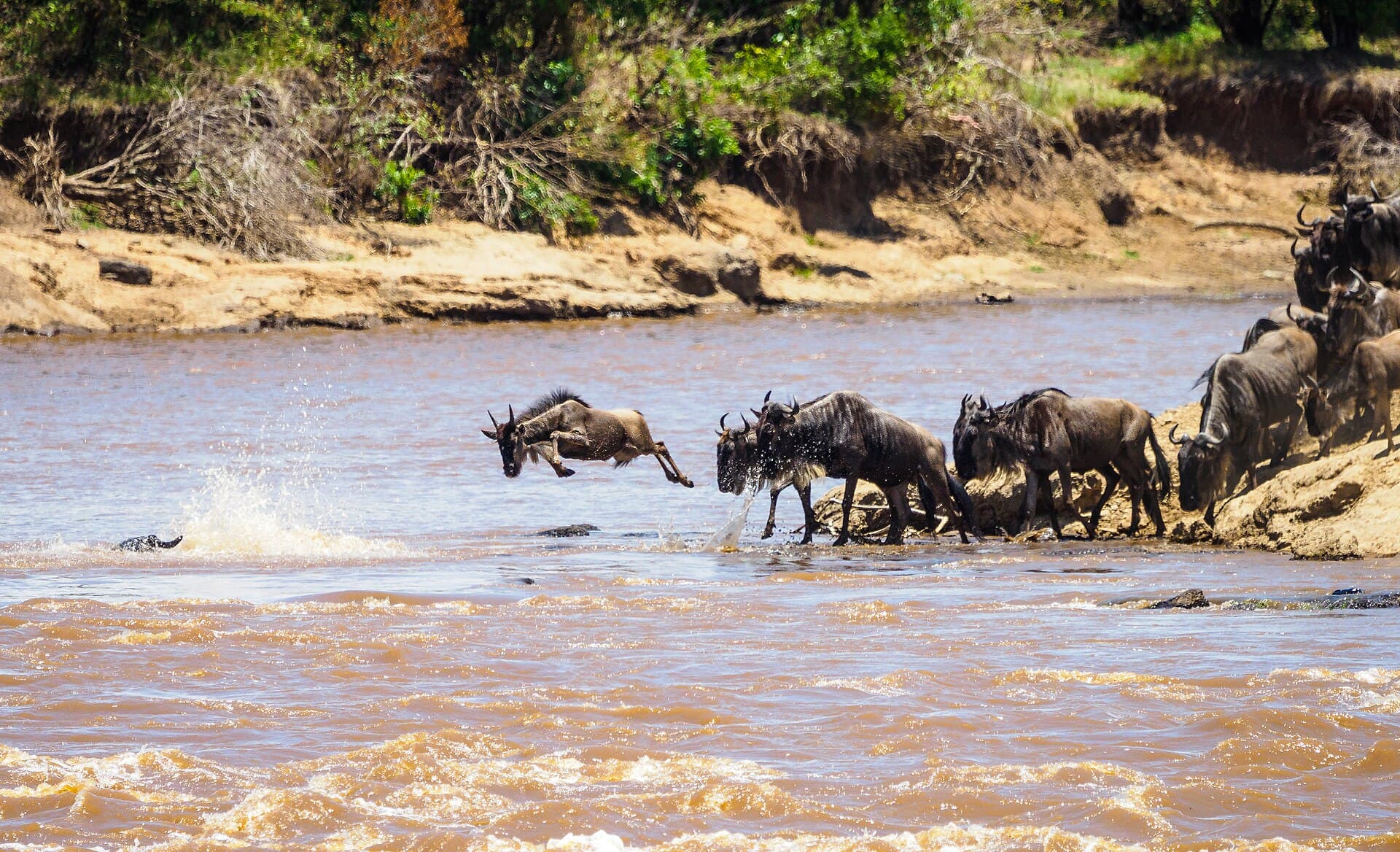
AugustDry, clear and busyThe Mara for river crossings; the whole safari circuitBook 9–12 months ahead; crossing points are crowded
SeptemberDry and increasingly dustyThe Mara and its conservancies; Amboseli’s swamps draw the elephantsCrossings continue; dust and haze build in Amboseli
OctoberDry early; short rains possible late in the monthThe Mara as the herds thin; Tsavo; the lakes as migrant birds arriveA strong shoulder month for flexible travelers
NovemberShort rains, mostly afternoon showersThe Mara’s residents, Rift Valley birding, NairobiThe herds are usually gone south, yet the higher Mara ticket still applies
DecemberRains easing; green and warmThe Mara, Amboseli and Laikipia; the coast from mid-monthChristmas and New Year bring premiums and minimum stays

Typical patterns only, judged for private safaris in the regions named. We confirm open camps, road conditions and flight schedules for your dates.

The Questions People Ask

The Masai Mara in April, Kenya in November and Other Shoulder Months

Is the Masai Mara worth visiting in April? For the right traveler, yes. It is usually the wettest month, the migration herds are far south in the Serengeti, and some conservancy camps close. But the Mara’s lions, cheetah and leopard stay put, the grass is green, the reserve’s lower ticket applies and you may have a sighting to yourself. The practical risks are mud, slower drives and the odd cancelled balloon flight, so choose a camp that stays open and has reliable all-weather access.

Kenya in November is one of the most underrated months of the year. The short rains usually arrive as afternoon or overnight showers rather than all-day downpours, the dust settles, and migrant birds swell the lists at the Rift Valley lakes. Camp rates typically sit between the two peaks. The one quirk is the Mara’s ticket, which stays at its higher level until 31 December, well after most of the herds have left.

June is the other quiet sweet spot. The rains have usually eased, the landscape turns from green to gold, and the Mara ticket stays at its lower level until the end of the month. Grass is still long early in June, which can hide smaller animals, so Laikipia, Samburu and Amboseli often shine before the Mara does. March completes the list: its first half is often dry and warm, with the long rains more likely to arrive toward the end of the month.

Region by Region

When to Visit Each of Kenya’s Safari Regions

Kenya’s regions sit at different altitudes and catch the rains differently, so the best month depends on where you are going.

Masai Mara reserve · July–October

The reserve is at its busiest and most dramatic while the herds are in, typically late July to September. Resident game makes it worthwhile in every dry month, and in January and February it is far calmer.

Explore

Mara conservancies · most of the year

Walks, night drives and vehicle caps make the conservancies rewarding in any dry month. Some camps close for part of the long rains, and those that stay open make some of Kenya’s best green-season bases.

Explore

Amboseli & the Chyulu Hills · June–October, January–February

Elephants concentrate on the swamps as the plains dry out. Kilimanjaro is most often clear at dawn and dusk, and the long dry season brings dust that photographers either love or fight.

Explore

Laikipia & Samburu · June–October, December–March

The north is drier than the south, and its rivers concentrate game in the dry months, especially along Samburu’s Ewaso Ng’iro. November’s short rains reach here too, while Laikipia’s altitude keeps it comfortable even in the heat of February.

Explore

Tsavo · June–October, January–February

In a park system this large, the dry season matters: animals gather at Mzima Springs, along the Galana River and at the waterholes, and the red earth sets them off. Heat builds from February.

Explore

Kenya coast · December–March

The north-east monsoon brings hot days and the calmest, clearest water. July to October is breezier but pleasant, with seaweed on exposed stretches of Diani mainly from May to August. April to early June is wet, and some small hotels close.

Explore

Kenya and Tanzania

Timing a Kenya and Tanzania Safari Together

If you are combining the two countries, July to October lets you follow the migration on both sides of the border, with herds usually spread between the northern Serengeti and the Mara at the same time. January and February pair Kenya’s short dry season with calving on Tanzania’s southern plains, a very different and equally absorbing safari. Tanzania’s month-by-month guide covers its side of the calendar, and the Masai Mara migration page explains the Kenyan herd season in detail.

Whichever window you choose, the right months are the ones that match your priorities: herds, space, beach weather or school holidays. When you share your dates, we map them against open camps, fees and likely conditions before suggesting a route.

Safaris

Recommended safaris

Wildebeest leaping into the Mara River during the Great Migration crossing
8 daysJul–Oct

Mara Migration Safari

Nairobi · Mara Conservancies · Masai Mara Reserve

Migration-focused travelers and photographers with July–October dates and realistic expectations

Best months
July–October, the Mara’s migration months
Comfort levels
Premium · Luxury · Ultra-Luxury
Individually quoted
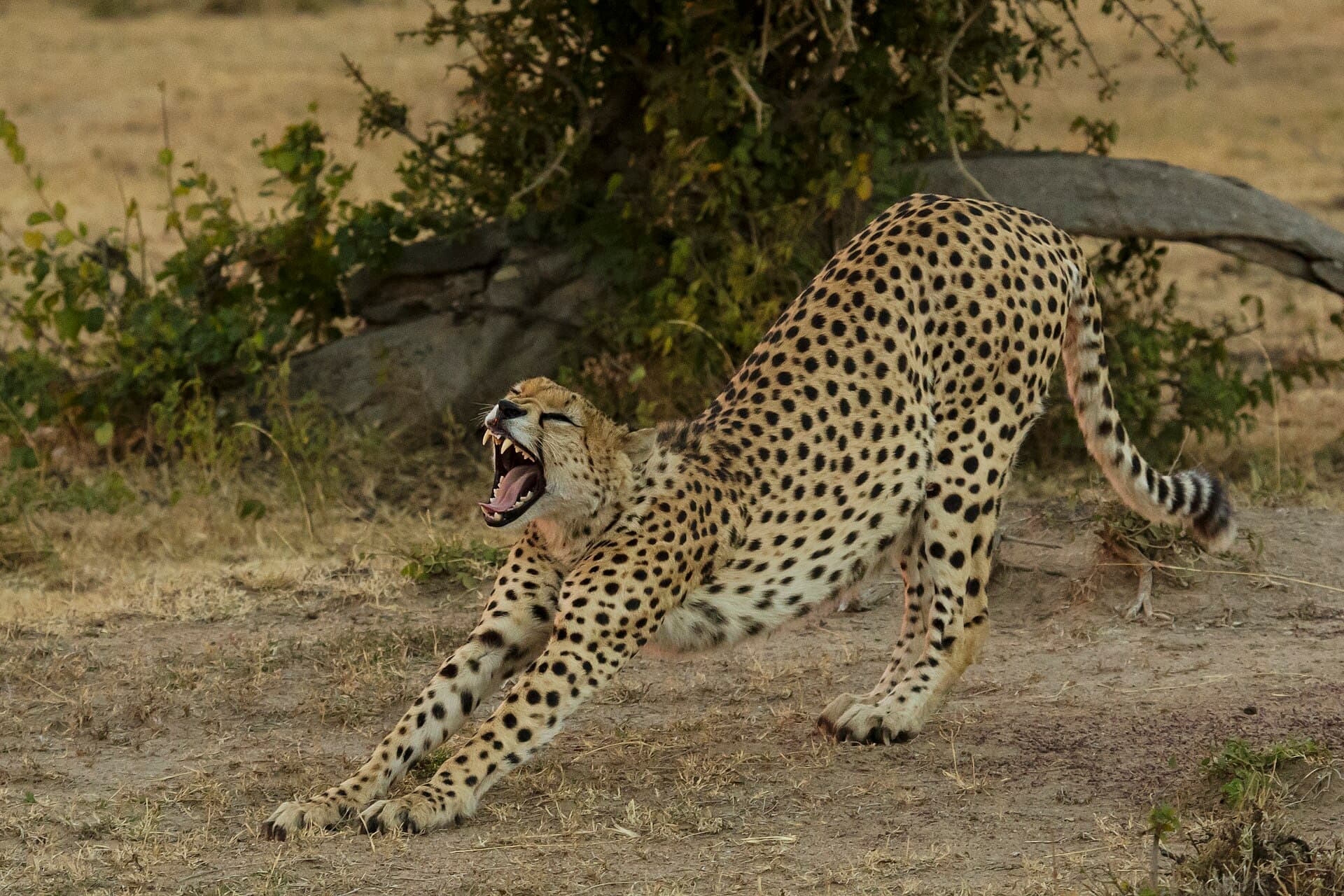
A cheetah scanning the plains in the Masai Mara
5 daysShort & focused

Masai Mara Fly-In

Nairobi · Mara Conservancies

First-timers and travelers short on leave who want the Mara done properly in under a week

Best months
All year except the April–May rains
Comfort levels
Comfort · Premium · Luxury · Ultra-Luxury
Individually quoted
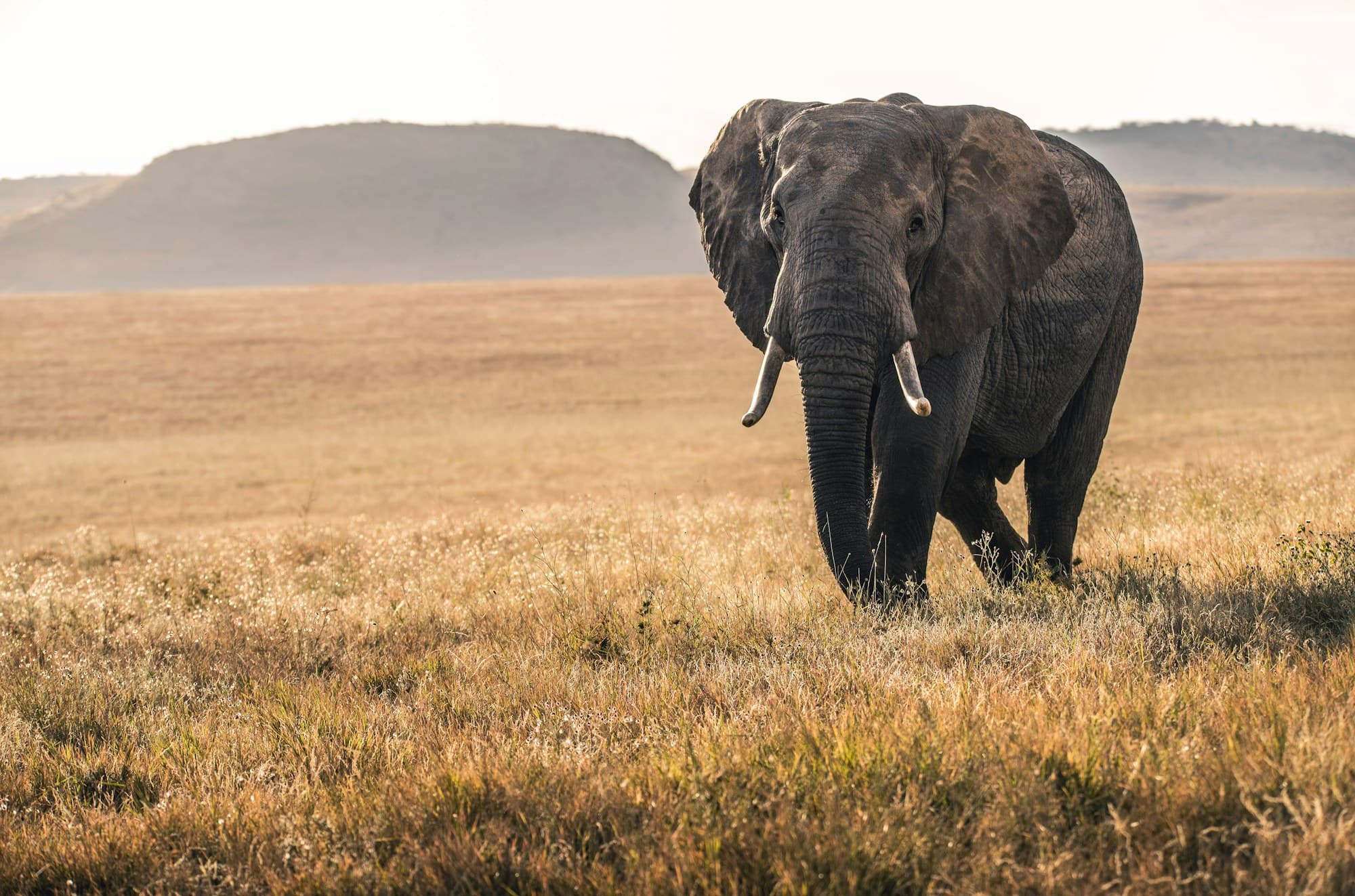
Elephant walking through dry golden grassland in northern Kenya
10 daysComplete Kenya

Kenya Highlights

Nairobi · Samburu · Laikipia · Mara Conservancies

First-timers who want Kenya’s full range, and returning travelers who have seen the Mara alone

Best months
June–October and December–March
Comfort levels
Premium · Luxury · Ultra-Luxury
Individually quoted
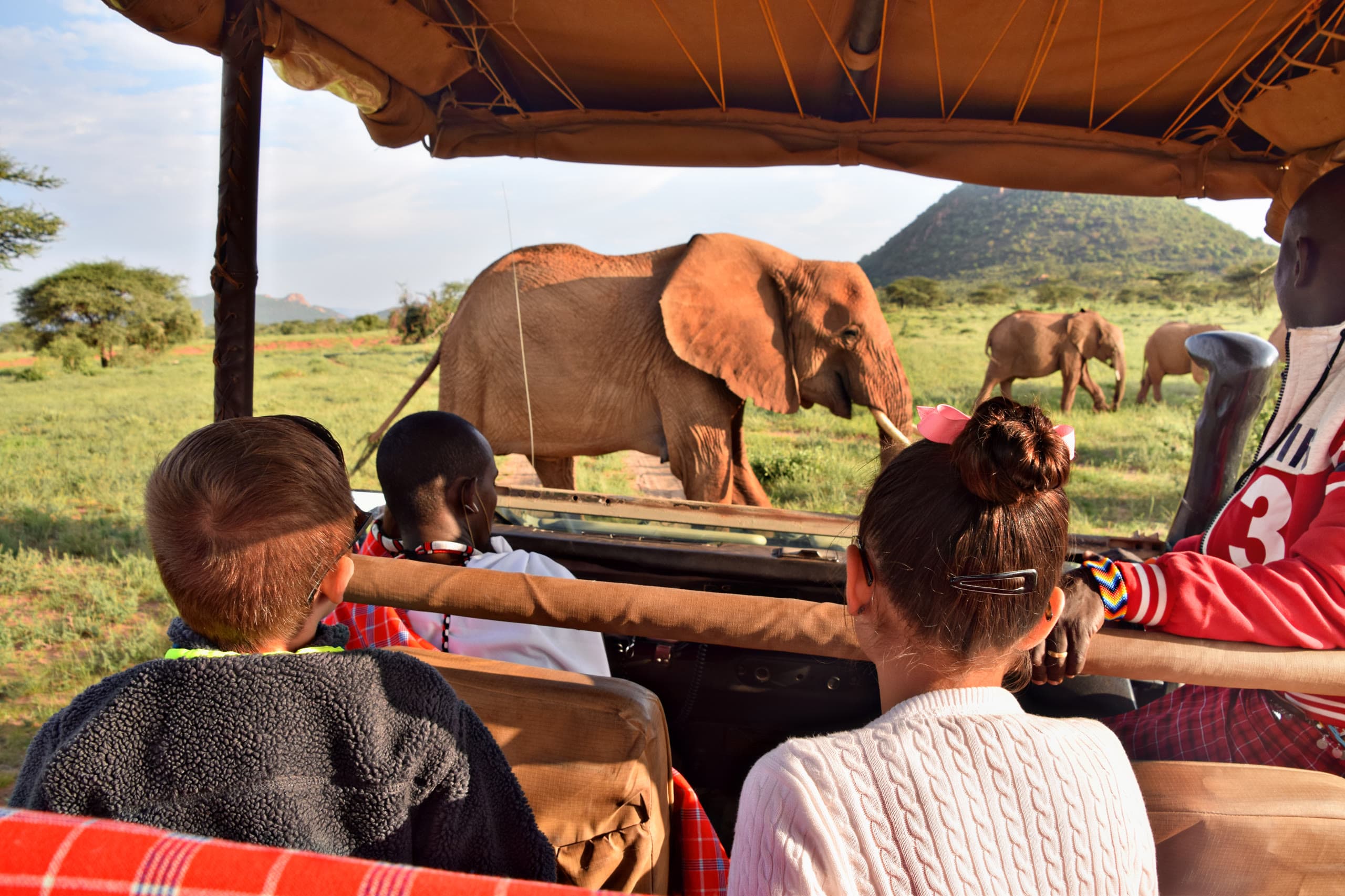
Safari guests watching a herd of elephants from an open vehicle on a family game drive
10 daysFamilies

Family Safari & Beach

Nairobi · Amboseli · Tsavo West · Diani Beach

Families with school-age children who want wildlife and a proper beach in one trip, mostly by road and rail

Best months
July–October and December–February
Comfort levels
Comfort · Premium · Luxury
Individually quoted

Good to know

Frequently asked questions

What is the best month to go on safari in Kenya?

For the migration herds and river crossings, August and September are usually the strongest months in the Masai Mara. For excellent all-round viewing with fewer vehicles, February and late June are hard to beat. The right answer depends on whether herds, space or beach weather matters most to you.

Is Kenya worth visiting in the rainy season?

It can be. The short rains of November and early December rarely spoil a safari and bring green landscapes and fewer vehicles. The long rains of April and May are heavier, some camps close and roads slow down, but the resident wildlife stays and the Mara’s lower entry fee applies.

When is the best time to visit Kenya’s beaches?

December to March is the most reliable window on the coast, with hot days and calm, clear water. July to October is also good, though breezier. April to early June is the wettest period, and May is usually best avoided.

What is the best time to visit Kenya and Tanzania on one trip?

July to October works well for the migration on both sides of the border, and January to February pairs Kenya’s short dry season with Tanzania’s calving season. Most combined journeys connect by air between Nairobi and northern Tanzania, so the two halves fit together easily.

How cold does it get on a Kenya safari?

Colder than many travelers expect at dawn. The Mara, Laikipia and Nairobi all sit at roughly 1,500 m or higher, so early drives in an open vehicle from June to August call for a fleece and a warm jacket. Samburu, Tsavo and the coast are much warmer, and days everywhere heat up quickly.

How far ahead should I book a Kenya safari for August?

For August and early September, 9–12 months ahead gives you the widest choice of camps near the Mara River and in the best-placed conservancies. Christmas and New Year fill just as early. Shoulder and green-season dates can often be arranged three to six months out.

A cheetah scanning the plains in the Masai Mara

Start With Your Dates

Tell us when you can travel, who is coming and what you most want from Kenya. A safari specialist will design a private route around you, and nothing is booked until you approve it.

Plan My Kenya Safari