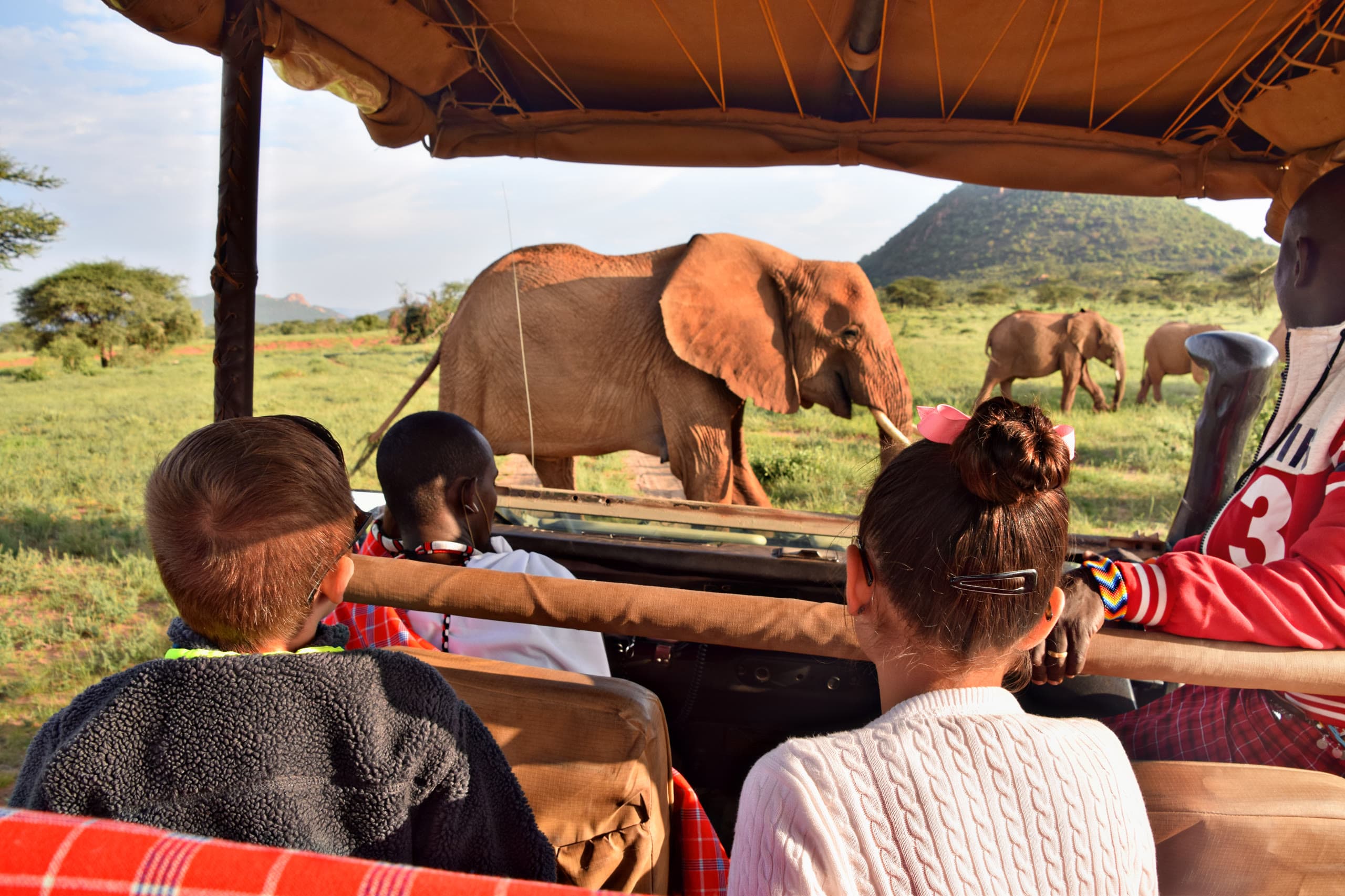
Safari guests watching a herd of elephants from an open vehicle on a family game drive

Family safaris

Tanzania Family Safaris

A private safari paced around your children — shorter drives, pool afternoons and guides who can turn a dung beetle into the highlight of the morning.

A safari is one of the rare trips that holds a whole family’s attention at once. Teenagers forget their phones when a lioness walks past the vehicle, seven-year-olds keep a running tally of giraffes, and grandparents get the unhurried days they were promised. Tanzania’s northern circuit suits families especially well, with dense wildlife and great parks only a few hours apart.

What separates a wonderful family safari from a tiring one is almost always pace. We plan family journeys around a private vehicle, drives shaped to your children’s attention spans and camps that genuinely welcome young guests, then add the moments children remember longest — a coffee farm, a bush breakfast, an afternoon in the pool.

If this is your family’s first safari, our first-time safari guide covers the fundamentals. This page focuses on what changes when children come along.

Why Tanzania

Why Tanzania Works for Families

Short hops between big parks

Arusha to Tarangire takes about two to two and a half hours, and Tarangire to the Ngorongoro highlands about two more — travel days broken up by game viewing and manageable even for younger children.

Wildlife that comes to you

The Ngorongoro Crater holds lions, elephants, buffalo and, with luck, black rhino in a caldera of roughly 260 km², so sightings come quickly — ideal for short attention spans.

Explore

More than game drives

Coffee farms in the highlands, time with Maasai families and the fossil story of Olduvai Gorge give children a break from the vehicle — and something to tell their class.

Rooms designed for families

Two-bedroom family tents under one canvas roof, interconnecting lodge rooms and swimming pools are widely available, particularly among the comfort and premium stays we recommend.

Explore

Guides who love to teach

The best Tanzanian guides are natural teachers: give them a curious child and a morning drive becomes a lesson in tracks, bird calls and why a zebra has stripes.

A beach at the end

Zanzibar is about an hour and a half by air from Arusha, so swimming and sandcastles can follow the safari with a single short flight.

Explore

Ages

Minimum Ages and Camp Policies

Policies are set camp by camp and activity by activity, and they change — we check each one against your children’s ages at the time of travel. As a general picture:

  • Game drives in a private vehicle are generally open to all ages; some camps ask families with younger children to book one, which every journey we plan includes.
  • Camp policies vary most. Some welcome all ages and offer family tents; many set a minimum age, often somewhere between six and twelve, because camps are unfenced; a few are adults-only by design.
  • Many camps require children below a certain age to share a tent or room with an adult — one reason family tents book up first.
  • Walking safaris often require children to be 12 or older, and some camps or areas set the limit at 16.
  • Balloon flights have an operator-set minimum age, often around seven, and children fly with an adult.
  • Night drives, offered only in private concessions and some areas outside the national parks, have their own policies; some exclude younger children.

Pace

Designing the Pace for Children

These are the levers we adjust to suit a family’s rhythm.

Your own vehicle and guide

Stop for snacks, a bathroom break or a sleeping toddler without apologizing to anyone, and head back when attention runs out. Children can stand through the pop-up roof when your guide says it is safe.

Shorter drives, better timing

Two to three hours at dawn and again in the late afternoon, when animals are most active, beat a full day out. Longer outings such as the crater floor include picnic stops, and you can always come up early.

Pools and a midday rest

The middle of the day is hot and the animals rest too. Lodges and camps with pools turn those hours into swimming time — and give parents a quiet lunch.

Family tents and connecting rooms

Two-bedroom family tents and interconnecting rooms keep everyone close at night, which matters in unfenced camps where staff escort you to and from your tent after dark.

Flexible meals

Camps usually serve early suppers for children, pack breakfasts for dawn drives and handle allergies well with notice — share dietary needs when you book.

Junior-ranger activities

Where camps offer them, junior-ranger programs teach tracking, dung detective work and bird identification. A pair of binoculars for each child makes a surprising difference.

Health

Health, Malaria and Vaccines

Most of Tanzania’s safari areas, and Zanzibar, carry a risk of malaria, although it is lower in the cool highlands around the Ngorongoro Crater. Prevention works on two fronts: avoiding bites — long sleeves and trousers from dusk, a repellent suitable for your children’s ages, and screened tents or nets — and, for most travelers, antimalarial medication. Several come in child doses, but the right choice depends on age and health.

That decision belongs with a travel-health clinic or your pediatrician, ideally six to eight weeks before departure. Ask about routine childhood immunizations, recommended travel vaccines and Tanzania’s yellow-fever entry rule, which at the time of writing applies mainly to travelers arriving from, or transiting through, countries with yellow-fever risk. Our vaccines and yellow fever guide explains the current picture and points to official sources.

Pack a small family kit — children’s pain and fever relief, rehydration salts, adhesive bandages and high-factor sunscreen for the strong equatorial sun — and, because many camps are hours from a hospital, arrange travel insurance with medical evacuation cover for everyone.

When to go

Best Times for Family Travel

Every major school break has something to recommend it.

WhenWhy it worksKeep in mind
June–August (US and UK summer holidays)Dry season: thinner bush, animals gathered near water, fewer mosquitoes. The herds typically move through the western, then northern Serengeti.Peak demand: the best family tents often go a year ahead, and dawn drives can be cold.
Late December–early January (winter holidays)Warm and green, with the herds often back on the southern plains and a festive mood in camp.The busiest weeks of the year — book 12 months or more ahead.
February (mid-winter and half-term breaks)Calving season around Ndutu: thousands of wildebeest calves are born within a few weeks, with predators close by.Hunts can be graphic, so prepare younger children. Timing depends on the rains.
Spring break and Easter (March–April)Lush scenery, fewer vehicles and more choice at family-friendly camps.The long rains usually build from March and peak in April–May, and some camps close. Late March works better than late April.
Thanksgiving week (late November)Green landscapes and quieter parks, with the herds moving south.The short rains usually bring brief afternoon showers, which can interrupt a drive.

Migration timing depends on rainfall; these are typical patterns, not predictions.

Beach time

Adding Zanzibar with Children

A few days on Zanzibar is the natural reward after early starts and dusty tracks, and from the Serengeti airstrips you can usually reach the island the same day your safari ends.

Coast choice matters more with children than with anyone else. Every Zanzibar beach has two high and two low tides a day, but the north, around Nungwi and Kendwa, shelves into deeper water, so young swimmers can usually get in through more of the tidal cycle, though not at every hour. The east and south-east coast — Paje, Jambiani, Michamvi — is beautiful, but at low tide the sea can retreat several hundred meters to expose wide reef flats and rock pools that are wonderful for exploring, with no swimming for hours at a time. A resort with a good pool solves most of this wherever you stay.

Children also love the spice-farm tours and the red colobus monkeys of Jozani Forest. Our safari and Zanzibar guide compares the coasts in more detail.

Safaris

Recommended safaris

Safari guests watching a herd of elephants from an open vehicle on a family game drive
9 daysFamilies

Tanzania Family Safari

Arusha · Tarangire · Karatu · Ngorongoro Crater · Central Serengeti

Families with school-age children who want a first safari without marathon drives

Best months
June – October and December – February (book early for school holidays)
Comfort levels
Comfort · Premium · Luxury
Individually quoted
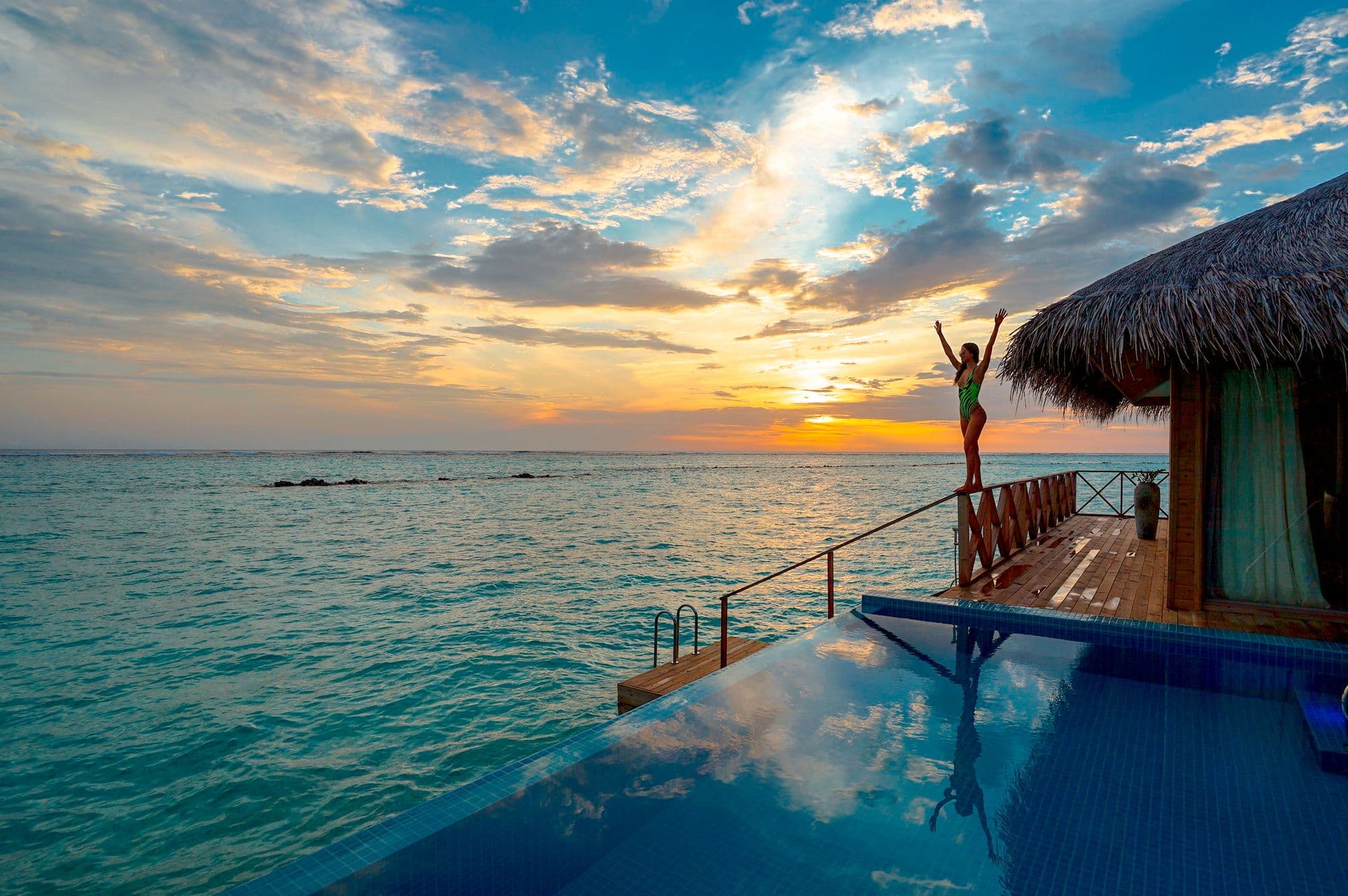
Traveler greeting the sunset from an infinity pool over the Indian Ocean
11 daysSafari + beach

Serengeti + Zanzibar

Arusha · Tarangire · Ngorongoro Crater · Central Serengeti · Zanzibar

Couples, honeymooners and first-timers who want a complete safari followed by real beach time

Best months
June – October and December – February
Comfort levels
Comfort · Premium · Luxury · Ultra-Luxury
Individually quoted
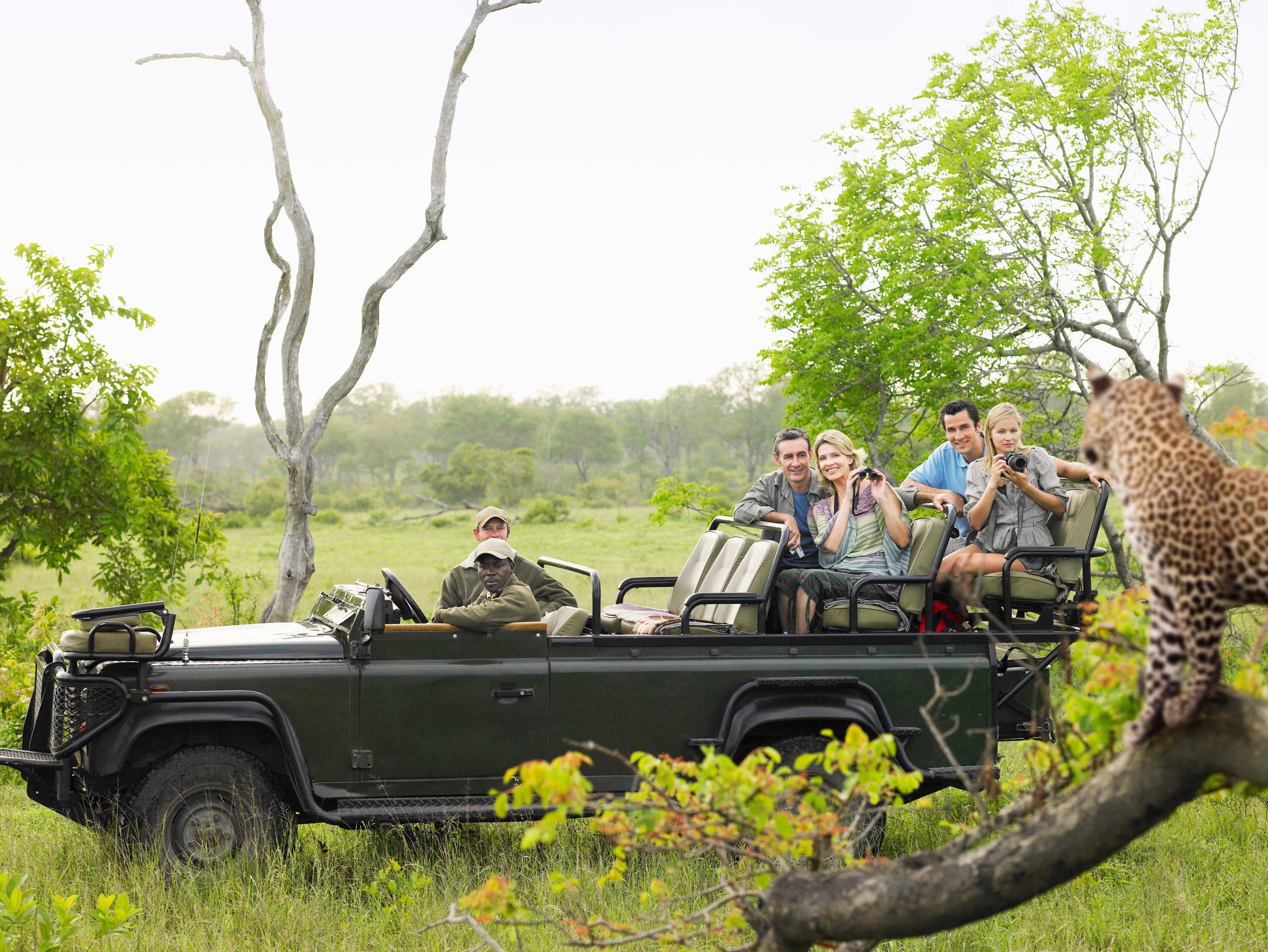
Safari guests in an open vehicle watching a leopard at close range on a private game drive
6 daysFirst safari

Tanzania Essential

Arusha · Tarangire · Ngorongoro Crater · Central Serengeti

First-time travelers with limited leave who want the northern circuit’s icons in under a week

Best months
Year-round except April – May
Comfort levels
Comfort · Premium · Luxury
Individually quoted
Experiences

Related experiences

Culture

Coffee Farm Tour

Follow Tanzanian arabica from cherry to cup on the slopes of Mount Meru or in the Karatu highlands — a gentle, delicious half-day.

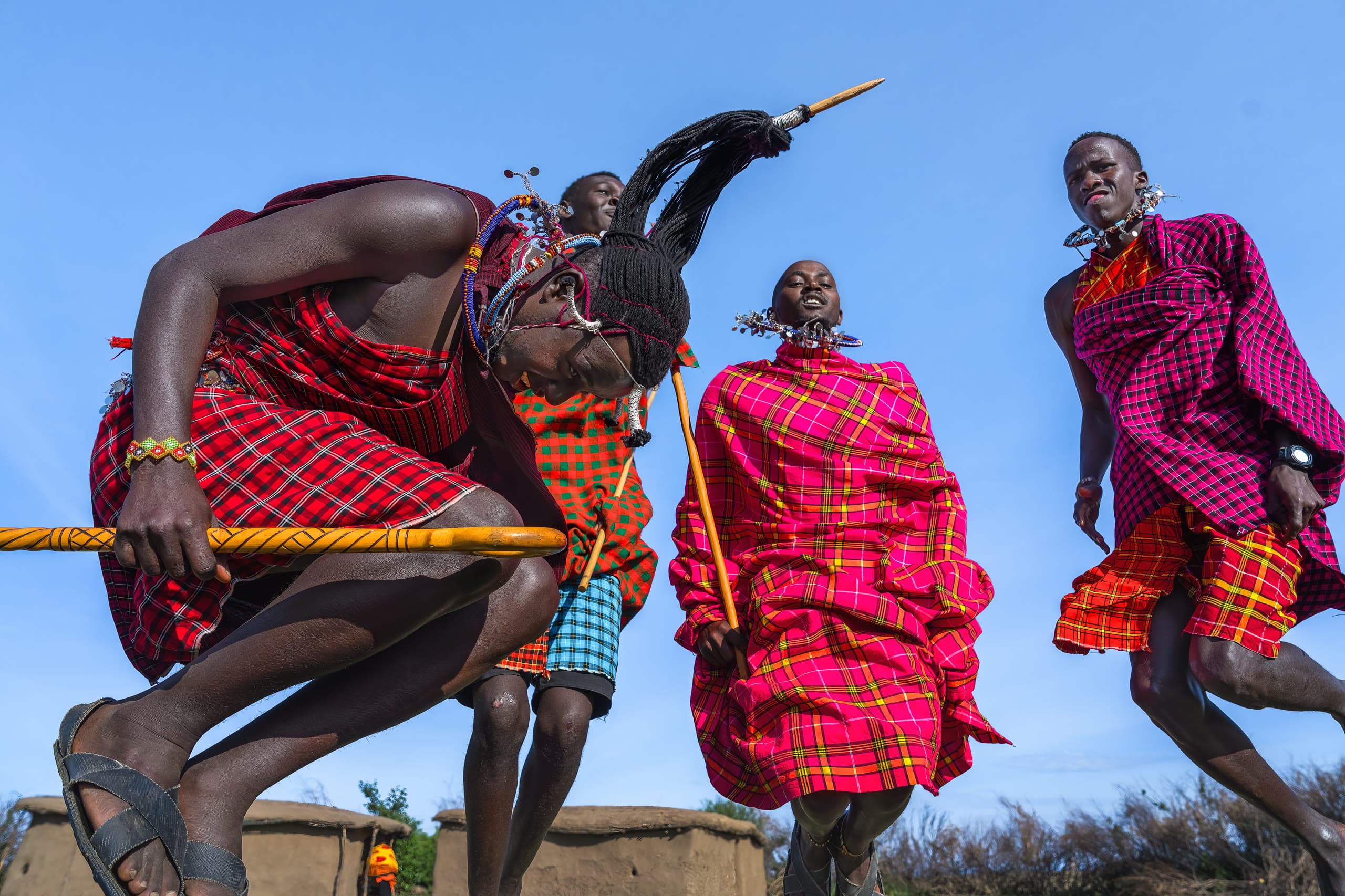
Maasai warriors performing a traditional jumping dance during a cultural visit

Culture

Maasai Cultural Experience

Spend unhurried time with a Maasai community on a visit they lead — homesteads, herding life and honest conversation rather than a staged show.

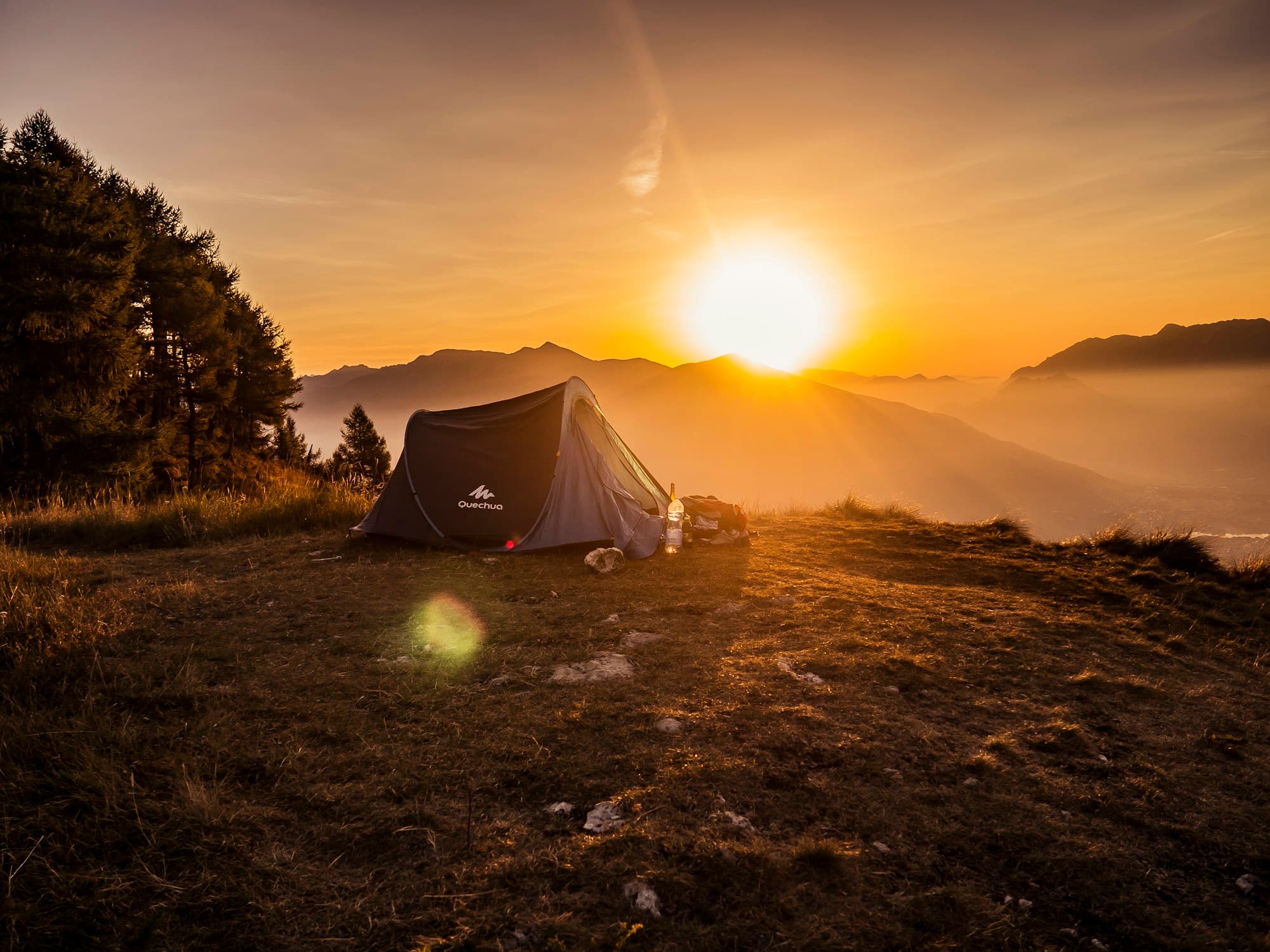
Tented camp glowing at sunrise over golden hills

Bush dining

Bush Breakfast

After a dawn game drive, pull up to a table laid in the shade — fresh coffee, eggs cooked to order and a view with animals in it.

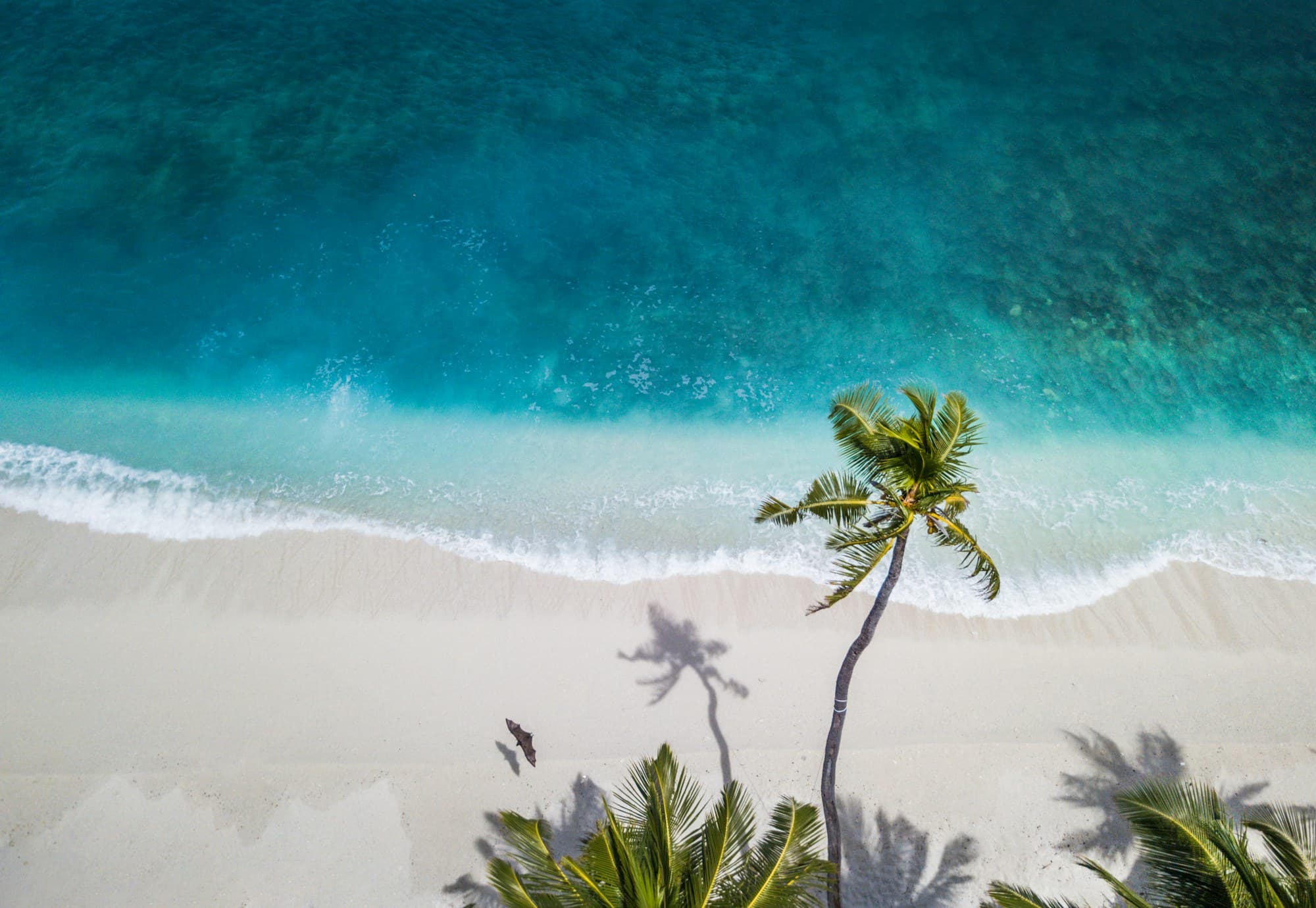
Palm-fringed white beach meeting turquoise water from above

Extensions

Zanzibar Beach Extension

Trade dust for white sand: end your safari with a few days of Zanzibar’s beaches, reefs and Stone Town lanes.

Good to know

Frequently asked questions

What is the best age to take children on safari in Tanzania?

Many families find that around six or seven is when children start to enjoy a safari fully — old enough to sit through a morning drive and remember it afterward. Younger children can travel happily with the right camps and shorter days, and teenagers make ideal companions for walking or photography. Minimum ages vary by camp and activity, so we check every policy against your children’s ages.

Can we take a baby or toddler on safari?

Yes, with careful planning. Fewer camps accept very young children, so choice narrows, and it makes sense to keep drives short and travel days simple. Safari vehicles do not usually carry child seats, so bring your own if you want one and we will check it suits the vehicle, and discuss malaria prevention for infants with your pediatrician well ahead of time.

Will young children get bored on game drives?

Sometimes — which is why pace matters more than mileage. Short drives at the best times of day, binoculars and an animal checklist for each child, and a guide who points out dung beetles and termite mounds as enthusiastically as lions keep most children engaged.

How long should a family safari in Tanzania be?

Seven to nine days on safari suits most families: enough for Tarangire, the Ngorongoro Crater and the Serengeti with two or three nights in each, so you are not packing every morning. Add three to five nights on Zanzibar for a beach finish, and consider flying one leg to cut the longest drive.

Do children need malaria tablets for a Tanzania safari?

Most safari areas and Zanzibar carry malaria risk, and antimalarials are commonly prescribed for children in weight-based doses. Whether your children should take one, and which, is a decision for a travel-health clinic or your pediatrician six to eight weeks before travel. Bite prevention matters just as much.

Can grandparents join a family safari?

Yes, and multigenerational safaris are among the most rewarding trips to plan. A private vehicle and neighboring tents keep everyone together. For older travelers we also look at walking distances within camps, step-free access and flights that replace the longest drives.

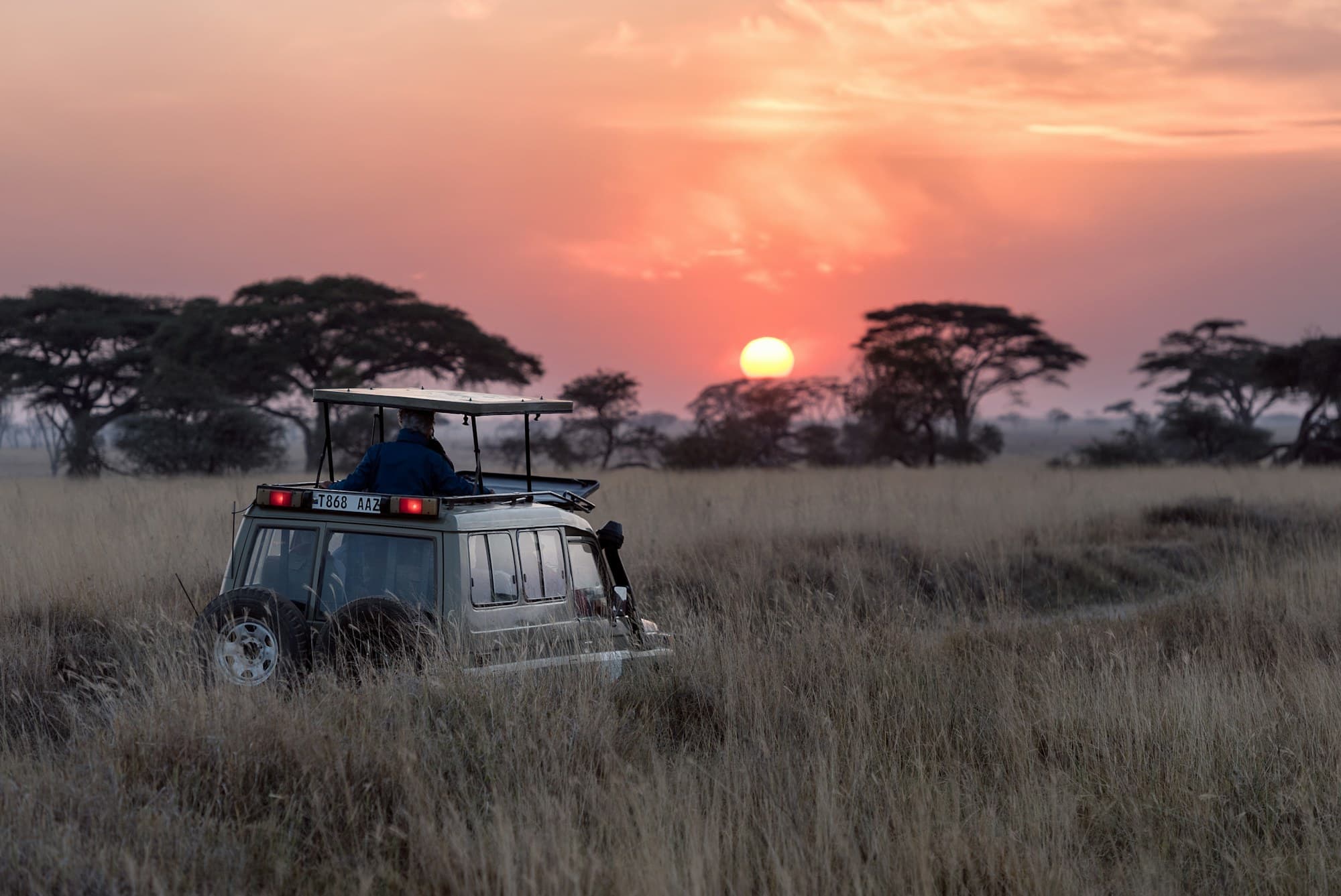
Open safari vehicle with guests on the savanna beneath a dramatic sunset

Tell Us Your Dates

Share when you want to travel, who is coming and what you hope to see. A safari specialist will design a private Tanzania journey around you — no obligation, and nothing booked until you approve it.

Start Designing My Safari