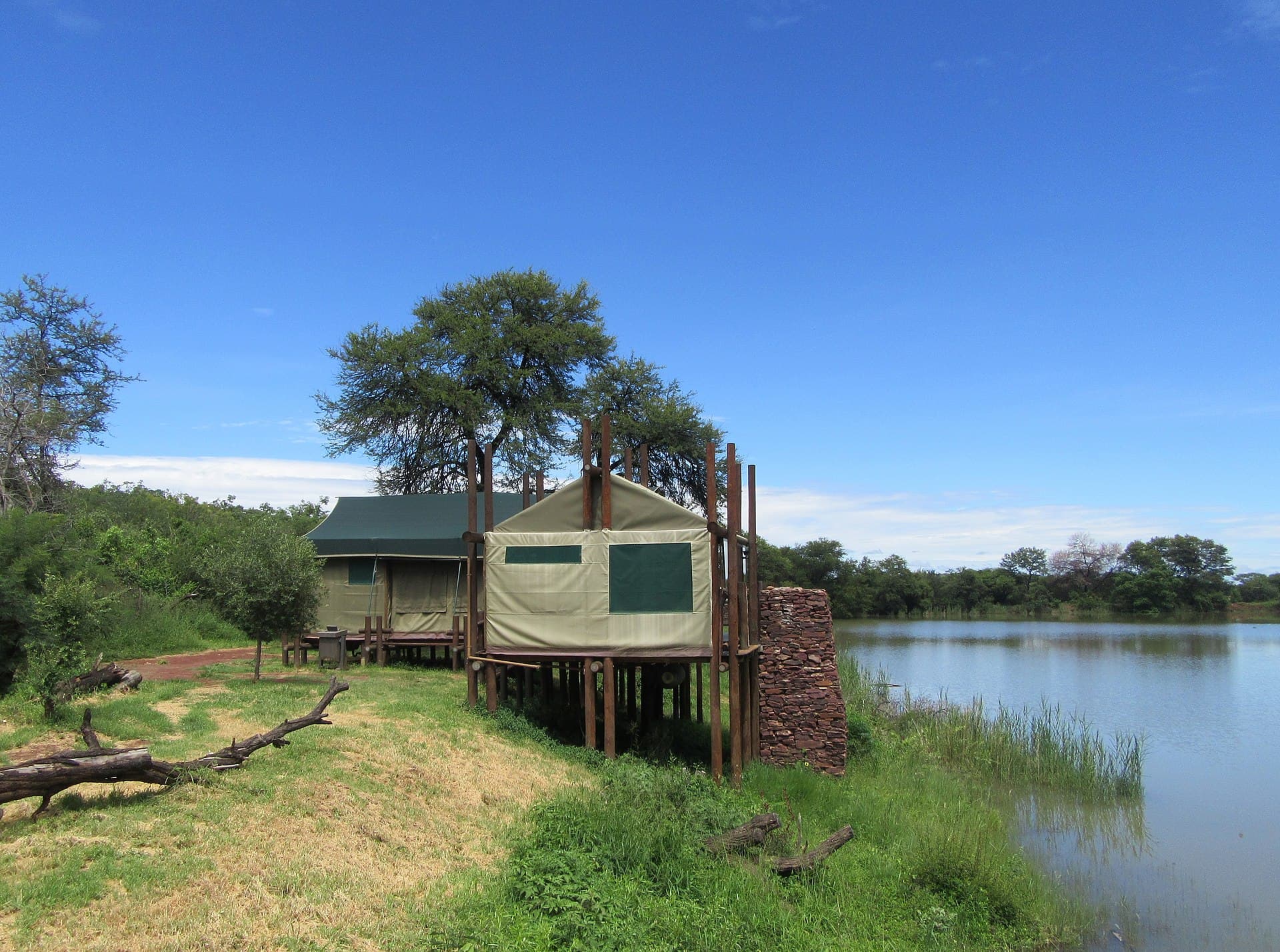
A canvas safari tent set among trees at a private tented camp

Tanzania Planning

How Much Does a Tanzania Safari Cost?

An honest guide to what shapes the price of a private Tanzania safari, what a quote should include, and where your money makes the biggest difference.

Ask ten companies what a Tanzania safari costs and you will hear ten different numbers, most of them “from” prices that describe a trip few people actually take. The honest answer is a range, because a private safari is built from choices: where you stay, when you travel, how many of you share the vehicle and how you move between parks.

Two eight-day northern-circuit safaris can look identical on paper and differ in price several times over. One might use comfortable lodges outside the parks, drive every leg and travel in November; the other might use intimate camps inside the parks, fly the long distances and travel in August. Both can be excellent. They are simply different trips.

This guide explains what drives the price, shows typical market ranges and sets out where the money is best spent, so that when you see a quote, from us or anyone else, you can read it with confidence.

Price Factors

What Drives the Price of a Tanzania Safari

Seven factors account for almost all of the difference between one quote and another.

Comfort level

The single biggest factor. Accommodation ranges from well-run lodges to intimate tented camps with a handful of suites, private decks and exceptional food. Higher tiers usually also mean better locations inside the parks, fewer guests and more inclusive rates.

Season

Camp rates change through the year, often substantially. July to October and the Christmas holidays command the highest rates; the green season from March to May brings the softest. The same room in the same camp can cost markedly less in May than in August.

Party size & the private vehicle

A private vehicle and guide is a fixed daily cost, shared by everyone in it. Four travelers share it far more efficiently than two, while a solo traveler carries it alone, often alongside a single supplement at the camps. Children’s rates and family tents also shift the numbers.

Park & conservation fees

Tanzania’s parks charge conservation fees per person per 24 hours, and camps inside the parks typically add a concession fee per person per night. The Ngorongoro Crater carries an additional per-vehicle service fee for each descent. Fees are set by the park authorities and change from time to time, so we itemize them at the rates current when you book.

Flying vs driving

Light aircraft save hours: Seronera to Kogatende is about an hour in the air against 4–5 hours by road. Each seat adds cost, though, and driving keeps your guide and vehicle with you throughout, which carries its own daily cost. Most well-designed trips mix the two.

Length & pace

More nights naturally cost more, but pace matters as much as length. Moving camp every night adds transfers and time on the road; staying longer in fewer places often lowers the cost per night and improves the experience.

Private concessions & special activities

Private reserves and concessions add walking safaris, night drives and exclusive sightings at a premium. Balloon flights, private dining, a dedicated photography vehicle and exclusive-use villas are well worth it for the right traveler, and all add to the total.

Price Levels

Industry Price Levels per Person per Night

To give you a realistic frame of reference, these are typical market ranges for private safaris across East Africa. Use them as a sense of scale, not as a quote.

Comfort levelWhat it feels likeTypical industry range*
ComfortWell-run lodges and classic tented camps, some just outside the parks; en-suite rooms, good food, and your own private vehicle and guide.$350–$600
PremiumSmaller tented camps in strong locations inside the parks, with more character and more attentive service.$600–$900
LuxuryIntimate camps and lodges with spacious suites, exceptional food and wine, prime locations and more inclusive rates.$900–$1,500
Ultra-luxuryPrivate reserves and exclusive-use villas, the highest staff-to-guest ratios, and privacy as standard.$1,500–$2,500+

*Typical published market ranges for private safaris across East Africa, per person sharing, including accommodation, meals and most activities; they shift with season and availability. They are not our rates — every journey is quoted individually.

Inclusions

What a Tanzania Safari Quote Usually Includes

Details vary by trip, but a well-constructed quote for a private safari typically covers:

  • Accommodation at each stop, itemized by camp style and room type
  • Meals on safari, usually full board, with drinking water in the vehicle
  • A private 4×4 safari vehicle with a pop-up roof, and a professional guide
  • Game drives, plus the activities included at each camp
  • Park, conservation and concession fees, and the crater’s vehicle service fee where relevant
  • Airport meet-and-greet and road transfers
  • Flights on scheduled light-aircraft services where the itinerary includes them
  • House drinks and laundry at many camps, particularly at the higher tiers

Extras

What’s Usually Extra

  • International flights to Kilimanjaro, Dar es Salaam or Zanzibar
  • Your Tanzania visa, arranged before you travel
  • Comprehensive travel insurance, including medical evacuation cover
  • Gratuities for your guide and camp teams; our tipping guide sets out typical amounts
  • Premium wines, spirits and champagne
  • Hot-air balloon flights over the Serengeti
  • Some special activities, such as private bush dinners, cultural visits or spa treatments
  • Zanzibar’s mandatory visitor insurance, required at the time of writing, and personal expenses

Our View

Where the Money Is Well Spent

If you are deciding where to direct your investment, three choices consistently make the biggest difference to how a safari feels. The first is one exceptional camp in the place that matters most, such as a well-sited camp near the Mara River in crossing season or on the Ndutu plains in February, rather than an upgrade on every night of the trip.

The second is flying the long legs. Returning from the Serengeti to Arusha by road takes most of a day; by light aircraft it is about 1–1.5 hours, and you gain a final morning game drive. The third is the private vehicle, which hands you control of your own day: how early you leave, how long you stay at a sighting, and when you head back.

What matters less than people expect? A lavish hotel for your single night in Arusha, and a long list of parks. A guide who knows the terrain and a well-judged route are worth more than a fifth destination. For the wider picture across the continent, see what a luxury African safari costs.

Smart Choices

How to Shape the Cost Without Losing the Experience

A few thoughtful choices can bring the total down without taking the heart out of the trip.

Travel in the shoulder or green season

Early June, late October, early November and the long rains from March to May bring softer rates and fewer vehicles. The crater and the central Serengeti remain excellent in these months.

Make fewer moves

Three or four nights in each place rather than one or two means fewer transfers, less time on the road and, at some camps, better rates for longer stays.

Mix comfort levels

Stay comfortably in Arusha and the highlands, where you spend little waking time, and put the investment into the camp where the wildlife is. The difference is felt where it matters.

Travel as a group of four

A private vehicle carries four in comfort, each with a window seat. Sharing it with family or friends spreads the vehicle and guide cost without giving up any privacy.

Book early for choice

The most competitively priced rooms at the most sought-after camps go first. Booking 9–12 months ahead for peak dates keeps the widest range of options open.

Drive one way, fly the other

Driving in shows you the highlands and the scale of the landscape; flying out saves a long return day. It balances cost and time better than flying every leg.

Next Steps

From Estimate to Itemized Quote

The quickest route to a real number is a short conversation about your dates, party size, preferred comfort level and what matters most to you. From there we build an itemized proposal, often with a second version at a different price level so you can see the trade-offs side by side. You can request a quote whenever you are ready.

Once you decide to go ahead, our payment options page explains how deposits and balances work, and the terms for your specific journey are set out in writing before you commit.

Safaris

Recommended safaris

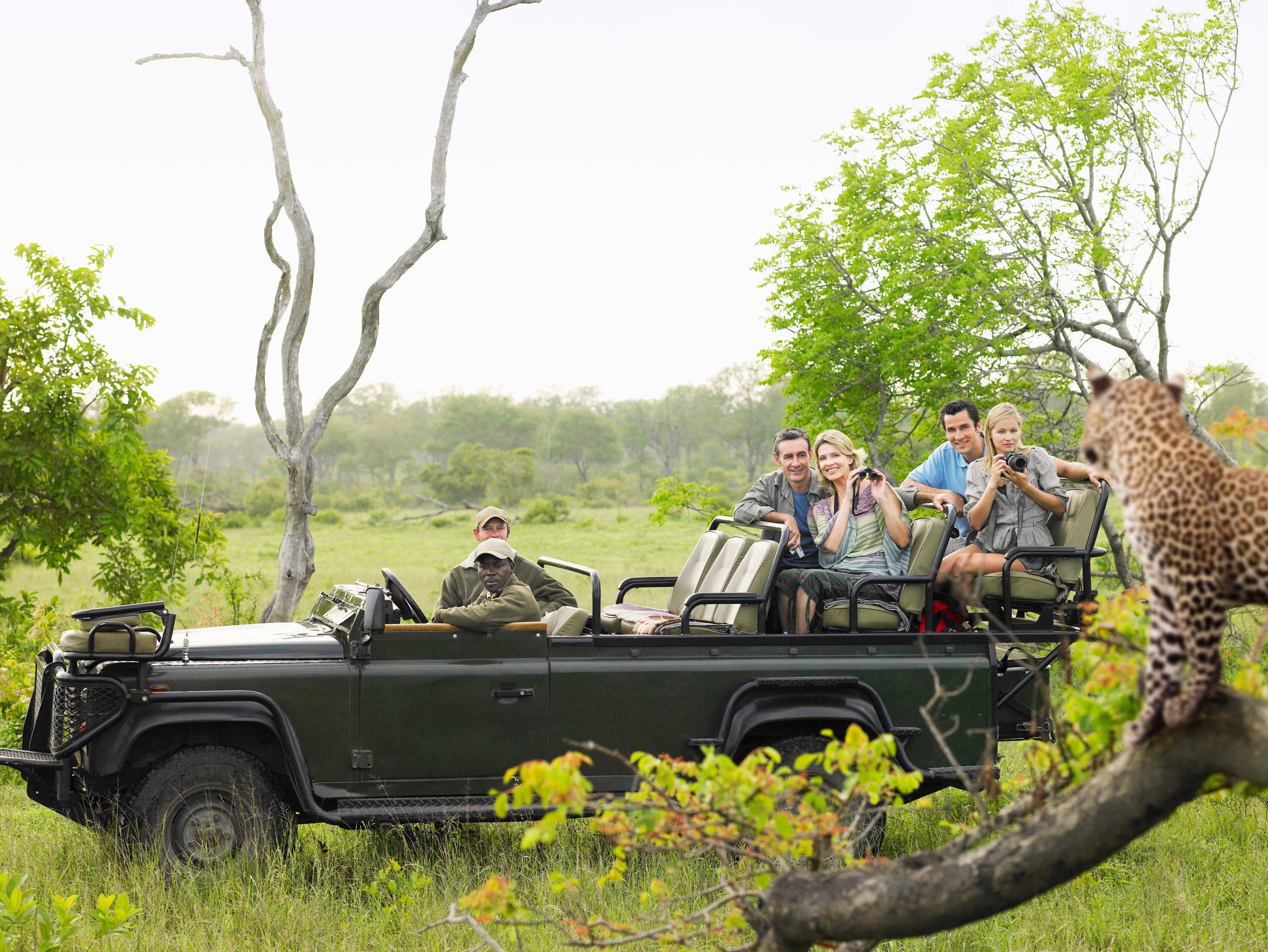
Safari guests in an open vehicle watching a leopard at close range on a private game drive
6 daysFirst safari

Tanzania Essential

Arusha · Tarangire · Ngorongoro Crater · Central Serengeti

First-time travelers with limited leave who want the northern circuit’s icons in under a week

Best months
Year-round except April – May
Comfort levels
Comfort · Premium · Luxury
Individually quoted
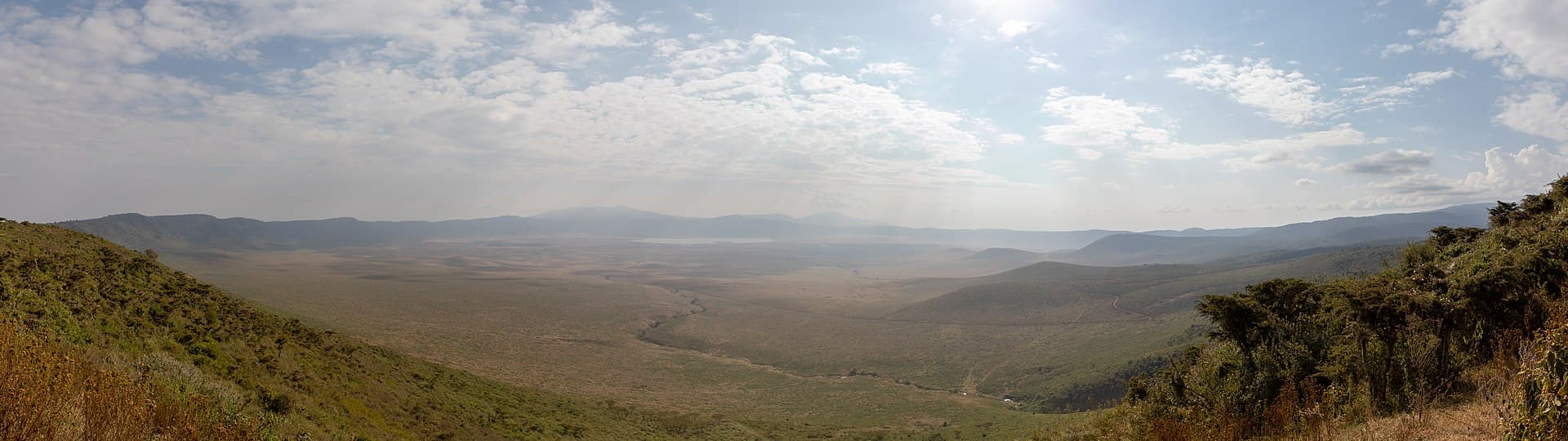
View across the Ngorongoro Crater floor from the forested rim
9 daysComplete introduction

Tanzania Northern Circuit

Arusha · Tarangire · Ngorongoro Crater · Olduvai Gorge · Central Serengeti

First-time travelers who want the complete northern circuit, with room to breathe

Best months
June – March, routed to the season
Comfort levels
Comfort · Premium · Luxury · Ultra-Luxury
Individually quoted
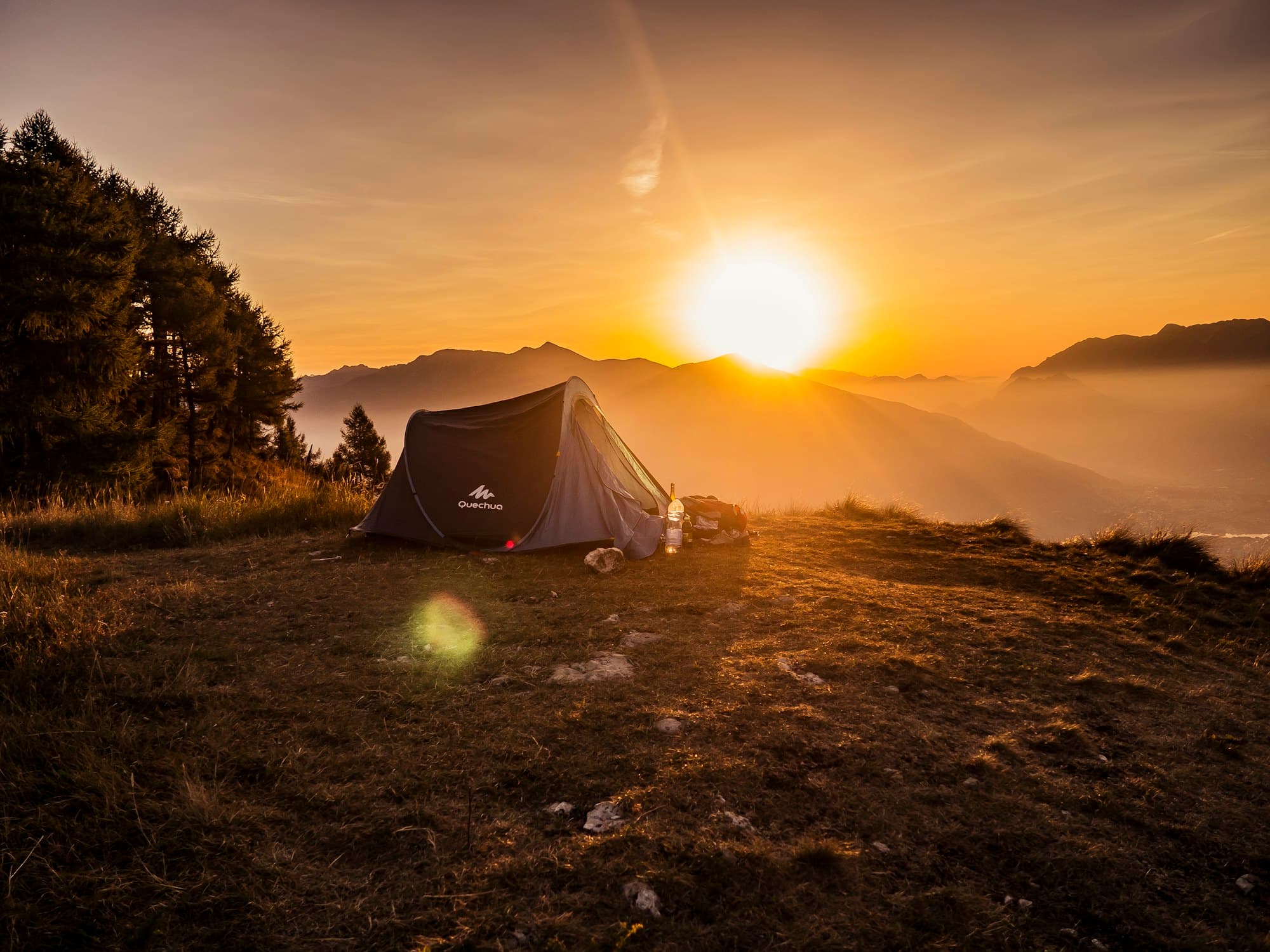
Luxury tented camp glowing at golden hour over rolling savanna hills
9 daysLuxury

Luxury Tanzania

Arusha · Western Serengeti · Central Serengeti · Ngorongoro Crater

Travelers who value space, privacy and expert guiding over a long list of parks

Best months
June – October and December – February
Comfort levels
Luxury · Ultra-Luxury
Individually quoted
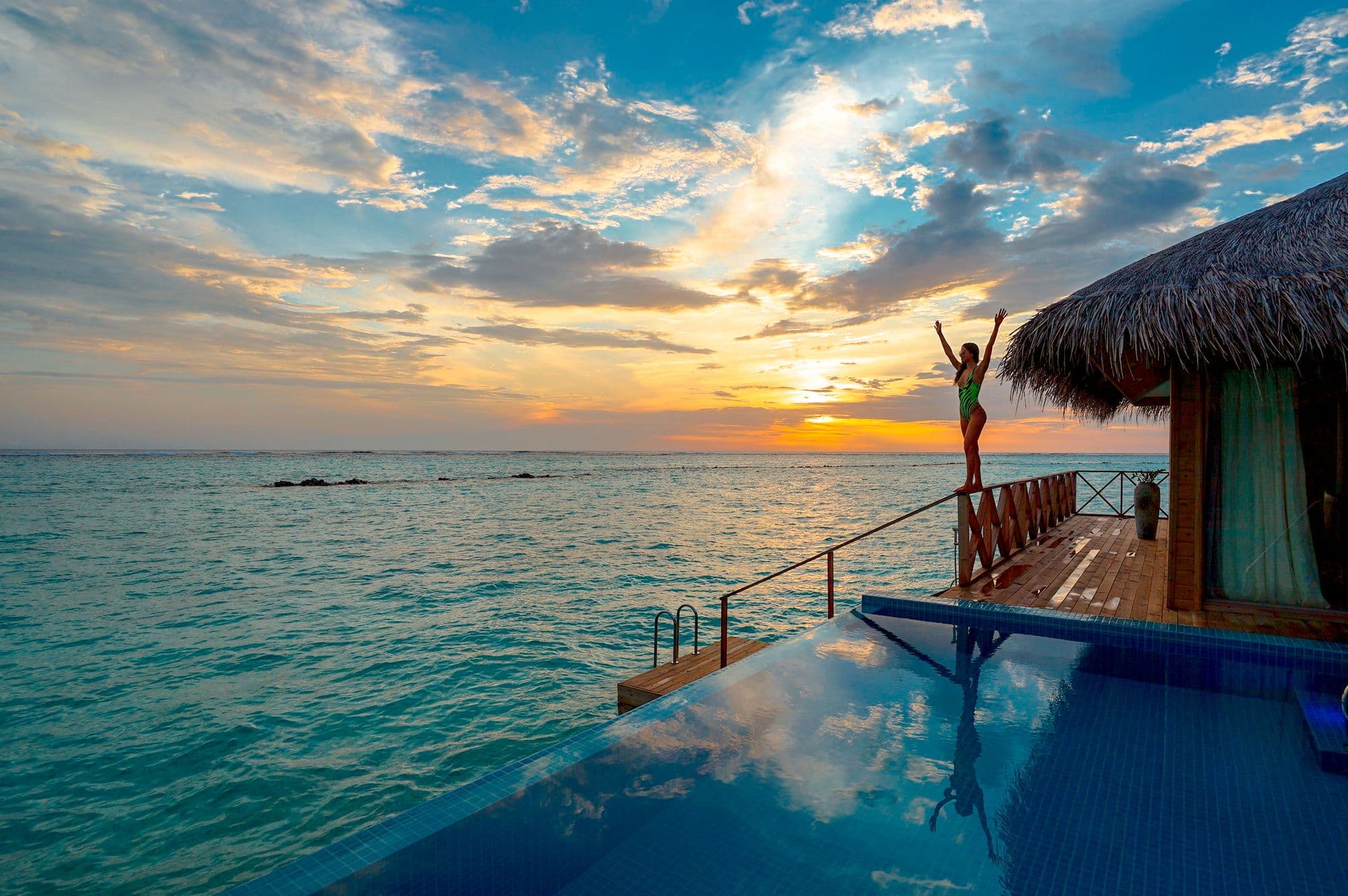
Traveler greeting the sunset from an infinity pool over the Indian Ocean
11 daysSafari + beach

Serengeti + Zanzibar

Arusha · Tarangire · Ngorongoro Crater · Central Serengeti · Zanzibar

Couples, honeymooners and first-timers who want a complete safari followed by real beach time

Best months
June – October and December – February
Comfort levels
Comfort · Premium · Luxury · Ultra-Luxury
Individually quoted

Experiences

Related experiences

Getting around

Fly-In Safari

Hop between parks by light aircraft, trading long drives for more time on the ground and a bird’s-eye view of the country in between.

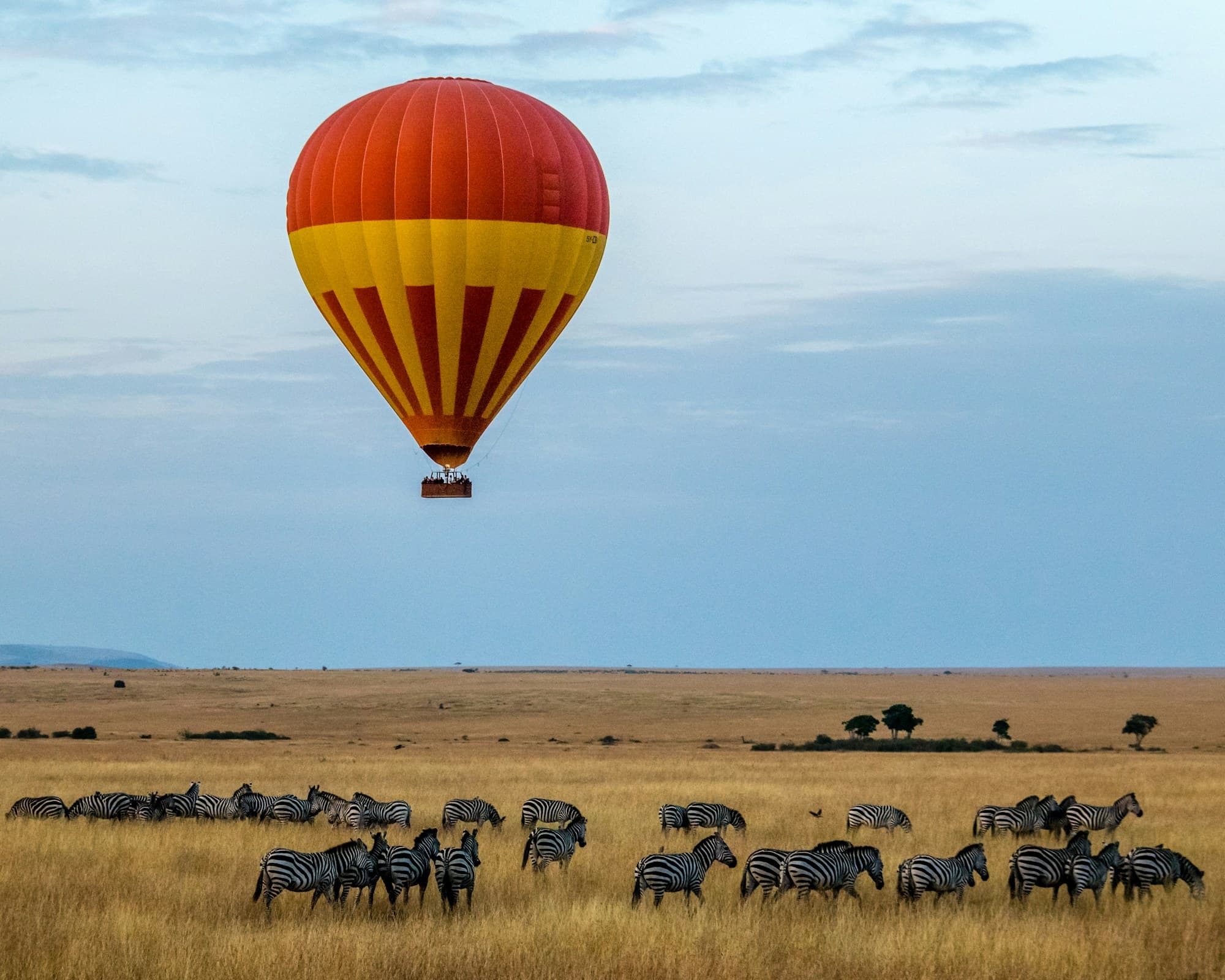
Aerial view over savanna herds from a hot-air balloon at first light

In the air

Serengeti Hot-Air Balloon Safari

Drift over the Serengeti at first light as the plains wake beneath you, then land for a champagne breakfast in the bush.

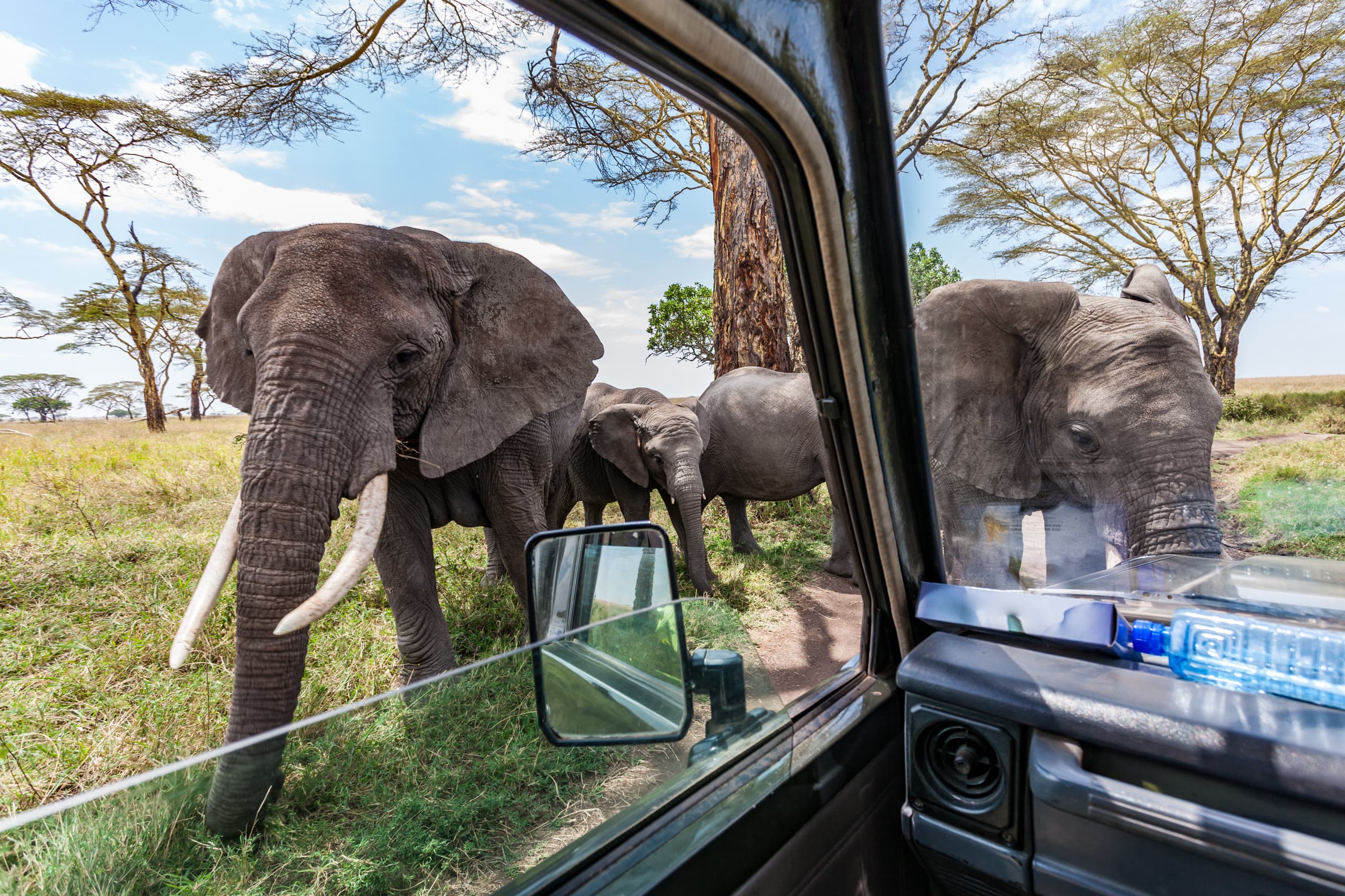
Elephants seen up close from inside a private safari vehicle

Photography

Private Photography Vehicle

A private vehicle set up for cameras — fewer guests, a window each, bean bags and a guide who thinks in light and angles.

Good to know

Frequently asked questions

How much does a 7-day Tanzania safari cost?

It depends mainly on the comfort level, the season and how many of you share the vehicle. A useful first estimate is the per-night range for your chosen comfort level multiplied by your number of nights, plus internal flights and extras such as gratuities and balloon flights. We then turn that into an itemized quote for your actual dates.

Are park fees included in a Tanzania safari quote?

In a well-constructed quote, yes, and they should be itemized. Tanzania’s parks charge conservation fees per person per 24 hours, and the Ngorongoro Crater adds a per-vehicle service fee for each descent. Because the authorities revise fees from time to time, we quote them at current rates and explain how any later change would be handled.

Why do solo travelers pay more on safari?

For two reasons. A private vehicle and guide cost the same whether one or four people ride in them, so a solo traveler carries that cost alone, and many camps charge a single supplement for sole use of a room. Some camps reduce or waive the supplement in quieter months, which we look for when planning.

How much should I allow for tips on a Tanzania safari?

Gratuities are customary and usually paid in cash, most often in US dollars, at the end of your time with each guide and camp. Amounts vary with party size and length of stay, and our safari tipping guide sets out typical ranges. Many travelers set aside a daily amount so it is simple to manage.

Does the green season really cost less?

At many camps, yes: rates from roughly March to May are usually the softest of the year, and some camps offer stay-longer rates. Park fees are set separately and do not follow camp seasons in the same way, so the overall saving depends on how much of your trip is accommodation. You also accept more rain and a smaller choice of open camps.

What deposit is needed to book a Tanzania safari?

Deposit terms depend on the camps and flights in your itinerary, because many camps require their own deposits well ahead of peak dates. We set out the deposit, balance date and cancellation terms clearly in your proposal before you commit, and our payment options page explains the methods available.

Open safari vehicle with guests on the savanna beneath a dramatic sunset

Tell Us Your Dates

Share when you want to travel, who is coming and what you hope to see. A safari specialist will design a private Tanzania journey around you — no obligation, and nothing booked until you approve it.

Start Designing My Safari