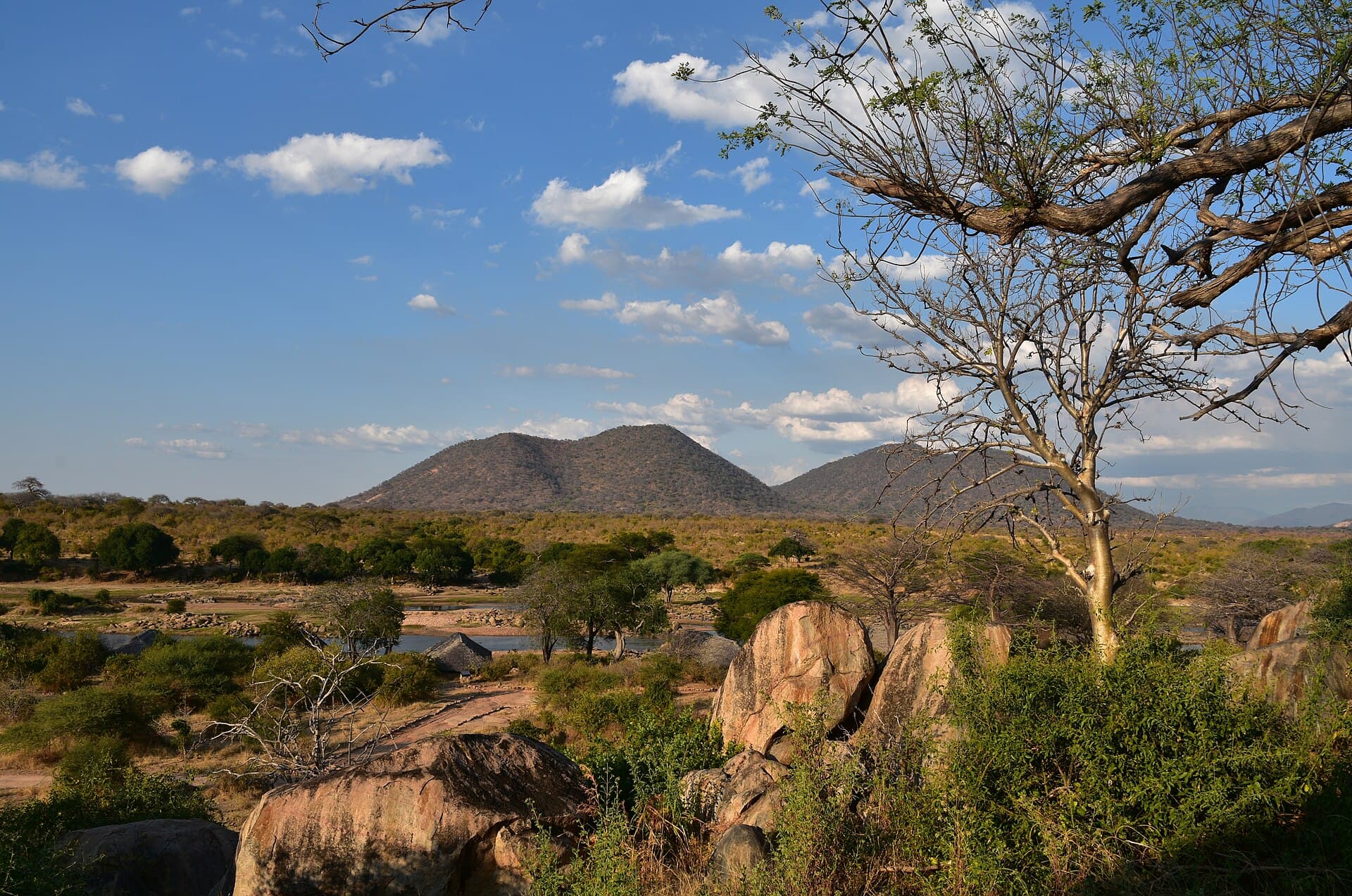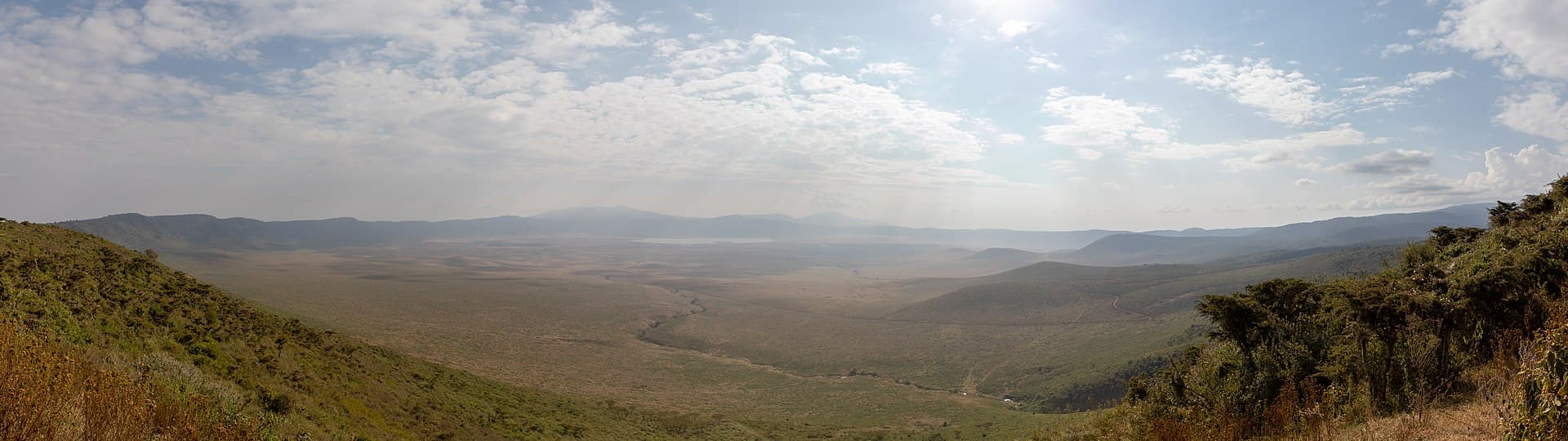
View across the Ngorongoro Crater floor from the forested rim

Private Tanzania safari

9-Day Serengeti, Ngorongoro & Tarangire Private Safari

9 daysPrivate safariTanzaniaIndividually quoted

Nine days is enough to see the northern circuit properly — afternoons beside Tarangire’s river, an early morning on the crater floor and three Serengeti nights placed for the season.

Customize This Journey
Duration9 days · 8 nights
Best monthsJune – March, routed to the season
Comfort levelsComfort · Premium · Luxury · Ultra-Luxury
RouteArusha · Tarangire · Ngorongoro Crater · Olduvai Gorge · Central Serengeti
Best forFirst-time travelers who want the complete northern circuit, with room to breathe
Trip typePrivate safari

If you go on safari in Tanzania only once, this is the route that shows you the most without feeling hurried. It links the three great landscapes of the northern circuit in the order that makes geographic sense: Tarangire and its baobab-studded river valley, the Ngorongoro highlands and crater, then the Serengeti’s plains. Each stop gets at least two nights, so you unpack properly and enjoy full days rather than transit days.

The pace suits curious first-timers, keen photographers and families with older children. A free highlands day between Tarangire and the crater leaves room for a coffee farm, a village walk or simply rest. The Serengeti section is flexible: between December and March, we may shift a night south to Ndutu to be closer to the calving herds, depending on the rains.

Why this route works

Tarangire is the natural first stop: close to Arusha, gentle on jet lag and at its best in the dry season, when elephants gather along the river. Two nights there give you one full day without packing. The highlands day breaks the circuit in the middle, so you come to the crater fresh rather than after a long drive. Olduvai Gorge sits directly on the road to the Serengeti and turns the transfer into a story. The final three nights are the reward, and flying out from the Serengeti spares you the long road back to Arusha.

Itinerary

Day by Day

A suggested flow — every day can be reshaped around you.

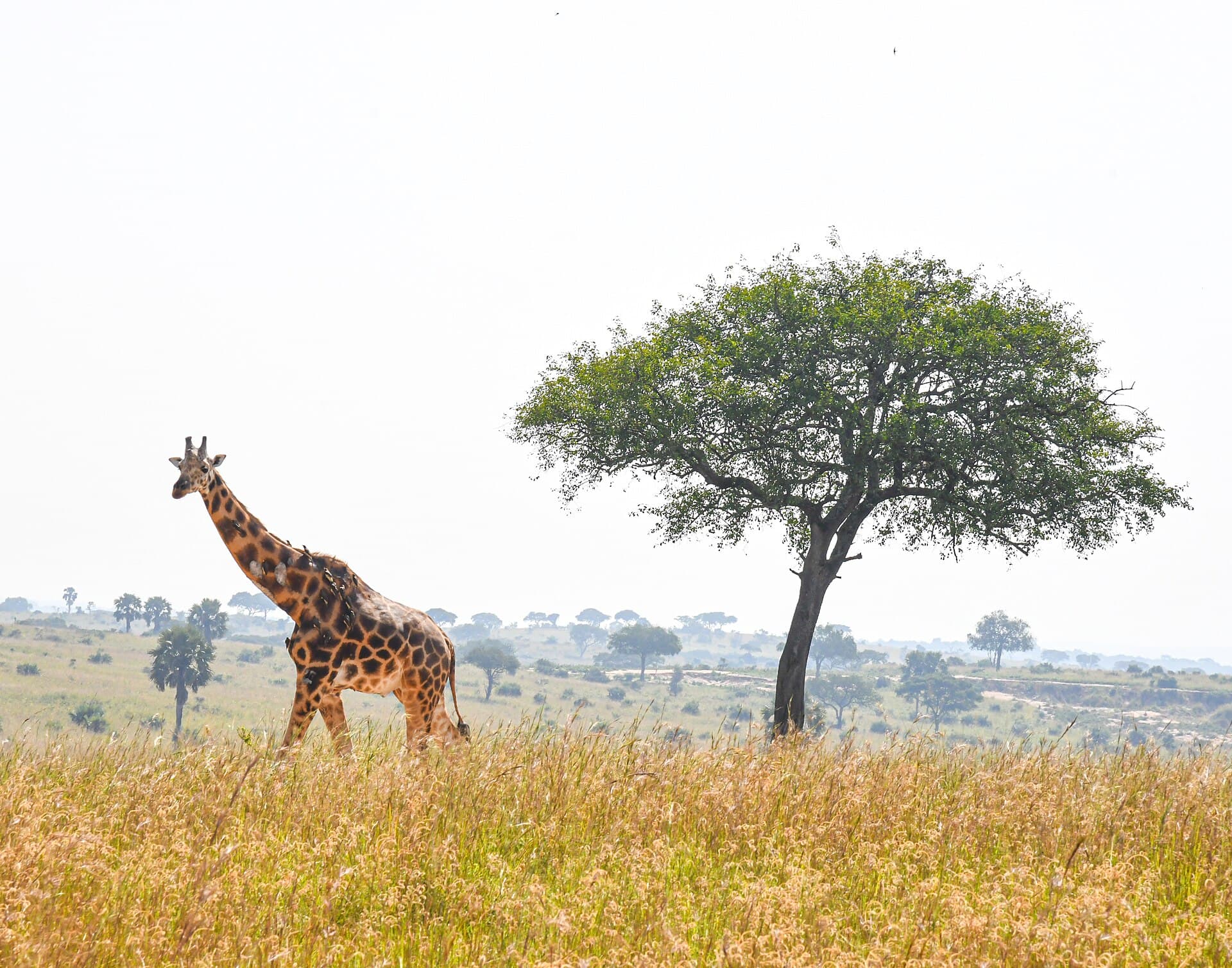
  1. A giraffe beside a lone acacia tree on the open savanna

    Day 1 · Arusha

    Arrival in Coffee Country

    Drive · Kilimanjaro International AirportArusha · about 1 hour

    After landing at Kilimanjaro International Airport, you are driven about an hour west to Arusha, where the stays we recommend sit among gardens and coffee farms on the lower slopes of Mount Meru. The volcano, around 4,566 meters high, often clears of cloud late in the day. If you arrive in daylight, a short walk or a swim is the best way to shake off the flight. Over dinner you go through the plan for the days ahead, from how the vehicle roof works to the small practicalities of camp life.

    • Airport welcome and private transfer
    • Evening briefing on the journey ahead
    Overnight
    Arusha
    Meals
    Dinner
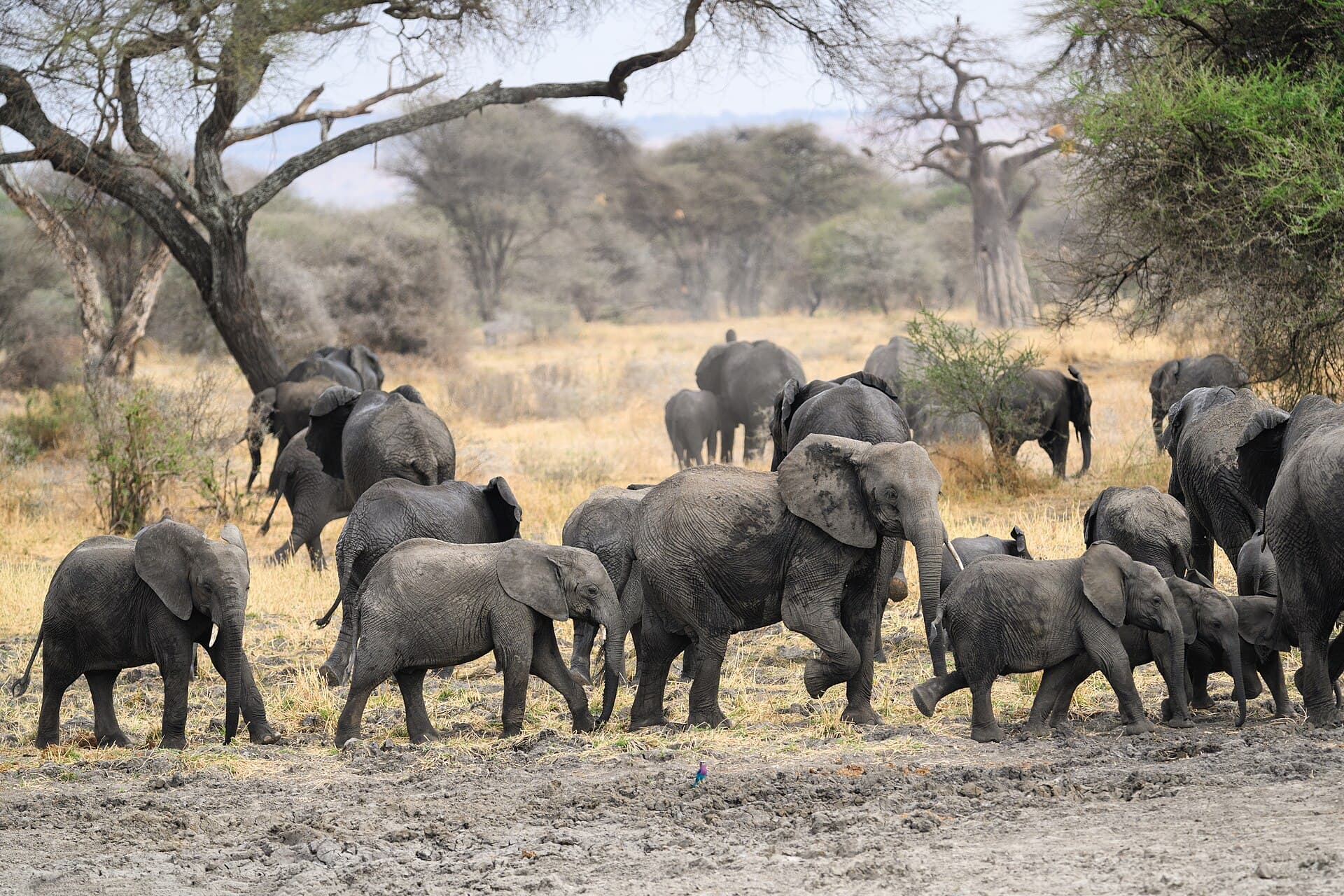
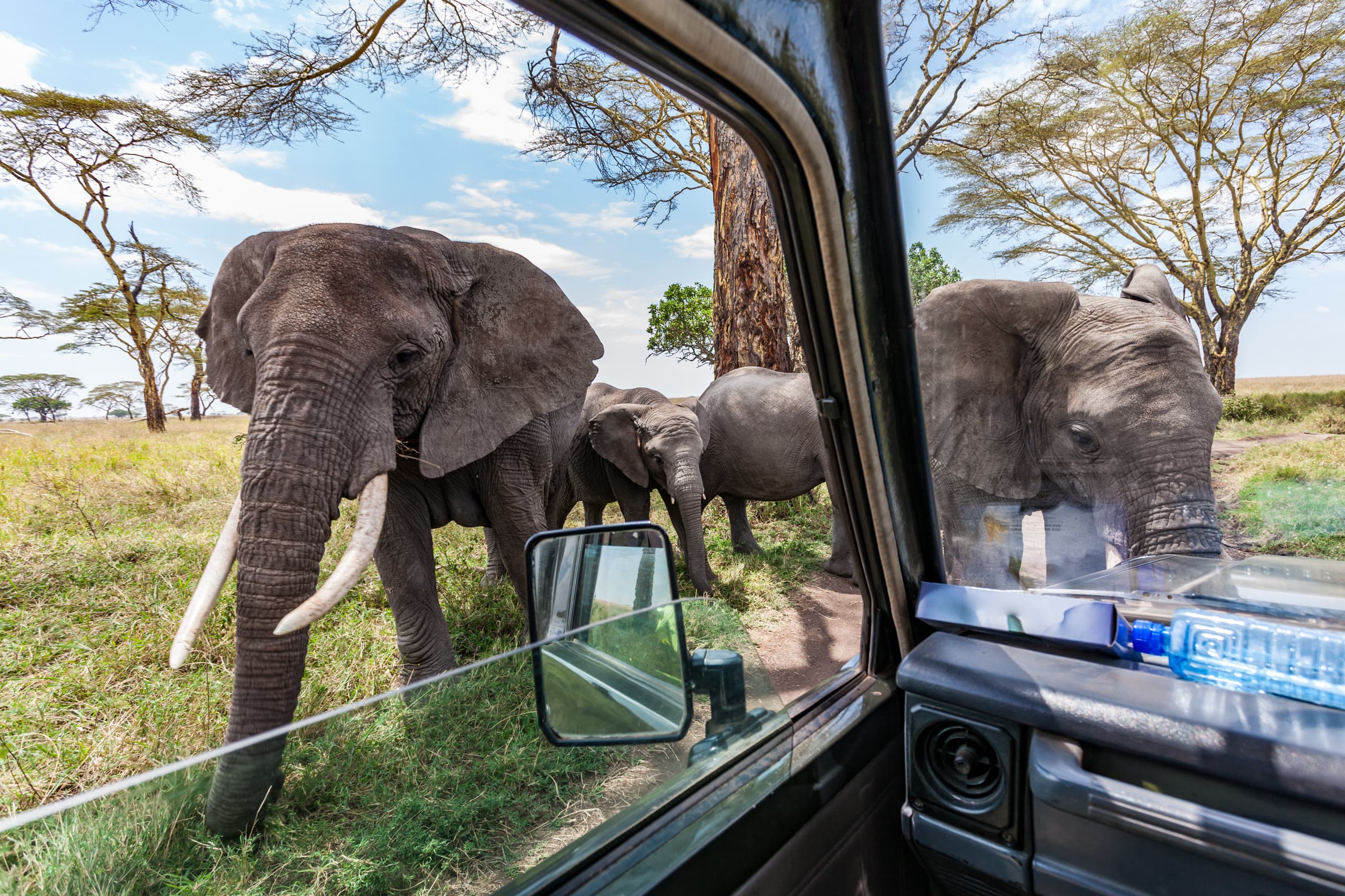
  2. Elephant herd gathered beneath acacia woodland in Tarangire

    Day 2 · Tarangire

    Into Tarangire’s River Country

    Drive · ArushaTarangire National Park · about 2–2.5 hours

    You set off after breakfast, leaving the main Dodoma road for the park gate, about 2–2.5 hours in all. By late morning you are inside Tarangire, where baobabs stand like old sentries and the Tarangire River runs through the heart of the park. After lunch at camp, the afternoon drive follows the river valley, where elephants often come down to drink in long lines and giraffe, impala and waterbuck gather along the banks. Stay out for the last light over the Maasai Steppe before heading back for dinner.

    • Game drive into the park
    • Lunch at camp
    • Afternoon drive along the Tarangire River
    Overnight
    Tarangire
    Meals
    Breakfast, lunch & dinner
  3. Day 3 · Tarangire

    A Slow Day in Elephant Country

    With nothing to pack, you can spend the whole day in the park. Your guide might head south toward the Silale Swamp, where the grass stays green long after the rest of Tarangire has dried and buffalo, elephants and lions follow it. Birders will find plenty to look at: yellow-collared lovebirds, kori bustards and southern ground hornbills are all regulars. If you are staying in a private concession, you can add a guided walk with an armed ranger, a completely different way to read tracks, dung and the small life in the grass.

    • Full day of game drives
    • Excursion toward the Silale Swamp
    • Optional guided walk in a private concession
    Overnight
    Tarangire
    Meals
    Breakfast, lunch & dinner
  4. View across the Ngorongoro Crater floor from the forested rim

    Day 4 · Ngorongoro Crater

    Coffee, Villages and Cool Air

    Drive · TarangireKaratu, Ngorongoro highlands · about 2 hours

    An easy morning drive out of Tarangire leads to the Rift Valley wall, which you climb above Lake Manyara to reach the farmland around Karatu, about two hours in all. The afternoon is yours. Many travelers choose a walk through a working coffee farm, following the bean from bush to cup, or a village walk with a local guide. Others simply sit by the fire with a view of the forest. It is a deliberate pause before tomorrow’s early start, and a chance to see how people live alongside the parks.

    • Morning exit drive through Tarangire
    • Optional coffee-farm walk
    • Optional village walk with a local guide
    Overnight
    Ngorongoro highlands
    Meals
    Breakfast, lunch & dinner
  5. Day 5 · Ngorongoro Crater

    Down the Crater Wall

    You leave before dawn for the crater rim and start down the wall as mist lifts off the floor below. The next several hours are spent on the grassland, swamp and fever-tree forest of a volcano that collapsed roughly two to three million years ago. Look for lion prides near the Munge swamp, elephant bulls carrying heavy tusks in the Lerai Forest, and the black rhino the crater is known for, though they are often distant. By early afternoon you climb out and return to the highlands for a quiet evening.

    • Pre-dawn drive to the crater rim
    • Private descent to the crater floor
    • Picnic lunch beside a hippo pool
    Overnight
    Ngorongoro highlands
    Meals
    Breakfast, lunch & dinner
  6. Day 6 · Olduvai Gorge

    The Gorge and the Great Plains

    Drive · Ngorongoro highlandsCentral Serengeti · about 4–5 hours including the Olduvai visit

    Leaving the highlands, you drive through the Ngorongoro Conservation Area, where Maasai herders move cattle between volcanic hills, and turn off to Olduvai Gorge. At the museum and viewpoint, you learn how fossils and stone tools found here, some nearly two million years old, changed what we know about early humans. Then the land opens into the short-grass plains of the southern Serengeti. You enter at Naabi Hill, continue north, game viewing as you go, and reach your camp in the central Serengeti by late afternoon.

    • Guided visit to Olduvai Gorge
    • Lunch at Naabi Hill Gate
    • Game drive into the central Serengeti
    Overnight
    Central Serengeti
    Meals
    Breakfast, lunch & dinner
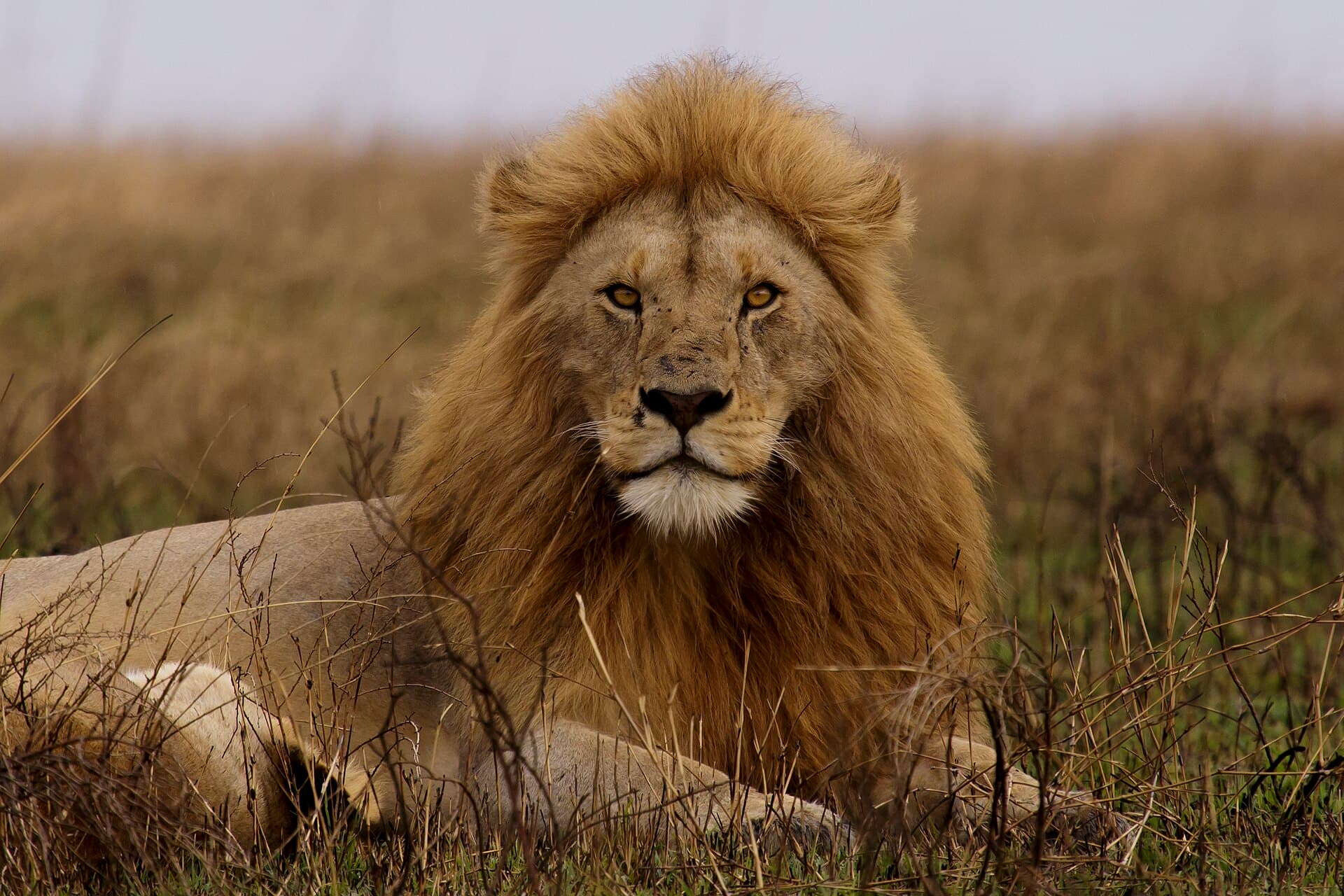
  7. A male lion resting in golden grass in the Serengeti

    Day 7–8 · Central Serengeti

    Following the Serengeti’s Rhythm

    Two full days in the Serengeti are planned around the season. From June to November, the country around Seronera is prime ground for resident lion, leopard and cheetah, and in some years migrating herds pass through on their way north or south. Between December and March, when the herds usually graze the southern plains, we may move one night to Ndutu so you wake closer to the calving grounds. Either way, you choose the rhythm: full days out with a packed lunch, or morning and afternoon drives with a rest at camp in between.

    • Full-day and half-day game drives
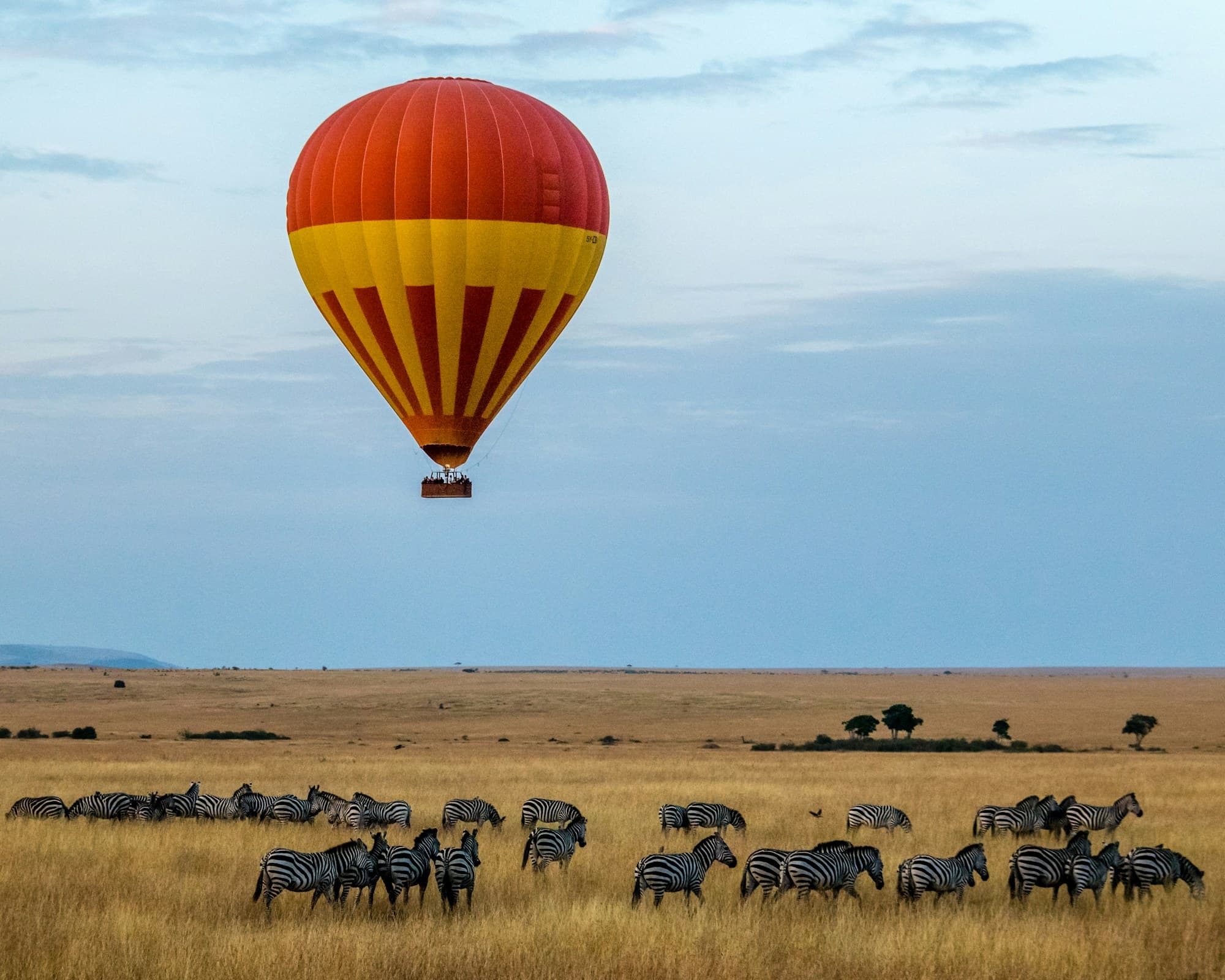
    • Optional dawn balloon flight
    • Optional bush breakfast on the plains
    Overnight
    Central Serengeti (or Ndutu in calving season)
    Meals
    Breakfast, lunch & dinner
  8. Day 9 · Central Serengeti

    A Last Look at the Plains

    Flight · Seronera or Ndutu airstripArusha · about 1–1.5 hoursFrom Arusha, the road transfer to Kilimanjaro International Airport takes about 1 hour.

    Take a short final game drive, or linger over coffee and watch the plains from camp. Your guide then takes you to the airstrip — Seronera, or Ndutu if you have been in the south — for the hop back to Arusha, which takes roughly 60–90 minutes. A driver meets you on landing for the hour-long transfer to Kilimanjaro International Airport and your international connection. If you can spare a few more days, this is also the natural point to continue by air to Zanzibar.

    • Short final game drive
    • Light-aircraft flight to Arusha
    • Transfer to Kilimanjaro International Airport
    Meals
    Breakfast

Lodges

Where You’ll Stay

Choose a comfort level to see the stay style for each part of the journey. We match specific camps to your dates and availability.

Spacious, characterful camps in prime locations, with exceptional service and food.

  1. 1 night · Arusha

    Premium

    Arusha · coffee country

    Coffee Estate Lodge

    Farm lodge

    • Spacious cottages or suites set around the gardens
    • Coffee tours of the estate, often from bean to cup
    • Pool and lawns for an easy arrival afternoon
  2. 2 nights · Tarangire

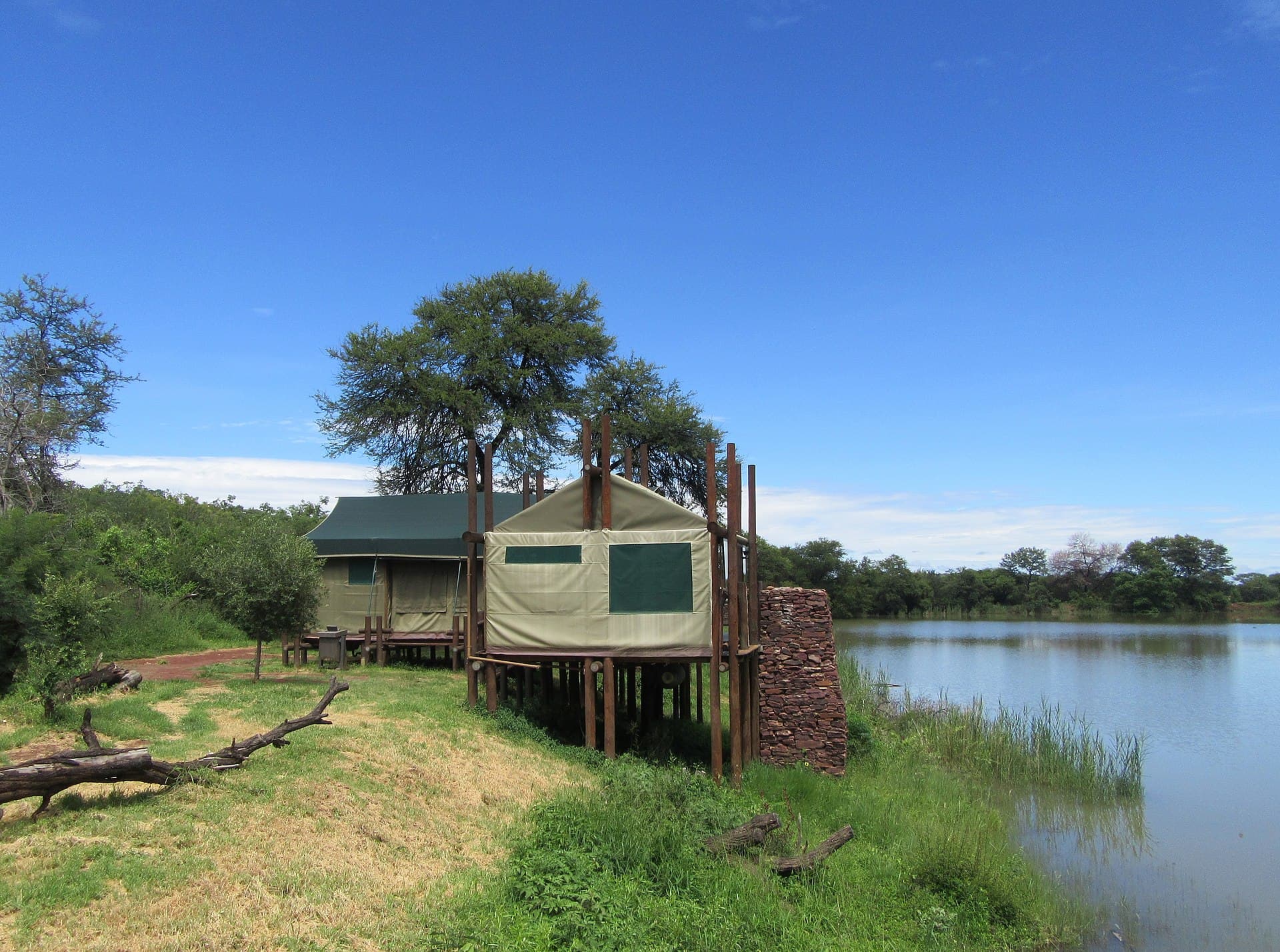
    A canvas safari tent set among trees at a private tented campPremium

    Tarangire · river valley

    River-Valley Tented Camp

    Tented camp

    • Spacious en-suite tents with private verandas
    • River-valley views from the lounge and deck
    • Bush breakfasts and sundowners on request
  3. 2 nights · Ngorongoro

    Premium

    Ngorongoro highlands · Karatu farmland

    Working Farm Lodge

    Farm lodge

    • Spacious cottages, often with fireplaces for cool evenings
    • Farm-to-table meals from the kitchen gardens
    • Guided walks on the farm and along the forest edge
  4. 3 nights · Central Serengeti

    A canvas safari tent set among trees at a private tented campPremium

    Central Serengeti · Seronera

    Classic Seronera Tented Camp

    Tented camp

    • Spacious en-suite tents with private verandas
    • Family tents with interconnecting rooms at some
    • Campfire drinks and dinners under the stars

Price

Price

Every private safari is priced for your dates, party and choices — here is what moves the number.

Individually quoted

Custom pricing based on your dates, comfort level, party size and routing.

  • SeasonPeak months (July–October, the festive season) sit at the top of the range; the green season (April–May) is noticeably softer.
  • Party sizeYour private vehicle and guide are shared across your party — the per-person cost typically falls as your group grows from two to four or six.
  • Comfort levelMoving from Comfort to Ultra-Luxury changes the nightly rate more than any other choice.
  • RoutingFlying the long legs saves hours on the road and adds light-aircraft fares; driving keeps costs lower.

What’s Included

  • Private 4×4 safari vehicle with pop-up roof and a professional driver-guide
  • Accommodation at your chosen comfort level
  • Meals as listed day by day
  • Park, conservation and crater fees for the itinerary
  • Airport meet-and-greet and all road transfers
  • Drinking water on game drives
  • On-the-ground support from our Tanzania team
  • Guided visit to Olduvai Gorge and its museum
  • Two nights in Tarangire, with a full day in the park
  • Private descent into the Ngorongoro Crater, timed for the early light
  • Scheduled light-aircraft flight from the Serengeti to Arusha
  • Seasonal routing, including a possible night at Ndutu in December–March

Not Included

  • International flights
  • Visa fees
  • Travel and medical insurance (strongly recommended)
  • Gratuities for guides and camp staff
  • Premium drinks and personal expenses
  • Guided walk in a Tarangire private concession (optional; luxury and ultra levels)
  • Hot-air balloon flight and bush breakfast (optional add-ons)
  • Dedicated photographic vehicle (optional upgrade)

A typical inclusion list — your written proposal itemizes exactly what is and isn’t included.

Activities

Activities & Add-Ons

Included experiences and optional upgrades for this journey.

Included

Culture

Olduvai Gorge

Sits on the road to the Serengeti, adding almost no travel time.

Tented camp glowing at sunrise over golden hillsOptional

Bush dining

Bush Breakfast

A long Serengeti morning, finished with breakfast under the acacias.

Wild kopje-studded savanna of Ruaha National ParkOptional

On foot

Walking Safaris

Ranger-led walks in Tarangire’s private concession, at luxury and ultra levels.

Map

Route Map

Route map: Arusha · Tarangire · Ngorongoro Crater · Olduvai Gorge · Central Serengeti1Kilimanjaro Airport2Arusha3Tarangire4Ngorongoro Crater5Olduvai Gorge6Central Serengeti
By roadBy air

Approximate locations — not for navigation.

How This Journey Changes Through the Year

June–October
The dry season suits this route best. Tarangire’s elephant numbers peak, animals concentrate at water across the circuit and cool mornings make long game drives comfortable.
December–March
The herds usually graze the southern plains, and we may move one night to Ndutu to reach them. Afternoon showers are possible, and the landscape is green and full of young animals.
November
Short rains bring brief storms and fewer vehicles. Herds are often moving south through the Serengeti, though their timing follows the rain rather than the calendar.

Make It Yours

  • Swap a Seronera night for two at Ndutu during calving season
  • Add a ranger-led walk in Tarangire’s private concession
  • Stay on the crater rim for sunrise over the caldera
  • Add a hop north to the Mara River for July–October crossings
  • Extend to Zanzibar for four nights on the Indian Ocean

Good to know

Frequently asked questions

How long are the drives on the northern circuit?

Most transfer days involve about 2 hours of driving. The longest, from the highlands to the Serengeti, takes about 4–5 hours including the Olduvai stop and game viewing. You fly back from the Serengeti to Arusha, which saves roughly a full day on the road.

When is the best time for this northern circuit safari?

June to October is the classic choice: dry, clear and excellent across all three parks. December to March brings green grass, fewer vehicles and, often, the migration within reach of Ndutu. April and May bring the long rains, when tracks can be muddy and some camps close.

Will I see the Great Migration on this itinerary?

Possibly, depending on the season. The herds move with the rain, so between December and March we can route you toward them in the southern Serengeti, while in July–October they are usually far to the north. If the migration is your main goal, the Great Migration Safari is built around following it.

How do the four comfort levels differ on this route?

Comfort and premium use well-located lodges and tented camps, with premium adding more character through stays such as a Tarangire river-valley camp and a Karatu farm lodge. Luxury moves you to a private concession in Tarangire and a lodge on the crater rim. Ultra adds the most exclusive stays in each area, with more space, privacy and personal service.

Can I add a walking safari?

Yes, at the luxury and ultra levels, where your Tarangire camp sits in a private concession that allows guided walks with an armed ranger. Walks usually take place in the cooler early morning and focus on tracks, plants and smaller creatures. Minimum ages apply and vary by camp.

Safaris

Similar Tanzania Safaris

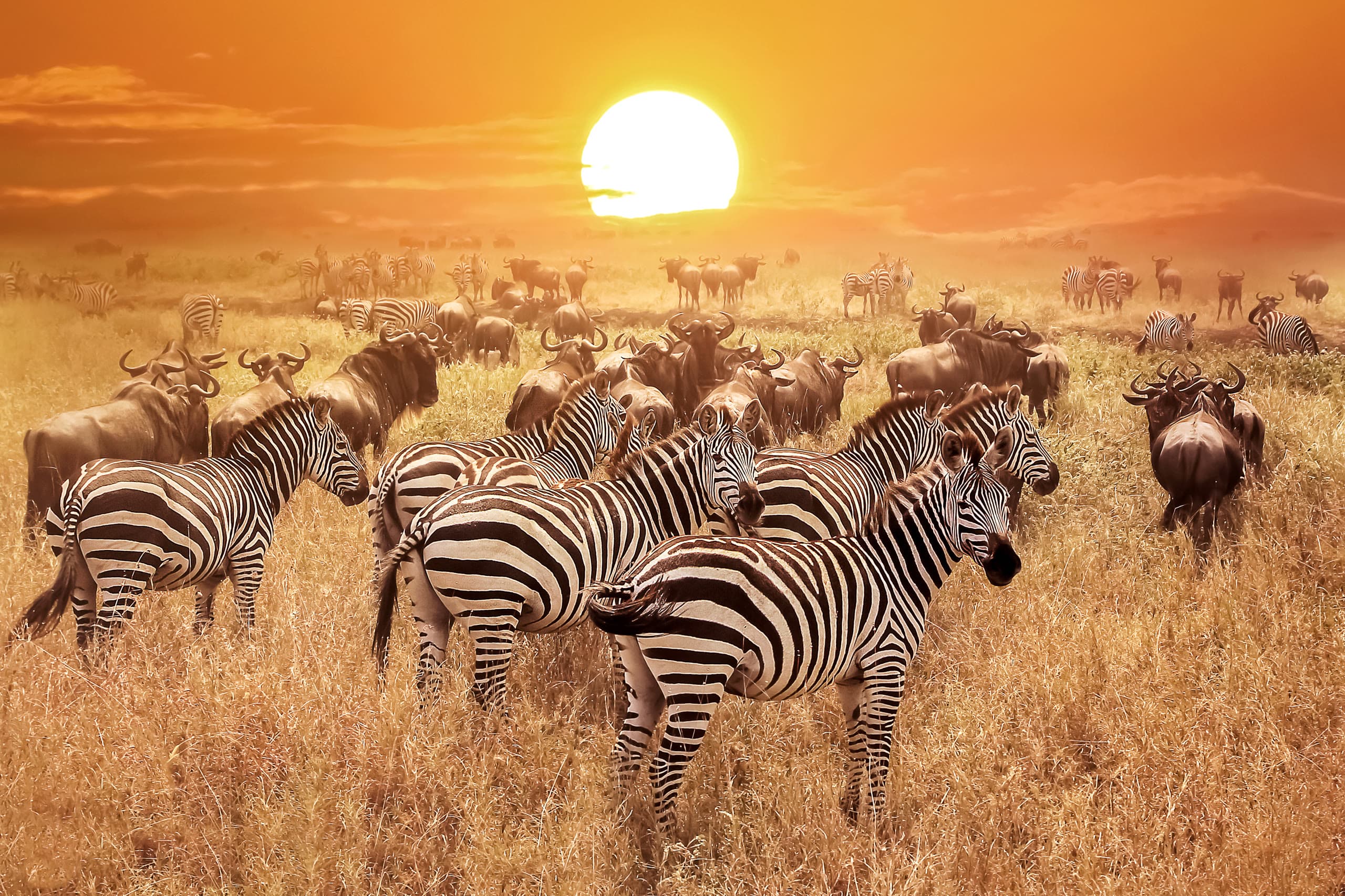
Zebra and wildebeest herds grazing at golden sunset during the Great Migration
9 daysMigration

Great Migration Safari

Arusha · Ngorongoro Crater · Central Serengeti · Northern Serengeti

Travelers who want the migration at the center of the trip, whatever month they can travel

Best months
Year-round — routed to the herds
Comfort levels
Premium · Luxury · Ultra-Luxury
Individually quoted
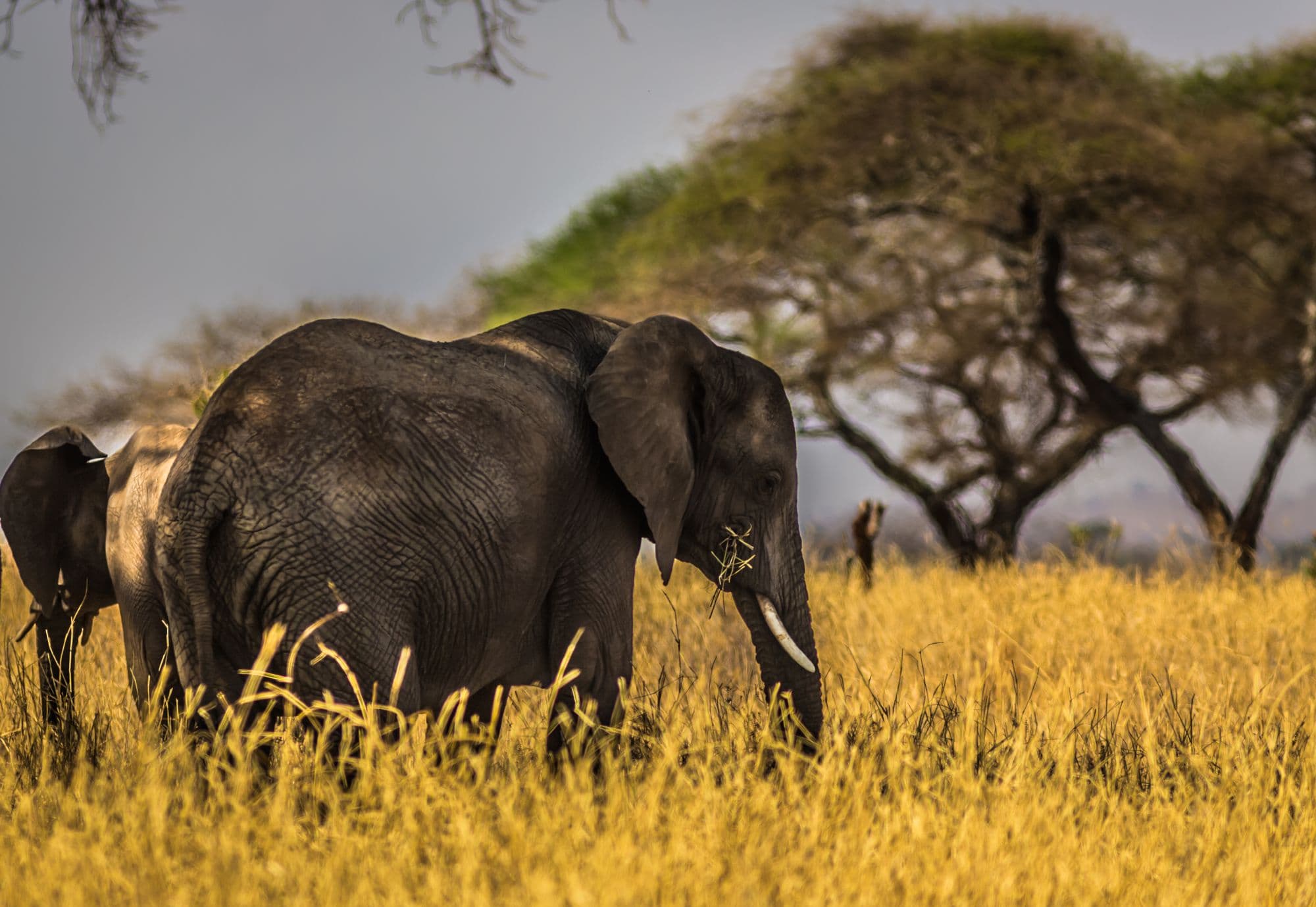
Elephants grazing beneath flat-topped acacia trees on golden grassland
8 daysMost popular

Serengeti & Ngorongoro Classic

Arusha · Lake Manyara · Central Serengeti · Olduvai Gorge · Ngorongoro Crater

First-time safari-goers and photographers who want real time in the Serengeti without flying

Best months
June – March, outside the long rains
Comfort levels
Comfort · Premium · Luxury · Ultra-Luxury
Individually quoted
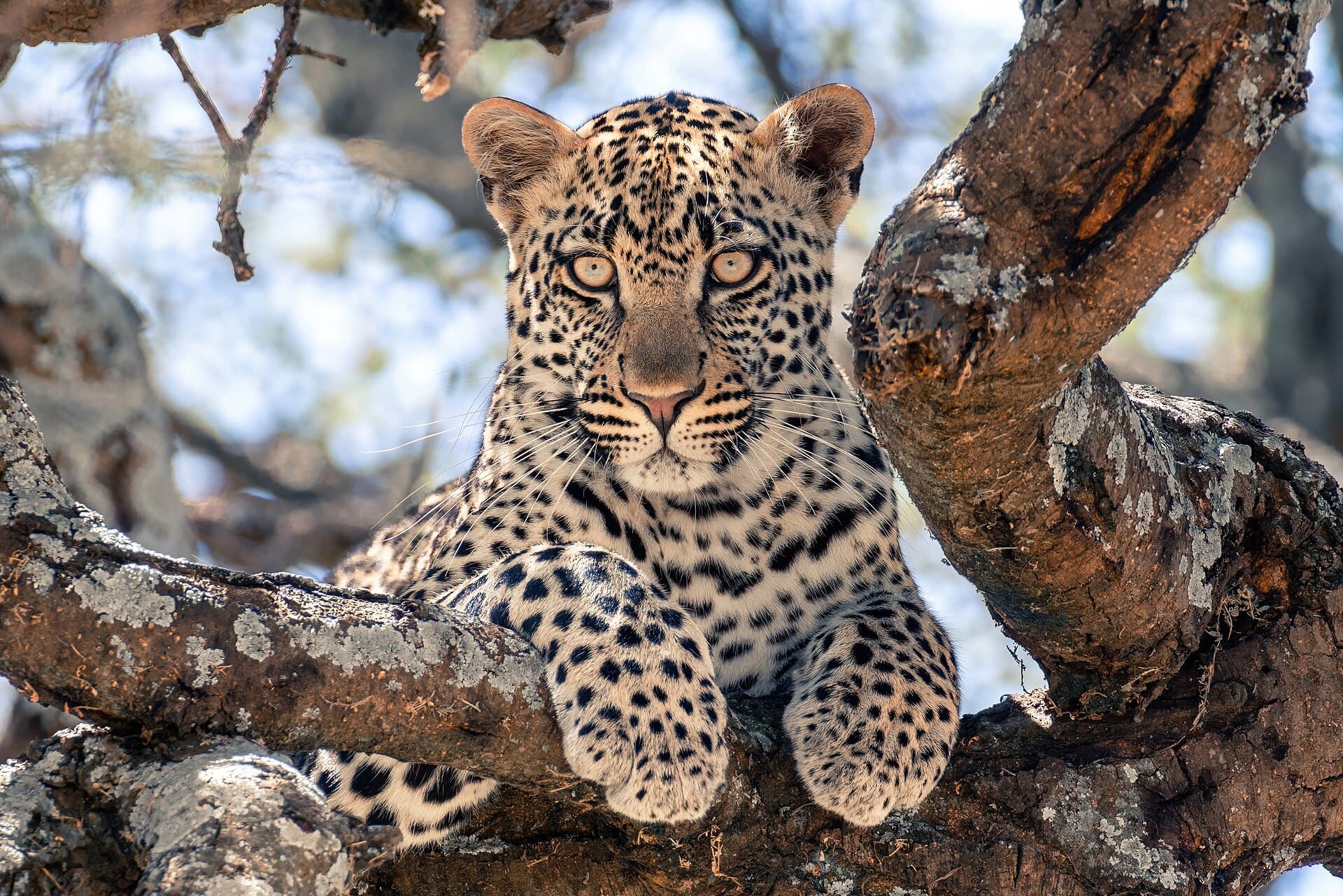
A leopard resting in the fork of a tree in the Serengeti
8 daysJan–Mar

Calving Season Safari

Arusha · Ngorongoro Crater · Olduvai Gorge · Ndutu

Wildlife photographers and returning travelers who want newborn calves and predator action

Best months
Late December – March (calving peaks around February)
Comfort levels
Comfort · Premium · Luxury
Individually quoted
View across the Ngorongoro Crater floor from the forested rim

Customize This Journey

Tell us your dates, who is traveling and your preferred comfort level. A safari specialist will tailor this route around you — nothing is booked until you approve every detail.

Customize This Journey